
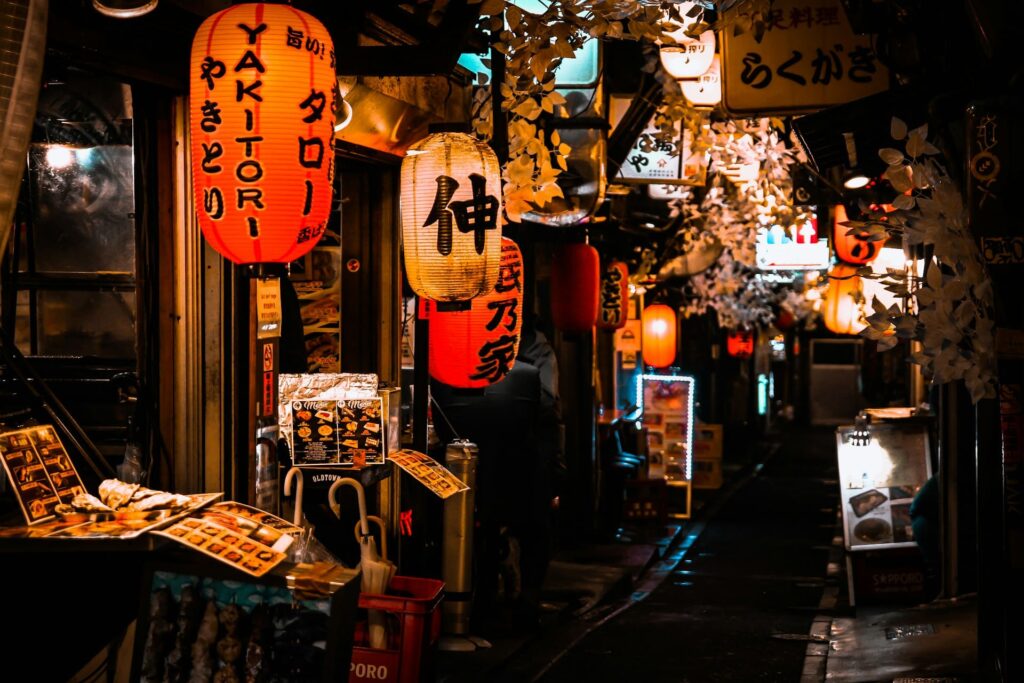
If you are researching Tokyo nightlife, you may have seen worrying stories about Shinjuku Golden Gai: tourists being turned away, “Members Only” signs, “No Foreigners” rumors, and unexpected cover charges. For visitors who want an authentic Japanese bar street experience, that can make the area feel intimidating before the night even starts.
So, are foreigners really turned away in Golden Gai? Sometimes, yes. But the full answer is more practical than dramatic. Golden Gai is made up of very small bars, often with only a handful of seats, and each bar has its own rules, regular customers, language comfort level, and pricing system.
This guide explains why rejection can happen, how to reduce the risk, what cover charges usually mean, and why Akabane can be a better choice if you want a more local, independent Tokyo nightlife experience.
Quick Answer: Golden Gai, Foreign Visitors, and Akabane
- Some Golden Gai bars may turn tourists away. This is usually because of limited seating, regular-customer rules, language barriers, or house policy.
- Many Golden Gai bars still welcome foreign visitors. Look for clear prices, English signs, open doors, and a relaxed atmosphere before entering.
- Cover charges are common. As of May 2026, many small bars in Golden Gai charge a seat or table fee, often around 500–1,500 JPY, though prices vary by bar.
- Akabane is a strong alternative. It offers a more local, less polished izakaya and yokocho atmosphere, especially around Akabane Ichibangai and OK Yokocho.
- A guided Shinjuku bar tour is best for low-stress access. It will not make every bar in Tokyo available, but it can reduce awkward entrances, language issues, and guesswork.
Are Foreigners Really Turned Away in Golden Gai?
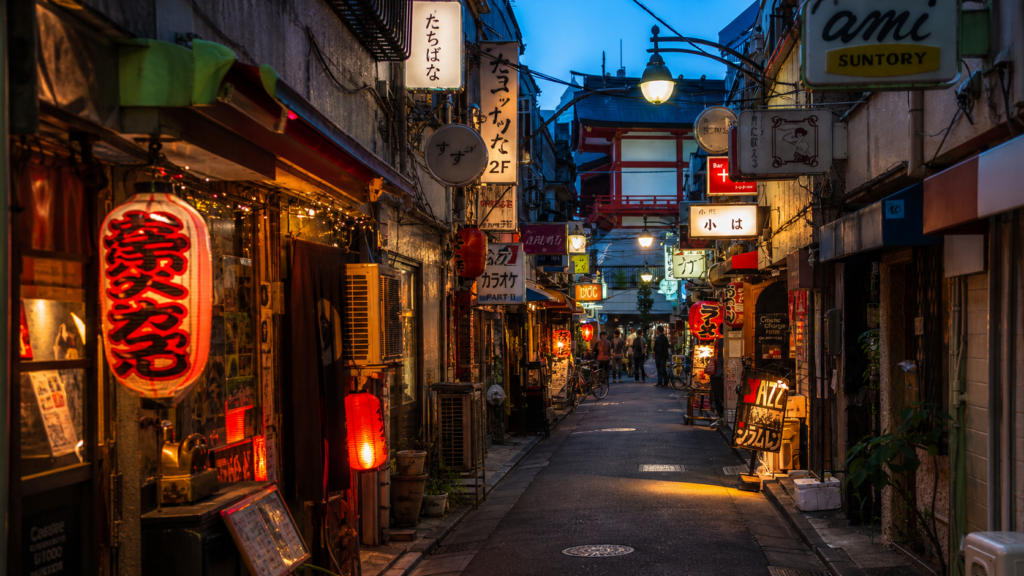
Yes, it can happen. Some Golden Gai bars are not set up for casual tourist traffic, and a few may display signs such as “Members Only,” “Regulars Only,” or “Japanese speakers only.” That does not mean every bar in Golden Gai rejects foreign visitors. In fact, many bars in the area actively welcome travelers.
The important point is that Golden Gai is not a normal nightlife district with large pubs and open seating. It is a dense collection of tiny upstairs and downstairs bars, many of which have only five to eight seats. When a bar is that small, one group can change the entire atmosphere of the room.
If you arrive with realistic expectations, go in a small group, and choose the right-looking bars, Golden Gai can still be worth visiting. If you expect to walk into any bar without checking the vibe, prices, or house rules, it can feel frustrating.
Why Do Some Golden Gai Bars Refuse Tourists?
The reasons are usually practical rather than personal. Golden Gai bars are tiny, and many rely on regular customers who come back often. A bar owner may hesitate to give several seats to visitors who might order one drink, take photos, stay too long, or struggle to communicate.
Language can also be a real issue. Some owners are comfortable serving foreign visitors with simple English, gestures, or translation apps. Others are not. If a bar has no English menu, no visible prices, and a very local crowd, the owner may decide it is easier to keep the space for regulars.
Photography is another reason tourists sometimes create tension. Golden Gai is visually fascinating, but many bars are intimate spaces rather than sightseeing attractions. Always ask before taking photos inside a bar, and avoid photographing other customers without permission.
How Can You Avoid Being Turned Away in Golden Gai?
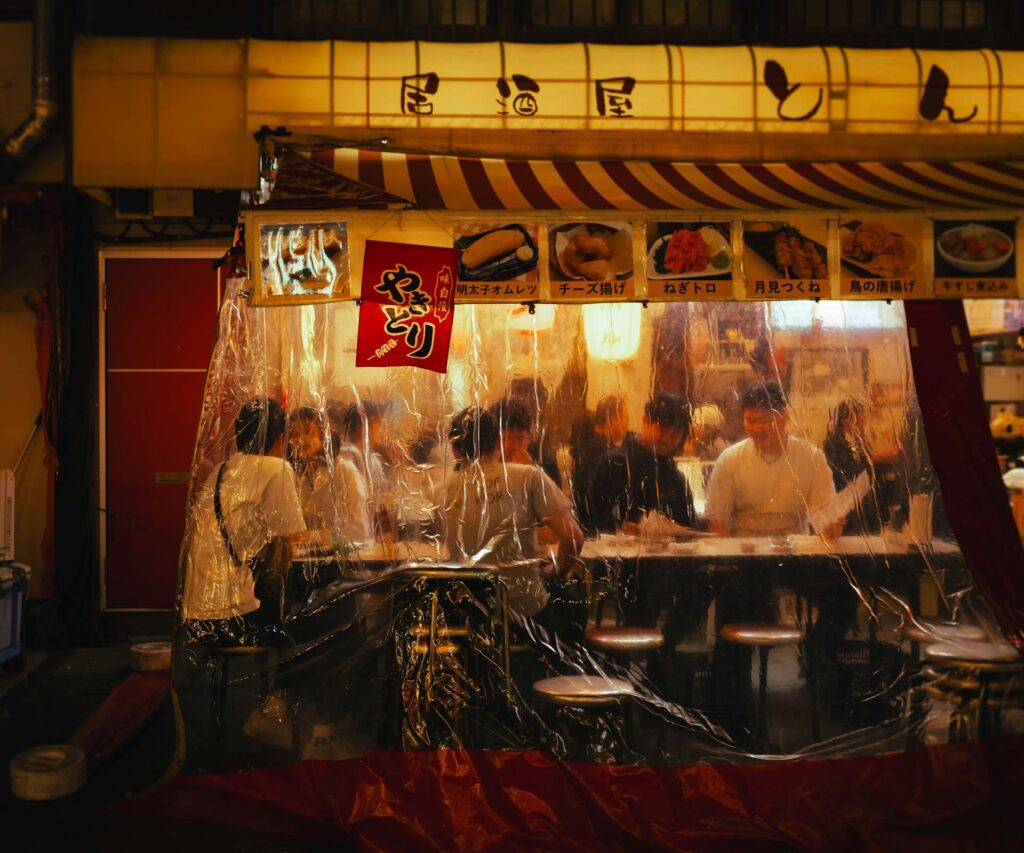
You cannot remove the risk completely, but you can make your night much easier by choosing bars carefully and behaving like a respectful customer rather than a passerby looking for a photo opportunity.
- Go in one or two people. Groups of three or more are harder to seat in Golden Gai’s smallest bars.
- Look for open, welcoming signs. English menus, visible drink prices, and open doors are good signs.
- Check the cover charge before sitting down. Ask “Cover charge?” or point to the menu before ordering.
- Order properly. Do not share one drink across several people or occupy seats without ordering. (Read up on basic izakaya etiquette if you aren’t sure how it works.)
- Keep photos discreet. Ask first, especially inside small bars.
- Carry cash. Some small bars accept cards, but cash is still the safer option.
- Do not take rejection personally. If a bar says no, move on. Another bar nearby may be more welcoming.
How Do Cover Charges Work in Golden Gai?
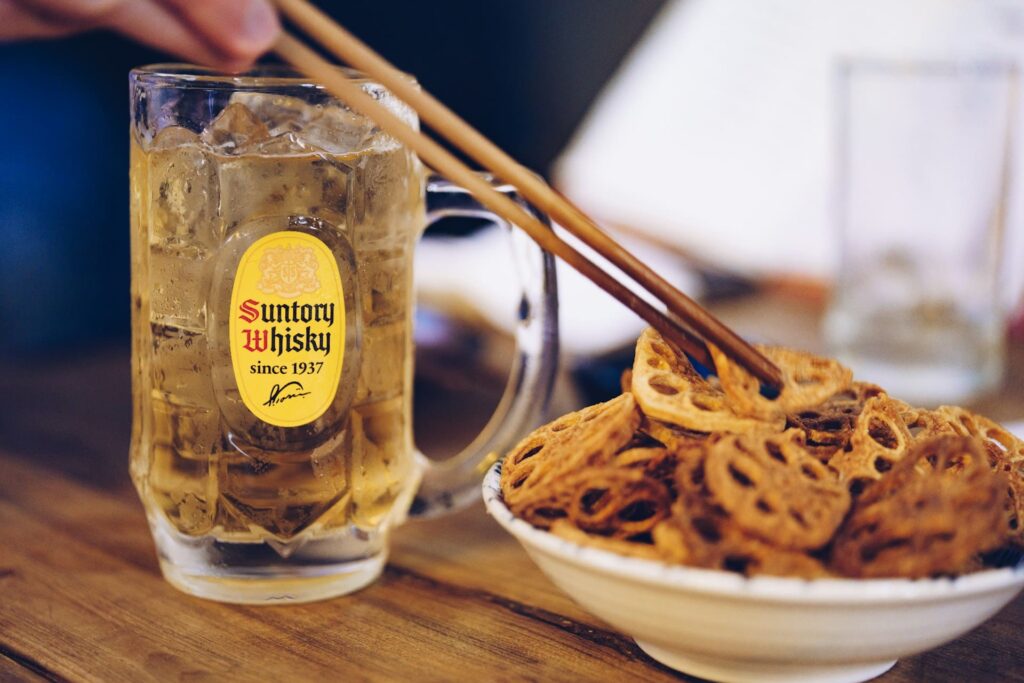
A cover charge, seat charge, or otoshi fee is common in many small Japanese bars and izakayas. In Golden Gai, this fee is usually charged per person before drinks and food. Sometimes it includes a small appetizer; sometimes it is simply a seating fee.
As of May 2026, a realistic expectation is around 500–1,500 JPY per person at many small Golden Gai bars, though some places may charge less, more, or nothing at all. Prices vary by venue, so check the sign outside or ask before you sit down.
This matters most if you plan to bar-hop. One cover charge may be fine, but several cover charges in one night can add up quickly. If you are on a budget, look for “No Cover Charge” signs, clear menus, or bars where the pricing is posted outside.
Is Akabane a Better Alternative to Golden Gai?
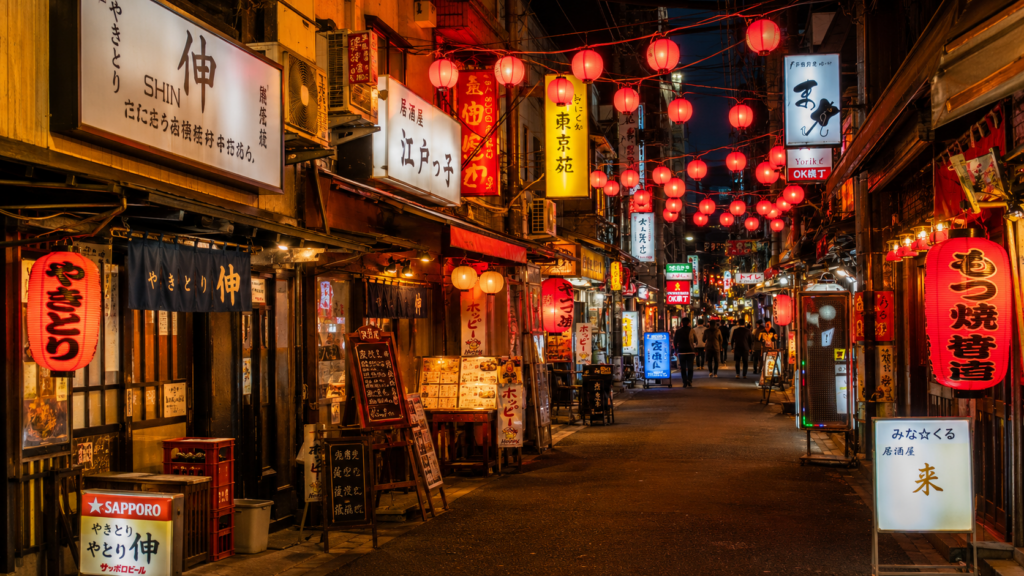
Akabane can be a better choice if your goal is not the famous Golden Gai name, but a more local Tokyo drinking experience. Located north of central Tokyo, Akabane is known for casual izakayas, red lanterns, daytime drinking culture, and narrow drinking alleys around Akabane Ichibangai and OK Yokocho.
The atmosphere is different from Golden Gai. Golden Gai feels iconic, compact, and cinematic. Akabane feels more everyday, noisy, local, and unpolished. That is exactly why some travelers may prefer it.
However, Akabane is not automatically easier for every visitor. English menus are less common, small local bars may still feel intimidating, and you should be ready to use a translation app. Akabane is best for independent travelers who are comfortable figuring things out on the spot.
What Should You Know Before Drinking in Akabane?
Akabane is a strong option for travelers who want a real local nightlife area, but it works best when you are prepared. Do not expect the same level of tourist infrastructure you might find in Shinjuku, Shibuya, or Roppongi.
- Bring cash. Some small izakayas and bars may not accept cards.
- Use a translation app. English menus are not guaranteed.
- Go with a small group. One or two people will have an easier time entering small places, making it a great area for solo dining and drinking.
- Check last trains. Akabane is easy to reach, but you still need to plan your return.
- Expect smoking in some venues. If smoke bothers you, check before entering.
- Do not assume every place is cheap. Akabane is generally less tourist-priced than central Shinjuku, but charges vary by venue.
Golden Gai vs Akabane: Which Should You Choose?
| Decision Point | Golden Gai DIY | Golden Gai with a Guide | Akabane DIY |
|---|---|---|---|
| Best for | Travelers who want the famous Golden Gai atmosphere and do not mind trial and error | Travelers who want Shinjuku nightlife with less stress and more explanation | Travelers who want a more local, less polished Tokyo drinking area |
| Entry difficulty | Medium to high, depending on the bar | Lower, because the guide chooses suitable venues | Medium, mostly due to language and local atmosphere |
| Language barrier | Varies widely by bar | Low, because the guide helps | High, especially in smaller izakayas |
| Typical charges | Cover charges are common and vary by bar | Tour fee plus any food, drinks, or venue charges depending on the tour terms | Venue charges vary; check before ordering |
| Group size | Best for one or two people | Better for visitors who do not want to manage seating alone | Best for one or two confident travelers |
| Food focus | More drink-focused, with some snack-style food | Depends on the tour route | Better for izakaya food, casual drinking, and local snacks |
| Risk of awkward rejection | Possible | Much lower | Possible, but usually more about language and comfort than tourist crowds |
Should You Choose Golden Gai or Akabane?
Choose Golden Gai if you want the famous Shinjuku atmosphere, neon-lit alleys, tiny themed bars, and the feeling of stepping into one of Tokyo’s most iconic nightlife districts. It is still worth visiting, especially if you are patient and willing to try more than one bar.
Choose Akabane if you care less about famous scenery and more about local izakaya energy, cheaper-feeling everyday drinking culture, and a rougher, more lived-in Tokyo atmosphere. It is not as polished, but that is part of the appeal.
Choose a guided Shinjuku bar tour if your main worry is being turned away, misunderstanding cover charges, or wasting your night trying to find somewhere comfortable to enter. A guide is not necessary for everyone, but it can make Golden Gai and the surrounding Shinjuku nightlife much easier for first-time visitors.
Prefer Shinjuku but want less guesswork?
If you want to experience Golden Gai, Omoide Yokocho, and other Shinjuku nightlife areas without managing language barriers or awkward entrances alone, a guided local bar crawl is the lower-stress option.
Check availability for the Shinjuku Local Bar & Izakaya Crawl Tour here.
What About Other Tokyo Bar Streets?
Akabane is the strongest alternative in this article because it offers a more local drinking atmosphere without being far from central Tokyo. However, it is not the only option. If Akabane feels too far north, you can also consider Omoide Yokocho in Shinjuku for a more food-focused alley (just make sure you know how to navigate Shinjuku Station to get there), Ebisu Yokocho for an easier first-time yokocho experience, or Sangenjaya Sankaku Chitai for a more local neighborhood drinking area.
These areas are different from Golden Gai. Some are better for food, some are better for casual drinks, and some are easier for first-time visitors. If your main concern is being turned away in Golden Gai, the best choice depends on whether you want convenience, local atmosphere, or a guided introduction.
FAQ About Golden Gai and Akabane Nightlife
Is Golden Gai still worth visiting for foreigners?
Yes, Golden Gai can still be worth visiting for foreign travelers, but it is easier when you go with realistic expectations. Some bars welcome visitors, while others are regular-only, members-only, or not comfortable serving non-Japanese-speaking guests. Go in a small group, check signs and prices before entering, and be ready to move on if a bar is not a good fit.
What does “Members Only” mean in Golden Gai?
In Golden Gai, “Members Only” usually means the bar is prioritizing regular customers or people introduced by someone the owner knows. Because many bars have only a few seats, owners may protect the atmosphere for loyal customers rather than accept every walk-in visitor.
Does “No Foreigners” mean tourists are not welcome in Golden Gai?
Not everywhere. Golden Gai has many different bars with different rules. Some are tourist-friendly, some are regular-focused, and some may not be comfortable with language barriers. A single sign does not represent the entire area, but it is a signal to respect that specific bar’s policy and try another place.
How much is the cover charge in Golden Gai?
As of May 2026, many small Golden Gai bars charge a cover, seat, or table fee, often around 500–1,500 JPY per person. Some bars charge less, some charge more, and some do not charge a cover at all. Always check the sign outside or ask before sitting down.
Can I avoid cover charges in Golden Gai?
Sometimes. Look for bars with “No Cover Charge” signs or clearly posted menus. However, avoiding every cover charge can limit your options, and some of the smallest or most atmospheric bars may still charge a seating fee.
Is Akabane nightlife good for tourists?
Akabane can be excellent for tourists who want a more local Tokyo nightlife experience, but it is not the easiest area for every visitor. English menus are less common than in major tourist districts, and many places are better suited to confident independent travelers who are comfortable using translation apps.
Is Akabane safe at night?
Akabane is generally manageable for normal nightlife travel, especially around busy station-side streets and izakaya areas. As in any nightlife district, stay aware of your surroundings, keep valuables secure, avoid following touts, and plan your last train or taxi route before drinking heavily.
Can I visit Akabane without speaking Japanese?
Yes, but it takes more effort than Shinjuku or Shibuya. Use a translation app, keep orders simple, point politely at menu items when needed, and learn a few basic phrases such as “kore o kudasai” for “this, please.” One or two people will usually have an easier time than a large group.
How much cash should I bring for Golden Gai or Akabane?
For a casual night of bar-hopping, bring enough cash to cover drinks, food, possible seat charges, and transportation. A practical starting point is several 1,000 JPY bills per person, plus backup cash in case a small bar does not accept cards.
Should I choose Golden Gai, Akabane, or a guided tour?
Choose Golden Gai if you want the iconic Shinjuku atmosphere. Choose Akabane if you want a more local, less polished izakaya area and do not mind language barriers. Choose a guided tour if you want Shinjuku nightlife with less stress, easier communication, and help choosing suitable bars.
Still nervous about being turned away in Golden Gai?
A local guide can make the first night easier by choosing foreigner-friendly venues, explaining cover charges, and helping you enjoy Shinjuku nightlife without guessing at every doorway.

Hi, I’m Kai. I’m a Tokyo-based travel writer, tourism industry insider, and the author of a published guidebook for international visitors to Japan. With over 10 years of professional experience at a leading Japanese tourism company, my mission is to help you skip the tourist traps and navigate Japan’s best destinations like a local. I believe the perfect day trip is like a traditional kaiseki meal: a beautiful balance of precise planning and unforgettable seasonal discovery. When I’m not out conducting field research, you’ll usually find me drafting new itineraries with one of my favorite fountain pens!