
Quick Answer: How Much Does an Okinawa Trip Cost in 2026?
If you are planning an Okinawa budget trip, here is the practical answer: a budget traveler can often plan around ¥6,000–¥10,000 per day, while a comfortable mid-range trip is closer to ¥12,000–¥23,000 per day. Use these as planning ranges, not fixed promises, because hotel rates, exchange rates, transport fares, and attraction fees can change.
The real budget breaker in Okinawa is not usually food. It is distance. Naha can be very affordable because you have Yui Rail, buses, cheap meals, markets, and walkable neighborhoods. But once you add Churaumi Aquarium, Kouri Island, Cape Manza, Onna, or northern Okinawa, your transport choice becomes the biggest cost decision of the trip.
- Budget traveler: plan around ¥6,000–¥10,000 per day if you stay in Naha, sleep simply, eat casually, and avoid taxis
- Mid-range traveler: plan around ¥12,000–¥23,000 per day if you want a private room, casual restaurants, beach areas, and some paid sightseeing
- Cheapest base: Naha, especially near a Yui Rail station or a useful bus stop
- Biggest hidden cost: rental cars, fuel, tolls, parking, taxis, long-distance buses, or private transport
- Best budget strategy: keep most days car-free in Naha, then plan one transport-heavy northern sightseeing day carefully
Weather note: The cheapest travel periods are not always the easiest. Okinawa’s rainy season is generally around mid-May to late June, and typhoons can affect travel from summer into early autumn. If you book during these months, check cancellation rules before paying for hotels, ferries, tours, or marine activities.
This guide focuses on Okinawa Main Island — Naha, Chatan, Onna, Motobu, Churaumi Aquarium, Cape Manza, Kouri Island, and northern Okinawa. Remote islands such as Miyako, Ishigaki, and the Kerama Islands have different cost structures because of extra flights, ferries, boats, and resort accommodation.
Okinawa Daily Budget at a Glance
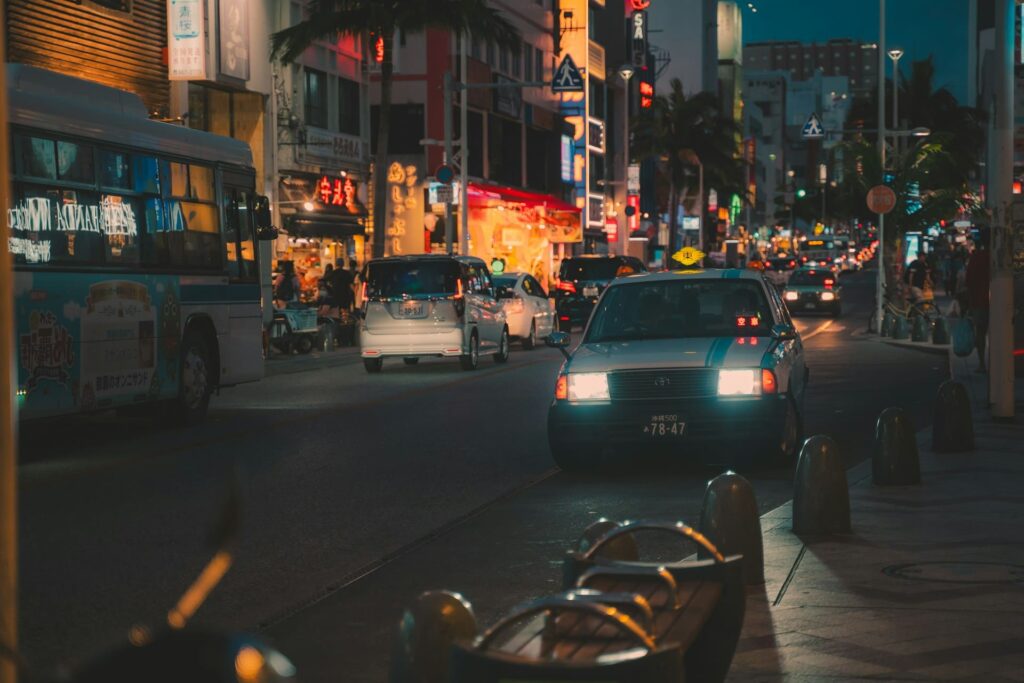
Your Okinawa cost depends less on how much you eat and more on how far you want to move. A Naha-based city trip stays cheap. A beach-and-aquarium route across the island needs a separate transport budget.
| Travel style | Estimated daily budget | Best for | What changes the cost most |
|---|---|---|---|
| Budget traveler | ¥6,000–¥10,000 | Solo travelers, backpackers, Naha-based trips | Hostel price, bus use, simple meals, avoiding taxis |
| Mid-range traveler | ¥12,000–¥23,000 | Couples, private rooms, beach towns, casual restaurants | Hotel area, rental car days, paid attractions, dining style |
| Transport-heavy sightseeing day | ¥15,000–¥30,000+ per person | Travelers visiting Cape Manza, Kouri Island, Churaumi Aquarium, or northern Okinawa | Car rental, highway tolls, parking, fuel, bus fares, tour cost, attraction tickets |
All numbers in this guide are planning estimates. Before you book, confirm current hotel rates, transport fares, ticket prices, and cancellation rules on the official site or reservation page.
Budget traveler: ¥6,000–¥10,000 per day
This works if you stay in a hostel, capsule hotel, or simple guesthouse in Naha. Keep meals casual and avoid taxis. A typical low-cost day might look like this:
- Accommodation: ¥3,000–¥5,500 for a dorm bed or simple budget stay, depending on season
- Food: ¥2,000–¥3,500 for convenience store breakfast, Okinawa soba, supermarket bento, or local diner meals
- Transport: ¥500–¥1,500 if you mostly use Yui Rail, walking, or short local bus rides
This style works best if your itinerary focuses on Naha: Kokusai Dori, Makishi Public Market, the Shuri Castle area, local food, and one or two easy side trips.
Mid-range traveler: ¥12,000–¥23,000 per day
This budget gives you a private room, casual restaurants, paid attractions, and occasional longer transport. It is more realistic if you want to stay in Chatan, Onna, or near the beach rather than only in Naha.
- Accommodation: ¥7,000–¥15,000 for a simple private room or business hotel, depending on season and area
- Food: ¥3,500–¥6,000 for cafe meals, Okinawan set meals, snacks, and a casual dinner
- Transport and activities: ¥2,000–¥8,000+ depending on whether you use buses, taxis, rental cars, sightseeing buses, or tours
Transport-heavy day: plan separately
Do not judge your whole Okinawa budget by a normal Naha day. A full sightseeing day to northern Okinawa can cost significantly more because distances are long. If you plan to visit Cape Manza, Kouri Island, Churaumi Aquarium, and American Village in one day, compare the total cost before choosing your transport.
Attraction tickets are usually separate from transport unless your bus ticket, tour, or package clearly states otherwise. This matters most for Churaumi Aquarium and other paid attractions inside or near Ocean Expo Park.
Kai’s tip: The mistake I see travelers make is planning northern Okinawa as if it were a normal city sightseeing day. Before choosing transport, decide your non-negotiable stop first — for many visitors, that is Churaumi Aquarium or Kouri Island — then build the rest of the day around it. A cheaper route is not really cheaper if it forces you to rush the one place you came to see.
Major Attraction Fees You Should Know
Here are planning-reference entrance fees for Okinawa’s most-visited paid attractions. Confirm current prices before travel, especially if you are reading this close to your trip date.
| Attraction | Adult fee | High school | Child | Under 6 | Budget note |
|---|---|---|---|---|---|
| Churaumi Aquarium | Check current official price | Check current official price | Check current official price | Often free | The aquarium ticket is only one part of the cost; transport from Naha can be the bigger expense. |
| Shuri Castle paid area | Check current official price | Check current official price | Check current official price | Often free | Yui Rail ticket discounts may be available; confirm the current campaign before going. |
| Tropical Dream Center | Check current official price | Check current official price | Check current official price | Often free | Located within Ocean Expo Park near the aquarium, so it can be combined with the same transport day. |
Money-saving tip: If you ride Yui Rail on the day you visit Shuri Castle, keep your ticket or pass and check whether a same-day discount is available at the ticket counter. Small discounts will not change your whole trip budget, but they help when you are stacking transport, food, and attraction costs in one day.
Sample One-Day Budgets: Naha vs. Northern Okinawa
To help you plan, here are two realistic one-day budget models. Your actual costs will vary by season, booking timing, and current fares, but the comparison shows why your route matters.
Day 1: Naha city exploring car-free
| Item | Planning estimate |
|---|---|
| Hostel dorm bed in Naha | ¥3,500 |
| Convenience store breakfast | ¥500 |
| Okinawa soba lunch at a local diner | ¥900 |
| Yui Rail or local transport | ¥800 |
| Shuri Castle paid area or similar low-cost sight | Check current price |
| Supermarket bento dinner | ¥600 |
| Total | About ¥6,500–¥7,500 before personal extras |
Day 2: Northern Okinawa day trip with Churaumi and beaches
| Item | Planning estimate |
|---|---|
| Guesthouse dorm bed in Naha | ¥3,500 |
| Breakfast and lunch from supermarket or convenience store | ¥1,000 |
| Long-distance transport from Naha to northern Okinawa | Several thousand yen round trip, depending on route |
| Churaumi Aquarium or another paid attraction | Check current official price |
| Light dinner in Naha | ¥1,200 |
| Total | Often ¥13,000+ once transport and attraction tickets are included |
A northern Okinawa day trip can easily cost about twice as much as a Naha-focused day. The difference is not because Okinawan food suddenly becomes expensive; it is because you are paying to cross a long island.
Can You Visit Okinawa on a Budget Without a Car?
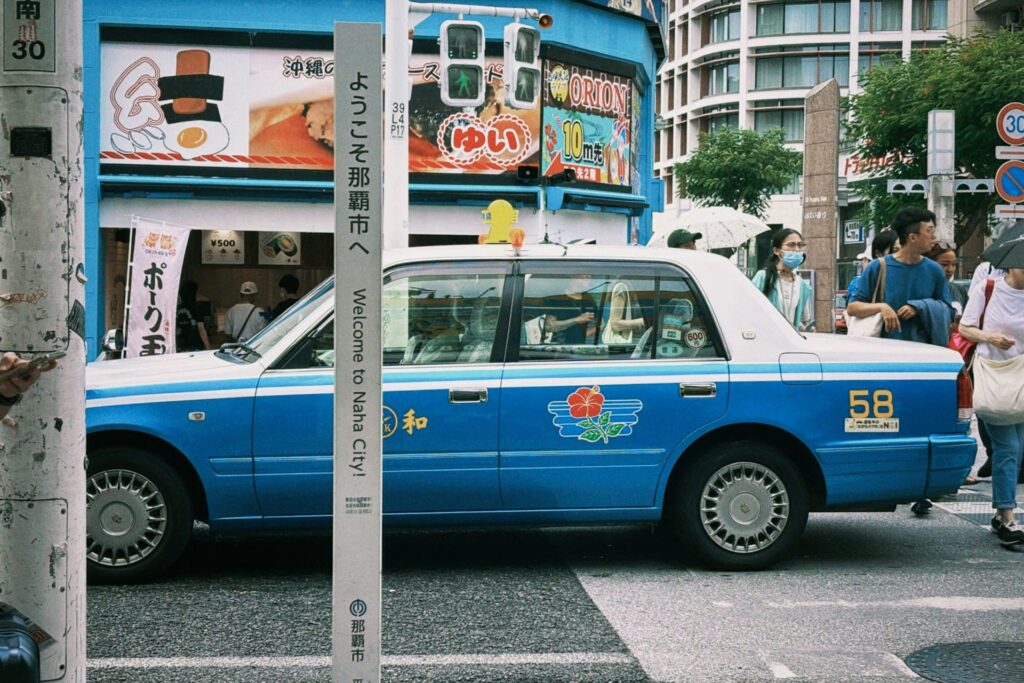
Yes, you can visit Okinawa without renting a car, especially if you stay in Naha. This is usually the cheapest and simplest option. Naha Airport, Kokusai Dori, Makishi Public Market, Shuri Castle, and many city hotels are connected by Yui Rail, buses, taxis, or walking routes. For more on where to stay, see our best Okinawa hotel guide for car-free trips.
However, a car-free trip becomes harder when you want beaches, resorts, capes, and attractions in central or northern Okinawa. Buses exist, but they take longer than driving and may not match your ideal schedule.
Best for a car-free budget trip
- Naha-based solo travelers
- Short trips of 2–3 days
- Travelers who want food, markets, city walks, and easy cultural sights
- Visitors who do not have an International Driving Permit
- People who prefer predictable city transport over driving in Japan
Harder without a car — plan ahead
- Beach hopping in Onna, Motobu, or northern Okinawa
- Visiting several spread-out sights in one day
- Traveling with small children or heavy luggage
- Late-night returns from areas with limited buses
- Trips during heavy rain, extreme heat, or typhoon disruption
Cheapest Way to Get Around Okinawa
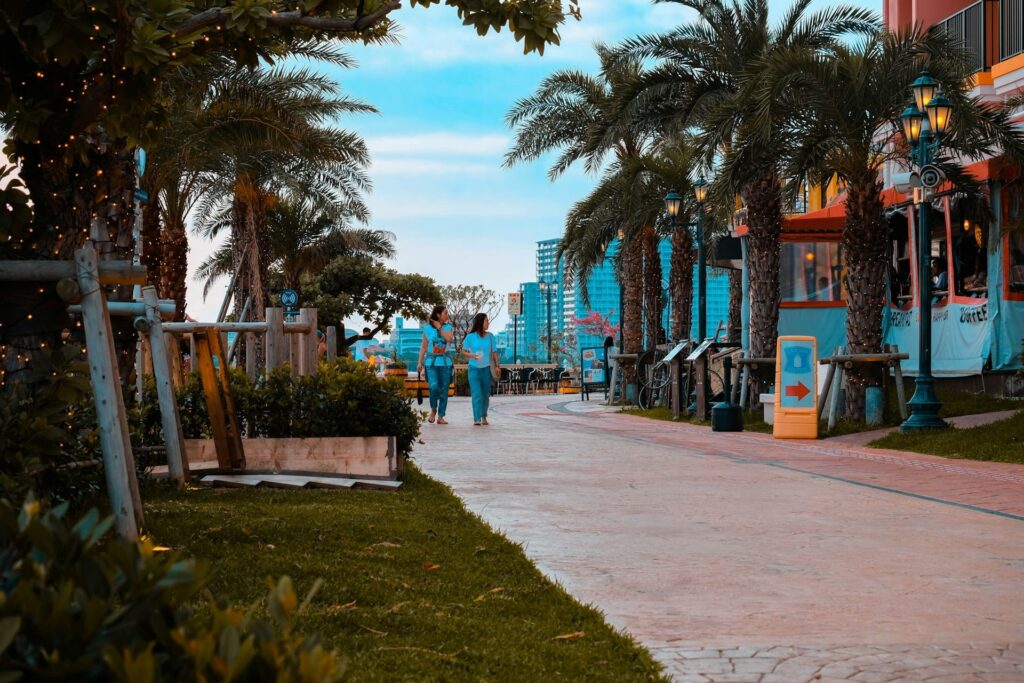
The cheapest transport option depends on your route. For Naha, public transport is usually enough. For northern Okinawa, compare buses, a one-day rental car, fixed-route sightseeing buses, and private tours before deciding.
| Transport option | Best for | Planning cost range | Budget advantage | Main drawback |
|---|---|---|---|---|
| Yui Rail | Naha Airport, Kokusai Dori, Shuri area | Low-cost city transport; confirm current pass prices | Cheap, simple, no parking or driving stress | Limited to the Naha/Urasoe corridor |
| Local and express buses | Solo travelers going beyond Naha on a low budget | Varies by route; long-distance fares add up | Often cheaper than renting a car alone | Long travel times, fewer departures, traffic delays |
| Rental car | Couples, families, beach routes, northern Okinawa | Daily rental + fuel + tolls + parking + insurance | Flexible and efficient for multiple stops | Extra fees and driving stress can make the real cost higher than the base rate |
| Fixed-route sightseeing bus | Travelers who want major sights without driving | Varies by route and inclusions | Predictable route, no navigation needed | Less flexible than a car or private driver |
| Private tour or driver | Groups of 3–5, families, travelers short on time | Check live availability and inclusions | Door-to-door, no navigation, efficient when split across a group | Higher headline price than public transport |
Yui Rail for Naha
Yui Rail is the easiest way to keep transport costs predictable in Naha. It connects Naha Airport with central areas and is especially useful if your hotel is near a station. Check current ticket types before traveling, because pass prices, digital tickets, and paper ticket options can differ.
Buses for long-distance savings
Buses work well for solo travelers who want to avoid rental car costs. Long-distance routes connect Naha with places such as Motobu and the Churaumi Aquarium area, but fares and schedules vary by operator. When budgeting, check not just the fare but also the full door-to-door travel time.
The trade-off is flexibility. A bus route that looks cheap on paper can become frustrating if you miss a connection, travel during heavy traffic, or realize the last convenient return is earlier than you expected.
Kai’s tip: I always tell readers to choose the return bus before they choose the outbound bus. In northern Okinawa, the problem is not only getting there; it is getting back to Naha without turning your evening into a taxi rescue mission. Screenshot your route, but also keep the bus operator page open because local schedules can change.
Rental cars for flexibility
A rental car can be the best value for couples, families, or groups who want to visit several spread-out sights in one day. But do not compare only the headline rental price. Add fuel, expressway tolls, parking, insurance, child seats if needed, and the stress of driving in an unfamiliar place.
International visitors generally need the correct driving documents to drive in Japan, often including an International Driving Permit depending on your license country. Confirm the rules before booking, and do not assume your home license alone is enough.
Private tours for groups short on time
A private tour is not the cheapest option for a solo backpacker. But for a group of 3–5 people, a family, or a car-free traveler without the right driving documents, it can be worth comparing against a rental car and long-distance buses — especially if you want Cape Manza, Kouri Island, Churaumi Aquarium, and American Village in one long day.
Before booking anything, compare the total cost per person and check whether attraction tickets, meals, parking, pickup area, and overtime are included.
Recommended option for a northern Okinawa day: private tour
If your budget decision is between “rent a car and drive myself” and “pay more for a smoother day,” this is the point where I would compare the private tour seriously. It is best for travelers who have already decided they want a full northern Okinawa sightseeing day, not for people who only want one beach and a slow lunch.
Why I’d book this one:
- It solves the hardest Okinawa problem: distance. The value is not just the car; it is having a route that links spread-out sights without you managing parking, navigation, and return timing.
- It fits groups better than solo travelers. For 3–5 people, the per-person comparison can become more reasonable once you add rental car extras, tolls, parking, and the cost of mistakes.
- Reviewers consistently point to flexibility and English communication. In traveler feedback for similar Okinawa north-island tours and private options, the strongest pattern is not “cheapest price” but smoother routing, helpful explanations, and less stress at major stops.
| Option | Best for | Cost check | Choose it if… |
|---|---|---|---|
| Private tour | Families, groups, car-free travelers, first-time Okinawa visitors | Check live price and inclusions | You want a smoother northern route without driving or decoding bus schedules. |
| Fixed-route sightseeing bus | Solo travelers and couples prioritizing price | Check current route price and ticket inclusions | You are comfortable following a set schedule and spending less time at each stop. |
| Rental car | Confident drivers, families with luggage, beach-hopping routes | Add fuel, tolls, parking, insurance, and child seats | You want maximum flexibility and have the correct driving documents. |
Where to Eat Cheap in Okinawa
Eating well is one of the easiest parts of keeping your Okinawa budget under control. Local food is filling, casual, and often much cheaper than resort restaurants or tourist bars.
Local diners and Okinawa soba shops
Look for small local diners, noodle shops, and casual set-meal restaurants. These are some of the best local Okinawa foods to try first.
- Okinawa soba: often around ¥700–¥1,000 — a good budget lunch option
- Goya champuru: often around ¥800–¥1,200 — a filling stir-fry with rice and soup
- Taco rice: often around ¥600–¥900 — cheap, casual, and easy to find
- Set meals: often around ¥900–¥1,500 — usually better value than ordering several separate dishes
Supermarkets for cheap dinners
Supermarkets are one of the best Okinawa cheap travel tricks. Local chains sell bento boxes, fried foods, sushi, salads, fruit, and ready-to-eat side dishes. In the evening, some prepared foods may be discounted — look for yellow discount stickers.
This is especially useful if your accommodation has a fridge or microwave, or on beach days when resort-area restaurants are expensive.
Kai’s tip: What catches people out in Okinawa is the small beach-day spending: drinks, ice, sunscreen, parking, lockers, showers, and a taxi when everyone is tired. Before heading to a beach or aquarium day, buy water and snacks near your hotel or at a supermarket. It is not glamorous, but it keeps the day from quietly becoming expensive.
Convenience stores
Convenience stores such as FamilyMart, Lawson, and 7-Eleven are reliable for breakfast, coffee, rice balls, sandwiches, and late-night snacks. They are convenient but not always the cheapest option compared with supermarkets.
Budget drinking in Okinawa
Local options such as awamori and Orion beer are usually cheaper than imported cocktails. Drinking at convenience stores, supermarkets, or casual izakaya keeps costs lower than beach bars or hotel lounges.
Free & Low-Cost Things to Do in Okinawa
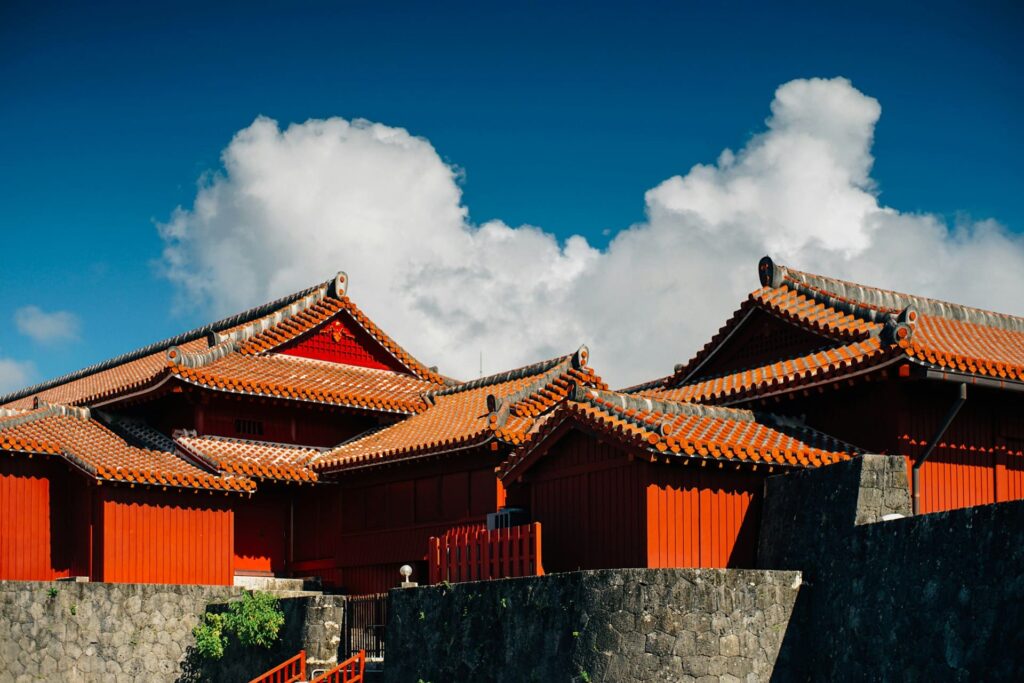
Okinawa is a good destination for low-cost sightseeing because many of its best experiences are outdoors. Beaches, viewpoints, markets, castle ruins, and sunset spots can fill several days without a heavy activity budget.
Free and low-cost beaches
Many public beaches are free to enter, but you may still pay for lockers, showers, parking, umbrellas, or equipment rental. Bring your own towel, water, sunscreen, and snacks to keep costs down.
- Araha Beach: Convenient if you are staying around Chatan. Entry is usually free, with paid showers and lockers.
- Emerald Beach: Inside Ocean Expo Park near Churaumi Aquarium. Combine it with an aquarium or park visit to avoid a separate transport day.
- Naminoue Beach: The closest beach to central Naha. Easy to reach by bus, taxi, or a longer walk depending on where you stay.
Naha city walks
Naha is the best base for a cheap Okinawa itinerary because you can do many things without spending much money. Kokusai Dori, Makishi Public Market, side streets with local craft shops, and the Shuri Castle area can all be explored on foot or with Yui Rail and buses.
Castle ruins and viewpoints
Okinawa’s gusuku castle sites and coastal viewpoints are good value if you enjoy history and scenery. Some sites charge an entrance fee, while others are free or low cost. Check access rules before going, especially after bad weather, because some ruins have uneven paths.
- Shuri Castle paid area: Confirm current ticket prices and any transport-related discount before going.
- Zakimi Castle Ruins: A UNESCO World Heritage site with stone walls and ocean views.
- Katsuren Castle Ruins: Panoramic views of the Pacific Ocean.
- Cape Manza: A popular cliff viewpoint overlooking turquoise water; check current access and parking conditions before visiting.
American Village at sunset
Mihama American Village in Chatan is free to walk around and is a popular spot for sunset photos, ocean views, casual food, and souvenir browsing. The seaside promenade costs nothing, and eating at a food court or grocery store nearby is usually cheaper than choosing a tourist restaurant facing the water.
Kai’s tip: If I had one budget evening outside Naha, I would choose American Village for sunset rather than trying to squeeze in another faraway beach. It gives you ocean views, casual food, shops, and photo spots in one compact area. The key is planning your return transport before dinner, not after.
When Is the Cheapest Time to Visit Okinawa?
The cheapest time to visit Okinawa is usually outside major Japanese holiday periods and peak beach season. The trade-off is weather: cheaper months can mean cooler beach conditions, rain, or typhoon risk.
| Period | Cost level | Weather / trade-off |
|---|---|---|
| Mid-January to February | Often among the lowest of the year | Cooler weather, better for sightseeing and food than swimming. |
| Late January to March | Low to moderate | Mild weather. Okinawa’s cherry blossoms usually appear earlier than mainland Japan. |
| Mid-May to late June | Often lower than summer peak | Rainy season can bring humid weather and frequent rain. Good cancellation rules matter. |
| Late April to early May | High | Golden Week is one of Japan’s busiest domestic travel periods. Hotels, flights, and rental cars can sell out early. |
| July to August | High | Peak beach season, higher prices, crowds, and typhoon risk. |
| September to October | Moderate to high | Still warm. Typhoon risk can continue, especially earlier in the period. |
| November to mid-December | Low to moderate | Mild, less crowded, and often a good balance of cost and comfort. |
Golden Week 2026 runs around late April to early May, with the main holiday dates falling between April 29 and May 6. This is one of Japan’s busiest domestic travel periods, so expect higher prices and early sellouts for hotels, flights, and rental cars.
If your main goal is sightseeing and food, off-season Okinawa can be great value. If you want perfect beach weather, paying more for a better season may be worth it. Compare our best time to visit Okinawa guide for details on weather and typhoon risks.
How to Keep Your Okinawa Budget Even Lower
- Stay in Naha for the first part of your trip: It reduces transport costs and gives you easy access to the airport, food, markets, and city sights.
- Do not rent a car every day: Consider renting only for the day you visit beaches or northern Okinawa. Keep the rest car-free.
- Check Yui Rail and attraction discounts: Small discounts can help when you are stacking several paid items in one day.
- Compare total transport costs, not just base price: Add fuel, tolls, parking, insurance, child seats, and attraction tickets before deciding between bus, rental car, and private tour.
- Eat lunch at local diners: Lunch sets are often better value than dinner portions of similar dishes.
- Use supermarkets for dinner: Bento, sashimi, fruit, and side dishes can be much cheaper than restaurant dinners in tourist areas.
- Check cancellation rules before booking: This matters most during rainy season, typhoon season, and for marine activities, boat tours, and ferry tickets.
- Book accommodation near Yui Rail or a useful bus stop: A cheaper hotel far from transport can cost more once you add taxi fares.
- Travel in winter or late autumn if beaches are not your priority: These periods can be better for sightseeing, food, and lower accommodation prices.
FAQ About Okinawa Travel Costs
Is Okinawa expensive compared to Tokyo or Kyoto?
Okinawa is not always more expensive than Tokyo or Kyoto. Simple accommodation, local meals, and casual sightseeing can be more affordable. The part that makes Okinawa feel expensive is transportation, especially if you rely on taxis, rent a car alone, or stay far from public transport.
How much money do I need per day in Okinawa?
For a basic budget trip, plan around ¥6,000–¥10,000 per day if you stay in Naha, sleep cheaply, eat casual meals, and use public transport. A more comfortable mid-range trip is around ¥12,000–¥23,000 per day. Add more for rental cars, long-distance buses, paid activities, or private tours.
How much does Churaumi Aquarium cost?
Churaumi Aquarium admission can change, so check the official price before your visit. The bigger budget issue is often transport. When planning, compare the aquarium ticket, bus fare, rental car cost, parking, fuel, and tour price together rather than looking at the ticket alone.
Can I travel Okinawa without renting a car?
Yes. A car-free Okinawa trip works best if you stay in Naha and focus on city sights, food, markets, and places reachable by Yui Rail or bus. It becomes harder if you want to visit several beaches, capes, or northern attractions in one day.
Is it cheaper to rent a car or take buses in Okinawa?
For solo travelers, buses are usually cheaper. For couples, families, or groups, a rental car can become better value if you share the cost and visit several places in one day. Always add fuel, tolls, parking, insurance, and possible child-seat fees before comparing.
When does a private tour make sense in Okinawa?
A private tour makes the most sense for families, groups of 3–5, travelers without the right driving documents, and visitors who want to combine northern sights in one day. It is usually not the cheapest solo option, but it can reduce the risk of missed buses, difficult parking, and wasted transfer time.
Should budget travelers stay in Naha?
Usually, yes. Naha has airport access, Yui Rail, buses, cheap food, markets, hostels, and walkable neighborhoods. Beach areas can be beautiful, but they increase transport costs.
Are beaches free in Okinawa?
Many beaches are free to enter, but that does not mean the whole beach day is free. You may still pay for lockers, showers, parking, equipment rental, umbrellas, food, and transport to reach the beach.
When is Okinawa cheapest?
Okinawa is often cheapest in winter and outside major Japanese holiday periods. The trade-off is that beach weather may be less ideal. Golden Week, summer holidays, and beach-season weekends are usually more expensive.
Is rainy season a good time for a budget trip?
Rainy season can be cheaper, but it is not always the best value if your plans depend on beaches, snorkeling, ferries, or outdoor activities. It can work well for food, city exploring, museums, markets, and flexible sightseeing if you check cancellation rules before booking.
Final Verdict: Choose Your Okinawa Travel Style
Okinawa can be a budget-friendly destination if you plan around transportation first. Food, markets, simple hotels, public beaches, and city sightseeing are all manageable on a modest budget. Costs rise when you try to cover long distances across the island without a clear transport plan.
Choose this style if…
- Solo budget traveler: Stay in Naha, use Yui Rail and buses, eat at local diners and supermarkets, and avoid taxis where possible. Budget around ¥6,000–¥10,000 per day for simple days.
- Couple or pair: Consider a mix of Naha city days and one rental car or tour day for northern Okinawa. Budget more on transport-heavy days.
- Family with children: Check child discounts and stroller access. A rental car or private tour is usually more practical than multiple buses with tired kids.
- Group of 3–5: A private tour or rental car split among the group often makes more sense than individual long-distance transport.
- Car-free traveler: Okinawa works without a car if you stay flexible, accept longer bus rides, and focus your itinerary around Naha and nearby areas.
- Beach-focused traveler: You will need a rental car, sightseeing bus, or tour to reach many of the best beaches efficiently. Budget separately for these days.
For the lowest-cost trip, stay in Naha, use Yui Rail and buses, eat at local diners, and save northern Okinawa for one carefully planned day. For couples, families, or groups, compare a one-day rental car, a fixed-route sightseeing bus, and a private driver by total cost rather than headline price.
The best Okinawa budget is not just the cheapest daily number. It is the plan that avoids surprise taxis, wasted travel time, parking costs, missed buses, and weather-related cancellations.
My final recommendation
If you are traveling solo and your priority is the lowest possible cost, stay in Naha and use buses. If you are a couple or confident driver, compare a one-day rental car. But if you are a family, a group of 3–5, or a car-free traveler trying to cover Cape Manza, Kouri Island, Churaumi Aquarium, and American Village in one day, I would price-check the private tour before committing to buses or a rental car.

Hi, I’m Kai. I’m a Tokyo-based travel writer, tourism industry insider, and the author of a published guidebook for international visitors to Japan. With over 10 years of professional experience at a leading Japanese tourism company, my mission is to help you skip the tourist traps and navigate Japan’s best destinations like a local. I believe the perfect day trip is like a traditional kaiseki meal: a beautiful balance of precise planning and unforgettable seasonal discovery. When I’m not out conducting field research, you’ll usually find me drafting new itineraries with one of my favorite fountain pens!