
What Makes Okinawa History Different from Mainland Japan?
Quick answer: Okinawa history is different because these islands were once the independent Ryukyu Kingdom, later became part of Japan, suffered one of the Pacific War’s most devastating battles, and then spent decades under U.S. administration before returning to Japan in 1972. For travelers, that matters because it changes where you should go first: Shurijo Castle for Ryukyu court culture, Peace Memorial Park for wartime memory, and a private or guided route if you want to connect several historical layers in one day.
Shurijo Castle is not just a castle. Ryuso is not just an Okinawan kimono. American Village is not just a shopping area. Each place reflects a different chapter of Okinawa’s past. Here is what I think every traveler should know before visiting.
| Okinawa history topic | Why it matters | Where travelers can experience it |
|---|---|---|
| Ryukyu Kingdom | Explains Okinawa’s unique trade, diplomacy, architecture, textiles, court rituals, and castle design | Shurijo Castle, Tamaudun, Shikinaen, Nakijin Castle Ruins |
| World War II | Shows the tragic cost of the Battle of Okinawa and why peace memory is central to the islands today | Peace Memorial Park, Himeyuri Peace Museum, former military sites |
| U.S. administration and postwar culture | Helps explain Okinawa’s modern mix of Japanese, Ryukyuan, and American influences | Central Okinawa, Koza, Mihama American Village |
| Living Ryukyu culture | Connects history with clothing, music, dance, crafts, language, and food still seen today | Ryuso rental shops, Bingata workshops, cultural performances, local markets |
Quick Timeline of Okinawa History
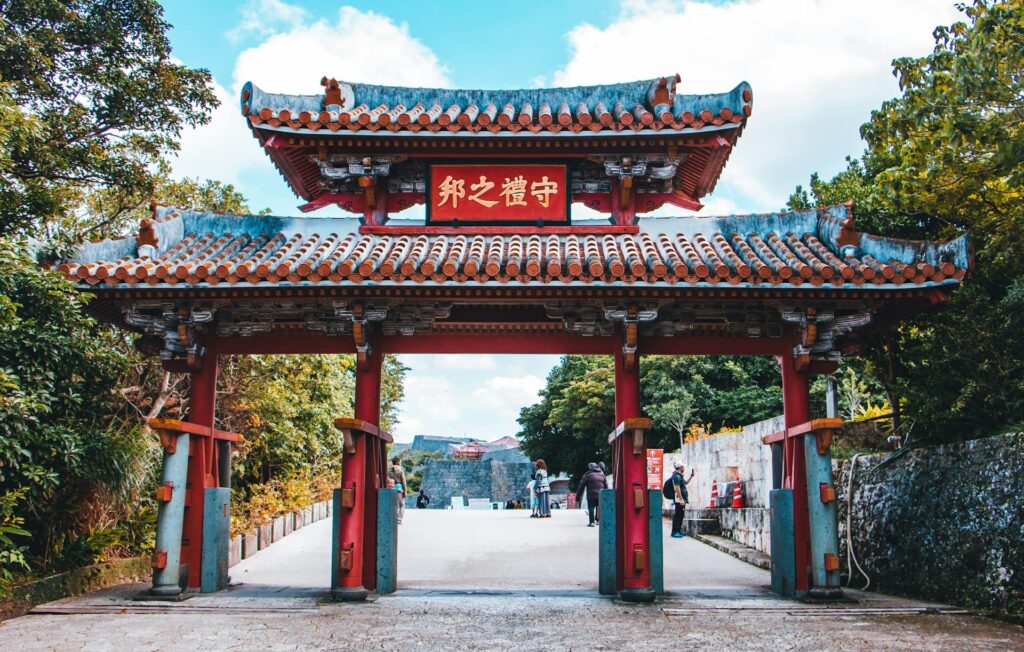
If you only remember one thing before your trip, remember that Okinawa’s identity was shaped by several major historical layers.
- Ryukyu Kingdom (1429–1879): Okinawa developed as an independent maritime kingdom with its own royal court, diplomacy, language, beliefs, and culture. Trade with China, Japan, Korea, and Southeast Asia shaped a unique blend visible in architecture, textiles, food, music, and ceremonies.
- Japanese annexation (1879): The kingdom was dissolved and reorganized as Okinawa Prefecture. Japanese influence grew, but Ryukyuan roots never disappeared.
- World War II (1945): The Battle of Okinawa was one of the deadliest conflicts of the Pacific War. Civilian losses were devastating, and the islands’ landscape was scarred. This history remains central to modern Okinawan memory.
- U.S. administration (1945–1972): After the war, Okinawa was administered by the United States for 27 years, shaping postwar life, towns, music, food, and politics.
- Return to Japan (1972) and present: Okinawa reverted to Japanese administration, but its Ryukyuan roots and postwar experiences still make it culturally distinct.
That is why Okinawa can feel familiar and unfamiliar at the same time. You may see Japanese convenience stores, American-style diners, Ryukyuan castle walls, subtropical gardens, and wartime memorials in a single day.
Shurijo Castle: The Heart of the Ryukyu Kingdom
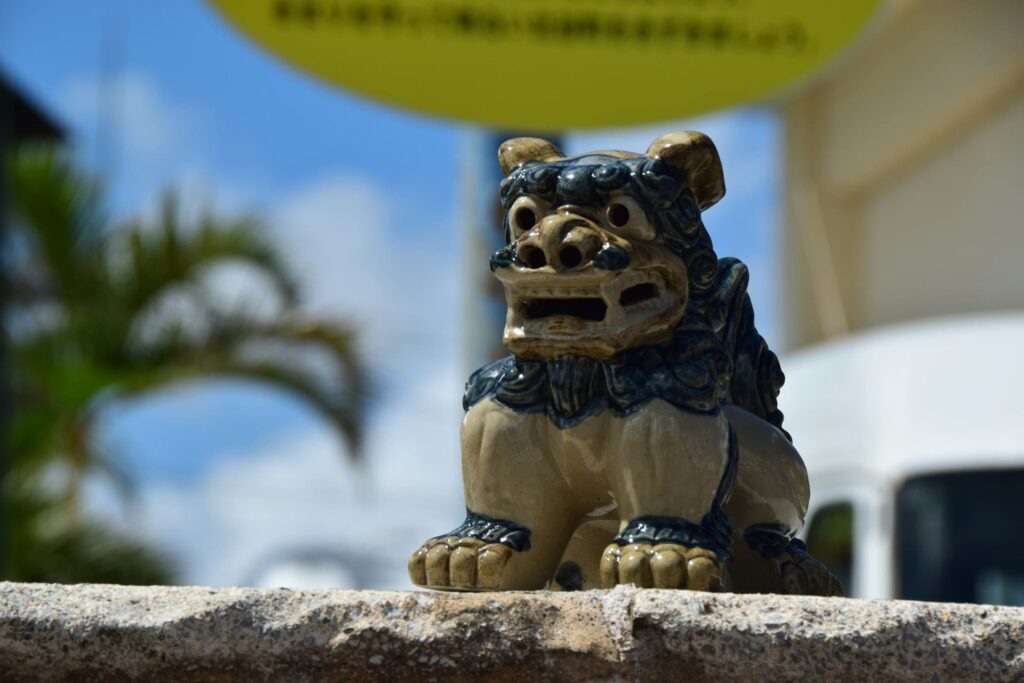
Shurijo Castle was the royal palace of the Ryukyu Kingdom and the political, ceremonial, and cultural center of the islands for nearly 450 years. Its red-tiled roofs, dragon motifs, stone gates, and Chinese-meets-Japanese architecture are unlike the castles travelers usually visit in mainland Japan.
For a first Okinawa history stop, I would start here. Shurijo gives you the clearest visual explanation of why Okinawa is not simply “tropical Japan” but a former kingdom with its own royal culture.
Is Shurijo Castle Worth Visiting During Reconstruction?
Yes, for most first-time visitors. The main Seiden buildings were destroyed in the October 2019 fire, but Shurijo Castle Park remains open, and the reconstruction itself has become part of the visit. The park has used a “showcased reconstruction” approach, so travelers can understand how the castle is being rebuilt rather than only seeing the finished result.
As of June 2026, the official park notice says the reconstructed Seiden Main Hall is scheduled to begin public use from November 23, 2026. If you visit before then, treat Shurijo as a living reconstruction site. If you visit after that date, check the latest official opening status and expect extra demand around the reopening period.
- Best for: First-time visitors who want a clear introduction to Ryukyu Kingdom history.
- Allow: About 1.5 to 2.5 hours for a relaxed visit, depending on whether you enter the paid area and how much time you spend on the reconstruction displays.
- Weather note: Some paths are outdoors, sloped, or paved with stone. Rain, summer heat, and humidity can make the visit more tiring than expected—check the best time to visit Okinawa based on the weather before locking in a heavy walking day.
Kai’s tip: The mistake I see travelers make is treating Shurijo like a quick photo stop. The gates, stone approaches, viewpoints, and reconstruction area only make sense if you slow down and follow the route instead of rushing straight to the most famous red buildings. Wear shoes you trust on stone paths, especially after rain.
Free Area vs Paid Area: What You Can See
Shurijo Castle Park is divided into free and paid zones. The free area includes famous gates and approaches such as Shureimon Gate, Sonohyan-utaki Ishimon, and parts of the outer castle walk. This is enough for a short introduction if you are low on time.
The paid area gives you access to the central area around Hoshinmon Gate, the Una plaza, viewpoints, and reconstruction-related exhibits. If this is your first visit to Okinawa, I think the paid area is worth it because it turns Shurijo from a photo stop into a history stop.
Opening Hours and Admission Fees
Opening hours and fees can change during reconstruction, events, typhoon closures, or special operating periods, so check the official Shurijo Castle Park site before you go. As a planning reference, the park currently lists different hours by season and shows separate times for free and paid areas.
| Planning item | What to check before visiting | Why it matters |
|---|---|---|
| Free area hours | Current opening and closing time for your month | You may still be able to walk through some exterior areas even if you skip the paid zone |
| Paid area hours | Last ticket sales time and any event closures | Ticket sales usually end before closing, and reconstruction work can affect routes |
| Admission | Current adult, student, and child prices | Prices are modest, but discounts and annual-pass rules can change |
| Yui Rail discount | Whether your 1-day or 2-day pass qualifies for the monorail discount | At the time checked, showing an eligible Yui Rail pass gives the group-rate admission |
Money-saving tip: If you plan to take the Yui Rail several times in one day, compare the current 1-day or 24-hour pass options before buying single tickets. The pass can also help with admission discounts at selected facilities, including Shurijo Castle, but always confirm the current conditions at the ticket counter.
Shuri Castle Reconstruction Festival 2026
The official Shurijo Castle Park event calendar lists the 2026 Shuri Castle Reconstruction Festival for November 1–3, 2026. This is especially meaningful because it falls shortly before the scheduled public use of the reconstructed Seiden Main Hall from November 23, 2026.
If your Okinawa trip falls around late October or early November, consider checking the official event schedule before finalizing your route. Festival content, crowd levels, traffic rules, and access details can change, so I would not plan your only Shurijo visit too tightly around a flight or ferry departure.
How to Experience Ryukyu Culture Today
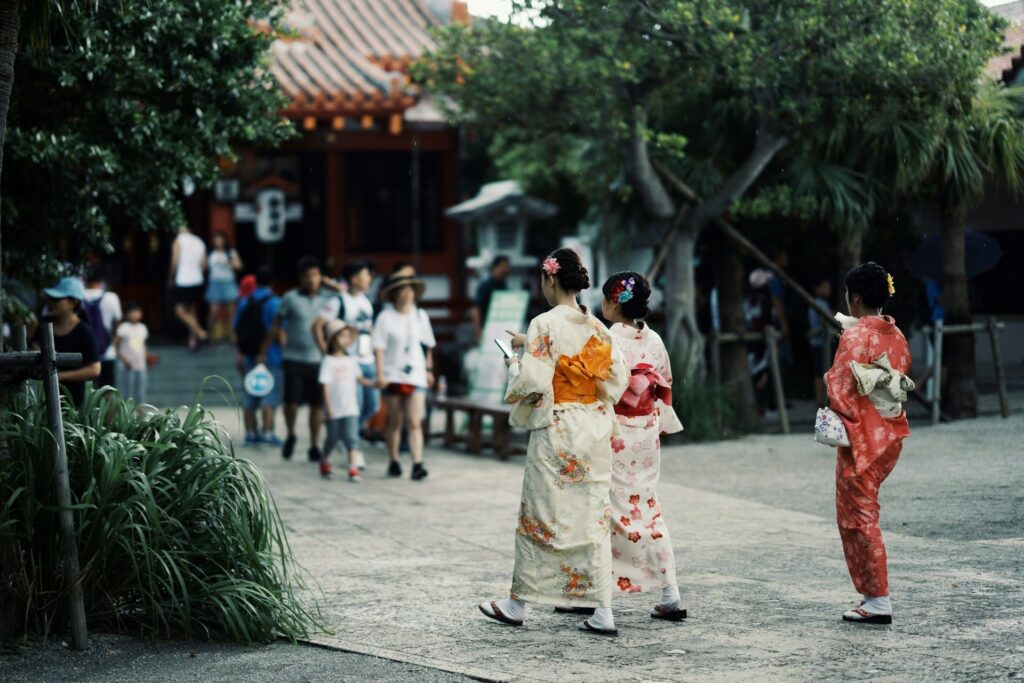
One of the most accessible ways to connect with Okinawa history is through Ryuso, traditional Okinawan dress. Travelers often search for it as an “Okinawa kimono,” but Ryuso is not the same as a mainland Japanese kimono.
A formal Japanese kimono is usually worn with more structure, layers, and a wide obi sash tied at the back. Ryuso developed for Okinawa’s warmer, more humid climate. It is worn more loosely, with lighter fabric and a thinner belt tied in front. Many Ryuso garments use bright Bingata patterns—tropical flowers, waves, birds, and vivid colors.
Around Shurijo Castle and central Naha, several rental shops offer Ryuso photo experiences. Prices vary by shop and plan, so treat any quoted price as a rough guide and confirm the current rate before booking. A typical rental session may include dressing assistance and a short photo walk near the castle gates, but details differ by shop.
If you want a deeper cultural day, pair Ryuso with Shurijo Castle, Tamaudun, Shikinaen, or the Okinawa Prefectural Museum. This gives the clothing context instead of turning it into a costume-only experience.
Other Ryukyu Heritage Sites Worth Adding to Your Itinerary
Shurijo Castle is the easiest starting point for Okinawa history, but it is not the whole story. If you have more time, these sites show different layers of the islands’ Ryukyu past.
| Site | Period | Admission note | Time needed | Best for |
|---|---|---|---|---|
| Tamaudun Royal Mausoleum | Ryukyu Kingdom | Check current entry rules and fee | 30–45 min | Quick add-on near Shurijo Castle |
| Shikinaen Royal Garden | Ryukyu Kingdom | Check current fee before visiting | 45 min–1 hr | Peaceful garden and court architecture |
| Nakijin Castle Ruins | Ryukyu Kingdom | Check current fee and access | 1–1.5 hr | Northern castle ruins with panoramic views |
| Nakagusuku Castle Ruins | Ryukyu Kingdom | Check current fee and opening hours | 1 hr | Well-preserved stone walls and UNESCO heritage context |
| Sefa Utaki | Ryukyu spiritual traditions | Check current entry rules and respect restrictions | 30–45 min | Sacred site connected with Ryukyu beliefs |
If your trip is short, combine Shurijo Castle with Tamaudun or Shikinaen. They are close enough to build a focused Naha history day without renting a car. If you have a full day and a car, driving north to Nakijin Castle Ruins gives you dramatic stone walls, coastal scenery, and a wider view of Ryukyu history beyond Naha.
Kai’s tip: If I had one history-focused day in Naha, I would not try to squeeze in every castle site. I would do Shurijo Castle first, then add either Tamaudun for royal history or Shikinaen for a quieter garden experience. That combination is more memorable than racing across the island just to tick off names.
World War II Sites and Peace Memorials
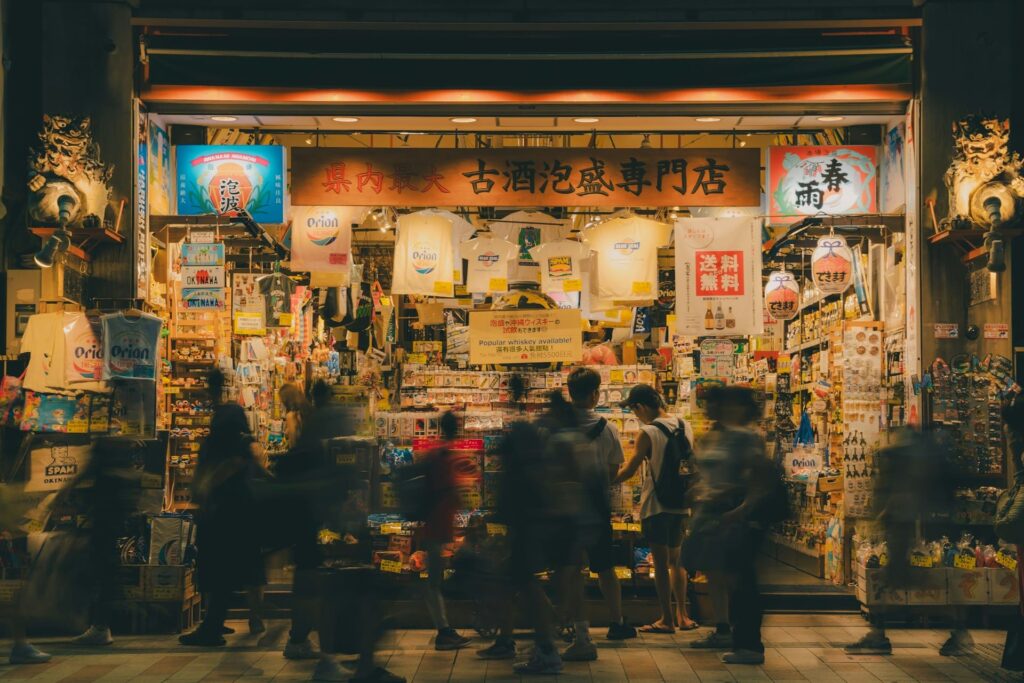
The Battle of Okinawa in 1945 was one of the deadliest conflicts of the Pacific War, and its impact on civilians was devastating. Understanding this chapter is essential to understanding modern Okinawa.
These are the most significant World War II sites on the main island:
- Peace Memorial Park in Itoman: The central memorial dedicated to victims of the Battle of Okinawa. The park includes the Cornerstone of Peace, a peace museum, and monuments overlooking the southern coast where the battle reached its final stage. Allow at least 1.5 to 2 hours if you plan to visit the museum.
- Himeyuri Peace Museum: A deeply moving museum focused on the student nurses mobilized during the battle. It is one of the most important places to understand the civilian experience of the war.
- Former Japanese Navy Underground Headquarters: A network of tunnels used during the final stages of the battle. The site is powerful but can feel heavy and enclosed, so consider whether it suits your group.
Emotional preparation: These sites present honest accounts of war. If you are traveling with young children, consider whether the Himeyuri Museum and Navy Headquarters are age-appropriate for your family. Peace Memorial Park may be the easier first choice because you can balance museum time with outdoor space.
Kai’s tip: What catches people out is the emotional weight, not the logistics. Do not schedule a peace museum, a beach activity, and a late-night food crawl back-to-back as if they are equal sightseeing stops. Give yourself space afterward, especially if you read the English displays carefully.
How to Explore Okinawa History: Route Comparison
Okinawa’s historical sites are spread across the island, so the best route depends on your interests and how you prefer to travel. Naha is easy without a car, but northern viewpoints, Churaumi Aquarium, Kouri Island, and many southern peace sites take more planning.
| Option | Best for | History covered | Car needed? | Main trade-off |
|---|---|---|---|---|
| Shurijo Castle and Naha only | Travelers who want a slower cultural day | Ryukyu Kingdom, royal architecture, reconstruction, Ryuso culture | No, if staying in Naha | You miss northern sights and most WWII sites |
| Self-drive history route | Travelers comfortable driving in Japan | Flexible: castles, peace sites, coastal stops, museums | Yes | Parking, tolls, insurance, and navigation are your responsibility |
| Private guided sightseeing tour | First-time visitors, families, cruise travelers, and groups with limited time | Broad overview: Shuri, coast, northern highlights, modern Okinawa | No | Less museum depth unless you customize the route |
| Peace history focused day | Travelers mainly interested in WWII | Battle of Okinawa, civilian memory, memorial museums | Helpful, depending on route | Emotionally heavy, less Ryukyu court culture |
A guided or private tour is worth considering if you want to cover multiple regions in one day without the logistics of rental car pickup, Japanese road signs, parking, and long bus transfers. Public buses in Okinawa exist, but many multi-stop routes require careful timing and can become inefficient if you are trying to combine Shurijo Castle, the northern coast, and American Village.
For more no-car planning, see my Okinawa 3-day itinerary without a car. If rain is in the forecast, this separate guide on things to do in Okinawa when it rains without a car will help you adjust your route without wasting the day.
My Recommended Choice If You Want Okinawa History Without Driving
If you are visiting Okinawa for the first time and want more than a single Shurijo Castle stop, I would strongly consider a private route rather than trying to stitch the island together by bus. The current tour linked below is best for travelers who want Shuri Castle plus northern or coastal highlights in one day, with the flexibility to adjust the route around weather, hotel location, and group pace.
Why I’d book this one:
- It solves Okinawa’s distance problem. Shuri, Cape Manzamo, Kouri Island, Churaumi Aquarium, and American Village are not close together. Having the driving, parking, and route order handled matters more here than it does in Kyoto or Tokyo.
- It is private, not a rigid bus loop. The listing describes a 100% private tour with English-speaking support and flexible stops. That is a better match if your group wants more time at Shurijo Castle, needs a gentler pace, or has weather concerns.
- Reviewers consistently praise the guide experience. Recent traveler feedback repeatedly highlights helpful English communication, flexible route adjustments, safe driving, and useful local context rather than just transportation.
Check availability for the Okinawa Private Tour — compare current price, pickup area, route options, and cancellation terms
Best for first-time visitors, families, cruise passengers, and groups who want Shuri Castle plus Okinawa’s northern or coastal highlights without renting a car. Check the current GetYourGuide page for exact inclusions, pickup coverage, vehicle details, and seasonal route adjustments before booking.
| Choice | Best if you want… | Price certainty | Logistics burden | My take |
|---|---|---|---|---|
| Private guided tour | A broad Okinawa overview without driving | Check current booking page | Low | Best value for limited time and groups |
| Self-drive | Maximum flexibility and slow museum visits | Check rental car, insurance, fuel, tolls, and parking | High | Best for confident drivers staying several days |
| Bus and monorail DIY | Naha-only history or budget travel | Check current fares | Medium to high | Good for Shurijo, weaker for multi-region days |
Choose a tour if: You have limited time, do not want to drive, want islandwide pickup, or need a route that can adapt to weather and group pace.
Choose DIY if: You want full control, plan to focus on fewer sites, are comfortable driving and parking in Japan, or want a slow museum-heavy day.
Tips for Your Okinawa History Visit
Best Time of Year
Okinawa’s subtropical climate is hot and humid from May through September, with rainy season typically falling around May and June. Typhoon season is a risk from summer into autumn. The most comfortable months for outdoor sightseeing are generally late autumn through early spring, when walking around castle ruins and memorial parks feels less draining.
If you are visiting during summer, plan outdoor sites in the morning and use indoor museums or cafes for the hottest part of the day. For season-by-season planning, use my full Okinawa weather and best time to visit guide.
Kai’s tip: I always tell readers to plan Okinawa history days around heat, not just distance. A map may make Shurijo Castle, a museum, and a market look easy, but stone paths and humidity can slow you down fast. Put your most exposed outdoor stop first and save indoor exhibits for the afternoon.
Rainy Day Alternatives
Several historical and cultural sites are partially or fully indoors, making them good options when the weather does not cooperate:
- Okinawa Prefectural Museum and Art Museum in Naha: A strong indoor choice for Ryukyu Kingdom history, Okinawa’s natural environment, and modern culture. Check current exhibition details and admission before visiting.
- Peace Memorial Museum: A serious but meaningful indoor museum if you are focusing on WWII history.
- Former Japanese Navy Underground Headquarters: Mostly underground and covered, though the content is emotionally heavy.
- Ryuso rental studio with indoor photos: Many shops near Shurijo Castle or central Naha have indoor options, but confirm the plan details in advance.
- Makishi Public Market and covered shopping streets: Not a history museum, but useful for understanding everyday food culture and staying dry in Naha.
Getting Around: Car vs Bus vs Tour
If you are staying in Naha, the Yui Rail monorail plus walking covers Shurijo Castle, Tamaudun, the Prefectural Museum area, Kokusai Street, and many food stops. For Shikinaen, taxis or buses may be more practical than trying to force everything into a walking route.
A rental car unlocks northern castle ruins, Churaumi Aquarium, Kouri Island, Cape Manzamo, and southern peace sites, but you will need the correct driving documents, confidence on unfamiliar roads, and a plan for parking. A guided private tour is the most time-efficient option for seeing multiple regions without driving, but check how much time each stop actually allows before booking.
If you are still choosing where to stay, read my guide to the best Okinawa hotel areas without a car. Your base makes a major difference: Naha is the easiest for monorail and tours, Chatan is better for a walkable seaside stay, and Onna or northern areas usually work best with a rental car.
FAQ: What Travelers Ask About Okinawa History
Is Shurijo Castle open to the public after the 2019 fire?
Yes. Shurijo Castle Park remains open. The main Seiden buildings were destroyed in 2019 and have been under reconstruction, but visitors can enter the park, walk through historic gates, view reconstruction-related areas, and learn how the site has been rebuilt multiple times across Okinawa’s history.
Is Shurijo Castle still worth visiting in 2026?
Yes, for most first-time visitors. Shurijo Castle is one of the clearest places to understand the Ryukyu Kingdom and Okinawa’s difference from mainland Japan. The reconstructed Seiden Main Hall is scheduled to begin public use from November 23, 2026, so check the latest official status before visiting. Even before the full reopening, the reconstruction context can add meaning rather than simply feeling incomplete.
What is the difference between a Japanese kimono and Ryuso?
Ryuso is traditional Okinawan dress, often searched for as an “Okinawa kimono,” but it developed in a different climate and culture. Compared with many mainland Japanese kimono styles, Ryuso is lighter, looser, and commonly tied at the front. It is closely associated with bright Bingata textile patterns featuring tropical designs.
What is the Shuri Castle Reconstruction Festival?
The Shuri Castle Reconstruction Festival is an annual cultural event connected with Shurijo Castle and Ryukyu heritage. For 2026, the official park calendar lists the festival for November 1–3. Because event details can change, check the current schedule before planning your only Shurijo visit around it.
How much is Shurijo Castle with the Yui Rail discount?
At the time checked, Shurijo Castle Park applies the group-rate admission when eligible Yui Rail 1-day or 2-day pass holders show the pass at the ticket counter. For adults, that means the paid area admission may be reduced from the general individual rate to the group rate. Check the official Shurijo Castle Park fee page and current Yui Rail pass rules before you go.
Why is Okinawa culturally different from mainland Japan?
Okinawa was once the independent Ryukyu Kingdom, with its own royal court, trade networks, languages, beliefs, and arts. World War II and 27 years of U.S. administration added another layer to the islands’ identity. This is why Okinawa can feel Japanese, Ryukyuan, and international at the same time.
Can you explore Okinawa history without renting a car?
Yes, especially in Naha. Shurijo Castle, Tamaudun, the Prefectural Museum area, Ryuso rental shops, Kokusai Street, and many food stops can be reached by monorail, walking, taxi, or short bus rides. However, a car or private guided tour becomes much more useful if you want to visit northern castle ruins, coastal viewpoints, Churaumi Aquarium, or WWII sites in the south.
Are Okinawa history tours worth booking?
They can be worth booking if you want to cover several parts of the island without driving. A private tour is especially helpful for first-time visitors, families, cruise travelers, and groups who want a broad overview in one day. If you prefer slow museum visits, photography time, or a highly specific WWII history focus, a self-guided route may be better. Compare the current route, language support, cancellation policy, pickup area, and how much time is actually spent at Shurijo Castle before booking.
Final Verdict: Which Okinawa History Traveler Are You?
Okinawa history is the key to understanding why these islands feel so different from mainland Japan. The beaches are beautiful, but the deeper story is found in the Ryukyu Kingdom heritage, Shurijo Castle’s reconstruction, wartime memory, and the living culture that still appears in clothing, music, food, and local neighborhoods.
- Choose a Naha-focused day if: You have only a half-day or want a relaxed introduction. Visit Shurijo Castle plus Tamaudun or Shikinaen, then explore Kokusai Street for food, crafts, and Ryuso options.
- Choose a self-drive route if: You have a full day, are comfortable driving in Japan, and want to combine Ryukyu heritage with coastal scenery. Start with Shurijo Castle, drive north to Nakijin Castle or east to Nakagusuku Castle, and add a southern WWII site only if you have enough time and energy.
- Choose a private guided tour if: You have limited time, do not want to drive, and want a broad first-day overview. This is the most practical option for combining Shurijo Castle with northern or coastal Okinawa highlights without dealing with transfers and parking.
- Choose a peace-history day if: You are primarily interested in World War II. Spend a focused day at Peace Memorial Park, Himeyuri Peace Museum, and the Former Navy Headquarters rather than squeezing them between beach stops.
- For repeat visitors or deeper exploration: Add two or more days to include Nakijin Castle, Sefa Utaki, Shikinaen, Ryuso or Bingata experiences, and local neighborhoods beyond Naha. Okinawa rewards slower travel.
Bottom line: Start with Shurijo Castle. Then decide whether your second layer should be Ryukyu heritage, WWII memory, or a broad island overview. If you want Shuri Castle plus Okinawa’s northern and coastal highlights without renting a car, check the Okinawa Private Tour here and compare the current pickup area, route options, availability, and cancellation terms before your dates fill up.

Hi, I’m Kai. I’m a Tokyo-based travel writer, tourism industry insider, and the author of a published guidebook for international visitors to Japan. With over 10 years of professional experience at a leading Japanese tourism company, my mission is to help you skip the tourist traps and navigate Japan’s best destinations like a local. I believe the perfect day trip is like a traditional kaiseki meal: a beautiful balance of precise planning and unforgettable seasonal discovery. When I’m not out conducting field research, you’ll usually find me drafting new itineraries with one of my favorite fountain pens!