
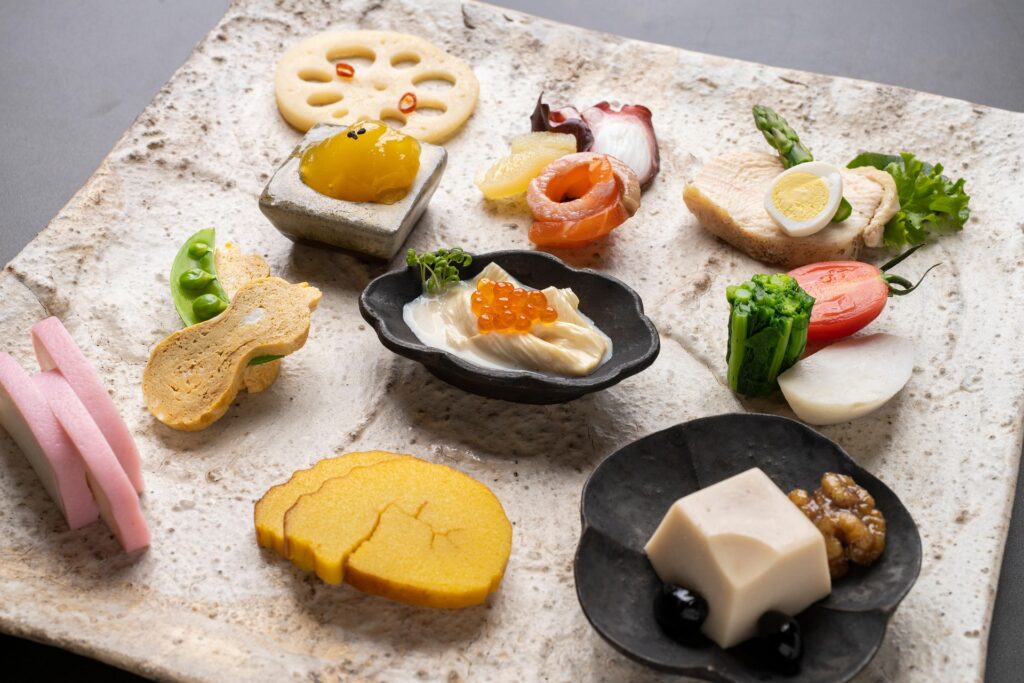
If you are deciding where to eat in Kamakura, start with three things: when you plan to eat, what local dish you want to try, and whether you need vegetarian or dietary-specific options. Lunch is the easiest and most rewarding meal to plan, shirasu whitebait is the signature local dish to look for, and the vegetarian scene — while smaller than Tokyo — has improved in recent years.
This guide helps you choose the right Kamakura restaurant for your trip, with practical recommendations for lunch, shirasu bowls, vegetarian dining, Komachi Dori snacks, and dinner after sunset. It also covers the dining realities that catch many first-time visitors off guard.
Quick Answer: Where to Eat in Kamakura
| What You Need | What to Look For |
|---|---|
| Best first meal in Kamakura | A lunch restaurant near Kamakura Station, Wakamiya Oji, or an Enoden stop. Aim for a teishoku set meal, grilled fish, curry lunch, or seafood bowl at a place such as sahan, Tsubame Cafe, Café Yoridokoro, or Hase Shokudo. |
| Best local specialty | Shirasu rice bowls — either raw nama shirasu when available or boiled kama-age shirasu. Shirasuya Honten and Hase Shokudo are good places to start your search. |
| Best for vegetarian travelers | Vegan-friendly cafes and restaurants such as Cotonoha, KAZRO DELI, Chirashiya, and Vegetus, plus traditional shojin ryori options at select temples. |
| Best for quick snacks | Komachi Dori for croquettes, grilled senbei, matcha sweets, and other easy takeout bites. Eat at the shop’s designated space instead of walking while eating. |
| Best timing | Arrive for lunch before the busiest window — ideally before 11:30 AM — for shorter lines and more choice. |
If you plan to stay in Kamakura after sunset and do not want to navigate small izakayas on your own, compare the current evening tour details before deciding your dinner plan.
Before You Go: Kamakura Dining Realities
- Most of Kamakura is lunch-focused: Many cafes, snack shops, and casual restaurants close in the late afternoon. Dinner options exist, but they require more planning.
- Lunch is the safest meal to plan around: Popular places can get crowded from around 11:30 AM to 1:30 PM. Arriving early or late helps.
- Carry cash as a backup: Larger restaurants may accept cards, but smaller snack shops, independent cafes, and older local restaurants may not.
- Raw shirasu is not guaranteed: Nama shirasu depends on the fishing season, weather, and the morning catch. Even during the main season, restaurants may not have it every day.
- Check opening days before you go: Small Kamakura restaurants often use irregular holidays, reservation systems, or social media updates.
Best Restaurants in Kamakura by Meal Type
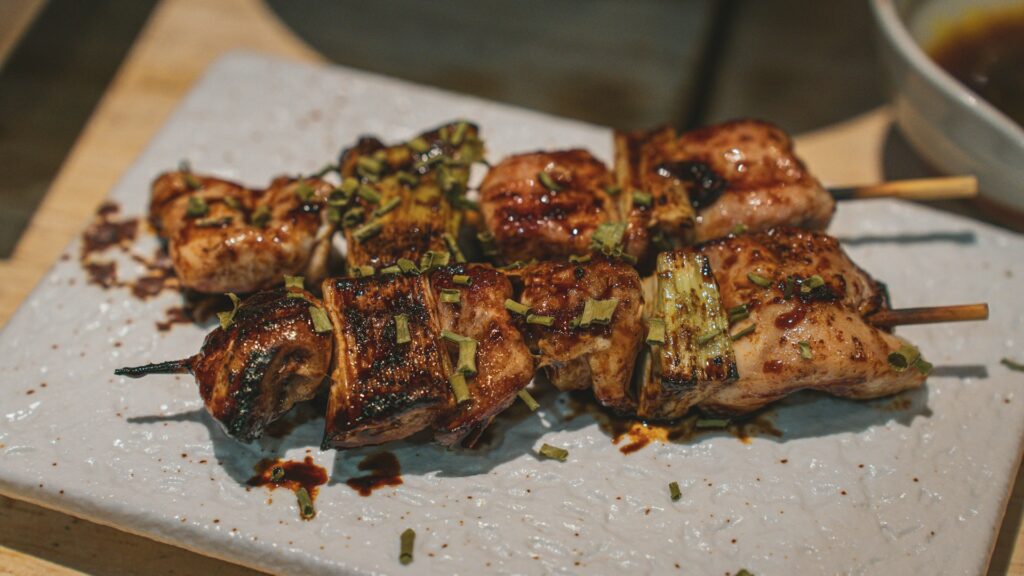
Best Lunch Spots Near Kamakura Station and Enoden Stops
The easiest way to eat well in Kamakura is to make lunch your main meal. Station-area restaurants are convenient if you are arriving from Tokyo, while Enoden-side restaurants work well if you are visiting Hase-dera Temple, the Great Buddha, Yuigahama, Inamuragasaki, or Enoshima later in the day.
- sahan — A calm cafe-style lunch spot near Kamakura Station, known for simple seasonal teishoku-style meals. Expect a modest lunch in the low-thousand-yen range, but bring cash and check the latest opening days before planning around it.
- Tsubame Cafe — A daytime cafe in the Komachi area, useful if you want a relaxed curry or set-lunch stop before or after visiting Tsurugaoka Hachimangu. Lunch items may sell out, especially on busy days, so go early and check the latest updates before visiting.
- Café Yoridokoro — Best treated as an Enoden-side breakfast or lunch stop rather than a Kamakura Station restaurant. Its dining branches are near Enoden stops such as Inamuragasaki and Wadazuka, and the appeal is simple grilled-fish meals with a local train-side atmosphere.
- Hase Shokudo — A casual restaurant in the Hase area, useful if you are visiting Hase-dera Temple or the Great Buddha. It serves dishes such as shirasu bowls, udon, tempura, curry, and other easy options, which makes it helpful for mixed groups.
For a first-time day trip, do not overcomplicate lunch. Choose one area first — Kamakura Station, Hase, or another Enoden stop — then pick a restaurant nearby instead of crossing town just for a meal.
Best Shirasu Restaurants in Kamakura
For a classic Kamakura food experience, choose a restaurant with shirasu on the menu. These tiny whitebait fish are closely associated with Kamakura, Enoshima, and the Shonan coast, and they appear in rice bowls, set meals, tempura, and small side dishes.
- Shirasuya Honten — A well-known shirasu-focused restaurant in the Koshigoe area, a short Enoden ride from central Kamakura. It is a strong option if your priority is trying several shirasu preparations in one meal. Opening hours, closures, and payment methods can change, so check the latest information before going.
- Hase Shokudo — A convenient option near Hase Station for travelers combining lunch with Hase-dera Temple or the Great Buddha. It usually works better for mixed groups because it offers non-shirasu dishes as well.
Important note: Raw shirasu is seasonal and weather-dependent. The Shonan shirasu fishing season generally runs from March 11 to December 31, with a closed period from January 1 to March 10. Even during the fishing season, nama shirasu depends on the day’s catch, so lunch is usually your best chance and you should ask before ordering.
Best Vegetarian and Vegan Restaurants
Kamakura’s vegetarian and vegan scene is smaller than Tokyo’s, but it is better than many first-time visitors expect. Options range from fully vegan cafes to vegetable sushi and reservation-based vegan course meals.
- Cotonoha — A vegan-friendly restaurant in the Hase area, useful if you want curries, bowls, salads, or sweets near Hase-dera Temple. Hours can vary, so check ahead.
- KAZRO DELI — A vegan-friendly deli-style option often mentioned for bowls, falafel, and casual plant-based meals. Check the latest business days and payment options before visiting.
- Chirashiya — A vegetable sushi specialist near Kita-Kamakura. As of its latest official notice, it operates with limited daytime hours, later course meals require advance reservation for parties of two or more, and payment is cash only. It is vegan-friendly but not halal-certified.
- Vegetus — A vegan bistro in Onarimachi, best for travelers who can reserve ahead. Dinner course meals require advance reservation at least two business days in advance; lunch courses are more limited and require earlier reservation for parties of two or more.
For a deeper look at plant-based dining in Kamakura, see our complete guide to Kamakura vegetarian restaurants.
Quick Note on Halal-Friendly Options
Halal-friendly choices in Kamakura are more limited than vegetarian ones. Some seafood-focused restaurants or teishoku shops may be able to accommodate halal-conscious diners, but ingredients, seasonings, cooking alcohol, and preparation methods vary. Confirm directly with the restaurant before visiting, and do not assume that seafood automatically means halal-friendly.
What to Eat in Kamakura
Shirasu Bowls
If you only try one local dish, make it shirasu. These tiny whitebait fish are the signature ingredient of Kamakura and the surrounding Shonan coast. The way they are prepared changes the flavor and texture significantly.
There are four common preparations you may find on menus:
- Nama Shirasu (生しらす): Raw whitebait with a delicate, fresh ocean flavor. It is only available when the season, weather, and morning catch allow.
- Kama-age Shirasu (釜揚げしらす): Boiled whitebait with a soft texture and mild salty flavor. This is the easiest version for most travelers to enjoy and is usually more consistent than raw shirasu.
- Shirasuboshi (しらす干し): Boiled then partially dried, giving the fish a firmer texture and more concentrated umami flavor.
- Chirimenjako (ちりめんじゃこ): Boiled then thoroughly dried. This version has the firmest texture and strongest flavor, and it is often used as a topping rather than the main ingredient of a bowl.
Many shirasu restaurants offer combination bowls where you can try two or three preparations side by side. This is a good choice if you want to compare the flavors without ordering multiple dishes.
Matcha Sweets, Coffee, and Traditional Snacks
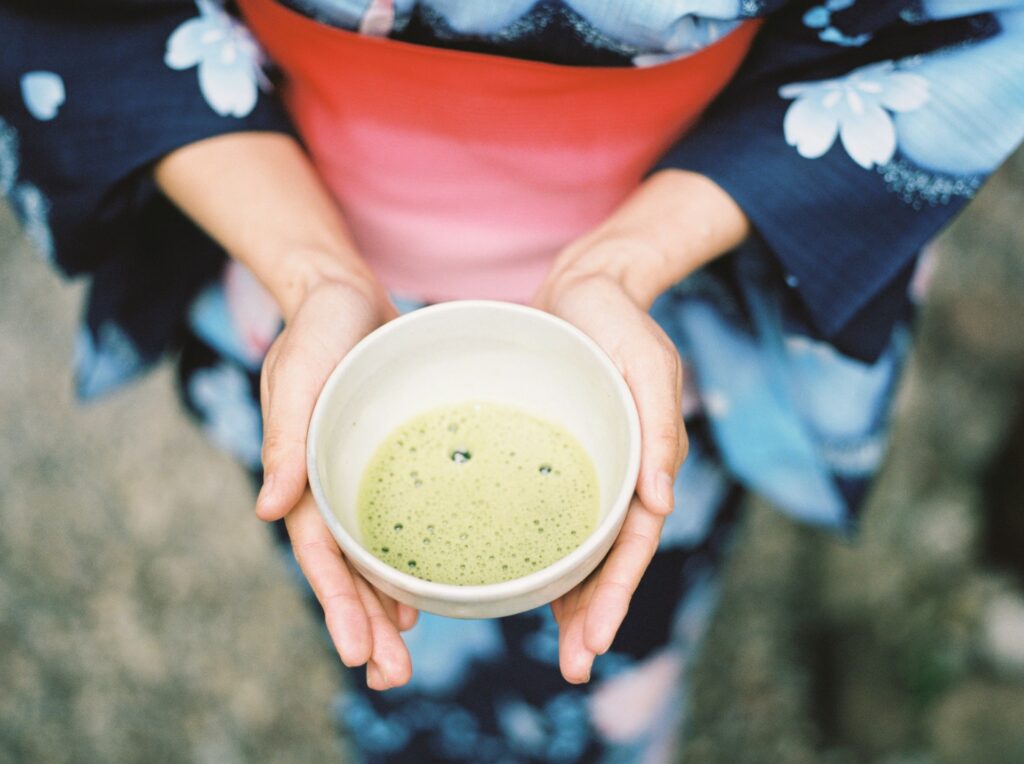
Kamakura is also known for tea-based desserts and old-fashioned Japanese sweets. Matcha ice cream, matcha drinks, warabimochi, dango, and seasonal pastries are easy to find around Komachi Dori, Hase, and the station area.
A few useful sweet and coffee stops to look for include:
- Mont Blanc Stand — A small takeout-style dessert stop near Kamakura Station, known for seasonal mont blanc-style sweets.
- KANNON COFFEE — A Hase-area cafe known for photogenic sweets and drinks, including items inspired by the nearby Kannon and temple area.
- Ekiyoko Bake — A bakery and coffee stop in the Hase area, useful before or after temple visits.
These are good choices for a short break between temples rather than a full meal. Many sweet shops also sell beautifully packaged items that make excellent Kamakura souvenirs to take home.
Komachi Dori Street Food Guide
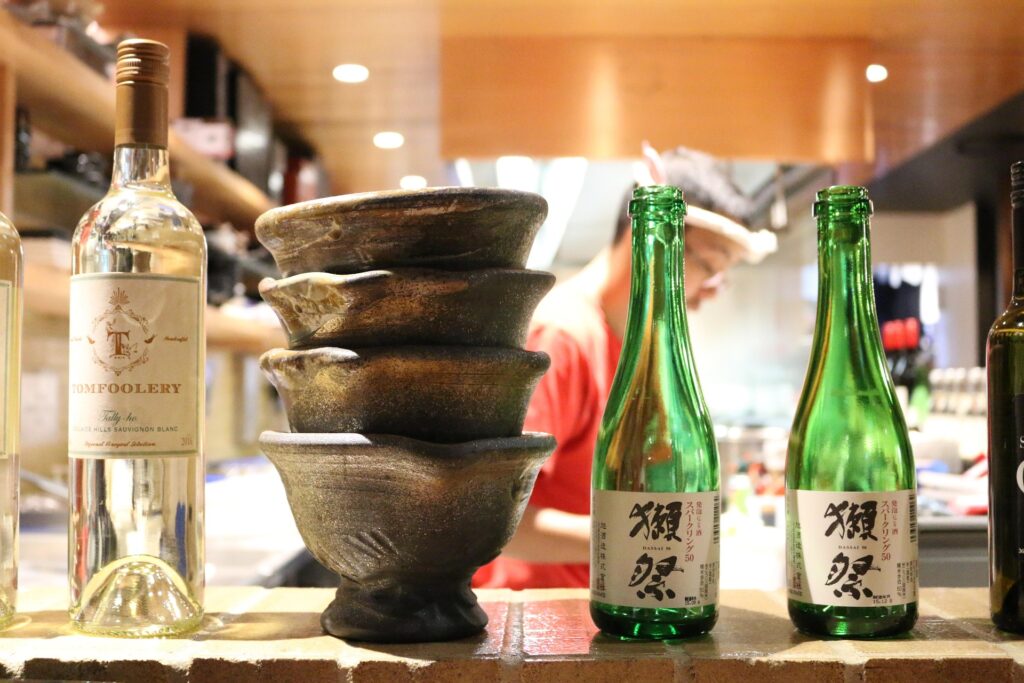
Komachi Dori is the most convenient place for casual snacks in Kamakura. It is the busy shopping street running from Kamakura Station toward Tsurugaoka Hachimangu Shrine, packed with sweet shops, savory snack counters, souvenir stores, and takeout windows.
Important Etiquette: Do Not Eat While Walking
Many visitors imagine Komachi Dori as a walking street food area, but that is not the local expectation. Kamakura does not treat eating while walking as a simple citywide legal ban, but local etiquette strongly discourages eating while walking in crowded areas.
After buying a snack, use the shop’s designated eating space when available, step aside before eating, and return trash to the shop or carry it with you. Avoid entering other shops while eating or drinking. This is one of the easiest ways to be a more respectful visitor in Kamakura.
Best Things to Try on Komachi Dori
- Kamakura Korokke: Crisp croquettes filled with potato, beef, or seasonal vegetables. A short queue often means a fresh batch.
- Fresh Senbei: Rice crackers grilled in front of you and brushed with savory soy sauce.
- Daibutsu Yaki: Small Buddha-shaped cakes, often filled with red bean paste or custard.
- Shrimp Shumai: Steamed shrimp dumplings served in small portions, usually best eaten at or near the shop counter.
- Matcha Sweets: Easy dessert stops if you want something sweet between shrine visits and shopping.
For most travelers, the smartest plan is simple: choose a proper lunch restaurant first, then treat Komachi Dori as your snack and dessert stop later in the day.
Dinner in Kamakura: What to Expect After Sunset
Kamakura is much easier for lunch than dinner. Most visitors leave in the late afternoon, and many cafes, snack shops, and casual restaurants close earlier than travelers expect. If you are staying into the evening, it is best to plan dinner in advance instead of assuming you can casually find a good place after dark.
The restaurants that do stay open are often small local izakayas tucked into side streets. These can be memorable, but they may have limited English support, no obvious signage, or menus that are harder to navigate on your own.
There are exceptions. Some seafood restaurants, vegan bistros, and izakayas operate into the evening, but opening days, reservation rules, and last orders can change. For dinner, always check the latest hours before building your itinerary around a specific restaurant.
When Dinner Planning Matters Most
- Overnight stays: If you are sleeping in Kamakura, Enoshima, or the Shonan area, dinner planning becomes much more important.
- Late temple or beach visits: If your sightseeing runs into the evening, your easy lunch options may already be closed.
- Travelers who want a local nightlife experience: Small izakayas can be memorable, but they are harder to find casually than daytime restaurants.
- Visitors coming from Tokyo for sunset: If you plan to watch the sunset at Enoshima, Inamuragasaki, or the beach and then eat, prepare your dinner plan before you arrive.
Your Main Options for Dinner
| Option | Best For | What to Expect |
|---|---|---|
| Find a restaurant yourself | Confident travelers who do not mind checking maps, menus, reservations, and opening hours carefully. | More flexibility, but fewer obvious choices and a higher chance of language friction. Look around Kamakura Station, Komachi Dori side streets, Hase, Koshigoe, or Enoshima depending on your route. |
| Reserve a specific restaurant | Travelers with dietary needs, couples, overnight visitors, and anyone planning around a particular place. | More reliable than walking in, especially for vegan course meals, small restaurants, and weekends. Reservation rules vary by restaurant. |
| Join a guided izakaya experience | Visitors who want an easier evening plan, local context, and help with ordering. | Less guesswork, smoother communication, and a more curated local food experience. Check the latest start time, route, inclusions, and cancellation terms before booking. |
If you prefer a stress-free evening and want to explore Kamakura’s local pub culture without navigating language barriers and hidden doorways, a guided experience can save time and reduce uncertainty.
Who the Izakaya Tour Fits Best
- Food-focused travelers: Good for visitors who want more than a quick dinner and are interested in local pub culture.
- Solo travelers and couples: Helpful if you want a social evening without worrying about menus and local customs.
- Visitors staying overnight: One of the easiest ways to make the most of Kamakura after the daytime crowds leave.
- Travelers with limited Japanese: A local guide can help with ordering, explanations, and etiquette.
Who Should Skip It
- Day-trippers leaving early: If you are heading back to Tokyo before evening, there is little reason to plan around Kamakura dinner.
- Families with very young children: Small izakayas are usually better suited to adults than to early family meals.
- Travelers on a tight budget: Guided food experiences are usually more expensive than eating independently.
- Travelers with strict dietary rules: Izakaya menus may include meat, seafood, alcohol-based seasonings, or shared preparation areas. Confirm inclusions before booking.
FAQ About Kamakura Restaurants
What food is Kamakura most known for?
Kamakura is best known for shirasu, or whitebait, especially in rice bowls. The fish can be served raw, boiled, dried, or in tempura form. Matcha sweets, traditional snacks, and Komachi Dori treats are also popular with visitors.
Is Kamakura better for lunch or dinner?
Lunch is by far the easier and more reliable meal in Kamakura. You will have more choice, shorter decision-making time, and better access to the town’s most popular local dishes. Dinner is possible, but it requires more planning.
Can I find vegetarian food in Kamakura?
Yes. Kamakura has a growing mix of traditional shojin ryori, vegan cafes, vegetable-focused restaurants, and plant-based sweets. Options are better than many travelers expect, but planning ahead is still recommended.
Are halal-friendly restaurants easy to find?
They are less common than vegetarian options. Some seafood-focused restaurants may be able to accommodate halal-conscious diners, but you should confirm ingredients, seasonings, and preparation methods directly with the restaurant before visiting.
Is Komachi Dori good for a full meal?
Komachi Dori is best for snacks, sweets, and short food stops rather than a full sit-down meal. For lunch, most travelers will have a better experience choosing a proper restaurant first and using Komachi Dori for dessert or small bites later.
Do I need reservations for lunch in Kamakura?
Most casual lunch spots accept walk-ins, but popular cafes, small restaurants, vegan course meals, and weekend lunches may require or benefit from reservations. For many travelers, arriving early — before 11:30 AM — is the simplest alternative to booking in advance.
What is the best time to visit Kamakura for food?
For the smoothest food experience, arrive between 10:30 AM and 11:00 AM. This gives you time for coffee, a bakery stop, or light sightseeing before lunch crowds build. Eat lunch early, then use Komachi Dori for snacks in the early afternoon.
Can I eat raw shirasu year-round?
No. Raw shirasu is seasonal and catch-dependent. The Shonan fishing season generally runs from March 11 to December 31, with a closed fishing period from January 1 to March 10. Even in season, rough weather or a poor morning catch can mean no raw shirasu that day.
Final Verdict: Which Kamakura Food Plan Suits You?
| Traveler Type | Recommended Plan |
|---|---|
| First-time day-tripper | Arrive before 11:00 AM. Have an early lunch near Kamakura Station, Wakamiya Oji, or Hase. Use Komachi Dori for snacks and matcha sweets in the afternoon. Head back to Tokyo before dinner unless you have a specific evening plan. |
| Food-focused traveler | Prioritize shirasu at a seafood-focused restaurant such as Shirasuya Honten or Hase Shokudo. Try nama shirasu if it is in season and available. Add Komachi Dori snacks later, and consider an evening izakaya experience if staying late. |
| Vegetarian or vegan traveler | Plan ahead. Choose a vegan-friendly restaurant such as Cotonoha, KAZRO DELI, Chirashiya, or Vegetus depending on your route and reservation flexibility. Check our Kamakura vegetarian guide for more options. |
| Traveler with children | Choose a flexible restaurant with varied dishes, such as Hase Shokudo or a casual cafe near your sightseeing route. Use Komachi Dori for snacks, but stop to eat instead of walking while eating. Leaving before dinner is usually easier. |
| Overnight visitor | Have an early lunch, explore temples and the coast in the afternoon, then plan dinner in advance. Reserve a specific restaurant or compare a guided izakaya tour if you want a smoother evening. |
| Budget-conscious traveler | Choose a simple teishoku lunch, bakery stop, or Komachi Dori snacks. Avoid guided food tours and pricier seafood set meals unless food is the main purpose of your visit. |
If you are staying in Kamakura into the evening and want help choosing, ordering, and understanding local izakaya culture, the guided option is worth comparing before you commit to a DIY dinner plan.
👉 See current details for the Kamakura & Shonan Night Izakaya Bar Hopping Tour
One final tip: If you take away nothing else, remember this: eat an early lunch, try shirasu if it appeals to you, snack on Komachi Dori without eating while walking, and make a dinner plan only if you plan to stay after sunset. That approach matches the way Kamakura actually works and makes your food experience smoother, more enjoyable, and less stressful.
For a complete itinerary including where to eat, read our Kamakura day trip guide.
Prices, opening hours, reservation rules, payment methods, shirasu availability, tour inclusions, and seasonal operations can change. Always check official sources, restaurant updates, and your selected booking page before finalizing your trip.

Hi, I’m Kai. I’m a Tokyo-based travel writer, tourism industry insider, and the author of a published guidebook for international visitors to Japan. With over 10 years of professional experience at a leading Japanese tourism company, my mission is to help you skip the tourist traps and navigate Japan’s best destinations like a local. I believe the perfect day trip is like a traditional kaiseki meal: a beautiful balance of precise planning and unforgettable seasonal discovery. When I’m not out conducting field research, you’ll usually find me drafting new itineraries with one of my favorite fountain pens!