
Is the Hakone Free Pass Worth It in 2026?
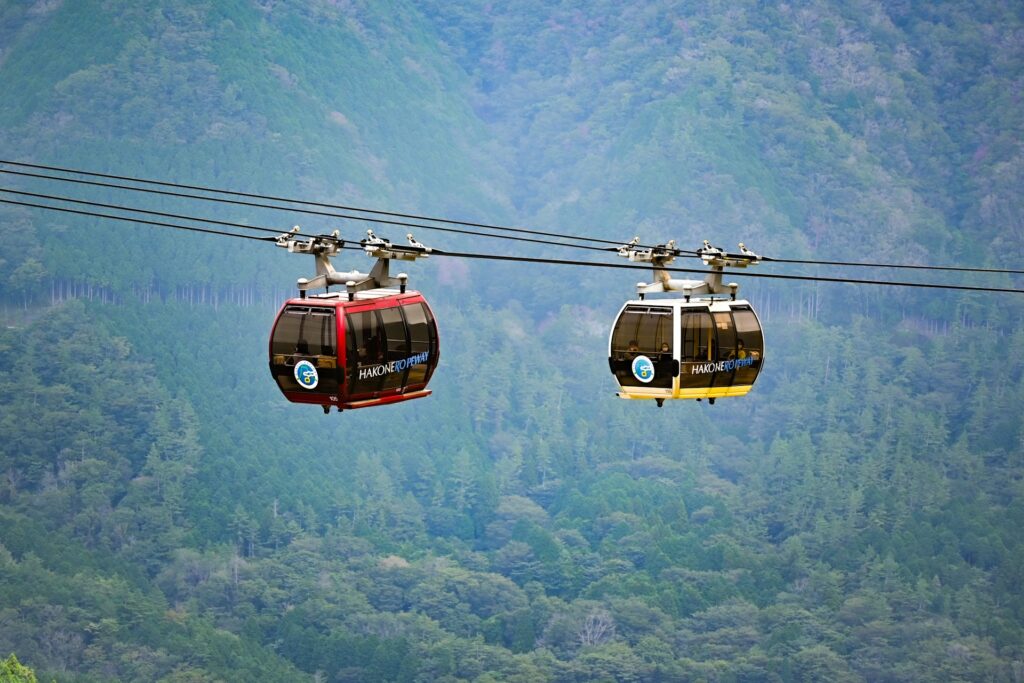
If you plan to complete the classic Hakone Golden Route — the loop that connects the mountain railway, cable car, ropeway, Lake Ashi cruise, and local buses — the short answer is yes, the Hakone Free Pass is worth it for most first-time visitors.
After the October 2025 fare revision, individual tickets for some major Hakone transport legs became more expensive. That makes the pass more attractive than it used to be, especially if you ride the Hakone Ropeway and Lake Ashi Sightseeing Cruise as part of the full loop.
On a typical Golden Route day trip from Shinjuku, the pass can save around 1,000 yen compared with buying individual tickets, depending on your exact route and payment method. The bigger value, though, is convenience: instead of buying a separate ticket for each train, cable car, ropeway, boat, and bus, you can move through most of the route with one pass.
However, the Hakone Free Pass is not the right choice for every traveler. The most important thing to understand is that Hakone is not Mt. Fuji. You can see Mt. Fuji from Hakone on a clear day, but the pass does not take you to Mt. Fuji 5th Station, Kawaguchiko, or the Fuji Five Lakes area.
| Your plan | Best choice |
|---|---|
| Complete the full Hakone Golden Route | Buy the Hakone Free Pass |
| Stay overnight in Hakone | Buy the Hakone Free Pass |
| Use JR to reach Odawara first | Buy the Odawara version |
| Visit only one museum, onsen, shrine, or viewpoint | Pay as you go |
| Visit Mt. Fuji 5th Station and Hakone in one day | Consider a guided tour instead |
Weather warning: The pass gives the best value when the Hakone Ropeway and Lake Ashi Sightseeing Cruise are operating. Both can be suspended due to strong wind, heavy rain, snow, volcanic gas alerts, inspections, or maintenance. Always check the official Hakone transport status on the morning of your trip before committing to the full loop.
If your real goal is to visit Mt. Fuji 5th Station and sample Hakone in one day, a guided tour is usually more realistic than trying to connect both areas by public transport.
Hakone Free Pass 2026 — At a Glance
| Feature | Details |
|---|---|
| Issued by | Odakyu Railway |
| Validity | 2 or 3 consecutive days |
| 1-day pass available? | No. Day-trippers must buy the 2-day pass. |
| Adult price from Shinjuku | 2-day: 7,100 yen / 3-day: 7,500 yen |
| Adult price from Odawara | 2-day: 6,000 yen / 3-day: 6,400 yen |
| Child price from Shinjuku | 2-day: 1,600 yen / 3-day: 1,850 yen |
| Child price from Odawara | 2-day: 1,500 yen / 3-day: 1,750 yen |
| What it covers | 8 transport types in Hakone plus discounts at selected facilities |
| Romancecar included? | No. A separate limited express ticket is required. |
Hakone Free Pass Prices in 2026
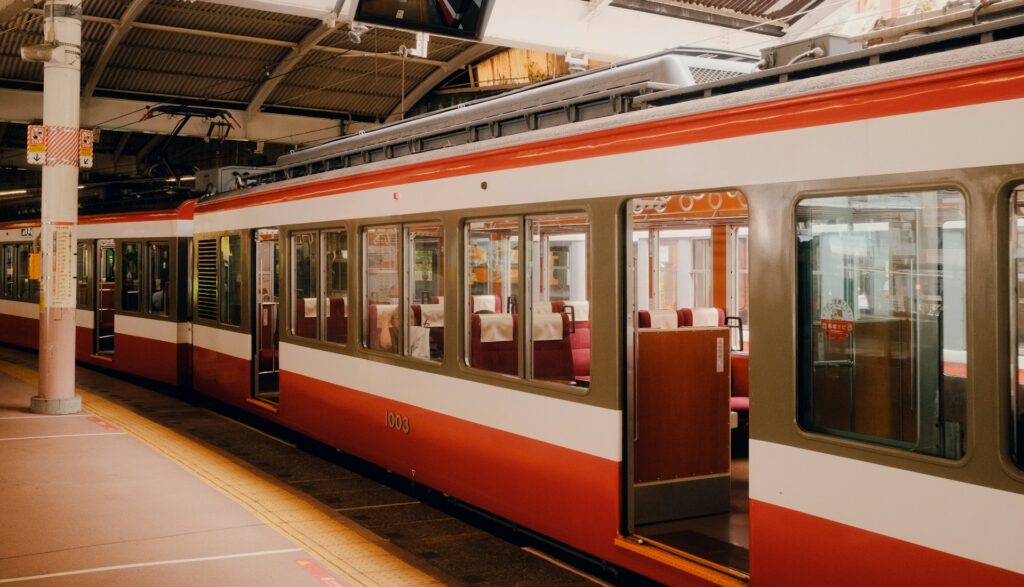
The Hakone Free Pass is a discount transport ticket issued by Odakyu Railway. It gives you unlimited rides on major transportation in the Hakone area, plus discounts at selected museums, hot springs, and attractions.
You can choose between a 2-day or 3-day pass. There is no 1-day Hakone Free Pass, so even day-trippers need to buy the 2-day version.
| Starting station | Pass type | Adult | Child |
|---|---|---|---|
| From Shinjuku | 2-day pass | 7,100 yen | 1,600 yen |
| 3-day pass | 7,500 yen | 1,850 yen | |
| From Odawara | 2-day pass | 6,000 yen | 1,500 yen |
| 3-day pass | 6,400 yen | 1,750 yen |
Prices above reflect the official post-October 2025 Hakone Free Pass listings checked for 2026. Fares, sales channels, and pass conditions can change, so always verify the latest price before buying.
The price difference between the 2-day and 3-day pass is small for adults. The 3-day version makes the most sense if you are staying two nights in Hakone or building a slower itinerary. For a simple day trip from Tokyo, the 2-day pass is usually enough.
What Does the Hakone Free Pass Include?
Inside the designated Hakone area, the pass covers unlimited rides on the main transport network used by most first-time visitors.
- Hakone Tozan Railway — the mountain train from Odawara and Hakone-Yumoto toward Gora
- Hakone Tozan Cable Car — from Gora to Sounzan
- Hakone Ropeway — from Sounzan through Owakudani to Togendai
- Hakone Sightseeing Cruise — the Lake Ashi pirate ship route
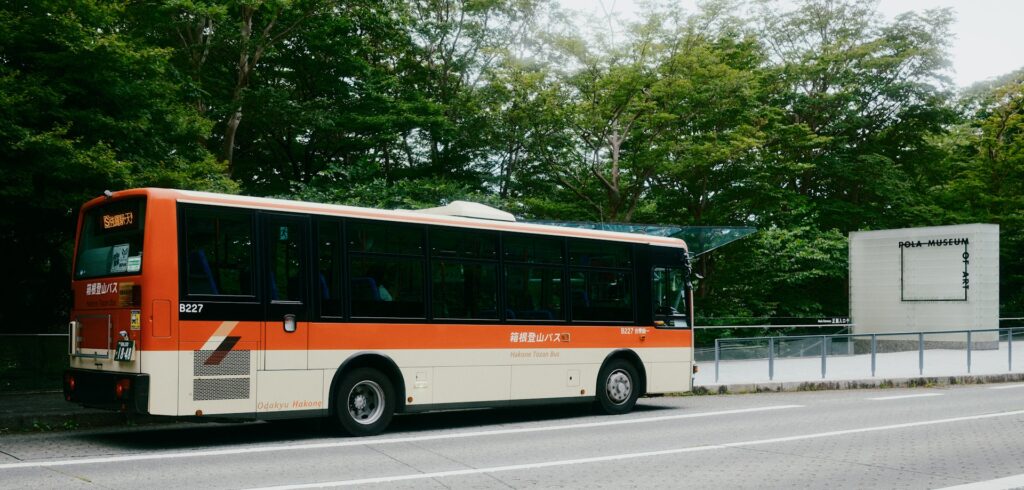
- Hakone Tozan Bus — in designated areas
- Odakyu Highway Bus — in designated areas
- Tokai Bus — in designated areas
- KANKO SHISETSU-MEGURI Bus — the tourist facility sightseeing bus
This is why the pass works well for the Hakone Golden Route. That route typically links Hakone-Yumoto, Gora, Sounzan, Owakudani, Togendai, Lake Ashi, and the return bus route toward Hakone-Yumoto or Odawara.
Important bus warning: The Hakone Free Pass does not cover every bus you may see in the area. In particular, Izu-Hakone Bus is a different operator and is not covered by the pass. When in doubt, check the route on Hakone Navi or show your pass to the driver before boarding.
Discount perks: The pass also gives discounts at selected facilities in Hakone, including museums, onsens, and sightseeing spots. These discounts are useful, but they should be treated as a bonus rather than the main reason to buy the pass.
Does the Hakone Free Pass Cover the Romancecar?
No. This is the most common Hakone Free Pass misunderstanding.
If you buy the Shinjuku version, the pass covers the basic round-trip fare between Shinjuku and the Hakone area. However, it does not include the Limited Express Romancecar surcharge.
The Romancecar is the faster, reserved-seat limited express train from Shinjuku toward Hakone-Yumoto. To ride it, you need to buy a separate limited express ticket in addition to the Hakone Free Pass. The Shinjuku to Hakone-Yumoto limited express surcharge is listed at 1,200 yen one way for adults on the official Odakyu information at the time of writing.
Think of the Hakone Free Pass as covering your base fare, not your reserved-seat upgrade. If you prefer not to pay extra, you can use regular Odakyu trains covered by the pass, but the journey usually takes longer and may require a transfer.
Where to Buy the Hakone Free Pass
You can buy the Hakone Free Pass before your trip or on the day, depending on which format you prefer.
Digital Pass
The digital pass is convenient for many travelers because you can buy it online and use it on your phone. It is useful if you want to avoid ticket counter queues or buy before arriving in Hakone.
However, digital passes can be inconvenient for families or groups if not everyone has their own smartphone. If you are traveling with children or with someone who does not want to manage a phone ticket, a paper pass may be simpler.
Paper Pass
You can buy a physical pass at Odakyu stations and selected service counters. This can be the easier option for families, groups, or travelers who prefer a backup ticket that does not depend on phone battery or mobile data.
Which Version Should You Buy?
- Buy the Shinjuku version if you are starting from Tokyo on Odakyu trains.
- Buy the Odawara version if you are reaching Odawara by JR train or Shinkansen before entering Hakone.
Do not confuse the Hakone Free Pass with a Romancecar ticket. If you want to ride the Romancecar, buy the limited express ticket separately.
👉 Check the latest Hakone Free Pass price and digital ticket options via EMot
Do You Save Money on the Hakone Golden Route?
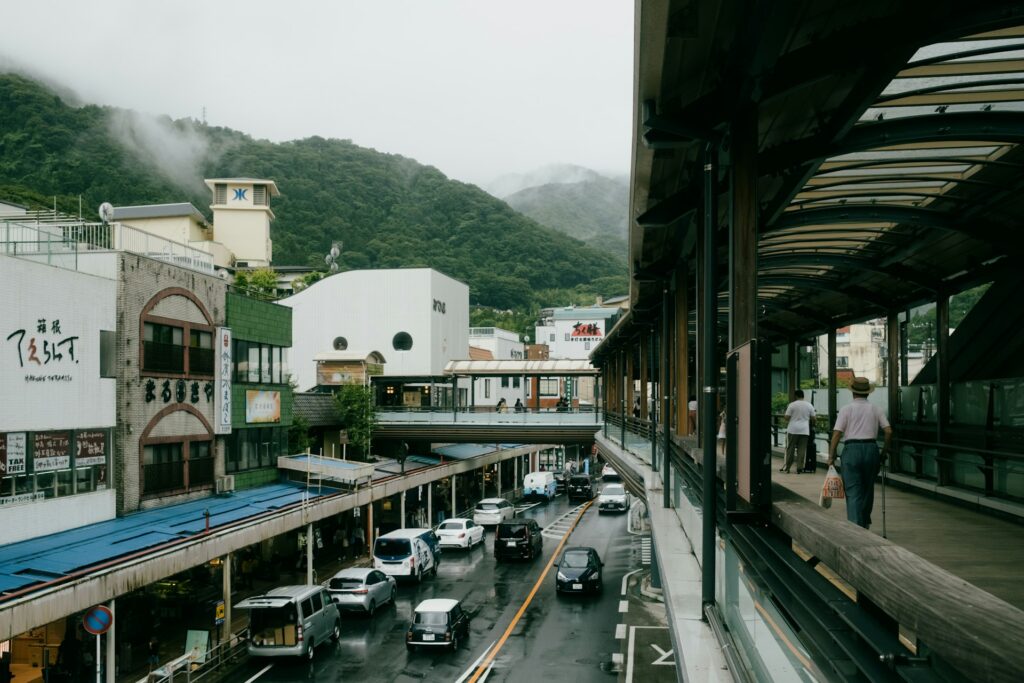
For most first-time visitors, the key question is not whether the pass gives unlimited rides. It is whether the pass actually saves money on a realistic Hakone day trip itinerary.
After the October 2025 fare revision, the pass became more attractive for travelers completing the full Golden Route. Official HakoneNavi examples estimate that a Golden Route starting from Shinjuku can cost over 8,000 yen in individual transport fares, while the 2-day Hakone Free Pass from Shinjuku costs 7,100 yen for adults.
Here is a simplified comparison for a classic Shinjuku-based Golden Route:
| Item | Approximate cost |
|---|---|
| Individual transport fares for the full Golden Route from Shinjuku | About 8,000 yen or more |
| Hakone Free Pass from Shinjuku, 2-day adult pass | 7,100 yen |
| Estimated saving | Around 1,000 yen, depending on route and payment method |
That saving is helpful, but the real value goes beyond the numbers:
- Flexibility: Add an extra bus ride, change your route because of weather, or stop at a museum, and the pass becomes more useful.
- Convenience: You do not need to buy separate tickets at every stage of the trip.
- Route freedom: If you decide to take a different bus or return a different way within the covered area, the pass gives you more room to adjust.
When the calculation flips: If you skip the Hakone Ropeway or Lake Ashi Sightseeing Cruise, individual tickets may be cheaper than the pass. This is especially true if you only visit one museum, onsen, shrine, or viewpoint.
Should You Buy the Odawara Version with a JR Pass?
Yes, in many cases. If your rail pass or itinerary already gets you to Odawara, buying the full Shinjuku version of the Hakone Free Pass may mean paying for coverage you do not need.
JR passes do not cover Odakyu Railway from Shinjuku or most local Hakone transport. However, many travelers can use JR trains to reach Odawara Station from Tokyo, Shinagawa, or other JR stations. From Odawara, you can buy the cheaper Odawara version of the Hakone Free Pass.
| Your situation | Recommended pass |
|---|---|
| Starting from Shinjuku on Odakyu trains | Hakone Free Pass from Shinjuku |
| Using JR to reach Odawara first | Hakone Free Pass from Odawara |
| Arriving from Kyoto, Osaka, or Nagoya by Tokaido Shinkansen | Hakone Free Pass from Odawara |
| Only visiting one place in Hakone | Compare individual fares first |
JR Tokyo Wide Pass warning: Do not assume every JR pass covers the same route. The JR Tokyo Wide Pass does not cover the Tokaido Shinkansen. If you plan to use a JR pass to reach Odawara, check the exact trains covered by your pass before deciding between the Shinjuku and Odawara versions.
Hakone Free Pass vs Other Passes
The Hakone Free Pass is the best fit if your trip is mainly within Hakone. If your itinerary also includes Kamakura, Enoshima, or the Fuji Five Lakes area, another pass may be worth comparing.
| Pass | Typical validity | Best for |
|---|---|---|
| Hakone Free Pass | 2 or 3 days | Hakone only — Golden Route, overnight stays, museums, onsens |
| Hakone Kamakura Pass | 3 days | Hakone plus Kamakura and Enoshima |
| Fuji Hakone Pass | 3 days | Hakone plus the Fuji Five Lakes area |
- Choose the Hakone Free Pass if Hakone is your main destination outside Tokyo.
- Compare the Hakone Kamakura Pass if you are also visiting Kamakura and Enoshima within the same short trip.
- Compare the Fuji Hakone Pass if you want to visit both Hakone and the Fuji Five Lakes area over several days.
Pass prices and conditions can change, so check Odakyu’s latest official pass information before buying.
When Should You Not Buy the Hakone Free Pass?
The Hakone Free Pass is useful for the full Hakone loop, but it is not automatically the best ticket for every itinerary. Before buying it, compare your actual route with what the pass covers.
| When to skip it | Better option |
|---|---|
| You only plan to visit one museum, onsen, shrine, or viewpoint | Pay as you go with individual tickets |
| You want to visit Mt. Fuji 5th Station or Kawaguchiko | Choose a Fuji-focused pass or guided tour |
| You are not riding the ropeway or Lake Ashi cruise | Check individual fares before buying |
| You are combining Hakone with Kamakura or Enoshima | Compare the Hakone Kamakura Pass |
| You only have one day and want both Mt. Fuji and Hakone | Consider a guided Mt. Fuji and Hakone tour from Tokyo |
The most common mistake is buying the Hakone Free Pass for a Mt. Fuji day trip. Hakone can give you beautiful views of Mt. Fuji in clear weather, especially around Lake Ashi and the ropeway area, but the pass does not take you to Mt. Fuji itself.
If you want to stand on Mt. Fuji 5th Station, visit the Fuji Five Lakes, or spend time around Kawaguchiko, you need a different plan. For most first-time visitors, trying to combine Mt. Fuji 5th Station and Hakone by public transport in one day is unrealistic without a very early start, tight transfers, and a high tolerance for delays.
Hakone Free Pass vs Guided Tour
The Hakone Free Pass is the better choice if you want flexibility, local transport, and enough time to enjoy Hakone at your own pace. A guided tour is usually better if you have only one day from Tokyo and want to include both the Mt. Fuji area and a short Hakone experience.
| Decision point | Hakone Free Pass | Guided tour from Tokyo |
|---|---|---|
| Best for | Hakone day trips, overnight stays, and the full Golden Route | First-time visitors who want Mt. Fuji and Hakone in one day |
| Mt. Fuji 5th Station | Not covered | Often included, or replaced with another Fuji-area stop depending on season and conditions |
| Hakone Ropeway and Lake Ashi cruise | Covered when operating | Often included, depending on the selected tour and date |
| Transfers to manage | Several trains, cable cars, ropeway stations, boats, and buses | Mostly handled by the tour operator |
| Weather risk | You adjust your own route if transport is suspended | The operator may adjust the itinerary, but Mt. Fuji views are never guaranteed |
| Return to Tokyo | Regular Odakyu train included; Romancecar costs extra | Some tours include a faster bullet train return |
| Best pace | Slower and more flexible | Faster and more structured |
The verdict: Choose the Hakone Free Pass if Hakone itself is your main destination. It is especially good for the Golden Route, an overnight ryokan stay, museum hopping, or a relaxed second day in the area.
If your priority is to visit Mt. Fuji 5th Station and still experience highlights such as the Hakone Ropeway and Lake Ashi cruise in one day, a guided tour is the more practical option. It reduces the number of transfers and avoids the difficult public transport connection between the Mt. Fuji area and Hakone.
If you have two days to spend in the area, buy the Hakone Free Pass and book a traditional ryokan in Hakone. If you only have one day and want both Mt. Fuji and Hakone, compare a structured tour instead.
This option is best for travelers who want a Fuji-area stop, a short Hakone experience, and a faster return to Tokyo without managing rural train and bus connections on their own. Always check the selected date, meeting point, route, included transport, and cancellation terms before booking.
Bad Weather? What to Do If Transport Is Suspended
The Hakone Ropeway and Lake Ashi Sightseeing Cruise are the two most weather-dependent legs of the Golden Route. Both can be suspended due to strong wind, heavy rain, snow, volcanic gas alerts, or maintenance.
Check before you leave Tokyo:
If the ropeway, cruise, or another part of the route is suspended, do not rely on a fixed backup route from an old blog post. Check Hakone Navi’s current transport status and follow the official substitute route for that day. Some alternative buses or routes may not be covered by the Hakone Free Pass.
If the ropeway or cruise is not operating, the pass may still be useful if you take several covered buses or visit multiple discount facilities. However, it is not automatically the cheapest choice if you skip the most expensive transport legs.
Good rainy-day alternatives in Hakone include Hakone-Yumoto for shopping and onsen, Gora for the Hakone Open-Air Museum and Gora Park, Moto-Hakone for Hakone Shrine and lakeside walks when conditions allow, or a slower museum-focused itinerary.
Frequently Asked Questions
Does the Hakone Free Pass cover the Romancecar?
No. The Hakone Free Pass covers the basic fare between Shinjuku and the Hakone area if you buy the Shinjuku version, but it does not include the Limited Express Romancecar surcharge. To ride the Romancecar, buy a separate limited express ticket for a reserved seat.
Is there a 1-day Hakone Free Pass?
No. The Hakone Free Pass is sold as a 2-day or 3-day pass. Even if you are visiting Hakone as a day trip from Tokyo, you need to buy the 2-day version.
Is the Hakone Free Pass worth it for a day trip?
Yes, if you complete the main Hakone Golden Route with the Hakone Tozan Railway, cable car, ropeway, Lake Ashi Sightseeing Cruise, and bus return. If you only visit one or two places, individual tickets may be cheaper.
Can I buy the Hakone Free Pass online?
Yes. Digital ticket options are available online, and paper tickets are available through selected stations and counters. Check the official purchase page for the latest sales channels, activation rules, and device requirements.
Does the pass include discounts at museums and onsens?
The pass does not usually include free admission, but it gives discounts at selected facilities in Hakone. Show your pass at the ticket counter and check the current discount before paying.
What is the difference between the digital pass and the paper pass?
The digital pass is used on a smartphone, while the paper pass is a physical ticket. Digital passes are convenient for solo travelers, but paper passes can be easier for families, children, or groups where not everyone has their own phone.
Can I use the Hakone Free Pass with a JR Pass?
Yes, but the JR Pass does not cover Odakyu trains or most Hakone local transport. A common approach is to use JR to reach Odawara Station, then buy the Odawara version of the Hakone Free Pass. Check your exact JR pass coverage before choosing this route.
Should I buy the Shinjuku version or the Odawara version?
Buy the Shinjuku version if you are traveling from Tokyo on Odakyu trains. Buy the Odawara version if you are using JR trains or the Shinkansen to reach Odawara before entering Hakone.
What happens if the Hakone Ropeway or Lake Ashi cruise is canceled?
If either is suspended, check Hakone Navi’s official transport status and follow the current substitute route. Do not assume every bus is covered by the Hakone Free Pass, because some operators and routes may be outside the pass area.
Does the Hakone Free Pass cover Mt. Fuji?
No. The Hakone Free Pass covers the Hakone area only. You may see Mt. Fuji from Hakone on a clear day, but the pass does not take you to Mt. Fuji 5th Station, Kawaguchiko, or the Fuji Five Lakes.
Can I visit Mt. Fuji and Hakone in one day with the Hakone Free Pass?
Not realistically by public transport for most first-time visitors. The Hakone Free Pass is designed for Hakone, while Mt. Fuji 5th Station and the Fuji Five Lakes are separate travel areas. If you want both in one day from Tokyo, a guided tour is usually the more practical choice.
👉 Compare the Mt. Fuji and Hakone day tour from Tokyo
Final Verdict
The Hakone Free Pass is one of the best-value transport passes for exploring Hakone, but only if your itinerary matches what it covers.
Choose the Hakone Free Pass if:
- You are completing the full Hakone Golden Route
- You are staying overnight in a Hakone ryokan or hotel
- You plan to use several covered trains, buses, ropeway, and cruise routes
- You want the convenience of not buying individual tickets at each stop
- You want flexibility in case you change your route during the day
Skip the Hakone Free Pass if:
- You only plan to visit one spot in Hakone
- Your main goal is Mt. Fuji 5th Station, Kawaguchiko, or the Fuji Five Lakes
- You are not riding the ropeway or Lake Ashi cruise
- You are combining Hakone with Kamakura, Enoshima, or Fuji Five Lakes and another pass fits better
- Bad weather has suspended the main transport legs and your replacement route is much shorter
For families with children: The child pass can be very good value if your family completes the full Golden Route. If you use digital passes, check whether each traveler needs their own device. Paper passes may be easier for younger children.
For JR pass holders: If your pass or route gets you to Odawara efficiently, the Odawara version is usually the better match. Just remember that not every JR pass covers the same trains, and the JR Tokyo Wide Pass does not cover the Tokaido Shinkansen.
For first-time visitors wanting both Mt. Fuji and Hakone: A guided tour is the realistic choice for a single day. The Hakone Free Pass is excellent for a dedicated Hakone trip, but it will not take you to Mt. Fuji itself.
Prices, opening hours, transport schedules, pass conditions, digital ticket rules, tour inclusions, payment methods, and seasonal operations can change. Always check official sources and your selected booking page before finalizing your trip.

Hi, I’m Kai. I’m a Tokyo-based travel writer, tourism industry insider, and the author of a published guidebook for international visitors to Japan. With over 10 years of professional experience at a leading Japanese tourism company, my mission is to help you skip the tourist traps and navigate Japan’s best destinations like a local. I believe the perfect day trip is like a traditional kaiseki meal: a beautiful balance of precise planning and unforgettable seasonal discovery. When I’m not out conducting field research, you’ll usually find me drafting new itineraries with one of my favorite fountain pens!