
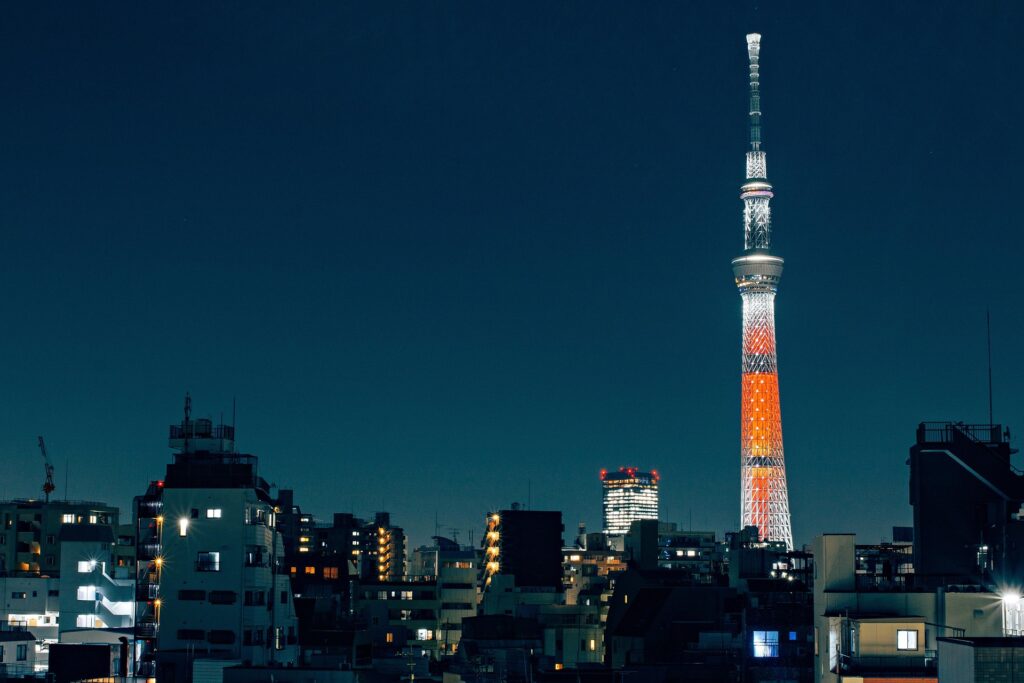
If you only have 24 hours or a long layover in Japan’s capital, you are likely asking yourself: Is one day in Tokyo enough?
The honest answer is no—but you can absolutely experience a perfect balance of Tokyo’s traditional history and hyper-modern culture if you plan your day with military precision. The biggest mistake travelers make is trying to cram 10 locations into a single day, only to lose precious hours getting lost in massive transit hubs like Shinjuku (reviewing how to navigate Shinjuku Station beforehand is highly recommended) or Tokyo Station.
Quick Answer: Tokyo in a Day at a Glance
- Best start time: 8:00 AM (to beat the crowds)
- Expected walking distance: 15,000+ steps (wear your most comfortable shoes)
- Best transport method: Prepaid IC Card (Welcome Suica, Pasmo Passport, or digital Suica on your smartphone)
- Must-see areas: Asakusa (Traditional), Harajuku (Pop Culture), Shibuya (Modern), Shinjuku (Nightlife)
Short on time and want to avoid the stress of navigating complex train lines?
If figuring out Tokyo’s massive subway map sounds exhausting, hiring a local expert is the smartest investment for a fast-paced 1-day trip. A dedicated guide can pick you up from your hotel and customize a route so you don’t waste a single minute.
Check availability for the Tokyo: Private City Highlights Tour with Local Guide
The Perfect Tokyo 1-Day Itinerary (DIY Route)
If you prefer to tackle the city on your own, this realistic, field-tested itinerary covers the absolute essentials without burning you out. We have factored in actual travel time and a realistic walking pace.
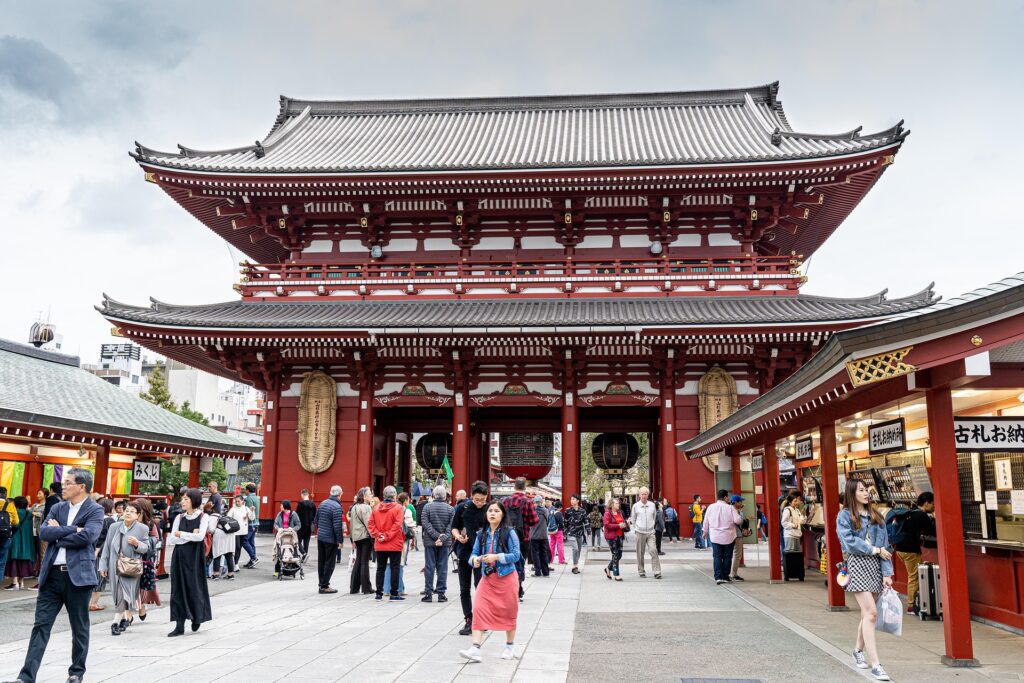
Morning (8:00 AM): Asakusa & Senso-ji Temple
Start your day in the historic district of Asakusa. By arriving at 8:00 AM, you will experience Senso-ji, Tokyo’s oldest and most famous temple, before the massive tour bus crowds arrive.
- What to do: Take a photo under the giant red lantern at the Kaminarimon Gate, draw an omikuji (paper fortune), and admire the five-story pagoda.
- Practical tip: While the temple grounds are open 24/7, the shops along the Nakamise Shopping Street generally do not open until 9:00 AM or 10:00 AM. Enjoy the peaceful temple architecture first, then catch the shops just as they begin to open for some fresh street food.
- Moving on: Walk to Asakusa Station, take the Ginza Subway Line, and transfer to the JR Yamanote Line at Ueno Station to reach Harajuku. (Approx. 40 minutes of travel time).
Mid-Day (11:30 AM): Meiji Shrine & Harajuku
Step out of Harajuku Station and cross the bridge into the serene, forested grounds of Meiji Jingu (Meiji Shrine). It is a stunning contrast; you go directly from a concrete jungle into a tranquil forest dedicated to the deified spirits of Emperor Meiji and his consort.
- What to do: Walk the wide gravel paths, view the massive wooden torii gates, and take photos of the famous display of decorative sake barrels.
- Lunch nearby: After exploring the shrine, head right into the heart of Harajuku. Walk down Takeshita Street for quirky pop culture and grab a quick, casual lunch. Do not waste an hour waiting in line for a viral restaurant today; grab something fast like a famous Harajuku crepe or stop by a convenience store (konbini) if time is tight.
Afternoon (2:30 PM): The Iconic Shibuya Crossing
From Harajuku, you can either take a scenic 20-minute walk down the upscale Omotesando avenue toward Shibuya (following our Harajuku to Shibuya walking route is a great way to see the backstreets), or hop on the JR Yamanote train for one quick stop.
- What to do: Experience the organized chaos of the Shibuya Scramble Crossing, where up to 3,000 people cross the street at once every time the light turns green. Don’t forget to visit the Hachiko Memorial Statue right outside the station’s Hachiko Exit.
- Observation Deck Warning: If you want to see the crossing from above at the popular Shibuya Sky observatory, you must book tickets weeks in advance. They regularly sell out online, and same-day walk-up tickets are rarely available.
Evening (6:00 PM): Shinjuku Neon Lights & Dinner
As the sun sets, take the JR Yamanote line three stops north to Shinjuku. This is the densely packed, neon-lit Tokyo you have seen in cyberpunk movies.
- What to do: Walk through the lively Kabukicho entertainment district (be sure to read up on Kabukicho safety and how to avoid scams) to spot the famous Godzilla head peering over the Toho Cinema. Afterwards, stroll through Omoide Yokocho (Memory Lane), a narrow, atmospheric alley packed with tiny yakitori stalls.
- Dinner tip: Shinjuku is massive and can be overwhelming. If you want a high-end sushi or wagyu dinner, ensure you have reservations beforehand. If you want something quick, cheap, and undeniably delicious, explore a “Depachika” (department store basement food hall) in Shinjuku Station for incredible, high-quality bento boxes to end your day.
DIY vs. Hiring a Local Guide for 1 Day
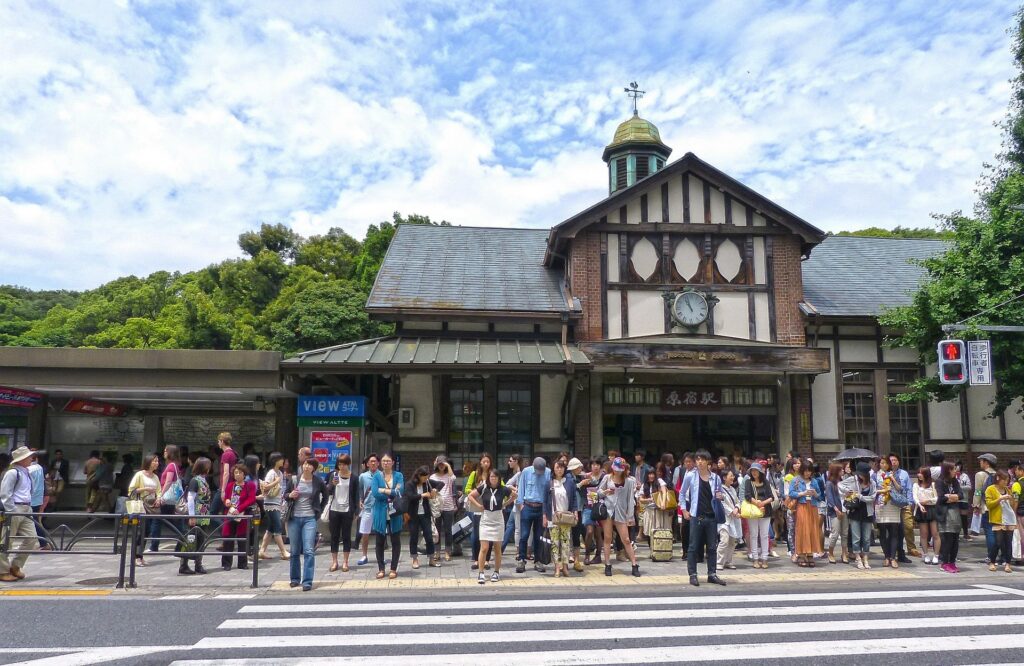
While the DIY itinerary above is entirely possible, the biggest variable is transit time. Tokyo’s railway network is operated by over a dozen different companies. Shinjuku Station alone has over 200 exits. Getting lost is a rite of passage for visitors, but when you only have one day, every minute you spend staring at a Google Maps route is a minute lost.
| Feature | DIY Route | Private Local Guide |
|---|---|---|
| Cost | Low (Just train fares & food) | Medium to High (Depends on group size) |
| Time Efficiency | Moderate (Prone to getting lost) | Maximum (Zero navigation delays) |
| Stress Level | High (Navigating massive crowds) | Zero (Follow the expert) |
| Customization | Fixed to your own research | Fully tailored to your interests |
Who Should Do It Yourself?
If you are a budget-conscious backpacker, have an excellent sense of direction, or simply enjoy the adventure of getting a little lost in a foreign city, the DIY route will save you money and give you a great sense of accomplishment.
Why a Private Tour is the Ultimate Time-Saver
If you are on a tight schedule—such as a layover, a brief business trip, or traveling with family—a private guide acts as your ultimate time-management tool. A local expert will meet you at your hotel, handle all the confusing train transfers, skip the tourist traps, and adapt the itinerary on the fly based on your energy levels and interests (whether that is anime in Akihabara or high-end fashion in Ginza).
Instead of worrying about which train platform to find, you can actually enjoy the city. Because the tour is private, the cost becomes highly reasonable if you are traveling as a couple or a family.
See pricing and customize your Tokyo: Private City Highlights Tour with Local Guide
Essential Tips for 24 Hours in Tokyo
- Use a Digital IC Card: Do not waste time buying individual paper tickets. Add a digital Suica or PASMO card directly to your smartphone’s wallet app (like Apple Pay) before you even land. You can tap through ticket gates instantly.
- Secure Your Luggage Early: If you are on a layover, you will not want to drag your suitcases through Shibuya Crossing. Major hubs like Tokyo, Shinjuku, and Ueno stations have coin lockers, but they fill up fast. Store your bags at your hotel, or use a luggage forwarding/storage service.
- Keep Your Phone Charged: Navigating Tokyo drains your battery quickly. Bring a portable power bank. A dead phone means losing your map, your train pass (if digital), and your translation apps.
Frequently Asked Questions (FAQ)
Is one day enough for Tokyo?
No, one day is not enough to see all of Tokyo, as it is one of the largest and most densely populated metropolitan areas in the world. However, one day is completely sufficient to get a “tasting menu” of the city. By sticking to major hubs on the JR Yamanote line, you can successfully experience its historic temples, peaceful gardens, and neon-lit streets.
What is the best way to get around Tokyo for a day?
The train and subway networks are the absolute best ways to get around. They are impeccably clean, safe, and always on time. Avoid taxis for sightseeing if you are on a strict schedule; Tokyo traffic can be heavy, and trains are almost always faster and significantly cheaper.
How much walking will I do in one day?
Expect to walk a minimum of 15,000 to 20,000 steps (roughly 10 to 15 kilometers). Tokyo’s stations are massive underground complexes. You will walk a lot just transferring between train lines, let alone exploring the actual neighborhoods. Prioritize highly supportive, comfortable walking shoes over fashion.
Final Thoughts for Your 1-Day Trip
Seeing Tokyo in a single day is an unforgettable, high-energy experience. If you plan your route strategically and start early, you will leave with incredible memories. To guarantee a seamless, stress-free day without the hassle of route-planning, consider letting a local expert lead the way.
Book your customized Tokyo Private Tour here

Hi, I’m Kai. I’m a Tokyo-based travel writer, tourism industry insider, and the author of a published guidebook for international visitors to Japan. With over 10 years of professional experience at a leading Japanese tourism company, my mission is to help you skip the tourist traps and navigate Japan’s best destinations like a local. I believe the perfect day trip is like a traditional kaiseki meal: a beautiful balance of precise planning and unforgettable seasonal discovery. When I’m not out conducting field research, you’ll usually find me drafting new itineraries with one of my favorite fountain pens!