
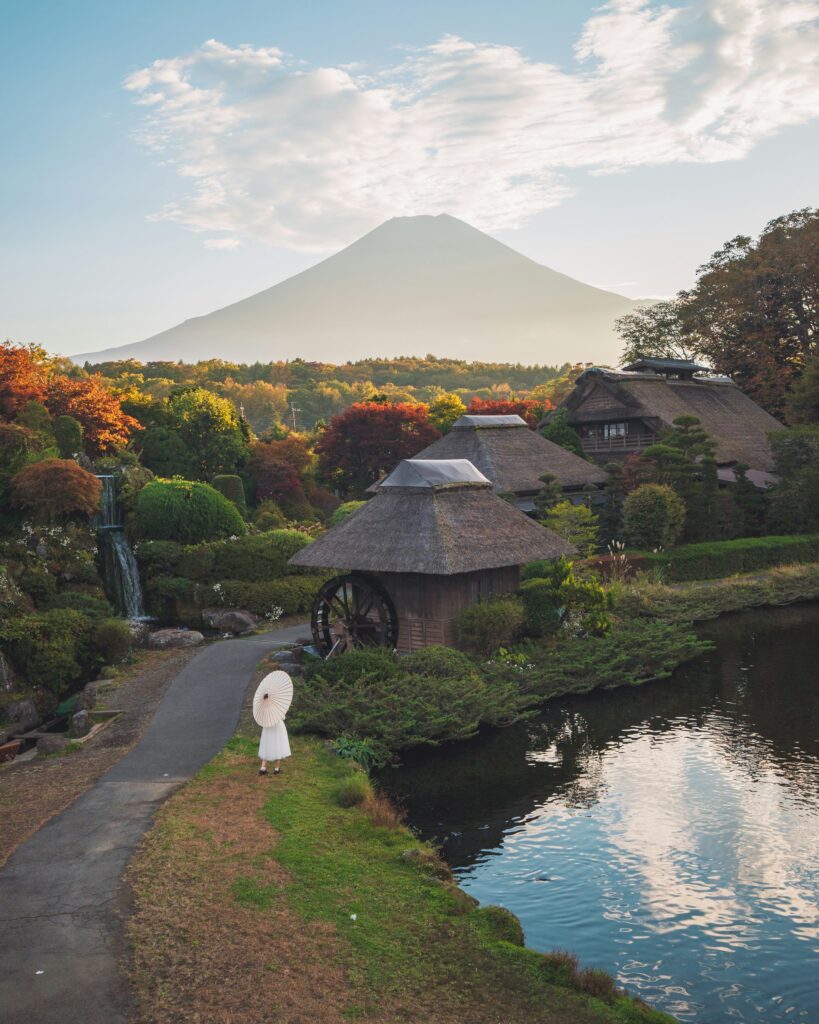
If you are planning a trip to the Mt. Fuji area, you have likely seen photos of Oshino Hakkai: crystal-clear ponds reflecting the mountain, surrounded by thatched-roof buildings.
But for many travelers, the real draw isn’t just the scenery—it’s the food.
Among the highlights of this area is the oshino hakkai food that attracts both locals and tourists alike.
Oshino Hakkai is often called a “tourist trap” because of the crowds, but the reputation of its food is grounded in reality. The village is famous for its spring water, which comes from Mt. Fuji’s snowmelt and has been filtered through lava rock for over 80 years. This pristine water makes simple ingredients like tofu, soba noodles, and coffee taste exceptionally clean.
This guide will tell you exactly what to eat, which tourist snacks are actually worth your money, and how to handle the tricky logistics of getting there for lunch.
➡️[Is This Mt. Fuji & Hakone Day Tour from Tokyo Really Worth It?]
Why the “Water” Matters for Food and the Oshino Hakkai Food Experience
Before we get to the list, it helps to understand why people queue for simple tofu here.
In Japanese cuisine, water is a primary ingredient. The water in Oshino Hakkai maintains a constant temperature of about 13°C (55°F) year-round and is incredibly soft.
- For Tofu: The water makes the soy milk smoother and sweeter.
- For Soba: It gives the noodles a firmer texture and cleaner broth.
- For Fish: The local trout (Nijimasu) and sweetfish (Ayu) are raised in this clean water, removing the muddy river taste often found elsewhere.
You aren’t just eating street food; you are tasting the ecosystem of Mt. Fuji.
Must-Try Street Foods at Oshino Hakkai
The best way to enjoy Oshino Hakkai is “Tabearuki” (walking and eating). There are few sit-down restaurants, and they often have long waits. These are the top snacks you should prioritize.
1. Kusa Mochi (Grilled Mugwort Cake)
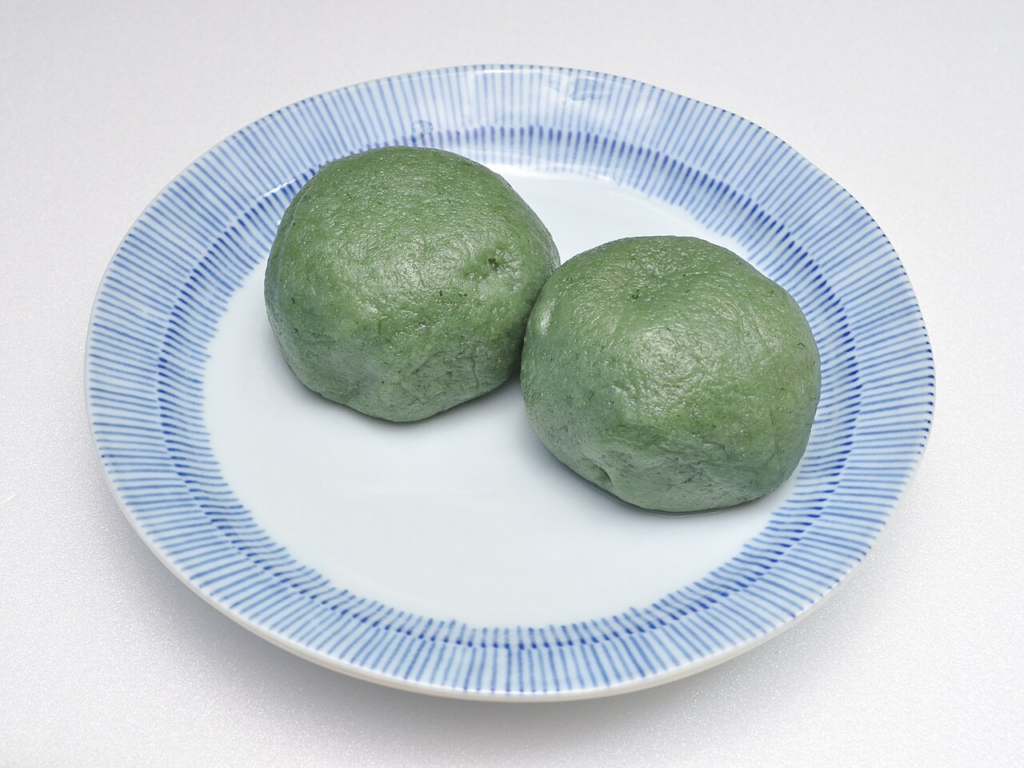
This is the signature scent of the village. As you walk from the bus stop, you will smell toasted rice and red bean paste.
- What it is: A green rice cake made with yomogi (mugwort), filled with sweet red bean paste (anko), and grilled over charcoal.
- Why try it: Unlike factory-made mochi, these are often grilled fresh in front of you. The outside is crispy and smoky, while the inside is hot and chewy.
- Cost: Approx. 150–200 JPY.
2. Spring Water Tofu
It might sound boring to eat a block of plain tofu on a stick, but this is a crowd favorite for a reason.
- What it is: A block of firm tofu that has been soaking in the cold spring water. It is usually served with a dollop of spicy miso paste or simple soy sauce and bonito flakes.
- The taste: It tastes like “cold” and “clean.” The texture is dense, almost like cheese, and the spicy miso adds a necessary kick.
- Tip: Look for the shop “Tofu Station Kadoya.” It’s iconic here.
3. Grilled River Fish (Ayu / Iwana)
You will see fish skewered on sticks and arranged vertically around a charcoal fire pit. This is a traditional Japanese cooking style called Robatayaki.
- What it is: Usually Ayu (sweetfish) or Iwana (char). They are salted heavily on the fins and tail to prevent burning.
- How to eat: You eat it right off the stick. The skin is crispy and salty, and the meat is flaky. Be careful of small bones, though they are often soft enough to eat.
- Cost: Approx. 700–800 JPY.
4. Fresh Fruit & Smoothies
Yamanashi Prefecture (where Oshino is located) is Japan’s “Kingdom of Fruit.” Depending on the season, the stalls here sell premium fruit at much lower prices than Tokyo supermarkets.
- Summer (July–Aug): Peaches (Momo). They are incredibly juicy and sweet.
- Autumn (Sept–Nov): Shine Muscat grapes. These are expensive, crisp, skin-on green grapes that taste like floral candy.
Lunch Options: Sit-down vs. Snacking
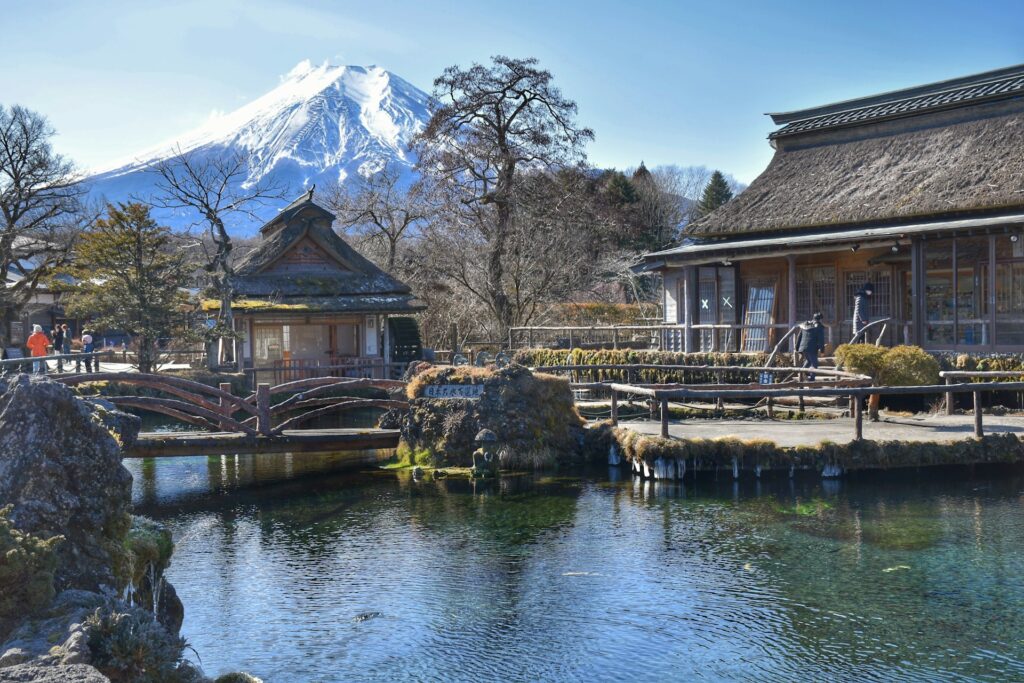
If you want a proper sit-down meal, be prepared for a wait. Most “restaurants” in the immediate village area are udon or soba shops catering to the high turnover of tourists.
Soba Noodles
Oshino Soba Ikemoto is the most well-known spot right by the main ponds.
- The Dish: Cold Soba (Zaru Soba) is recommended to taste the water quality in the noodles and dipping sauce.
- Reality Check: The line can be 30+ minutes long during peak lunch hours (11:30 AM – 1:30 PM).
Houtou Noodles
If you visit in winter, look for Houtou. This is the regional soul food of Yamanashi—flat, thick udon noodles stewed in miso broth with pumpkin and vegetables. It’s hearty and filling, though harder to eat while walking.
Our Advice: Skip the full sit-down lunch. The restaurants are often crowded and slightly overpriced. Instead, fill up on 2–3 street snacks (a fish, a mochi, and some tofu) and save your “proper” meal for the evening or for when you return to the Kawaguchiko station area.
The Logistics: Getting There is the Hard Part
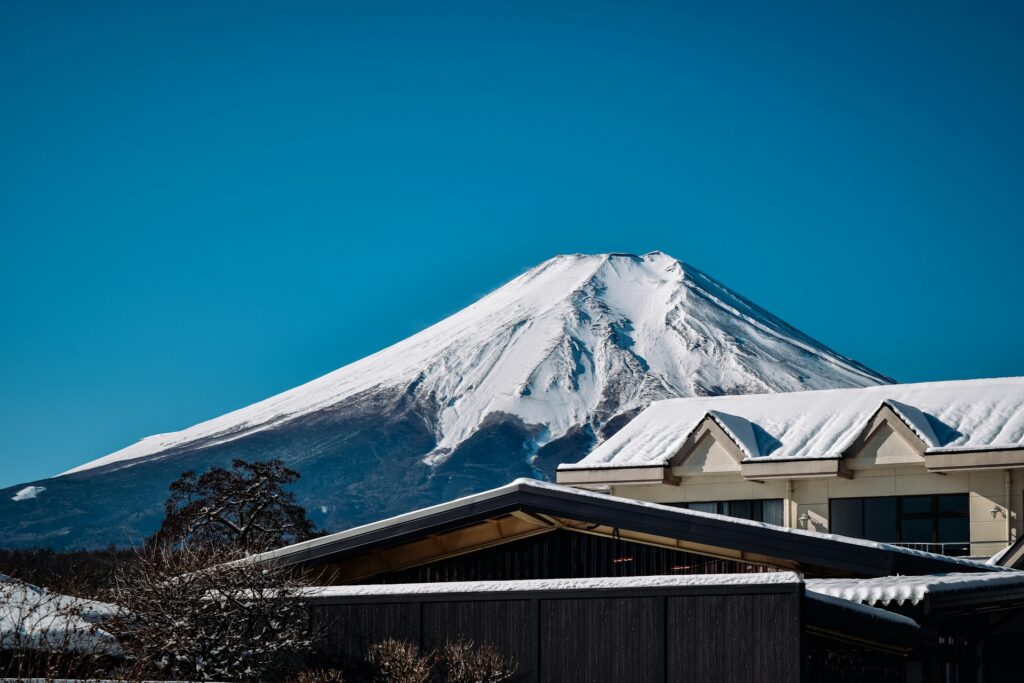
While the food is great, the biggest complaint from travelers is the access. Oshino Hakkai is located between Lake Kawaguchi and Lake Yamanaka, and it is not on the main train line.
The DIY Reality (Public Bus)
If you are traveling on your own (DIY), you will likely take a bus from Kawaguchiko Station or Mt. Fuji Station.
- The Bus: You need the “Fujikyuko Bus” (bound for Gotemba or Uchino).
- Frequency: Buses run roughly once an hour, sometimes less frequently depending on the specific route (F-Line vs A-Line).
- The Pain Point: The buses are often packed with tourists with luggage. If you miss one, you lose an hour of your day. Furthermore, finding the correct bus stop at Kawaguchiko Station can be chaotic due to the sheer volume of travelers.
A Note on Time
Many travelers underestimate the distance. A “quick stop” at Oshino Hakkai often turns into a 3-hour detour once you factor in waiting for buses and walking from the bus stop to the ponds.
Solution: Should You Take a Tour?
Because of the transport gaps, choosing between DIY and a tour depends on your priorities.
Choose DIY if:
- You are staying overnight in the Kawaguchiko area and have plenty of time.
- You absolutely must see the specific ponds at Oshino Hakkai.
- You don’t mind navigating complex bus timetables and standing in queues.
Consider a Tour if:
- You are on a day trip from Tokyo. (This is crucial. Doing Oshino Hakkai + Mt Fuji 5th Station + Lake Kawaguchi by public bus in one day is extremely stressful and risky).
- You want to see the “Best of Fuji” without worrying about missing the last bus.
- You are traveling with kids or seniors who can’t stand for long periods on crowded local buses.
If you decide to skip the logistical headache of Oshino Hakkai but still want a “foodie + view” experience, many travelers opt for the Hakone & Fuji Golden Route.
Specifically, Owakudani in Hakone offers a very similar culinary experience to Oshino: it is famous for its “Black Eggs” (Kuro Tamago), boiled in volcanic hot spring water. Just like the tofu in Oshino, the eggs are a unique geological food experience—legend says eating one adds 7 years to your life.
Recommended Option: If you want to maximize your time and hit the major scenic spots (including the Ropeway and Lake Ashi) with zero stress, this tour is the top-rated option. It handles all the driving so you can focus on the views and the food.
- Top Rated Tour: ➡️[Tokyo: Mt. Fuji Tour, Hakone Ropeway, Owakudani, Lake Ashi]
- Highlights: Includes the famous “Black Egg” volcanic valley, Pirate Ship cruise, and Mt. Fuji 5th station views.
Conclusion
Oshino Hakkai is more than just a photo stop; it is a place where you can taste the purity of Mt. Fuji’s water. The Kusa Mochi and Spring Water Tofu are genuine highlights that you won’t find at the same quality elsewhere.
However, do not underestimate the crowds or the bus difficulty. If you go DIY, leave early and bring patience. If you prefer a smoother day trip that still delivers on volcanic food and incredible views, a structured tour is often the smarter choice.
Planning your trip?
- For a detailed itinerary: Check our in-depth guide to ➡️[Is This Mt. Fuji & Hakone Day Tour from Tokyo Really Worth It?]
- For the easiest logistics: We recommend booking the ➡️[Tokyo: Mt. Fuji Tour, Hakone Ropeway, Owakudani, Lake Ashi] in advance, as it often sells out during peak seasons.