
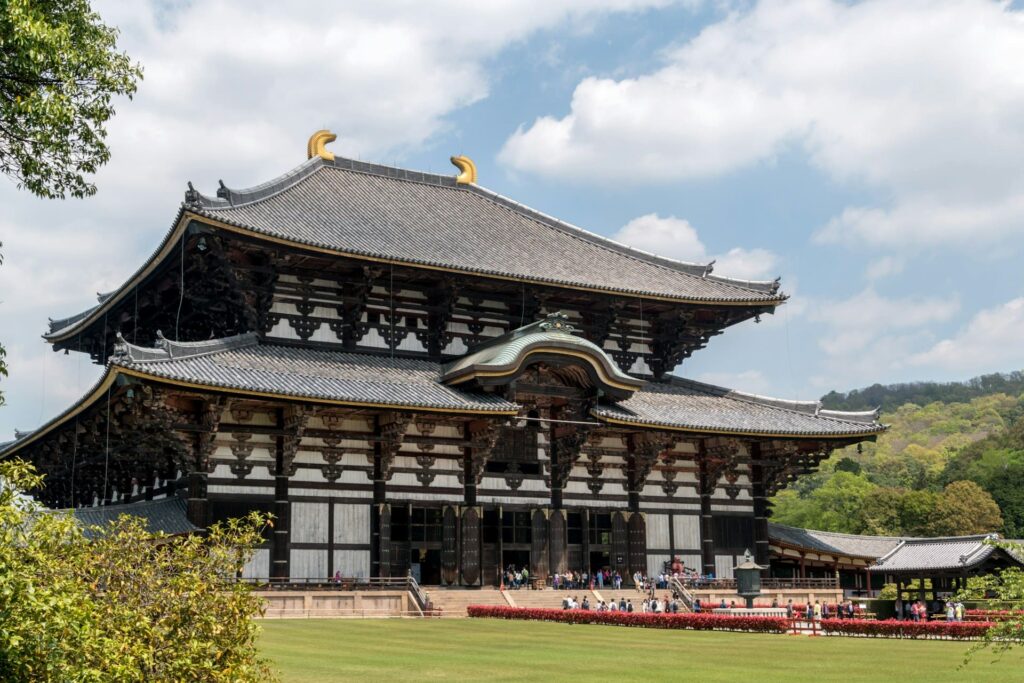
If you are looking for the best temples in Nara, the most practical place to start is Nara Park. For most first-time visitors, the key sites are close enough to visit on foot, and the best route usually includes Todai-ji, Kofuku-ji, and Kasuga Taisha.
This guide focuses on the best first-time route around Nara Park rather than every major temple across the wider prefecture. If you only have a few hours, this is the area that gives you the strongest mix of history, atmosphere, and easy sightseeing.
Quick Answer: Best Temples in Nara at a Glance
If you are short on time, prioritize the main Nara Park sights first. These are the easiest major religious sites to combine in one visit, and they give you the clearest introduction to Nara’s history.
| Site | Why Visit | Best For | Estimated Time |
|---|---|---|---|
| Todai-ji Temple | The Great Buddha and one of Nara’s most important historic landmarks | First-time visitors who only want one must-see temple | 60-90 minutes |
| Kofuku-ji Temple | Historic temple grounds, central location, and museum access | Travelers who want an easy stop near the station | 30-60 minutes |
| Kasuga Taisha Shrine | Lantern-lined paths and a scenic forest setting | Visitors who want atmosphere as well as history | 45-60 minutes |
If you only choose one place, make it Todai-ji. If you have half a day, add Kofuku-ji and Kasuga Taisha to complete the classic Nara Park route.
What This Guide Covers
Many travelers searching for temples in Nara are really trying to answer one question: which sites are worth visiting first? This article is designed to help you make that decision quickly.
Rather than covering every temple across Nara Prefecture, this guide focuses on the most useful first-time route around Nara Park. That is the best area to start if you want famous landmarks, walkable sightseeing, and the option to combine temples, shrine grounds, and the famous Nara deer in one outing.
Even though Kasuga Taisha is a shrine rather than a temple, most first-time visitors naturally visit it alongside Todai-ji and Kofuku-ji. That is why it is included here as part of the most practical Nara Park route.
Best Temples in Nara for First-Time Visitors
1. Todai-ji Temple
Todai-ji is the top priority for most visitors. It is the most famous temple in Nara, home to the Great Buddha, and the strongest single choice if you only have time for one major temple.
This is the site that gives you the biggest sense of scale, history, and cultural importance. If you are wondering where to start, start here.
2. Kofuku-ji Temple
Kofuku-ji is one of the easiest major temple stops to add because it sits closer to the town side of the Nara Park area. It works especially well if you arrive from Kintetsu Nara Station and want to begin with a historic site before moving deeper into the park.
It is a good second stop for travelers who want another important Buddhist site without committing to a long detour.
3. Kasuga Taisha Shrine
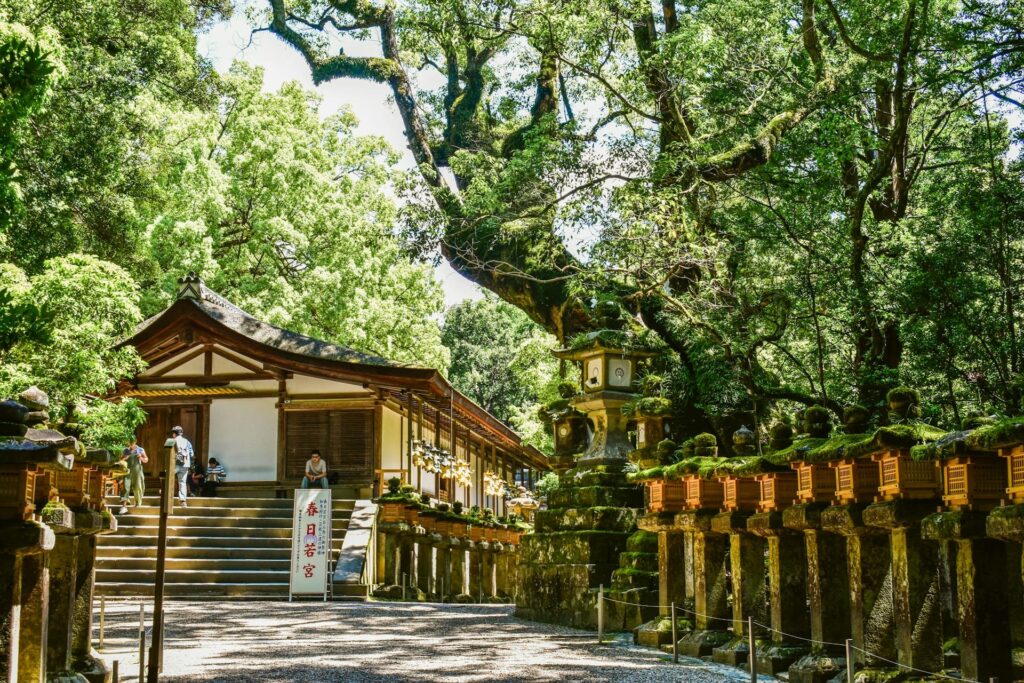
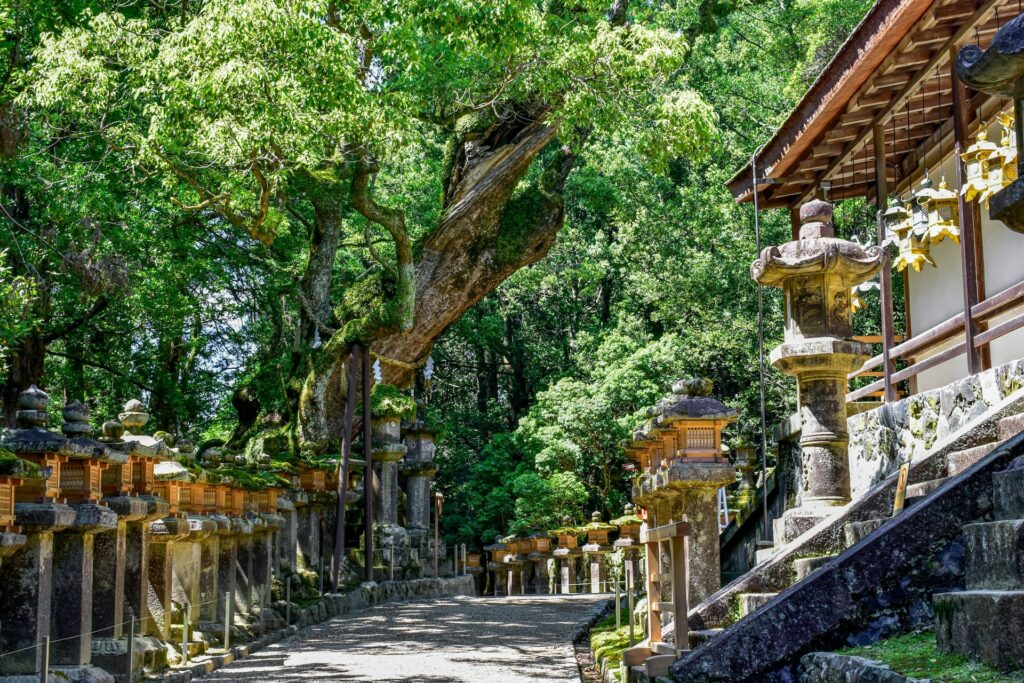
Kasuga Taisha is not a temple, but it is still one of the most worthwhile religious sites in Nara. The lantern-lined approach and forest setting make it feel very different from Todai-ji and Kofuku-ji, so it adds variety to the route.
If you want the most balanced first-time visit, combining Todai-ji, Kofuku-ji, and Kasuga Taisha gives you the best overview of the Nara Park area.
Best Walking Route Around Nara Park
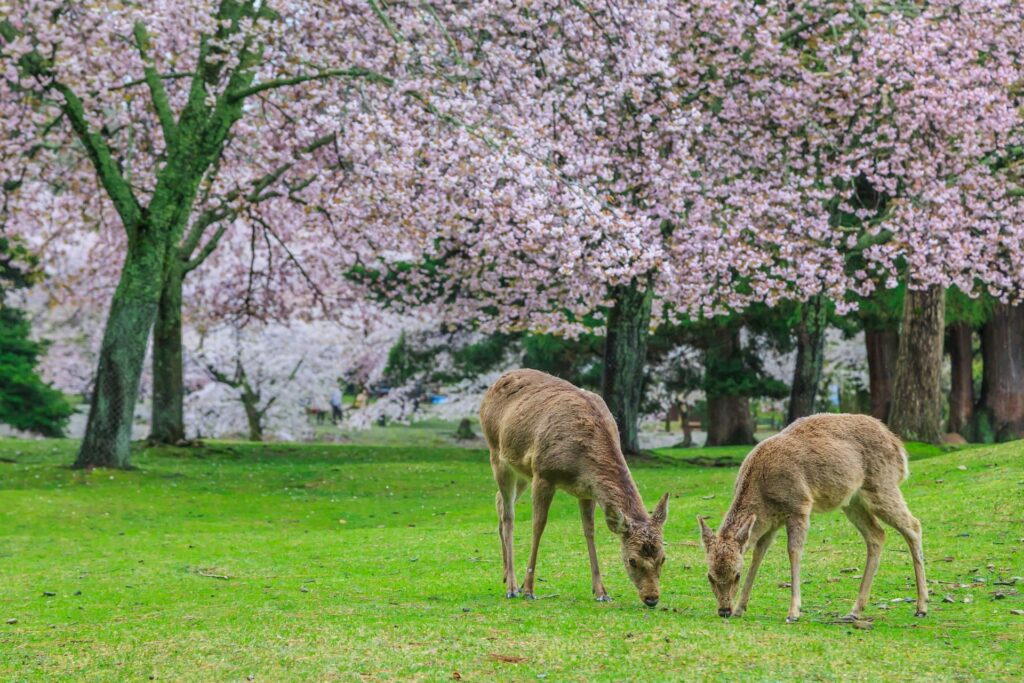
For most first-time visitors, the easiest route is to start near Kintetsu Nara Station and walk through the main Nara Park area in a simple loop.
- Kofuku-ji Temple – easiest first stop from the station area
- Nara Park – walk through the deer area as you move east
- Todai-ji Temple – the main cultural highlight
- Kasuga Taisha Shrine – best added if you still have time and energy
If your time is limited, you can reverse the priority and go straight to Todai-ji first. That is the safer option if seeing the Great Buddha is your main goal.
How Much Time Do You Need?
If You Only Have 2 to 3 Hours
Go straight to Todai-ji, then spend the rest of your time around Nara Park. This is the best choice for travelers on a tight Kyoto or Osaka day trip.
If You Have Half a Day
Visit Todai-ji, Kofuku-ji, and Kasuga Taisha. This is the best version of the classic first-time Nara route and gives you enough time to enjoy the atmosphere without rushing every stop.
If You Have a Full Day
You can explore the full Nara Park area at a slower pace, spend more time in museum spaces, and consider whether you want to add another temple area elsewhere in Nara. A full day gives you room for depth, not just highlights.
Why These Temples Matter
Nara was Japan’s first permanent capital, established in 710. During this period, Buddhism played a major role in politics, culture, and architecture, which is why the city still contains some of Japan’s most historically important religious sites.
When you visit the temples in Nara today, you are not just seeing old buildings. You are seeing places that helped shape the early identity of Japan itself. That historical weight is one reason Todai-ji feels so essential on a first visit.
Todai-ji Temple: The One Temple You Should Not Skip
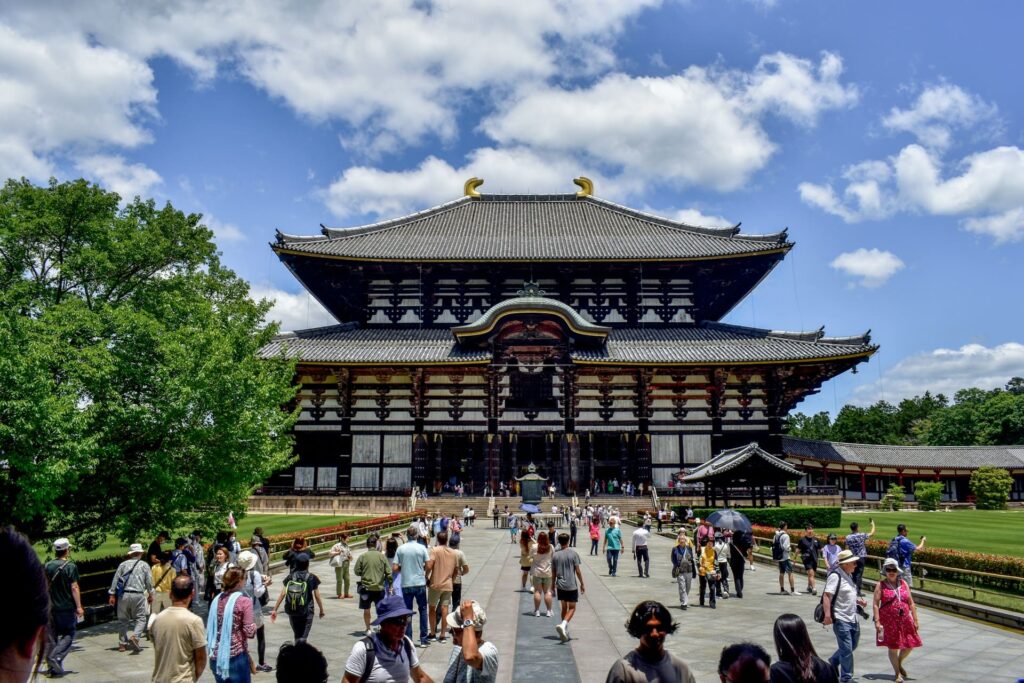
If your schedule only allows one major temple in Nara, Todai-ji is the best choice. It is the strongest combination of iconic architecture, historical significance, and first-time visitor appeal.
The temple’s Daibutsuden, or Great Buddha Hall, is one of the most famous wooden structures in Japan. Inside, you will find the enormous bronze Great Buddha, which remains the centerpiece of any Nara temple visit.
The Great Buddha in Nara: What to Expect
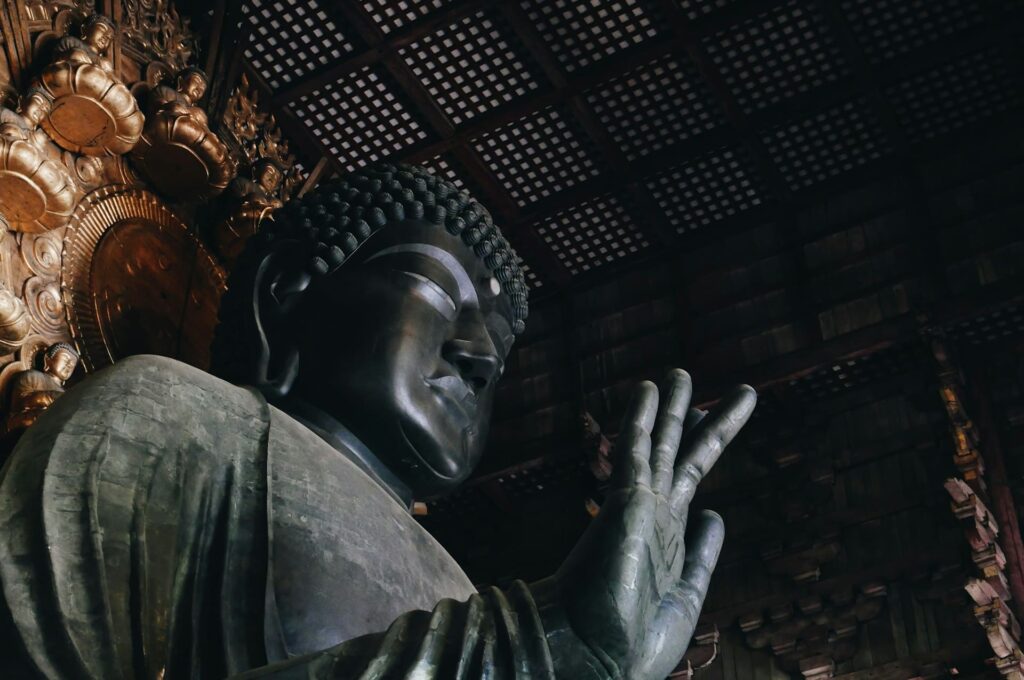
The Great Buddha is the main reason many travelers come to Todai-ji. The statue is enormous, and the scale of the hall around it makes the visit feel much more dramatic than most photos suggest.
Beyond the statue itself, Todai-ji is memorable because of the overall experience: entering the massive hall, walking beneath the giant wooden beams, and seeing one of Japan’s most famous religious landmarks up close.
If you enjoy small details, take time to look at the lotus pedestal and the surrounding statues. Many visitors also stop at the famous wooden pillar with a hole through its base, which has become a popular challenge for children and adventurous adults.
Todai-ji Tickets, Hours, and Practical Tips
If Todai-ji is your top priority, it helps to know the practical details before you arrive.
- Admission: 800 JPY for adults for the Daibutsuden, and 400 JPY for elementary school students
- Combined ticket: A combined ticket for the Daibutsuden and Todai-ji Museum is available for 1,200 JPY
- Advance booking: Not required for standard entry
- Opening hours: Typically 7:30 AM to 5:30 PM from April to October, and 8:00 AM to 5:00 PM from November to March
Because opening hours and admission policies can change, it is still a good idea to check the latest official information before your visit. (For more details on what to see inside the Daibutsuden, see our complete guide to visiting Todai-ji.)
Practical tip: Arriving early or later in the afternoon usually makes for a smoother visit than the busiest middle part of the day.
What to Add After Todai-ji
Once you have seen Todai-ji, the best next stop depends on what kind of experience you want from the rest of your visit. Some travelers want another major temple nearby, while others prefer atmosphere, quieter paths, or a more varied route through Nara Park.
Kofuku-ji Temple
Kofuku-ji is the easiest major temple to add if you want another important Buddhist site without going far out of your way. Because it sits closer to the station side of the Nara Park area, it works especially well at the beginning or end of your walk.
This stop is a good fit if you want:
- Another historic temple with less commitment than Todai-ji
- An easy addition near the central Nara Park area
- Access to museum collections and Buddhist art
If you are interested in temple history but do not want a long detour, Kofuku-ji is usually the best second temple to add.
Kasuga Taisha Shrine
Kasuga Taisha is not a temple, but it is still one of the most worthwhile religious sites in Nara. Many first-time visitors naturally include it because it completes the classic Nara Park route and offers a very different atmosphere from the major temple halls.
This stop is a good fit if you want:
- A more scenic and atmospheric walk
- Lantern-lined paths and a forest setting
- A balanced mix of Buddhist and Shinto heritage in one outing
If Todai-ji gives you grandeur and scale, Kasuga Taisha adds mood and setting. It is a strong choice if you want your route to feel more varied rather than temple-heavy from start to finish.
Beyond Nara Park: Other Important Temples in Nara
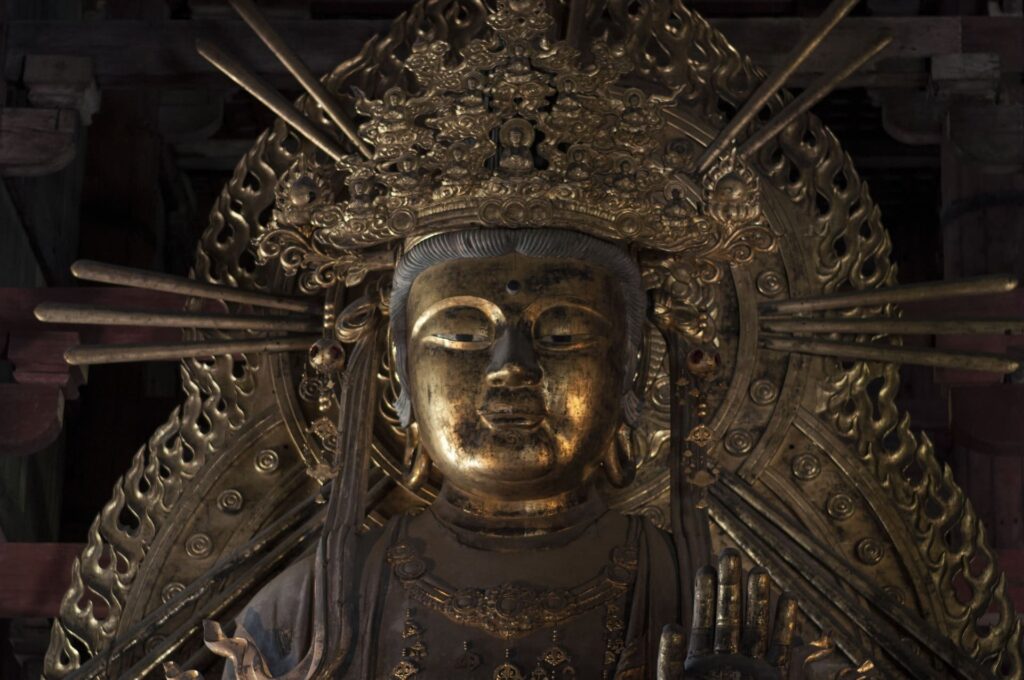
If you are searching for temples in Nara more broadly, it is worth knowing that the city’s religious highlights are not limited to Nara Park. For most first-time visitors, the Nara Park area is still the best place to begin, but travelers with more time may want to explore other famous temple districts on a separate outing.
Yakushi-ji Temple
Yakushi-ji is one of Nara’s most important historic temples and is better suited to travelers who want a deeper temple-focused day rather than a quick highlights walk. It is a strong option if you have already seen Nara Park or want to explore more of Nara’s World Heritage sites beyond the most famous first-time route.
Toshodai-ji Temple
Toshodai-ji is often paired with Yakushi-ji because they are in the same broader area. It is a good choice for travelers who prefer quieter temple grounds, a slower pace, and a more reflective visit away from the busiest deer-and-park crowds.
Horyu-ji Temple
Horyu-ji is one of Japan’s most important historic temple sites and is usually best treated as a separate destination rather than a quick add-on to a Nara Park walk. If your main interest is early Buddhist architecture and major heritage sites, it deserves dedicated time of its own.
Simple rule: for a first visit, start with Todai-ji, Kofuku-ji, and Kasuga Taisha. Save Yakushi-ji, Toshodai-ji, and Horyu-ji for a deeper second visit or a more temple-focused Nara day.
DIY or Guided Tour: Which Is Better?
It is completely possible to explore the main religious sites in Nara on your own, especially around Nara Park where the route is relatively easy to follow. For many travelers, a self-guided walk is enough.
However, a guided experience can be a better choice if you want more than just a checklist visit. The deeper value of Nara is not only in the buildings themselves, but in understanding why these places mattered in the formation of early Japan.
- Choose DIY if: you want flexibility, are comfortable navigating on foot, and mainly want to see the highlights at your own pace.
- Choose a guided tour if: you want historical context, a smoother route, help avoiding wasted time, and a more meaningful explanation of what you are seeing.
A guide can be especially helpful if this is your first time in Nara, you are short on time, or you want to combine temple history with practical local insight about the best walking flow through the park area.
Explore Nara with a knowledgeable local guide:
Nara: Private Tour with Deer Park & Temples (Licensed Guide)
Who This Nara Temple Route Is Best For
This route works best for travelers who want a strong first introduction to Nara without overcomplicating the day.
- Great fit for you if you: want the most important sights first, enjoy history, and prefer a walkable route with clear priorities.
- Less ideal for you if you: have already seen Nara Park, want to focus only on lesser-known temple sites, or prefer a very slow-paced day with long museum visits.
If your goal is to make smart choices rather than see everything, this is the right way to approach your first temple-focused visit to Nara.
Frequently Asked Questions
Which temple should I visit first in Nara?
Todai-ji is the best first choice for most travelers. It is the most famous temple in Nara, the home of the Great Buddha, and the single most important stop if your time is limited.
Are the best temples in Nara all inside Nara Park?
Not all of them, but the best first-time route is centered around the Nara Park area. That is where you can most easily combine Todai-ji, Kofuku-ji, Kasuga Taisha, and the famous deer in one practical visit.
Why is Kasuga Taisha included if it is a shrine, not a temple?
Because most first-time visitors naturally visit it together with the main Nara Park temples. Even though it is a shrine, it is one of the most important religious and cultural sites in the area and fits the same walking route.
Do I need to book Todai-ji tickets in advance?
No, advance booking is usually not required for standard entry. Most visitors buy tickets at the entrance on the day of their visit.
How much time do I need for the main temples in Nara?
Two to three hours is enough for Todai-ji and time around Nara Park. Half a day is better if you want to add Kofuku-ji and Kasuga Taisha without rushing too much.
Which temples should I save for a second trip?
If you want to go beyond the first-time highlights, save Yakushi-ji, Toshodai-ji, and Horyu-ji for another day. They are better enjoyed as part of a deeper temple-focused itinerary rather than squeezed into a short Nara Park walk.
For most travelers, the best way to approach the temples in Nara is simple: start with the essential Nara Park route, make Todai-ji your top priority, and treat the wider temple landscape as something to explore more deeply on a future visit.

Hi, I’m Kai. I’m a Tokyo-based travel writer, tourism industry insider, and the author of a published guidebook for international visitors to Japan. With over 10 years of professional experience at a leading Japanese tourism company, my mission is to help you skip the tourist traps and navigate Japan’s best destinations like a local. I believe the perfect day trip is like a traditional kaiseki meal: a beautiful balance of precise planning and unforgettable seasonal discovery. When I’m not out conducting field research, you’ll usually find me drafting new itineraries with one of my favorite fountain pens!