
If you only have one free day in Kansai, a focused Kyoto and Nara in one day itinerary is realistic. The key is to start early, keep Kyoto limited to Fushimi Inari Shrine, and spend the rest of the day around Nara Park and Todai-ji Temple.
This plan is best for first-time visitors who want to see Kyoto’s iconic torii gates, Nara’s deer, and the Great Buddha in a single day. It is not a good fit if you want a slow-paced schedule, multiple Kyoto districts, or extra temple stops.
Quick Answer: Can You Do Kyoto and Nara in One Day?
Yes — but only if you keep the day focused. The most efficient order is:
- Start early in Kyoto: Arrive at Fushimi Inari Shrine around 7:00 AM.
- Keep Kyoto simple: Visit Fushimi Inari only, rather than adding Arashiyama, Gion, or Kinkaku-ji.
- Travel to Nara before lunch: This gives you enough time for Nara Park and Todai-ji in the afternoon.
- Choose the right station: Kintetsu Nara Station is more convenient for Nara Park, while JR works best for many rail pass holders.
At a Glance
- Best for: First-time visitors with one full day in Kansai
- Main stops: Fushimi Inari Shrine, Nara Park, Todai-ji Temple
- Start time: Around 7:00 AM
- Best order: Kyoto first, Nara second
- Best train choice: Kintetsu for convenience, JR for many pass holders
- Pace: Fast and walking-heavy
- Skip this itinerary if: You want a relaxed day or plan to add more Kyoto sightseeing
Best Order for Kyoto and Nara in One Day
The smartest order is Fushimi Inari in the morning, then Nara in the afternoon. This works for two reasons.
First, Fushimi Inari is far better early in the day. It gets much more crowded later in the morning, so arriving around 7:00 AM gives you a quieter walk and better photo opportunities.
Second, Nara is easier to handle later in the day. The main sights around Nara Park are close together, so once you arrive, you can focus on the deer, Todai-ji, and one optional extra stop without needing to cross the city.
If you reverse the order, you will usually lose the best time slot at Fushimi Inari and deal with heavier crowds in Kyoto. For most travelers, Kyoto first and Nara second is the most practical way to make this day work.
The Most Efficient Kyoto and Nara in One Day Itinerary
This timeline is designed for travelers who want the highlights without wasting time on backtracking or unnecessary walking.
7:00 AM – Start at Fushimi Inari Shrine
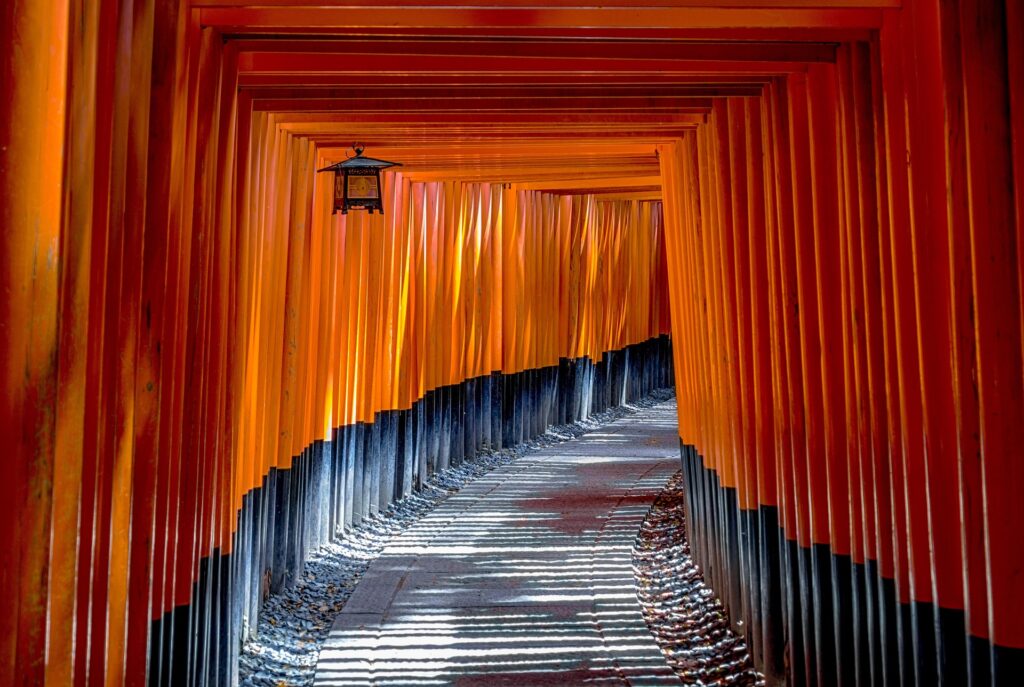
Begin your day at Fushimi Inari Shrine. It is the best Kyoto stop for this itinerary because it is easy to visit early, does not require timed entry, and rewards an early start.
By arriving around 7:00 AM, you will avoid much of the later crowd and enjoy a smoother walk through the famous red torii gates. This is especially important on a one-day plan, since a crowded start can delay the rest of your schedule.
You do not need to hike all the way to the summit. For most travelers, walking up to the Yotsutsuji intersection is enough. It usually gives you the best balance of atmosphere, views, and time management, while leaving enough energy for Nara later in the day.
10:00 AM – Travel from Kyoto to Nara
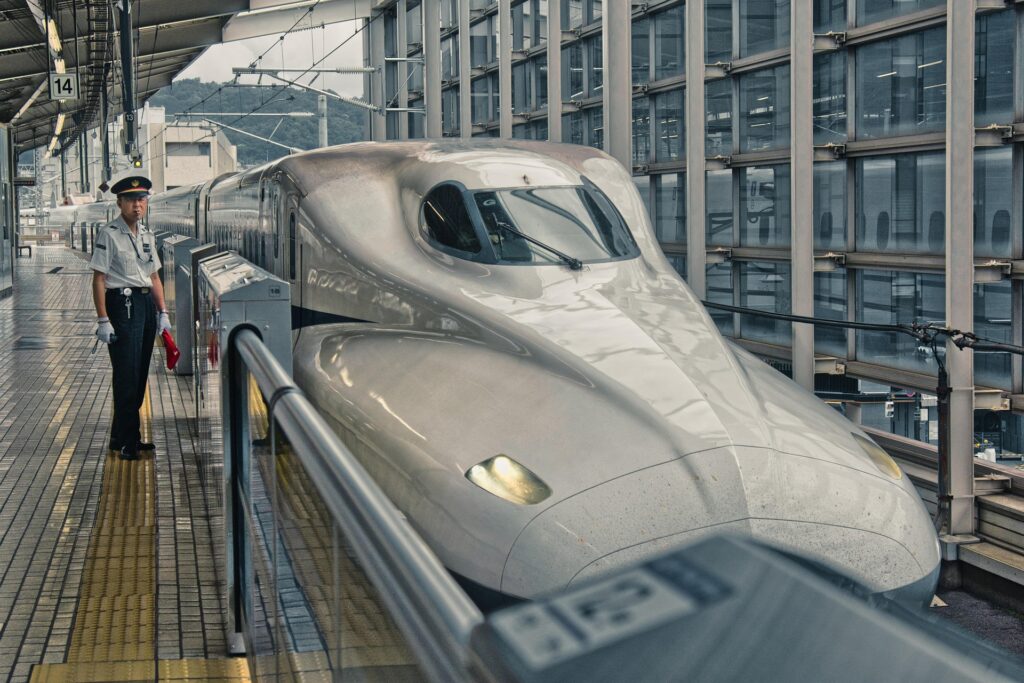
After your morning at Fushimi Inari, head to Nara. This transfer is one of the most important decisions in the itinerary, because the station you choose affects how much walking you will do after arrival.
For most travelers, there are two realistic choices: Kintetsu and JR. Both work, but they do not feel the same on a fast-paced day trip.
| Feature | Kintetsu Line | JR Line |
|---|---|---|
| Best for | Travelers who want the most convenient arrival | Travelers using a JR Pass or staying near JR lines |
| Destination station | Kintetsu Nara Station | JR Nara Station |
| Walking distance to Nara Park | Shorter and easier | Longer walk |
| Travel style | Better for saving time and energy | Better for pass value and simpler JR-only travel |
| Recommended for this itinerary | Yes | Yes, if JR is more practical for you |
Our recommendation: take the Kintetsu Line if convenience is your priority. Arriving closer to Nara Park makes the afternoon much easier. If you are using a JR Pass and want to keep costs down, JR is still a reasonable option.
This is also the point where many one-day plans succeed or fail. A small transport decision in Kyoto can turn into extra walking and lost sightseeing time in Nara, so taking a moment to compare the JR and Kintetsu lines helps you choose the route that matches your budget, pass situation, and energy level.
11:30 AM – Early Lunch in Nara
If you reach Nara around late morning, have an early lunch before the busiest tourist rush. Eating before heading into Nara Park gives you a cleaner afternoon schedule and reduces the chance of losing time to long restaurant waits.
A simple lunch near the station or near the park entrance works well. If you want to try something local, kakinoha sushi is a classic regional specialty and an easy fit for a tight day plan.
After lunch, you will be ready for the most important part of the afternoon: Nara Park, the deer, and Todai-ji Temple.
12:30 PM – Explore Nara Park and Todai-ji Temple
After lunch, head straight into the Nara Park area. This is the core of the afternoon and the part of the itinerary you should protect most carefully if the day starts running late.
Your priority order should be simple:
- First: Walk through Nara Park and see the deer
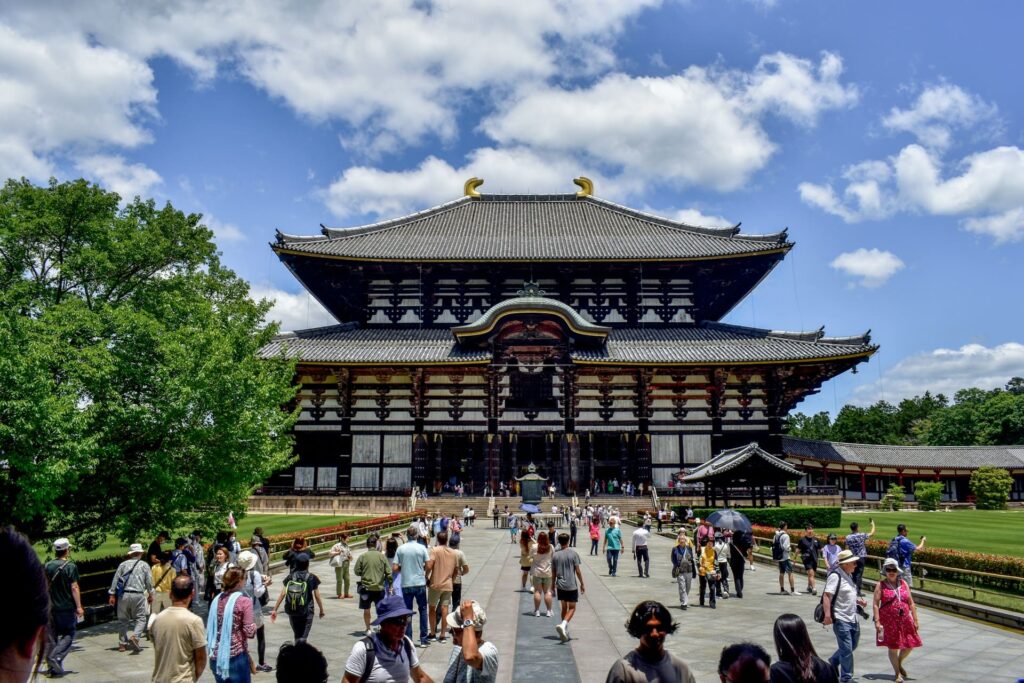
- Second: Visit Todai-ji Temple and the Great Buddha Hall
- Third: Add one extra viewpoint only if you still have time and energy
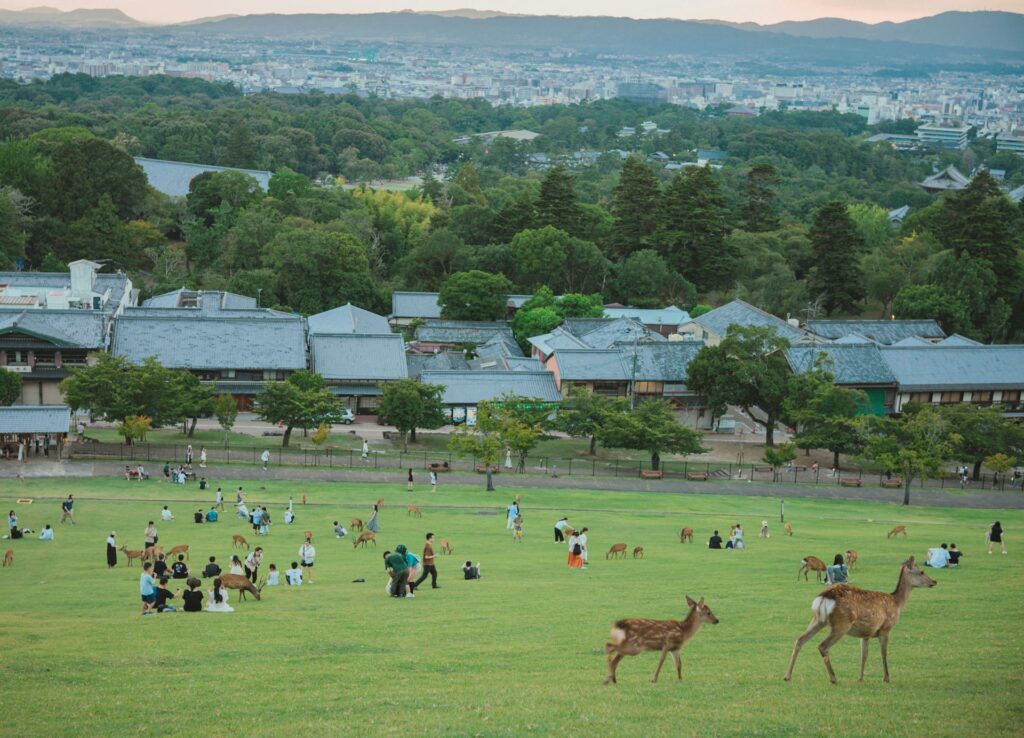
Nara Park is famous for its freely roaming deer, and this is usually the most memorable part of the stop for first-time visitors. If you want photos with fewer people in the background, keep walking a little deeper into the park instead of stopping at the first crowded area near the main approach.
From there, continue to Todai-ji Temple, one of the most important sights in Nara and the best cultural anchor for this one-day plan. The Great Buddha Hall gives the afternoon a strong historical highlight, so it is the one stop you should not cut unless you are severely short on time.
Because Todai-ji’s hours and admission details can change, it is smart to check the latest information before your visit. On a tight itinerary like this, arriving too late for entry can disrupt the whole afternoon.
2:30 PM – Optional Final Stop: Nigatsu-do Hall
If you still have energy after Todai-ji, walk up to Nigatsu-do Hall. This is one of the best optional additions because it offers a scenic elevated view and does not require the same level of commitment as adding another major attraction.
It is the right kind of extra stop for this itinerary: rewarding, relatively simple, and easy to skip if your pace has been slower than expected.
If you are tired, skip it. On a one-day Kyoto and Nara schedule, protecting your return time is usually more important than squeezing in one more sight.
Want a Smoother Afternoon in Nara?

This itinerary is very doable on your own, but the Nara half of the day can still feel rushed if you are tired from the morning, worried about train transfers, or visiting during a busy season. If you want to make the afternoon easier, meeting a local guide in Nara can save time and remove the stress of planning every step on the spot.
A guided afternoon can work especially well if you want help navigating Nara Park efficiently, reaching Todai-ji without wasted walking, and understanding the historical context behind the Great Buddha and the temple area.
Make your Nara afternoon easier with a local guide:
Nara: Private Tour with Deer Park & Temples (Licensed Guide)
What to Skip to Make This Itinerary Work
The biggest mistake on a Kyoto and Nara in one day itinerary is trying to turn it into a full Kyoto highlights tour plus a full Nara day trip. To keep the schedule realistic, you need to cut anything that adds major detours, long transfers, or unnecessary walking.
- Arashiyama Bamboo Grove: It is too far from this route and makes the day much less efficient.
- Kinkaku-ji: It is not a natural fit with a Kyoto-to-Nara day plan and usually adds too much transit time.
- Extra Kyoto neighborhoods: Do not try to add Gion, Nishiki Market, or multiple temple areas on the same day unless you are willing to cut Nara short.
- Long Nara add-ons: Save extra museum visits, longer walks, and side trips for a separate Nara day.
If your main goal is to experience both cities in one day, the winning formula is simple: one major Kyoto stop, then the Nara Park area. Anything beyond that usually weakens the itinerary rather than improving it.
Frequently Asked Questions
- Is one day enough for Kyoto and Nara?
Yes, if your goal is to see the highlights rather than cover both cities in depth. This itinerary works well for Fushimi Inari, the Nara deer, and Todai-ji, but not for a full Kyoto sightseeing day. - Which train is better from Kyoto to Nara: JR or Kintetsu?
Kintetsu is usually better for convenience because it puts you closer to Nara Park. JR is still a good option if you are using a rail pass or staying near JR lines. - Should I visit Fushimi Inari in the morning or the afternoon?
Morning is the better choice for this itinerary. Starting early helps you avoid heavier crowds and leaves the more compact Nara Park area for later in the day. - Is this itinerary too tiring?
It can be tiring because it involves an early start, train transfers, and a lot of walking. It is best for travelers who are comfortable with a fast-paced sightseeing day. - Can I add Arashiyama or Kinkaku-ji on the same day?
It is not recommended. Adding either one usually makes the day feel rushed and reduces the time you can spend at the core stops that matter most.
If you want to see two of Kansai’s most famous destinations in a single day, this plan gives you the most realistic way to do it. Keep the route focused, start early, and treat anything beyond the main highlights as optional rather than essential.

Hi, I’m Kai. I’m a Tokyo-based travel writer, tourism industry insider, and the author of a published guidebook for international visitors to Japan. With over 10 years of professional experience at a leading Japanese tourism company, my mission is to help you skip the tourist traps and navigate Japan’s best destinations like a local. I believe the perfect day trip is like a traditional kaiseki meal: a beautiful balance of precise planning and unforgettable seasonal discovery. When I’m not out conducting field research, you’ll usually find me drafting new itineraries with one of my favorite fountain pens!