
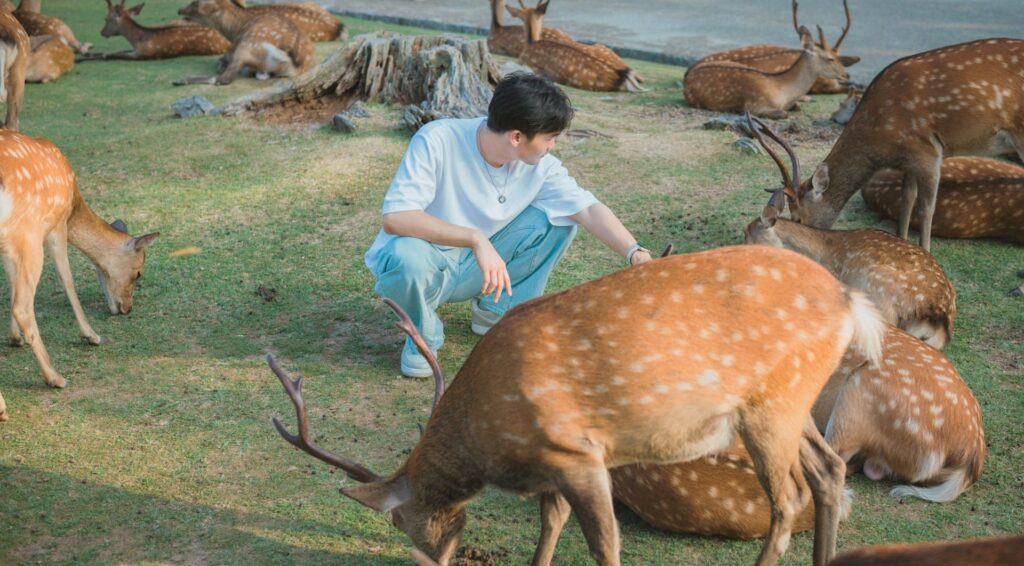
If seeing Nara’s famous deer is one of your must-do experiences in Japan, the good news is that visiting is easy. The park itself is free to enter, and you do not need to book tickets in advance. The real key is knowing how to feed the deer safely, what not to bring into view, and what time of day gives you the smoothest experience.
Quick Answer: Deer Park in Nara
- Tickets: No tickets are needed for Nara Park.
- Admission fee: Free.
- Hours: The park itself is open at all hours, but cracker stands and nearby attractions keep daytime hours.
- Deer food: Official shika senbei (deer crackers), often around 200 JPY per bundle.
- Best time to visit: Early morning for fewer crowds and calmer photos.
- Most important rule: Feed only official deer crackers and keep food, paper, and plastic bags out of sight.
For most first-time visitors, the biggest mistake is assuming the deer are like animals in a petting zoo. They are used to people, but they are still wild animals. A good visit depends less on planning tickets and more on following basic feeding and safety rules.
Do You Need Deer Park Tickets? Cost and Hours
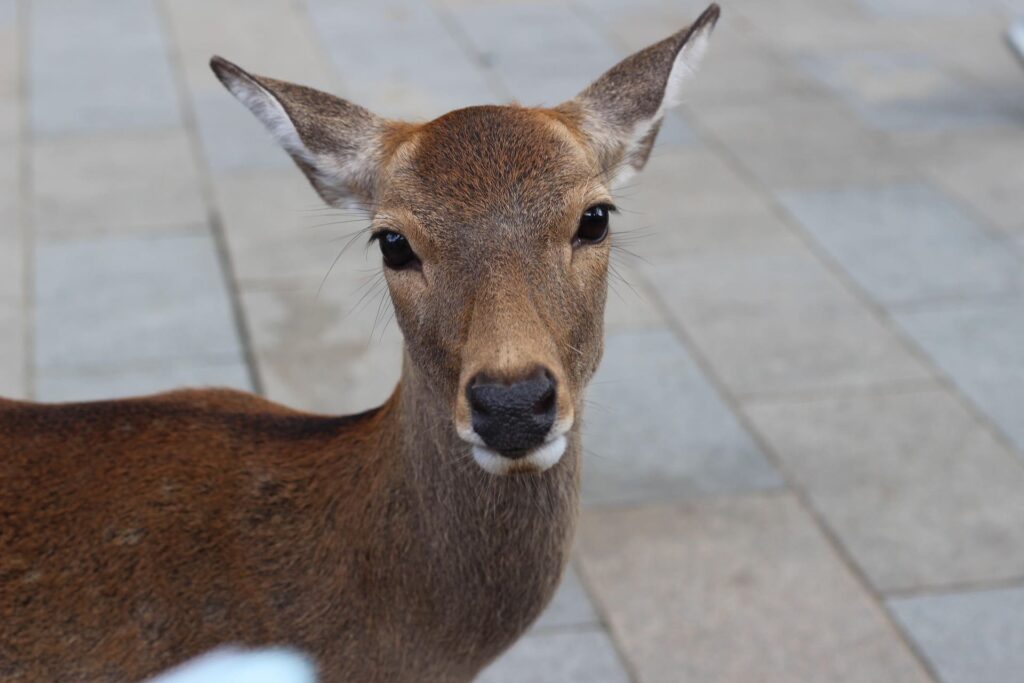
One of the most common questions is whether you need tickets for the deer park in Nara. You do not. Nara Park is a large public park, not a gated attraction, so you can walk in freely from the surrounding streets and stations.
- Park entry: Free
- Advance booking: Not required
- Main access: Easy to reach from Kintetsu Nara Station or JR Nara Station
The park area is accessible throughout the day, but the parts of your visit that depend on vendors or nearby sightseeing have practical daytime limits. Deer cracker stands, shops, and temple admissions generally follow regular business hours, so an extremely early or very late visit gives you fewer services even though the park itself is still open.
What Can You Feed the Deer?
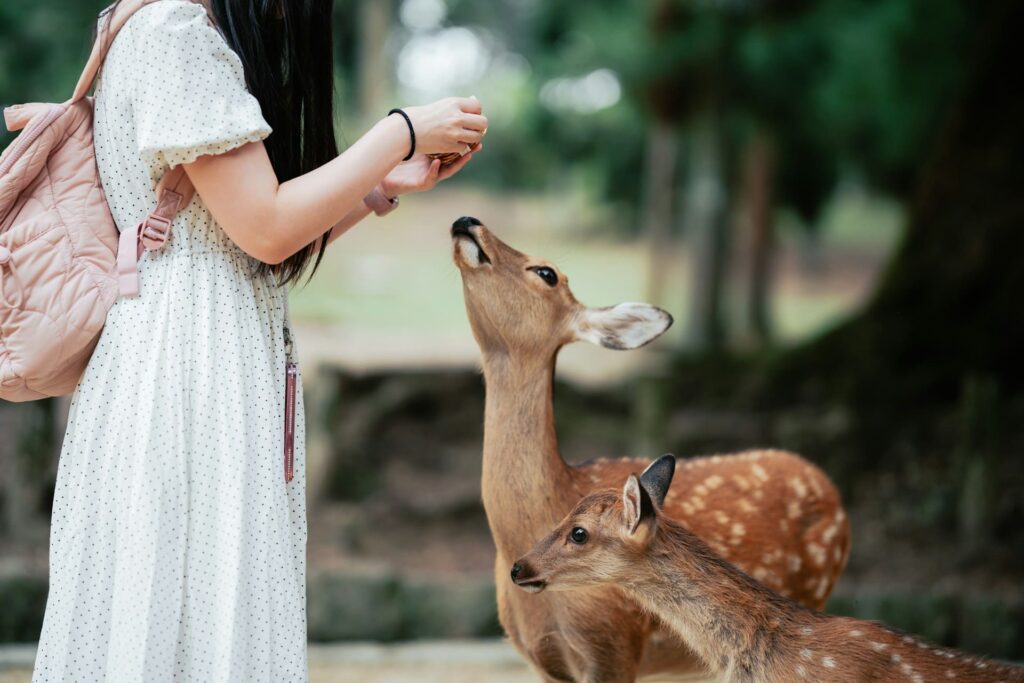
The only food you should give Nara’s deer is the official shika senbei, or deer crackers, sold at authorized stands in and around the park. These crackers are made specifically for the deer and are the standard, accepted way to feed them.
Where to Buy Deer Crackers
You will usually find official cracker stands near the busiest walking areas, especially around the main park entrances and the paths leading toward Todai-ji and Kasuga Taisha.
- Typical price: About 200 JPY per bundle
- Payment: Cash is the safest option for small stands
- Best timing: Buy them only when you are ready to feed the deer right away
If you buy crackers and then try to hide them in your bag or pocket, the deer may follow you closely or start nudging your clothes. It is much easier to handle the interaction if you purchase crackers only when you are ready to stop and feed them immediately.
Do Not Feed Human Food
Do not give the deer bread, snacks, fruit, or any other human food. Even if it seems harmless, inappropriate food can be dangerous for the deer and is not part of responsible behavior in the park. Keep your own food packed away, and be careful with paper wrappers and plastic bags as well.
Safety Rules at a Glance
| Do | Do Not |
|---|---|
| Feed only official deer crackers | Do not give human food |
| Keep a calm distance and stay aware of the deer around you | Do not chase, grab, corner, or tease the deer |
| Put crackers away as soon as you finish feeding | Do not wave food around or pretend to feed them |
| Keep maps, tickets, and plastic bags out of sight | Do not leave paper items hanging from your hands |
| Supervise children closely | Do not let small children feed groups of deer alone |
The deer in Nara are famous for being approachable, but they can still bite clothing, bump into you, or tug at bags when they expect food. That is why simple behavior matters so much. A calm, short interaction is usually better than trying to turn feeding into a game.
How to Feed the Deer Without Trouble
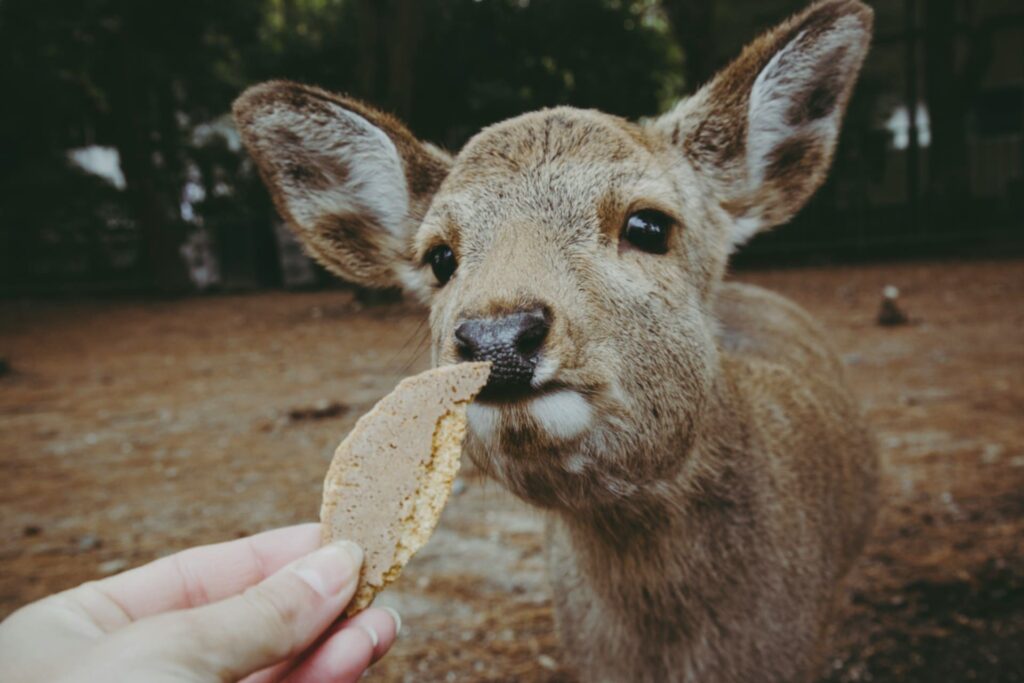
Nara’s deer are known for bowing before they get crackers. This can be fun to see, but the safest approach is to keep the interaction brief and predictable.
- Hold one cracker where the deer can see it.
- If the deer bows, wait a moment and stay calm.
- Give the cracker promptly instead of pulling it away repeatedly.
- Once you finish, show your empty hands and step away.
Do not tease the deer by offering food and then hiding it over and over. That is when they are more likely to nip at clothes or push forward. If deer continue following you after you finish, turn toward them, show both empty hands clearly, and move on without taking out more food.
Best Time to Visit the Deer Park in Nara
Timing makes a big difference. The deer park is one of Nara’s most popular areas, so your experience can feel very different depending on when you arrive.
| Time | What to Expect | Best For |
|---|---|---|
| Early Morning | Fewer people, softer light, and a calmer atmosphere | Photos, quieter walks, and a smoother first visit |
| Mid-Morning | More visitors, but still manageable on many days | Most travelers who want a practical daytime visit |
| Midday to Afternoon | Heavier crowds in the main sightseeing areas | Visitors combining the park with nearby temples and other stops |
If your main goal is peaceful photos and easier interactions, aim for early morning. If you are visiting as part of a broader Nara sightseeing day—such as following a 1-day itinerary from Kyoto or Osaka—arriving in the morning is still your best option. The later it gets, the more crowded the most famous deer areas tend to become.
Seasonal Safety Notes
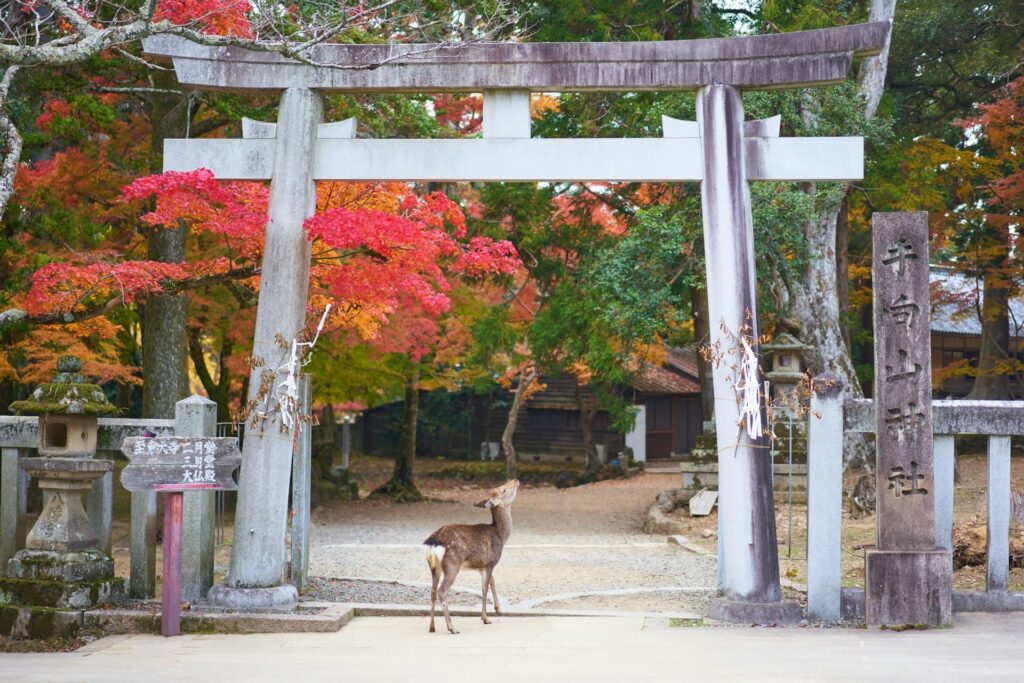
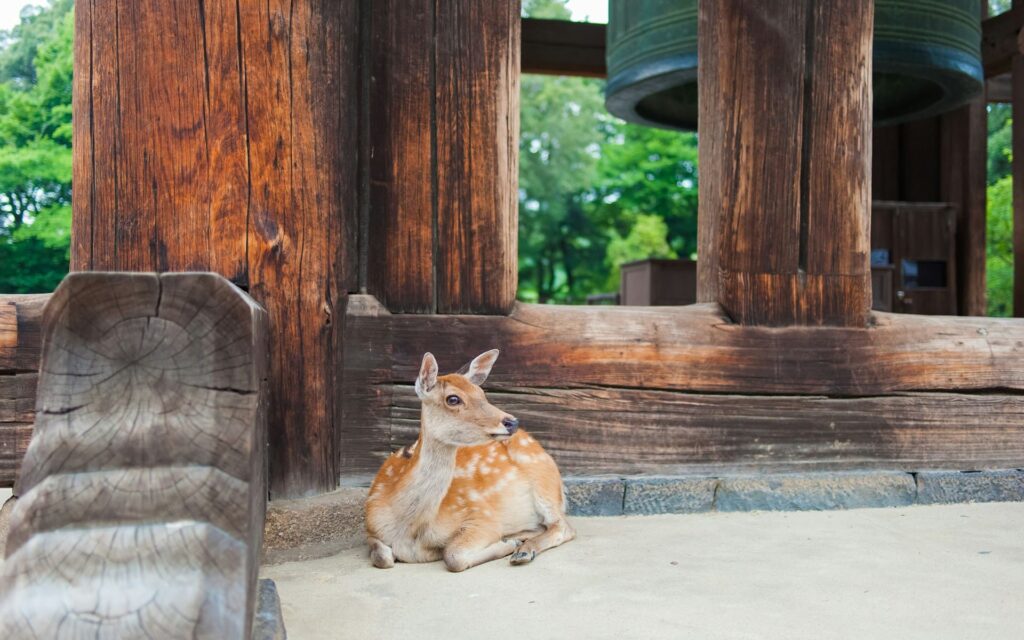
The deer can feel different depending on the season, so it helps to be a little more cautious at certain times of year. In spring and early summer, mother deer may be more protective around young fawns. In autumn, male deer can also be more territorial. At any time of year, it is best to avoid getting too close, especially if a deer seems tense or focused on another deer nearby.
- Do not approach fawns: Give young deer and their mothers plenty of space.
- Be extra careful in autumn: Male deer can be less predictable during the mating season.
- Avoid direct contact: Do not grab antlers, touch the deer carelessly, or try to pose too closely for photos.
DIY Visit vs. Early Morning Tour
You do not need a tour to visit the deer park in Nara. For many travelers, a self-guided visit is simple enough. Still, an early morning tour can be worth considering if you are coming from Kyoto or Osaka and want an easier start, fewer crowds, and less route planning.
| Feature | DIY Visit | Early Morning Tour |
|---|---|---|
| Flexibility | You can arrive whenever you want and move at your own pace. | Your timing is planned for you, which can make the morning feel easier. |
| Crowd Avoidance | Possible if you start early, but you need to manage transport yourself. | Useful if your goal is to reach the park during quieter hours with less hassle. |
| Convenience | Best for independent travelers comfortable with trains and walking. | Helpful for first-time visitors or travelers who want a smoother day. |
| Cost | Usually the cheaper option overall. | Higher cost, but potentially less stressful. |
| Best For | Budget travelers, solo visitors, and confident planners. | Travelers who want a calmer start and less planning from Kyoto or Osaka. |
If you are comfortable using public transport and following basic park rules, a DIY visit is completely realistic. If you prefer a simpler morning with fewer logistics, a guided option may be the better fit.
Check Availability: Nara Early Morning Tour (Kyoto or Osaka Departure Available)
Frequently Asked Questions
Is the deer park in Nara free?
Yes. Nara Park itself is free to enter, and you do not need admission tickets just to see the deer. You only pay if you choose to buy deer crackers or enter nearby paid attractions such as temple halls or museums.
Can children feed the deer?
Yes, but children should be supervised closely. Deer may crowd around quickly when they see food, so it is better for an adult to stay right beside them and keep the interaction short and calm.
What should I do if the deer follow me?
Stop taking out food, show your empty hands clearly, and walk away calmly. Do not run, do not wave bags or paper, and do not keep pretending to offer crackers after you are out.
Can I touch the deer?
It is better not to touch them carelessly. The deer are wild animals, and direct contact can stress them or lead to sudden movements that surprise you. Focus on watching and feeding them safely instead.
Are there official rules for feeding the deer?
Yes. The most important rules are simple: feed only official deer crackers, do not tease the deer, keep your belongings under control, and do not give them human food.
What is the best station for visiting the deer park?
Kintetsu Nara Station is usually the easiest option because it is closer to the main park area. JR Nara Station also works, but it generally involves a longer walk or a bus ride. If you are unsure which train to use, you can compare the routes in our guide to reaching Nara from Kyoto and Osaka.
Final Tips for a Smooth Visit
- Go early if you can: The park is usually easier to enjoy before the busiest part of the day.
- Travel light: Loose maps, snacks, and plastic bags attract attention.
- Keep feeding brief: The less you turn it into a game, the better.
- Stay aware of your surroundings: Deer can approach from behind or from the side when food is visible.
Final Verdict: How to Enjoy the Deer Park in Nara
The best way to enjoy the deer park in Nara is to keep things simple. You do not need tickets, the park is free to enter, and the most important preparation is understanding the feeding rules and basic safety tips. Bring cash for official deer crackers, keep food and paper out of sight, and aim for a morning visit if you want a calmer experience.
If you would rather skip the planning and arrive during the quieter part of the day, an early morning tour can make the visit easier.
Book your spot here: Nara Early Morning Tour (Kyoto or Osaka Departure Available)

Hi, I’m Kai. I’m a Tokyo-based travel writer, tourism industry insider, and the author of a published guidebook for international visitors to Japan. With over 10 years of professional experience at a leading Japanese tourism company, my mission is to help you skip the tourist traps and navigate Japan’s best destinations like a local. I believe the perfect day trip is like a traditional kaiseki meal: a beautiful balance of precise planning and unforgettable seasonal discovery. When I’m not out conducting field research, you’ll usually find me drafting new itineraries with one of my favorite fountain pens!