
The Fascinating History of Meiji Shrine
Unlike many ancient temples in Kyoto that date back over a thousand years, Meiji Shrine is relatively modern, but its historical significance is massive. It is dedicated to the deified spirits of Emperor Meiji and his wife, Empress Shoken.
Emperor Meiji was the first emperor of modern Japan. During his reign (the Meiji Restoration from 1868 to 1912), Japan rapidly transformed from an isolated feudal society ruled by samurai into a modernized, industrialized world power. To dive deeper into Japan’s modern royal history, many visitors choose to pair a trip here with a guided tour of the Tokyo Imperial Palace.
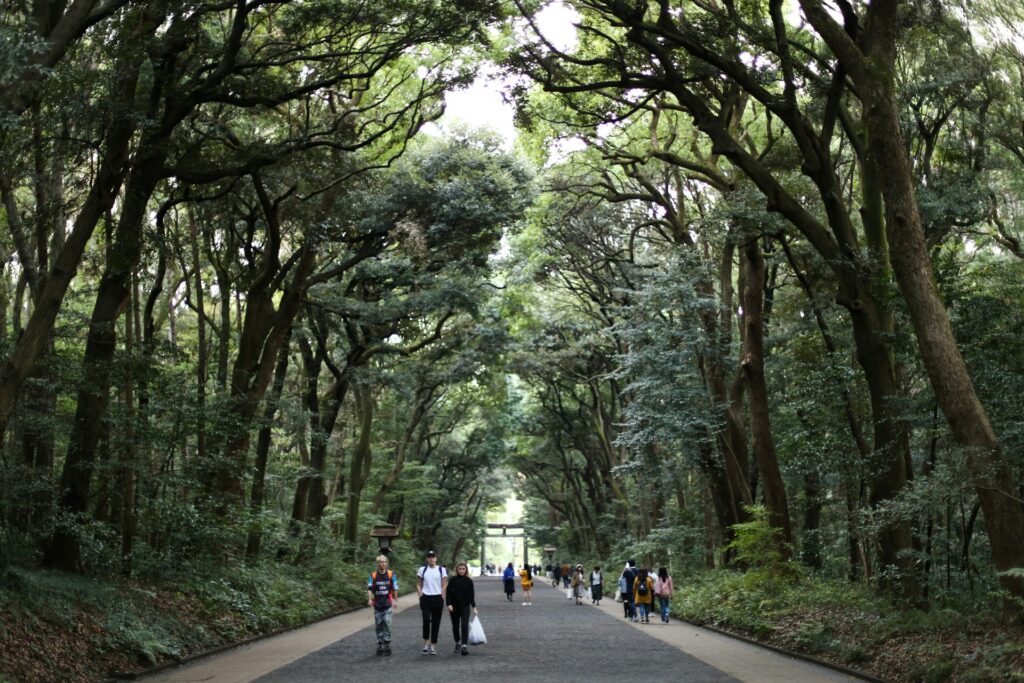
After the Emperor and Empress passed away, the shrine was established in 1920 to commemorate their virtues. The most incredible part of Meiji Shrine’s history, however, is its forest. The 70-hectare woodland is not natural; it is a carefully planned, man-made forest. Over 100,000 trees were donated by people from all over Japan and overseas, planted by volunteers to create a self-sustaining ecosystem that now feels completely wild.
Note: The original shrine buildings were tragically destroyed during the air raids of World War II in 1945. The beautiful structures you see today were meticulously reconstructed in 1958, funded by public donations.
DIY vs. Guided Tour: How to Deepen Your Experience
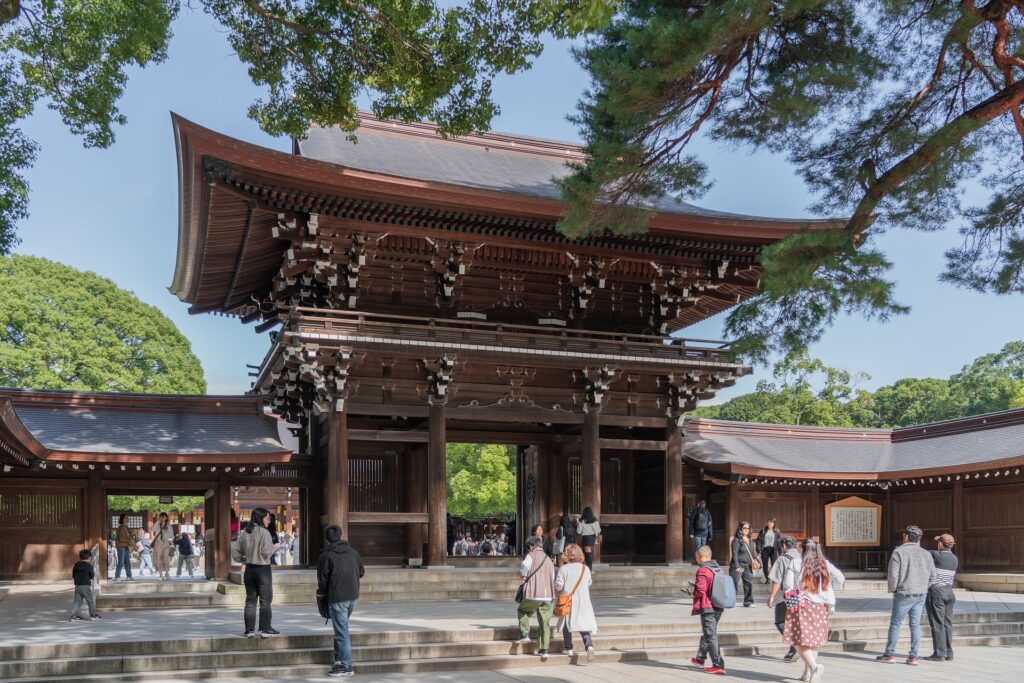
Because the main grounds of Meiji Shrine are completely free, most visitors simply walk in, take photos of the massive Torii gates and the sake barrels, and leave. While this “DIY” approach is fine if you are very short on time, it often leaves travelers missing the profound cultural context right in front of them.
English signage inside the shrine is limited. Without a guide, it is very difficult to understand the complex relationship between the indigenous religion of Shinto (nature worship) and the Japanese Imperial system. If you have been debating whether an English private tour guide in Tokyo is worth it, complex historical sites like this are exactly where local expertise elevates the experience.
| Feature | DIY Visit | Guided Walking Tour |
|---|---|---|
| Cost | Free | Paid (Affordable) |
| Pace | Your own pace | Structured 1.5-hour route |
| Cultural Context | Low (relying on scattered signs) | High (expert explanation of Shinto) |
| Best For… | Travelers strictly on a budget or looking for a quick photo stop. | Travelers wanting to understand Japanese history, the Imperial family, and Shinto rituals. |
Who is the tour for?
If you want to know why there are French wine barrels next to Japanese sake, how the Meiji Restoration changed Japan forever, and the true meaning behind Shinto purification rituals, investing 1.5 hours in a local guide will completely change how you see this forest. It turns a simple “walk in the park” into a highlight of your Tokyo trip.
👉 Book your experience: Tokyo: Meiji Shrine Walking Tour — Shinto & Imperial System
Other Highlights Inside Meiji Jingu
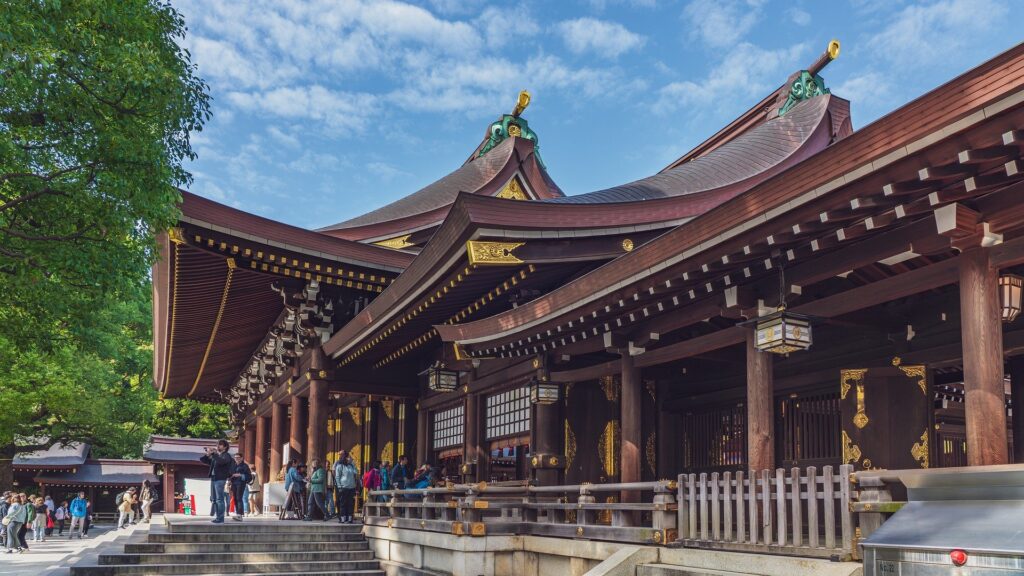
If you have extra time after visiting the Main Hall, consider checking out these two paid attractions located within the shrine grounds.
Meiji Jingu Inner Garden (Kiyomasa’s Well)
Located near the South Entrance, this beautiful strolling garden requires a 500-yen admission fee. It was highly favored by the Emperor and Empress. The garden is most famous for its stunning iris blooms in June and Kiyomasa’s Well, a natural spring water source that is rumored to be a “power spot” bringing good luck to those who visit.
Meiji Jingu Museum
Opened recently and elegantly designed by world-renowned architect Kengo Kuma, this museum beautifully blends into the surrounding forest. For an entrance fee of 1,000 yen, you can view important cultural properties, including the magnificent royal carriages used by the Emperor during the Meiji era.
Frequently Asked Questions (FAQ)
Is Meiji Shrine free to enter?
Yes, entering the massive forest and walking to the Main Hall is completely free. You only need to pay if you wish to enter the Inner Garden (500 yen) or the Meiji Jingu Museum (1,000 yen).
How much time do I need for Meiji Shrine?
For a basic visit—walking from Harajuku Station to the Main Hall, making a quick prayer, and walking back—you should budget about 45 to 60 minutes. If you plan to explore the Inner Garden, visit the museum, or take a guided tour, allow for 1.5 to 2 hours. Because it takes only a fraction of your day, visiting the shrine makes a perfect morning starting point before embarking on a Harajuku to Shibuya walking route.
What is the best time of day to visit?
The absolute best time to visit is early in the morning (between 6:00 AM and 8:30 AM). You will beat the heavy crowds that arrive after 10:00 AM and avoid the midday heat if visiting in the summer. Keep in mind that the shrine closes early in the winter (around 4:00 PM).
Is there a strict dress code?
There is no strict, enforced dress code, but Meiji Shrine is a sacred religious site. Modest, respectful clothing is appreciated. Most importantly, wear comfortable walking shoes or sneakers, as the long approach is covered in gravel that makes walking in heels or thin sandals very uncomfortable.

Hi, I’m Kai. I’m a Tokyo-based travel writer, tourism industry insider, and the author of a published guidebook for international visitors to Japan. With over 10 years of professional experience at a leading Japanese tourism company, my mission is to help you skip the tourist traps and navigate Japan’s best destinations like a local. I believe the perfect day trip is like a traditional kaiseki meal: a beautiful balance of precise planning and unforgettable seasonal discovery. When I’m not out conducting field research, you’ll usually find me drafting new itineraries with one of my favorite fountain pens!