
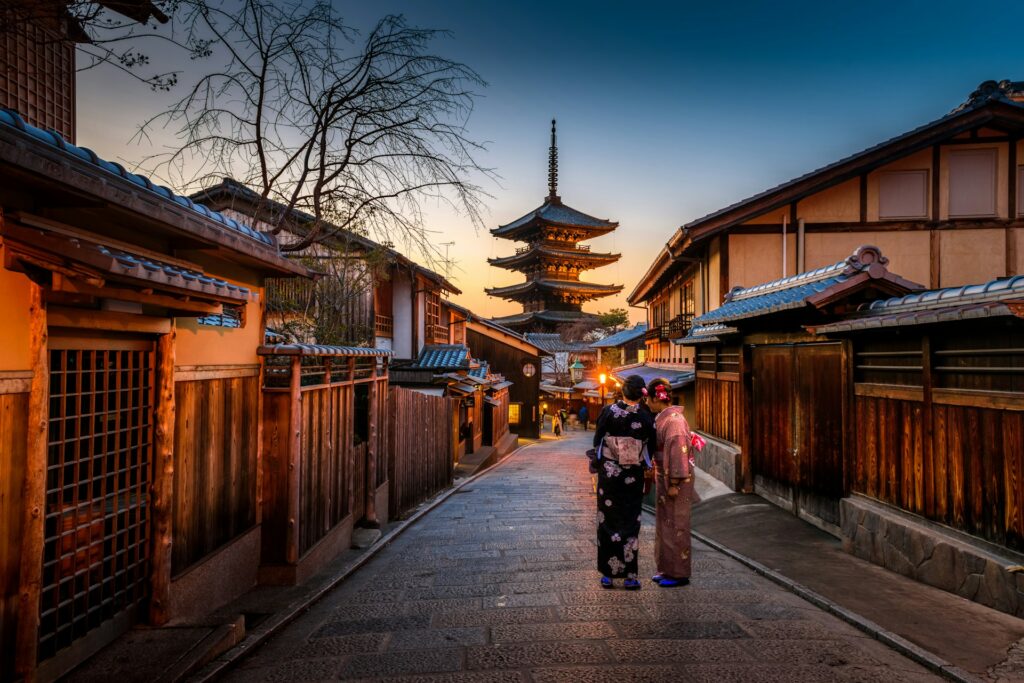
Quick Answer: Kiyomizu-dera Admission Fee 2026
The Kiyomizu-dera admission fee in 2026 is ¥500 for adults and ¥200 for elementary and junior high school students. You do not need to book tickets in advance. Tickets are sold at the gate on the day of your visit, and the line usually moves quickly.
For most travelers, the key practical points are simple: no advance reservation, cash payment, early opening hours, and limited night viewing dates. If you are planning your Kyoto itinerary, this guide will help you decide how much to budget, when to visit, and whether sunset or night illumination is worth timing your day around.
Kiyomizu-dera 2026 Quick Info
| Item | Details |
|---|---|
| Admission fee | Adults: ¥500 Elementary and junior high school students: ¥200 |
| Advance booking | Not required. Buy your ticket at the gate on the day of your visit. |
| Payment | Cash only at the admission window, so bring Japanese yen. |
| Regular opening hours | Open from 6:00 AM. Most of the year, the temple closes at 6:00 PM. |
| Extended summer hours | From July 1 to August 13 and August 17 to August 31, 2026, closing time is extended to 6:30 PM. |
| Night viewing 2026 | Special night illumination is scheduled for March 27-April 5, August 14-16, and November 21-30, 2026. During these periods, the temple is open until 9:30 PM with last entry at 9:00 PM. |
| Time needed | Plan about 60 to 90 minutes for the temple grounds, or longer if you also want to explore the surrounding Higashiyama streets. |
Do You Need Kiyomizu-dera Tickets in Advance?
No. Kiyomizu-dera does not use an online reservation system for regular admission. You simply arrive, pay at the gate, and enter. This is one of the reasons the temple is easy to fit into a Kyoto itinerary, even if you are planning the day as you go.
If your main concern is whether you need to secure a time slot before visiting, the answer is straightforward: you cannot pre-book standard admission online, and you do not need to. In most cases, the bigger decision is not how to book, but when to go.
Best Time to Visit Kiyomizu-dera
Because tickets are easy to buy on arrival, your real strategy should focus on timing. The best time to visit depends on what matters most to you:
- Early morning: Best for lighter crowds, cooler temperatures, and a calmer atmosphere. If you’re an early riser, it pairs well with other early morning activities in Kyoto.
- Late afternoon: Best for warm light, scenic city views, and a chance to catch sunset from the western side of the temple grounds.
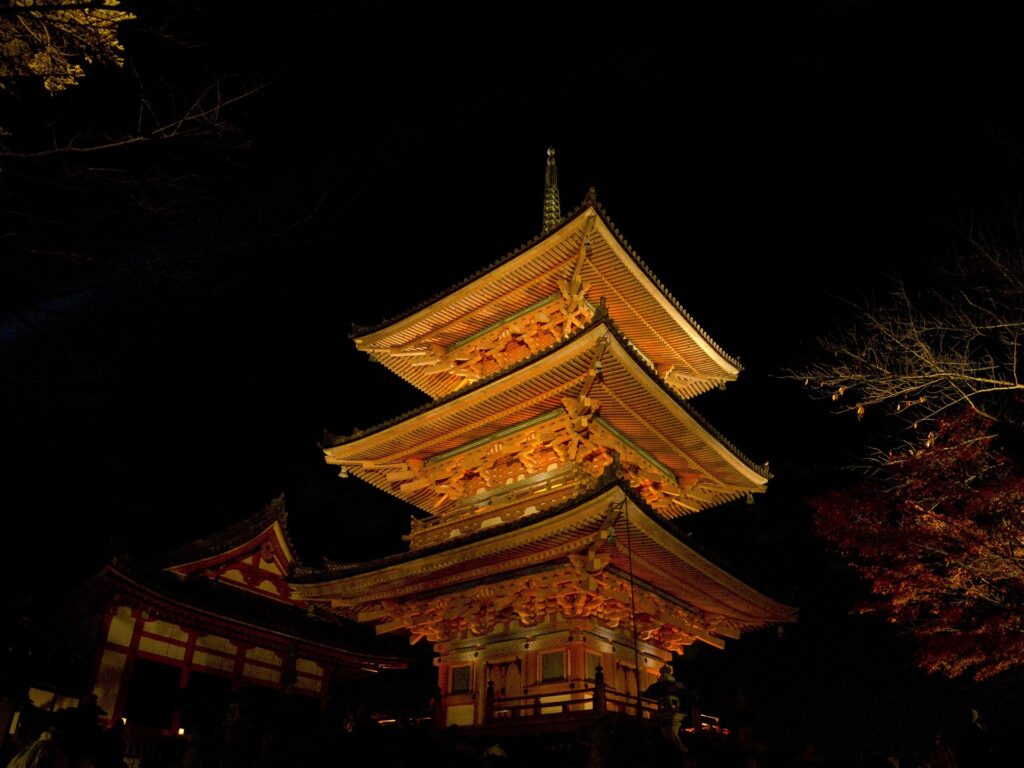
- Special night illumination dates: Best for seasonal scenery, dramatic lighting, and a rare chance to see Kiyomizu-dera after dark.
Is Sunset at Kiyomizu-dera Worth It?
Yes. Kiyomizu-dera faces west toward Kyoto, which makes it one of the most rewarding temple viewpoints in the city around sunset. If you want a classic golden-hour atmosphere without climbing a mountain or leaving central Kyoto, this is one of the easiest places to do it.
The best sunset area is near the Sai-mon (West Gate) and around the famous Kiyomizu Stage. From here, you can look out over the city as the light changes across the temple roofs and hillside. It is especially photogenic in spring and autumn, but sunset can work beautifully in any season with clear weather.
One practical point matters here: on regular days, sunset is only realistic if it happens before the standard closing time. In midsummer, the slightly extended 6:30 PM closing time makes late-day visits easier. At other times of year, check the sunset time for your travel dates before planning your visit around it.
Kiyomizu-dera Night Illumination 2026
Many travelers assume Kiyomizu-dera is open at night throughout the year, but that is not the case. The temple is only open after dark during specific seasonal illumination periods.
- Spring: March 27-April 5, 2026
- Summer (Sennichi Mairi): August 14-16, 2026
- Autumn: November 21-30, 2026
During these special periods, Kiyomizu-dera stays open until 9:30 PM, with last entry at 9:00 PM. The admission fee remains the same as daytime admission, so you do not need a separate ticket type.
If your trip matches one of these dates, a night visit is one of the most memorable ways to experience the temple. The illuminated buildings, seasonal foliage, and the temple’s famous blue beam in the night sky create a very different atmosphere from a daytime visit, making it one of the best things to do in Kyoto at night.
Kiyomizu-dera Map and Ideal Walking Route
Kiyomizu-dera is large enough that it helps to have a simple route in mind before entering. The grounds are easy to follow once you are inside, and most visitors spend about 1 to 1.5 hours seeing the highlights at a comfortable pace.
- Niomon Gate and Sai-mon (West Gate): Start here for your first wide views and exterior photos. This is also one of the best areas to pause if you are visiting in the late afternoon.
- Zuigudo Hall: If you want a short extra experience, this hall is known for the Tainai-meguri, a symbolic walk through total darkness. There is a small additional fee.
- Hondo (Main Hall) and Kiyomizu Stage: This is the iconic heart of the temple and the main panoramic viewpoint over Kyoto.
- Otowa Waterfall: After leaving the main hall area, continue down to the waterfall, where visitors traditionally drink from one of the three streams.
If this is your first visit, this route gives you the most important views without overcomplicating the experience. After that, you can continue into the surrounding Higashiyama streets for shopping, snacks, or an evening walk toward Ninenzaka, Sannenzaka, and Gion.
Optional: Self-Guided Visit or Guided Evening Walk?
Visiting Kiyomizu-dera itself is easy to do on your own. The grounds are straightforward, tickets are sold at the gate, and most travelers can comfortably see the temple without a guide.
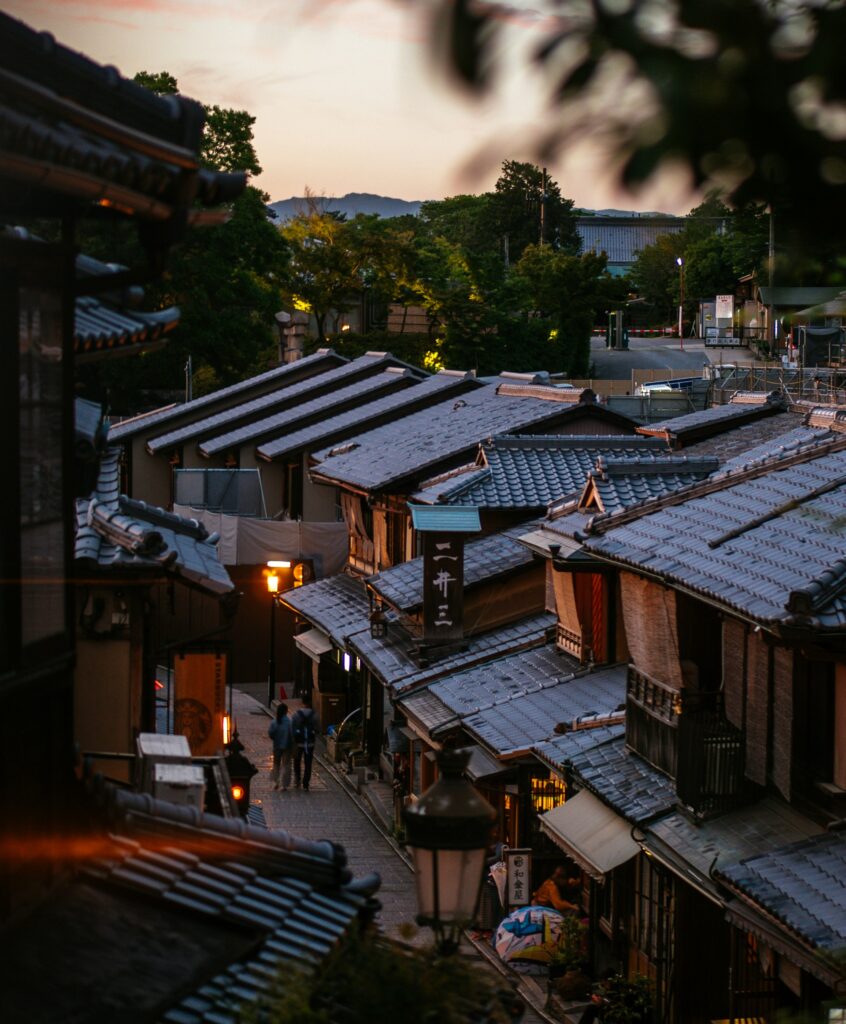
The bigger question is what you want to do after visiting the temple. If you plan to continue through Ninenzaka, Sannenzaka, and toward Gion in the late afternoon or evening, a guided walk can add context and make the area easier to navigate after many shops begin to close.
When a Self-Guided Visit Works Best
- You mainly want to see the temple, take photos, and move at your own pace.
- You are visiting in the morning or early afternoon when the surrounding streets are lively and easier to navigate.
- You prefer a low-cost, flexible stop within a broader Kyoto itinerary.
When a Guided Evening Tour Is Worth Considering
- You want to continue beyond Kiyomizu-dera into the historic lanes after sunset.
- You would like more cultural context about Kyoto’s preserved districts and Gion etiquette, which is often a deciding factor in whether a guided Gion walking tour is worth it.
- You prefer a smoother evening route instead of figuring out the area as shops close and the streets become quieter.
| Feature | Self-Guided Visit | Guided Evening Tour |
|---|---|---|
| Flexibility | Best if you want to move at your own pace. | Best if you want a structured route and fixed plan. |
| Cost | Lower overall cost. | Higher cost, but includes local guidance. |
| Navigation after dark | Can feel less clear in the surrounding backstreets. | Easier, especially if you continue toward Gion. |
| Cultural context | Limited to signs, apps, and your own research. | Stronger insight into local history and customs. |
| Best for | Travelers who mainly want the temple itself. | Travelers who want the wider evening atmosphere of Higashiyama and Gion. |
If you want to keep things simple, a self-guided temple visit is enough for most travelers. But if you are especially interested in Kyoto’s evening atmosphere and want a smoother transition from Kiyomizu-dera to the surrounding historic districts, a guided walk can be a good add-on rather than a necessity.
Check availability here:
Kyoto: Kiyomizu-dera, Ninenzaka & Gion Evening Tour
Frequently Asked Questions
Do I need to buy Kiyomizu-dera tickets in advance?
No. Standard admission is paid at the gate on the day of your visit, and advance booking is not required.
Can I pay the Kiyomizu-dera admission fee by credit card?
In practice, you should assume cash only at the admission window and bring enough Japanese yen with you.
What is the Kiyomizu-dera admission fee in 2026?
The 2026 admission fee is ¥500 for adults and ¥200 for elementary and junior high school students.
When are the Kiyomizu-dera night illuminations in 2026?
The scheduled 2026 night viewing periods are March 27-April 5, August 14-16, and November 21-30. During these periods, the temple stays open until 9:30 PM, with last entry at 9:00 PM.
How much time should I plan for Kiyomizu-dera?
Most visitors need about 60 to 90 minutes for the temple itself. If you also want to explore Ninenzaka, Sannenzaka, cafes, and nearby viewpoints, plan for at least a half day in the wider Higashiyama area.
Is Kiyomizu-dera a good place for sunset?
Yes. It is one of the best temple viewpoints in Kyoto for late afternoon light, especially near the Sai-mon (West Gate) and the Kiyomizu Stage. On regular days, just make sure sunset falls before closing time.
Is the night visit worth it?
If your trip overlaps with one of the special illumination periods, yes. The evening atmosphere feels very different from daytime, and it is one of the most memorable ways to experience Kiyomizu-dera.

Hi, I’m Kai. I’m a Tokyo-based travel writer, tourism industry insider, and the author of a published guidebook for international visitors to Japan. With over 10 years of professional experience at a leading Japanese tourism company, my mission is to help you skip the tourist traps and navigate Japan’s best destinations like a local. I believe the perfect day trip is like a traditional kaiseki meal: a beautiful balance of precise planning and unforgettable seasonal discovery. When I’m not out conducting field research, you’ll usually find me drafting new itineraries with one of my favorite fountain pens!