
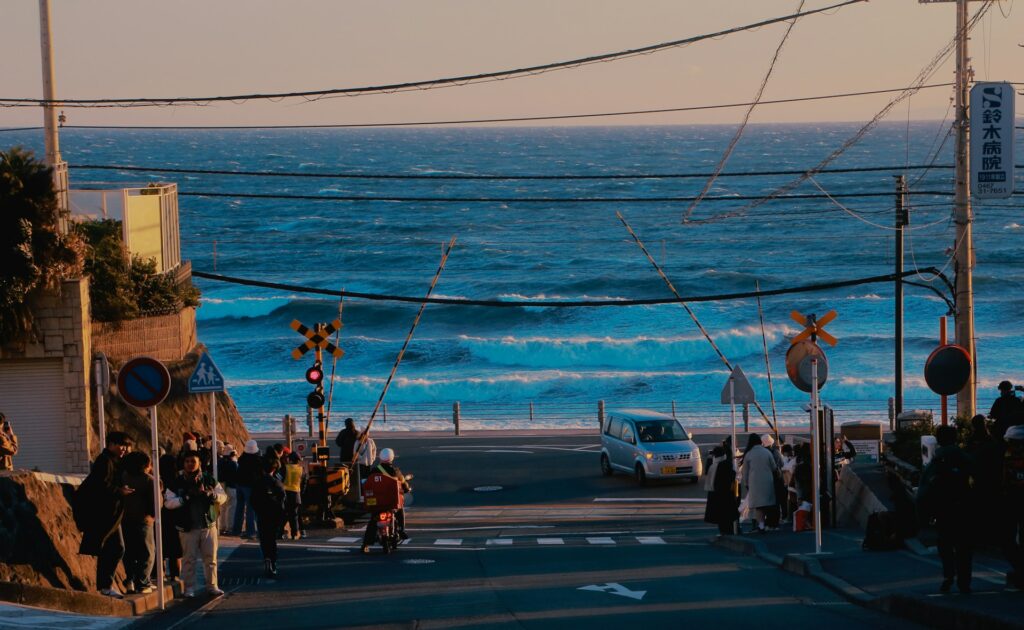
Step off a train from Tokyo and, in what feels like an instant, trade skyscrapers for sea breeze, temple gates, and quiet backstreets. That “fast reset” is Kamakura’s superpower. It’s close enough to be effortless, but layered enough—history, nature, food culture, coastal scenery—that it feels like a genuine getaway rather than a quick errand outside the city.
Kamakura is also deceptively easy to “overstuff.” The main sights aren’t all in one cluster, weekend crowds can swell, and the charm of the area often lies in unplanned moments: an incense-scented stairway, a small café tucked behind a gate, the Enoden rattling past houses so close you could almost touch them. This guide keeps the same clear structure as before, but adds more depth so your day feels intentional, calm, and memorable.
The quick takeaway
If this is your first time, the simplest winning plan is to focus on Kamakura Station + Hase: you’ll get the historic heart of the town, the Great Buddha, and one of Kamakura’s most beautiful temples without burning time on complicated transfers. If you only have half a day, commit to that core and you’ll leave satisfied rather than sprinting from stop to stop. If you want the full “Shonan coast” feeling—ocean views, an island atmosphere, and the most iconic Enoden ride—build Kamakura + Enoshima into the plan from the start and treat the journey between places as part of the experience, not dead time.
👉 From Tokyo: Kamakura and Enoshima 1-Day Bus Tour
Why Kamakura is one of Tokyo’s best day trips
Kamakura isn’t just “a town with temples.” It’s a place where Japan’s medieval political history, Zen culture, and everyday seaside life overlap in a way that feels tangible while you walk. The city’s geography—hills that fold around neighborhoods and a coastline that opens up toward Sagami Bay—creates constant contrasts: a busy approach road leading into a quiet shrine grove, a temple precinct that suddenly reveals a view of the ocean, a residential lane that feels like a film set.
What makes Kamakura special as a day trip is that it naturally provides rhythm. Mornings tend to feel crisp and contemplative, especially if you arrive early and start with a shrine or temple before the crowds peak. Midday is for food and browsing—Kamakura is a snack-and-café town as much as a sightseeing town. Afternoons lend themselves to the coastline, the nostalgic Enoden line, and a slower pace that makes the trip feel restorative. When you structure the day around that rhythm, Kamakura stops feeling like a checklist and starts feeling like a small journey with a beginning, middle, and end.
Getting to Kamakura from Tokyo (and choosing the best route)
Kamakura is roughly an hour from central Tokyo depending on your starting point and connections, but the “best” route isn’t just about speed—it’s about where you want your day to begin and whether Enoshima is part of the story.
Option 1: Straightforward and flexible — JR to Kamakura Station
Arriving at Kamakura Station is the most intuitive way to begin. You step straight into the town’s central area, with Komachi Street, major shrines, cafés, and shops all within easy walking distance. This route is especially good if your priority is the classic Kamakura atmosphere and you want maximum flexibility: you can decide on the day how long to linger, whether to add a second temple, or when to pivot toward Hase.
Option 2: Great if you’re coming from Shinjuku — Odakyu + Enoden (pass-friendly)
If you’re combining Enoshima + Kamakura, Odakyu-based routing can be convenient because it aligns naturally with the Enoden network. The real advantage is psychological as much as practical: certain passes simplify the day by reducing ticket decisions and making hop-on/hop-off travel feel painless. That matters in a place where spontaneity is part of the charm.
Option 3: If the Enoden is your main “vehicle” — consider an Enoden day pass
If your route includes multiple Enoden stops—Kamakura → Hase → Enoshima → Fujisawa—a dedicated Enoden pass can be a smart choice. Even when the cost difference is modest, the benefit is freedom: you can step off because a view looks good, because a café catches your eye, or because you want an extra photo without constantly recalculating fares.
A small practical note: passes and fares can change, so it’s worth checking current details shortly before you go. The goal isn’t “perfect optimization,” it’s a day that feels smooth.
How to move around: walking + Enoden + (sometimes) buses
Kamakura rewards walking. Many of the most satisfying moments happen between the “major dots” on the map: narrow lanes lined with small homes, tiny shrines tucked beside stairways, and sudden openings where the light changes and you realize you’ve left the tourist flow behind. That said, the city’s layout can surprise first-timers—distances are not huge, but they add up, and hills appear when you least expect them.
For most visitors, the easiest backbone is: Kamakura Station area (walkable) → Enoden to Hase → optional Enoden onward to Enoshima. Buses exist, but they can become slow during peak times because roads crowd easily. If you want a calmer experience, rely primarily on trains and walking, and treat buses as a backup rather than the core plan.
If you like the “wandering” style, build in slack. A Kamakura day becomes stressful only when every minute is booked. Leave room for a temple you didn’t plan, a coffee break, or a short detour toward the sea.
The essential Kamakura sights (and why they’re worth it)
Tsurugaoka Hachimangu: the city’s “center point”
This shrine isn’t just a famous landmark—it’s a focal point that helps you understand Kamakura’s identity. The approach walk creates a sense of arrival, and the grounds have a ceremonial spaciousness that contrasts with the lively shopping streets nearby. Visiting early is worth it: you’ll hear more birds than voices, and you’ll feel the calm “spine” of the place before it fills with people. Even if you’re not deeply into shrines, the experience sets the tone for the day: purposeful, grounded, and distinctly Kamakura.
Komachi Street: the “reset button” between temples
Komachi Street works best when you treat it as pacing, not just shopping. Temple visits can be emotionally rich—quiet, reflective, visually detailed—and that intensity can blur together if you stack too many sacred sites in a row. Komachi Street gives you a palate cleanser: street snacks, small crafts, matcha sweets, and casual browsing. It’s also a practical place for lunch because it offers variety and flexibility, from quick bites to sit-down cafés. If you’re traveling with people who have different interests, Komachi is a natural “meet-up zone” that keeps everyone happy.
Hasedera: views, seasonal beauty, and a calmer mood
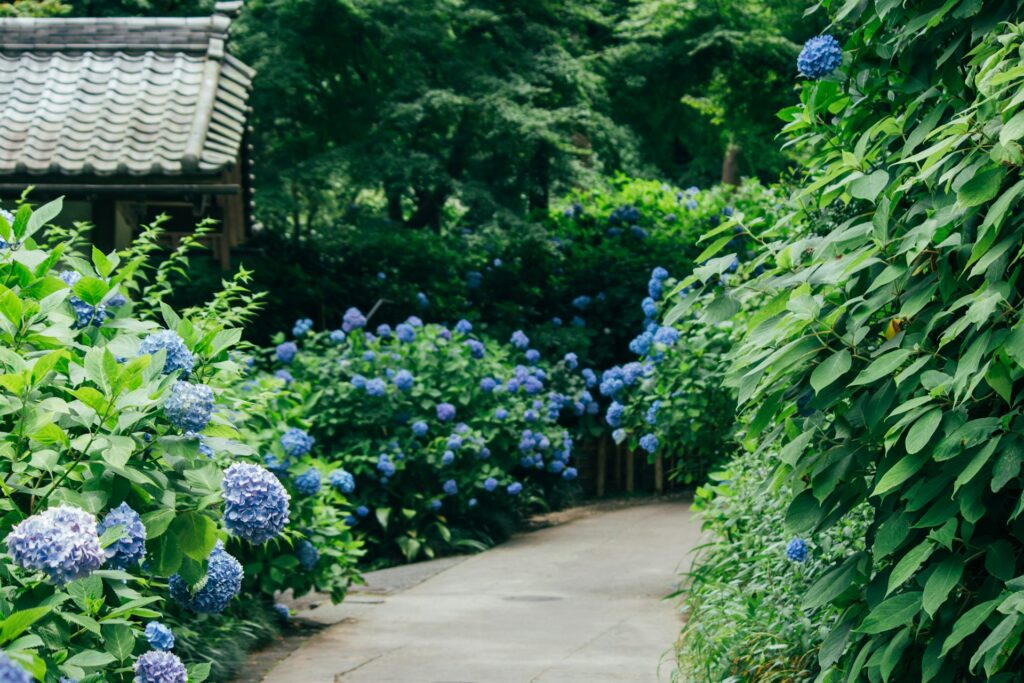
Hasedera is one of those places that feels designed for human attention. The grounds encourage you to slow down: layered pathways, small details, and a gentle sense of discovery as you move through the precinct. One of its great strengths is how it connects temple atmosphere with the coastal setting—there are moments where the air shifts and you remember you’re near the sea. Seasonally, it’s famous for flowers, and that fame has consequences: peak periods can be very crowded. If you’re visiting in a major bloom season, go as early as you can and approach it as an “experience,” not a quick stop. Give yourself time to absorb it and it becomes one of the emotional highlights of the day.
The Great Buddha (Kotoku-in): quiet impact
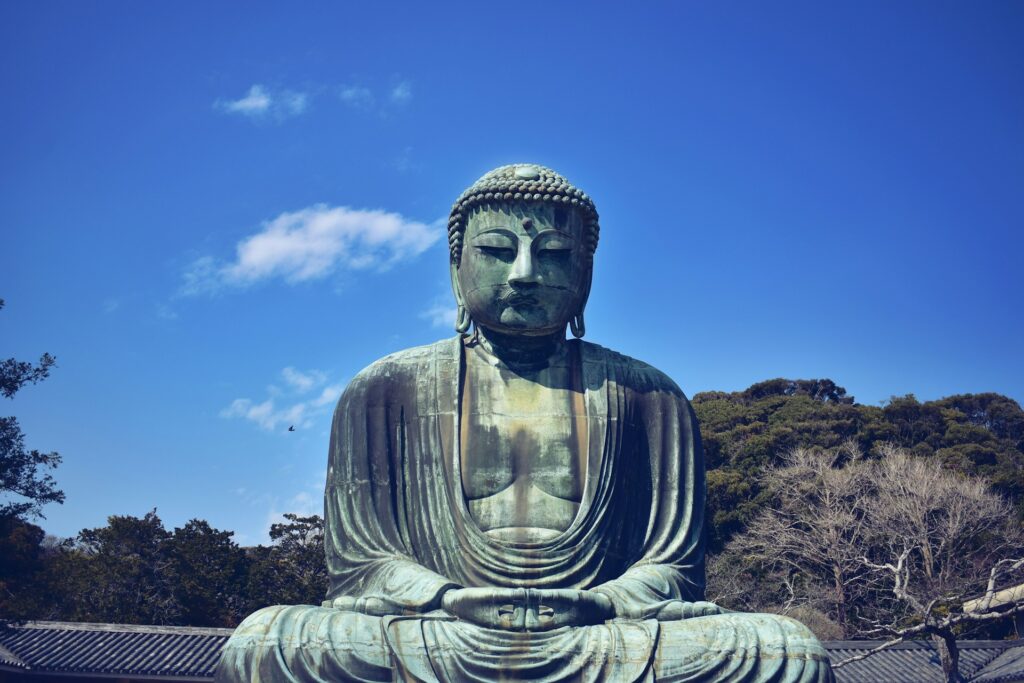
The Great Buddha is iconic in photos, but in person it often lands differently: less “tourist sight,” more “still presence.” The space around it is relatively uncluttered compared with dense temple complexes, which makes the encounter feel direct. It’s also a perfect pairing with Hasedera because the two together give you contrast—one lush and layered, one simple and monumental—without requiring complicated travel. If your schedule is tight, this is the duo that delivers the most impact per minute while still feeling meaningful.
Should you add Enoshima? Decide by theme.
Kamakura and Enoshima are often packaged as a single day, but they’re different moods. Kamakura is “history and walking,” while Enoshima is “coast and views.” You’ll enjoy the day more if you decide what you want the trip to feel like rather than trying to collect every famous spot.
Choose Kamakura-focused if you want the day to be grounded in neighborhoods, shrine-and-temple atmosphere, and slower wandering. This approach tends to feel calmer and more immersive because you spend less time transitioning and more time noticing details.
Choose Kamakura + Enoshima if you want a stronger coastal arc: ocean panoramas, breezy lookout points, and the pleasure of riding the Enoden past seaside scenery. Enoshima also has a “mini-adventure” vibe—you’re moving upward, chasing views, and experiencing the coast from different angles.
One honest note: Enoshima can be more physical than it looks. Hills, stairways, and extra walking add up—especially if you already did a lot in Kamakura. The solution isn’t to skip it automatically; it’s to plan for breaks, keep your Kamakura list lighter, and accept that the best Enoshima days include sitting down with a drink or snack and simply enjoying the air.
Sample itineraries (built to feel smooth, not frantic)
Half-day (4–5 hours): the greatest hits, done properly
Start at Kamakura Station and use the morning energy for the heart of town—Tsurugaoka Hachimangu followed by a relaxed walk through the Komachi area. Aim for a snack or early lunch here so you’re not hungry while moving. Then ride the Enoden to Hase and focus on Hasedera + the Great Buddha. This half-day route works because it has a clean narrative: arrive, orient yourself in the center, then transition to the iconic coastal-side sights with minimal logistical friction.
If you want the day to feel “deeper” even with limited time, don’t add more locations. Instead, slow down at one place: linger in temple grounds, pause for a coffee, or take the scenic walking routes between Hase sites rather than rushing directly.
Full day (classic): balance “busy” and “quiet”
A satisfying full day usually begins with the cultural core while the atmosphere is best—shrine/temple first, browsing and food second. After exploring the central area, transition to Hase for the major highlights. Then, instead of trying to cram in another “famous list item,” add one quieter choice: a small shrine, a tucked-away café, or a short walk that lets Kamakura breathe. This is where the city stops feeling like a tourism product and starts feeling like a place.
The key to this itinerary is restraint. A full day is not permission to do everything—it’s a chance to do fewer things with more presence.
Full day (Kamakura + Enoshima): make the ride part of the trip
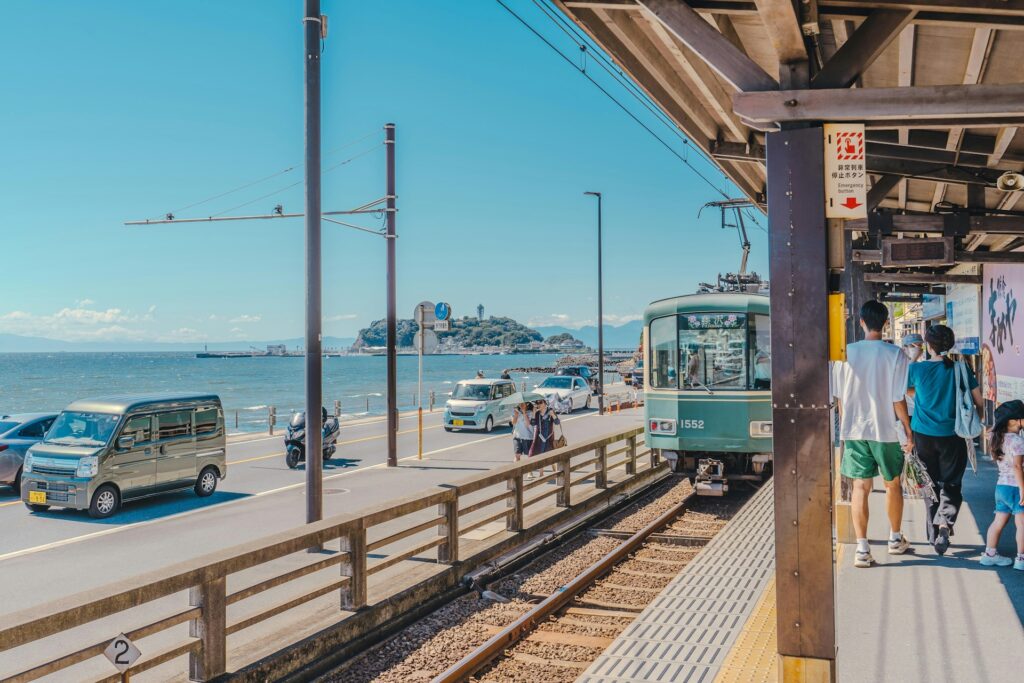
For the combined day, structure the experience as a gentle movement toward the sea: Kamakura → Hase → Enoshima. That progression makes emotional sense and keeps transportation simple. Think of the Enoden not as “how to get there,” but as a highlight—its slow pace and scenery are part of why people remember this day trip.
This itinerary feels best when you avoid over-scheduling. Give yourself permission to hop off once, take photos, grab a drink, and ride again. The most satisfying Kamakura + Enoshima days are the ones with a little softness around the edges.
When to go: timing changes everything
Crowds are the biggest factor that can change your experience. Weekends, public holidays, and peak flower seasons can turn certain areas into slow-moving lines. The single best strategy is simple: start early. Use your early hours for temples and shrines—when the mood is quieter and the light is often better—then shift toward shopping streets, cafés, and the coast later when crowds are unavoidable anyway.
If you have flexibility, weekdays tend to feel dramatically more spacious. If you don’t, the early-start strategy still works: you can “earn” a calm experience by beating the peak flow.
Practical tips that make the day feel better
Comfort matters here more than people expect. Shoes with real support will improve your day immediately, because even a “light” Kamakura plan involves more walking and more uneven surfaces than a typical Tokyo neighborhood. Keep your must-sees limited—two or three anchor spots is plenty—and let everything else be optional. That approach doesn’t make your trip smaller; it makes it richer, because you’re not constantly checking the time.
It also helps to check opening hours the day of your visit, especially if you’re going in a season with changing schedules. Finally, don’t underestimate the value of a mid-afternoon break. A café stop isn’t “wasted time” in Kamakura—it’s often the moment the day becomes a memory rather than a sequence of locations.
Want zero logistics? When a day tour is actually worth it
Many travelers should do Kamakura independently, especially if you enjoy wandering and don’t mind a bit of navigation. But a guided day tour can be genuinely useful if you’re short on time, traveling in a group, visiting Japan for the first time, or simply want a low-friction day where transportation and pacing are handled for you. Tours can also help when you want to combine Kamakura and Enoshima efficiently without spending mental energy on connections and timing.
👉 From Tokyo: Kamakura and Enoshima 1-Day Bus Tour
FAQ
Can I enjoy Kamakura in half a day?
Yes—if you keep it focused. The most satisfying half-day is Kamakura Station area + Hase. You’ll get a shrine anchor, the town atmosphere, and the Great Buddha pairing without feeling rushed.
Will adding Enoshima dilute the Kamakura experience?
It can if you treat Enoshima as “just another checkbox.” If you genuinely want the coastal arc, plan for it from the start and keep your Kamakura list lighter. The combined day works best when it’s themed around the coast rather than crammed.
What’s the most efficient pairing?
Hasedera + the Great Buddha remains the best-value pairing for first-timers: high impact, close together, and emotionally varied.
Wrap-up: the secret to a great Kamakura day is order + intention
Kamakura rewards a simple structure. Start where the city’s history feels most grounded, transition to Hase for the iconic landmarks, and—if it fits your theme—let the coast finish the story. When you decide what you want the day to feel like and keep your route clean, Kamakura becomes exactly what a day trip should be: restorative, textured, and surprisingly complete.
If you’d like, I can also strengthen this further in one of these directions while keeping the same structure: a more SEO-forward blog version, a more story-driven travel essay tone, or a more conversion-friendly version that naturally leads readers to the tour without sounding salesy.