
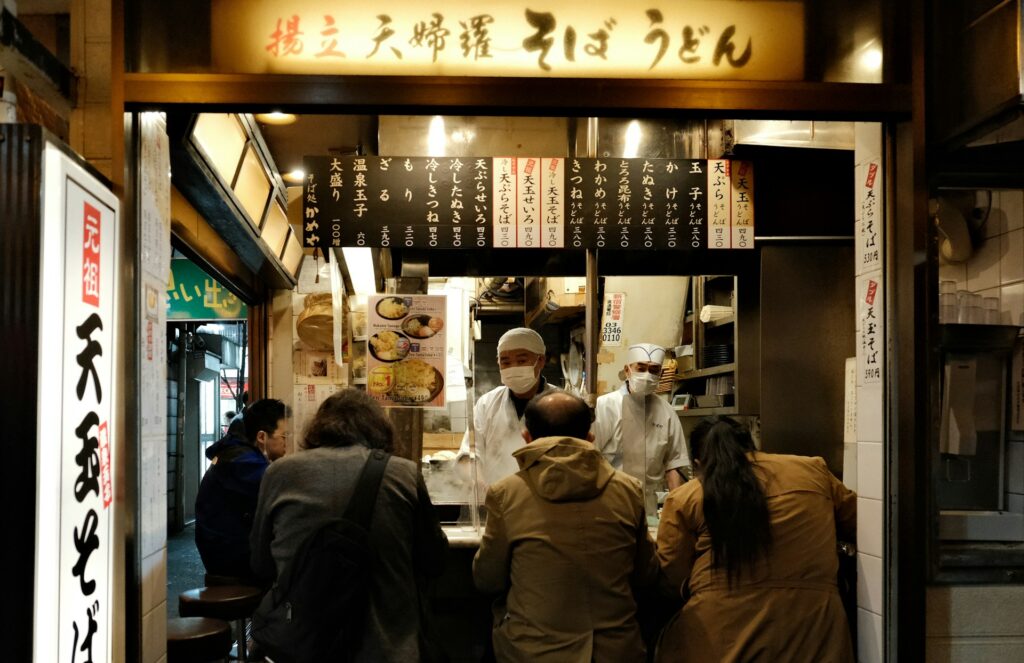
If you want to experience the real nightlife in Tokyo (which is why Shinjuku is often ranked as one of the best areas to stay in Tokyo for first-timers), an evening at an izakaya is non-negotiable. These lively Japanese gastropubs are where locals go to unwind, share small plates of delicious food, and drink after a long day. However, for first-time visitors, the language barrier and unique unwritten rules—like mandatory cover charges and ordering etiquette—can make stepping into a local spot feel intimidating.
This guide breaks down exactly what you need to know to confidently navigate an izakaya, from understanding the bill to finding the best alleys in Tokyo’s neon-lit Shinjuku district.
At a Glance: Quick Tips for Tokyo Izakayas
- Otoshi (Cover Charge): Expect a small appetizer upon sitting down. This is an unavoidable seating charge (usually 300 to 600 JPY).
- Ordering: Most places require each person to order at least one drink. Don’t be afraid to raise your hand and say, “Sumimasen!” (Excuse me) to get the server’s attention.
- No Tipping: Tipping is not practiced in Japan. Leaving money on the table will only cause confusion.
- Cash is King: While larger chains accept credit cards, tiny local spots in alleys like Golden Gai are strictly cash-only.
- The “X” Sign: If a server crosses their arms in an “X” shape at the door, they aren’t angry. It simply means the place is fully booked or cannot accommodate non-Japanese speakers.
Want to skip the guesswork and language barrier? If you’d rather have a local guide navigate the hidden alleys and order the best local dishes for you, check out this highly-rated walking tour in Shinjuku:
Check Availability: Tokyo Shinjuku Local Bar & Izakaya Crawl Tour
What is an Izakaya? (The Japanese Gastropub Explained)
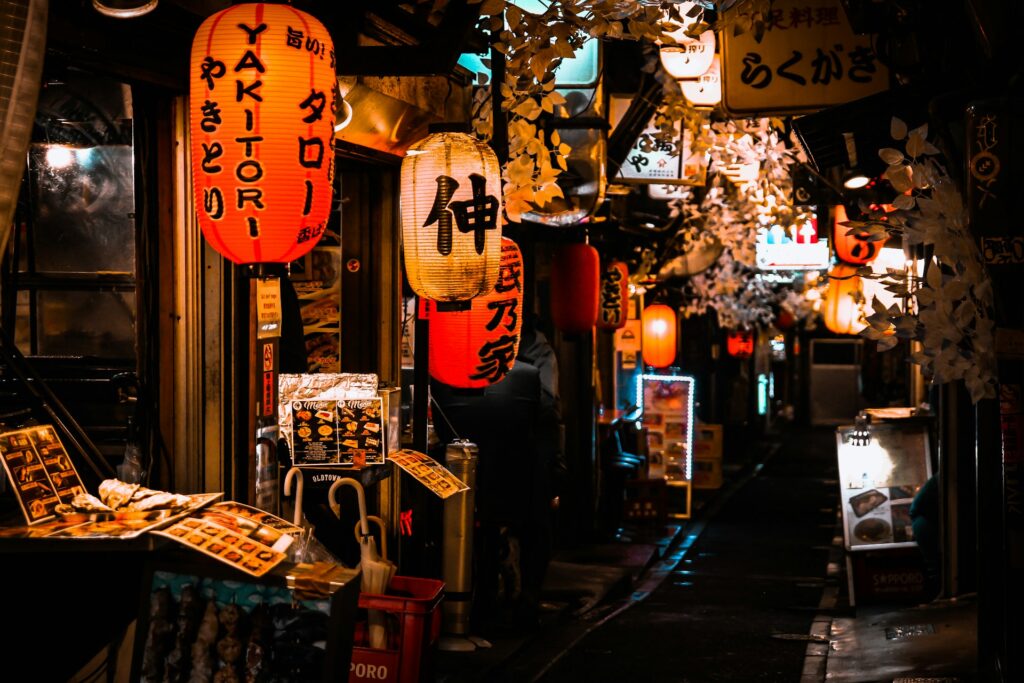
An izakaya is fundamentally different from a standard Western restaurant or pub. The word translates roughly to “stay-drink-place.” The concept revolves around sharing. Instead of ordering an individual main course, your group orders multiple small plates—like yakitori (grilled chicken skewers), sashimi, karaage (fried chicken), and edamame—to share over the course of the evening.
The atmosphere is generally loud, smoky (though smoking rules have gotten stricter, many small places still allow it), and incredibly energetic. It is the ultimate casual dining experience in Japan.
Essential Izakaya Etiquette & Hidden Costs
Understanding a few basic rules will save you from sticker shock and awkward moments when visiting local izakaya restaurants in Tokyo.
The “Otoshi” (Cover Charge / Appetizer) Explained
The most common point of confusion for tourists is the otoshi. Shortly after you sit down, a small, unsolicited dish will be brought to your table. This is not a free welcome snack. It serves as a mandatory table charge, usually costing a few hundred yen per person. It is standard practice across Japan, not a scam to overcharge tourists. Simply accept it as the cost of the seat and enjoy the bite.
The “One-Drink Rule” & How to Order
Most izakayas operate on a one-drink minimum per person. Even if you don’t drink alcohol, you will be expected to order a soda or tea. When it comes to ordering, modern chain izakayas often provide tablet menus with English options. However, at traditional, mom-and-pop spots, you will need to catch the staff’s attention. A polite but firm “Sumimasen!” is the standard way to call a waiter over.
Tipping? Don’t Do It!
Excellent service is built into the price in Japan. If you leave a tip on the table, the staff will likely run down the street after you to return your “forgotten” change. Simply pay your bill at the register near the door (rarely at the table) and say “Gochisousama deshita” (Thank you for the meal) as you leave.
Best Izakaya Areas in Tokyo: Spotlight on Shinjuku
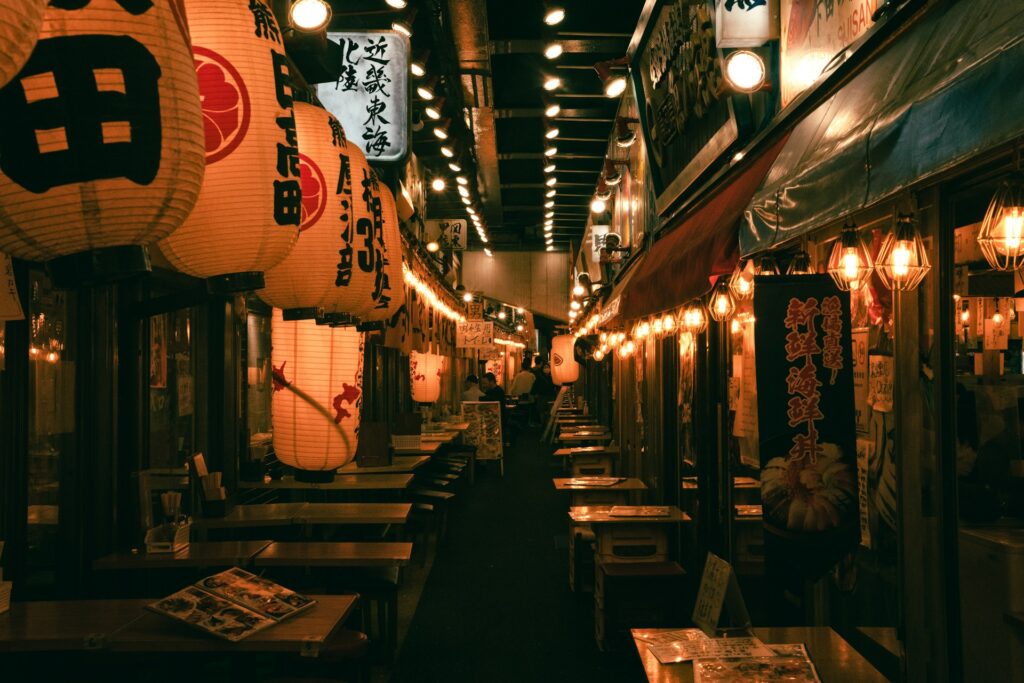
Tokyo is packed with izakayas, but Shinjuku offers the highest concentration of famous, atmospheric drinking alleys. Here are the two most iconic spots to explore.
Omoide Yokocho (Memory Lane)
Located just outside Shinjuku Station (which is notoriously massive, so brushing up on how to navigate it is helpful), this narrow, lantern-lit alley is packed with tiny stalls specializing in yakitori and motsuyaki (grilled offal). Also known somewhat affectionately as “Piss Alley” from its post-war black market days, it is now incredibly photogenic and popular. The stalls are cramped, usually seating only 5 to 10 people. It’s meant for a quick bite and a drink before moving on—don’t plan on lingering for hours.
Golden Gai
A few blocks away in Kabukicho, Golden Gai is a maze of six narrow alleys housing over 200 micro-bars. Each bar has its own unique theme, from punk rock to cinema. Many bars here charge a steep cover fee just to sit down, and some display signs saying “Regulars Only” or “Japanese Spoken Only.” However, many others now welcome tourists and post English menus outside. The key is to bring plenty of cash and an open mind.
DIY vs. Joining a Local Izakaya Food Tour
Exploring Tokyo’s izakaya scene on your own is entirely possible, but it comes with a steep learning curve. Navigating the unwritten rules, deciphering handwritten Japanese menus, and squeezing into a 5-seat bar where everyone turns to stare at you can be overwhelming for some.
This is why joining a local izakaya tour has become one of the most popular ways to experience Shinjuku’s nightlife. Here is a quick breakdown to help you decide which style suits your trip.
| Experience | DIY (Going Solo) | Guided Izakaya Tour |
|---|---|---|
| Language Barrier | High. You will need a translation app, and you may be turned away from places with no English menus. | None. Your local guide translates, orders for you, and explains the dishes. |
| Access to Spots | Limited. “Regulars Only” signs will keep you out of the deepest local haunts. | Excellent. Guides have relationships with bar owners and can bypass the “X” sign. |
| Cost | Lower upfront (you only pay for what you eat/drink). | Higher upfront (tour ticket), but you avoid tourist traps and hidden fees. |
| Social Vibe | Can be solitary unless you are very outgoing. | Highly social. Great for meeting other travelers and mingling with locals. |
Featured Review: Shinjuku Local Bar & Izakaya Crawl Tour
If you decide that a guided experience is the way to go, the Tokyo: Shinjuku Local Bar & Izakaya Crawl Tour is currently one of the highest-rated options available.
What Makes This Tour Stand Out?
Unlike premium food tours that charge upwards of $150 and force you into a set menu, this 3-hour walking tour charges a very reasonable upfront fee for the guide and access only. You pay for your own food and drinks as you go. This is a massive advantage because it means you aren’t paying for alcohol if you don’t drink, and you can choose exactly what you want to eat—whether that’s one yakitori skewer or a full meal.
The guide leads you through the neon-soaked streets of Kabukicho, the smoky stalls of Omoide Yokocho, and the legendary micro-bars of Golden Gai, often finishing the night with a fun karaoke session.
Who is This Tour For? (And Who Should Skip It)
Best for: Solo travelers looking to make friends, first-time visitors anxious about the language barrier, and anyone who wants guaranteed entry into authentic, tiny bars without the awkwardness of being rejected at the door.
Skip it if: You are on a strict backpacker budget and refuse to pay for a guide, or if you are a couple looking for a quiet, romantic sit-down dinner. This is a fast-paced, social, and lively bar crawl.
Ready to dive into Tokyo’s nightlife with a local expert? Book your spot below:
Check Availability: Tokyo Shinjuku Local Bar & Izakaya Crawl Tour
Frequently Asked Questions (FAQ)
Do I need to speak Japanese to visit an izakaya?
Not necessarily. In major areas like Shinjuku, Shibuya, and Roppongi, many izakayas have English menus or tablet ordering systems. However, in smaller, older establishments, knowing a few basic Japanese phrases (like “Kore kudasai” – “This one, please”) and having a photo translation app will be essential.
What does it mean when the staff makes an “X” with their arms?
If you open the door to an izakaya and the staff immediately crosses their arms in an “X” shape, do not be offended. It is not an insult. It simply means the restaurant is fully booked, or they do not have an English menu and feel they cannot provide you with good service. Just smile, nod, and move on to the next place.
Do izakaya restaurants in Tokyo accept credit cards?
Large izakaya chains and modern restaurants almost always accept credit cards. However, if you are venturing into Omoide Yokocho or Golden Gai, you must bring cash (Japanese Yen). Many of these tiny stalls are strictly cash-only.
Is it safe to follow promoters on the street in Shinjuku?
Absolutely not. While Shinjuku is generally very safe, you should never follow a tout or promoter (often speaking English) trying to lure you into a bar with promises of “cheap drinks” or “no cover charge.” This is a classic tourist trap that often results in exorbitant hidden fees or credit card scams. Always choose your own destination, follow a trusted tour guide, and be sure to read our complete guide on Kabukicho safety and scams to avoid.
Experiencing an izakaya is about more than just the food—it is about the loud laughter, the clinking of glasses, and the chaotic charm of Tokyo after dark. Whether you bravely navigate the alleys on your own or join a local guide to show you the ropes, an evening at a Japanese gastropub will undoubtedly be a highlight of your trip.
Don’t leave your Tokyo nightlife experience to chance. Secure your spot on the most popular local bar crawl today:
Book the Shinjuku Local Bar & Izakaya Crawl Tour Here

Hi, I’m Kai. I’m a Tokyo-based travel writer, tourism industry insider, and the author of a published guidebook for international visitors to Japan. With over 10 years of professional experience at a leading Japanese tourism company, my mission is to help you skip the tourist traps and navigate Japan’s best destinations like a local. I believe the perfect day trip is like a traditional kaiseki meal: a beautiful balance of precise planning and unforgettable seasonal discovery. When I’m not out conducting field research, you’ll usually find me drafting new itineraries with one of my favorite fountain pens!