
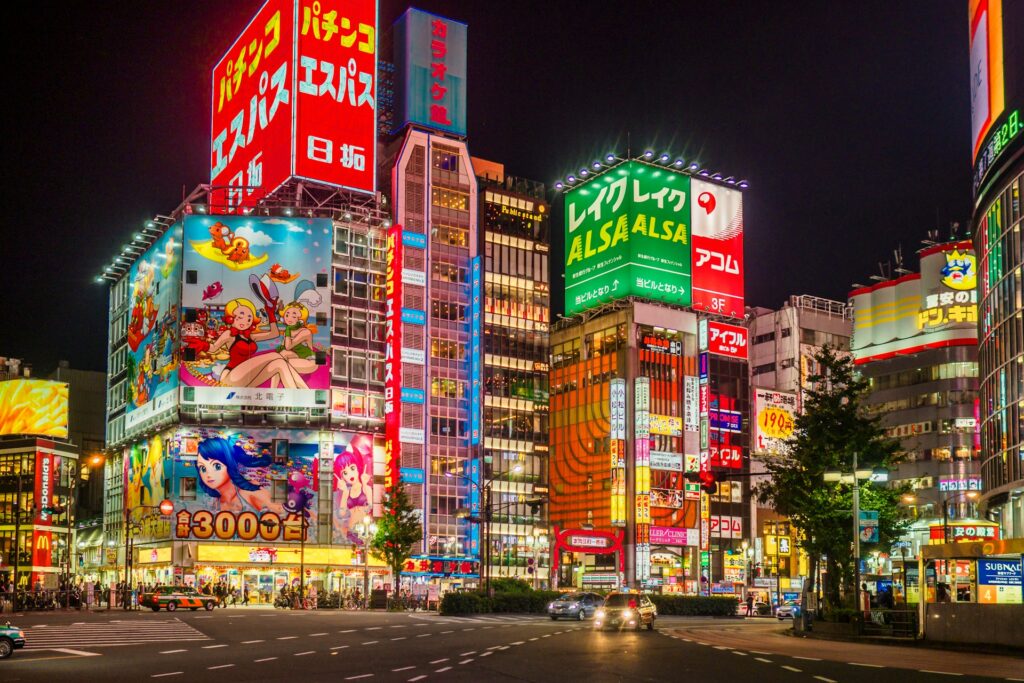
Shinjuku Kabukicho is widely known as Asia’s largest entertainment district. With its glowing neon signs, bustling alleys, and late-night energy, it is a must-visit area for anyone traveling to Tokyo (once you figure out how to navigate the massive Shinjuku Station to get there, of course). However, because it operates as a red-light district, many foreign tourists understandably wonder: Is Kabukicho safe to visit at night?
The short answer is yes, but you need to know the unwritten rules of the streets to avoid ruining your trip. This guide will explain exactly how to navigate Kabukicho’s nightlife safely, the common scams you must avoid, and the smartest ways to enjoy authentic local food without the stress.
Quick Answer: Is Shinjuku Kabukicho Safe at Night?
Walking through the main streets of Kabukicho at night is generally very safe. Japan has strict gun control laws, and violent street crime is incredibly rare. You will see tourists, office workers, and couples casually strolling through the area taking photos of the neon lights.
However, financial safety is a different story. Kabukicho is notorious for tourist-targeted scams, specifically extortionate bar tabs. If you stick to the main paths, take photos, and only enter well-researched, reputable establishments, you will be perfectly fine. But if you interact with the street promoters (touts) trying to pull you into bars, you are putting yourself at high risk of a scam.
Looking for a zero-stress way to explore Shinjuku’s nightlife?
If you want to experience the deep, authentic izakaya culture of Shinjuku without worrying about hidden charges or getting lost in sketchy alleys, going with a local guide is the safest and most efficient choice. You get to visit carefully vetted local spots and enjoy 15 different dishes without any guesswork.
↦ Check Availability: Tokyo Shinjuku Food Tour (15 Dishes and 4 Eateries)
The #1 Rule in Kabukicho: Never Follow Touts (Scams to Avoid)
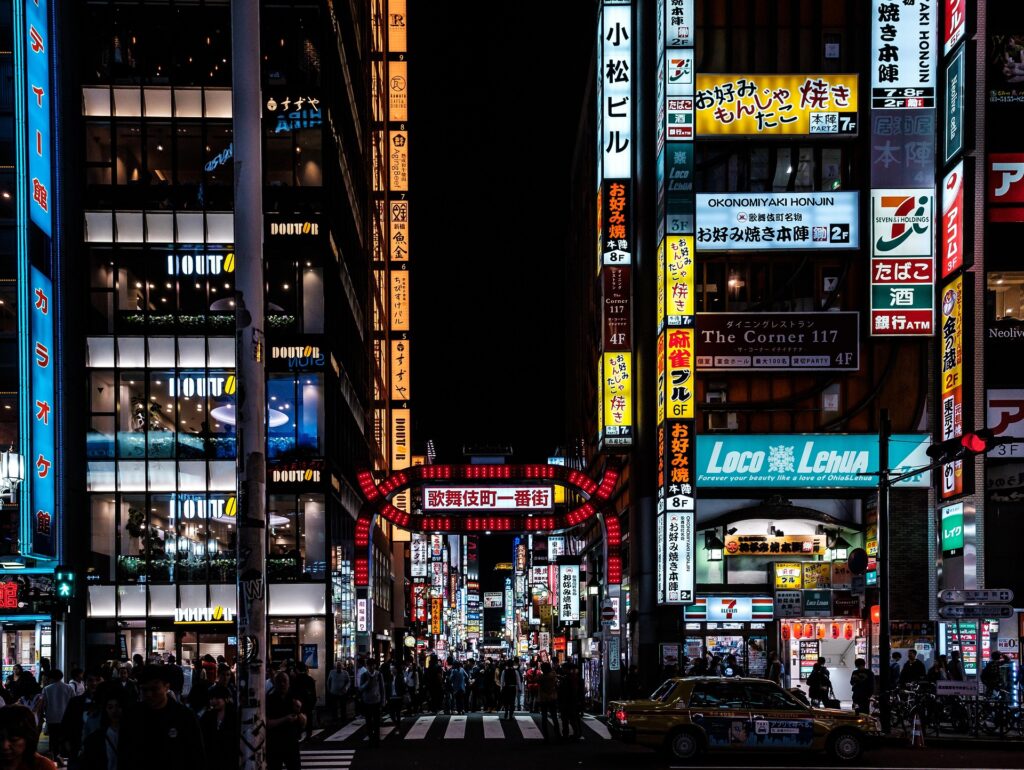
If you remember only one thing from this guide, make it this: Ignore the touts completely.
As you walk through Kabukicho, you will inevitably be approached by people standing on the streets (often speaking excellent English) trying to invite you into their bar, club, or izakaya. Good, legitimate businesses in Tokyo do not need to aggressively drag customers off the street.
If you follow a tout, you will likely fall victim to a “Bottakuri” (rip-off) scam. Here is how it usually works:
- The “Cheap Drink” Hook: The tout promises an incredibly cheap all-you-can-drink deal (e.g., “Only 2,000 yen for 2 hours!”).
- Fake Affiliation: Some touts lie and say they work for famous, safe chain restaurants like Torikizoku, claiming the main branch is full and leading you to a “sister store” instead.
- The Hidden Charges: Once inside, you will be hit with unmentioned fees: astronomical cover charges, weekend fees, ice fees, and mandatory drinks for the staff.
- The Final Bill: What was supposed to be a cheap night out suddenly turns into a bill for tens of thousands (sometimes hundreds of thousands) of yen. If you refuse to pay, intimidating bouncers may escort you to a nearby ATM.
How to react: Do not make eye contact, do not politely decline, and do not stop to chat. Just keep walking. They will quickly give up and look for an easier target.
The Safest Way to Experience Kabukicho Nightlife
Hearing about scams can make you want to avoid Shinjuku’s nightlife entirely, but that would be a mistake. The area is home to incredible, authentic food and historical drinking alleys like Golden Gai and Omoide Yokocho. If you plan to visit these local spots on your own, brushing up on Japanese izakaya rules and etiquette is highly recommended.
The smartest way to experience this safely is by joining a guided food tour. It completely removes the risk of walking into a scam, eliminates the language barrier, and guarantees you a seat at local, highly-rated eateries that are usually impossible for tourists to book.
DIY Bar Hopping vs. Guided Food Tour
Here is a realistic look at trying to navigate Shinjuku’s food scene on your own versus taking a guided tour:
| Feature | DIY Bar Hopping | Guided Food Tour |
|---|---|---|
| Safety | High risk of hidden fees if you enter the wrong door. | 100% Safe. Guides only take you to trusted, vetted establishments. |
| Food Quality | Hit or miss; easy to end up at a tourist trap. | Excellent. Includes 15 curated authentic dishes across 4 local eateries. |
| Ease of Entry | Many small local izakayas turn away tourists without reservations. | Guaranteed. Seats are reserved for your small group in advance. |
| Cost Control | Unpredictable (cover charges, taxes). | Fixed upfront price. You know exactly what you are paying for. |
Who Should Take the Shinjuku Food Tour?
Before booking, consider if this matches your travel style:
This tour is highly recommended for:
- Travelers who want to safely experience Shinjuku’s deep nightlife without the anxiety of being scammed.
- Foodies who want to taste a wide variety of Japanese cuisine (sushi, yakitori, etc.) efficiently in one evening.
- Solo travelers or couples looking for a fun, safe, small-group atmosphere.
This might not be for you if:
- You are on a strict backpacker budget and prefer to eat convenience store food.
- You dislike group settings and prefer to wander aimlessly for hours.
Ready to eat like a local?
This specific tour takes you to 4 distinct eateries, serving up 15 dishes and drinks, entirely bypassing the tourist traps. Spots are limited due to the small group size, so booking in advance is highly recommended.
A Brief History of Kabukicho: From Swamp to Neon City
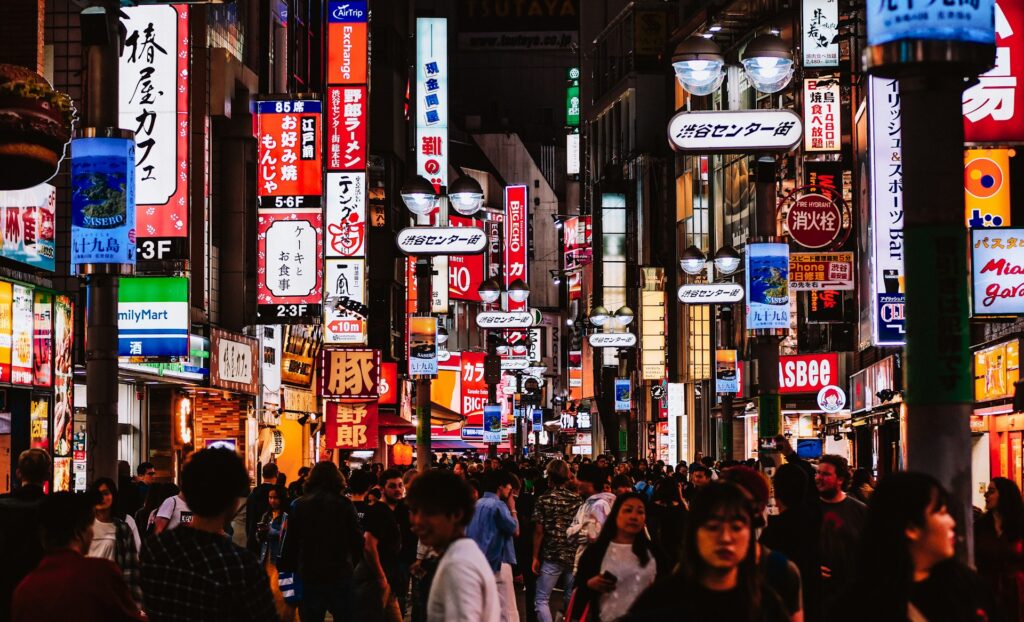
To truly appreciate Kabukicho, it helps to understand its unique background. Before World War II, the area was mostly a quiet residential neighborhood and partly a swamp. After the devastation of the war, a redevelopment plan was proposed to build a traditional Kabuki theater to revitalize the district.
Although the theater was never actually built due to financial issues, the name “Kabukicho” stuck. Instead of traditional arts, the area rapidly evolved into a massive entertainment hub filled with movie theaters, arcades, bars, cabarets, and eventually, a prominent red-light district. Today, it remains Tokyo’s most iconic nightlife center, blending the gritty underground vibe with modern tourist attractions.
Safe & Must-Visit Spots in Kabukicho (Map Overview)
If you are exploring on your own, stick to the main avenues like “Central Road” (Centagai). Here are a few famous and completely safe landmarks you can visit without any worry.
Godzilla Head (Toho Cinemas)
You cannot visit Kabukicho without seeing its most famous resident. Perched high above the Shinjuku Toho Building (a massive cinema and hotel complex built on the former site of the iconic Koma Theater), a life-size Godzilla head watches over the district. Because of this convenience and vibrant nightlife, Shinjuku is frequently ranked as a top choice when deciding where to stay in Tokyo for first-time visitors. It is perfectly safe to walk down the main street to take photos of it. The surrounding plaza is well-lit and constantly heavily populated.
Shinjuku Batting Center
For a dose of retro Tokyo, head to the Shinjuku Batting Center. Located slightly deeper into Kabukicho, this establishment has been open for decades and features classic baseball batting cages. It is a wholesome, completely safe, and inexpensive way to experience the local culture alongside Japanese businessmen letting off steam after work.
Frequently Asked Questions (FAQ)
Is it safe for solo female travelers to walk in Kabukicho?
Yes, walking through the main streets of Kabukicho is generally safe for solo female travelers. The area is heavily illuminated and crowded until the early hours of the morning. While you may be approached by hosts (attractive young men promoting host clubs), a simple “No thank you” or ignoring them completely is enough. They will not physically grab or follow you persistently.
What exactly happens if I follow a tout?
If you follow a tout into a bar, you will almost certainly face a “Bottakuri” (rip-off) scam. You might be told a drink is 500 yen, but when the bill arrives, it will include hidden cover charges, “service fees,” weekend fees, and forced drinks for the staff, totaling hundreds of dollars. The bouncers will use severe intimidation tactics to ensure you pay.
Where is the Kabukicho police box (Koban) located?
There is a prominent police box (Koban) right at the entrance of Kabukicho (near the Don Quijote store) and another one near the Shinjuku Toho Building (Godzilla Head). However, be aware that if you are scammed in a bar, the police often classify it as a “civil dispute” over pricing and may not force the bar to refund you. Prevention is your best defense.
Final Thoughts: Enjoy Shinjuku Wisely
Shinjuku Kabukicho is a thrilling, visually stunning area that every visitor to Tokyo should see at least once. The neon lights, the bustling energy, and the sheer scale of the district are unforgettable. By following one simple rule—never follow a tout into a bar or restaurant—you can eliminate almost all the risks associated with the area.
If you want to dive deeper into the food and drink culture of Shinjuku without the stress of navigating the alleyways or decoding Japanese menus, booking a guided tour is the smartest investment you can make. It allows you to safely experience the real Tokyo nightlife, enjoy fantastic food, and make memories without worrying about hidden costs.
Skip the stress and enjoy the best of Shinjuku safely.
Join a local guide to explore 4 hidden eateries and enjoy 15 authentic dishes in a small, friendly group setting. Guarantee your spot before it sells out.
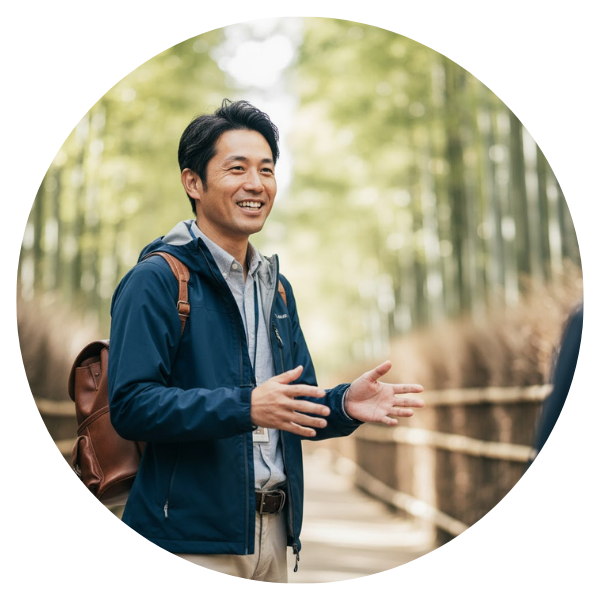
Hi, I’m Kai. I’m a Tokyo-based travel writer, tourism industry insider, and the author of a published guidebook for international visitors to Japan. With over 10 years of professional experience at a leading Japanese tourism company, my mission is to help you skip the tourist traps and navigate Japan’s best destinations like a local. I believe the perfect day trip is like a traditional kaiseki meal: a beautiful balance of precise planning and unforgettable seasonal discovery. When I’m not out conducting field research, you’ll usually find me drafting new itineraries with one of my favorite fountain pens!