
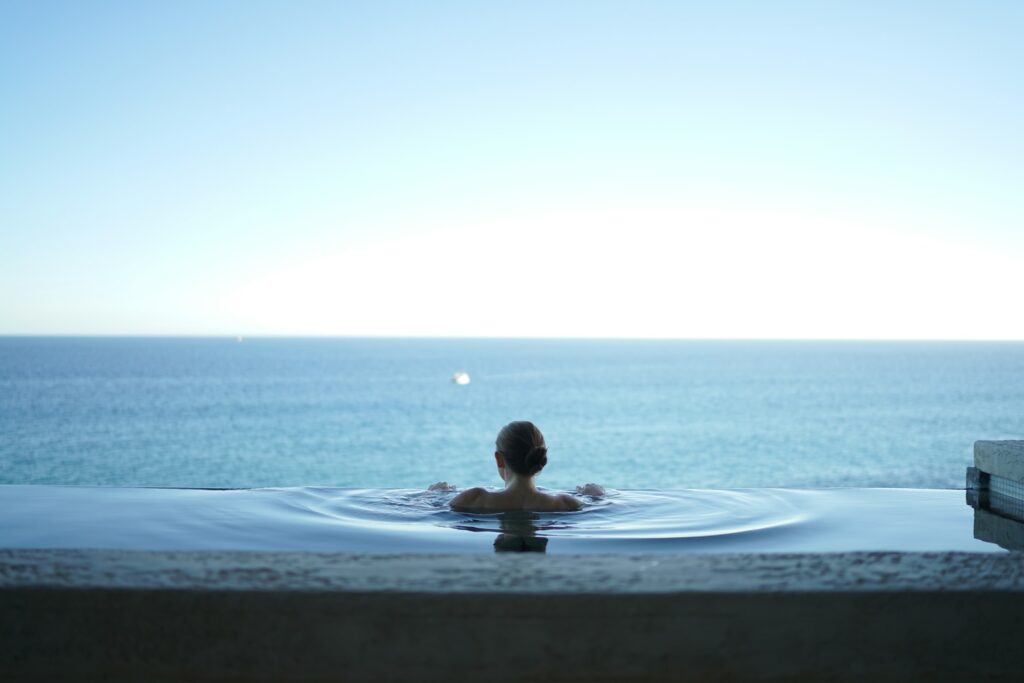
Introduction – Hakone, Tokyo’s classic hot spring escape
Less than two hours from central Tokyo, Hakone is Japan’s classic hot spring escape: misty hills, cedar forests, and steaming outdoor baths with mountain or river views. It sits inside the Fuji-Hakone-Izu National Park, a volcanically active area with numerous hot spring sources and onsen towns scattered around the valley and Lake Ashi.
When people search for “hot springs Hakone”, “onsen Hakone”, “private onsen Hakone” or “ryokan Hakone”, they’re usually hoping for the same things: a relaxing soak, a taste of traditional Japan (yukata, tatami, kaiseki dinner), and – if the budget allows – a private bath just for two.
At One Day Away, we focus on realistic escapes from big cities like Tokyo: day trips you can actually do, and 1–2 night stays that feel special without turning your whole itinerary upside down. By the end of this guide you’ll understand how Hakone’s onsen work, which area suits you best, how to choose a ryokan (with or without private onsen), and whether a day trip or overnight stay is the better fit for your time and budget.
Hakone hot springs at a glance
- Best for first-timers and day trips: Hakone Yumoto / Tonosawa (closest to the Hakone entrance, many day-use baths).
- Best for couples and design lovers: Gora / Kowakudani (hillside views, museums, refined ryokan, lots of private onsen rooms).
- Best for nature and quiet: Sengokuhara and the Owakudani area (pampas fields, volcanic scenery, boutique inns).
- Best for views: Lake Ashi / Moto-Hakone (lakeside resorts, Mt Fuji on clear days, sightseeing boats).
- Classic experience: one night at a ryokan with shared onsen and dinner/breakfast included.
- Easiest for shy bathers, couples and tattoos: private onsen (in-room tubs or reservable kashikiri baths).
Hakone hot springs 101: onsen basics for first-timers
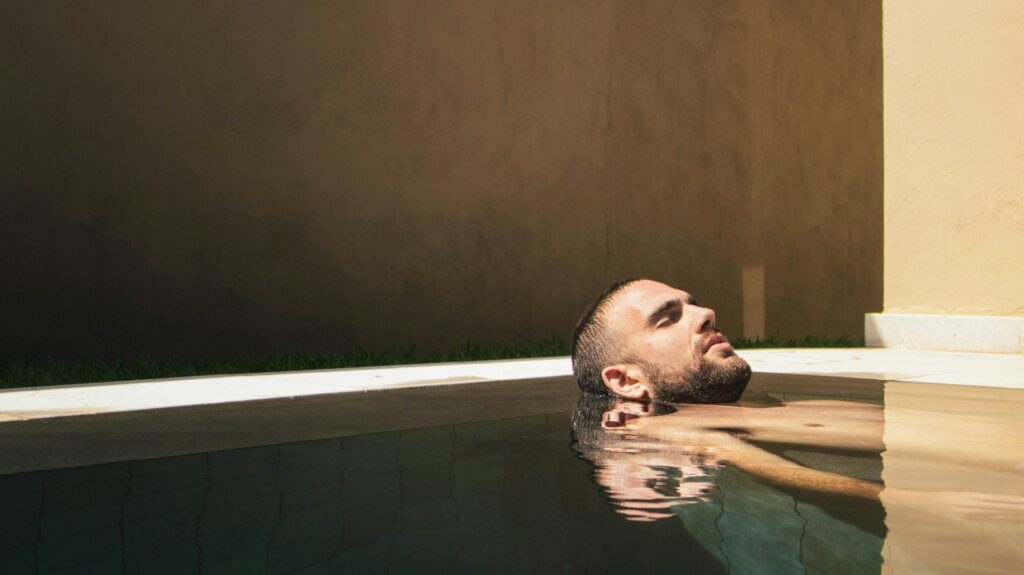
What is an onsen and why is Hakone famous for them?
An onsen is a bath fed by natural hot spring water, heated by underground volcanic activity. In Japan, the word doesn’t just mean “hot tub” – it usually implies mineral-rich spring water that meets certain temperature and mineral-content criteria, rather than regular tap water heated in a bath.
Hakone sits on an active volcanic caldera, so there are multiple spring sources with different water types: clear alkaline water that’s gentle on the skin, milky white sulfur springs near Owakudani, and other mineral mixes said to help with muscle fatigue and circulation. These springs feed a patchwork of more than a dozen hot spring areas – riverside baths near Hakone-Yumoto, forest baths in Sengokuhara, hillside rotenburo (open-air baths) around Gora, and lakeside baths on the shores of Lake Ashi.
When you stay at a Hakone ryokan, the onsen water is usually piped into large communal baths and sometimes into private in-room tubs or family baths, so you can experience the same hot spring in very different ways.
Onsen etiquette and what to expect
Onsen etiquette looks scary from the outside, but it’s very logical once you know the flow. Here’s what to expect in a typical Hakone onsen, whether it’s a public bathhouse, a hot spring resort, or the shared baths at your ryokan:
- Changing room
- Take off your shoes at the entrance if asked.
- In the locker room, undress completely and store your clothes and large towel.
- You usually take only a small towel and toiletries into the bathing area.
- Most places provide baskets or lockers; bring small change for coin lockers if you want to lock valuables.
- Washing before you soak
- Sit on a little stool at the shower stations along the wall.
- Wash your whole body and hair thoroughly with soap and shampoo.
- Rinse off all soap – don’t let suds end up in the main bath.
- If there’s a line for the shower, keep your washing routine efficient so others don’t have to wait too long.
- In the bath
- Enter the bath slowly; the water is hot.
- Keep your small towel out of the water (fold it on your head or leave it at the side).
- Tie up long hair so it doesn’t go in the water.
- Move quietly and don’t splash; onsen are for relaxing, not swimming.
- Most places don’t allow photography in bathing areas.
- Nudity, gender separation and swimsuits
- Most traditional onsen are gender-separated and fully nude. Swimsuits and big cover-ups are generally not allowed in the communal baths.
- Some hot spring theme parks, like swimsuit-OK areas attached to large resorts, are exceptions – here swimwear is required.
- If nudity makes you anxious, look for private onsen options – either in-room baths or reservable private rooms – where you’ll have the space to relax as a couple or family.
- Tattoos
- Some public onsen in Japan still restrict visible tattoos, especially in shared baths. In Hakone, attitudes are slowly softening, but you cannot assume tattoos are accepted everywhere.
- Easiest options: book a ryokan with in-room onsen, a kashikiri (chartered) private bath, or a facility specifically listed as tattoo-friendly. Many private baths are fine as long as you’re not in the communal area, but always check each property’s rules.
If you remember just three rules – wash first, no swimsuits in traditional shared baths, and no towels in the water – you’ll already be ahead of most first-timers.
Hakone onsen areas: where to soak and stay
Hakone Yumoto & Tonosawa – gateway town, day-use onsen and classic ryokan
Hakone-Yumoto is the main gateway town: the first big stop after Odawara and the terminus of the Hakone Tozan Railway. It’s the largest and one of the oldest hot spring areas in Hakone, with streets of shops, casual food, and a dense cluster of ryokan and day-use baths within walking distance of the station.
This is the most convenient base for a Hakone onsen day trip from Tokyo, since you spend minimal time on buses and cable cars. Many inns in Hakone Yumoto and neighbouring Tonosawa offer day-use plans, rooftop baths, or simple public baths you can visit for a couple of hours. The trade-off: it’s busy and feels more like a small town than a remote mountain escape. If you want to squeeze in shopping and a soak on the same day, though, Hakone Yumoto is ideal.
Gora & Kowakudani – hillside retreats, museums and upscale ryokan
Gora sits higher up the slopes, reached by the scenic Hakone Tozan Railway from Hakone-Yumoto. From Gora, the cable car continues further up to Sounzan, which makes the whole area feel like a resort town in the hills. Gora is known for art museums and gardens (including the Hakone Open-Air Museum), plus a lot of stylish mid-range and luxury ryokan – many advertising private open-air tubs on balconies.
Kowakudani, a stop or two away along the line, has a quieter residential feel and easy access to the hot spring theme park Hakone Kowakien Yunessun and its more traditional Mori no Yu baths. Pros: romantic views, refined ryokan, easy access to museums and ropeways, and some of the best onsen in Hakone for couples who want a special night with in-room private onsen. Cons: more transfers to get there and generally higher prices than Hakone Yumoto.
Sengokuhara & Owakudani area – nature, pampas fields and quieter stays
Sengokuhara lies in the northern part of the caldera, surrounded by open landscapes, forests and golf courses rather than a dense town. It’s famous for its pampas grass fields in autumn and has several boutique ryokan and hotels, some with all-room private onsen and a strong focus on food.
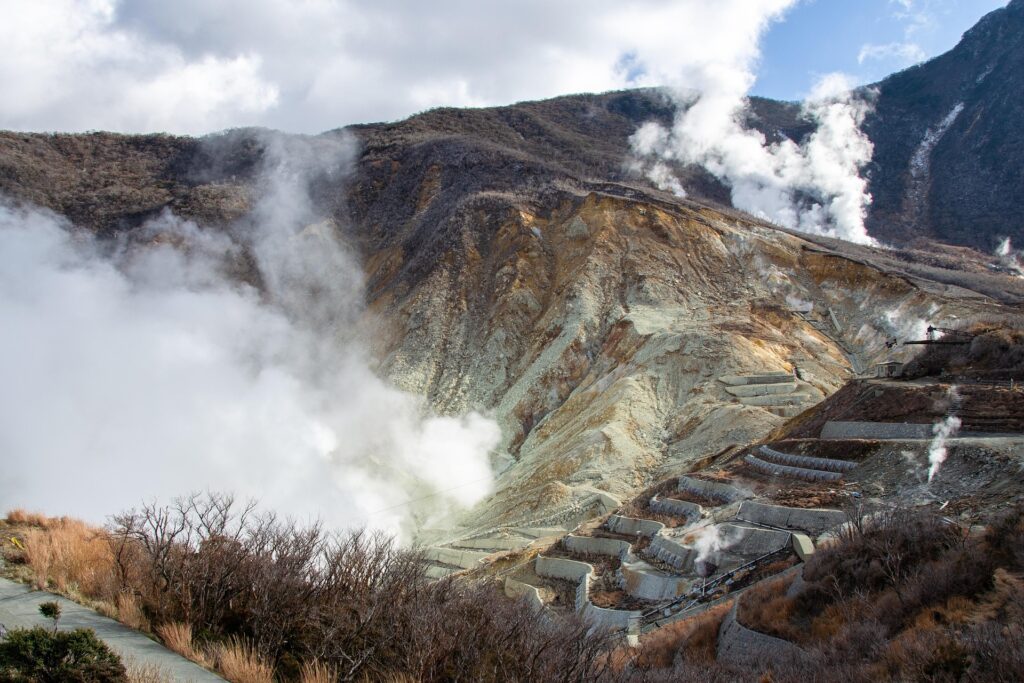
Nearby Owakudani is a dramatic volcanic valley with steaming vents and ropeway views over the crater and Lake Ashi. This area suits travellers who don’t mind using buses, love nature and views, and prefer a quieter base over nightlife or shopping.
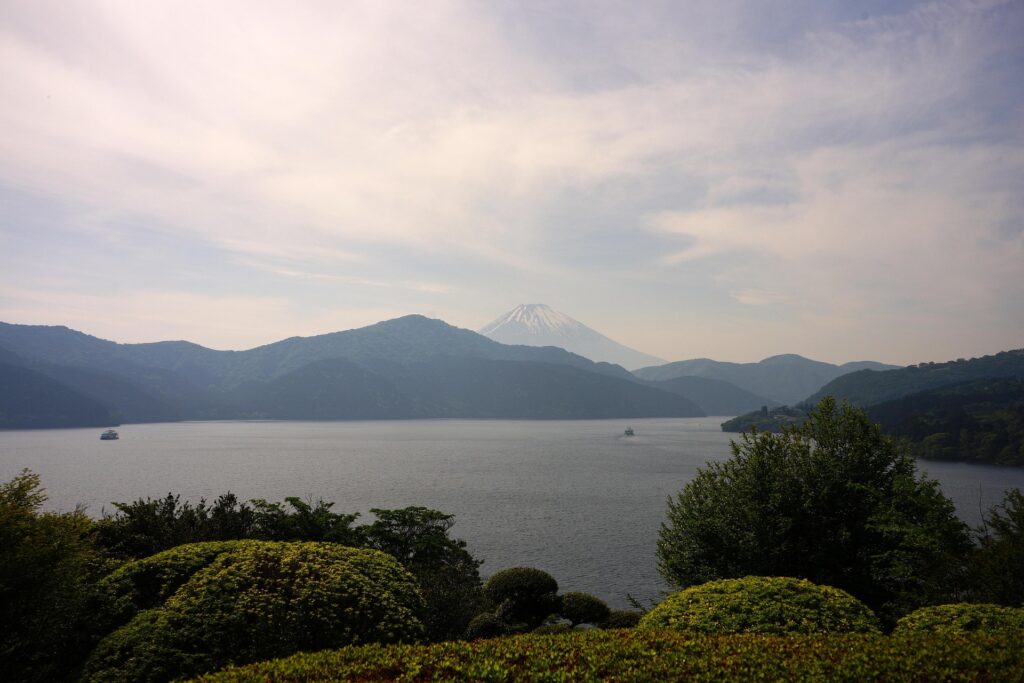
Lake Ashi / Moto-Hakone – lakeside views and Mt Fuji on clear days
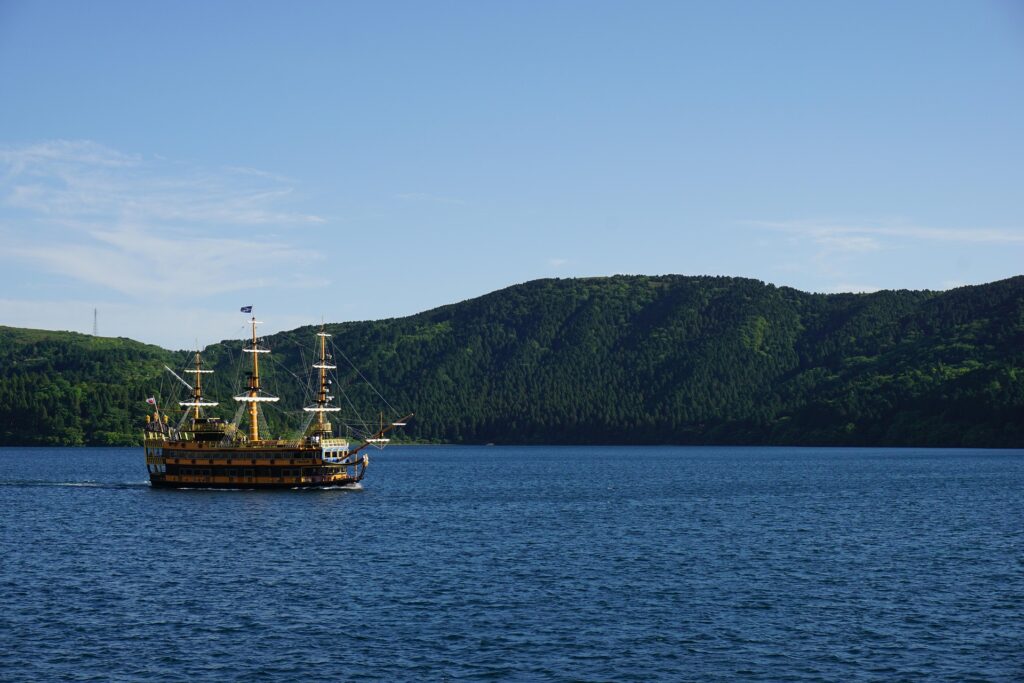
Around the shores of Lake Ashi (Ashinoko) you’ll find lakeside hotels and ryokan, some with outdoor baths looking over the water and – when the weather cooperates – Mt Fuji in the distance. Sightseeing boats, the famous red torii gate of Hakone Shrine, and sections of the old Tokaido road all cluster around Moto-Hakone and Hakone-machi.
Staying at a Lake Ashi hot spring hotel gives you that “resort” feel: views, fresh air, and easy access to cruises and ropeways. The compromise is slightly longer access from Hakone-Yumoto and fewer late-night dining options, so it’s best for a one- or two-night stay rather than a rushed day trip.
Classic and historic onsen villages (Miyanoshita, etc.)
In between the big hubs are smaller historic onsen clusters such as Miyanoshita, Sokokura and others along the Hakone Tozan line. These areas are home to venerable ryokan and hotels, sometimes with Meiji-era architecture, classic lounges and nostalgic atmosphere.
Choose these if you care more about history and character than convenience, and you don’t mind a short walk or shuttle from the station. They can be magical for couples who like old-world charm and quiet evenings.
Day trip vs overnight: choosing your Hakone onsen plan
Hakone onsen as a day trip from Tokyo
Hakone is one of the most popular onsen day trips from Tokyo because it’s so close yet feels completely different. From Shinjuku, the Odakyu Romancecar limited express connects you to Hakone-Yumoto in around 80–90 minutes, depending on the train. From Tokyo Station, you can take a shinkansen or JR Tokaido Line train to Odawara, then transfer to the Hakone Tozan line for another 15 minutes.
A realistic Hakone onsen day trip from Tokyo looks like this:
- Morning: depart around 8:00–9:00.
- Late morning to early afternoon: 2–3 hours at a day-use onsen near Hakone-Yumoto or Gora (with an optional private bath slot), plus lunch.
- Afternoon: one highlight sight – perhaps a ropeway ride to Owakudani, a short Lake Ashi cruise, or a quick museum visit.
- Evening: return to Tokyo by roughly 19:00–21:00.
Trying to “do the whole Hakone loop” plus a long soak in one day can leave you stressed and exhausted on the train home. Pick one great bath and one great view instead.
When an overnight ryokan stay makes more sense
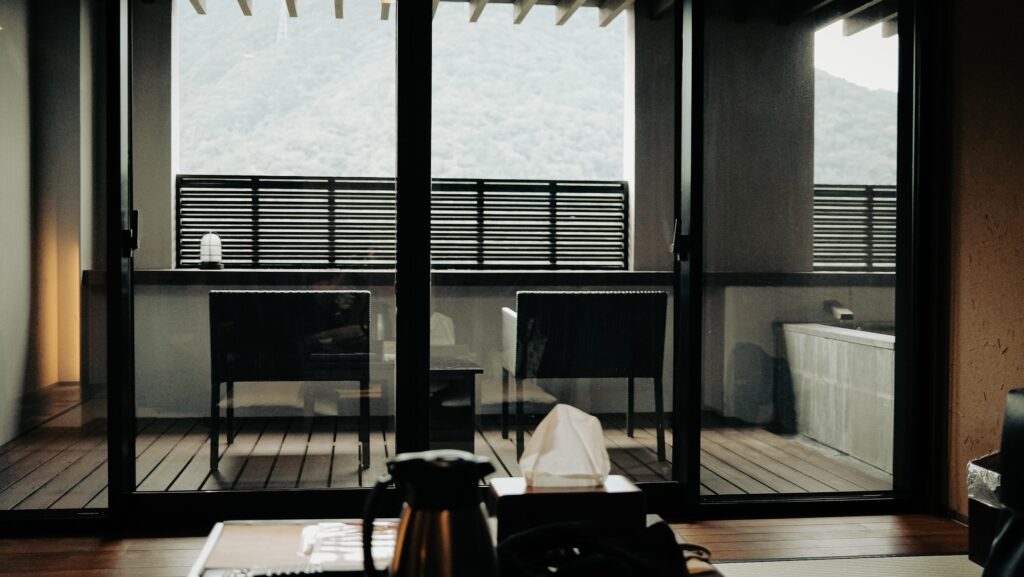
If you can spare the time and budget, at least one night at a Hakone ryokan is a highlight of many Japan trips. A typical ryokan stay includes a tatami room, yukata robes, a multi-course kaiseki dinner and breakfast, and access to the onsen baths morning and night.
Staying overnight removes the rush: you can arrive mid-afternoon, soak before dinner, linger over your meal, then slip back into the baths under the stars. The next morning you can enjoy another soak and a relaxed checkout before heading to sightseeing or back to Tokyo. This is especially appealing if you book a Hakone ryokan with private onsen in your room – ideal for couples, honeymooners, or anyone who wants a “once in a trip” splurge.
The trade-off is cost. A simple ryokan with shared baths might cost from around 12,000–20,000 yen per person including dinner and breakfast, while mid-range stays with nicer meals and views often run 20,000–35,000 yen. Rooms with in-room private onsen or high-end luxury properties can go from around 40,000 yen per person up into true splurge territory depending on season.
Types of Hakone hot spring experiences
Day-use public bathhouses and hot spring resorts
Day-use onsen are perfect for a Hakone onsen day trip from Tokyo or for travellers who prefer to sleep in a regular hotel but still want a long soak. Near Hakone-Yumoto, you’ll find small public bathhouses, hotel baths that welcome daytime visitors, and larger hot spring complexes.
Entry fees for day-use baths typically fall somewhere around 500–2,000 yen per adult, depending on how fancy the facility is; towels may be rented or sold separately. Many places allow a couple of hours of bathing; some hot spring resorts give you a longer time window and add lounges, restaurants, and relaxation spaces. Larger theme-park-style facilities with slides and special pools can cost more, especially on weekends and holidays.
Examples include:
- A countryside-style resort near Hakone-Yumoto with a big communal bath, forest views and many private outdoor rooms (Hakone Yuryo, very popular with day trippers).
- Hakone Kowakien Yunessun, a “hot spring theme park” with water slides, novelty baths like wine or coffee, and a swimsuit area that’s ideal for families and shy bathers, plus a more traditional bath area next door.
Staying at a ryokan with shared onsen baths
A ryokan is a traditional Japanese inn: tatami floors, futon or low beds, sliding doors and usually kaiseki meals served in-room or in a dining area. Most Hakone ryokan have large shared baths, often with both indoor pools and outdoor rotenburo, separated by gender and open at set hours morning and night.
Using the communal onsen at your ryokan is the “classic Hakone” experience: you slip into your yukata, shuffle to the bath area in slippers, wash at the showers, soak, then wander back for dinner or a nap. It’s surprisingly relaxing even if you’re initially nervous about nudity – the atmosphere is calm, everyone is doing the same thing, and people tend not to stare.
Private onsen options in Hakone (rooms and reservable baths)
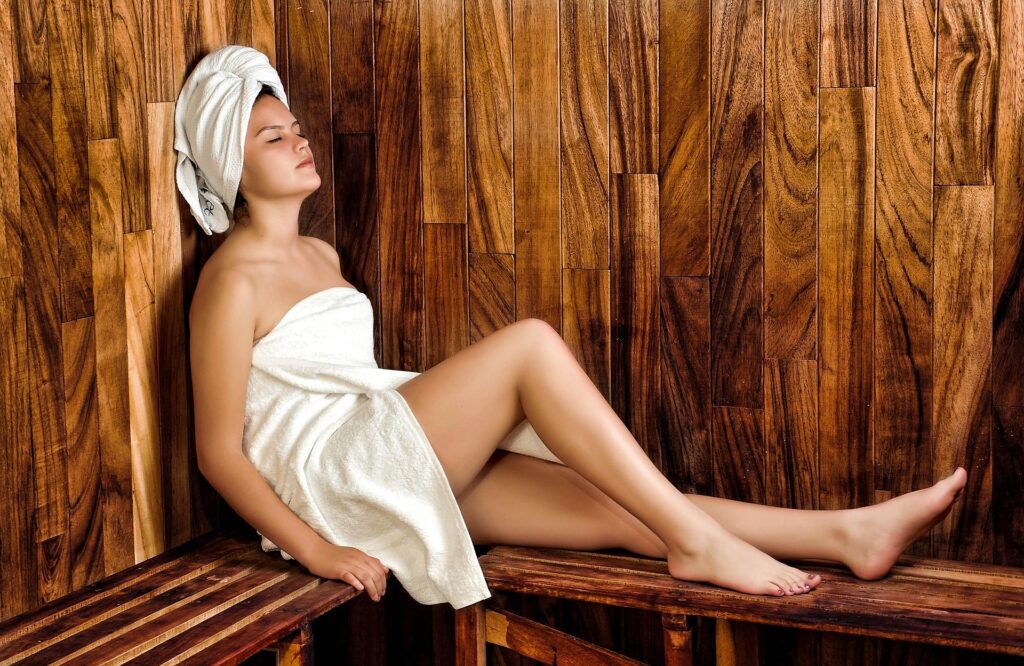
If you prefer more privacy, there are three main “private onsen Hakone” options:
- In-room or in-suite private onsen
Your room has its own hot spring-fed tub, sometimes indoors, sometimes semi-open-air on the balcony with views of forest, river or lake. This is the most convenient and romantic option – you can bathe whenever you like. - Reservable kashikiri baths (private family baths)
Many ryokan and some day-use facilities offer kashikiri or kazoku-buro: private rooms with a tub that you can book for a fixed slot, usually around 45–90 minutes (sometimes up to 120). There’s often an extra fee per room, not per person. - Day-use private onsen rooms
Some hot spring resorts and inns sell packages where you get a private room and bath for a few hours, sometimes with lunch included – ideal if you’re not staying overnight but still want that “just us” feeling.
Private onsen are particularly good for couples, families with kids, mixed-gender groups, or anyone with tattoos or body image worries.
How to choose the right Hakone ryokan (with or without private onsen)
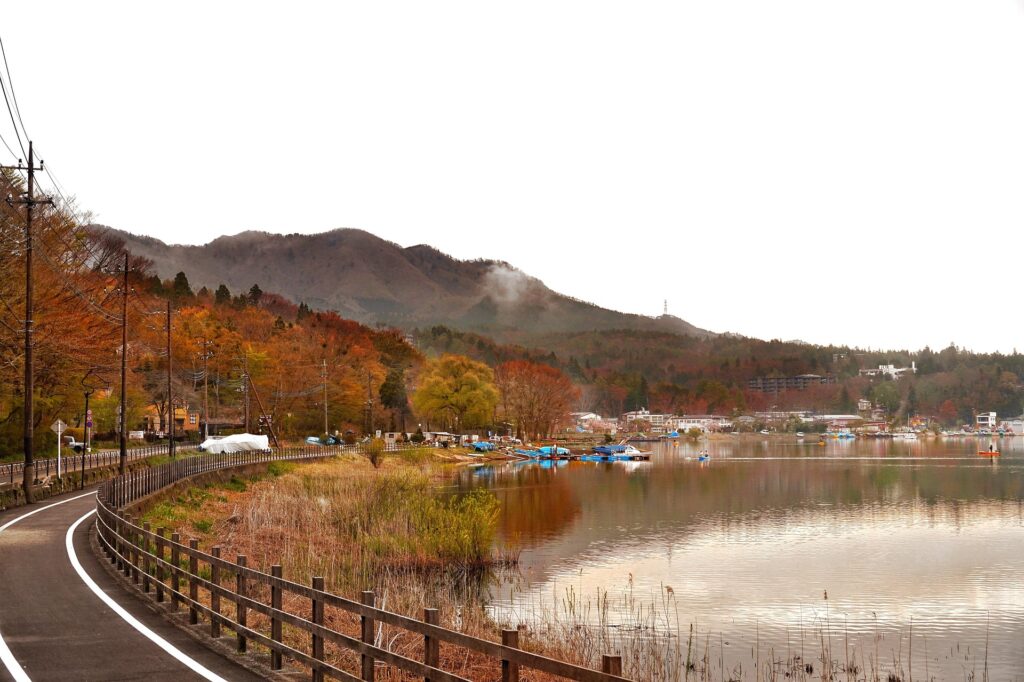
Decide your area and access first
Start with the map, not the room photos. Your choice of area affects how much time you spend on buses and how rushed your stay feels:
- Short trip, Hakone onsen day trip from Tokyo, or “easy mode”:
Base in Hakone Yumoto / Tonosawa. You’ll be close to the station, shops, and plenty of onsen options. - Art museums, hillside views and romantic ryokan:
Choose Gora / Kowakudani. Plan for transfers on the Hakone Tozan Railway and cable car, but you’ll be well-placed for the Open-Air Museum and ropeway. - Nature, quiet and boutique inns:
Look at Sengokuhara, the Owakudani surroundings, or Lake Ashi / Moto-Hakone. Check bus routes and last-bus times carefully so you’re not stranded after dinner.
Set your budget and know what affects the price
Japanese ryokan rates are usually listed “per person, including dinner and breakfast” based on two people sharing a room. Roughly speaking in Hakone:
- Budget / simple ryokan or hotel with shared baths: from about 10,000–18,000 yen per person with meals, cheaper if you skip dinner.
- Mid-range ryokan with good meals and pleasant baths: around 18,000–30,000 yen per person.
- Splurge stays and Hakone ryokan with private onsen in-room: often 30,000–60,000 yen per person, with top-end suites going well above that in peak seasons.
Prices rise for:
- Private onsen facilities or all-rooms-with-onsen concepts.
- Weekends, public holidays, and top seasons like autumn foliage, New Year, and cherry blossom.
- Rooms with guaranteed views (river, forest, lake, Fuji).
Comparing onsen setups: shared vs private, indoor vs open-air
When browsing booking sites, scan the details section carefully. Look for:
- Is there an in-room bath fed by hot spring water, or just a regular unit bath?
- Are there outdoor rotenburo as well as indoor baths? Many people find the open-air baths more special.
- Are there reservable kashikiri or family baths, and are they extra?
- What are the opening hours for the communal baths, and is there a time when they switch men/women so you can try both sides?
- Do they cap the number of guests in private baths or require advance reservations?
Meals, room style and who each ryokan suits
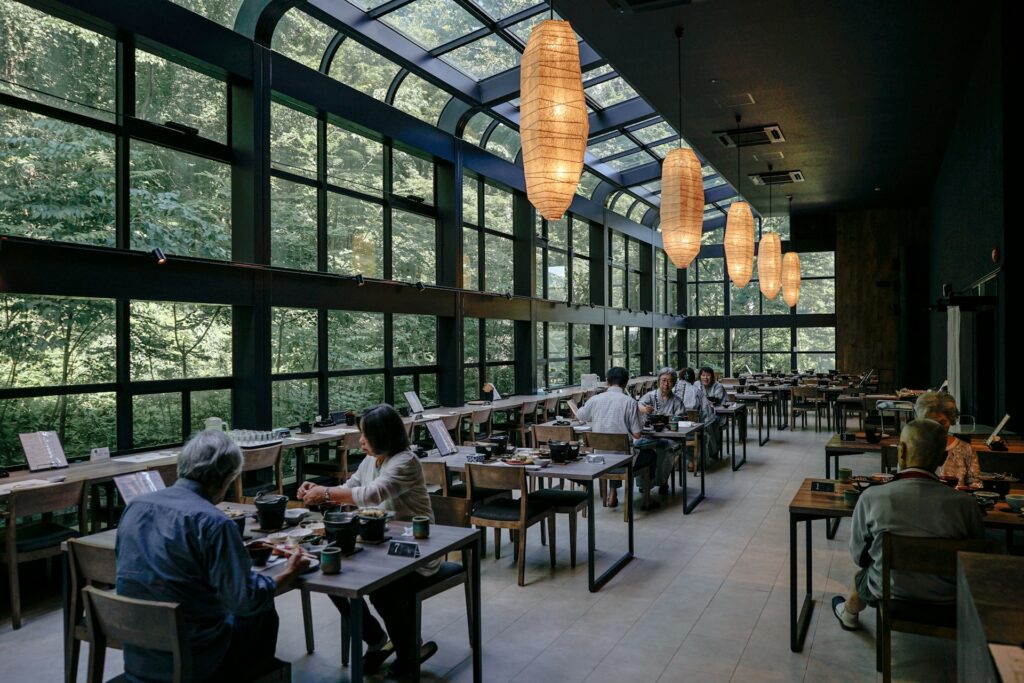
A big part of the value at a Hakone ryokan is the food. Kaiseki dinners showcase seasonal fish, vegetables and local specialties, and breakfast is often a generous Japanese set.
Decide what you prefer:
- Room style: traditional tatami with futon vs Western beds or hybrid rooms.
- Décor: ultra-modern and minimalist vs classic and nostalgic.
- Families: check whether children are allowed in the property or certain room types, whether they offer kids’ meals, and if there are private bathing options if you don’t want to take little ones into a quiet shared bath.
Most dinner-inclusive plans expect you to check in by around 17:00–18:00; arriving much later can mean you miss dinner or feel rushed.
H3 Tattoo-friendly and language-friendly stays
For many travellers the ideal combo is: tattoo-friendly onsen Hakone plus English-friendly staff. Private onsen are the easiest solution – many properties with in-room or kashikiri baths simply don’t worry about tattoos in private spaces.
Look for:
- A clear tattoo policy on the official website or booking page.
- Mentions of private bathing allowed, or tattoo-friendly in filters and reviews.
- Some staff speaking basic English or multilingual signage, especially if it’s your first onsen experience.
Sample Hakone onsen itineraries from Tokyo
1-day Hakone hot spring escape from Tokyo
This is a low-stress Hakone onsen day trip from Tokyo that focuses on “one great soak + one great sight”:
- 08:30–10:00 – Tokyo/Shinjuku to Hakone-Yumoto (Romancecar, or JR to Odawara then Hakone Tozan line).
- 10:30–13:00 – Day-use onsen near Hakone-Yumoto or Gora. If you want a private onsen, pre-book a 60–120 minute slot at a day spa near Yumoto or a hotel offering private family baths. Have lunch at the facility or near the station.
- 13:30–16:30 – Choose one main highlight:
- Ropeway to Owakudani and back, with a short walk and volcanic views.
- Lake Ashi cruise plus shrine visit.
- Hakone Open-Air Museum near Gora.
- 17:00–19:00 – Head back to Tokyo before it gets too late.
Keep an eye on weather; if the ropeway or boats are stopped due to wind or storms, pivot to museums, indoor attractions, or shops instead.
1-night Hakone ryokan stay with private onsen
For a “best onsen in Hakone for couples” style trip, build in one slow night with a private bath:
Day 1
- Late morning: depart Tokyo and arrive in Gora, Sengokuhara or Hakone-Yumoto by early afternoon.
- Mid-afternoon: check in, have welcome tea, and take your first soak – either in your in-room private onsen or the shared baths.
- Evening: kaiseki dinner at the ryokan, followed by another quiet soak under the night sky.
Day 2
- Morning: wake up early for a peaceful bath, then enjoy a long breakfast.
- Late morning–afternoon: check out, store luggage at the ryokan or station, and fit in one or two sights (Lake Ashi cruise, shrine, Open-Air Museum, or a short ropeway ride).
- Late afternoon / early evening: return to Tokyo.
Practical tips for a smooth Hakone onsen visit
Getting there and getting around (passes, trains, and buses)
Key routes from Tokyo:
- From Shinjuku: Odakyu Line to Hakone-Yumoto, with the limited express Romancecar offering reserved seats and direct service.
- From Tokyo Station or Shinagawa: JR Tokaido Line or shinkansen to Odawara, then transfer to the Hakone Tozan train to Hakone-Yumoto.
Once in Hakone, the Hakone Freepass can be very handy. It includes unlimited rides on eight local transport modes – the Hakone Tozan Railway, cable car, ropeway, Lake Ashi sightseeing cruise, and specified buses – plus discounts at many attractions and some onsen. As a rough guide, a two-day adult pass is usually in the several-thousand-yen range depending on where you start; always check the latest price and coverage before you go.
Common pitfalls to avoid:
- Trying to ride every bus, boat and ropeway in one day instead of picking a few highlights.
- Booking a ryokan far from a station without noticing that the last bus is early.
- Forgetting that some mountain routes and ropeways can close in bad weather.
If you’re travelling with luggage, consider using coin lockers at Odawara/Hakone-Yumoto or luggage transfer services offered by some rail companies and hotels so you’re not dragging suitcases onto small mountain trains.
Booking onsen and private baths
- Day-use onsen: many public baths let you just walk in, but the most popular day-use resorts and private rooms often need advance reservations, especially on weekends and holidays.
- Ryokan private baths: some properties let you reserve kashikiri baths at check-in; others ask you to book a slot in advance or choose a room with in-room onsen.
- Always check: length of the time slot (commonly 45–120 minutes), whether the fee is per bath or per person, and maximum group size.
What to pack and seasonal considerations
You don’t need much to enjoy onsen in Hakone:
- Small towel and hair tie (if you don’t want to buy or rent towels).
- Minimal toiletries (most ryokan and day-use onsen provide soap, shampoo and often conditioner and basic skincare).
- A light bag or pouch for your phone and valuables when moving between locker, bath and lounge.
Seasonal notes:
- Autumn: fantastic foliage, especially around Sengokuhara and the hills, but timing varies by elevation and it’s a very popular season – book early.
- Winter: crisp air and even occasional snow make open-air rotenburo magical; bring warm layers for moving between indoor and outdoor areas.
- Summer: lush greenery but also humidity and potential thunderstorms/typhoons that can affect ropeways and boats.
- Golden Week, Obon and New Year are extremely busy; expect higher prices and book ryokan and private onsen well in advance.
Quick FAQs and troubleshooting
Travelling to Hakone with onsen questions is normal, so let’s tackle the most common worries around tattoos, mixed-gender bathing, kids, weather issues, and what to do if the bath feels too hot.
Is Hakone worth visiting just for a day trip onsen from Tokyo?
Yes – as long as you keep expectations realistic. With a simple loop between Tokyo and Hakone-Yumoto, 2–3 hours in a day-use onsen, and one highlight sight, you can have a genuinely relaxing day trip. Just don’t try to ride every ropeway and boat; that’s what leads to stress.
H3 How do I choose between Hakone Yumoto, Gora and Lake Ashi for hot springs?
Hakone Yumoto is best for convenience and day trips, with many Hakone day-use onsen options close to the station. Gora offers hillside views, museums, and many ryokan with private onsen – great for couples and design lovers. Lake Ashi is for resort vibes and views, better suited to overnight stays than fast in-and-out trips.
How much does a night at a Hakone ryokan with private onsen cost?
Expect a wide range. Simple ryokan with shared baths might start around 10,000–18,000 yen per person including dinner and breakfast, but Hakone ryokan with private onsen in-room often run 30,000–60,000 yen per person or more in busy seasons. Ultra-luxury properties can go much higher.
Can people with tattoos use onsen in Hakone, and do I need a private bath?
You can absolutely enjoy hot springs in Hakone with tattoos – you just need to choose your spots. Some public baths still restrict tattoos, but many hotels and ryokan are becoming more flexible, especially when private baths are involved. The simplest route is booking a room with private onsen or a tattoo-friendly onsen that clearly states its policy, and checking rules in advance.
What is the difference between a Hakone ryokan and a regular hotel?
A ryokan is all about the experience: tatami rooms, futon or low beds, yukata robes, set meal times, and onsen baths that you’re encouraged to use morning and night. A regular hotel in Hakone might still have onsen, but the atmosphere is more international and less ritual-based, and meals are often optional instead of bundled into the rate.
Do I have to be naked in a private onsen in Hakone, or can I wear a swimsuit?
In a truly private bath (your own room’s onsen or a fully private family bath), what you wear is largely between you and the property – many couples quietly choose minimal swimwear or wrap towels at first. However, some inns request that guests follow standard onsen etiquette even in private baths, so always check house rules. In any shared or traditional onsen area, swimsuits are usually not allowed.
Is Hakone onsen suitable for children and families?
Yes, but choose family-friendly options. Swimwear-OK facilities like Hakone Kowakien Yunessun are designed for kids, with slides and fun themed baths. Many ryokan accept children and some offer private family baths or in-room tubs so you don’t have to bring toddlers into a quiet communal bath. Always check age rules for public baths in advance.
Do I need to book Hakone onsen and private baths in advance, or can I just turn up?
For small public baths, turning up is usually fine. For day-use resorts, weekends, peak seasons, and especially private onsen rooms, advance booking is strongly recommended as popular time slots (late afternoon, early evening) sell out. For ryokan, reserve private bath slots as soon as you book your stay or at check-in.
If you ever feel dizzy or too hot in any bath, step out slowly, sit on the edge, drink water, and cool down; shorter soaks are better than pushing through discomfort.
Wrap-up and next steps with One Day Away
Hakone offers almost every version of the Japanese hot spring dream: simple day-use baths a short walk from the station, quirky hot spring theme parks for families, classic ryokan with serene shared rotenburo, and luxury suites with private rooftop onsen for couples. Whether you’re planning a quick Hakone onsen day trip from Tokyo or a treat-yourself overnight stay, you now have the tools to choose the right area, ryokan, and type of bath for your style and budget.
From here, you can dive deeper into One Day Away’s Hakone content – detailed Hakone day trip itinerary options, ideas for a two-day Hakone escape, and our hand-picked list of Hakone ryokan with private onsen. You can also grab our downloadable Hakone mini-guide with packing checklist, basic onsen phrases, and a booking checklist so you can spend less time stressing over details and more time actually soaking.
TIP: read my full guide to a Day Trips from Tokyo!