
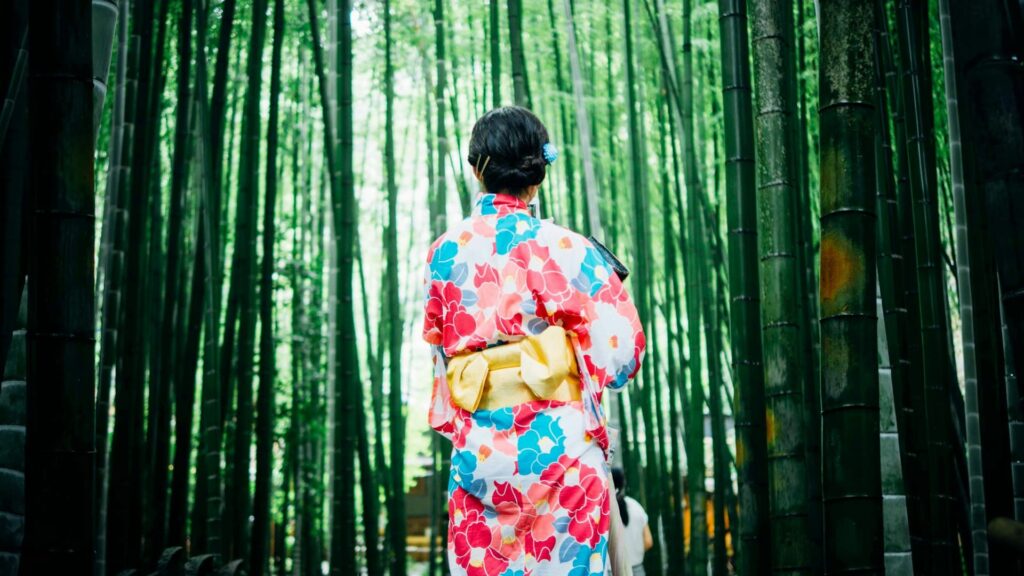
If you are searching for Hokokuji bamboo forest tickets, the key thing to know is simple: there is no online booking, and you buy your ticket at the entrance on the day of your visit. Adult admission is 400 yen, and the optional matcha tea experience is 600 yen extra.
For most visitors, the easiest plan is to decide before entering whether you want matcha. If you do, bring enough cash for both the garden entry and the tea experience so you can buy everything at once and enter without backtracking.
Quick Answer: Hokokuji Bamboo Forest Tickets
- Online booking: Not available
- How to buy: Purchase your ticket at the entrance on the day of your visit
- Admission fee: 400 JPY for adults, 200 JPY for children
- Matcha ticket: 600 JPY extra
- Best payment plan: Bring 1,000 JPY in cash per adult if you want both entry and matcha
- Important: Decide on matcha before you enter so your visit goes smoothly
How to Buy Hokokuji Bamboo Forest Tickets
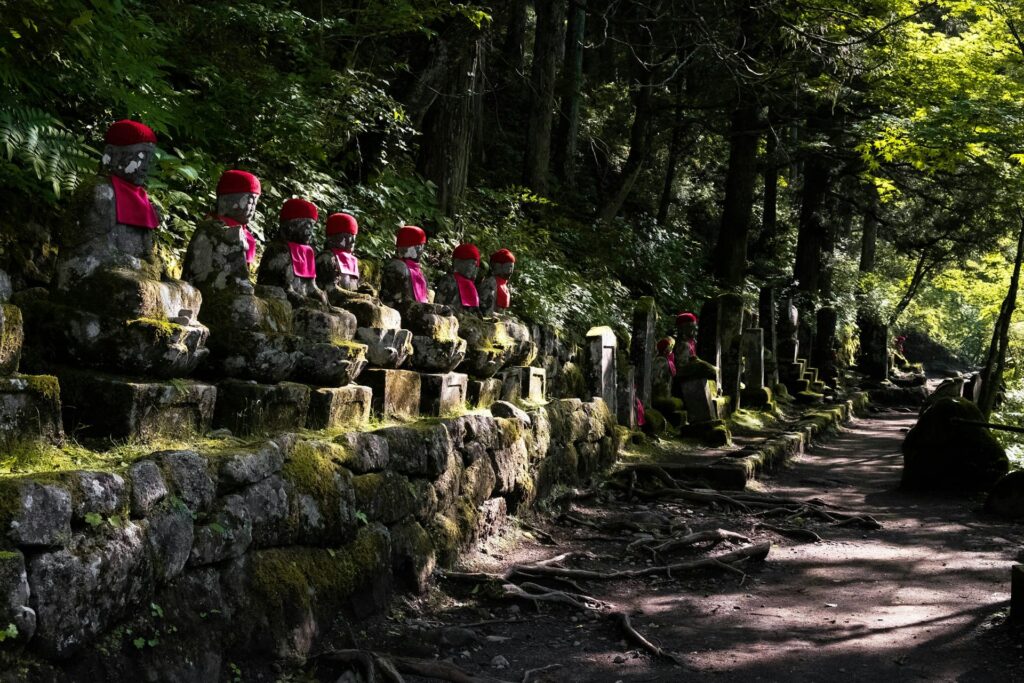
Hokokuji Temple uses a simple same-day entry system. You do not reserve a time slot online, and you do not need to print anything in advance. When you arrive, go to the admission area, pay the entrance fee, and then enter the temple grounds.
This is one of the most important differences between Hokokuji and larger attractions in Tokyo. The process is easy, but it is also old-fashioned. That means you should arrive prepared and make your ticket choice before you reach the gate.
1. Buy Your Ticket at the Entrance
All visitors purchase admission in person on the day of their visit. For most travelers, this is straightforward, but it also means there is no way to secure a ticket online ahead of time. If Hokokuji is a must-see stop on your Kamakura day trip, it is smart to visit earlier in the day rather than leave it until late afternoon.
2. Bring Cash for a Smooth Visit
To keep things simple, bring Japanese yen with you before you arrive. A practical amount is 1,000 JPY per adult, which covers both the standard entry fee and the optional matcha tea experience.
If you only want to walk through the bamboo grove, the regular admission fee is enough. But if you think you may want the full experience, it is better to prepare for both before you reach the gate.
3. Decide on Matcha Before Entering
The matcha tea experience is one of the main reasons people visit Hokokuji. Sitting down for tea beside the bamboo grove adds a calmer, more memorable finish to the visit than simply walking through the garden and leaving.
Because of that, it is best to decide at the entrance whether you want matcha and buy the ticket at the same time as your admission. Waiting until later can make the visit less convenient.
Should You Buy the Matcha Ticket?
The answer depends on what kind of visit you want.
- Buy the matcha ticket if: You want the classic Hokokuji experience, plan to take your time, or want a quieter break after walking through the grove.
- Skip the matcha ticket if: You are short on time, mainly want photos of the bamboo path, or are visiting several temples in one day.
For many first-time visitors, the extra 600 yen is worth it. The bamboo grove itself is beautiful, but the tea stop is what makes the visit feel distinctive rather than just quick sightseeing.
Hours, Last Matcha Order, and Best Time to Visit
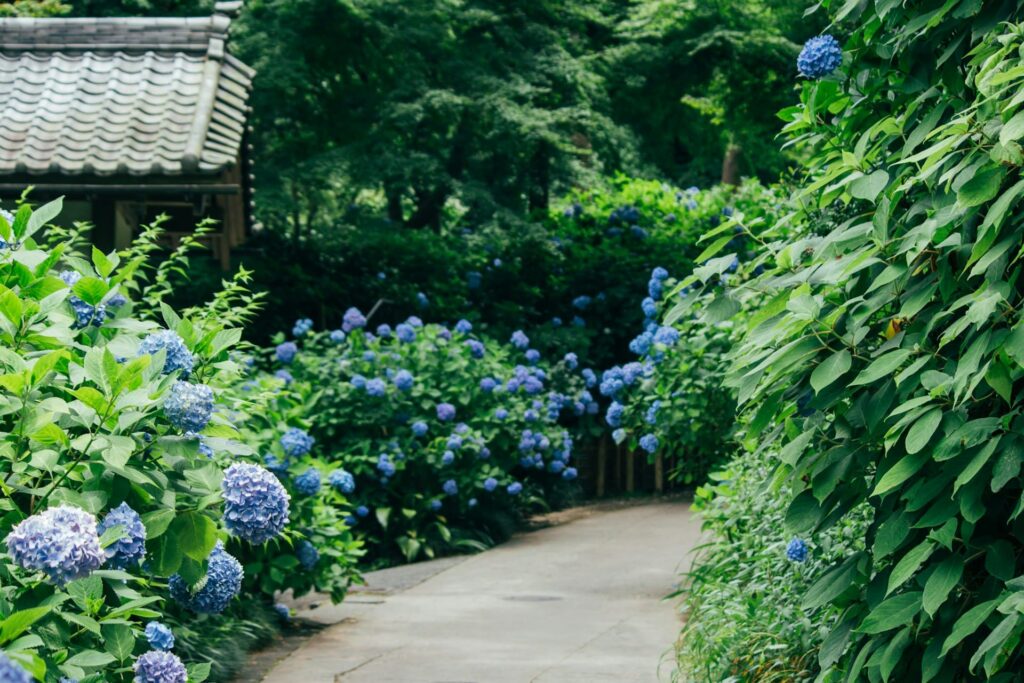
Hokokuji is generally open from 9:00 AM to 4:00 PM. If you want matcha, do not leave your visit too late in the day, because the tea service typically stops accepting orders around 3:30 PM.
If your main goal is the full bamboo-and-tea experience, morning is usually the safest time to go. You will have more flexibility, and you are less likely to feel rushed about entry, tea timing, and transport back to the station.
How to Get to Hokokuji from Kamakura Station
Hokokuji is not next to Kamakura Station, so most visitors use a local bus. From Kamakura Station East Exit, go to the bus area and take a bus toward Jomyoji. After getting off, the temple is only a short walk away.
This is worth planning in advance because Hokokuji is less convenient than western Kamakura spots such as Hase-dera. If you are trying to visit both sides of Kamakura in one day, travel time and transfers matter almost as much as the ticket price itself.
Hokokuji vs. Hase-dera: Which One Is Easier to Visit?
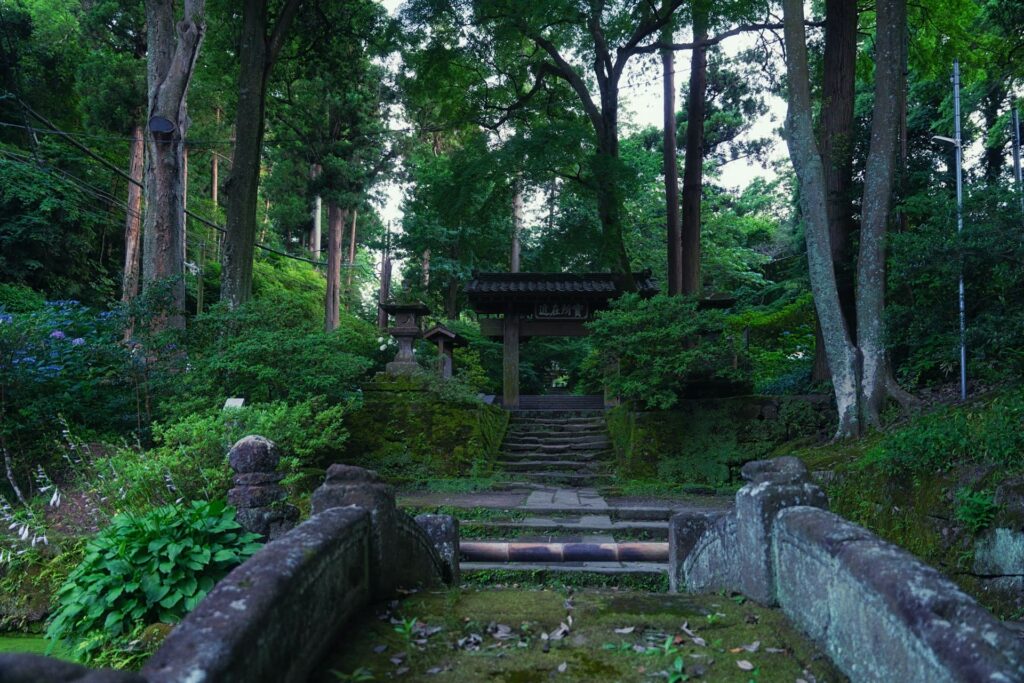
If you are choosing between eastern and western Kamakura, Hokokuji and Hase-dera feel very different in both atmosphere and logistics. Hokokuji is best known for its bamboo grove and quiet matcha experience, while Hase-dera is easier to combine with other popular western Kamakura stops such as the Great Buddha and the Enoden area. If you are planning a Kamakura half day trip, choosing between these two sides is often the biggest decision for your schedule.
| Feature | Hokokuji Temple | Hase-dera Temple |
|---|---|---|
| Main highlight | Bamboo grove and optional matcha tea | Temple grounds, gardens, and coastal views |
| Adult admission | 400 JPY | 400 JPY |
| Extra fee | 600 JPY for matcha tea | None for standard entry |
| How to visit | Better for a focused stop or quiet half-day plan | Easier to combine with nearby western Kamakura sights |
| Best for | Travelers who want a calm, traditional tea-and-garden experience | Travelers building a broader Kamakura sightseeing route |
If your priority is the bamboo grove itself, Hokokuji is the more distinctive stop. If you want the easiest sightseeing flow with fewer transfers, Hase-dera may fit more naturally into a one-day Kamakura itinerary.
Self-Guided or Private Tour?
Hokokuji is very manageable on your own, but it takes more planning than places close to the station. You need to think about bus timing, cash for entry, and how to connect it with the rest of your day.
- Choose a self-guided visit if: You are comfortable using local buses, want the lowest-cost option, and prefer to move at your own pace.
- Choose a private tour if: You want to combine eastern and western Kamakura efficiently, are traveling with family, or do not want to think about transport connections and timing.
For travelers trying to fit Hokokuji, Hase-dera, and other Kamakura highlights into one day, a Kamakura private tour can make the route much easier.
Check availability for the Kamakura Private & Customizable Tour – All-in-One Experience
Frequently Asked Questions
Can I buy Hokokuji bamboo forest tickets online?
No. Tickets are purchased in person at the entrance on the day of your visit.
How much cash should I bring?
A simple plan is to bring at least 1,000 JPY per adult if you want both garden entry and matcha. If you only want to enter the bamboo grove, bring enough for the standard admission fee as well as your bus fare and any extra spending for the day.
Can I decide on matcha after I enter?
It is better to decide before entering. If matcha is part of the experience you want, preparing for it at the start makes the visit smoother and helps you avoid unnecessary backtracking.
Is Hokokuji worth visiting without the matcha ticket?
Yes. The bamboo grove is still worth seeing on its own, especially if you are short on time. The matcha ticket simply adds a more relaxed and memorable finish to the visit.
Can I visit Hokokuji and Hase-dera on the same day?
Yes, but it takes planning because they are in different parts of Kamakura. It is easier if you start early, keep your route simple, and avoid leaving Hokokuji until late afternoon.
What if I arrive late in the day?
You can still visit the temple during opening hours, but it is not the best strategy if matcha is important to you. Earlier visits give you more flexibility and make the experience feel less rushed.
Final Tip Before You Go
If your goal is to enjoy the classic bamboo-and-tea experience without stress, keep your plan simple: arrive earlier in the day, bring cash, and decide on matcha before you enter. That small bit of preparation makes Hokokuji much easier to enjoy.

Hi, I’m Kai. I’m a Tokyo-based travel writer, tourism industry insider, and the author of a published guidebook for international visitors to Japan. With over 10 years of professional experience at a leading Japanese tourism company, my mission is to help you skip the tourist traps and navigate Japan’s best destinations like a local. I believe the perfect day trip is like a traditional kaiseki meal: a beautiful balance of precise planning and unforgettable seasonal discovery. When I’m not out conducting field research, you’ll usually find me drafting new itineraries with one of my favorite fountain pens!