
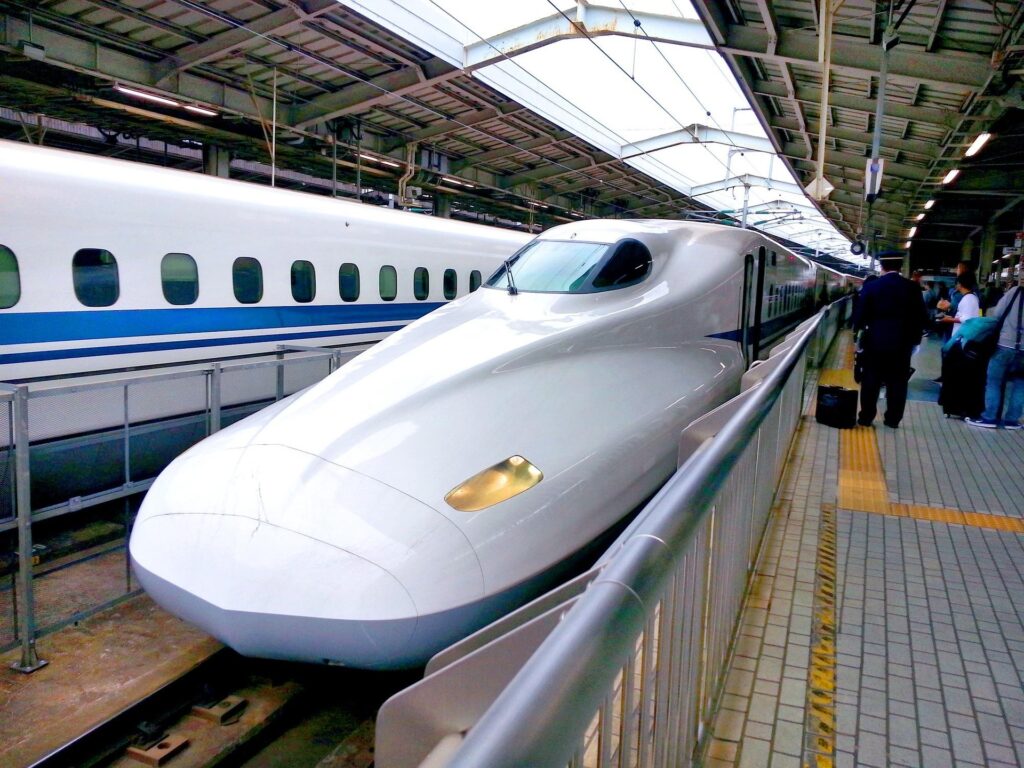
There is no direct train from Osaka to Kamakura, so the best route depends on your priority: speed or an easier transfer with luggage. In most cases, you should transfer before Tokyo. If you want the fastest arrival, change at Shin-Yokohama. If you want fewer transfers with large suitcases, change at Shinagawa.
For most travelers, Kamakura works best as a stopover on the way from Osaka or Kyoto to Tokyo, not as a round-trip day trip. You can visit the main sights, store your luggage near the station, and continue to Tokyo in the evening without backtracking through Tokyo Station first.
Quick Answer: Best Way to Reach Kamakura from Osaka
- No direct train: You will need to transfer at least once.
- Fastest route: Take the Shinkansen to Shin-Yokohama, then continue via Yokohama to Kamakura.
- Easiest route with luggage: Take the Shinkansen to Shinagawa, then use the direct JR Yokosuka Line to Kamakura.
- Avoid in most cases: Going all the way to Tokyo Station first usually adds time and extra hassle.
- Total travel time: About 2 hours 50 minutes via Shin-Yokohama or 3 hours 10 minutes via Shinagawa.
- JR Pass: Covered if you use Hikari or Kodama on the Tokaido Shinkansen and JR local lines afterward.
- Luggage tip: Large coin lockers in Kamakura are limited, so staffed luggage storage near the station is often the safer option.
Which Transfer Station Should You Choose?
If you are deciding between Shin-Yokohama, Shinagawa, and Tokyo Station, this is the simplest way to choose.
| Transfer Station | Best For | Total Time (Approx.) | Transfers | Why Choose It |
|---|---|---|---|---|
| Shin-Yokohama | Fastest arrival | 2 hrs 50 mins | 2 | The quickest overall route if you do not mind one extra transfer. |
| Shinagawa | Large luggage | 3 hrs 10 mins | 1 | Fewer transfers and a direct JR ride to Kamakura. |
| Tokyo Station | Usually not recommended | 3 hrs 30+ mins | 1 | You travel past Kamakura first, then double back south on a local train. |
Why You Should Usually Avoid Tokyo Station
Many route planners show Tokyo Station because it is a major Shinkansen hub, but it is rarely the smartest transfer point for this trip. Kamakura is south of Tokyo, so riding all the way to Tokyo Station often means overshooting your destination and then backtracking on a local train.
That usually means more walking inside a crowded station, more time spent transferring with luggage, and a less efficient route overall. Unless you specifically need to go into central Tokyo first, Shin-Yokohama or Shinagawa is usually the better choice.
The 2 Best Routes from Osaka to Kamakura
The most efficient way to do Kamakura from Osaka is to leave the Tokaido Shinkansen before it reaches Tokyo. Choose the route below based on how you want to travel.
Option 1: Via Shin-Yokohama (Fastest Overall)
This is the best route if your priority is reaching Kamakura as quickly as possible.
- Take the Tokaido Shinkansen from Shin-Osaka Station to Shin-Yokohama Station (about 2 hours 15 minutes on a Hikari or Nozomi service).
- Transfer to the JR Yokohama Line and ride to Yokohama Station (about 15 minutes).
- Transfer to the JR Yokosuka Line or Shonan-Shinjuku Line and continue to Kamakura Station (about 25 minutes).
This route involves two transfers, but it is still the fastest overall option for most travelers.
Option 2: Via Shinagawa (Best with Luggage)
This is the better choice if you want to reduce transfers and make the trip easier with suitcases.
- Take the Tokaido Shinkansen from Shin-Osaka Station to Shinagawa Station (about 2 hours 20 minutes).
- Transfer to the JR Yokosuka Line and ride directly to Kamakura Station (about 45 minutes).
Shinagawa is easier than Tokyo Station for most visitors, and the direct local connection to Kamakura makes this route especially practical if you are carrying large bags.
Luggage Storage in Kamakura
If you are stopping in Kamakura on the way to Tokyo, it is much better to explore without large suitcases. Kamakura’s streets, buses, and temple areas are far easier to manage with a small day bag.
- Best option for most travelers: Use the staffed luggage storage service near Kamakura Station if you are carrying large bags and want a more reliable option than coin lockers.
- Coin lockers: Kamakura Station has coin lockers, including some larger sizes, but they can fill up quickly in the morning.
- Most convenient strategy: Forward large suitcases to your next hotel in Tokyo and visit Kamakura with only a small daypack.
If Kamakura is only a stop between Osaka and Tokyo, traveling light can save a surprising amount of time and make the entire transfer much smoother.
Is Kamakura Better as a Stopover or a Day Trip from Osaka?
For most travelers, Kamakura makes far more sense as a stopover between Osaka or Kyoto and Tokyo than as a round-trip day trip from Kansai.
A same-day return is technically possible, but you would spend well over 6 hours on trains and have limited time left to explore. By visiting Kamakura on your transfer day to Tokyo, you can use your travel time more efficiently and avoid repeating the long journey.
This is especially practical if you want to see a few major highlights, have lunch in Kamakura, and then continue to your hotel in Tokyo in the evening.
How to Make the Most of a Half-Day in Kamakura
If you arrive from Osaka around late morning or midday, focus on a short, realistic itinerary rather than trying to cover every temple and neighborhood.
- Good half-day plan: Store your luggage, visit Tsurugaoka Hachimangu Shrine, explore Komachi Street, and add the Great Buddha (Daibutsu) if time and energy allow.
- Best approach: Choose one central area first, then decide whether you still have time for a second cluster of sights.
- What to avoid: Trying to cram in every temple, beach stop, and shopping street after a long train ride from Kansai.
Because you are already spending much of the morning in transit, a focused itinerary usually leads to a much better experience than rushing from place to place.
Optional: Private Tour for a Smooth Half-Day Visit
If you prefer to skip local navigation after a long trip from Osaka, a private guide can help you make better use of your limited time in Kamakura. This can be especially helpful if you arrive with a tight schedule and want to see the main highlights without figuring out buses, walking routes, and timing on your own.
Helpful if you are arriving from Osaka: Meet a local guide, leave the route planning to someone else, and use your half-day in Kamakura more efficiently.
FAQ About Getting to Kamakura from Osaka
Can I use the Japan Rail Pass for this trip?
Yes. The nationwide JR Pass covers the Tokaido Shinkansen if you use a Hikari or Kodama service, as well as the JR local lines you need afterward. If you want to ride the faster Nozomi, you will need the required supplemental arrangement or separate ticket depending on your pass type.
Which transfer is easier if I have large luggage?
Shinagawa is usually easier if you are traveling with large suitcases because it reduces the journey to just one transfer before Kamakura. Shin-Yokohama is faster overall, but it requires an extra change at Yokohama Station.
Can I visit Kamakura on the way from Osaka to Tokyo?
Yes, and for many travelers this is the smartest way to do it. Kamakura sits well as a stop between Kansai and Tokyo, especially if you store your luggage near the station and continue to Tokyo after sightseeing.
Is there a direct train from Osaka to Kamakura?
No. You will need to transfer at least once. The most practical options are usually via Shin-Yokohama for speed or Shinagawa for an easier transfer.
Should I go all the way to Tokyo Station first?
Usually no. Unless your hotel or next stop is actually in central Tokyo before Kamakura, going to Tokyo Station first usually means overshooting Kamakura and then traveling back south.
Is a same-day round trip from Osaka realistic?
It is possible, but it is not the most efficient use of your time. For most visitors, Kamakura works much better as part of a one-way travel day from Osaka or Kyoto to Tokyo.

Hi, I’m Kai. I’m a Tokyo-based travel writer, tourism industry insider, and the author of a published guidebook for international visitors to Japan. With over 10 years of professional experience at a leading Japanese tourism company, my mission is to help you skip the tourist traps and navigate Japan’s best destinations like a local. I believe the perfect day trip is like a traditional kaiseki meal: a beautiful balance of precise planning and unforgettable seasonal discovery. When I’m not out conducting field research, you’ll usually find me drafting new itineraries with one of my favorite fountain pens!