Cheap skiing in Hokkaido is usually framed as a Niseko problem: incredible snow, uncomfortable prices. But if you are staying in Sapporo, you do not have to travel that far or spend that much. Four small ski areas sit within a subway-and-bus ride of the city centre, and on a weekday one of them sells an unlimited lift pass for less than the price of a decent dinner.
The catch is that the cheapest lift ticket is not the same thing as the cheapest ski day. Rentals, bus fares and — the part most guides skip — how you get back to Sapporo after the lifts stop can quietly double your spend. This guide compares four areas on those terms, not on ticket price alone.
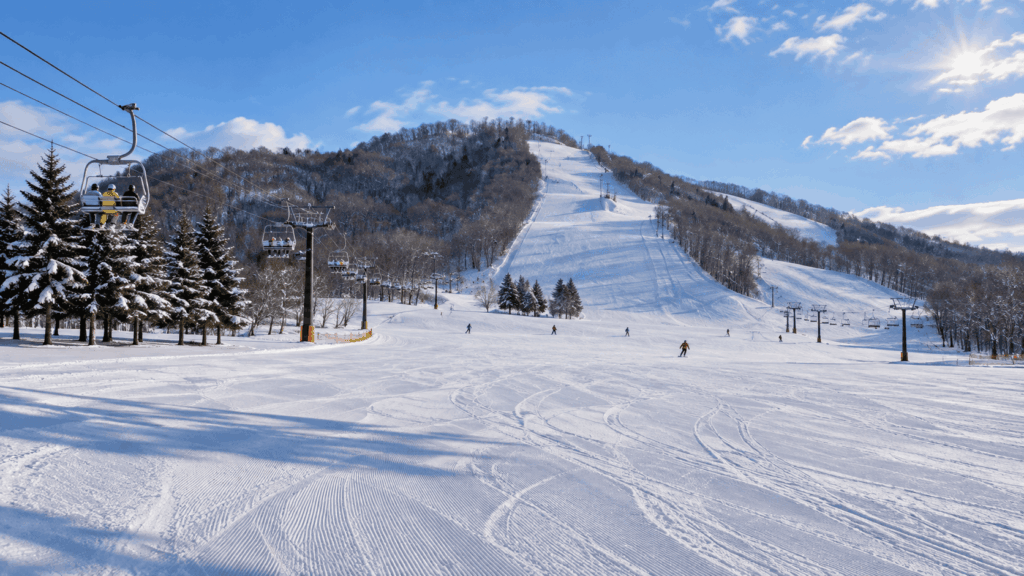
New to skiing and want someone else to handle the lessons, equipment and transport? A guided Sapporo Teine ski day costs more than the DIY options below, but may be worth comparing if convenience matters most. Check available lesson packages, current prices and dates for Sapporo Teine before deciding whether a guided experience fits your budget.
Cheap Skiing in Hokkaido: Which Sapporo Ski Area Fits Your Budget?
None of these four areas is “the best” in general. Each one is the best answer to a different trip: a first lesson, a full day of actual skiing, a few hours squeezed between sightseeing, or an evening run with the city lights below you.
The Quick Verdict
- Takino Snow World — for a first-ever ski experience or a day with young children. A weekday unlimited pass is ¥1,380, but the slope is a single 250 m beginner run and everything closes at 16:00.
- Fu’s Snow Area — the best value if you actually want to ski. Six courses, a ¥3,300 one-day ticket, and a bus stop about five minutes’ walk from the lifts.
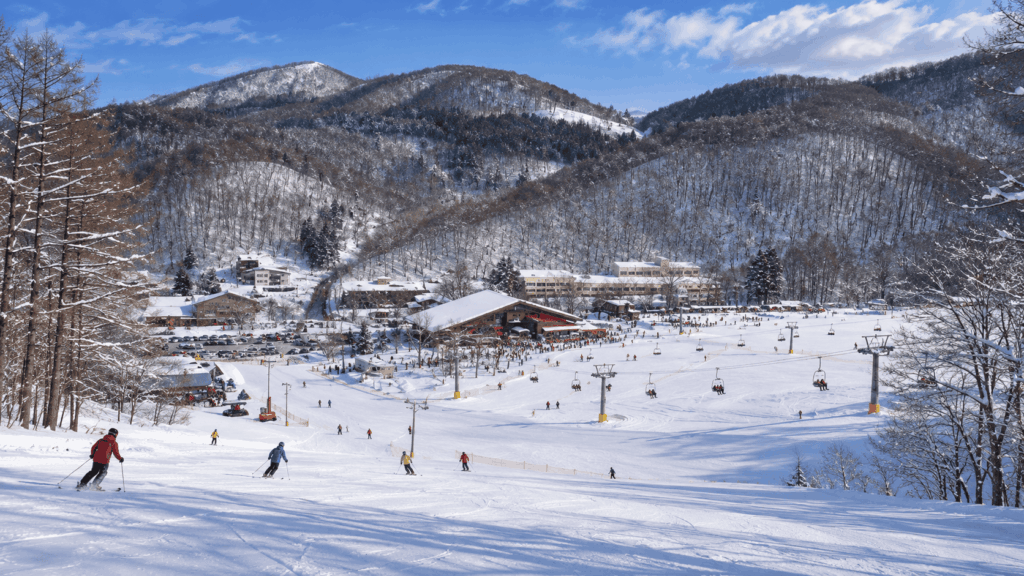
- Sapporo Bankei Ski Area — the easiest trip from central Sapporo: roughly 13 minutes by bus from Maruyama Koen Station. The lift ticket is not cheap, and gear rental costs more than the lift itself.
- Sapporo Moiwayama Ski Area — for night skiing with a city view. A night ticket costs ¥2,800–3,300 based on the published 2025–26 tariff, but the last shuttle back to Makomanai Station leaves well before the lifts stop.
Who this guide is not for: experienced skiers chasing steep pitches, long runs or powder, and anyone who wants a ski-in, ski-out resort week. Those trips exist in Hokkaido and are worth the money — they are just a different purchase. There is a short section on when a bigger resort makes more sense.
At-a-Glance Comparison
| Ski area | Best for | Adult lift price (as published) | Public transport from Sapporo | Gear rental | Main drawback |
|---|---|---|---|---|---|
| Takino Snow World | First-timers, families, a cheap short session | ¥1,380 weekday unlimited; ¥2,340 one-day on weekends and holidays (2025–26 published rates) | Subway to Makomanai Station, then Chuo Bus route 106, about 30 minutes, ¥600 one way | Ski set ¥3,500; wear ¥4,000 | One gentle 250 m slope; closes at 16:00; no night skiing |
| Fu’s Snow Area | Budget skiers who want more than a beginner hill | ¥3,300 one-day (9:00–16:00); ¥2,000 three-hour; ¥1,700 night (published rates; the fee page still carries 2025–26 season-pass documents) | Subway to Makomanai Station, then Jotetsu bus, about 20–25 minutes, ¥360 one way, plus a 5-minute walk | Ski set ¥6,000; wear ¥4,800 | Bus plus walk; limited English support on site |
| Sapporo Bankei Ski Area | The shortest trip from the city; English lessons | ¥7,500 one-day; ¥6,600 four-hour; ¥2,500 night (2026–27 published rates) | Subway to Maruyama Koen Station, then Bankei Bus, about 13 minutes, ¥240 one way | Ski set ¥9,300; set with wear ¥15,600 | Rental costs more than the lift ticket; no rental reservations |
| Sapporo Moiwayama Ski Area | Night skiing and city views | ¥7,500 one-day; ¥2,800 night 18:00–21:00; ¥3,300 night 16:00–21:00 (2025–26 published rates) | Subway to Makomanai Station, then shuttle bus, about 15 minutes, ¥1,000 one way | Ski set ¥7,500; wear ¥6,000; both ¥13,500 (North Lodge only) | Last shuttle leaves at 19:30 on the published 2025–26 timetable |
Read the price column carefully. The figures were published in different seasons — Bankei has posted 2026–27 rates, while the other three still show 2025–26 — so treat them as close approximations rather than a ranked price list. “Night ticket” also means different hours at different areas: at Moiwa you can start at 18:00 or 16:00, and the two cost different amounts.
What a Cheap Ski Day in Hokkaido Actually Costs
The working formula is simple: lift ticket + ski and boot rental + wear + round-trip transport + any lesson. Helmets, gloves and goggles are usually separate. A refundable IC-card deposit (¥500 at Fu’s, for example) is money you get back, so it belongs in your cash flow, not your budget.
The Same Day, Three Ways
The table below assumes one adult, a one-day lift ticket, a ski/boot/pole set, a wear set and a return bus from the nearest subway station. Subway fares from your hotel are excluded because they depend on where you stay.
| Ski area | Lift ticket | Ski set | Wear | Bus, return | Total | What is not included |
|---|---|---|---|---|---|---|
| Sapporo Bankei | ¥7,500 | ¥9,300 | included in the ¥15,600 set | ¥480 | about ¥23,600 | Helmet ¥1,800; gloves and hats are not rented at all |
| Fu’s Snow Area | ¥3,300 | ¥6,000 | ¥4,800 | ¥720 | about ¥14,800 | Helmet ¥1,500; gloves ¥1,500; ¥500 refundable card deposit |
| Takino Snow World | ¥1,380 weekday | ¥3,500 | ¥4,000 | ¥1,200 | about ¥10,100 | Weekend lift is ¥2,340; helmet ¥2,000 |
| Sapporo Moiwayama | ¥7,500 | ¥7,500 | ¥6,000 | ¥2,000 | about ¥23,000 | Helmet ¥1,500; no snowboard rental listed this season |
If you bring your own skis and boots, the same day drops to roughly ¥7,980 at Bankei, ¥4,020 at Fu’s, ¥2,580 at Takino on a weekday and ¥9,500 at Moiwa, including the return bus. Bus passengers to Bankei also receive a ¥300 adult lift discount when they get off the bus, which shaves the total a little further.
One pricing trap worth knowing: Takino’s ¥1,380 pass is sold only on weekdays outside the Sapporo city elementary school winter break, and on those days the mountain does not sell one-day or four-hour tickets at all. The kanko marutoku set (¥4,820 for adults) bundles a one-day lift with a three-piece ski rental, and the official page lists a passport as acceptable proof of residence outside Hokkaido. Wear is not part of that set.
Why the Cheapest Lift Ticket Isn’t Always the Cheapest Day
Takino is the clearest example. A 250 m slope with an average gradient of about 7 degrees is genuinely good for a first morning: slow lift, no intimidating traffic, a short walk from the bus. It is a poor use of a full day if you already know how to turn, and the ¥1,380 fare applies only on specific weekdays.
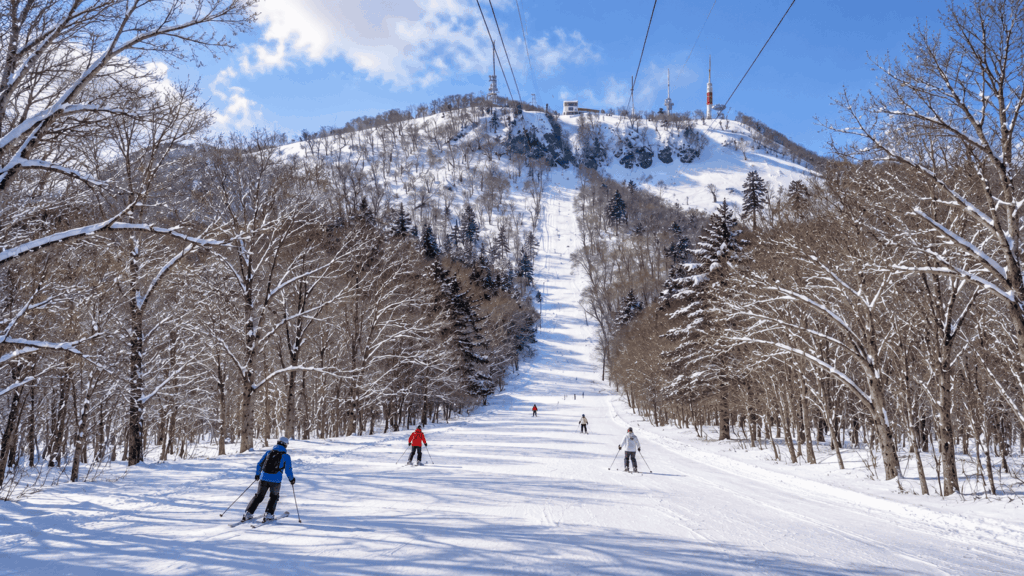
Fu’s pulls in the opposite direction. Six courses, a longest run of roughly 1,800 m, and a one-day ticket at less than half Bankei’s price. What you pay instead is time: a bus from Makomanai Station, a five-minute walk, and a timetable you need to read in advance.
Kai’s tip: The pattern I notice in ski budgeting is that people compare the one number that is easiest to find — the lift pass — and treat rental and transport as details to sort out later. They are not details. On a one-day trip from Sapporo, gear and the bus are often the larger half of the bill, and they are the half you can still change by choosing a different area.
The 4 Best Budget Ski Areas Near Sapporo
Each of these is a real, working local hill rather than a resort. That is the point: you are trading scale and facilities for price and travel time. Read the “skip it if” line under each one before you commit.
Takino Snow World — Cheapest First Ski Experience
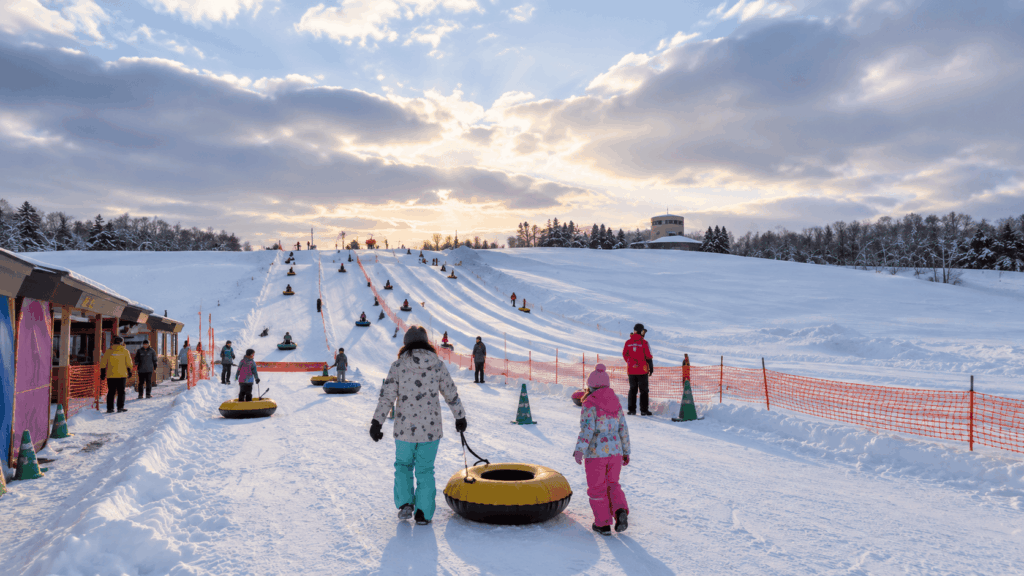
Takino is a national park in winter, and the ski slope is almost an afterthought: one lift, one run of about 250 m at an average gradient of roughly 7 degrees, and a lift slow enough to feel reassuring. Entry to the park is free in winter; you pay for the lift and, if you drive, ¥500 for parking. Everything shuts at 16:00 and there is no night skiing.
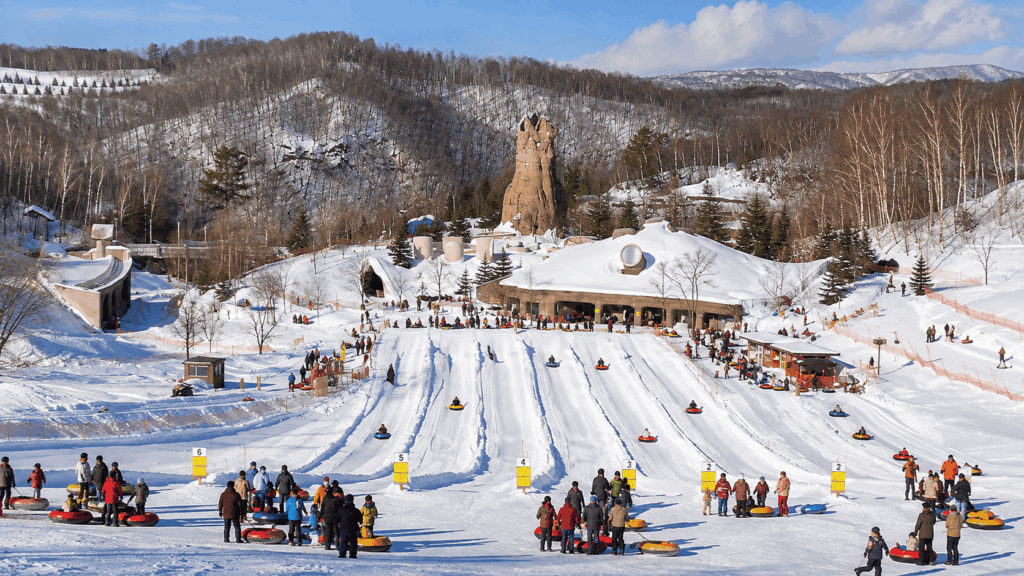
For a first morning on skis, or for children who need space rather than steepness, that is close to ideal. The kanko marutoku set at ¥4,820 pairs a one-day lift with a three-piece ski rental, and a passport is listed as acceptable proof of living outside Hokkaido; you have to ask for it at the ticket counter, and wear costs another ¥4,000.
Skip it if you can already ski and want more than a supervised practice hill, or if you are travelling during the school holidays and expecting the ¥1,380 fare.
Fu’s Snow Area — Best Value for Actual Skiing
Fu’s is the value pick for anyone who wants to spend the day skiing rather than learning. Six courses, a longest run of roughly 1,800 m, and a beginner zone at the base where the Family Course and Crystal Course sit side by side on a wide, gentle pitch. The published one-day ticket is ¥3,300 and a three-hour ticket ¥2,000 if you arrive after lunch.
The trade-off is the journey. Subway to Makomanai Station, then a Jotetsu bus to Fujino 4-jo 11-chome (¥360, around 20–25 minutes), then a five-minute walk. A taxi from Makomanai Station is roughly ¥5,000, which erases most of the saving; from central Sapporo it is closer to ¥7,000. Night skiing runs until 21:00 with the last lift at 20:45, and a night ticket is ¥1,700.
Skip it if you are not comfortable reading a Japanese bus timetable, or if you need English-speaking staff on site.
Sapporo Bankei Ski Area — Easiest Access and English Lessons
Bankei is the one that feels like a city ski area, because it is. A bus from Maruyama Koen Station takes about 13 minutes and costs ¥240, and it drops you at the lifts. With 17 courses, it also has more variety than the other three put together, including a mogul course and a halfpipe.
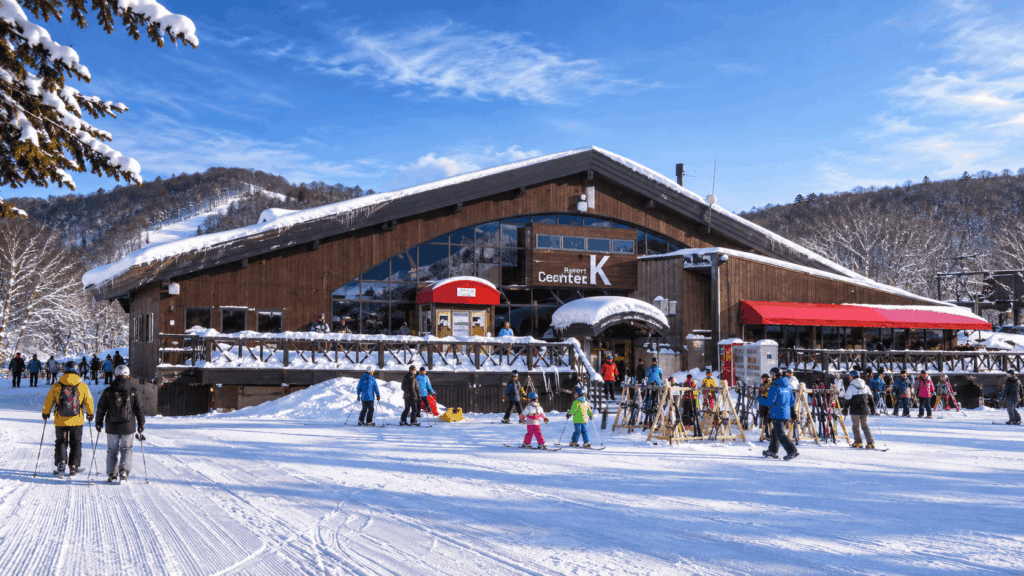
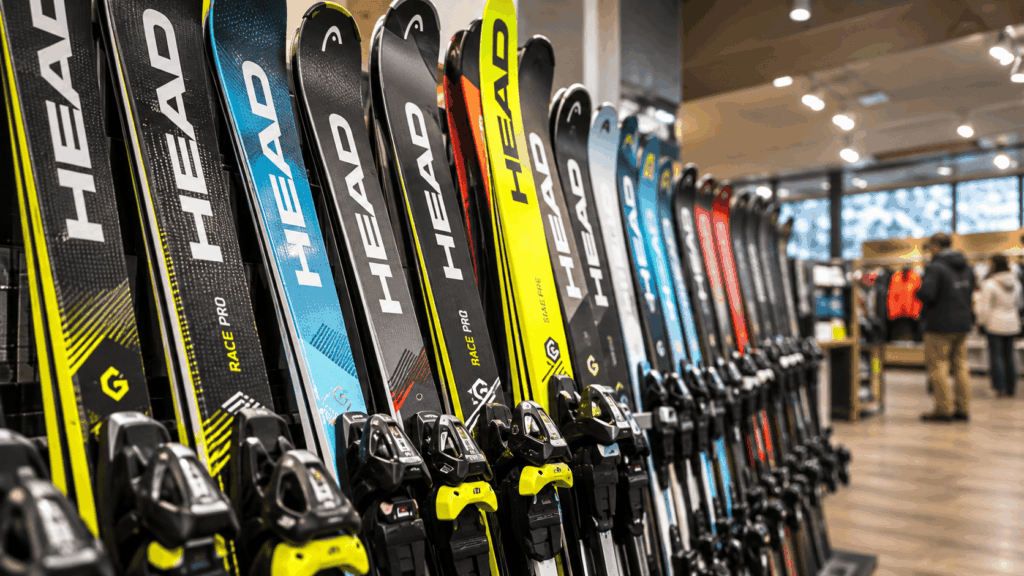
You pay for that convenience. A one-day ticket is ¥7,500 and a four-hour ticket ¥6,600 — double Fu’s — and the rental desk is the most expensive of the four: ¥9,300 for a ski set, ¥15,600 with wear, and no reservations. Gloves and hats are not rented at all. Bus passengers do get a ¥300 adult lift discount when they get off the bus.
The reason Bankei still belongs on this list is the ski school. Its one-hour beginner group lesson, SNOW FIRST LESSON, costs ¥8,500 per person, offers English-language instruction when a suitable instructor is available, and includes the lift during the lesson; private ski lessons start at ¥25,000 for 90 minutes. Same-day participation in SNOW FIRST LESSON may be possible, but contact the school ahead of time if English-language instruction is essential. For a first-timer who wants instruction in English without joining a full-day tour, a 13-minute bus plus an ¥8,500 lesson is hard to beat.
Skip it if you already have gear and are optimising purely for lift price, or if you want the cheapest possible rental day.
Sapporo Moiwayama — Night Skiing With a City View
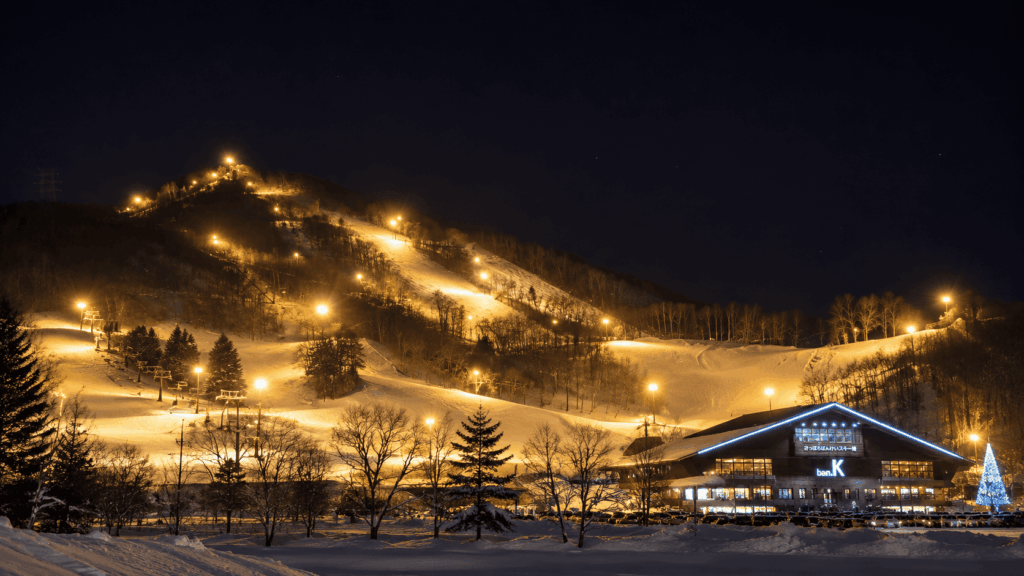
Moiwa’s selling point is the view: the runs face down over Sapporo, and after dark the city is the scenery. It is also the most beginner-friendly terrain of the four, with a 400 m family slope at an average 10 degrees, a 300 m friendly slope at 9 degrees, and a 2,620 m connecting course at just 5 degrees that lets you cruise rather than brace.
Night skiing runs 16:00–21:00, with published 2025–26 tickets at ¥3,300 for the full evening or ¥2,800 from 18:00. Snowboarding has been permitted on all courses since the 2025–26 season, so ignore older guides that still call it a ski-only area. Rentals are at the North Lodge basement only — the south slope has no rental counter — and the official rental page does not list snowboards, so do not assume you can rent one there.
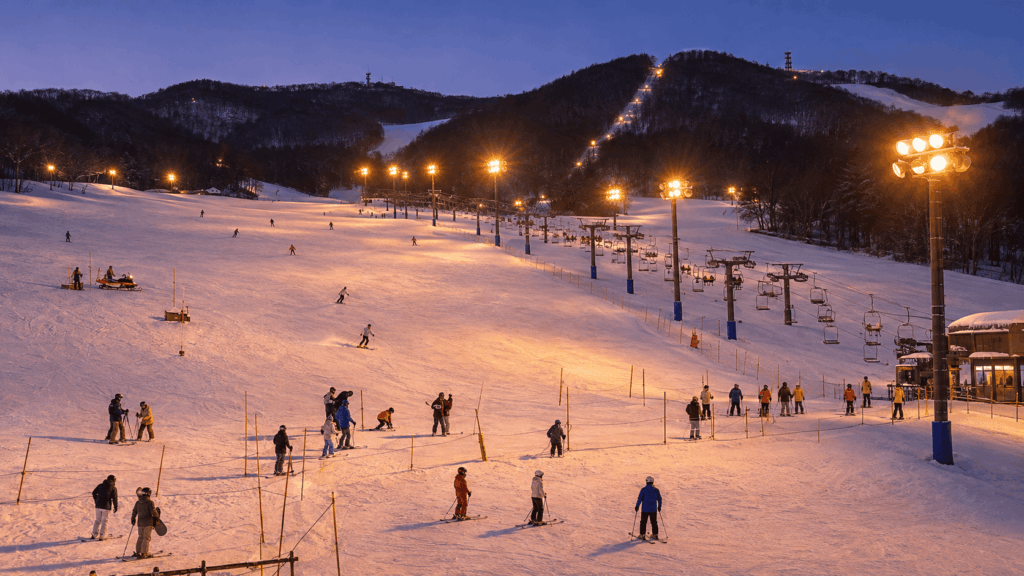
Skip it if you are relying on the shuttle bus to get home after a full night session. The published 2025–26 timetable has the last bus leaving the ski area at 19:30, while the lifts run until 21:00.
How to Reach These Ski Areas Without a Car
All four are reachable by public transport, but “reachable” and “gettable back from” are different questions. The routes below are the ones worth writing down before you leave your hotel.
Bankei by Subway and Bus
Take the Tozai Line to Maruyama Koen Station, exit to the bus stop, and board the Bankei Bus Maruyama line. The fare is a flat ¥240, the ride is about 13 minutes, and the winter timetable runs from 20 December to 31 March. Keep the discount ticket you are handed when you get off — it is worth ¥300 off an adult lift pass, and it is issued on the way in, not the way home. A taxi from the station is about ¥2,000 and ten minutes.
Fu’s and Takino by Bus
For Fu’s, take the Namboku Line to Makomanai Station and pick up the Jotetsu bus for Fujino 4-jo 11-chome (¥360, 20–25 minutes), then walk about five minutes; the Fujino 3-jo 11-chome stop leaves you with a 15-minute walk instead. For Takino, stay on the Namboku Line to Makomanai Station and take Chuo Bus route 106 from stop 2 — around 30 minutes, ¥600 one way, stopping inside the park. Winter timetables differ from the summer one published on the park’s access page, and services are not frequent, so check the current schedule for your date.
Moiwa’s North Slope Shuttle
The shuttle runs from Makomanai Station to the north slope, takes about 15 minutes and costs ¥1,000 one way — the most expensive of the four transfers. It is worth it only if you are renting, because the North Lodge is where the rental counter is. If you are heading to the south slope, the shuttle does not apply and there are no rentals there. A taxi from Makomanai Station takes 10–15 minutes.
The Return-Transport Mistake to Avoid
A few years ago I took guests from Tokyo to Bankei, partly because they wanted to ski without losing a day and a lot of money travelling to Niseko. The skiing was fine. The exit was not: when we finished, there was no empty taxi at the rank, and the ride-hailing app still had us waiting outside about 30 minutes later.
Nothing was broken that evening — buses were still running, and we got back. But it changed how I plan these trips.
Kai’s tip: Check the last bus before you buy your lift ticket. Decide the run you will finish on, not the run you hope to finish on, and if the answer is a taxi, confirm one is actually available at that hour. Mountain buses thin out in the evening, and a ¥2,000 taxi can undo a ¥1,380 lift ticket.
Renting Gear vs Booking a Package: Which Is Cheaper?
If you own skis and boots, this section is easy: buy the lift ticket directly and ignore the packages. Most readers are not in that position, which is where the comparison gets murky.
When DIY Is Cheaper
Renting on site and buying the lift ticket at the counter is usually the cheapest route when you only need hard gear. At Fu’s, a ski set is ¥6,000 and a one-day lift ¥3,300 — about ¥9,300 before transport, less than most bundled products once you strip out what they include. At Takino, the kanko marutoku set at ¥4,820 already does the bundling for you and is sold at the lift counter.
DIY stops being cheaper the moment you need wear as well. Fu’s adds ¥4,800 for a wear set, Bankei’s wear-inclusive rental set is ¥15,600 (wear alone ¥6,600), and Moiwa charges ¥13,500 for gear plus wear. If you are arriving in jeans and a puffer jacket, that is the number to compare against a package, not the lift price.
If you’re skiing at Fu’s independently and need both equipment and wear, compare the Klook Fu’s rental-and-lift package with the on-site total before choosing. Transport and accessories such as gloves and helmets are separate, so check the current inclusions and price.
When a Rental Package Makes Sense
A package is worth considering when it removes a decision you cannot make confidently: sizing, fit, whether the jacket is actually waterproof, and whether you have to queue twice. What it rarely removes is transport. Assume nothing is included until you have read the inclusions line by line — whether the lift ticket is inside the price, whether wear means jacket and trousers or just one, whether a helmet and gloves are included, whether lessons are part of it, and how long the rental is valid for.
There is also a currency-of-information problem with third-party listings. One Mount Moiwa day-tour product still states that snowboarding is not permitted at the area, which contradicts the operator’s own 2025–26 policy allowing snowboarding on all courses. If a listing contains a detail that outdated, verify the rest of the inclusions with the operator before you rely on it.
Do You Need a Lesson?
For a complete beginner, a lesson is usually better value than a longer lift ticket. Two hours of instruction on a gentle slope will do more for your day than four hours of falling over on a steeper one, and it reduces the chance of an injury that ends the trip.
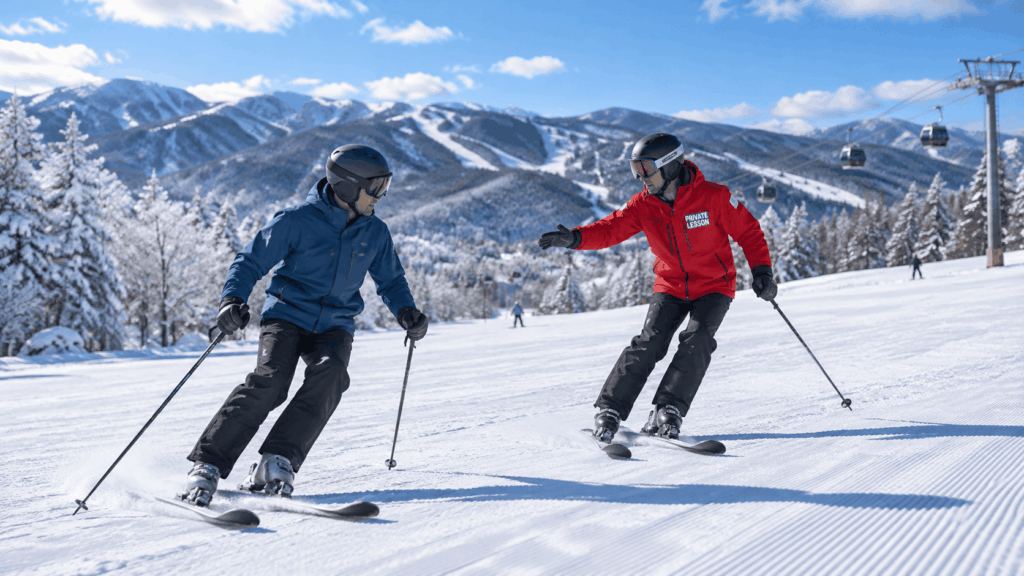
English-language options near Sapporo are narrower than the number of ski areas suggests. Bankei’s SNOW FIRST LESSON is the most straightforward: ¥8,500 for a one-hour group session in English, lift included. Same-day participation may be possible, but confirm English-language instructor availability in advance. If you want a full-day guided experience instead, the Mount Moiwa day tours pair transport, rental and English-speaking instruction — convenient, but check the current snowboard policy and what the rental actually covers.
If you’re a first-time skier who would rather focus on learning than managing equipment and transport alone, a guided day at Sapporo Teine is another option worth comparing. It is not the lowest-cost way to ski near Sapporo, but the convenience may justify the difference if you need English-language instruction, rental gear and help with the journey.
Why I’d book this one
- Beginner-focused instruction: Recent travelers mention patient instructors who help first-time skiers build confidence and get comfortable on the slopes.
- Fewer equipment headaches: Reviews highlight smooth rental preparation and the convenience of having gear arrangements handled as part of the experience.
- Less transport planning: Available packages can combine instruction, rental equipment and round-trip transfers, reducing the number of separate arrangements needed for a ski day.
Not every package includes the same lessons, equipment or transfer arrangements, so compare the options carefully rather than assuming everything is covered. See live availability, lesson options, exact inclusions and recent traveler reviews for the Sapporo Teine guided ski experience before deciding whether the extra convenience is worth the cost.
Is Night Skiing the Cheapest Way to Ski Near Sapporo?
Yes, in the narrow sense that an evening ticket costs less than a day ticket. No, if the cheaper ticket leaves you with an expensive ride home. The comparison only works when you price the whole evening.
Why Night Skiing Can Save Money
The arithmetic is attractive. Fu’s charges ¥1,700 from 16:00, Bankei ¥2,500, and Moiwa ¥2,800 from 18:00 on its published 2025–26 tariff, against day tickets of ¥3,300–7,500. You also keep daylight for Sapporo itself and ski when the city lights come on.
But the usable hours are shorter than the ticket suggests. A 16:00 start at Moiwa gives you five hours; an 18:00 start gives you three. At Fu’s, the lift stops at 20:45. And if the last shuttle leaves at 19:30, a ¥2,800 ticket at Moiwa can turn into a taxi ride that costs more than the difference between day and night passes. Sapporo Teine, for reference, charges ¥3,900 at the counter or ¥2,900 online for night skiing until 20:00, with its own bus arrangements (see how to get to Sapporo Teine without a car for details).
What Night Skiing at Moiwa Is Actually Like
The view is the reason to choose Moiwa over the cheaper options. Looking down over the city while you ride is genuinely different from skiing into a dark treeline, and it justifies the trip on its own.
What surprised me was the cold. Once the sun is gone, the wind on the upper slopes is the thing you notice, not the view, and it cuts through whatever you wore for sightseeing. I now tell people to bring a neck warmer and an extra layer and to treat the evening as a winter activity rather than an extension of an afternoon in town. I would not claim it is always windy — I have had calm evenings too — but the temperature drop after 17:00 is reliable.
Kai’s tip: If you are combining sightseeing and night skiing, decide the return leg before you decide the ticket. Moiwa’s published 2025–26 shuttle timetable has the last departure from the ski area at 19:30 while the lifts run to 21:00, so a full session means a taxi back to Makomanai Station. Either accept that cost, or plan to finish early and take the bus.
Don’t Confuse the Ski Area With the Mt. Moiwa Observatory
These are two different places on the same mountain, with different access. The observatory is reached by the Mt. Moiwa ropeway and is a sightseeing attraction; the ski area is reached by road or by the Makomanai shuttle and is a working slope. The confusion is common enough that I have met travellers who booked a night-skiing plan expecting to end up at the ropeway viewpoint.
The observatory can also be busy in the evening, particularly in winter when the city view is the draw. That says nothing about lift queues on the ski slopes, which are a separate matter — do not read one as a forecast of the other.
When a Bigger Hokkaido Resort Is Worth the Extra Money
It is worth saying plainly: the four areas above are not a substitute for Niseko, Teine or Kokusai. They are a substitute for not skiing at all.
When a Small Local Area Is Enough
Choose a local hill when the goal is the experience rather than the terrain: a first lesson, a few hours sliding around with children, a budget that has to cover the rest of the trip. Two or three hours on a gentle slope is a complete winter experience for many travellers, and it costs a fraction of a resort day.
When Niseko, Teine or Kokusai Makes More Sense
Niseko United’s 2026–27 all-mountain one-day pass is ¥12,600 in regular season and ¥13,500 at peak — roughly four times Fu’s. What that buys is scale: four connected mountains, terrain for every level, and the infrastructure of a resort town. If you are staying three or more nights and skiing every day, the cost per hour falls and the lift price stops being the deciding factor.
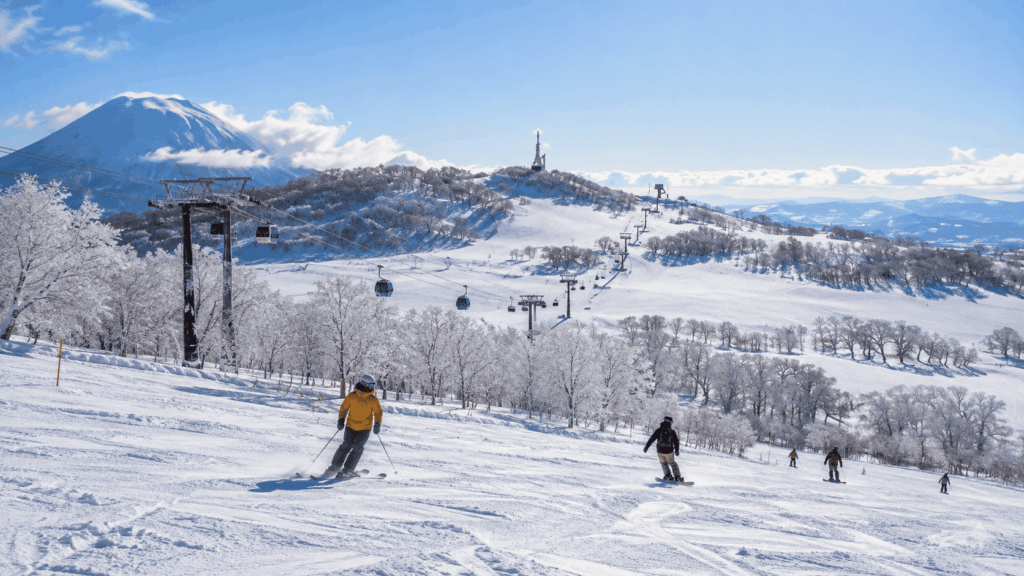
Sapporo Teine is the middle option. A high-season one-day pass is ¥9,800 at the counter or ¥8,800 online, with a gondola and terrain that will keep an intermediate busy, and it is closer to the city than Niseko. Sapporo Kokusai, further out towards Jozankei, is the other name worth knowing if you want a bigger mountain without the Niseko transfer. I have had guests from Tokyo who deliberately skipped Niseko on a two-night Sapporo trip because the journey and the pass would have eaten the whole budget; that was the right call for them, and the wrong one for anyone with a week and a season’s worth of enthusiasm. If you are deciding between these mid-sized options, see our broader comparison of ski resorts near Sapporo.
How to Plan a Cheap Ski Day From Sapporo
The difference between a cheap ski day and an expensive one is usually decided before you leave the hotel: which area, which ticket, which bus, and what you are wearing.
Your Budget Skiing Checklist
- Choose the area by skill level first, price second.
- Check the current season’s lift prices and opening dates on the official site.
- Confirm exactly what the rental includes — wear, helmet, gloves and goggles are often separate.
- Arrange English-language instruction in advance; same-day places may be available, but English-speaking instructors are not guaranteed.
- Write down the last bus or shuttle before you buy a lift ticket.
- Bring gloves, a warm layer and a neck warmer; several areas do not rent them.
- Allow extra time for rental fitting and bus connections, especially at weekends.
- Check lift operations and snow conditions on the morning of your visit.
Two Simple Day Plans
A: The daytime budget plan. Leave Sapporo in the morning, ski through the middle of the day, and be back before dinner. Takino if it is a weekday and you are a beginner; Fu’s if you want more terrain for a similar outlay. Build the plan around the bus you intend to catch home, not the one you hope will appear.
B: Sightseeing plus night skiing. Keep the day in the city and ski from late afternoon. Bankei if access matters most and you want the 13-minute bus; Moiwa if the view is the point and you are willing to pay for a taxi home. Check the night ticket’s start time before you go — Moiwa’s published 18:00 ticket is cheaper than its 16:00 one, and the difference is two hours on the snow.
Bus departure times are not listed here on purpose: winter timetables change, and a schedule copied from last season is worse than no schedule at all. The official pages for each operator are the only versions worth planning around.
Frequently Asked Questions About Cheap Skiing in Hokkaido
What is the cheapest ski resort near Sapporo?
On lift price alone, Takino Snow World is the cheapest: ¥1,380 for an unlimited weekday pass, or ¥2,340 for a one-day ticket on weekends and holidays. The caveat is that the slope is a single 250 m beginner run, there is no night skiing, and the weekday pass is not sold during the Sapporo city elementary school winter break. Once you add ski rental (¥3,500) and the bus (¥600 each way), a Takino day costs about ¥10,000 rather than ¥1,380.
Can you ski in Hokkaido cheaply without renting a car?
Yes. All four areas in this guide are reachable by subway and bus, and the cheapest connection is Bankei: ¥240 and about 13 minutes from Maruyama Koen Station. Fu’s (¥360 from Makomanai Station) and Takino (¥600 from Makomanai Station) are also straightforward in daylight. The practical limit is the return trip, not the outbound one — evening buses thin out, and Moiwa’s published shuttle timetable has its last departure at 19:30 while the lifts run until 21:00.
Is skiing near Sapporo cheaper than Niseko?
For a one-day trip from the city, yes, by a wide margin. Niseko United’s 2026–27 all-mountain pass is ¥12,600 in regular season and ¥13,500 at peak, before you pay for transport to Niseko, while Fu’s charges ¥3,300 for a one-day ticket and Bankei ¥7,500. The comparison changes if you are staying several nights and skiing every day, because Niseko’s terrain and infrastructure are in a different category. Compare total trip cost, not lift price alone.
Can beginners ski near Sapporo without bringing equipment?
Yes, and every area in this guide rents skis and boots on site. Takino and Fu’s are the cheapest for gear (¥3,500 and ¥6,000 for a ski set), while Bankei and Moiwa charge more (¥9,300 and ¥7,500). Check the small print before you arrive: Bankei does not rent gloves or hats, Moiwa’s rental counter is only at the North Lodge, and wear is a separate cost almost everywhere. If you have never skied, put part of the budget into a lesson rather than a longer lift ticket.
Is night skiing in Sapporo worth it?
It is worth it if you want to keep daylight for sightseeing and ski for two or three hours in the evening. Fu’s charges ¥1,700 from 16:00, Bankei ¥2,500 and Moiwa ¥2,800 from 18:00 or ¥3,300 from 16:00 (Moiwa’s published 2025–26 rates), all well below their day-ticket prices. The catch is the trip home: work out your return transport before buying the ticket, because a taxi back to Makomanai Station can cost more than the saving.
Are there English-speaking ski lessons near Sapporo?
Yes, though the options are narrower than the number of ski areas. Bankei’s SNOW FIRST LESSON is a one-hour beginner group lesson in English for ¥8,500 per person, with the lift included. Same-day participation may be available, but English-language instructor availability should be confirmed in advance. Private ski lessons there start at ¥25,000 for 90 minutes. Day tours to Mount Moiwa also include English-speaking instruction, but check the current inclusions and snowboard policy before booking, as some listings still carry outdated information.
Final Verdict: Which Ski Area Should You Choose?
There is no single cheapest option that works for everyone, because the things that make a ski day cheap — a short bus ride, cheap rental, a small hill — pull in different directions. Use the table to match your trip, then read the paragraph that sounds like you.
| Traveler type | Best option | Why | Main trade-off |
|---|---|---|---|
| Complete beginner | Takino on a weekday, or Bankei with the English lesson | Gentle terrain at Takino for ¥1,380; structured English instruction at Bankei | Takino is one short slope; Bankei’s lesson plus rental is the priciest day here |
| Budget-conscious skier with own gear | Fu’s Snow Area | About ¥4,020 all-in including the return bus, with six courses to use it on | Bus plus a five-minute walk; limited English support |
| Short afternoon visit | Fu’s three-hour ticket, or Bankei four-hour ticket | ¥2,000 at Fu’s; Bankei’s ¥6,600 buys the shortest journey from the city | Fu’s costs you travel time; Bankei costs you money |
| Night-skiing traveller | Sapporo Moiwayama | The city view is the experience, and the beginner terrain is genuinely easy | Last shuttle at 19:30, so a full session means a taxi |
| Car-free traveller with minimal time | Sapporo Bankei | ¥240 and about 13 minutes from Maruyama Koen Station, door to lift | Lift and rental prices are the highest of the four |
| Family with young children | Takino Snow World | Free park entry, a slow lift, a gentle 250 m slope and sledding areas | Closes at 16:00; weekend and holiday lift prices apply in peak weeks |
| Intermediate wanting more terrain | Fu’s locally, or Sapporo Teine for a step up | Fu’s offers six courses cheaply; Teine adds a gondola and more vertical | Teine costs ¥8,800–9,800 for a day pass |
If this is your first time skiing, the decision is between Takino and Bankei, and it comes down to whether you want instruction. A ¥1,380 weekday pass at Takino plus rented wear is the cheapest possible introduction to snow, but nobody will teach you how to stop. Bankei’s ¥8,500 English lesson includes the lift and gives you a foundation for the rest of the trip — if you are skiing only once, that lesson is likely the better use of the money. If you are willing to travel a bit further, you can also explore our guide to the best ski resorts in Hokkaido for beginners.
If you are travelling as a family, Takino is the straightforward answer: free entry, a slow lift, a slope that does not intimidate, and sledding on site mean a child can have a full day without anyone committing to a lift pass. Just check the calendar, because the cheap weekday fare disappears during school holidays — which is when many families travel. For more options across the island, check our guide to family-friendly ski resorts in Hokkaido.
If your schedule is tight, pay for Bankei. A ¥240 bus that takes 13 minutes is worth more than a ¥4,000 saving if it buys you three extra hours in Sapporo, and the ¥300 bus discount softens the lift price slightly. Do not try to squeeze Takino into a half-day: the bus alone is 30 minutes each way.
If you already own gear and just want to ski, Fu’s is the best value near Sapporo — ¥3,300 for a day ticket and about ¥720 for the bus, with six courses to use it on. If you have skied a lot and want steeps, long runs or powder, accept that none of these four will satisfy you and budget for Teine or Niseko instead. The one thing I would tell a friend visiting for the first time is not to choose by lift price alone: work out how you are getting home, then buy the ticket that fits the day you can actually have.
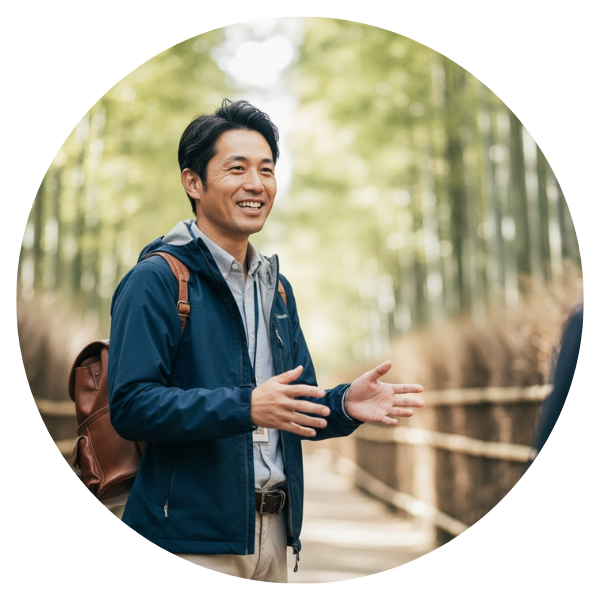
Hi, I’m Kai. I’m a Tokyo-based travel writer, tourism industry insider, and the author of a published guidebook for international visitors to Japan. With over 10 years of professional experience at a leading Japanese tourism company, my mission is to help you skip the tourist traps and navigate Japan’s best destinations like a local. I believe the perfect day trip is like a traditional kaiseki meal: a beautiful balance of precise planning and unforgettable seasonal discovery. When I’m not out conducting field research, you’ll usually find me drafting new itineraries with one of my favorite fountain pens!