
Quick Answer: How Much Time Do You Need in Asakusa?
For most first-time and returning visitors, a half day (about 3 to 4 hours) is the perfect amount of time to spend in Asakusa. This gives you enough time to see the iconic Kaminarimon Gate, browse the Nakamise Shopping Street, explore Senso-ji Temple, and enjoy a local lunch without feeling rushed.
At a Glance:
- Best time to start: 9:00 AM (to beat the heaviest crowds)
- Budget for the day: Around 3,000–5,000 JPY for street food, lunch, and souvenirs (excluding kimono rentals or guided tours)
- Vibe: Traditional, bustling, rich in history, and highly photogenic
DIY vs. Guided Tour: How to Best Spend Your Half Day
Asakusa is highly walkable and easy to navigate on your own. However, because it is Tokyo’s oldest temple district, simply taking photos means missing out on the fascinating samurai-era history, the differences between Shinto and Buddhism, and the proper etiquette for shrines and temples.
If you have limited time and want to make your half day as meaningful as possible, joining a short walking tour is a highly efficient strategy.
| Feature | Self-Guided (DIY) | 2-Hour Guided Tour |
|---|---|---|
| Pace | 100% flexible | Structured but relaxed walking pace |
| Cultural Context | Requires prior research | In-depth storytelling by a local guide |
| Navigating Crowds | Can be overwhelming | Guide navigates the easiest routes |
| Cost | Free (just food/shopping) | Paid (but excellent value for time saved) |
Who is the guided tour for? Travelers who want to understand the deep history of Edo-era Tokyo, learn the correct way to pray at a Japanese temple, and hit all the highlights efficiently so they can spend the rest of their afternoon eating or shopping stress-free.
Check availability and read over 1,600 excellent reviews:
Tokyo: Asakusa Walking Tour with Sensoji Temple Visit
The Ultimate Asakusa Half-Day Itinerary (Step-by-Step)
If you prefer to explore on your own or want to know what to expect before or after your tour, here is a highly optimized, realistic 3.5-hour morning route.
9:00 AM – Luggage Storage & Kimono Rental
Asakusa is best enjoyed hands-free. If you are visiting right after checking out of your hotel, finding a coin locker is your first priority. Lockers at Asakusa Station (Metro, Toei, Tobu) fill up very quickly by 10:00 AM. If they are full, look for luggage storage services like Yamato Transport near Nakamise or use apps like Ecbo Cloak.
Optional: If you plan to rent a kimono, schedule your appointment for 9:00 AM. Add about 45 to 60 minutes to this itinerary for dressing and hair styling.
9:30 AM – Kaminarimon Gate & Nakamise Shopping Street
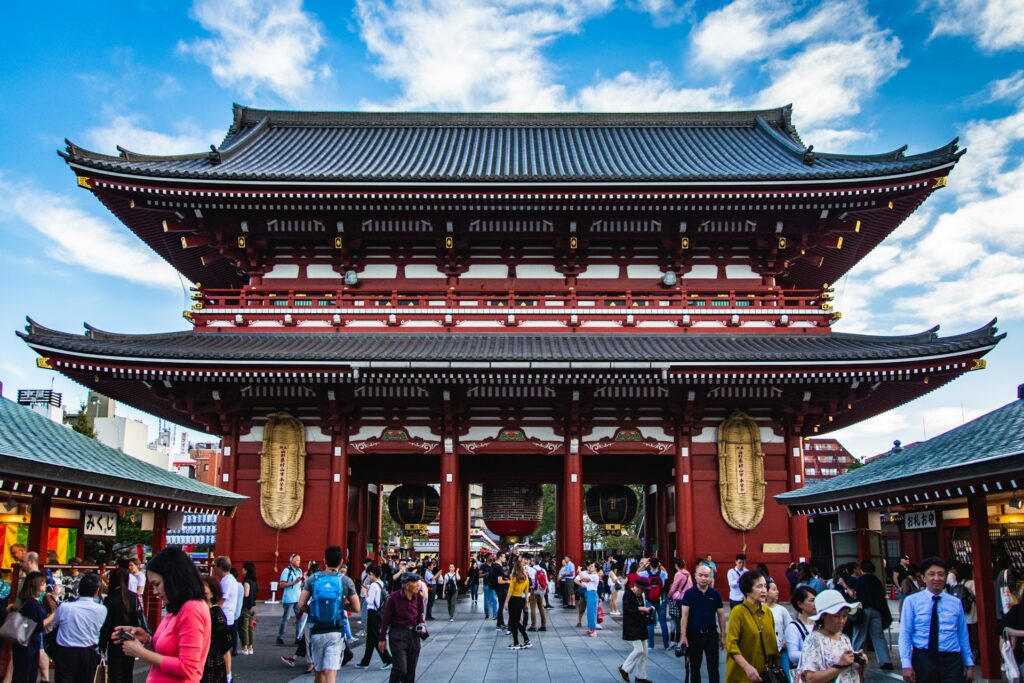
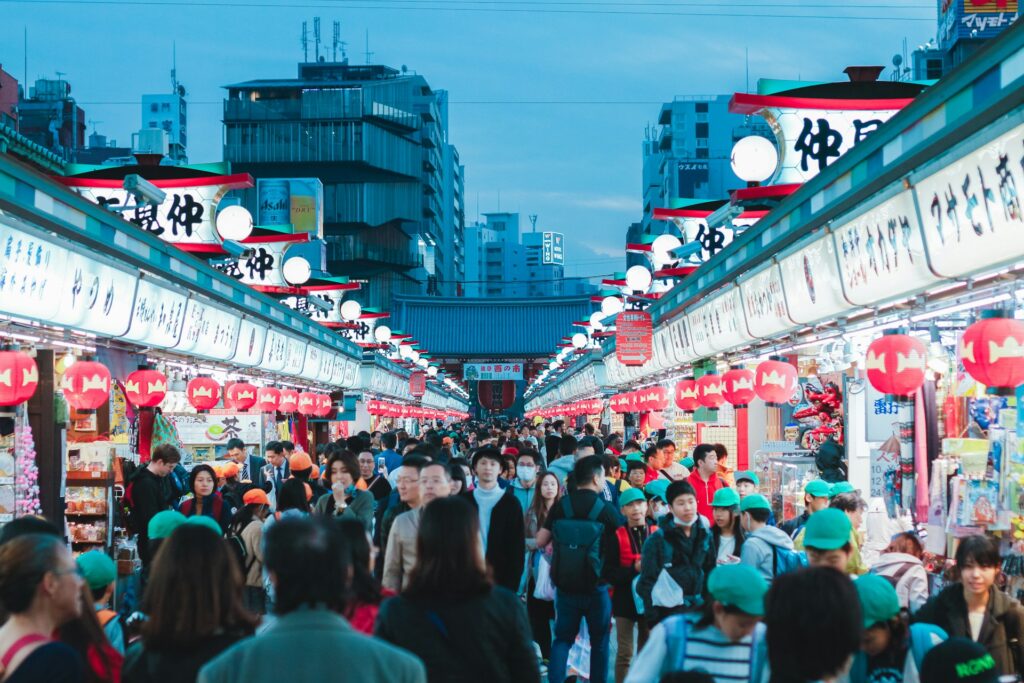
Start your walk at the symbol of Asakusa: the Kaminarimon (Thunder Gate) with its massive red lantern. After taking photos, walk down the 250-meter-long Nakamise Shopping Street. Many shops open around 9:00 AM to 10:00 AM. This is the perfect place to try traditional snacks like Ningyo-yaki (sweet red bean cakes) and fresh rice crackers.
Important Rule: Do not eat while walking. Purchase your snack and eat it directly in front of or immediately next to the shop. Trash cans are usually provided by the vendors.
10:30 AM – Senso-ji Temple & Asakusa Shrine
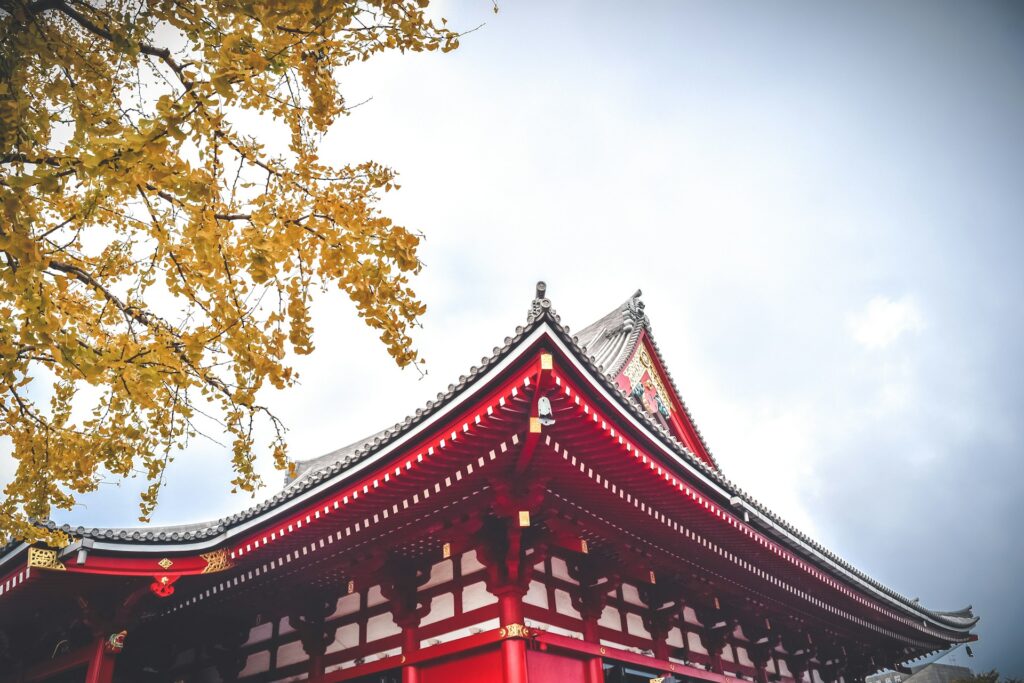
At the end of the shopping street, you will reach the main grounds of Senso-ji, Tokyo’s oldest Buddhist temple. Wave the incense smoke over yourself at the large bronze cauldron (it is said to bring good health), and proceed to the Main Hall to offer a coin.
Don’t forget to try Omikuji (fortune-telling paper strips) for 100 JPY. If you draw a bad fortune, simply tie it to the designated metal wires to leave the bad luck behind.
Right next to the temple is Asakusa Shrine. Visiting both allows you to experience Japan’s unique blend of Buddhism and Shintoism in one place.
11:30 AM – Lunch: Hoppy Street & Halal Options
For lunch, head to the west side of Senso-ji to find Hoppy Street. Known for its retro, open-air izakaya (Japanese pubs), it’s famous for beef stew (motsuyikomi) and “Hoppy” (a low-alcohol beverage mixed with shochu).
If you have specific dietary needs, Asakusa is very accommodating. There are excellent halal-certified ramen shops, such as Naritaya, and several vegan cafes within a 5-minute walk from the main temple area.
12:30 PM – Azumabashi Bridge & Tokyo Skytree Views
Wrap up your half-day tour by walking toward the Sumida River. Stand on the red Azumabashi Bridge for one of the most iconic photo opportunities in Tokyo: a clear view of the Tokyo Skytree alongside the golden Asahi Beer Hall building. From here, you can easily walk across the river to visit the Tokyo Skytree, catch a subway to Ueno, Akihabara, or hop on a water bus to Odaiba.
Essential Tips Before You Visit Asakusa
To make the most of your half-day itinerary and avoid common tourist mistakes, keep these practical tips in mind.
The Golden Rule: No “Walking While Eating”
Asakusa is famous for its incredible street food along Nakamise and the surrounding side streets. However, tabearuki (the act of eating while walking) is strongly discouraged and often explicitly prohibited by local shops. This rule exists to prevent trash from littering the historic streets and to avoid ruining other people’s clothes in crowded areas.
What to do instead: Buy your food, step to the side of the shop or into their designated eating area, finish your snack, and return the trash to the vendor before moving on.
Morning vs. Night in Asakusa
While this itinerary focuses on a morning start, Asakusa transforms completely after sunset. If your schedule allows, visiting in the evening offers a vastly different experience. The main halls of Senso-ji Temple and the Kaminarimon Gate are beautifully illuminated until around 11:00 PM. The crowds thin out significantly, making it incredibly peaceful and highly photogenic.
Note: Most shops on Nakamise close by 7:00 PM, and the temple’s main hall closes its doors at 5:00 PM, meaning you cannot buy charms or get a fortune at night. If shopping is your priority, go in the morning. If atmosphere and photography are your goals, go at night.
Asakusa Walking Tour Review: Is It Worth It?
If you followed the itinerary above, you can absolutely have a fantastic time in Asakusa on your own. However, Tokyo is a city of context. Without understanding what you are looking at, a 1,300-year-old temple can easily just look like another beautiful red building.
This is why taking a guided tour, like the highly-rated Tokyo: Asakusa Walking Tour with Sensoji Temple Visit, is often considered one of the best investments you can make for your Tokyo trip.
What the tour includes:
- A 2-hour guided walk covering Kaminarimon, Nakamise, Senso-ji, Asakusa Shrine, and Hoppy Street.
- Deep insights into the Edo period and the historical significance of the area.
- Step-by-step guidance on Shinto and Buddhist etiquette (how to bow, clap, and use incense correctly).
Is it for you?
- Yes, if: You want to learn the history without reading guidebooks, you want to know the difference between a shrine and a temple, and you want a local expert to show you exactly where to go.
- No, if: You are on an extremely tight backpacker budget, or you prefer to spend 3 hours solely shopping for souvenirs at your own pace.
For travelers who want to maximize their cultural understanding in a short amount of time, this tour is incredibly efficient and highly recommended.
Check availability and book your spot:
Tokyo: Asakusa Walking Tour with Sensoji Temple Visit
Frequently Asked Questions (FAQ)
How many hours do I need for Asakusa?
A half day (3 to 4 hours) is the ideal amount of time for most visitors. This allows you to explore the main sights, grab lunch, and enjoy some street food. If you plan to rent a kimono and do a full photoshoot, allocate at least 5 to 6 hours.
Is it better to visit Asakusa in the morning or at night?
It depends on your goal. Go in the morning (around 9:00 AM) if you want to experience the vibrant Nakamise Shopping Street, buy souvenirs, and get your fortune told. Go at night (after 7:00 PM) if you prefer a quiet, atmospheric walk with illuminated temples and fewer crowds, though most shops will be closed.
Where can I store my luggage in Asakusa?
There are coin lockers at all Asakusa subway and train stations, but the large ones for suitcases often fill up by mid-morning. If they are full, look for Yamato Transport baggage storage centers near the Nakamise area, or use luggage storage apps like Ecbo Cloak to find available space in nearby cafes or shops.

Hi, I’m Kai. I’m a Tokyo-based travel writer, tourism industry insider, and the author of a published guidebook for international visitors to Japan. With over 10 years of professional experience at a leading Japanese tourism company, my mission is to help you skip the tourist traps and navigate Japan’s best destinations like a local. I believe the perfect day trip is like a traditional kaiseki meal: a beautiful balance of precise planning and unforgettable seasonal discovery. When I’m not out conducting field research, you’ll usually find me drafting new itineraries with one of my favorite fountain pens!