
Only have half a day for Asakusa? Here is exactly how to spend it.
Quick Answer: With 3 to 4 hours, you can comfortably see Kaminarimon Gate, walk Nakamise Shopping Street, visit Senso-ji Temple and Asakusa Shrine, eat lunch nearby, and photograph Tokyo Skytree from the Sumida River. Start around 9:00 AM for lighter crowds. Budget roughly 3,000–5,000 JPY per person for snacks, lunch, small souvenirs, and temple fortunes, but your actual cost depends on what you eat and buy. If you add kimono rental, a long photoshoot, or a guided cultural walk, plan closer to 5 to 6 hours.
How Much Time Do You Need in Asakusa?
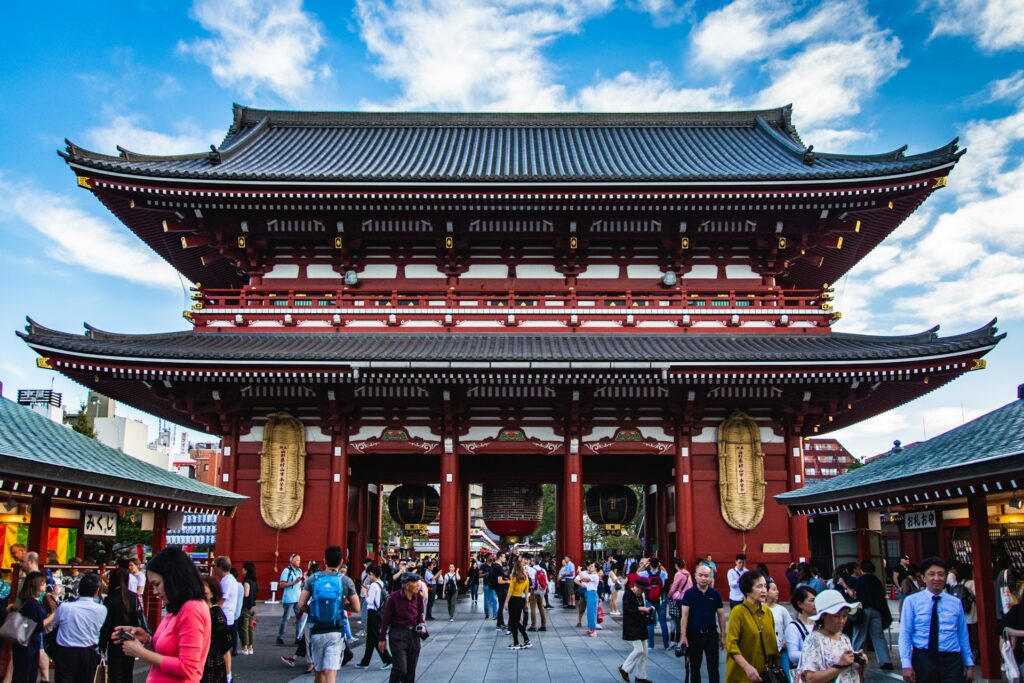
For most first-time visitors, 3 to 4 hours is enough for a satisfying Asakusa half-day visit. The main sights are packed into a compact, walkable area, so you do not need a full day unless you want slow shopping, kimono photos, or a deeper history experience.
- Best start time: Around 9:00 AM to avoid the heaviest crowds
- Total time: 3 to 4 hours without kimono rental; 5 to 6 hours with kimono rental and photos
- Estimated budget: Around 3,000–5,000 JPY per person for snacks, lunch, small souvenirs, and temple fortunes
- Best for: First-time Tokyo visitors, food lovers, temple photography, and travelers continuing to Ueno, Akihabara, Tokyo Skytree, or Odaiba afterward
- Not ideal for: Travelers who want a slow shopping day, an extended kimono photoshoot, or a deep history tour without a guide
Senso-ji timing note: The Main Hall usually opens from early morning until 5:00 PM, with slightly later opening in winter. The temple grounds can generally be walked around outside Main Hall hours, but if you want charms, fortunes, or access to the hall interior, visit during the day. Nakamise shop hours vary by store, so do not rely on an evening visit for snacks and souvenirs.
Self-Guided vs Guided Tour: Which Is Right for You?
Asakusa is easy to explore independently because the main attractions are close together and the route is straightforward. A self-guided visit works well if you mainly want photos, snacks, shopping, and a flexible pace.
A guided walking tour is worth considering if you want to understand what you are seeing. A guide can explain the difference between Senso-ji Temple and Asakusa Shrine, how to pray respectfully, what to do at the incense burner, and why this area was important in Edo-period Tokyo. The real question is whether you prioritize flexibility or cultural context.
| Decision Point | Self-Guided Route | Guided Walking Tour |
|---|---|---|
| Best for | Flexible shopping, casual photos, and street food stops | First-timers who want temple etiquette, history, and local explanations |
| Time needed | 3 to 4 hours | Usually around 2 hours, plus extra time for food or shopping afterward |
| Reservation needed? | No reservation needed for Senso-ji, Asakusa Shrine, Kaminarimon, or Nakamise | Recommended, especially on weekends and during peak travel seasons |
| Food stops | You choose your own snacks and lunch | Depends on the tour; many focus more on culture than full meals |
| Rainy day comfort | Still easy, but umbrellas make Nakamise feel tighter | Useful if you want an efficient route without checking maps in the rain |
| Cost | Free route, excluding food, souvenirs, and transport | Paid experience; best if you value context over full flexibility |
Step-by-Step 4-Hour Asakusa Itinerary
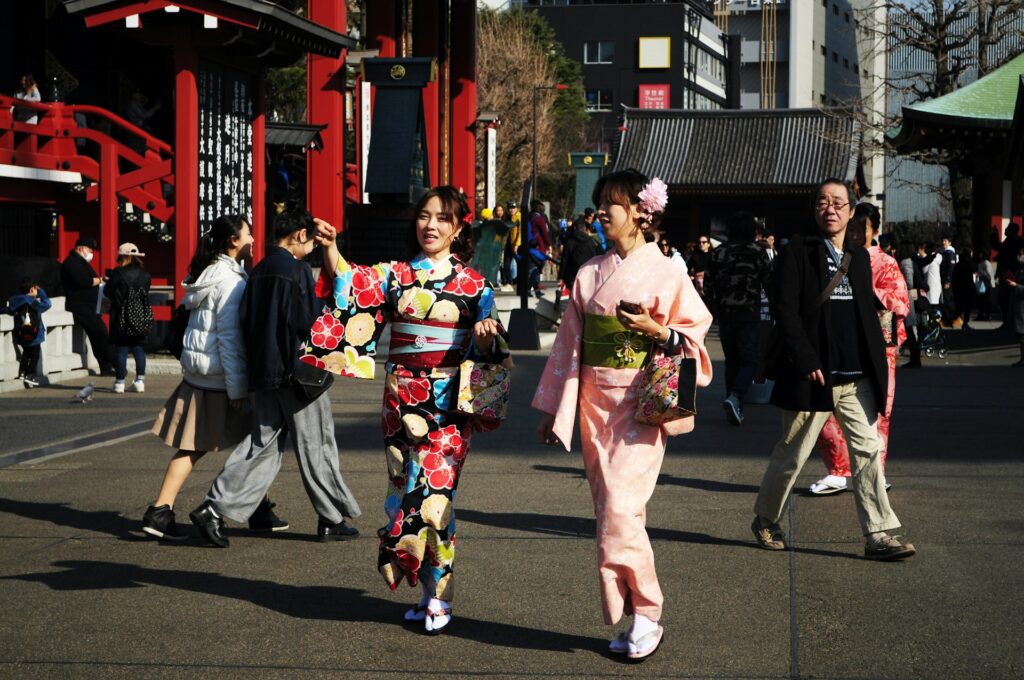
This walking route follows a logical order from Kaminarimon Gate through Nakamise, Senso-ji, lunch, and the Sumida River. The timing is flexible, but the sequence helps you see the busiest sights before the largest crowds arrive.
9:00 AM – Arrive, Store Luggage, or Start a Kimono Rental
If you are visiting after checking out of your hotel, deal with luggage before you start sightseeing. Large coin lockers around Asakusa Station can fill up by mid-morning, especially on weekends and during busy travel periods. Check the Tokyo Metro, Toei, and Tobu station areas first. If station lockers are full, use a luggage storage service near Nakamise or reserve a spot through a luggage storage app as a backup.
Coin locker prices vary by station area and locker size, so treat any posted price as something to confirm on the day.
If you plan to rent a kimono in Asakusa, book the earliest appointment you can. Dressing and hair styling usually take about 45 to 60 minutes, so a kimono version of this itinerary is closer to 5 to 6 hours.
9:30 AM – Kaminarimon Gate & the Free Viewpoint
Start at Kaminarimon Gate, the famous Thunder Gate with the large red lantern. This is one of the most photographed spots in Tokyo, and arriving early makes a noticeable difference in crowd levels.
After your photos, cross the street to the Asakusa Culture Tourist Information Center. The building has restrooms, travel information, and a free observation terrace with views over Kaminarimon, Nakamise Shopping Street, and Tokyo Skytree. The main tourist information area and the observation terrace may have different operating hours, and hours can change for maintenance, so check locally if this viewpoint is important to your plan.
From the information center, walk straight onto Nakamise Shopping Street. This keeps your route simple and avoids doubling back.
10:00 AM – Walk Nakamise Shopping Street
Nakamise Shopping Street runs for about 250 meters between Kaminarimon and Senso-ji Temple. It is the easiest place to try traditional Asakusa snacks and browse small souvenirs without leaving the main route.
Popular snacks include ningyo-yaki, small sweet cakes often filled with red bean paste, and freshly grilled rice crackers. Many shops start opening around 9:00–10:00 AM, but exact hours vary by store. If snacks and souvenirs are a priority, visit during the daytime rather than relying on an evening stop.
Important etiquette: Avoid eating while walking on Nakamise. Buy your snack, step to the side of the shop or use the designated eating area, finish it there, and return any trash to the vendor when possible. This is especially important on Nakamise, where the street can become very crowded by late morning.
10:45 AM – Senso-ji Temple & Asakusa Shrine
At the end of Nakamise, you will reach Senso-ji, Tokyo’s oldest Buddhist temple and the main reason most travelers visit Asakusa. Before entering the Main Hall, stop at the incense burner and waft the smoke toward yourself. This is a common temple custom associated with good health.
At the Main Hall, offer a coin, bow quietly, and take a moment to look at the building details before moving on. You can also try omikuji, Japanese fortune slips, for a small fee. If you draw bad luck, fold the paper and tie it to the designated wire rack to leave the misfortune behind.
After Senso-ji, walk next door to Asakusa Shrine. Visiting both in one trip helps you see the difference between a Buddhist temple and a Shinto shrine in a single compact area.
Note on timing: If you want charms, fortunes, or access to the Main Hall interior, visit before late afternoon. Evening is beautiful for photos, but it is not the best time for temple services, shopping, or food stalls.
11:45 AM – Lunch Near Senso-ji
For lunch, head to the streets west and north of Senso-ji. Hoppy Street is famous for its retro izakaya atmosphere, but some places are more evening-oriented and may feel better for drinks than for a quick midday meal.
For a more reliable lunch stop, consider these nearby areas:
- Nishi-sando Shopping Street: A quieter shopping street west of Senso-ji with casual restaurants and small local places.
- Denpoin Street: A traditional-feeling street northwest of the temple with cafes, snacks, and lunch options nearby.
- Shin-Nakamise: A covered shopping arcade east of Nakamise with casual food options that can work well in bad weather.
For travelers with dietary restrictions, Asakusa has several halal-friendly and halal-certified food options in Tokyo, including restaurants around the temple area. Vegan cafes and lighter lunch spots are also available within a short walk, but hours and menus can change, so check before making a special trip.
12:45 PM – Azumabashi Bridge & Tokyo Skytree Views
End your half day by walking east toward the Sumida River and Azumabashi Bridge. From here, you can photograph Tokyo Skytree with the Asahi Beer Hall and the golden Asahi Flame in the foreground. This is one of the easiest Tokyo skyline views to reach from central Asakusa.
After your photos, choose your next stop based on your energy level and interests:
- Walk or take the train to Tokyo Skytree for observation decks and shopping at Solamachi
- Head to Ueno for museums, parks, and a more cultural afternoon
- Continue to Akihabara for electronics, games, and anime culture
- Check the same-day timetable and operating status for the Sumida River Water Bus if you want a scenic route toward Odaiba or Hamarikyu Gardens
What to Know Before Visiting Asakusa
Can You Eat While Walking in Asakusa?
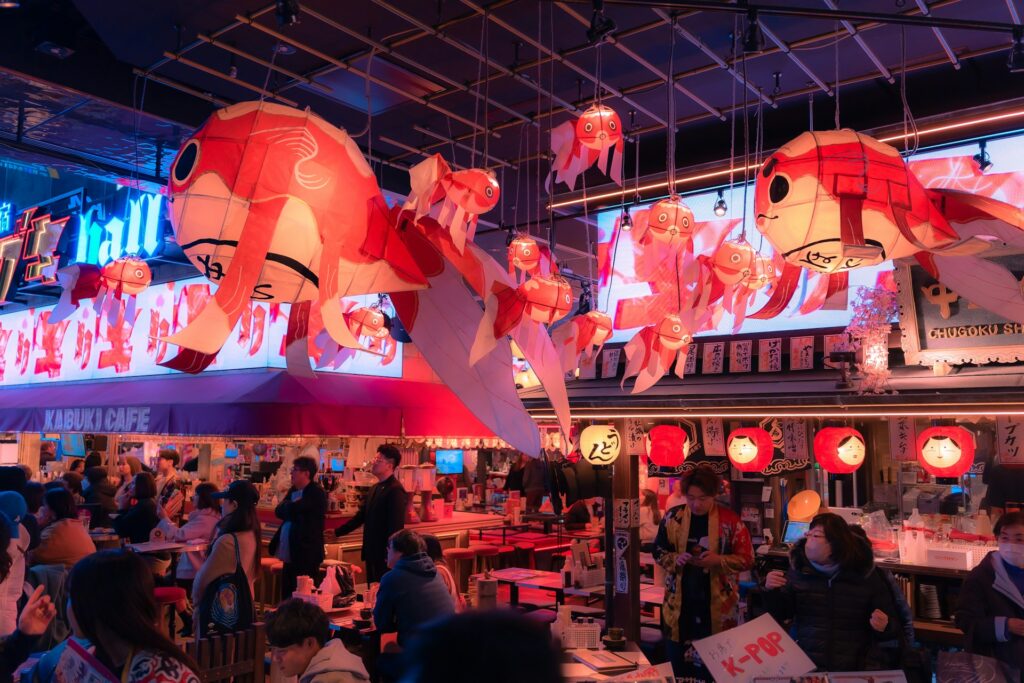
Asakusa is famous for street food, especially around Nakamise Shopping Street, but eating while walking is strongly discouraged. This helps reduce litter and prevents food or drinks from spilling onto other people in crowded areas.
What to do instead: Buy your snack, step to the side of the shop or use the designated eating area, finish your food there, and return any trash to the vendor when possible. Public trash cans are uncommon on the street, so it is normal to carry small wrappers until you find the right place to dispose of them.
Morning vs Evening: When Should You Visit?
Morning is better if this is your first visit to Asakusa. Starting around 9:00 AM gives you a better chance of taking photos at Kaminarimon before the heaviest crowds, browsing Nakamise while shops are opening, and visiting Senso-ji before the lunchtime rush.
Evening is better for atmosphere and photography. Kaminarimon Gate and the temple grounds are beautifully lit after dark, and the area feels calmer once many tour groups have left. However, most shopping and food options around Nakamise are daytime-focused, and the Senso-ji Main Hall closes in the evening. If you want charms, fortunes, snacks, or souvenirs, plan a daytime visit.
Best option for first-timers: Visit in the morning for the full experience, then return briefly at night if you want illuminated photos. The two experiences feel very different.
What Happens If It Rains?
Rain does not ruin an Asakusa itinerary, but it changes the pace. Nakamise feels tighter when everyone is carrying umbrellas, and the Sumida River area is less comfortable in wind or heavy rain. If the forecast looks bad, keep your route shorter and focus on Kaminarimon, Nakamise, Senso-ji, Asakusa Shrine, and lunch nearby.
For rainy days, a guided walking tour can be helpful if you want a compact route without checking maps in wet conditions. A self-guided visit is still easy, but allow extra time for slower crowd movement, wet shoes, and shorter photo stops.
Summer Heat & Winter Cold: Seasonal Tips
Summer: Asakusa gets hot and humid. Nakamise has limited shade, and the open temple grounds offer little relief from direct sun. Bring a hat, drink water often, and plan indoor breaks at the Asakusa Culture Tourist Information Center, a department store, or a nearby cafe. An earlier start can make the route more comfortable.
Winter: The Sumida River area can feel colder and windier than the streets around Senso-ji. Dress in warm layers if you plan to finish at Azumabashi Bridge. On the bright side, clear winter mornings can be excellent for photography.
Major events: If your visit overlaps with a major Asakusa event such as Sanja Matsuri, expect very heavy crowds around Asakusa Shrine and Senso-ji. Check the latest event dates before finalizing your plan, and avoid tight reservations immediately after your walk.
Tips for Families with Kids
- Strollers: Nakamise Shopping Street is flat, but it can get very crowded by late morning. Early morning is much easier for families.
- Restrooms: Start with the Asakusa Culture Tourist Information Center, Senso-ji Temple grounds, and larger nearby buildings. Facilities can change, so check signs on the day.
- Diaper changing and nursing: Check the tourist information center and larger nearby stores first. Do not assume every small restaurant or shop has family facilities.
- Kids’ activities: Children often enjoy drawing omikuji, watching the incense burner, and trying small sweets such as ningyo-yaki. Keep the pace relaxed and plan for extra snack breaks.
What to Book in Advance
You do not need a reservation for Senso-ji Temple, Asakusa Shrine, Kaminarimon Gate, Nakamise Shopping Street, Azumabashi Bridge, or the free viewpoint at the Asakusa Culture Tourist Information Center. These are easy to visit independently.
You should consider booking ahead for:
- Kimono rental, especially if you want an early appointment
- Guided walking tours during weekends and peak seasons
- Popular restaurants with limited seating
- The Sumida River Water Bus, if the timing is important to your afternoon plan
What to Add If You Have Extra Time
If you finish early or want to extend your afternoon, choose one of these add-ons rather than trying to do everything:
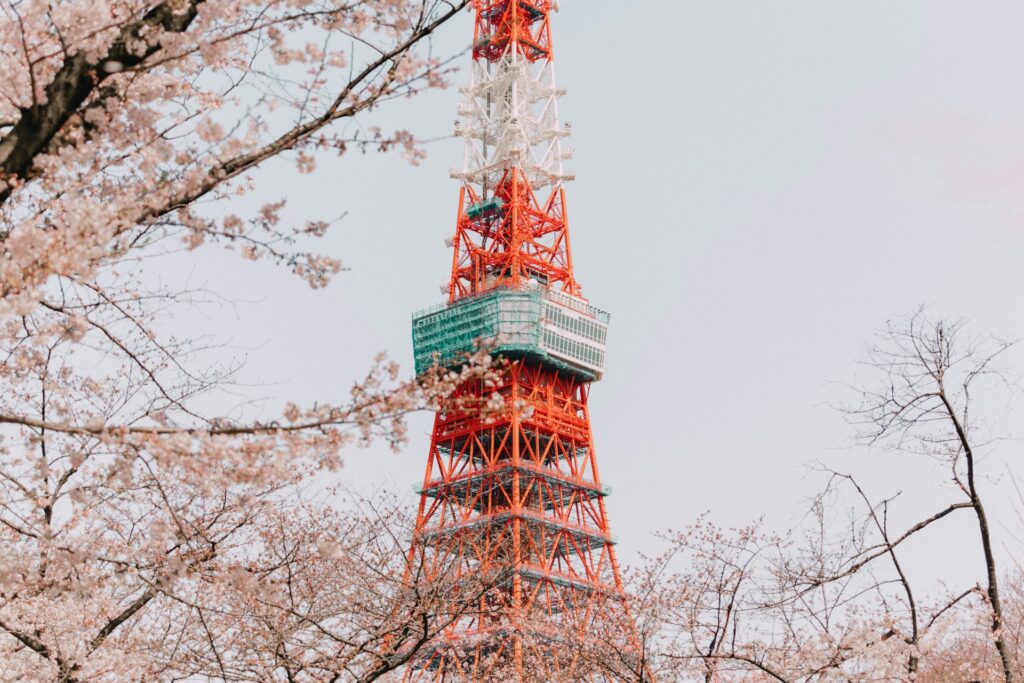
- Tokyo Skytree: Best for observation deck views, shopping at Solamachi, and a smooth continuation from Azumabashi Bridge.
- Kappabashi Kitchen Street: Best if you are interested in Japanese knives, ceramics, tableware, or cooking tools.
- Ueno: Best for museums, parks, the zoo, and Shinobazu Pond.
- Sumida River Water Bus: Best for a scenic route toward Odaiba or Hamarikyu Gardens. Check the same-day timetable, weather conditions, and operating status before planning your afternoon around it.
Final Verdict: Should You Visit Asakusa with a Guided Tour?
A guided walking tour is not necessary to enjoy Asakusa. The route is easy to follow on your own, and the main sights are free to enter. However, a good guide adds context that you will not get from a quick self-guided walk.
Choose a guided tour if:
- You want to understand the history behind Senso-ji and Asakusa Shrine
- You feel unsure about temple and shrine etiquette
- You prefer a clear, curated route with a local guide instead of navigating on your own
- You are visiting on a busy weekend and want to use your time efficiently
Choose a self-guided visit if:
- You mainly want photos, snacks, and souvenir shopping
- You are on a tight budget
- You want to spend as long as you like on Nakamise or at lunch
- You already know the basic history and etiquette
For first-time visitors: Asakusa is easy to explore alone, but a guided tour is worth it if you want cultural context in a short amount of time. If your priority is understanding the temple, shrine, and old Tokyo history as you walk, check the latest availability, start times, and inclusions before you go.
Tokyo: Asakusa Walking Tour with Sensoji Temple Visit → Check latest reviews, times & availability
Frequently Asked Questions
How many hours do I need for Asakusa?
For most visitors, 3 to 4 hours is enough for the main Asakusa sights. This gives you time for Kaminarimon Gate, Nakamise Shopping Street, Senso-ji Temple, Asakusa Shrine, lunch, and Tokyo Skytree views from the Sumida River. If you add kimono rental or a longer photoshoot, plan for 5 to 6 hours instead.
Is Asakusa worth visiting for half a day?
Yes. Asakusa is one of the best Tokyo neighborhoods for a half-day itinerary because the main attractions are close together, easy to walk between, and very different from modern areas like Shinjuku or Shibuya. It is especially worthwhile if you want temples, traditional shopping streets, street food, and classic Tokyo photos in one compact area.
Is it better to visit Asakusa in the morning or at night?
Visit in the morning if you want shops, snacks, temple fortunes, and a lively atmosphere. Visit at night if you want illuminated temple buildings, fewer crowds, and quieter photos. For a first visit, morning is usually the better choice because more things are open.
Where can I store luggage in Asakusa?
There are coin lockers around Asakusa Station, including Tokyo Metro, Toei, and Tobu areas, but large suitcase lockers can fill up by mid-morning. Prices vary by station area and locker size. If you cannot find space at the station, look for luggage storage services near Nakamise or use a luggage storage app to reserve a spot at a nearby shop, hotel, or cafe.
Can I visit Asakusa and Tokyo Skytree on the same day?
Yes. Asakusa and Tokyo Skytree are easy to combine. After finishing at Azumabashi Bridge, you can walk toward Tokyo Skytree, take a short train ride on the Tobu Skytree Line, or continue along the river if the weather is pleasant. This is one of the easiest half-day pairings in eastern Tokyo.
What should I do in Asakusa if it rains?
On a rainy day, keep your Asakusa route simple. Focus on Kaminarimon, Nakamise, Senso-ji, Asakusa Shrine, and lunch nearby. Avoid planning too much around outdoor river views or long walks to Tokyo Skytree unless the rain is light. A guided tour can also help if you want a more efficient route with less time spent checking directions in the rain.
Do I need a guided tour for Asakusa?
No, you do not need a guided tour to visit Asakusa. The route is easy to follow on your own. However, a tour is useful if you want to understand temple etiquette, Edo-period history, and the difference between Senso-ji Temple and Asakusa Shrine without doing research beforehand.
Prices, opening hours, transport schedules, water bus operations, tour inclusions, restaurant hours, payment methods, event dates, and seasonal conditions can change. Always check official sources and your selected booking page before finalizing your trip.
Hi, I’m Kai. I’m a Tokyo-based travel writer, tourism industry insider, and the author of a published guidebook for international visitors to Japan. With over 10 years of professional experience at a leading Japanese tourism company, my mission is to help you skip the tourist traps and navigate Japan’s best destinations like a local. I believe the perfect day trip is like a traditional kaiseki meal: a beautiful balance of precise planning and unforgettable seasonal discovery. When I’m not out conducting field research, you’ll usually find me drafting new itineraries with one of my favorite fountain pens!