
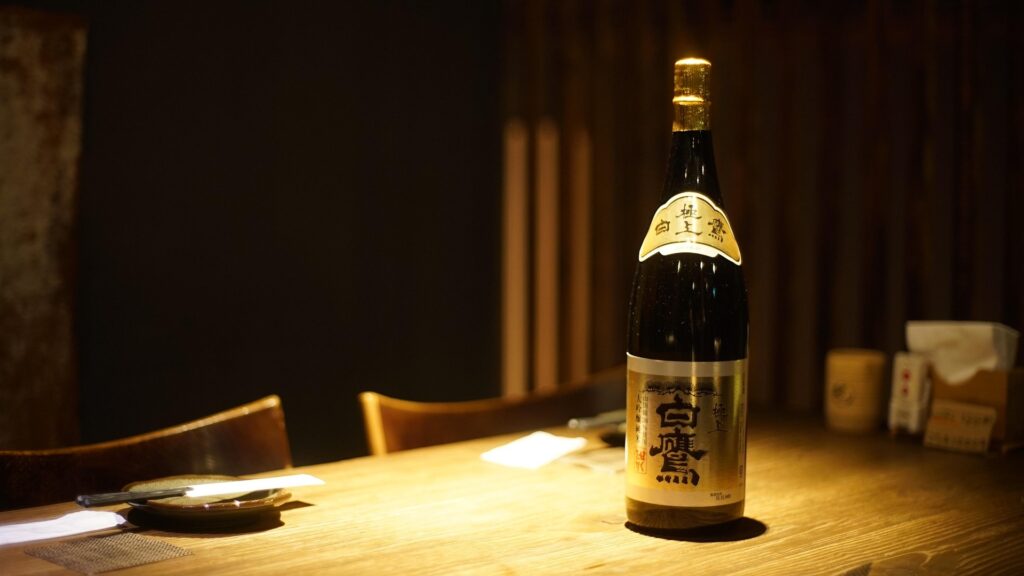
If you want to try a Japanese izakaya in Tokyo but do not speak Japanese, start with the right kind of place. A large chain izakaya is the lowest-stress option, Gonpachi gives you a famous English-accessible restaurant setting, and Shinjuku’s alleyways give you the classic Tokyo nightlife atmosphere. If you feel nervous about Japanese-only menus, cover charges, tiny local bars, or Kabukicho at night, a guided crawl can be worth considering.
I’m Kai Tanaka, a Tokyo-based travel writer. The advice below is written for English-speaking visitors who want a real izakaya night without accidentally choosing the wrong door, misunderstanding otoshi, or following a street promoter into a bad situation.
This guide covers the best English-friendly izakaya options in Tokyo, how the system works before you sit down, what hidden costs to expect, what to order, and when the Tokyo Shinjuku Local Bar & Izakaya Crawl Tour is actually worth booking.
Quick Answer for First-Time Tokyo Izakaya Visitors
- Easiest izakaya chain for beginners: Torikizoku is one of the easiest chains to try because its official visitor site lists multilingual touch-panel ordering and an English menu. Check the current official menu before you go, because prices and ordering systems can change by time and branch.
- Most iconic English-accessible izakaya-style restaurant: Gonpachi Nishi-Azabu is famous internationally as the restaurant associated with Kill Bill. It has official English information and online reservation options, making it easier than many small local izakayas.
- Best area to start: Shinjuku. You can compare chain izakayas, Omoide Yokocho food stalls, Golden Gai micro-bars and guided food tours in one evening.
- Best option if you feel nervous: A guided Shinjuku izakaya crawl is the easiest choice if you want help with Japanese menus, cover charges, tiny bars and local etiquette.
- Typical otoshi charge: Many Tokyo izakayas charge around ¥300 to ¥700 per person for otoshi, a small appetizer that works like a seating charge. The exact amount varies by venue.
- Golden Gai cover charges: Some bars charge an additional cover fee, often around ¥500 to ¥1,500 per person. Check the sign outside before sitting down.
- Cash or card: Large chain izakayas often accept cards or cashless payment, but small bars in Omoide Yokocho and Golden Gai may be cash-only. Bring enough yen for food, drinks and cover charges.
- Ordering: Raise your hand and say sumimasen to call a server. Most izakayas expect each person to order at least one drink.
- Safety note in Kabukicho: Do not follow street touts promising cheap drinks or no cover charge. Choose your own venue or go with a trusted guide.
What an Izakaya Is and How It Works
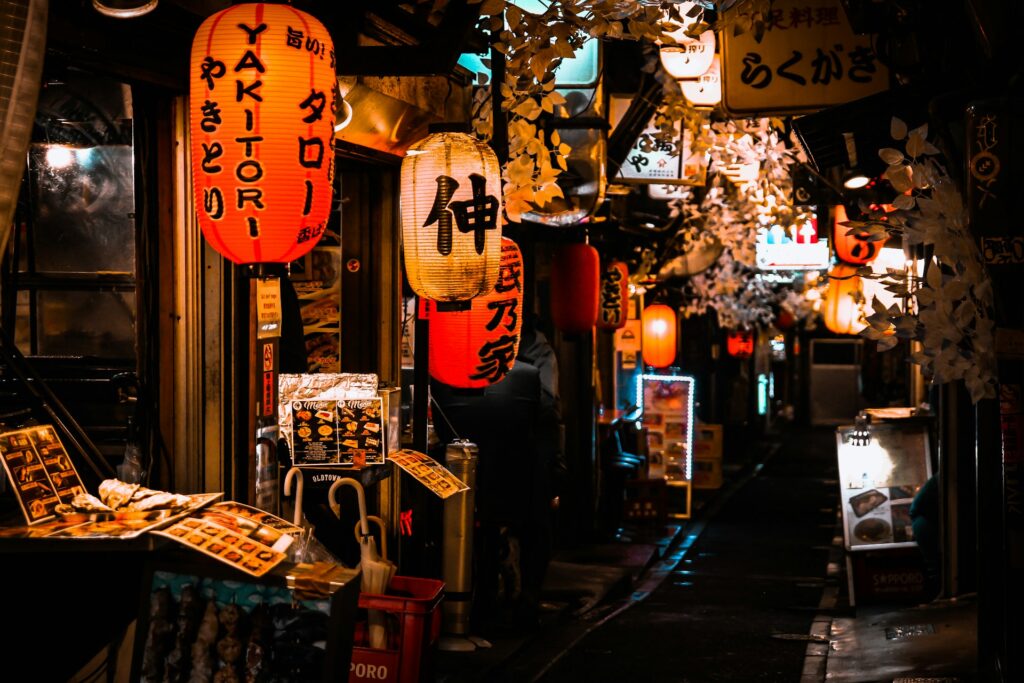
An izakaya is not quite a Western pub and not quite a standard restaurant. The word roughly means a place to stay and drink, but the experience is built around sharing food as much as drinking alcohol.
Instead of ordering one main dish each, your group usually orders several small plates for the table. Common choices include yakitori grilled chicken skewers, karaage fried chicken, sashimi, edamame, grilled fish, tofu dishes and seasonal specials. Food arrives gradually, so an izakaya meal feels more relaxed and social than a traditional sit-down dinner.
The atmosphere is usually lively and casual. Many modern izakayas are non-smoking or have designated smoking areas, but some small older bars may still allow smoking under specific exemptions. If smoke matters to you, check the sign at the entrance before you sit down.
Kai’s tip: The mistake I see travelers make is treating an izakaya like a one-dish restaurant. Order a drink first, choose two or three easy small plates, then add more once you understand the pace of the place. You do not need to solve the whole menu in the first five minutes.
Best English-Friendly Izakaya Options in Tokyo
Not all izakayas in Tokyo are equally easy for non-Japanese speakers. The trick is choosing the right type of place for your first night. Chains are easiest, iconic restaurants are more structured, and alleyway bars are more atmospheric but less predictable.
Torikizoku — Best Budget Yakitori Chain for Beginners
Torikizoku is one of the easiest izakaya chains for English-speaking visitors. Its official visitor site lists multilingual touch-panel ordering in English, Simplified Chinese and Korean, plus an English menu. This makes it a low-stress first stop if you want to try yakitori and izakaya-style ordering without needing much Japanese.
- Price: Torikizoku is known for a simple flat-price style, but do not rely on an old number from a blog or video. Check the current official menu before you go.
- Estimated total: Around ¥2,000 to ¥3,500 per person is a reasonable starting budget for a casual meal with drinks, depending on how much you order.
- Locations: Multiple branches across Tokyo, including central areas such as Shinjuku, Shibuya, Ueno and Asakusa.
- Best for: Budget travelers, first-timers, solo diners and anyone who wants a simple introduction to izakaya culture.
- What to order: Momo chicken thigh skewers, tsukune chicken meatballs, kawa chicken skin, karaage fried chicken and cabbage.
Torikizoku is casual, loud and efficient. It is not the place for a quiet romantic dinner or a deep culinary experience, but it is one of the easiest ways to understand how a Japanese izakaya night works.
Check the official Torikizoku visitor site for current menu, ordering and location details
Gonpachi Nishi-Azabu — The Famous “Kill Bill” Restaurant
Gonpachi Nishi-Azabu is one of Tokyo’s most famous izakaya-style restaurants, known internationally for its connection to Quentin Tarantino’s Kill Bill. It is a large, dramatic venue with high ceilings, lantern-lit interiors and a more structured restaurant feel than a tiny local izakaya.
- English support: Official English information, menu links and online reservation options are available.
- Price level: Higher than budget chains. Expect it to feel more like a destination restaurant than a cheap after-work izakaya.
- Reservations: Recommended, especially for dinner and larger groups.
- Best for: Travelers who want a memorable setting, groups, first-time visitors who prefer a more predictable dining experience, and fans of cinematic Tokyo restaurants.
- What to order: Yakitori, handmade soba, tempura, grilled dishes and sake.
Gonpachi is not the most local or budget-friendly choice, but it is a practical option if you want atmosphere, English-accessible information and a famous Tokyo dining setting.
Check the official Gonpachi Nishi-Azabu page for reservations and current menu details
Other Chain Izakayas
Other major izakaya chains in Tokyo may also be easier than small independent bars, especially when they offer picture menus, QR-code menus or tablet ordering. English support can vary by branch, so do not assume every location is the same.
- Doma Doma: A casual izakaya chain with a broad menu of grilled food, fried dishes, salads, hot pots and drinks. Some branches may be easier for visitors than others.
- Watami: A large izakaya chain with many central locations. Good for travelers who want a predictable menu and a calmer atmosphere than tiny alleyway bars.
- Shirokiya: A nationwide-style casual izakaya option. Check the branch before going, as menus and ordering systems can vary.
Estimated cost: For many chain izakayas, ¥2,500 to ¥4,500 per person is a reasonable starting range for food and drinks, depending on location, order size and drink choices.
Tradeoff: Chains are reliable and easier for non-Japanese speakers, but the atmosphere is more generic than a small local izakaya. If you prioritize ease over character, start here. If you want atmosphere, move on to Shinjuku’s alleys afterward.
How to Spot a Tourist-Friendly Izakaya on the Street
If you want to try a non-chain izakaya without much planning, look for these signs before entering:
- English menu displayed outside — Some venues post a laminated English menu near the entrance.
- Picture menus or food photos — These make ordering much easier even when staff speak little English.
- QR-code menu signs — Many modern restaurants use digital menus, sometimes with translation options.
- Tablet ordering visible inside — A good sign that ordering may be easier for visitors.
- Cover charge or otoshi information posted clearly — This helps you avoid surprises when the bill arrives.
If none of these signs are visible and the menu appears to be handwritten Japanese only, you can still try, but be prepared to use a translation app and accept that the staff may not be able to explain everything in English.
Tokyo Izakaya Etiquette, Otoshi and Hidden Costs
Understanding a few basic rules will help you avoid awkward moments when visiting izakaya restaurants in Tokyo, especially in older neighborhoods and small Shinjuku bars.
Otoshi and Cover Charges
The most common surprise for first-time visitors is otoshi. Shortly after you sit down, the staff may bring a small dish that you did not order. This is not a free welcome snack. It usually works as a mandatory seating charge and is added to the bill per person.
Many Tokyo izakayas charge around ¥300 to ¥700 per person for otoshi, although prices vary by venue. In Golden Gai and other tiny bar areas, you may also see a separate cover charge. If a price is posted outside, check it before entering.
For a deeper breakdown of what is normal and what is suspicious, read my guide to otoshi, izakaya hidden fees and real Tokyo bar scams.
Kai’s tip: I always tell readers not to panic just because a small dish appears without being ordered. A small, clearly billed otoshi is normal at many izakayas. The red flag is a vague, large charge after you followed a street tout or entered a place with no visible prices.
The One-Drink Rule
Many izakayas expect every guest to order at least one drink. It does not have to be alcohol. Beer, highballs and sake are common, but soft drinks, oolong tea and non-alcoholic options are usually available too.
If you only want a full dinner without drinks, a casual restaurant may be a better fit than a traditional izakaya.
Ordering Without Speaking Japanese
At larger izakaya chains, you may find English menus, QR-code ordering or tablet systems. At smaller places, especially in Omoide Yokocho or Golden Gai, menus may be handwritten in Japanese. A photo translation app can help, but it is still useful to know a few simple phrases.
- Sumimasen — Excuse me
- Kore kudasai — This one, please
- Osusume wa nan desu ka? — What do you recommend?
- Okaikei onegaishimasu — The bill, please
If the staff crosses their arms in an “X” shape at the door, do not take it personally. It usually means the restaurant is full, not accepting new customers, or not comfortable serving you at that moment.
Payment, Cash and Tipping
Tipping is not practiced in Japan. If you leave money on the table, the staff may think you forgot your change. Pay the bill at the register near the door unless the staff tells you otherwise.
Cards and cashless payments are common at many large izakaya chains and modern restaurants, but tiny bars and older stalls may still prefer cash. For Shinjuku alleys, bring enough Japanese yen to cover food, drinks, otoshi and possible cover charges.
Best Izakaya Areas in Tokyo for First-Timers
Tokyo has thousands of izakayas, but first-time visitors do not need to start with a random restaurant search. The easiest approach is to choose an area that matches your comfort level, budget and nightlife style.
| Area | Best For | What to Know |
|---|---|---|
| Shinjuku | First-time nightlife, food tours, classic Tokyo energy | The best all-around choice if you want Omoide Yokocho, Golden Gai, Kabukicho and chain izakayas in one evening. |
| Omoide Yokocho | Yakitori, narrow alleys, quick bites | Seats are limited, shops are tiny and turnover is fast. Bring cash and avoid lingering too long. |
| Golden Gai | Micro-bars, late-night drinks, unusual themes | Better for drinks than a full meal. Check cover charges, English signs and photo rules before entering. |
| Shibuya Nonbei Yokocho | Small bars near Shibuya Station | Convenient if you are staying in Shibuya, but some venues are very small and local. |
| Ebisu Yokocho | Food-focused izakaya hopping | A good alternative if you want a lively but slightly less chaotic night than Shinjuku. |
| Yurakucho Gado-shita | Old-school Tokyo drinking under the tracks | Great for a local after-work atmosphere, grilled food and casual beer halls. |
| Ueno and Ameyoko | Casual, cheaper, daytime or early evening drinks | Good for travelers who want a less polished, more everyday Tokyo izakaya scene. |
If nightlife is a major reason for choosing your hotel area, my broader guide to where to stay in Tokyo for first-timers explains when Shinjuku makes sense and when another base may be easier.
Shinjuku Izakaya Areas: Omoide Yokocho vs Golden Gai
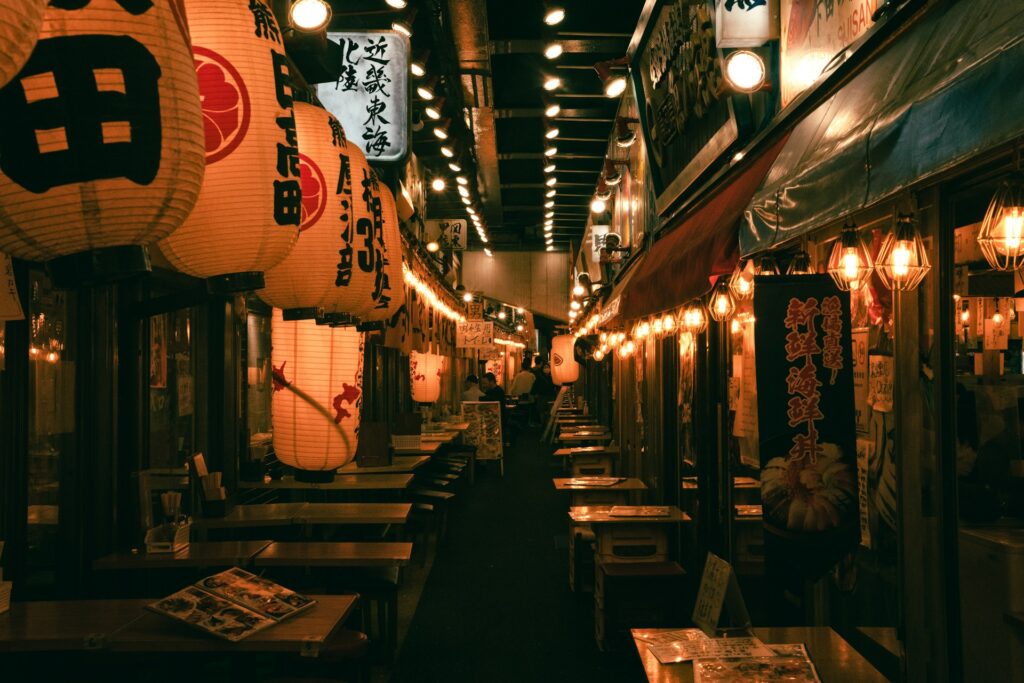
Shinjuku is the easiest Tokyo neighborhood for a first izakaya night because it combines food alleys, small bars, large chains and guided nightlife tours. It is also a huge area, so reading up on how to navigate Shinjuku Station can save time before your evening plans.
Omoide Yokocho
Omoide Yokocho, also known as Memory Lane, sits just outside Shinjuku Station. The narrow alley is packed with small stalls and counters specializing in yakitori, grilled offal, noodles and simple drinks.
This is a great place for first-timers who want the classic lantern-lit Tokyo food alley atmosphere. However, the restaurants are tiny. Some seats may fit only a handful of people, and the experience is usually better for a quick drink and a few skewers than a long dinner.
Choose Omoide Yokocho if you want food first, a lively atmosphere and a short stop before moving elsewhere.
Golden Gai
Golden Gai is a maze of narrow alleys in Kabukicho with around 280 tiny bars packed into a compact block. Each bar has its own personality, from film and jazz to punk, karaoke and retro themes.
Golden Gai is more about drinking and conversation than eating a full meal. Some bars welcome tourists and post English menus outside, while others are regulars-only, members-only or not comfortable serving in English. Cover charges are common, so check signs before entering and bring cash.
Be especially respectful in Golden Gai. Avoid street drinking, street smoking and taking photos inside tiny bars without permission. These bars are small, and one inconsiderate visitor can change the atmosphere quickly.
Choose Golden Gai if you want a late-night bar experience, unusual tiny venues and a more social drinking atmosphere. For a full meal, eat before you go or combine it with Omoide Yokocho.
Kai’s tip: If I had one evening in Shinjuku, I would not start in Golden Gai hungry. I would eat first in Omoide Yokocho or a chain izakaya, then treat Golden Gai as a one-drink or two-drink stop. That order keeps expectations realistic and makes cover charges feel less frustrating.
Solo Izakaya Tips for Tokyo
Traveling alone does not mean you should skip izakaya. Many of the English-friendly venues mentioned earlier work well for solo diners, but a few adjustments help.
- Chain izakayas are solo-friendly: Torikizoku and similar chains often work well because ordering is simple and you do not need to hold a long conversation with staff.
- Look for counter seats: Solo diners fit most naturally at counters, yakitori grills and small stalls.
- Omoide Yokocho works for solo visits: Many stalls have small counters where solo diners can order a drink and a few skewers without feeling out of place.
- Golden Gai solo etiquette: Some bars welcome solo drinkers. If a bar looks full or the owner seems busy, try the next one. Keep it short, order one or two drinks and leave when the conversation naturally ends.
- Budget for solo: Without group splitting, a solo izakaya night at a chain might start around ¥2,000 to ¥3,500. If you add a Golden Gai stop, budget extra for a cover charge and drink.
Kai’s tip: What catches people out when dining alone is not the food; it is the timing. Go a little earlier, choose counter seating, and keep your first stop simple. For more solo-specific advice, read my solo dining guide for Tokyo.
DIY Izakaya Night vs Guided Shinjuku Food Tour
Exploring izakaya restaurants in Tokyo on your own is completely possible, especially if you are comfortable using translation apps and reading signs carefully. The main challenge is not danger; it is uncertainty. You may not know which places have cover charges, which bars welcome tourists, or how much food and drink will cost before you sit down.
A guided izakaya tour is not necessary for every traveler. It is most useful if you are traveling solo, nervous about Japanese-only menus, or specifically want to visit tiny Shinjuku bars without guessing where to go.
| Decision Point | DIY Izakaya Night | Guided Shinjuku Tour |
|---|---|---|
| Best for | Flexible travelers, repeat visitors and confident food explorers | First-timers, solo travelers and visitors nervous about local bars |
| Upfront cost | Lower because you only pay each venue directly | Higher because you pay for the guide, route and local support |
| Food and drinks | You choose and pay as you go | Depends on the exact tour and date. Check whether food and drinks are included or paid separately before booking. |
| Hidden-fee risk | Higher unless you check otoshi and cover charges carefully | Lower because the guide can explain fees before you sit down |
| English support | Varies by venue | The guide can translate, order and explain dishes |
| Entry difficulty | Some tiny bars may be full, regulars-only or uncomfortable with English | Easier when the guide knows tourist-friendly local venues |
| Pace | Fully flexible | Fixed route and schedule |
For first-time visitors who want help with Japanese menus, cover charges and small Shinjuku bars, a guided izakaya crawl can be the easiest option. It is not usually the cheapest way to eat, but it can reduce the stress of choosing venues, understanding rules and entering tiny bars for the first time.
My Recommendation: Book the Guided Crawl If This Is Your First Shinjuku Night
If your main goal is “I want the Shinjuku izakaya and bar experience, but I do not want to guess which doors are safe, tourist-friendly or worth the cover charge,” the Tokyo Shinjuku Local Bar & Izakaya Crawl Tour is the option I would compare first.
Why I’d book this one:
- It solves the hardest part of Shinjuku nightlife: The issue is not finding bars; it is knowing which small bars are realistic for visitors, what fees apply, and when to move on.
- It fits the exact route most first-timers want: Current listings describe a Shinjuku route that usually includes areas such as Omoide Yokocho, Kabukicho and Golden Gai. Always confirm the selected date because routes can change.
- Recent reviewers highlight the guide and group atmosphere: Public reviews repeatedly mention friendly guides, a social group setting, karaoke or local drinks, and a sense of confidence for travelers who did not want to explore alone.
This is not the right choice if you want the cheapest possible dinner. It is the right choice if the value to you is local guidance, easier entry into small venues, and less anxiety around the rules.
| Option | Use It When | Cost Check |
|---|---|---|
| Tokyo Shinjuku Local Bar & Izakaya Crawl Tour | You want a guided first night with help entering small bars, reading the atmosphere and understanding local rules. | Check the booking page for current tour price, inclusions and whether food or drinks are separate. |
| DIY Shinjuku night | You are comfortable reading signs, using translation apps, carrying cash and leaving if a place feels unclear. | Pay each venue directly; budget separately for food, drinks, otoshi and cover charges. |
Shinjuku Local Bar and Izakaya Crawl Review
If you decide that a guided experience makes sense for your first izakaya night, the Tokyo Shinjuku Local Bar & Izakaya Crawl Tour is a practical option to compare. It is especially relevant for travelers who want to explore Kabukicho, Omoide Yokocho and Golden Gai without choosing tiny bars at random.
What the Tour Usually Looks Like
Current listings describe this as a guided bar-hopping experience in Shinjuku with a local guide, usually involving areas such as Omoide Yokocho, Kabukicho and Golden Gai. Exact routes, stops, inclusions, prices and start times can change, so treat the booking page as the final source before you reserve.
- General route: Shinjuku nightlife areas such as Omoide Yokocho, Kabukicho and Golden Gai.
- Main value: Local guidance, help entering small venues, menu support and context for izakaya etiquette.
- Language: Check the selected date and listing for guide language availability.
- Age rules: Japan’s legal drinking age is 20, and nightlife tours may have age restrictions.
- Costs: Confirm whether food and drinks are included or paid separately before booking.
What Recent Travelers Seem to Like
Recent public reviews on the booking page are especially useful because they show what the tour is actually solving for visitors. Reviewers consistently mention that the guide makes Shinjuku feel easier to approach, that the group setting helps solo travelers meet people, and that the night feels less intimidating than walking into tiny bars alone.
I would pay attention to three repeated themes rather than one dramatic review: guide quality, social comfort and ease of access. Those are the real reasons to choose a guided crawl over a DIY izakaya night.
What Is Included vs Paid Separately
This is the most important detail to check before booking. Some Shinjuku nightlife tours include a set number of drinks or food items, while others mainly cover the guide, route planning or venue access. The same tour page can also update its wording over time.
Do not book based only on the headline price. Open the current tour page and check the inclusions, exclusions, cancellation policy, meeting point, finish area, age requirements and whether you need cash for food and drinks.
Best-Fit Travelers
Best for: Solo travelers who want a social night out, first-time visitors worried about Japanese-only menus, women or small groups who feel cautious about Kabukicho at night, and anyone who wants to experience Shinjuku nightlife without spending the evening comparing signs, cover charges and restaurant reviews.
Skip it if: You are on a strict budget, you prefer quiet restaurants, you want full control over every stop, or you are already comfortable walking into small local bars without English menus.
Pre-Booking Checklist
- Food and drinks: Confirm whether they are included or paid separately.
- Route: Check whether the tour visits Omoide Yokocho, Golden Gai, Kabukicho or other Shinjuku areas.
- Group size: Smaller groups usually make tiny bars easier to enjoy.
- Start time: Make sure the finish time works with your last train or hotel location.
- Meeting point: Confirm the exact meeting place and nearest station exit on the booking page.
- Dietary needs: Izakaya food often includes meat, seafood, soy and gluten, so check before booking if you have restrictions.
- Cash: Bring yen in case food, drinks, cover charges or extra stops are paid on the night.
What to Order at Your First Izakaya
If the menu feels overwhelming, start with familiar izakaya classics. These are common across Tokyo and easy to share.
- Yakitori: Grilled chicken skewers. Try thigh, meatball, chicken skin or green onion skewers.
- Karaage: Japanese fried chicken, usually a safe first order for groups.
- Edamame: Salted soybeans, a simple snack with beer or highballs.
- Gyoza: Pan-fried dumplings, often easy to find at casual izakayas.
- Sashimi: Raw fish, usually better at izakayas with a strong seafood focus.
- Potato salad: A surprisingly common izakaya side dish.
- Grilled fish: Good if you want something less fried.
- Oolong tea: A useful non-alcoholic drink order if you do not drink alcohol.
For drinks, beer, lemon sour, highball, sake, shochu and oolong tea are common choices. If you are unsure what to order, ask osusume wa nan desu ka?, which means “What do you recommend?”
Tokyo Izakaya FAQ
Do I need to speak Japanese to visit an izakaya?
No, but it depends on the type of izakaya. Large chains and restaurants in major areas like Shinjuku, Shibuya and Roppongi often have English menus, QR-code menus or tablet ordering. Smaller local places may not.
For a first visit, a translation app and a few basic phrases are usually enough. If you want to visit tiny bars in Golden Gai or very local izakayas without worrying about communication, a guided tour can make the night easier.
How much should I budget for an izakaya night in Tokyo?
For a casual izakaya night, a reasonable starting budget is around ¥3,000 to ¥6,000 per person for food and drinks, depending on how much you order and where you go. Small bars, premium sake, multiple venues and Golden Gai cover charges can push the total higher.
Remember to factor in otoshi, possible cover charges and cash-only venues. If you are joining a guided tour, check whether food and drinks are included or paid separately.
Do Tokyo izakayas require reservations?
Not always. Many casual izakayas accept walk-ins, especially earlier in the evening or on weekdays. However, reservations are helpful for popular restaurants, larger groups and Friday or Saturday nights.
Omoide Yokocho and Golden Gai are different from normal restaurants. Many places are tiny, so the experience is often more about checking available seats than making a formal reservation.
Can I visit an izakaya with dietary restrictions?
Yes, but plan carefully. Izakaya food often uses meat, seafood, soy sauce and wheat. Vegetarians and vegans may find options such as edamame, cold tofu, grilled vegetables, rice dishes and some salads, but broths, sauces and toppings may still contain fish or meat products.
Gluten-free travelers should be especially careful because soy sauce often contains wheat, and many grilled or fried items use soy-based sauces or batter. For severe allergies, do not rely only on visual menus. Use an allergy card in Japanese or choose a setting where staff or a guide can confirm ingredients clearly.
Can I go to an izakaya alone?
Yes. Chain izakayas and counter-style restaurants are usually the easiest choices for solo diners. Omoide Yokocho also works well because many stalls have counter seating.
Golden Gai can be good for solo drinkers, but it depends on the bar. If a place is full, quiet or clearly regulars-focused, move on and try another door.
What does it mean when the staff makes an “X” with their arms?
If staff cross their arms in an “X” shape at the door, do not be offended. It usually means the place is full, not accepting new customers, or not able to serve you comfortably at that moment.
Smile, nod and move on to the next venue. In areas like Shinjuku, there will almost always be another izakaya or bar nearby.
Do izakaya restaurants in Tokyo accept credit cards?
Many larger izakaya chains and modern restaurants accept credit cards or cashless payment. Small bars, older stalls and tiny alleyway venues may not. This is especially true in places like Omoide Yokocho and Golden Gai.
Bring enough Japanese yen for food, drinks, otoshi and possible cover charges, even if you plan to use a card when available.
Is Golden Gai better than Omoide Yokocho?
It depends on what kind of night you want. Omoide Yokocho is better for food, yakitori, quick bites and a classic lantern-lit alley atmosphere. Golden Gai is better for tiny themed bars, late-night drinks and conversation.
For a first Shinjuku izakaya night, the easiest plan is to start with food in Omoide Yokocho, then move to Golden Gai for one drink if you still have energy.
Is it safe to follow promoters on the street in Shinjuku?
No. Shinjuku is generally safe, but you should not follow touts or street promoters who promise cheap drinks, no cover charge or special deals. This is especially important in Kabukicho, where some visitors run into inflated bills or uncomfortable situations.
Choose your own venue, check signs before entering, or go with a trusted guide. For more detail, read the complete guide on Kabukicho safety and scams to avoid.
Verdict: The Best Way to Try Izakaya Restaurants in Tokyo
For most first-time visitors, Shinjuku is the best starting point for izakaya restaurants in Tokyo. It gives you the widest mix of options in one area: casual izakayas, yakitori counters, Omoide Yokocho food stalls, Golden Gai micro-bars and guided nightlife tours.
Choose a chain izakaya like Torikizoku if: You want a low-stress first experience with simple ordering, clear prices and familiar food options. Easy, affordable and reliable.
Choose Gonpachi if: You want a famous, photogenic restaurant with official English-accessible information and a more structured dining experience.
Go DIY with Omoide Yokocho and Golden Gai if: You are comfortable with small restaurants, translation apps, cash payments and the possibility of being turned away from a tiny bar. Start early, carry yen, check cover charges and do not follow street promoters.
Choose a guided Shinjuku crawl if: You want help with Japanese menus, otoshi, cover charges and local bar etiquette. It is not essential for everyone, but it can make your first Tokyo izakaya night easier, more social and less stressful.
For solo travelers: Start with chain izakayas or counter-style stalls in Omoide Yokocho. Both are naturally solo-friendly and do not require a guide. Choose the guided crawl if you want the social side of the night without approaching small bars alone.
For travelers with dietary restrictions: Chain izakayas with picture menus give you more control, but severe allergies need extra care. Use a Japanese allergy card or choose a guided experience where your restrictions can be explained clearly.
Final Booking Check
If you already know you want Shinjuku, tiny bars, English support and a social first-night experience, the guided crawl is the cleanest choice to compare. Before reserving, confirm the selected date, meeting point, route, cancellation policy, age rules and whether food or drinks are included.
Prices, opening hours, menu items, ordering systems, payment methods, cover charges, tour routes, tour inclusions and age rules can change. Always check official sources and your selected booking page before finalizing your plans.
Hi, I’m Kai. I’m a Tokyo-based travel writer, tourism industry insider, and the author of a published guidebook for international visitors to Japan. With over 10 years of professional experience at a leading Japanese tourism company, my mission is to help you skip the tourist traps and navigate Japan’s best destinations like a local. I believe the perfect day trip is like a traditional kaiseki meal: a beautiful balance of precise planning and unforgettable seasonal discovery. When I’m not out conducting field research, you’ll usually find me drafting new itineraries with one of my favorite fountain pens!