
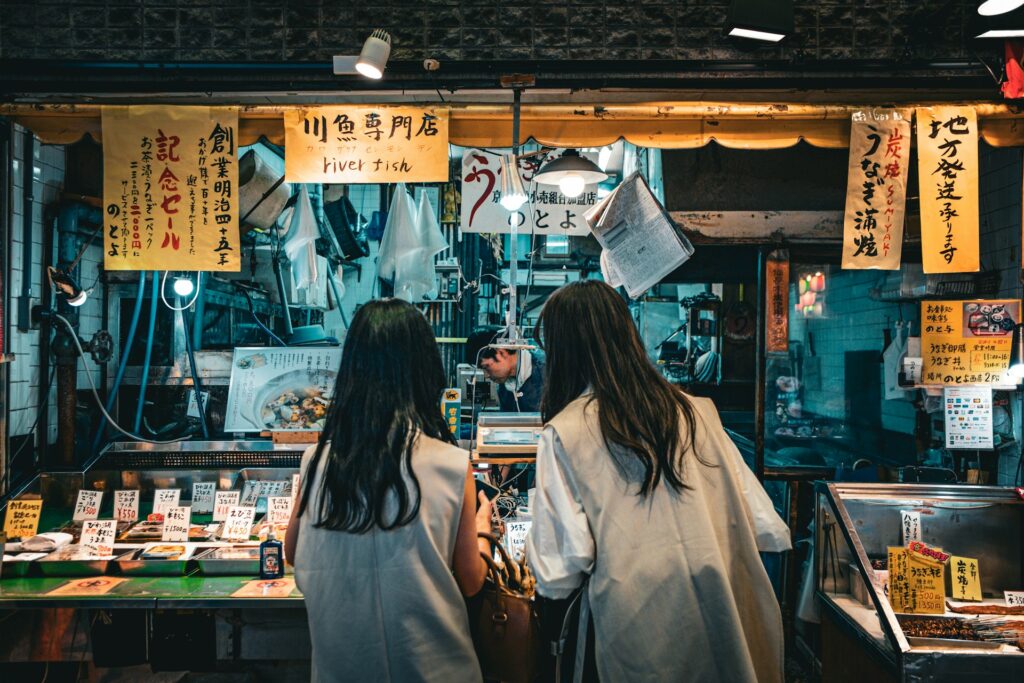
Finding a restaurant in Kyoto that welcomes children, offers food your kids will actually eat, and does not make you feel like you are breaking a silent rule can be one of the biggest daily challenges of traveling with young children. Many traditional restaurants are small, quiet, and not designed around strollers, high chairs, or tired toddlers.
The good news: you do not have to survive on convenience store food. Kyoto has plenty of low-stress options if you know where to look.
Quick Answer: Dining in Kyoto with Kids at a Glance
Here is what you need to know upfront:
- The safest bets: Japanese family restaurants, conveyor belt sushi chains, and department store food halls. These are usually the easiest options for families because they are casual, flexible, and less intimidating than small traditional restaurants.
- For picky eaters: Look for plain rice, udon noodles, karaage fried chicken, fries, omelet rice, pasta, and simple convenience store backups.
- For babies and toddlers: Kyoto Station, large department stores, and shopping centers are usually easier than narrow alleys in Gion or Pontocho.
- For parents who want real local food: A guided food tour can reduce the stress of choosing restaurants, navigating crowds, and dealing with language barriers, but always check the latest age rules, inclusions, and meeting point before booking.
If your child is more likely to enjoy Japanese food by making it first, a hands-on ramen bowl painting and cooking experience in Gion can be a fun way to turn lunch into an activity.
Top 3 Fail-Proof Kid-Friendly Restaurant Types in Kyoto
Before you stress over finding the perfect traditional Kyoto restaurant, remember these three family-friendly options. You can find them around major areas such as Kyoto Station, Kawaramachi, Shijo, Karasuma, and large shopping centers.
1. Kaiten Sushi: Conveyor Belt Sushi That Doubles as Entertainment
Conveyor belt sushi chains such as Kura Sushi and Sushiro are lifesavers for many families in Japan. They are casual, fast, and lively enough that a restless child is less likely to feel out of place.
In central Kyoto, the Kura Sushi Plus branch on Teramachi Street in the Kawaramachi area is a useful option for families. It opened in early 2026, and prices at that branch start from around ¥150 per plate, with higher prices for premium items. Prices and opening hours can change, so check the current branch page before making a special trip.
- Why kids like it: Food moves around the restaurant, orders arrive quickly, and the whole experience feels more playful than a standard sit-down meal.
- Why Kura Sushi is especially fun: At many Kura Sushi branches, kids can insert empty plates into the table slot to play the Bikkura Pon game. If they win, they receive a small capsule toy.
- Food for picky eaters: Even children who do not eat raw fish can usually find udon, fries, fried chicken, tempura, desserts, and other simple dishes.
- Parent perk: Touchscreen ordering and quick service make it easier to manage hungry kids, although language options and menu items can vary by branch.
2. Japanese Family Restaurants: The Ultimate Safe Zone
A Japanese family restaurant, often called famiresu, is one of the easiest places to eat with kids in Japan. Look for chains such as Gusto, Saizeriya, Royal Host, and similar casual restaurants near stations and shopping areas.
- Kid-friendly setup: Family restaurants are more likely to have high chairs, kids’ menus, picture menus, drink bars, and enough background noise to make parents feel less self-conscious.
- Easy food: Menus usually include pasta, pizza, hamburger steak, fries, rice dishes, soups, desserts, and simple Japanese-Western meals.
- Good for tired days: They are not the most “Kyoto-only” dining experience, but they are reliable when everyone is hungry, wet, jet-lagged, or overwhelmed.
- Branch variation: Facilities differ by location, so do not assume every branch has the same baby chairs, stroller space, or English support.
3. Depachika: Department Store Food Halls for Easy Takeaway Meals
If your child is melting down and sitting in a restaurant is no longer realistic, head to a depachika, the food hall in the basement of a department store. In central Kyoto, Daimaru Kyoto and Kyoto Takashimaya are convenient options around the Shijo/Kawaramachi area.
- What you can buy: Bento boxes, sushi, yakitori, croquettes, sandwiches, fruit, pastries, salads, sweets, and drinks.
- Why it works for families: Everyone can choose something different, and you can take the food back to your hotel or to a nearby outdoor spot.
- Picnic idea: On a good-weather day, pick up takeaway food and eat near the Kamo River or in a park where children can move around more freely.
- Baby-care bonus: Daimaru Kyoto has baby facilities on the 6th floor, while Kyoto Takashimaya has baby facilities in its 5th-floor children’s area. Facilities and hours can change, so check the store guide when you arrive.
Price & Location Quick Reference Table
| Restaurant Type | Typical Budget | Where to Look | Best For |
|---|---|---|---|
| Kaiten Sushi | Budget-friendly, with prices varying by plate and branch | Kawaramachi, Kyoto Station area, shopping districts | Kids who like movement, picky eaters, quick meals |
| Family Restaurants | Usually moderate and predictable | Near stations, shopping streets, and malls | Toddlers, rainy days, high-chair needs, tired families |
| Depachika Takeaway | Flexible; snacks to full meals | Daimaru, Takashimaya, and major department stores | Meltdowns, hotel meals, picnics, mixed tastes |
| Guided Food Tours | Higher cost, but logistics are easier | Nishiki Market, Gion, Pontocho | Parents who want local food without restaurant stress |
Best Areas for Family Dining in Kyoto
Not all parts of Kyoto are equally easy for family dining. These are the most practical areas to keep in mind when hunger hits.
Kyoto Station Area
Kyoto Station is one of the easiest areas for families because you have station restaurants, shopping-center dining floors, elevators, restrooms, and transport all in one place. If your hotel is nearby, this area is especially practical for first-night dinners and rainy days.
Kyoto Yodobashi, near Kyoto Station, has a 6th-floor restaurant area with casual dining options such as omurice, doria, sushi, tonkatsu, gyukatsu, and other easy meals. Tenants can change, so treat it as a convenient dining floor rather than planning your day around one specific restaurant.
- Best for: Rainy days, stroller users, tired children, and families who want several restaurant choices in one building.
- Why it works: You can usually find elevators, restrooms, casual menus, and a less intimidating atmosphere than small street-level restaurants.
- Tip: Check the current floor guide when you arrive, especially if you need baby facilities or a specific cuisine.
Kawaramachi, Shijo & Karasuma Area
This is Kyoto’s main shopping and dining hub. It is convenient because you have department stores, food halls, chain restaurants, cafes, and access to Nishiki Market nearby. It is also busy, so it works best when you have a flexible backup plan.
- Best for: Families staying in central Kyoto, older children who can handle crowds, and parents who want shopping plus food in one area.
- Easy backups: Depachika takeaway from Daimaru or Takashimaya, family restaurants, cafes, and conveyor belt sushi.
- Watch out for: Crowded sidewalks, narrow restaurant entrances, and long waits during peak lunch and dinner times.
If your child is curious about Japanese food but not ready for a long, quiet restaurant meal, a hands-on cooking class can be an easier middle ground. Kids stay engaged, make something themselves, and still get a memorable Kyoto food experience.
Gion & Pontocho
Gion and Pontocho are beautiful, atmospheric, and memorable, but they are not always easy with young children. Many restaurants are small, quiet, expensive, or difficult to understand without Japanese. Some places may not accept young children because of limited space, smoking rules, counter seating, or the style of service.
- Best for: Parents with older children, families who book ahead, or travelers joining a guided food tour.
- Watch out for: Narrow alleys, limited stroller space, small izakayas, and restaurants that may not be suitable for babies or toddlers.
- Practical approach: Use Gion and Pontocho for a planned experience, not as the place to wander with hungry children and no reservation.
How Parents Can Actually Enjoy Kyoto’s Local Food
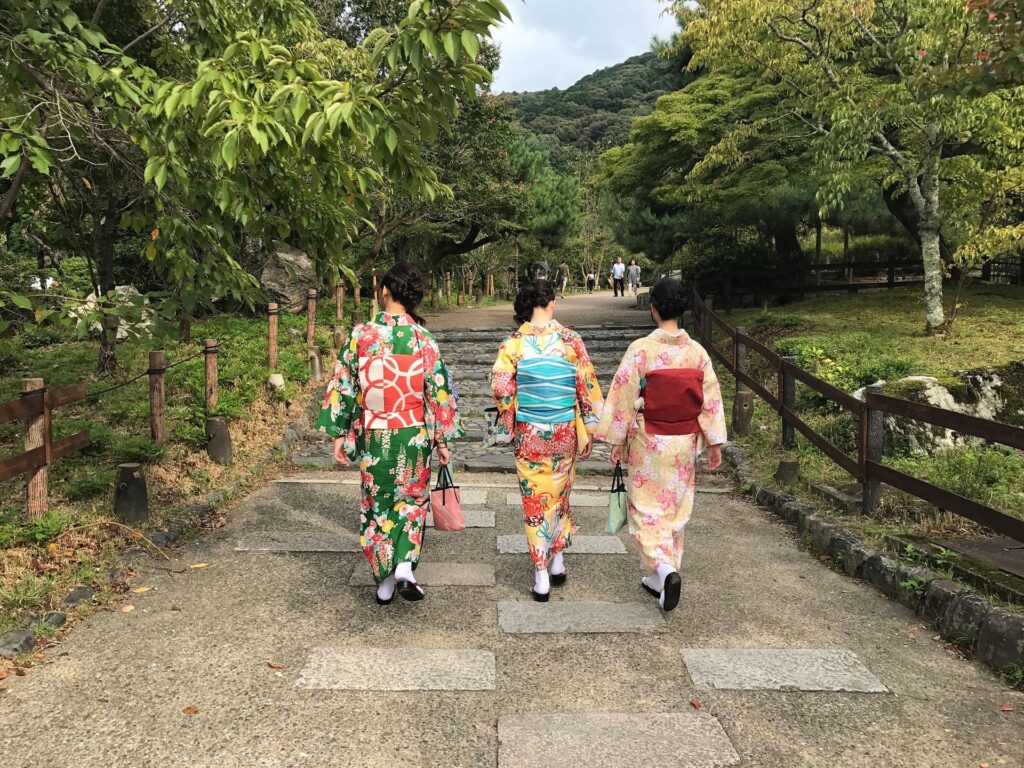
Family restaurants and conveyor belt sushi are useful, but you probably did not travel all the way to Kyoto just to eat fries and pizza. You may want to try yuba, seasonal dishes, sashimi, wagyu, tempura, izakaya food, and the lively atmosphere of Kyoto’s food streets.
The challenge is that Kyoto’s most famous food areas are not always simple with children. Nishiki Market gets crowded, and the market asks visitors not to eat while walking. Gion and Pontocho are atmospheric but can be difficult for families because many restaurants are small, busy, and not designed around strollers or high chairs.
If you want to experience local food without the anxiety of being turned away at the door or navigating dense crowds while holding a child’s hand, a guided food tour may be worth comparing before you commit to doing everything yourself.
DIY vs. Guided Food Tours for Families
| Feature | DIY Dining in Kyoto | Guided Food Tour |
|---|---|---|
| Finding a Spot | You choose freely, but you may face long waits, small spaces, or unclear child policies. | The guide and tour operator usually arrange the route and venues in advance. |
| Navigating Crowds | You handle narrow streets, market crowds, and tired children yourself. | A local guide leads the route, which can reduce decision fatigue. |
| Food Variety | Flexible, but families often default to the easiest option. | You may try several local dishes in one outing. |
| Stress Level | Can be high if your children are hungry, picky, or exhausted. | Usually easier logistically, but still check walking distance, age rules, and dietary restrictions. |
Stress-Reduced Nishiki Market Tasting
Nishiki Market is a must-visit food area, but its narrow street can get packed, especially around midday, weekends, and holidays. With children, the hard parts are choosing vendors, finding where to stand and eat, understanding what is in each food, and keeping everyone together in the crowd.
A local tasting tour can make this easier because the guide leads the route and introduces a set selection of foods. The specific tastings, duration, and dietary accommodation rules vary by tour, so check the latest booking page carefully before choosing one for your family.
- Who this is for: Parents who want to taste Kyoto market foods efficiently without doing all the research themselves.
- Who this is not for: Families with large strollers, children who dislike walking, or travelers with strict dietary restrictions that the tour cannot accommodate.
- Family tip: A baby carrier is usually easier than a stroller in Nishiki Market.
Check availability, tastings, dietary rules, and meeting point for a Nishiki Market food tour →
Gion & Pontocho Dining without the Guesswork
Experiencing Kyoto at night in the lantern-lit streets of Gion and Pontocho can be unforgettable, but this is also one of the hardest areas for families to approach casually. Many restaurants are small, popular, and not obvious from the outside.
A small-group evening food tour can reduce the guesswork by taking you to pre-selected venues with a guide. Some tours include multiple dishes and drinks, but inclusions vary by date and booking platform. Always check the latest details, especially if you are traveling with young children, need an early bedtime, or have dietary restrictions.
- Who this is for: Parents who want a more adult Kyoto food experience but do not want to manage reservations, language, and restaurant selection alone.
- Who this is not for: Families on a very tight budget, babies who need an early night, or children who cannot manage a multi-hour evening outing.
- Family tip: Ask yourself whether your child can handle the walking distance and timing before booking, not just whether the food sounds good.
Check availability, current price, inclusions, and age suitability for a Gion & Pontocho food tour →
Practical Tips for Dining Out with Kids in Kyoto
Best Times to Avoid Crowds
- Lunch: Try eating early, around 11:00–11:30, or later, after the main lunch rush. Opening times vary by restaurant.
- Dinner: For young children, an early dinner around 17:00–17:30 is usually easier than waiting until the local dinner rush.
- Nishiki Market: Earlier in the day is often more manageable than peak midday hours, but individual stall hours vary.
- Rainy days: Choose station buildings, shopping centers, department stores, or covered arcades instead of wandering between small restaurants.
High Chairs, Diaper Changes & Nursing Rooms
- High chairs: Large chains, food courts, and department-store restaurants are more likely to have them. Small independent restaurants often do not.
- Portable backup: If you are traveling with a baby or toddler, a compact fabric chair harness can be useful.
- Baby care rooms: Department stores and large shopping centers are usually more reliable than small restaurants for diaper changes and nursing spaces.
- Strollers: Elevators exist in large buildings, but small restaurants may have narrow entrances, steps, or limited storage space.
What to Do on a Rainy Day
- Use Kyoto Station or Kyoto Yodobashi for multiple restaurants under one roof.
- Buy depachika takeaway from Daimaru or Takashimaya and eat at your hotel.
- Choose a family restaurant where the atmosphere is casual and predictable.
- Consider an indoor cooking class if your children are old enough for the activity rules.
Food Allergies & Picky Eaters
- Common hidden ingredients: Soy sauce often contains wheat, and many soups or sauces use fish-based dashi.
- Useful backup foods: Plain rice, kake udon, karaage, edamame, fries, egg sandwiches, yogurt, fruit, and simple onigiri.
- Allergy card: If your child has a serious allergy, carry a clear allergy card written in Japanese and do not rely only on English menus.
- Vegetarian caution: Dishes that look vegetarian may still contain fish broth, bonito flakes, or animal-based seasonings.
Frequently Asked Questions
Are children welcome in traditional Kyoto restaurants?
It depends on the restaurant. Casual noodle shops, okonomiyaki restaurants, family restaurants, and shopping-center restaurants are usually easier with kids. High-end kaiseki restaurants, small izakayas, counter-only restaurants, and quiet traditional venues may be less suitable for young children.
If you want a more traditional meal with kids, look for private rooms, hotel restaurants, lunch service rather than dinner, or places that clearly welcome families. When in doubt, contact the restaurant or ask your hotel before going.
Do restaurants in Kyoto provide high chairs?
Some do, but not all. Family restaurants, food courts, larger chains, and department-store restaurants are more likely to have high chairs. Small independent restaurants, counter seating, and older traditional buildings may not. If a high chair is essential, check before going or bring a portable backup.
What do picky eaters eat in Kyoto?
Many picky eaters can manage Kyoto with the right backup options. Look for plain white rice, udon noodles, karaage fried chicken, fries, omelet rice, pasta, egg sandwiches, yogurt, fruit, and plain onigiri. Conveyor belt sushi and family restaurants are especially useful because they offer many small, simple dishes in one place.
Are there vegetarian or vegan options for kids in Kyoto?
Yes, but they require planning. Kyoto has vegetarian and vegan restaurants, but standard Japanese restaurants often use fish-based dashi even in dishes that look meat-free. For children, check menus in advance and carry a Japanese explanation card if you avoid fish, meat, eggs, dairy, or other ingredients. Convenience stores and department-store food halls can help, but labels may still be difficult to interpret without Japanese.
What is the best area to stay in Kyoto for family dining?
Kyoto Station is one of the most practical bases for families because it has transport, shopping centers, casual restaurants, restrooms, and many easy backup options. Kawaramachi/Shijo is also convenient and more central for sightseeing, but it can be busier and more crowded. Families with toddlers often appreciate being close to a station or department store rather than relying on small traditional restaurants every night.
Is Nishiki Market good with kids?
Yes, but it depends on your child’s age and tolerance for crowds. Nishiki Market is colorful and fun, but the street is narrow and eating while walking is discouraged. It is usually easier with older children, baby carriers, and a flexible plan. Large strollers can be stressful during busy hours.
Final Verdict: Which Option Should Your Family Choose?
| If Your Family Is… | Best Choice |
|---|---|
| On a tight budget | Kaiten sushi, family restaurants, convenience store backups, or depachika takeaway. |
| Traveling with a baby or toddler | Kyoto Station, shopping-center restaurants, family restaurants, and department stores with baby facilities. |
| Dealing with picky eaters | Kaiten sushi or family restaurants, where simple dishes and small portions are easier to find. |
| Wanting authentic local food without too much stress | A guided Nishiki Market or Gion/Pontocho food tour, after checking age rules, walking distance, and dietary restrictions. |
| Facing rain or exhaustion | Kyoto Station, Kyoto Yodobashi, department stores, or takeaway meals at the hotel. |
| Wanting food plus an activity | A ramen, bento, or cooking experience, as long as your child meets the age and participation requirements. |
Choose DIY dining if: your children are flexible eaters, you want maximum freedom, and you are comfortable using chain restaurants, food halls, and backup meals when needed.
Choose a guided food tour if: you want to try local Kyoto dishes but do not want to manage restaurant research, language barriers, crowded streets, and ordering logistics on your own.
The easiest family strategy: Use kaiten sushi, family restaurants, and depachika takeaway for everyday meals, then choose one special food experience or guided tour for the Kyoto meal you actually want to remember.
Prices, opening hours, restaurant tenants, baby facilities, transport conditions, tour inclusions, age rules, dietary accommodation, payment methods, and seasonal operations can change. Always check official sources and your selected booking page before finalizing your trip.

Hi, I’m Kai. I’m a Tokyo-based travel writer, tourism industry insider, and the author of a published guidebook for international visitors to Japan. With over 10 years of professional experience at a leading Japanese tourism company, my mission is to help you skip the tourist traps and navigate Japan’s best destinations like a local. I believe the perfect day trip is like a traditional kaiseki meal: a beautiful balance of precise planning and unforgettable seasonal discovery. When I’m not out conducting field research, you’ll usually find me drafting new itineraries with one of my favorite fountain pens!