
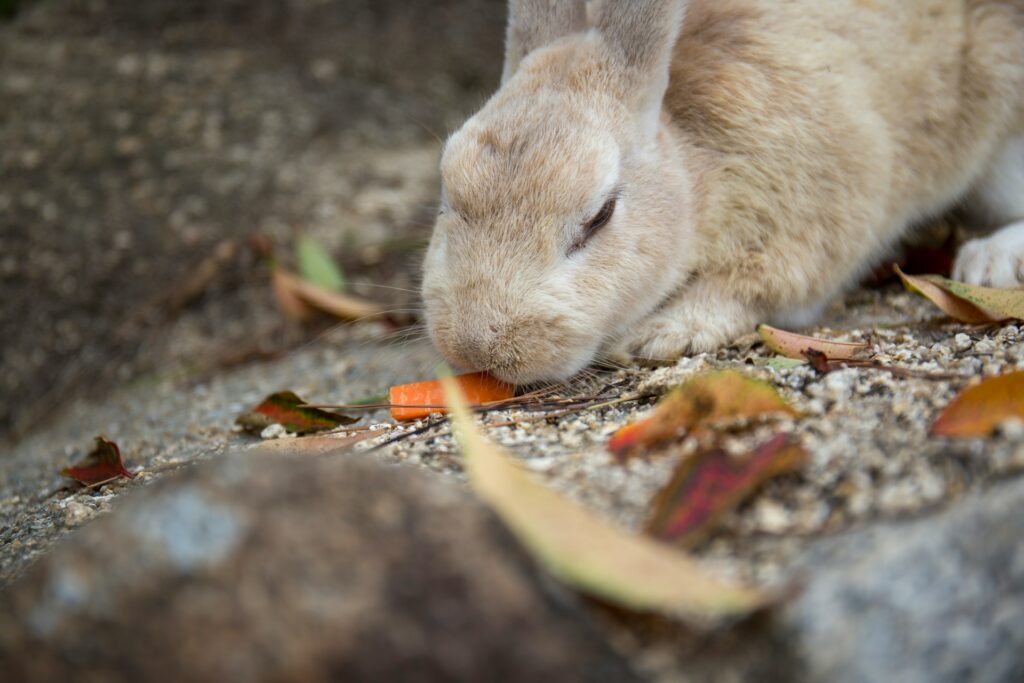
If you are staying in Hiroshima and considering a day trip to Okunoshima, better known as Rabbit Island, the most important decision is not whether you can go. You can. The real question is whether to visit independently or with a guided tour.
This guide compares both options side by side, including transport, ferry timing, JR Pass considerations, rough costs, Takehara add-ons, family suitability, and the situations where a tour is worth paying more for.
Quick Answer
Yes, Okunoshima from Hiroshima is doable as a full day trip. Expect roughly 2 hours each way if you travel independently, plus a short ferry from Tadanoumi Port to the island.
- Choose DIY if you are on a budget, have a JR Pass, or are comfortable planning around rural train and ferry schedules.
- Choose a guided tour if you want the easiest possible day, are traveling with family, or want to include Takehara without planning every connection yourself.
Before leaving Hiroshima, check the latest ferry timetable. The journey is not difficult, but your day can shrink quickly if you miss a local train or arrive just after a ferry has departed.
DIY vs. Guided Tour Comparison
This table shows the key differences at a glance. Use it to decide which option fits your travel style before diving into the details.
| Feature | DIY Route | Guided Tour |
|---|---|---|
| Best for | Budget travelers, JR Pass holders, independent travelers | Travelers who want the easiest day with fewer logistics |
| Transfers required | Train transfer(s), walk to the port, and ferry | Transport is arranged as part of the itinerary |
| Missed-connection risk | Higher, especially with local trains and ferry timing | Lower, because the schedule is managed for you |
| Approximate total cost | Lowest with a JR Pass; higher without one depending on route | Higher, but transport, ferry logistics, guide, and Takehara are typically included |
| Rabbit food | Buy before boarding the ferry | Often included, but check the current tour details |
| Extra sightseeing | Only if you plan it yourself | Often includes Takehara historical town |
| Total time commitment | Usually a full-day outing once travel and island time are included | Usually a full-day guided itinerary |
| Flexibility | Higher once you understand the schedule | Lower, but much easier |
The DIY route is usually the cheapest way to visit Okunoshima and gives you full control over your pace. A guided tour removes the stress of timing trains and ferries, and it can be especially helpful if you also want to visit Takehara without building a second transport plan.
Who Should Visit Okunoshima?
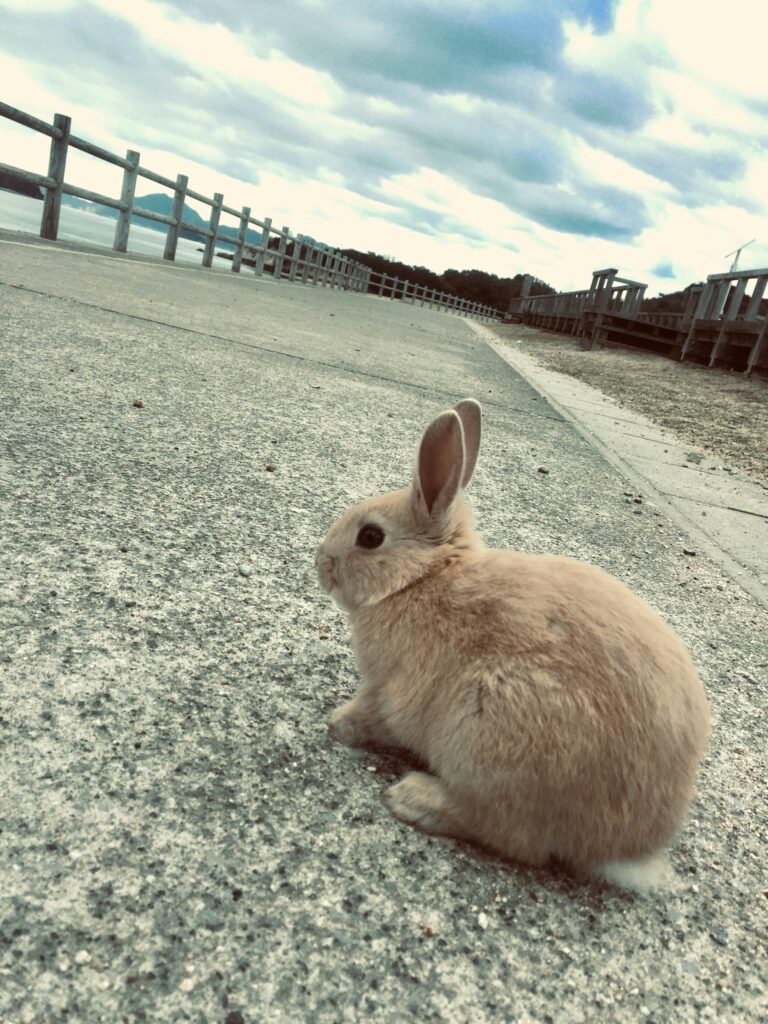
Okunoshima is a genuinely unusual day trip, but it is not the best choice for every Hiroshima itinerary. Here is how to know if it fits your trip.
Who Will Love It
- Animal lovers: The main draw is the island’s free-roaming rabbits. They often approach visitors, especially when food is nearby, but they should still be treated gently and respectfully.
- Travelers with two or more days in Hiroshima: If you already have time for Peace Memorial Park and Miyajima, Okunoshima makes a memorable extra-day trip.
- History enthusiasts: The Poison Gas Museum and wartime ruins add a sobering historical layer that makes the island more meaningful than a simple animal attraction.
- Families with older children: Kids who can handle a long travel day and follow animal-safety rules will likely enjoy the trip.
- Solo travelers and photographers: Quiet walking paths, coastal views, rabbits, and ruins make the island rewarding for a slow solo visit.
Who Should Skip or Reprioritize
- Travelers with only one full day in Hiroshima: Prioritize Peace Memorial Park and Miyajima first. Okunoshima works better as an extra day.
- Families with toddlers: The island itself is fairly manageable, but the long round-trip travel time can be tiring.
- Travelers with limited mobility: The main areas are easier than the ruins and longer walking routes, but the full experience still involves walking, slopes, and some uneven paths.
- Rainy-day travelers: The island depends heavily on outdoor time. If heavy rain or strong wind is forecast, consider a backup plan.
DIY Route from Hiroshima

If you choose to visit independently, the route is straightforward on paper. The real challenge is not complexity. It is timing. You need to reach Tadanoumi Station, walk to the port, and match your arrival with the ferry schedule.
Important: If you are traveling with larger bags, leave them in Hiroshima when possible. Use coin lockers at Hiroshima Station or a luggage storage service in Hiroshima. Tadanoumi Port has coin lockers, but size and availability can be limited, especially on busy days.
Step 1: Hiroshima to Tadanoumi Station by Train
The fastest independent route is usually via Mihara.
- Take the Kodama Shinkansen from Hiroshima Station to Mihara Station.
- Transfer to the JR Kure Line local train and get off at Tadanoumi Station.
- Walk about 5 minutes from Tadanoumi Station to Tadanoumi Port.
This option is especially attractive for JR Pass holders because the train portion may be covered, depending on your pass and route. The ferry is separate and is not covered by the JR Pass.
Timing tip: The Shinkansen leg is usually the easy part. The local connection after Mihara needs more attention. If you miss the Kure Line train, you may lose a large part of your island time.
Cheaper Train Route Without the Shinkansen
If you are not using a JR Pass and want to reduce costs, you can also use local or rapid JR trains between Hiroshima and Tadanoumi. This usually takes longer than the Shinkansen route but can be cheaper.
Because fares and routes can change, treat any cost estimate as a rough planning figure and confirm your exact route in a transit app before departure.
Direct Bus Option
A direct bus toward the Tadanoumi area can be a simpler alternative if you want fewer transfers, but departures are limited compared with city transport.
- Best for: Travelers who prefer fewer transfers and are not using a JR Pass
- Trade-off: Less flexibility if you miss your departure
- Tip: Confirm the latest bus timetable before your travel day
Step 2: Ferry from Tadanoumi Port to Okunoshima
Once you arrive at Tadanoumi Station, the port is a short walk away. Follow the pedestrian signs to the ferry terminal.
- Ferry time: Approximately 15 minutes
- Adult fare: 360 JPY one way, 720 JPY round trip as of June 2026
- Child fare: 180 JPY one way as of June 2026
- JR Pass: Not valid for the ferry
- Payment tip: Carry cash as a backup for the ferry, rabbit food, small shops, and museum admission.
- Timetable: Ferry schedules can change, so check the official Sanyo Shosen timetable before your trip.
- Rabbit food: Buy it before boarding. Do not count on buying rabbit food after you reach the island.
Total DIY Cost Breakdown
Your actual DIY cost depends heavily on whether you already have a JR Pass and whether you choose the faster Shinkansen route or a slower local-train route.
| Expense | With JR Pass | Without JR Pass |
|---|---|---|
| Train between Hiroshima and Tadanoumi | Often covered, depending on your pass and route | Varies by route; local trains are cheaper, Shinkansen routes are faster but more expensive |
| Ferry round trip | 720 JPY as of June 2026 | 720 JPY as of June 2026 |
| Rabbit food | Usually inexpensive; buy before boarding | Usually inexpensive; buy before boarding |
| Poison Gas Museum | 150 JPY for adults aged 19 and over as of June 2026 | 150 JPY for adults aged 19 and over as of June 2026 |
| Best value for | JR Pass holders and confident independent travelers | Travelers who want control and do not mind checking fares carefully |
If you already have a JR Pass, the DIY route can be excellent value. Without one, the transport cost gap narrows, and a guided tour may become more attractive if you value convenience, timing support, and the Takehara add-on.
If this sounds like more logistics than you want to manage, check the latest Rabbit Island and Takehara guided tour availability, inclusions, and cancellation policy before deciding.
Guided Tour Option: What You Get
If the idea of timing trains and ferries does not appeal to you, a guided tour can remove the most stressful parts of the day. Many Rabbit Island tours from Hiroshima also include Takehara, a preserved historical town often described as “Little Kyoto of Hiroshima.”
What Is Typically Included
Tour inclusions can change by date and operator, but Rabbit Island and Takehara tours commonly include some combination of the following:
- Transport between activities, so you do not need to manage every connection yourself
- Ferry arrangements for the Okunoshima crossing
- Rabbit food, though you should always confirm this on the booking page
- A Takehara historical district stop
- An English-speaking guide
- A full-day itinerary starting in the morning and returning later in the day
Always check the current booking page before reserving, especially for start time, meeting point, cancellation policy, language, transport method, and exactly what is included.
Is the Tour Worth It?
A guided tour makes the most sense if:
- You are traveling with family and want to reduce the risk of missed connections or tired kids dealing with transfers.
- You are short on time and want to see both Okunoshima and Takehara in one day.
- You are not using a JR Pass and would otherwise pay separately for all transport.
- You prefer having someone else manage the timing so you can focus on the experience.
If you are a confident independent traveler with a JR Pass and a flexible schedule, the DIY route gives you more freedom and a lower cost. But if ease is your priority, a guided tour can be a solid investment.
Check current Rabbit Island and Takehara tour details, availability, and inclusions here.
How to Combine Takehara with Your Trip by DIY
If you choose the DIY route but still want to visit Takehara, you can combine both destinations in one day. Takehara Station is on the same general rail corridor as Tadanoumi and Mihara, so the route can fit naturally into your day if you start early.
Sample DIY Flow: Okunoshima + Takehara
- Early morning: Depart Hiroshima Station and travel toward Tadanoumi via Mihara or another suitable route.
- Morning: Arrive at Tadanoumi, buy rabbit food, and board the ferry to Okunoshima.
- Late morning to early afternoon: Explore Okunoshima, feed the rabbits respectfully, walk the coastal paths, and visit the Poison Gas Museum if open.
- Early afternoon: Return by ferry to Tadanoumi and continue toward Takehara.
- Afternoon: Walk Takehara’s preserved historical district and have a late lunch or cafe stop.
- Late afternoon: Return to Hiroshima.
Note: This DIY combination is possible, but it is a tight day. If you want a relaxed pace, either skip Takehara, stay longer in the area, or choose a guided tour that already includes both stops.
Essential Tips Before You Go

A smoother Okunoshima day trip usually comes down to a few small decisions before you board the ferry. Here is what to know before you go.
Rabbit Food: Where and What to Buy
Buy rabbit food before boarding the ferry, usually around Tadanoumi Port or nearby. It is not sold on Okunoshima itself, so do not wait until you arrive on the island.
Do not bring bread, sweets, salty snacks, or random leftovers. Stick to rabbit-safe food and feed calmly. The goal is a better experience for both visitors and the rabbits.
Island Rules and Animal Etiquette
- Do not chase, grab, or pick up the rabbits. They are used to visitors but still need space.
- Do not feed rabbits on roads or crowded pathways. Move to a safer grassy area first.
- Do not overfeed one rabbit. Spread food out and let rabbits approach naturally.
- Take your trash back with you. Do not leave food packaging on the island.
- Wash or sanitize your hands after feeding. Basic hygiene is smart after animal contact.
Poison Gas Museum: Why It Matters
Okunoshima is not only about rabbits. During World War II, the island was used for poison gas production, and the Poison Gas Museum explains this darker part of its history.
- Admission: 150 JPY for adults aged 19 and over; free for visitors under 19 as of June 2026
- Hours: Typically 9:00 AM to 4:00 PM, with last entry shortly before closing
- Time needed: Around 20 to 40 minutes for most visitors
- Language: Exhibits are mainly in Japanese, with some English information available
- Family note: The topic is serious, so parents may want to decide whether it is appropriate for younger children.
Opening hours, temporary closures, and admission details can change, so check the latest official information before building your day around the museum.
Best Time to Visit and Crowd Avoidance
- Best seasons: Spring and autumn usually offer the most comfortable weather for walking outside.
- Best days: Weekdays are generally quieter than weekends and public holidays.
- Best time of day: Arriving earlier gives you more time on the island and more flexibility for the return trip.
- Busy periods: Expect more visitors around Golden Week, summer holidays, long weekends, and good-weather autumn weekends.
How Long to Stay on the Island
- Quick visit: 1.5 to 2 hours for rabbits and photos near the main areas
- Standard visit: 2 to 3 hours for rabbits, the museum, and a short walk
- Fuller visit: 3 to 4 hours for rabbits, museum, ruins, and a slower loop around the island
- Relaxed pace: 4 to 5 hours if you want a picnic, longer walks, or extra photo time
Rainy Day Plan
Rain changes the experience. The rabbits may be less active and more likely to stay under trees, buildings, or sheltered spots. You can still visit in light rain, but the island is much better when you can spend time outdoors comfortably.
- Bring waterproof shoes if rain is possible.
- Check ferry operation updates during severe weather.
- Use the Poison Gas Museum as part of your rainy-day plan if it is open.
- Consider rescheduling if the forecast shows heavy rain or strong wind all day.
Family Tips
- Strollers: Main paths are relatively manageable, but not every ruin or side path is stroller-friendly.
- Kids and rabbits: Supervise children closely and teach them to let rabbits approach instead of reaching or chasing.
- Toilets: Public restrooms are available in the main visitor areas, but do not expect convenience-store-level facilities everywhere.
- Snacks: Bring snacks and water, especially for children. Food options on the island are limited.
Luggage and What to Bring
- Leave large luggage in Hiroshima when possible. Small lockers may be available at Tadanoumi Port, but they should not be your main plan for big suitcases.
- Bring cash as a backup for small payments.
- Pack sunscreen, water, hand sanitizer, comfortable shoes, a hat, and insect repellent in warmer months.
- Bring a light jacket in cooler seasons, because the island and ferry areas can feel breezy.
Frequently Asked Questions
Can you really do Okunoshima from Hiroshima in one day?
Yes. It is a realistic day trip, but it is a long one. Expect roughly 2 hours each way depending on your route and connections, plus time on the island itself. Treat it as a full-day outing, not a quick half-day stop.
Is DIY or a guided tour better?
DIY is better for budget travelers, JR Pass holders, and anyone comfortable managing train and ferry schedules. A guided tour is better if you want the easiest option, are traveling with family, or want to include Takehara without planning the route yourself.
Can I use the Japan Rail Pass for the whole trip?
No. A JR Pass can help with the train portion, depending on your route and pass conditions, but it does not cover the ferry between Tadanoumi Port and Okunoshima.
Can I buy rabbit food on Okunoshima?
No, you should not rely on buying rabbit food after arrival. Buy it before boarding the ferry, usually around Tadanoumi Port or nearby.
Is Okunoshima worth it if I only have one full day in Hiroshima?
Usually no. If you only have one full sightseeing day, start with Peace Memorial Park and Miyajima. Okunoshima is a stronger choice once you have an extra day to spare.
How much time do I need on the island?
Most visitors spend 2 to 3 hours. If you also want to visit the Poison Gas Museum, walk to the ruins, and explore more of the island, plan for 3 to 4 hours.
Is the ferry safe in bad weather?
The crossing is short, but severe weather can still affect ferry operations. In light rain, ferries may operate normally, but you should check the official timetable and operation updates if strong wind, storms, or heavy rain are forecast.
Are there restaurants on Okunoshima?
Food options on the island are limited. There may be dining or cafe options around the hotel area, but do not rely on a wide choice. Bringing snacks or a simple lunch is a good idea, especially if you are traveling with children.
Final Verdict
Okunoshima from Hiroshima is worth the travel time if you want a day trip that combines animals, coastal scenery, and wartime history in a way few other places in Japan can match. The choice between DIY and a guided tour comes down to your travel style.
- Choose DIY if: You have a JR Pass, you are comfortable with train transfers, you want to save money, and you prefer controlling your own schedule.
- Choose a guided tour if: You want the simplest possible day, are traveling with children, or would like to visit Takehara without planning the route yourself.
- For families: A guided tour is often the easier choice because timing, transfers, and tired kids can make the DIY route more stressful.
- For budget travelers: DIY is usually best, especially if your rail travel is already covered.
- For first-time visitors to Hiroshima: Visit Miyajima and Peace Memorial Park first. Add Okunoshima only if you have an extra day.
The simplest rule: DIY for value, guided tour for ease. Either way, Rabbit Island is a memorable addition to a broader Hiroshima day trip plan once you have already covered the city’s biggest highlights.
Prices, opening hours, transport schedules, pass conditions, ferry operations, tour inclusions, payment methods, food availability, and seasonal conditions can change. Always check official sources and your selected booking page before finalizing your trip.

Hi, I’m Kai. I’m a Tokyo-based travel writer, tourism industry insider, and the author of a published guidebook for international visitors to Japan. With over 10 years of professional experience at a leading Japanese tourism company, my mission is to help you skip the tourist traps and navigate Japan’s best destinations like a local. I believe the perfect day trip is like a traditional kaiseki meal: a beautiful balance of precise planning and unforgettable seasonal discovery. When I’m not out conducting field research, you’ll usually find me drafting new itineraries with one of my favorite fountain pens!