
Quick Answer
Yes, this tour is worth it if your goal is to see both Mt Aso and Takachiho Gorge from Fukuoka in a single day without driving. The catch is that you need realistic expectations: this is a long coach day, stop times are structured, Mt Aso crater access can change for safety reasons, and the Takachiho Gorge rowboats are never fully guaranteed.
The biggest advantage is convenience. One booking usually covers coach transport, guide support, and a planned route between two major Kyushu nature sights that are awkward to combine independently in one day. Some packages also help with the Takachiho boat reservation process.
The main trade-off is flexibility. You are not booking a slow hiking day or a deep-dive visit to either location. You are booking an efficient scenic sampler from Fukuoka.
Current-status note: recent official and local updates have reported temporary restrictions around the Mt Aso Nakadake crater due to volcanic gas safety conditions. This can change quickly, so check the official Aso volcano status page close to your travel date before booking if the crater itself is your main priority.
➡️ Check current availability, boat option rules, and cancellation policy
Decision Snapshot
| Factor | What to Expect |
|---|---|
| Total day length | Usually a full-day outing from early morning to early evening. Exact meeting and return times vary by date and operator. |
| Main advantage | You can visit Mt Aso and Takachiho Gorge from Fukuoka in one day without renting a car or managing rural transfers. |
| Main downside | The day is long and structured, with a large share of time spent on the coach. |
| Review pattern | At the time of checking, this is a highly rated GetYourGuide tour with hundreds of reviews. Travelers tend to praise convenience and scenery. |
| Price range | Often from around US$47–70 per person, depending on date, exchange rate, package, and boat option. Always check the live booking page. |
| Boat option | A boat-included package can simplify reservation steps, but the actual ride still depends on river conditions and operator confirmation. |
| Mt Aso risk | Crater access can change or close due to volcanic gas, weather, or safety restrictions. |
| Takachiho risk | Rowboats can be suspended after rain, during high water, for inspections, or when conditions are unsafe. |
| Walking load | Expect stairs, uneven paths, damp surfaces, and moderate walking around Takachiho Gorge. |
| Best for | Travelers based in Fukuoka who want a high-efficiency nature day trip and do not want to drive. |
| Not ideal for | Travelers who want long hikes, slow sightseeing, minimal stairs, or full control over the schedule. |
Current Status: What to Check Before Booking
Two parts of this tour are especially condition-dependent: Mt Aso crater access and the Takachiho Gorge rowboats. You can still have a good day if one of them changes, but you should not book this tour for one single photo moment that must happen exactly as planned.
Mt Aso Nakadake Crater Access
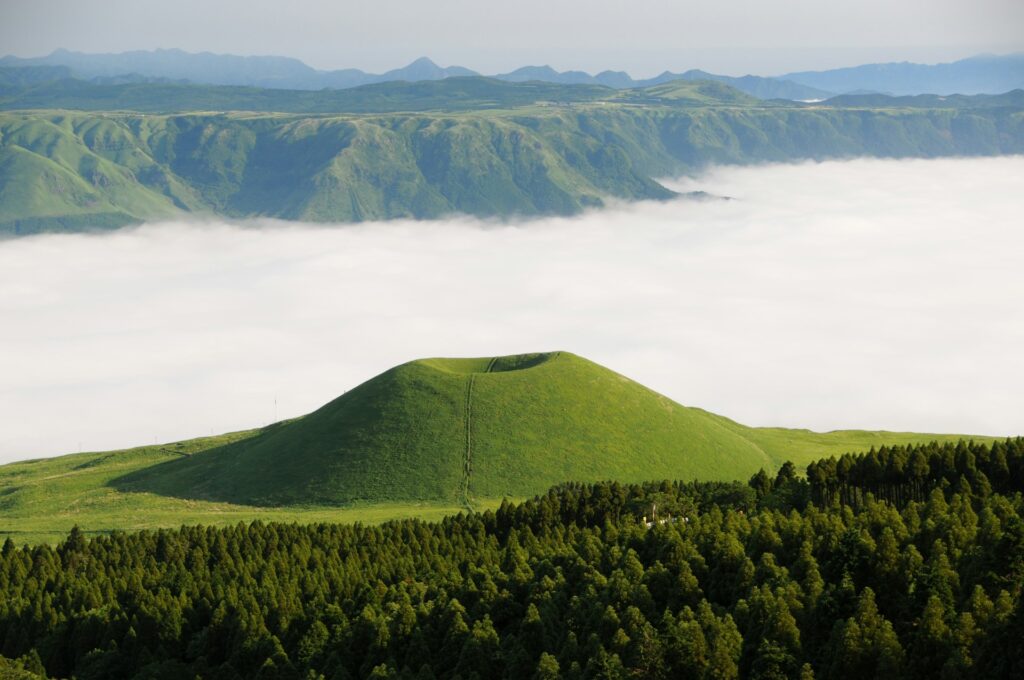
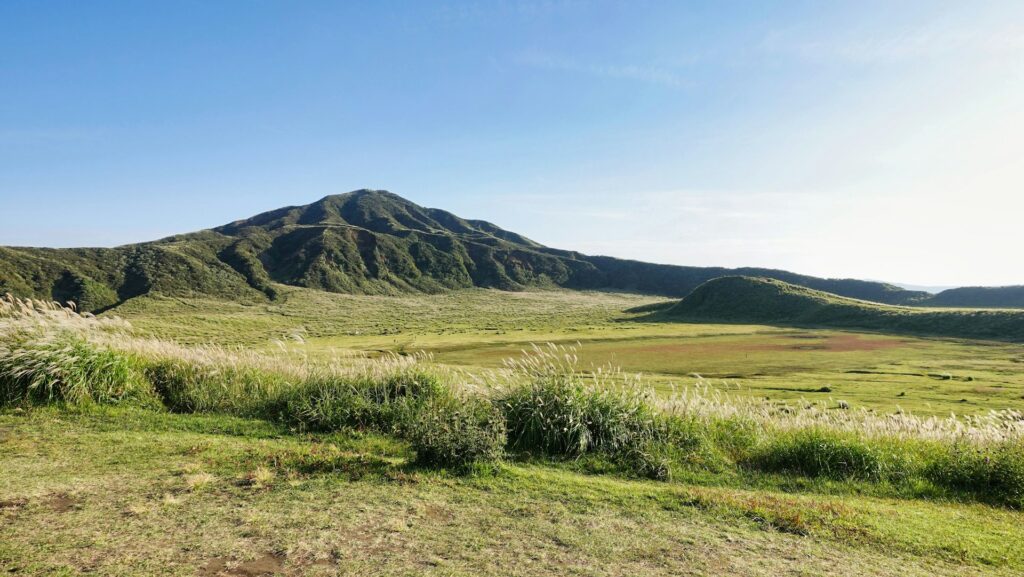
Mt Aso is an active volcanic area. Access to the Nakadake crater can be restricted or closed because of volcanic gas, weather, or safety assessments. When the crater area is not accessible, tours typically focus more on the surrounding Aso caldera scenery and Kusasenri grasslands.
What this means for you: if your main goal is standing at the crater edge, check the official Aso volcano status page close to your travel date. If you are happy seeing the wider volcanic landscape, grasslands, and caldera views, the tour can still be worthwhile even when crater access changes.
Takachiho Gorge Rowboats
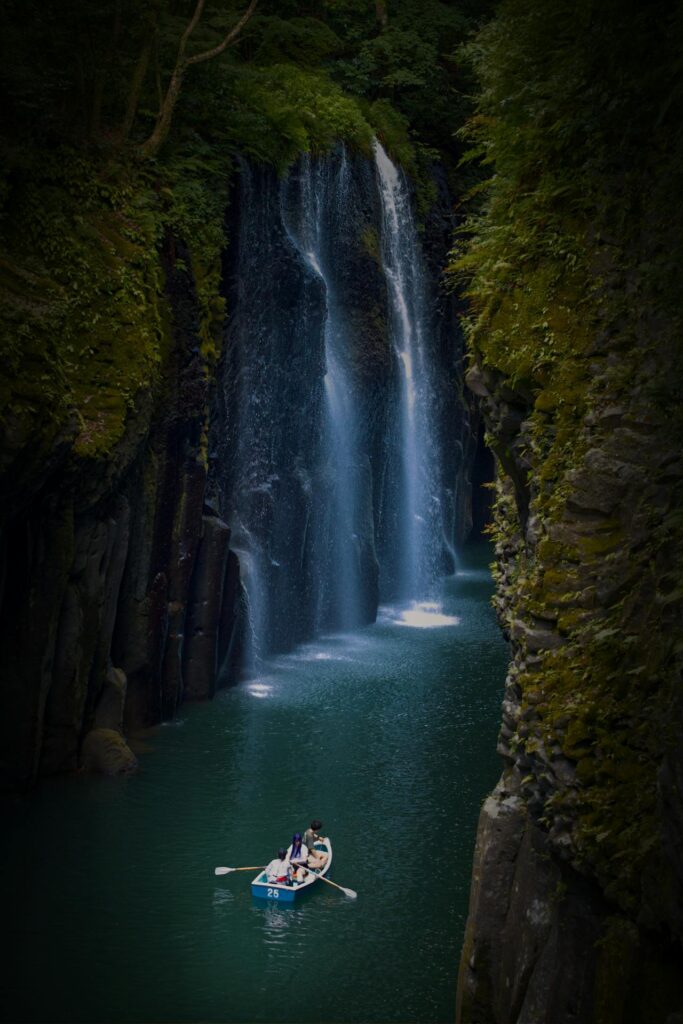
The Takachiho Gorge rowboats are one of the most popular experiences in the area, but they are not guaranteed. Operations can be suspended when river conditions are unsafe, including after rain, during high water, near typhoon conditions, or for safety checks.
On busy days, boat waits can stretch for hours, and same-day availability may disappear. A boat-included tour package can reduce the booking hassle, but it should not be treated as a 100% guarantee that you will get on the water.
For the latest local rules, check the official Takachiho boat information before your trip: Takachiho Gorge boat information.
Who This Tour Is For
This tour makes the most sense when you look at Kyushu on a map and decide you would rather trade flexibility for convenience. Public transport between Fukuoka, Aso, and Takachiho is possible in pieces, but combining both sights in one same-day loop is awkward without a car.
Choose this tour if you:
- Want to visit Takachiho Gorge from Fukuoka without renting a car.
- Also want to add Mt Aso or the Aso caldera area on the same day.
- Prefer one booking over multiple train, bus, and local transfer decisions.
- Are comfortable with a long day if it means seeing two of Kyushu’s best-known nature sights.
- Want the option to simplify the Takachiho boat booking process.
Skip this tour if you:
- Dislike long bus journeys or early departures.
- Want several hours of hiking around Aso.
- Want to linger at Takachiho Gorge without a fixed return time.
- Need a very low-stairs or low-effort itinerary.
- Would be very disappointed if the crater or boat ride is unavailable on the day.
Tour at a Glance: Facts, Price, and Inclusions
At the time of checking, this is typically sold as a guided full-day bus trip from central Fukuoka combining the Aso caldera area, Kusasenri, and Takachiho Gorge. Exact route, stop order, timing, and inclusions can change, so treat the details below as planning guidance rather than fixed promises.
| Detail | What to Know |
|---|---|
| Typical price | Often from around US$47–70 per person, with variation by season, exchange rate, and package type. |
| Departure area | Usually near Hakata Station in central Fukuoka. Check your final booking instructions for the exact meeting point. |
| Check-in | Arrive early. Meeting instructions and check-in times can change, so read the operator message before departure. |
| Guide language | Often English and Chinese, depending on the operator and date. |
| Usually included | Coach transport, guide support, and standard tour logistics. Some packages include boat reservation handling. |
| Usually not included | Lunch, personal travel insurance, and your own incidental spending. |
| Important note | Itineraries are subject to traffic, weather, volcanic safety rules, river conditions, and operator decisions. |
Typical Itinerary: Sample Flow Only
Exact timing can shift with traffic, seasonal conditions, volcanic access rules, and boat operations. Use this as a realistic outline, not a timetable.
- Early morning: Check in near Hakata Station and depart Fukuoka by coach.
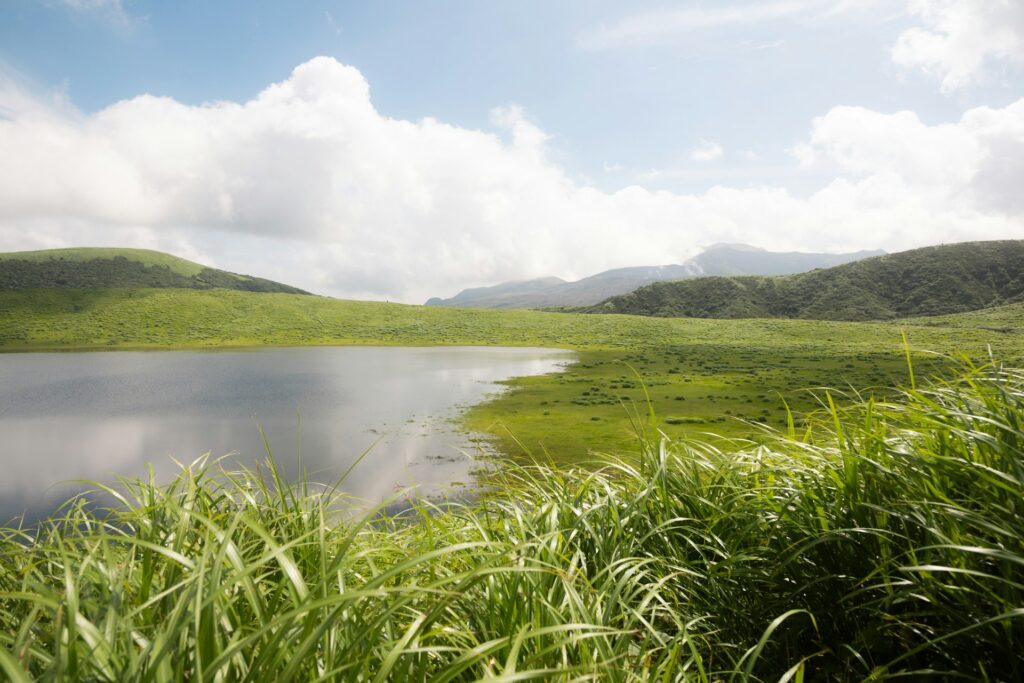
- Late morning: Reach the Mt Aso / Kusasenri area for views, photos, and a short walk.
- Midday: Lunch break. Lunch is usually not included, so budget separately.
- Afternoon: Continue to Takachiho Gorge for walking, viewpoints, and the boat option if available and included in your package.
- Late afternoon to evening: Return to Fukuoka by coach.
If the Aso crater is closed, the Aso portion may focus on Kusasenri and surrounding caldera scenery. If the Takachiho boats are suspended, the gorge stop becomes a walking and viewpoint visit instead.
Major Trade-Offs
Transport Convenience vs. Long Bus Time
The main reason to book this tour is simple: it removes the hardest part of the day. Doing Mt Aso and Takachiho Gorge independently from Fukuoka in one day means dealing with long distances, limited rural connections, and a lot of timing risk.
The trade-off is equally clear. You will spend a substantial part of the day on the coach. If your ideal day trip is maximum freedom and minimal sitting, this is not that kind of outing.
High-Impact Scenery vs. Limited Stop Time
This tour works best if your goal is to see two major Kyushu landscapes rather than fully explore them. Mt Aso and Takachiho Gorge are both impressive, but the schedule is designed for an efficient overview, not slow hiking or long photography sessions.
That makes the tour a good fit for first-time visitors, short-stay travelers, and anyone trying to fit a headline Kyushu nature day into a packed Fukuoka itinerary.
Easy Booking vs. Condition-Dependent Highlights
The itinerary is convenient, but the two headline highlights come with real operating risk:
- Mt Aso crater access can change or close due to volcanic gas and safety restrictions.
- Takachiho Gorge rowboats can be suspended due to river conditions, high water, weather, inspections, or limited availability.
That does not make the tour a bad choice. It simply means you should book it for the overall route and convenience, not for one exact viewpoint or boat ride that must happen.
How This Tour Compares to Other Options
Many travelers are not just deciding between “book this tour” and “do nothing.” They are choosing between a guided tour, a Takachiho-only trip, a rental car, or a complicated public transport plan.
The cost ranges below are rough planning references only. Prices change by season, exchange rate, group size, insurance, tolls, fuel, parking, platform fees, and what is included.
| Option | Best For | Trade-Off |
|---|---|---|
| This Mt Aso & Takachiho Tour | First-time visitors who want both Aso and Takachiho in one day without driving. | Long bus day, fixed stops, and condition-dependent highlights. |
| Takachiho-Only Day Tour | Travelers mainly interested in the gorge, mythology, shrines, or a simpler route. | No Mt Aso scenery, but the day may feel more focused. |
| Rental Car | Travelers with an International Driving Permit who want full control and longer stops. | Requires driving on the left, mountain roads, parking, tolls, fuel, and self-planning. |
| Public Transport DIY | Budget-focused travelers who enjoy complex routing and flexible planning. | Aso + Takachiho from Fukuoka in one day is difficult to time smoothly by public transport. |
| Comparable Bus Tours | Travelers comparing group size, price, boat policy, reviews, and cancellation terms. | Similar routes can differ in stop order, replacement stops, boat handling, and inclusions. |
This Tour vs. Rental Car
A rental car gives you the most freedom. You can spend longer at Kusasenri, leave early for Takachiho, stop for photos, or turn the route into an overnight trip.
However, the real cost depends on the rental fee, insurance, expressway tolls, fuel, parking, and how many people split the cost. You also need an International Driving Permit and confidence driving on Japanese roads.
Choose a rental car if you want maximum flexibility, longer hikes, or an overnight Kyushu route.
Choose the tour if you want to avoid planning, prefer to rest between stops, or are traveling solo without wanting to drive.
This Tour vs. Other Fukuoka Bus Tours
Comparable tours on other platforms may offer different group sizes, guide languages, cancellation terms, boat policies, and replacement stops when Aso crater access is restricted. Do not compare by star rating alone. Compare what is included, whether the boat option is handled, where the tour departs, and what happens if conditions change.
Health, Mobility, and Walking Load
This is not a no-effort sightseeing day. Takachiho Gorge includes stairs, uneven paths, damp surfaces, and viewpoint areas that require walking. If you take the boat option, you may also need to use stairs down toward the water and back up again.
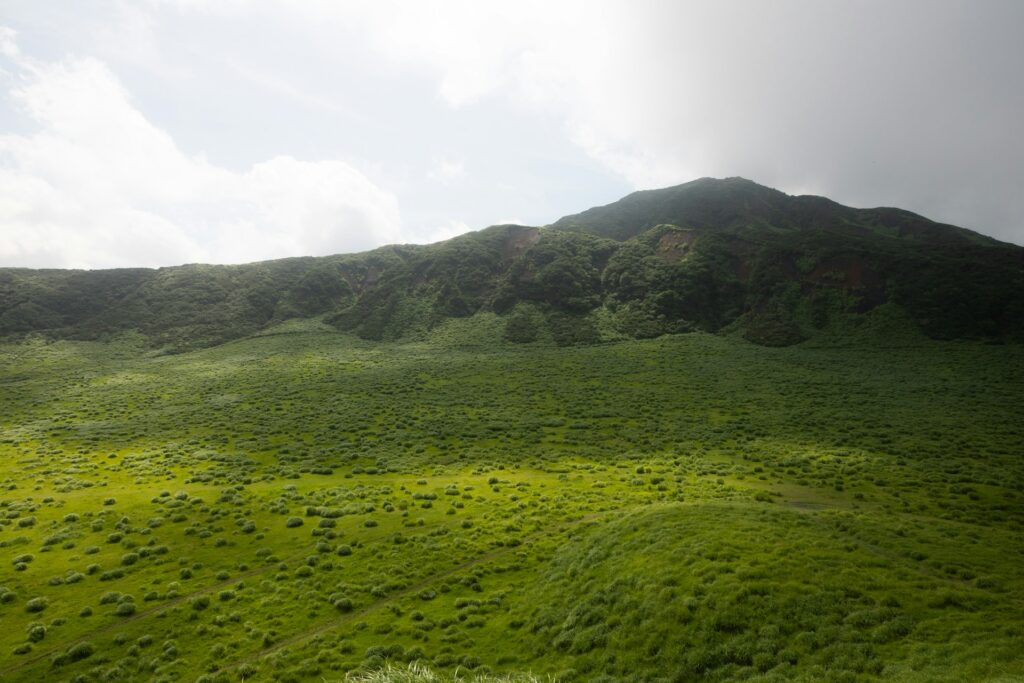
Around Mt Aso and Kusasenri, conditions can be windy, exposed, and more tiring than they look in photos. The walking distance is not extreme, but the day can still feel physically active because of the long travel time and uneven terrain.
If you have major mobility concerns, need to avoid stairs, or want a very gentle pace, check the booking page carefully and consider a lower-effort day trip instead.
What to Expect at Each Stop
Fukuoka Departure
The tour usually starts near Hakata Station, which is convenient for travelers staying in central Fukuoka. Check your final instructions the night before and bring your booking confirmation on your phone or printed out.
Mt Aso and Kusasenri
This is the volcanic landscape portion of the day. If crater access is available, the tour may include the Nakadake crater area. If access is closed, the stop usually focuses on Kusasenri grasslands and surrounding caldera views.
Expect photos, a short walk, and dramatic scenery rather than a long hiking block. If your trip depends entirely on reaching the crater rim, check the official status before booking.
Lunch Break
Lunch is usually not included. The tour may stop at a restaurant or food area where you can buy your own meal. Bring snacks and water in case meal timing shifts or the stop is busier than expected.
Takachiho Gorge
Takachiho Gorge is the scenic highlight for many travelers. If your package includes boat handling and boats are operating safely, prioritize the boat process first. If not, focus on the walking route, viewpoints, Manai Falls views, and the surrounding gorge scenery.
Even without a boat ride, the gorge is still worth seeing. Just do not assume you will have unlimited time or guaranteed access to the water.
Recent Review Patterns
The strongest review pattern is not simply “the scenery is beautiful.” It is that the tour solves a difficult Kyushu logistics problem well enough to justify the long day.
What travelers tend to like:
- Route efficiency: seeing both Mt Aso and Takachiho Gorge from Fukuoka without driving.
- Reduced planning stress: no need to build a rural transport loop yourself.
- Scenery payoff: volcanic landscapes and gorge scenery feel very different, which makes the day visually memorable.
- Boat convenience: when available, a boat-included option can remove a major planning headache.
What travelers often find less ideal:
- Bus time: this is the main trade-off and should not be underestimated.
- Short stop times: the day is built for coverage, not slow exploration.
- Condition-dependent highlights: crater access and boat operations can change for safety reasons.
The practical takeaway is simple: travelers who book this tour for convenience and coverage tend to be happier than travelers expecting a slow, flexible outdoor day.
Preparation Tips
A long coach day is much easier when you treat it like a practical transport-and-sightseeing day rather than a casual city outing.
- Dress in layers: Fukuoka, Mt Aso, and Takachiho can feel very different on the same day.
- Wear shoes with grip: stone steps, damp paths, and uneven ground matter more than style.
- Bring water and snacks: lunch is usually not included, and meal timing can shift.
- Consider motion sickness medication: some roads in the mountains can be winding.
- Carry a portable charger: photos, maps, and booking messages drain battery on a full-day trip.
- Bring some cash in yen: smaller restaurants, stalls, or local shops may not accept cards.
- Check the latest operator message: meeting details, route changes, and on-the-day logistics may be updated before departure.
Frequently Asked Questions
How much does the Mt Aso and Takachiho tour cost?
Prices often fall around US$47–70 per person, but this changes with season, exchange rate, platform, package type, and whether a boat option is included. Always check the live booking page before budgeting around a specific price.
Can I still visit Mt Aso if the crater is closed?
Yes, the wider Aso area can still be worth visiting. When the crater is closed, tours usually focus on Kusasenri grasslands and caldera viewpoints instead. The important point is expectation: do not book only for the crater rim unless you have checked the latest official access status.
Is the Takachiho boat ride guaranteed if I book the boat package?
No. A boat-included package can help with reservation handling, but actual operation depends on river safety, weather, water level, inspections, and operator decisions. Treat the boat as a valuable bonus, not the only reason to book the tour.
How difficult is the walking?
The walking is moderate rather than extreme. Takachiho Gorge has stairs, uneven paving, damp surfaces, and viewpoint routes. Travelers with mobility concerns or a strong need to avoid stairs should read the booking details carefully before reserving.
Is lunch included?
Usually no. Most versions of this tour do not include lunch, so budget separately and bring snacks. Meal stops and available food options can vary by day.
Can I cancel if my plans change?
Cancellation policies vary by booking platform and package. Some listings offer free cancellation up to a certain deadline, but you should check the exact policy on your selected booking page before reserving.
Is this better than going DIY?
It depends on your priorities. DIY is better if you want freedom, long stops, early arrival at Takachiho, or an overnight trip. The tour is better if you want to reduce logistics and see both highlights in one day from Fukuoka without driving.
Can I do this route by public transport?
You can reach parts of the route by public transport, but combining Fukuoka, Aso, and Takachiho efficiently in one day is difficult. Public transport is better for slower itineraries or overnight routes.
➡️ Compare latest prices, boat option rules, and cancellation policy
Final Verdict
This tour is worth it for travelers who want to see both Mt Aso and Takachiho Gorge from Fukuoka in the easiest realistic way, provided they understand the long bus day and condition risks upfront.
It is efficient, visually rewarding, and much simpler than trying to force the same route together independently. The best reason to book is not that everything is guaranteed. The best reason to book is that the tour removes a difficult logistics problem.
Choose this tour if:
- You are based in Fukuoka with limited time.
- You want to cover two major Kyushu nature sights in one day.
- You do not want to rent a car or manage rural transfers.
- You are comfortable with a structured schedule.
- You are okay with the possibility that the crater or boat may not be available on the day.
Consider another option if:
- You want long hikes, slow exploration, or freedom to change plans mid-day.
- You mainly want Takachiho Gorge and do not care about Mt Aso.
- You need a low-effort, low-stairs day.
- You would be very disappointed if the crater or boat ride is unavailable.
The simplest decision rule is this: book the tour for convenience, coverage, and a well-organized Kyushu overview. Choose DIY or an overnight plan if you want control, time, and flexibility.
➡️ Check current availability, inclusions, and booking conditions for the Mt Aso & Takachiho tour
Prices, review counts, meeting points, start times, route order, tour inclusions, cancellation policies, Mt Aso crater access, volcanic gas restrictions, Takachiho boat operations, river conditions, lunch stops, traffic, and weather can change. Always check official sources and your selected booking page before finalizing your trip.

Hi, I’m Kai. I’m a Tokyo-based travel writer, tourism industry insider, and the author of a published guidebook for international visitors to Japan. With over 10 years of professional experience at a leading Japanese tourism company, my mission is to help you skip the tourist traps and navigate Japan’s best destinations like a local. I believe the perfect day trip is like a traditional kaiseki meal: a beautiful balance of precise planning and unforgettable seasonal discovery. When I’m not out conducting field research, you’ll usually find me drafting new itineraries with one of my favorite fountain pens!