
A Takachiho day trip from Fukuoka can be worth it — but only if you know exactly what you are trading for the scenery. The direct highway bus takes roughly 3.5 hours each way, runs only a few times a day, and requires advance reservation. A guided tour removes much of the planning pressure, but usually gives you less free time at the gorge.
For most travelers, the decision is not whether Takachiho is beautiful. It is whether a very long day with limited margin for error still fits your travel style. This guide compares DIY bus travel, guided tours, rowboat booking, timing, costs, and who should skip a same-day return from Fukuoka.
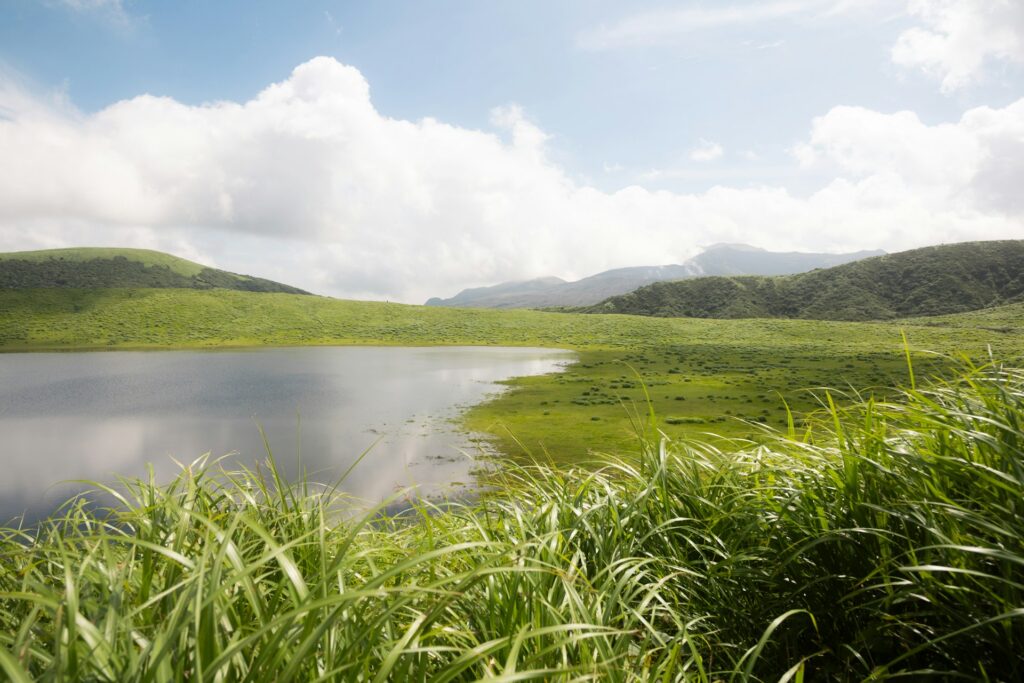
Quick Answer: Is a Takachiho Day Trip from Fukuoka Worth It?
Yes, if dramatic nature and iconic scenery are your priority and you are comfortable spending most of the day in transit. Probably not, if you want a relaxed day with lots of free time at the gorge.
DIY works, but a tour is easier to pull off well. The direct highway bus ties your day to fixed departures, while a guided Mt. Aso and Takachiho tour reduces the stress of planning rural transport, timing, and multiple sightseeing stops.
As of June 2026: Takachiho rowboats still require serious planning. Advance reservations are online only, phone bookings are not accepted, and same-day tickets may be limited or unavailable. Official boat prices are shown by date on the reservation calendar and are typically around ¥4,100–¥5,100 per boat for 30 minutes, but you should always check the latest official calendar before going.
| Decision Point | Quick Verdict |
|---|---|
| Best if you care most about scenery | Yes, Takachiho is worth the effort. |
| Best if you want the easiest Fukuoka option | A guided tour is usually the safer choice. |
| Best if you want flexibility and lots of time on site | A day trip is not ideal. An overnight stay or rental car plan is better. |
| Best if the rowboat is your main goal | Book online in advance and keep a backup plan. |
Takachiho Day Trip: How Much Time and Money Does It Take?
Before comparing DIY vs tour, focus on the real trade-off: Takachiho is not difficult because the route is impossible. It is difficult because the travel time is long, the bus schedule is limited, and the rowboat experience is not guaranteed.
By highway bus: The direct “Takachiho” highway bus connects the Fukuoka area with Takachiho Bus Center. It usually takes about 3.5 hours one way and operates only a few times per day. Fares vary by date, route section, and booking site, so check the current official schedule and fare before comparing DIY costs with a tour.
By guided tour: Many Mt. Aso and Takachiho combination tours depart from the Fukuoka area and run as a full-day coach itinerary. Prices vary by date, platform, currency, and inclusions, so treat any advertised “from” price as a starting point rather than a fixed total. The rowboat may be optional, excluded, or subject to availability depending on the tour.
By rental car: Driving gives you the most flexibility and can make Takachiho feel much easier, especially if you want to arrive early or visit nearby shrines. However, you need to be comfortable driving in Japan, carry the correct driving documents, and factor in rental fees, tolls, fuel, and parking.
Sample Day Timeline
| Time | DIY by Highway Bus | Guided Tour |
|---|---|---|
| Morning | Board the reserved highway bus from the Fukuoka area | Meet at the designated departure point and board the tour coach |
| Late morning to midday | Arrive at Takachiho Bus Center, then walk, taxi, or use local transport to reach the gorge | Visit scheduled stops such as Takachiho Gorge, Mt. Aso area sights, or shrines depending on the itinerary |
| Afternoon | Explore the gorge, take photos, and use your reserved rowboat slot if available | Follow the set itinerary with limited but organized sightseeing time |
| Early evening | Return to Takachiho Bus Center in time for the final bus back to Fukuoka | Return to Fukuoka by coach |
| Evening | Arrive back in Fukuoka after a long rural transit day | Arrive back in Fukuoka after a full-day tour |
Quick Comparison: DIY vs Tour at a Glance
| Factor | DIY by Highway Bus | Guided Mt. Aso + Takachiho Tour |
|---|---|---|
| Travel time | About 3.5 hours each way by highway bus | Long day by coach, usually split across several sightseeing stops |
| Total day length | Usually a full 11–12 hour travel day | Usually a full-day tour of around 10–12 hours |
| Time at Takachiho | Potentially longer, but tied to fixed bus timing | Usually shorter and more structured |
| Planning effort | High: you manage bus, rowboat, transfers, timing, and backup plans | Low: book once and follow the itinerary |
| Rowboat booking | You handle it yourself through the official reservation site | Depends on the tour. Some offer a boat option, but you must verify the exact inclusions. |
| Risk if plans go wrong | Higher: few transport backups if you miss the return bus | Lower for logistics, but weather, traffic, and safety conditions can still affect the itinerary |
| Mobility burden | You manage all walking, waiting, and local movement | Less transport stress, but Takachiho Gorge still involves stairs and uneven ground |
| Best for | Independent travelers who do not mind strict timing | First-time visitors who want the simplest organized day |
| Who should skip it | Anyone who dislikes long rural transit days | Anyone who wants several slow hours at the gorge |
Who Should Do This Day Trip — and Who Should Skip It?
This day trip makes sense if you:
- really want to see Takachiho Gorge on this trip to Kyushu,
- are comfortable spending much of the day in transit,
- value convenience over flexibility, or
- plan trips around standout natural scenery.
You should probably skip a same-day return from Fukuoka if you:
- want a slow photography day with shrine stops and lunch at your own pace,
- have significant knee, hip, or balance concerns,
- are traveling with very young children who struggle with long bus rides,
- will feel disappointed if the rowboat is unavailable, or
- want to visit Takachiho Shrine, Amano Iwato Shrine, and the gorge without watching the clock.
If your main goal is simply to see the gorge once with the least amount of stress, a tour is usually the most practical answer. If your main goal is freedom and time on the ground, a day trip from Fukuoka is often too compressed.
What Makes Takachiho Worth the Effort?
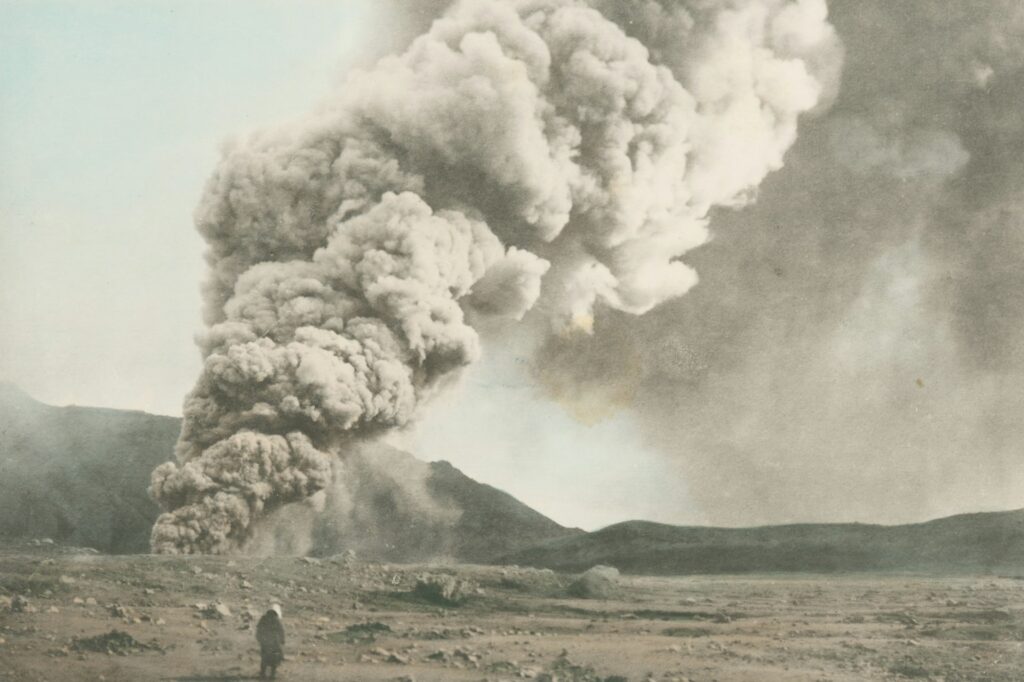
Takachiho Gorge earns its reputation because it feels dramatic even on a short visit. The narrow river, steep volcanic cliffs, and Manai Falls create a landscape that looks more cinematic in person than it does in photos. Even if you skip the rowboat, the upper walking path still gives you some of the best views of the gorge.
The town also adds cultural depth. Takachiho is strongly associated with Japanese mythology, and nearby shrines make the area feel more meaningful than a simple photo stop. That mix of natural scenery and mythological atmosphere is what makes travelers consider such a long day trip in the first place.
The Rowboat Reality: Price, Booking, and Risks
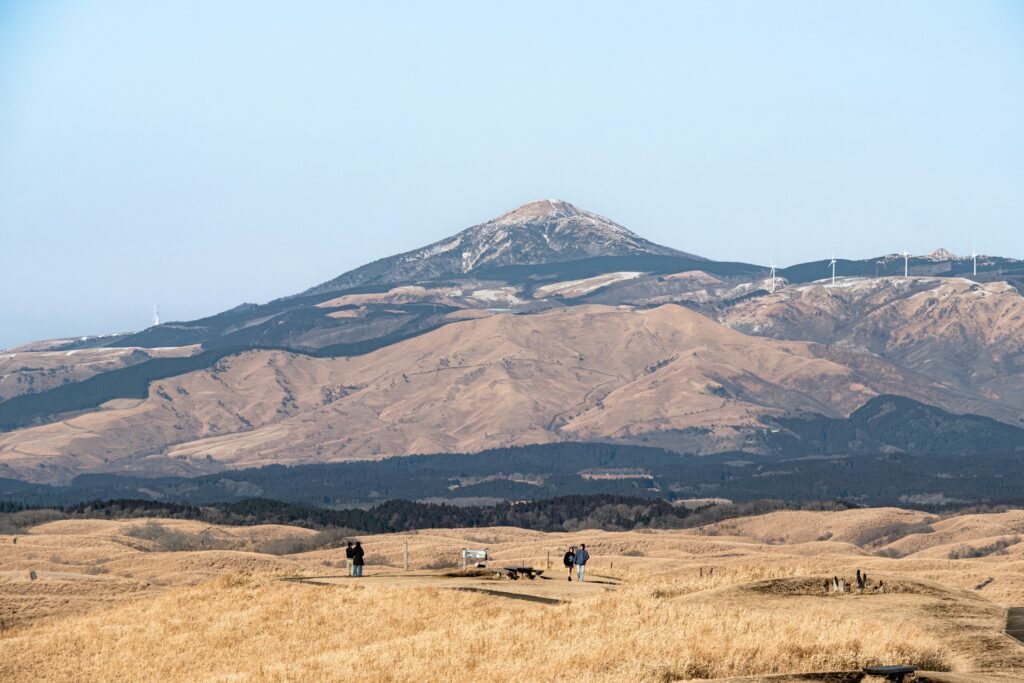
The rowboats are the single most in-demand part of the Takachiho experience. They are also the biggest reason some travelers leave disappointed. If floating below Manai Falls is the image that convinced you to come here, treat the boat as a core part of your planning, not a casual extra.
Price and Capacity
Official boat prices are shown by date on the Takachiho reservation calendar and can change. As of June 2026, they are typically displayed around ¥4,100–¥5,100 per boat for 30 minutes, depending on the date. The boats are rented per boat, not per person, so the value depends on your group size.
- Rental duration is usually 30 minutes.
- One boat usually fits up to 3 adults.
- A boat may fit up to 4 people only when young children are included, according to the official rules.
- Prices, rules, and operating conditions can change, so check the official calendar before you go.
How to Book
Advance reservations are made online through the official Takachiho Tourism Association reservation site. Phone bookings are not accepted. The reservation window normally opens two weeks before the boarding date and closes before the travel date, but you should confirm the current rule on the official page.
➡️ Check the official Takachiho rowboat reservation site
For a full breakdown of reservation rules, cancellation policies, and common pitfalls, see our dedicated guide: Takachiho Gorge boat reservation rules explained.
Same-Day Tickets: Do Not Rely on Them
Same-day tickets may be sold at the reception desk, but availability depends on advance reservations, operating conditions, and demand. On busy dates, the remaining slots can disappear quickly or may not be offered at all. On days when operations are suspended due to high water, inspections, or safety conditions, no rowboats are available.
The safest approach is simple: book online if the rowboat matters to you, and plan your visit so the gorge is still worthwhile even if you cannot get on the water.
What If the Rowboat Is Cancelled or Fully Booked?
If the boats are unavailable, the upper walking path still gives you excellent views of Manai Falls and the gorge from above. You can also add Takachiho Shrine if your timing allows. Amano Iwato Shrine is culturally important, but it is better treated as a separate stop if you have a rental car, taxi time, or a tour itinerary that already includes it.
If your travel dates are fixed and you want to reduce planning stress, compare the latest tour start times, inclusions, boat options, and cancellation rules before finalizing the rest of your day.
➡️ See current dates, prices, and boat option details for the Mt. Aso & Takachiho tour
What Does a Guided Tour Solve — and What Can It Not Solve?
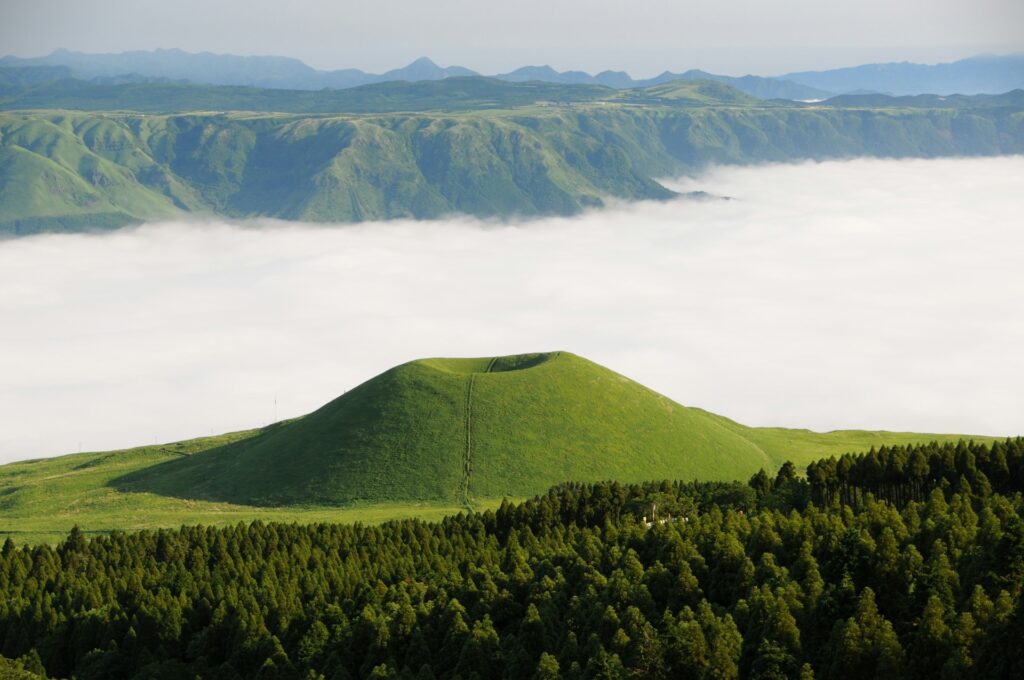
What a Tour Solves
A guided tour solves the hardest part of this trip: the logistics. You do not have to coordinate long-distance bus schedules, manage transfers, or worry about fitting Mt. Aso and Takachiho into one day. For many travelers, that convenience is the main reason to choose a tour instead of attempting the route independently from Fukuoka.
A tour can also simplify planning around the rowboats, although you should not assume every departure handles this the same way. Some tours offer a boat option, some make it an add-on, and some leave it subject to availability or operating conditions. Always check the exact inclusions before booking.
If you want a fuller breakdown of how the guided option usually works in practice, see our dedicated guide:
➡️ Mt Aso & Takachiho Gorge Day Tour from Fukuoka: What to Expect Before You Book
What a Tour Cannot Solve
A tour cannot change the basic geography. Takachiho is still far from Fukuoka, Mt. Aso still adds travel time, and the gorge still involves stairs and uneven ground. You may also have limited free time once you arrive, especially on combination itineraries with multiple scenic stops.
In other words, a tour removes planning stress, but it does not turn Takachiho into a relaxed half-day outing. It is best for travelers who want maximum scenery in one organized day, not for travelers who want a slow and flexible visit.
DIY Step by Step: What the Bus Day Actually Looks Like
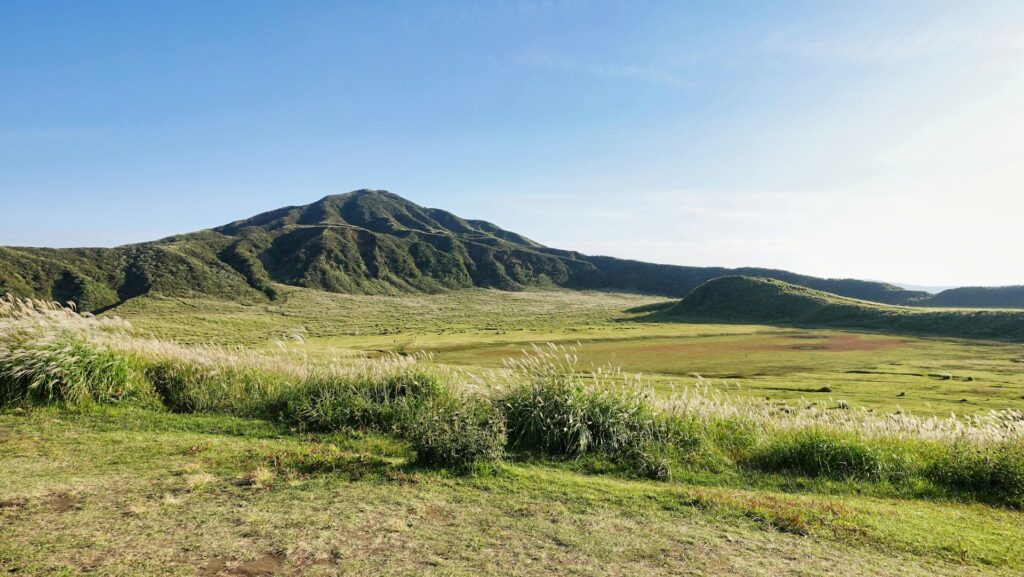
If you are considering the DIY option from Fukuoka, here is the realistic step-by-step picture of how the day unfolds.
Step 1: Book the Highway Bus in Advance
The direct highway bus to Takachiho usually requires advance reservation and seat selection. It serves stops such as Hakata Bus Terminal, Fukuoka Airport International Terminal, and Takachiho Bus Center, but schedules and fares can change by date.
Check the official operator or booking page before building your itinerary. Do not assume you can simply show up on the day and get a seat, especially during weekends, holidays, and peak travel periods.
➡️ Check the official Nishitetsu highway bus information
Step 2: Ride to Takachiho
The ride takes roughly 3.5 hours one way. That sounds manageable on paper, but it becomes a long day once you add the return journey, walking time, rowboat timing, lunch, and buffer time before the final bus.
Step 3: Get from Takachiho Bus Center to the Gorge
The gorge entrance is not directly beside the bus center. Depending on your pace and conditions, you may need to walk, take a short taxi ride, or use local rental transport if available.
- Walk: Possible for many travelers, but allow enough time and remember that the return can feel harder.
- Taxi: Convenient if available, but do not assume unlimited taxis will be waiting when a bus crowd arrives.
- Rental bicycle: Standard electric-assist bicycles and sportier E-BIKE rentals may be available at different prices. Availability is limited and rentals may stop in poor weather.
Step 4: Explore the Gorge and Use Your Rowboat Slot If Booked
If you have a pre-booked rowboat slot, go straight to the reception area and follow the official instructions. If you do not have a booking, check same-day availability only as a backup plan.
Even without the boat, the walking path above the gorge gives you excellent views of Manai Falls and the cliffs. Allow time for photos, stairs, and crowding around the main viewpoints.
Step 5: Watch the Clock for the Return Bus
The return bus to Fukuoka usually leaves in the early evening, and there are few convenient backup options if you miss it. Confirm the exact final departure before committing to a DIY day trip, then give yourself a real buffer to return from the gorge to the bus center.
What If You Drive Instead?
If you have the correct driving documents and are comfortable driving in Japan, renting a car changes the entire equation. You can leave earlier, arrive before the busiest part of the day, and add nearby sights more easily.
Parking fees around Takachiho Gorge vary by lot and have changed over time. The closest lots are generally paid, and some farther lots may also charge a fee. Check the latest official parking information before driving.
Practical Tips for the Day
How Much Time Do You Really Need?
If you only want the main viewpoints and a few photos from the upper path, a short visit can still be rewarding. If you add the rowboat, waiting time, the walking path, lunch, and a shrine stop, you will want several hours on the ground.
On a DIY day trip from Fukuoka, that leaves little margin for delays. This is why many travelers either choose a guided tour or decide that Takachiho works better with an overnight stay.
Weather and Conditions
Takachiho is beautiful in every season, but conditions matter more than many first-time visitors expect. Rain does not always ruin the trip, but it can affect comfort, visibility, walking conditions, and boat operations.
If your itinerary also includes Mt. Aso, remember that mountain weather and volcanic-area conditions can also change the day’s rhythm. A combination tour is convenient, but parts of the itinerary may still depend on operating conditions on the day.
What to Wear
Wear shoes with good grip and expect stairs. The route down toward the water is the part many people underestimate, especially if they are focused on the photo spots rather than the climb back up.
Layers are also a good idea because conditions can feel different between the exposed Aso area and the more sheltered gorge.
Traveling with Kids or Mobility Concerns?
Takachiho Gorge is not the easiest place for strollers, weak knees, or travelers with balance concerns. The main viewpoints are rewarding, but stairs, slopes, crowds, and uneven surfaces can make the day more tiring than expected.
For families with very young children, the hardest part may be the overall day length rather than the gorge itself. A tour can reduce transport stress, but it cannot remove the stairs or the long time spent on the road.
From Fukuoka, Kumamoto, or Miyazaki: Which Base Is Better?
From Fukuoka
Fukuoka is the most common starting point for international travelers, but it is also one of the most demanding bases for a same-day Takachiho trip without a car. The direct bus makes DIY possible, but the day is long and schedule-dependent.
If you want to understand the bus route in more detail, see our dedicated guide: Fukuoka to Takachiho by bus.
From Kumamoto
Kumamoto can be a better base if you are willing to rent a car. The drive is more flexible, and you can structure the day around the rowboat, nearby shrines, and photo timing instead of a fixed highway bus schedule.
From Miyazaki
Miyazaki can work if you are already traveling along the east side of Kyushu. It is less relevant for most Fukuoka-based travelers, but it can fit naturally into a broader Miyazaki or southern Kyushu itinerary.
FAQ: Takachiho Day Trip from Fukuoka
Can you really visit Takachiho Gorge from Fukuoka in one day?
Yes, it is possible, but it is a long day with limited room for mistakes. The direct bus makes DIY travel possible, while guided tours make the logistics easier. Either way, expect to commit most of the day to this trip.
Is DIY cheaper than a tour?
Not always in a meaningful way. DIY bus fares, rowboat fees, taxis, food, and backup costs can add up. Tours may look more expensive or sometimes surprisingly competitive, depending on the date and inclusions. Compare the current bus fare and the exact tour details before deciding.
Do I need to book the Takachiho rowboat in advance?
Yes, if the rowboat matters to you. Advance online reservation is the safest option. Same-day tickets can be limited, unavailable, or affected by operating conditions.
Is the rowboat guaranteed if I book a tour?
No. Some tours offer a rowboat option, but it may be optional, date-dependent, or subject to availability and river conditions. Always check whether the boat is included, excluded, or offered as an add-on before booking.
Is Takachiho Gorge still worth visiting without the boat?
Yes, for many travelers. The walking path and upper viewpoints still offer beautiful views of Manai Falls and the gorge. However, if the boat is your main reason for going, you should manage expectations and have a backup plan.
Is Takachiho good for travelers with mobility issues?
It depends on the severity of the mobility concern. The gorge area includes stairs, slopes, and uneven surfaces. Travelers with knee, hip, balance, or stamina issues should be cautious and avoid assuming the visit will be easy just because it is a sightseeing spot.
Should I stay overnight in Takachiho instead?
If you want a slower visit, shrine time, evening atmosphere, or a better chance of adjusting around boat availability, staying overnight is a better plan than a rushed day trip from Fukuoka.
Verdict: Should You Go DIY or Book a Tour?
A Takachiho day trip from Fukuoka is worth it for travelers who care deeply about standout scenery and are comfortable committing an entire day to make it happen. The gorge really is memorable. The problem is not the destination. The problem is the effort required to see it well on a same-day schedule.
Choose DIY if you are confident with rural transport, can book the bus and rowboat in advance, and do not mind strict timing.
Choose a guided tour if you want the simplest way to combine Mt. Aso and Takachiho without managing every connection yourself.
Choose an overnight stay or rental car if you want more time, better flexibility, shrine visits, or a less rushed photography day.
If you decide that the logistics are too tight for DIY, compare the latest tour dates, start times, rowboat options, and cancellation conditions before booking.
➡️ Check current availability for a Mt. Aso & Takachiho day tour from Fukuoka
Prices, opening hours, transport schedules, bus fares, parking fees, rowboat rules, tour inclusions, payment methods, and seasonal operations can change. Always check official sources and your selected booking page before finalizing your trip.

Hi, I’m Kai. I’m a Tokyo-based travel writer, tourism industry insider, and the author of a published guidebook for international visitors to Japan. With over 10 years of professional experience at a leading Japanese tourism company, my mission is to help you skip the tourist traps and navigate Japan’s best destinations like a local. I believe the perfect day trip is like a traditional kaiseki meal: a beautiful balance of precise planning and unforgettable seasonal discovery. When I’m not out conducting field research, you’ll usually find me drafting new itineraries with one of my favorite fountain pens!