
Mt Aso is one of Kyushu’s most rewarding day trips, but it is not a place to visit casually without a plan. An active crater, limited rural transport, and long driving distances mean that the best Mt Aso itinerary depends on your base, your transport choice, and whether you also want to add Takachiho Gorge.
You will often see it written as Mount Aso, Mt. Aso, or Aso-san. In this guide, we use Mt Aso for consistency.
Mt Aso Itinerary Quick Answer
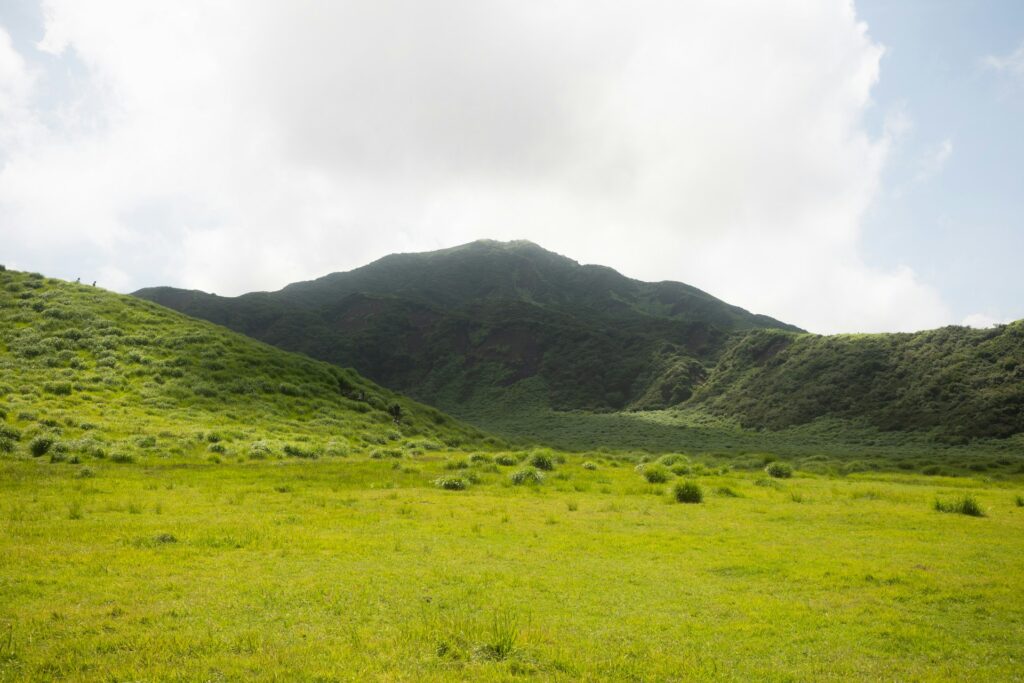
Yes, Mt Aso is worth a full day if you enjoy volcanic scenery, wide-open landscapes, and nature-focused travel. Even when the crater area is restricted, the wider caldera scenery, Kusasenri grasslands, and surrounding viewpoints can still make the trip worthwhile.
Choose a DIY Mt Aso itinerary if you are staying in Kumamoto, can start early, and are comfortable working around rural train and bus schedules or renting a car.
Choose a guided day tour if you are based in Fukuoka, want to combine Mt Aso with Takachiho Gorge, or do not want to deal with mountain driving, limited local transport, and boat reservation uncertainty.
Important 2026 note: recent official and local visitor information has reported temporary restrictions around the Nakadake crater area. Local visitor information has linked the closure to a helicopter accident earlier in the year, but access rules can change quickly. Always check the official Aso volcano status page on the day of your visit before building your itinerary around the crater.
Travelers with asthma, bronchitis, heart conditions, or other respiratory or cardiovascular concerns should be especially cautious around volcanic gas zones and follow official restrictions.
DIY vs Guided Tour Comparison
| Option | DIY by Public Transport | DIY by Rental Car | Guided Day Tour |
|---|---|---|---|
| Best Base | Kumamoto | Kumamoto or the Aso area | Fukuoka |
| Need to Drive? | No | Yes | No |
| Reliance on Timetables | High | Low | Low for you |
| Total Effort | High | Moderate to high | Low |
| Cost Style | Depends on JR route, bus connections, and rail pass use. | Depends on rental car, insurance, fuel, tolls, parking, and group size. | Depends on date, platform, route, and whether Takachiho boat options are added. |
| Crater Closure Impact | Still applies; harder to pivot because buses are limited. | Easiest to adjust by adding Kusasenri, Daikanbo, Aso Shrine, or onsen stops. | Operator usually adjusts the itinerary, but crater access is still not guaranteed. |
| Takachiho Gorge on the Same Day | Generally not realistic. | Possible, but tiring. | Most realistic. |
| Best For | Independent travelers based in Kumamoto who do not mind slow logistics. | Travelers who want flexibility and can handle rural or mountain roads. | Travelers who want the simplest one-day plan from Fukuoka. |
| Not Ideal For | Tight schedules or same-day Takachiho plans. | Nervous drivers or anyone avoiding long rural drives. | Travelers who want full control over time at each stop. |
The simplest rule: if you are staying in Kumamoto, DIY can work well. If you are staying in Fukuoka and want to see both Mt Aso and Takachiho Gorge in one day, a guided tour is usually the more realistic choice.
Which Option Should You Choose?
For most readers searching for a Mt Aso itinerary, the best choice comes down to your starting point.
Pick the DIY route if you are based in Kumamoto and only want to focus on Mt Aso. Public transport can work if you plan carefully, and a rental car gives you the most flexibility to add scenic stops, short hikes, or an onsen stop.
Pick a guided day tour if you are based in Fukuoka or want to combine Mt Aso with Takachiho Gorge in a single day without managing trains, mountain roads, parking, and boat reservation uncertainty.
If your priority is seeing both major sights in one day with the least logistical stress, compare the latest start times, inclusions, and optional boat add-ons here:
Check availability and details for the Mt Aso & Takachiho Day Tour from Fukuoka
Mt Aso Highlights, Even If the Crater Is Closed
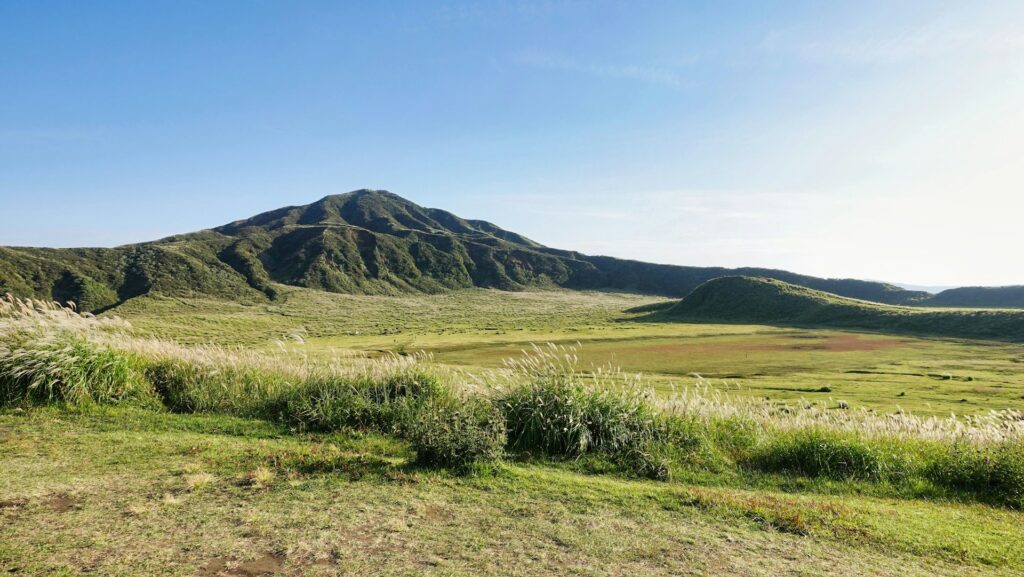
A typical Mt Aso itinerary usually focuses on the crater area, Kusasenri, and the wider caldera landscape. If the crater is restricted, do not assume the whole trip is ruined. Mt Aso is bigger than one viewpoint.
- Nakadake Crater: The active crater area is the headline sight, but access depends on volcanic gas, weather, safety rules, and official restrictions on the day.
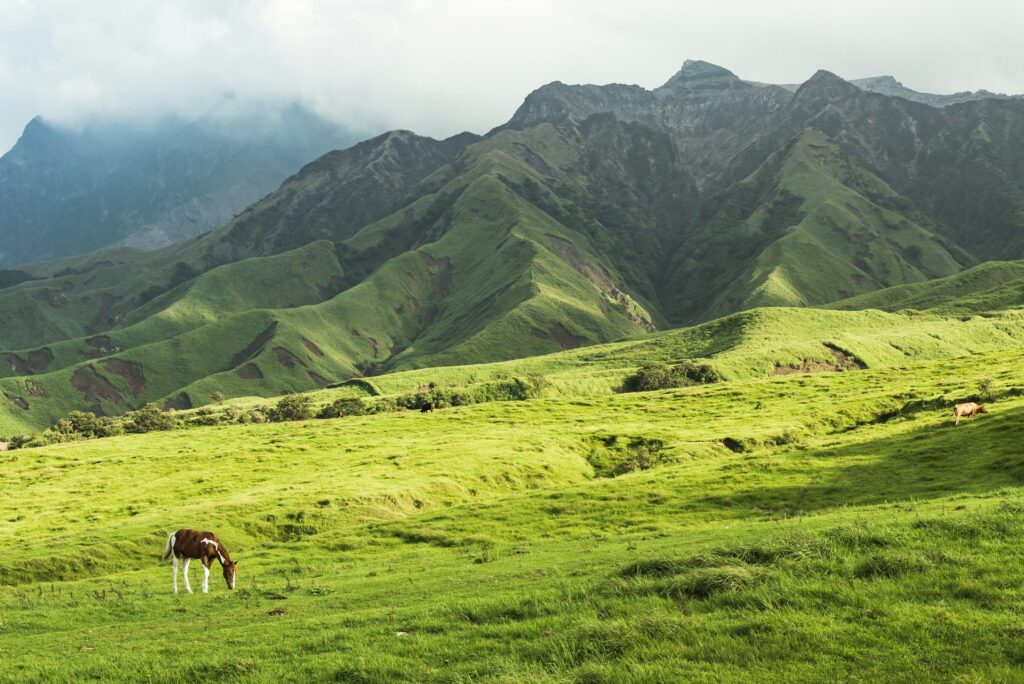
- Kusasenri: A wide grassland plateau with open views, walking paths, grazing horses, and classic Aso scenery. This is the best backup focus if the crater is closed.
- Sunasenri: A volcanic sand landscape near the mountain sightseeing area. Access can depend on current restrictions, so check local information before assuming it is open.
- Aso Volcano Museum: A useful indoor stop near Kusasenri, especially when visibility is poor or crater access is restricted. Check current admission fees and opening details before visiting.
If you were hoping to see the crater rim, adjust your expectations — but the caldera, grasslands, and mountain roads can still make the trip memorable.
One-Day DIY Route from Kumamoto
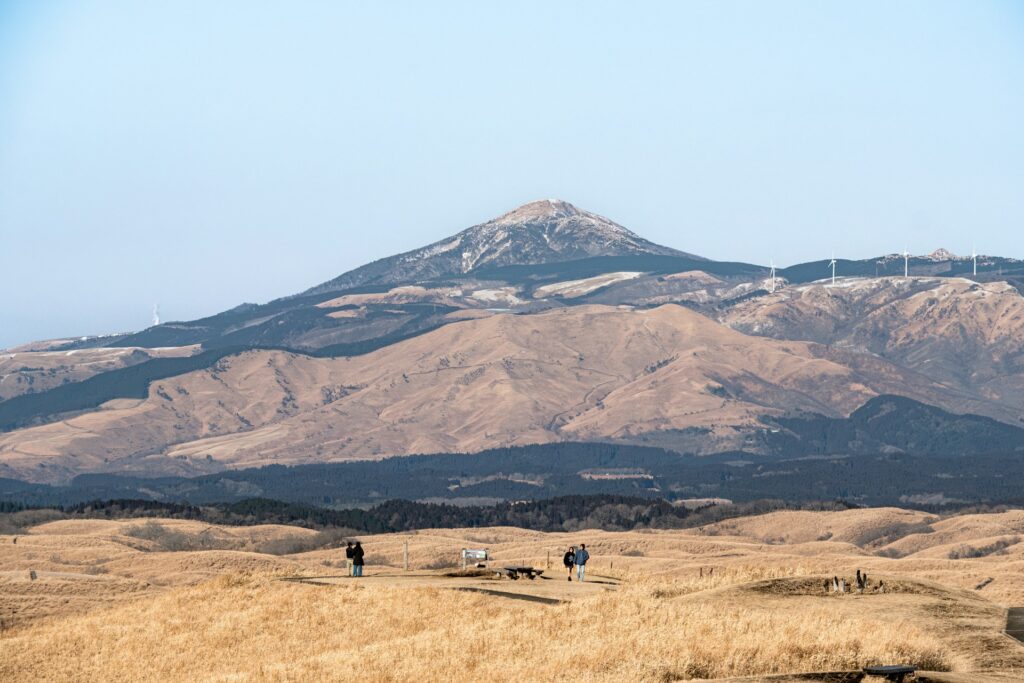
If you are staying in Kumamoto, a self-guided Mt Aso itinerary is realistic as long as you start early and keep the day focused. This works best when Mt Aso is your main objective, not when you are trying to force both Mt Aso and Takachiho Gorge into the same public transport day.
Before leaving Kumamoto: check the latest crater restrictions, access hours, JR timetable, and local bus timetable. Rural transport frequency can make or break this itinerary.
Kumamoto to Aso Station
Most DIY travelers begin on the JR Hohi Main Line. Local trains and limited express services can connect Kumamoto with the Aso area, but travel time, seat availability, and fares vary by train type and date. Limited express options can be faster and more comfortable, but schedules may be limited and reserved seats are often better during busy periods.
Check the JR Kyushu website before finalizing your day, especially if you are relying on a rail pass or a specific train.
Aso Station to Kusasenri
From Aso Station, continue by local bus toward the mountain sightseeing area. Kusasenri is the most useful first stop because it works well whether the crater is open or closed.
Mountain buses can be infrequent, and seasonal timetables change. Check the latest Sanko Bus timetable before building a DIY day around public transport. Missing one connection can mean a long wait and less time on the mountain.
Beyond Kusasenri
What you can do beyond Kusasenri depends on the latest access rules. If crater access is restricted, spend more time around Kusasenri, check whether nearby walking areas are open, and consider the Aso Volcano Museum or another caldera viewpoint instead.
Important: crater access is controlled by real-time conditions, not just the weather forecast. A sunny day does not guarantee entry. If gas levels rise or restrictions change, access can stop with little notice.
If you are based in Fukuoka rather than Kumamoto, this DIY public transport plan becomes much less practical for a one-day outing. For the combined option from Fukuoka, read: Mt Aso & Takachiho Gorge Day Tour from Fukuoka: What to Expect Before You Book.
Combining Mt Aso and Takachiho Gorge
Yes, you can combine Mt Aso and Takachiho Gorge in one day, but whether it is a good idea depends entirely on your transport choice and expectations.
By public transport: this is generally not realistic in a single day.
By rental car: it is possible, but the day becomes long and tiring. You need to account for mountain roads, parking, meal breaks, weather, Takachiho boat timing, and the possibility that crater access is restricted.
By guided tour: this is usually the easiest way to see both places in one day, especially from Fukuoka. The trade-off is that you follow a fixed schedule and have less control over time at each stop.
Driving Reality
A DIY combo day usually means several hours of driving, plus sightseeing time, meal breaks, navigation, parking, and possible delays. If you try to add both Mt Aso and Takachiho Gorge casually, the day can turn into a transport marathon.
This is why many travelers enjoy Mt Aso more when they either keep the day focused on the volcano area or let a guided tour handle the long transfers.
Takachiho Gorge Boat Reservation Basics
The biggest DIY risk is not only the driving. It is the Takachiho Gorge boat reservation system.
- Online reservations typically open two weeks before your visit.
- Online reservations usually close two days before your visit.
- Phone reservations are generally not available.
- Same-day tickets depend on remaining availability. On busy dates, online reservations can take the available slots, leaving no walk-up boats.
- Boat operations depend on river conditions. High water, heavy rain, inspections, or unsafe conditions can suspend operations.
On busy dates, same-day availability can disappear and waits can stretch for hours. That does not mean Takachiho Gorge is not worth visiting without the boat, but it does mean you should not build your entire day around a walk-up boat assumption.
The walking path, bridges, Manai Falls viewpoint, and nearby Takachiho Shrine can still make the gorge worthwhile even without a boat ride.
What to Do If the Crater Is Closed
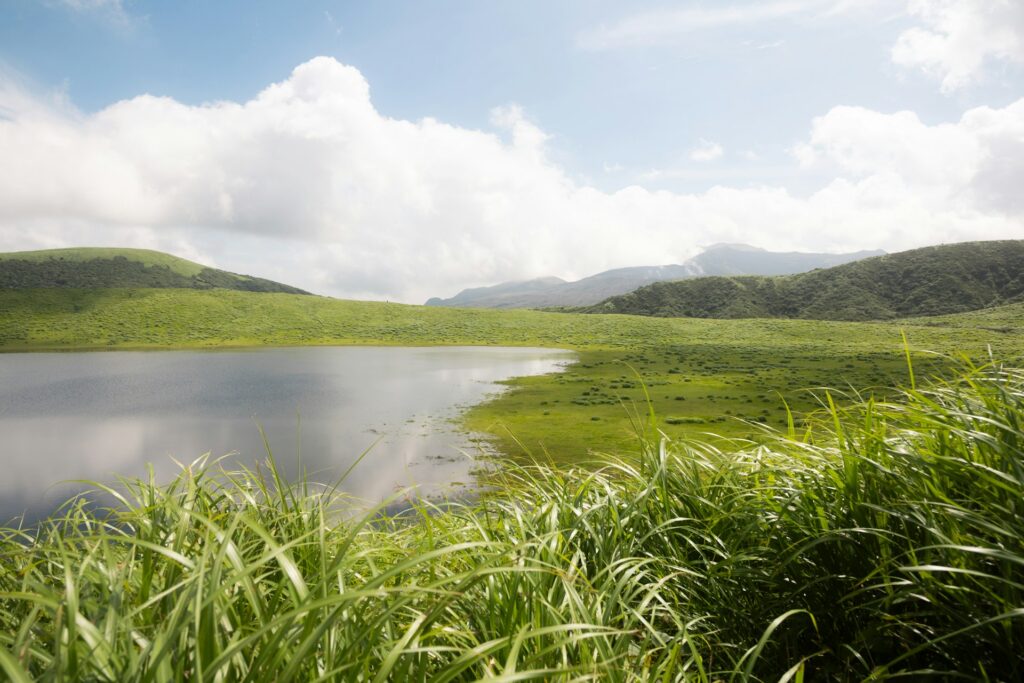
Crater closure does not automatically make the trip a waste. Mt Aso is still worth visiting for the broader caldera scenery, especially if conditions are clear around Kusasenri. To help with your mindset, read our guide on setting expectations for a Mt Aso day trip.
- Stay longer at Kusasenri: Walk the grasslands, enjoy the open views, and use the area as the anchor of your day.
- Visit the Aso Volcano Museum: A useful backup stop when the crater zone is restricted or visibility is poor. Check current hours and admission fees before you go.
- Add a viewpoint: If you are driving, consider Daikanbo, Aso Shrine, or another caldera stop instead of forcing a packed schedule.
- Consider an onsen stop: If you have a rental car and enough time, an onsen stop can turn a crater-closure day into a more relaxed Kyushu outing.
Hiking Alternatives Around the Caldera
Some hiking routes around the Aso caldera can offer strong views of the volcanic landscape, but trail access depends on current restrictions, weather, and safety conditions. Do not enter closed trails.
- Mt Eboshi: Often considered one of the more approachable hikes from the Kusasenri area when conditions are suitable.
- Mt Kijima: Another shorter option near the mountain sightseeing area, with caldera views in good weather.
- Nakadake and Takadake routes: More demanding and only for experienced hikers when the route is officially open, weather is stable, and you have suitable gear.
Hiking tips: wear sturdy shoes, bring water, check the weather forecast, and confirm official trail status before heading up. Mountain weather can change quickly, and volcanic restrictions can affect routes.
Best Base for Your Mt Aso Trip
Your ideal base depends on whether you want a simple day trip, a slower rural stay, or the easiest way to combine Mt Aso with Takachiho Gorge.
- Fukuoka: Best for travelers who want a guided day tour. It is convenient for city stays, but a DIY day trip to Mt Aso is long, and combining both Mt Aso and Takachiho Gorge without a tour is usually inefficient.
- Kumamoto: Best for a DIY Mt Aso itinerary. It gives you easier rail access, better rental car flexibility, and a more realistic base if Mt Aso is your main goal.
- Aso area or nearby onsen towns: Best for slower travel. If you have an extra night, staying near the caldera gives you more flexibility if weather, transport, or crater access changes.
If you want to keep this trip simple, use Kumamoto for DIY travel and Fukuoka for guided tours.
Sample Budget Notes
The budget notes below are for planning only. Transport, rental car, museum, tour, and boat prices can change by season, date, platform, exchange rate, vehicle type, insurance, fuel cost, toll route, and group size.
| Expense | DIY Public Transport | DIY Rental Car | Guided Tour |
|---|---|---|---|
| Transport | JR train plus local bus. Cost depends on route, seat type, and rail pass use. | Rental car, fuel, tolls, parking, insurance, and optional equipment. | Usually included in the tour price. |
| Flexibility Cost | Lower flexibility because bus timetables matter. | Higher flexibility, but you handle all driving and navigation. | Low planning effort, but fixed schedule. |
| Food | Budget separately for lunch, drinks, and snacks. | Budget separately for lunch, drinks, and snacks. | Often not included; check the booking page. |
| Activities | Museum or other admission fees may apply. | Museum, parking, onsen, or boat fees may apply. | Optional activities vary by package. |
| Takachiho Boat | Not realistic for most same-day public transport itineraries. | Optional, but requires reservation planning and safe river conditions. | May be offered as an add-on or included package, but operation is still condition-dependent. |
For guided tours, do not compare price alone. Compare departure point, route, cancellation policy, guide language, whether Takachiho is included, and what happens if crater access or boat operations change.
Practical Tips and Volcano Safety
- Check crater status on the day of your visit: access can change due to volcanic gas, wind direction, alert conditions, or other safety restrictions.
- Check access hours before you go: road, facility, and crater-area operating hours can vary by season.
- Be cautious if you have respiratory or heart conditions: volcanic gas is a real safety concern, not a minor inconvenience.
- Dress for colder, windier conditions: the mountain area often feels much cooler than Kumamoto or Fukuoka.
- Wear proper shoes: the ground can be dusty, uneven, wet, or rocky around viewpoints and walking paths.
- Do not assume transport is frequent: bus timing is often the difference between a smooth DIY day and a frustrating one.
- Bring water and a snack: food options exist, but they can be limited or crowded at peak times.
- Carry cash: rural buses, parking, small restaurants, and some local facilities may not be ideal for card-only travel.
FAQ
Is Mt Aso worth visiting if the crater is closed?
Yes. The active crater is the headline attraction, but Kusasenri, the caldera scenery, Aso Volcano Museum, and nearby viewpoints can still make the trip worthwhile for most travelers.
Is the Nakadake Crater open right now?
As of early June 2026, recent official and local visitor information reports temporary restrictions around the Nakadake crater area. This can change quickly, so check the official Aso volcano status page before your visit.
Can you do a Mt Aso itinerary from Fukuoka without a tour?
Yes, but it is a long day, and it becomes even less practical if you also want to add Takachiho Gorge. For most travelers starting in Fukuoka, a guided day tour is the simpler option.
Is a rental car necessary for Mt Aso?
No, not if you are staying in Kumamoto and only want to visit the main Mt Aso sights. A rental car becomes much more useful if you want flexibility, extra scenic stops, hiking access, or a same-day Mt Aso and Takachiho Gorge combination.
How much time do you need for Mt Aso?
For a focused DIY day trip from Kumamoto, allow a full day once transport time is included. Even a simple visit usually takes most of the day once trains, buses, waiting time, meals, and mountain access are factored in.
Can you combine Mt Aso and Takachiho Gorge in one day?
Yes, but it works best by guided tour or rental car. Doing both by public transport in one day is generally not realistic. If you rely on trains and buses, it is usually better to split them up and plan a separate Takachiho day trip from Kumamoto or Fukuoka.
Can you rent a Takachiho Gorge boat without a reservation?
Sometimes, but you should not rely on that. Same-day tickets depend on remaining availability, busy dates can sell out through advance online reservations, and boat operations can be suspended when river conditions are unsafe.
What is the best Mt Aso itinerary for most travelers?
If you are based in Kumamoto and only want to see Mt Aso, a DIY day trip works well. If you are based in Fukuoka or want to combine Mt Aso with Takachiho Gorge in one day, a guided tour is usually the more practical choice.
Final Verdict
Choose a DIY day trip from Kumamoto if:
- You enjoy planning your own transport and do not mind slow bus schedules.
- You want to spend unhurried time at Kusasenri and possibly add a short hike.
- You are comfortable checking crater status, bus times, and weather before departure.
- You may rent a car for more flexibility around the caldera.
Choose a guided tour from Fukuoka if:
- You want to see both Mt Aso and Takachiho Gorge in one day without logistical stress.
- You prefer having transport, parking, and timing handled for you.
- You want to reduce the hassle of Takachiho boat planning.
- You are comfortable with a structured itinerary and limited time at each stop.
For first-time visitors to Kyushu: if Mt Aso is a priority, consider basing yourself in Kumamoto for one or two nights and doing a focused DIY trip. If your time is limited and you want both Aso and Takachiho, a guided tour from Fukuoka is usually the cleaner solution.
If you want the easiest way to see both Mt Aso and Takachiho Gorge in a single day, compare the latest tour details, start times, and optional boat add-ons here:
Check availability and details for the Mt Aso & Takachiho Day Tour from Fukuoka
Crater access, volcanic gas restrictions, hiking trails, road access, bus timetables, train schedules, museum fees, tour prices, Takachiho boat reservations, boat operations, weather, and seasonal conditions can change. Always check official sources and your selected booking page before finalizing your trip.

Hi, I’m Kai. I’m a Tokyo-based travel writer, tourism industry insider, and the author of a published guidebook for international visitors to Japan. With over 10 years of professional experience at a leading Japanese tourism company, my mission is to help you skip the tourist traps and navigate Japan’s best destinations like a local. I believe the perfect day trip is like a traditional kaiseki meal: a beautiful balance of precise planning and unforgettable seasonal discovery. When I’m not out conducting field research, you’ll usually find me drafting new itineraries with one of my favorite fountain pens!