
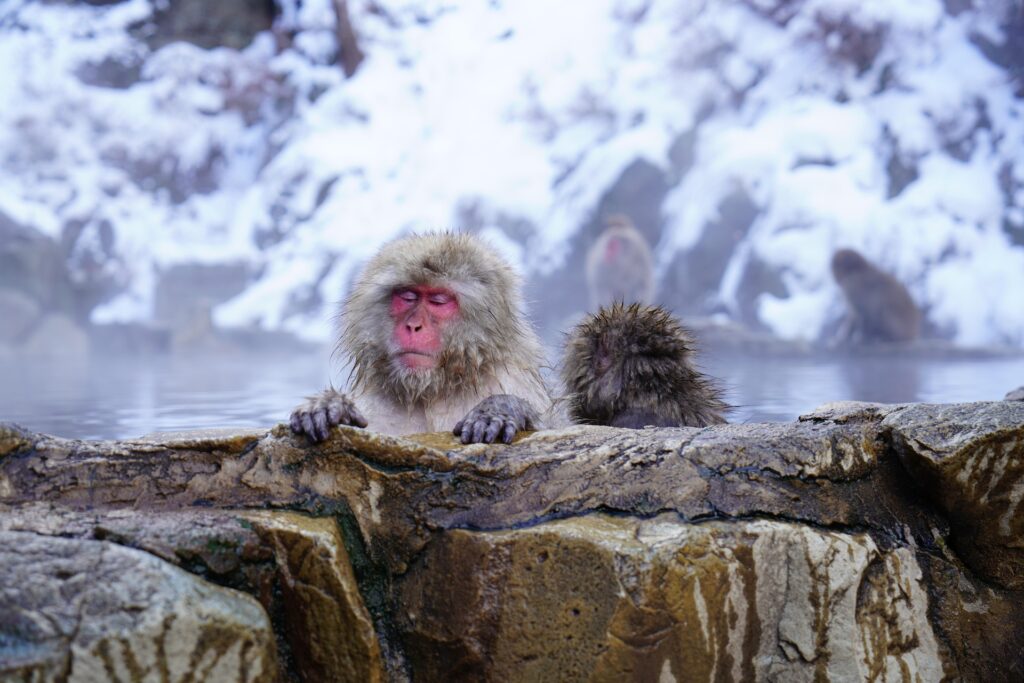
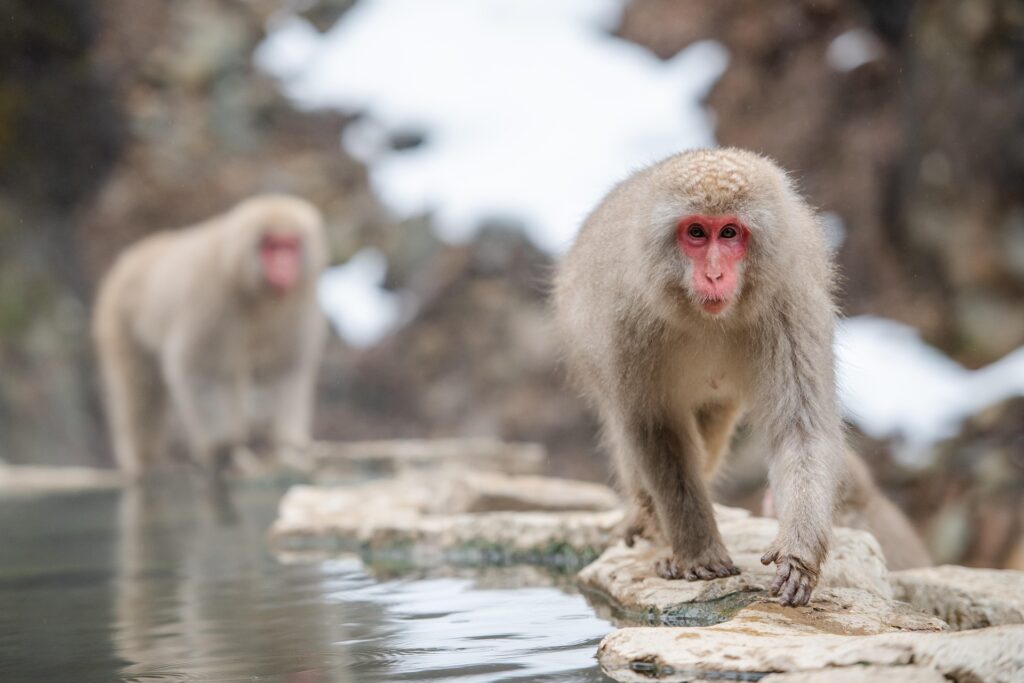
If you searched for “Jigokudani Monkey Park snow,” you are probably looking for that iconic winter scene: steam rising from a hot spring, snow on the ground, and wild Japanese macaques soaking to stay warm.
But snow cover and monkey behavior change day by day. The goal is not to find a guaranteed date. The goal is to stack the odds in your favor by choosing the right month, checking official updates, wearing the right gear, and giving yourself enough time for winter transport and the forest trail.
Quick Answer: Best Time for Jigokudani Snow Monkeys
If you want the best odds of snow on the ground and monkeys using the hot spring, aim for January or February. These are typically the coldest and most wintery months around Jigokudani Yaen-Koen.
December can be beautiful, especially later in the month, but snow cover may still be patchy. March can be quieter, but warmer days and melting snow make the classic “snow monkeys in the bath” scene less reliable.
- Best overall odds: January to February
- Possible but less predictable: December and March
- Typical winter hours: 9:00 AM to 4:00 PM
- Typical admission: around 800 JPY for adults and 400 JPY for children
- Trail walk: about 30 to 40 minutes each way in winter conditions
Pressed for time? If you want to reduce the stress of coordinating winter bus schedules, lunch, and local transport, a bundled day trip from Nagano can make the day much easier.
➡️ Check availability and current prices for the Snow Monkey guided day tour
Month-by-Month: Snow, Crowds, and Monkey Activity
| Month | Snow Odds | Bathing Behavior | Crowds | Best For |
|---|---|---|---|---|
| December | Often patchy early; better later in the month | Possible, but warmer spells can reduce soaking | Medium, with holiday peaks late in the month | Travelers with fixed Christmas or New Year plans |
| January | Usually among the strongest odds for snow cover | Often strong odds because colder weather encourages bathing | High, especially weekends and New Year period | Classic snow monkey photos, if you accept crowds |
| February | Often good winter conditions | Often strong odds, though never guaranteed | Medium to high | Photography and snowy scenery |
| March | Snow may melt or become patchy | Less reliable as temperatures rise | Lower than peak winter | Quieter visits and softer winter-to-spring scenery |
Important: weather varies year by year. Before making the trip, check the official Jigokudani Yaen-Koen updates and, if available, the park’s live camera or monkey appearance information.
Will You Definitely See Monkeys Bathing in the Snow?
No. Treat it as a high-probability winter experience, not a guarantee.
Jigokudani Yaen-Koen is not a zoo. The Japanese macaques are wild, and their routines shift with temperature, food, weather, and conditions in the mountains. In colder periods, they are more likely to use the hot spring to stay warm. On milder winter days, they may stay near the pool without soaking, or spend more time away from the viewing area.
How to improve your odds:
- Visit during colder winter periods: January and February usually give you the best chance of snow and bathing behavior.
- Check official updates: Look at the park’s latest information before traveling, especially in autumn, early winter, or after storms.
- Use the live camera if available: It can help you see current snow and monkey activity before you commit to the journey.
- Arrive early: Early visits often feel calmer and give you more flexibility if the trail is slow or conditions change.
The Winter Trail: What to Wear, Rent, and Expect
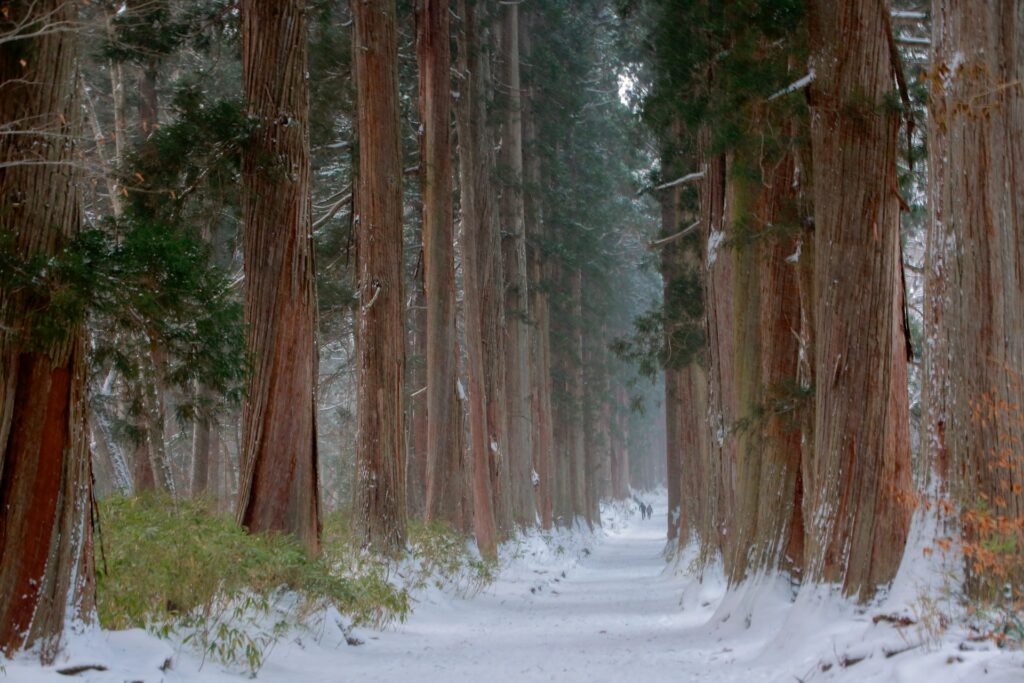
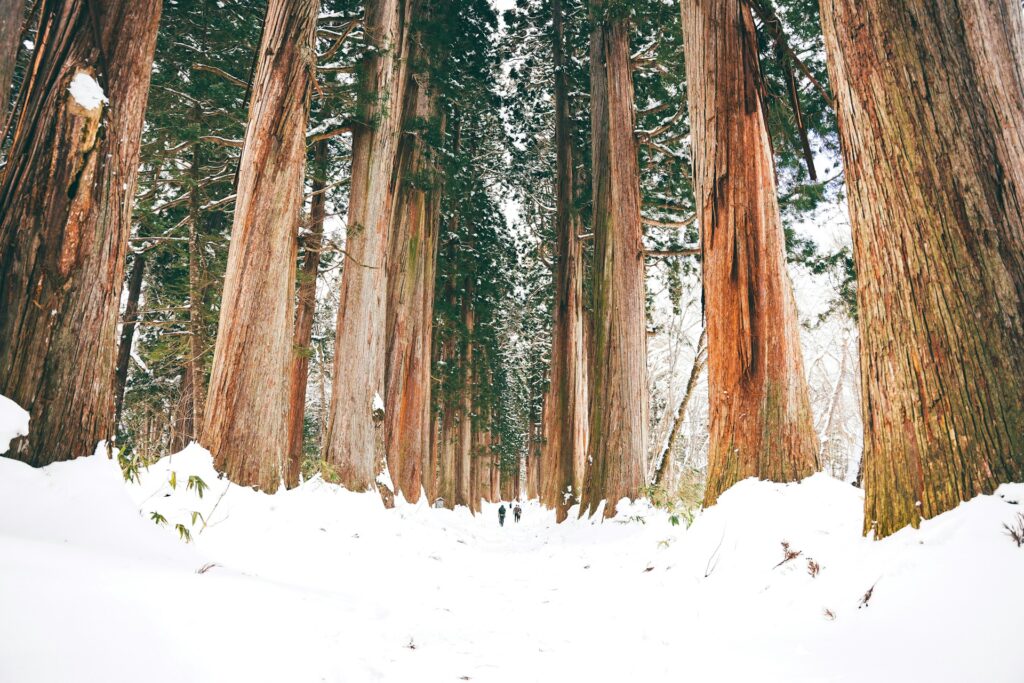
One of the most overlooked details is the final approach. You cannot drive, take a bus, or ride a tour vehicle directly to the hot spring pool. Every visitor must walk the forest trail from the Kanbayashi / Snow Monkey Park bus stop area to the park entrance.
In winter, expect about 30 to 40 minutes each way, depending on snow, ice, crowds, and your pace. The route is not a technical mountain hike, but it is unpaved and can become slippery with packed snow, slush, or ice.
Essential Winter Gear Checklist
- Waterproof winter boots: city sneakers are a bad idea on icy or slushy days.
- Traction devices: crampons or anti-slip grips are useful when the trail is icy.
- Warm layers: you may warm up while walking, then get cold while standing still near the pool.
- Gloves: your hands will get cold quickly while taking photos.
- Power bank: cold weather drains phone and camera batteries faster.
- Small backpack: keep your hands free for balance on slippery sections.
Can You Rent Boots or Buy Crampons?
Winter gear may be available near the trailhead, including snow boot rental or crampons / anti-slip grips for purchase. However, prices, sizes, and availability can change, and popular sizes may run out on busy days.
Use rentals as a backup, not your main plan. If you already own waterproof boots with good grip, bring them.
Navigating Winter Crowds: Best and Worst Times of Day
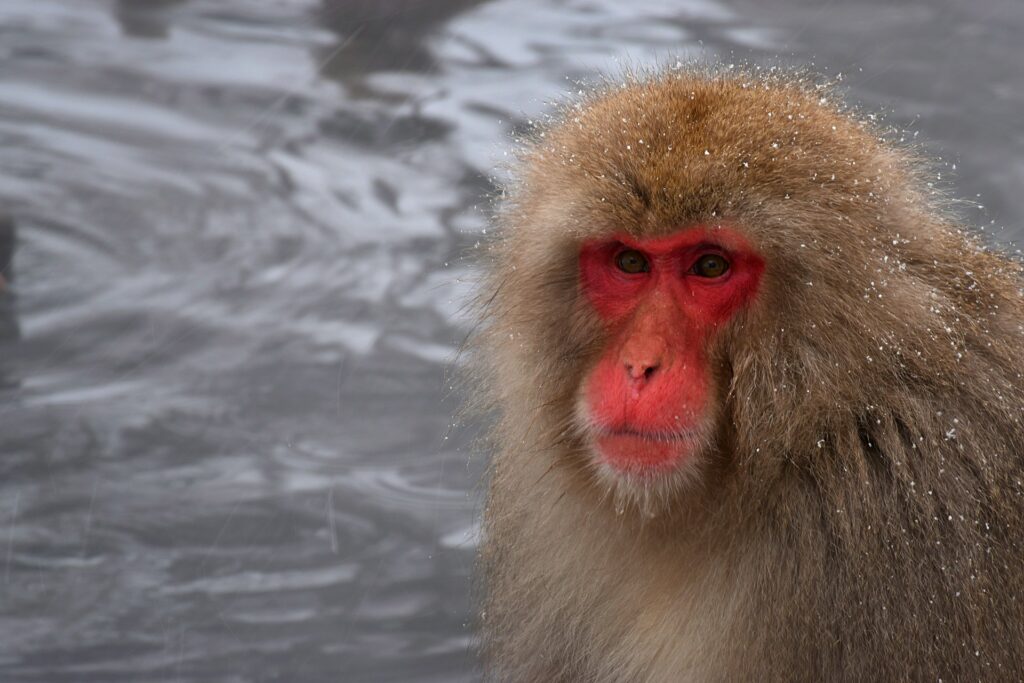
Winter is peak season at Jigokudani Monkey Park. The viewing area around the hot spring pool is small, so it can feel crowded quickly when day-trippers and tour groups arrive around the same time.
A simple crowd-avoidance strategy:
- Best: a weekday visit around opening time.
- Usually better than midday: a weekday later in the afternoon, as long as you leave enough time before winter closing.
- Most crowded: weekends, Japanese national holidays, the New Year period, and the middle of the day.
If photography is your main goal, timing around crowds matters almost as much as timing around snow. A quieter viewing area gives you more patience, better angles, and less pressure to rush your shots.
How to Get There: Compare Your Winter Options
Getting to the Snow Monkey Park in winter involves transport, timing, and trail conditions. Your best option depends on whether you want flexibility, simplicity, or a guided day.
Option 1: DIY by Train and Local Bus
This route usually means taking the Nagano Dentetsu Railway from Nagano Station toward Yudanaka, then transferring to a local bus toward the Snow Monkey Park area.
It is a good option if you want flexibility, plan to stop around Yudanaka or Shibu Onsen, or prefer traveling independently. However, you need to watch connection times carefully, especially in winter.
Recent Snow Monkey Pass listings have shown train-and-local-bus options that include local transport and park admission, but prices and conditions can change. Check the current Nagaden or official tourism information before buying.
Option 2: DIY by Express Bus from Nagano Station
The express bus is usually the simplest DIY route from Nagano Station because it avoids the train-to-bus transfer. It typically runs from the Nagano Station East Exit area toward the Snow Monkey Park / Kanbayashi area.
Winter services can be seasonal, limited, or day-specific. Do not rely on a timetable you saved months earlier. Check the latest Nagaden timetable the night before and screenshot both your outbound and return options.
Express bus pass pricing can vary by season. Winter listings may be higher than green-season listings, so check the latest fare before planning your budget.
Option 3: Guided Tour from Nagano
If you prefer not to combine trains, buses, winter walking, lunch planning, and timetable checks yourself, a guided day tour from Nagano can reduce a lot of stress.
Many tours include transport from Nagano Station, an English-speaking guide, park entry, and extras such as lunch, Zenko-ji Temple, or sake tasting. The exact inclusions, price, start time, and cancellation policy vary by operator and date.
A tour does not guarantee monkey sightings, snow, or perfect weather. It also does not remove the forest walk. What it does is make the local logistics much easier.
Quick Comparison: DIY vs Guided Tour
| Option | Best For | Trade-Off |
|---|---|---|
| Train + Local Bus | Independent travelers, Yudanaka / Shibu Onsen stays, flexible sightseeing | More transfers and more timetable planning |
| Express Bus | Travelers starting from Nagano who want the simplest DIY route | Less flexible, and services may be limited or seasonal |
| Guided Tour | First-time visitors, families, winter travelers, and anyone who wants less logistics stress | Higher cost and less control over time at the park |
➡️ Check current inclusions, start times, and prices for the Snow Monkey guided day tour
What If There Is No Snow or Fewer Monkeys?
Even in winter, a warm spell can leave the trail slushy and the monkeys less interested in bathing. If your visit is more “mud and steam” than snow globe, you can still make the day worthwhile.
| Option | Why Consider It |
|---|---|
| Shibu Onsen | A traditional hot spring town nearby. Best visited by bus, taxi, or as an overnight stay rather than treated as a quick 5-minute add-on. |
| Trailhead cafes or small food stops | Useful for warming up after the walk. Check current opening hours before relying on any one cafe for lunch. |
| Zenko-ji Temple in Nagano City | A strong backup or add-on if you return to Nagano with extra time. |
| Obuse | A charming town known for chestnut sweets and art. Works better if you are traveling independently and have time in your schedule. |
Still undecided about the trip? Read the detailed pros-and-cons guide here:
➡️ Snow Monkey Park Review: Is This Nagano Day Trip Actually Worth It?
Photography Tips for Jigokudani in Snow
If you are coming for photos, give yourself time. The best shots often come from waiting for behavior, steam, snow, light, and space around the pool to line up.
Best Light and Positions
- Morning: often better for cleaner compositions and fewer people, but light depends on weather and valley conditions.
- Late afternoon: can be atmospheric, but winter closing time comes early, so do not arrive too late.
- Main viewing area: the classic hot spring angle, but usually the busiest spot.
- River and hillside areas: often better for natural portraits, grooming, and monkey interactions away from the most crowded pool edge.
Camera and Phone Tips for Winter
- Keep batteries warm: store spare batteries or your phone in an inner pocket.
- Bring a power bank: cold weather can drain your phone quickly.
- Watch for lens fog: moving between cold outdoor air and warm indoor spaces can fog your lens.
- Use zoom rather than getting too close: the monkeys are wild animals, and you should not crowd or touch them.
FAQ: Jigokudani Monkey Park Snow and Winter Visit
Is January really the best month for snow monkeys?
January and February usually offer the strongest odds for snow cover and cold temperatures, which can encourage the monkeys to use the hot spring. Weather still varies year by year, so check current conditions before you go.
Is December too early for snow monkeys in the hot spring?
Not necessarily. Mid-to-late December can be excellent in some years. The risk is that early December may have patchier snow or warmer spells, which can mean fewer classic bathing scenes.
Is March worth visiting for snow monkeys?
It depends on your priority. March is usually less reliable for deep snow and bathing behavior, but it can be quieter. If you care more about a peaceful forest walk than a perfect snow-bath photo, March can still be worthwhile.
How hard is the winter walk?
The walk is not extremely steep, but it is unpaved and can be slippery in winter. Expect around 30 to 40 minutes each way. Proper footwear makes a huge difference.
Can I rent snow boots or crampons?
Winter gear may be available near the trailhead, including boot rentals or crampons / anti-slip grips. Availability, sizes, and prices can change, so treat this as a backup rather than a guarantee.
Can I pay with a credit card at the park?
The park may accept credit cards and some electronic payment methods, but cash is still useful for buses, lockers, rentals, small shops, snacks, and backup. Do not travel completely cashless in this area.
Can I visit with a stroller or wheelchair in winter?
No. The forest trail is unpaved, uneven, and often icy or muddy in winter. Strollers and wheelchairs are not practical for this route. Families with small children should use a baby carrier.
Do I need to book tickets in advance?
Ticketing rules are changing, especially for winter crowd control and online ticketing. Do not assume the same system will apply every season. Check the official Jigokudani Yaen-Koen ticket information before visiting, especially in peak winter.
Can I visit as a day trip from Tokyo?
Yes, but it is a long day. You need to take the Hokuriku Shinkansen to Nagano, then continue by bus or train-and-bus to the park area, walk the winter trail, and reverse the journey. For a more relaxed trip, stay overnight in Nagano City, Yudanaka, or Shibu Onsen.
Final Verdict: Which Option Is Right for You?
| You Are… | Best Choice | Why |
|---|---|---|
| On a tight budget | DIY by train and local bus | Usually the cheapest option from Nagano if you are comfortable managing transfers. |
| Already based in Nagano City | Express bus or guided tour | The express bus is simple for DIY travelers; a tour is easier if you want the day organized. |
| Visiting Japan for the first time | Guided tour from Nagano | Reduces stress around winter transport, lunch, timing, and local logistics. |
| A photography-focused traveler | DIY on a weekday | You get more control over arrival time, waiting time, and shooting pace. |
| Traveling with young children | Guided tour or express bus | Fewer transfers help, but you still need a baby carrier for the trail. |
| Unsure about snow or monkey activity | Check official updates first | If conditions look poor, adjust your timing or combine the park with Nagano, Shibu Onsen, or another nearby stop. |
The bottom line: if your main goal is snowy scenery plus the best chance of bathing monkeys, target January or February, choose a weekday if possible, arrive early, and prepare for a cold, slippery forest walk. After that, the choice is simple: go DIY for flexibility and lower cost, or book a guided tour if you want less winter logistics stress.
➡️ View Snow Monkey day tour details and check current prices
Snow cover, monkey appearances, bathing behavior, opening hours, trail conditions, transport schedules, pass prices, online ticket rules, rental availability, payment methods, tour inclusions, and weather can change. Always check official sources and your selected booking page before finalizing your winter trip.
Hi, I’m Kai. I’m a Tokyo-based travel writer, tourism industry insider, and the author of a published guidebook for international visitors to Japan. With over 10 years of professional experience at a leading Japanese tourism company, my mission is to help you skip the tourist traps and navigate Japan’s best destinations like a local. I believe the perfect day trip is like a traditional kaiseki meal: a beautiful balance of precise planning and unforgettable seasonal discovery. When I’m not out conducting field research, you’ll usually find me drafting new itineraries with one of my favorite fountain pens!