
A Snow Monkey Park day trip from Nagano is absolutely doable and highly rewarding, but it is not a quick roadside stop. From Nagano Station, expect it to take about 4 to 5 hours round trip once you include transport, the forest trail, and time at the park. From Tokyo, it becomes a full-day trip that requires an early start and careful connections.
The park’s official name is Jigokudani Yaen-koen. The main thing to understand is that the experience has two parts: first, getting to the trailhead area in Nagano Prefecture, and then walking an unpaved forest trail to reach the actual monkey viewing area. Most disappointment comes from expecting a 30-minute attraction when it is really a half-day commitment.
Quick Answer: Is the Snow Monkey Park Day Trip Worth It?
Yes, the Snow Monkey Park day trip is worth it if you want to see wild Japanese macaques in a dramatic natural valley and are comfortable with a moderate forest walk. It is one of Nagano’s most memorable winter experiences, especially when snow is on the ground.
It is less ideal if you dislike transit transfers, need wheelchair or stroller access, have mobility limitations, or are going only for a guaranteed “monkeys in the bath” photo. The monkeys are wild animals, and their bathing behavior is never guaranteed.
If you are based in Nagano City and comfortable checking train and bus schedules, DIY can be budget-friendly and flexible. If you are coming from Tokyo, Hakuba, or visiting in winter with limited time, a guided day tour can reduce a lot of the local logistics by bundling transport, park entry, lunch, and often Zenko-ji Temple into one organized day.
What to Expect at Jigokudani Yaen-koen
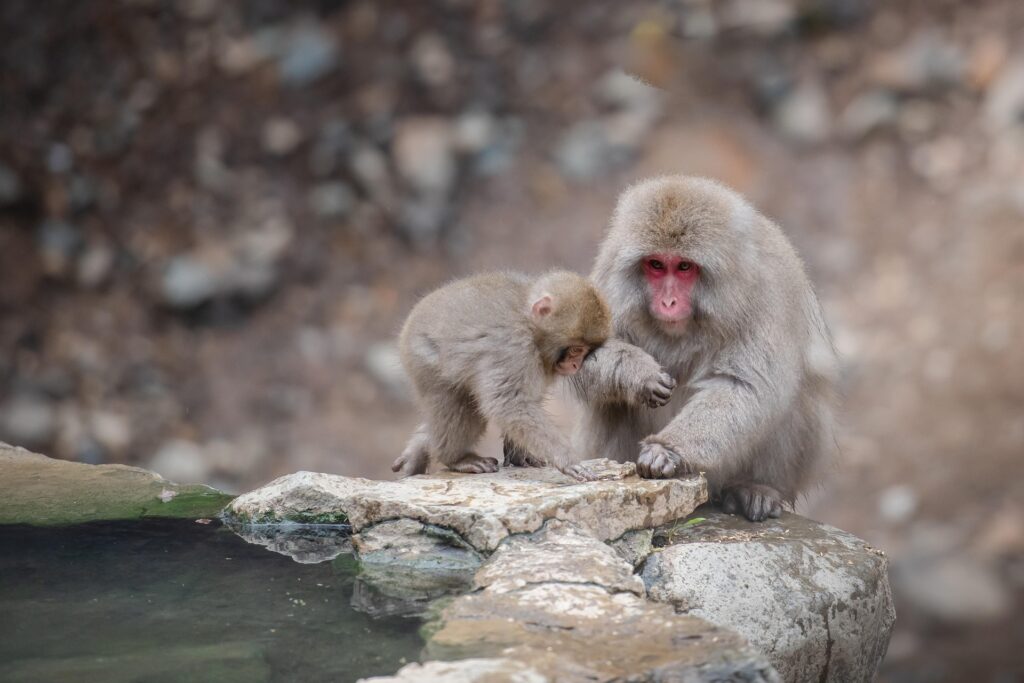
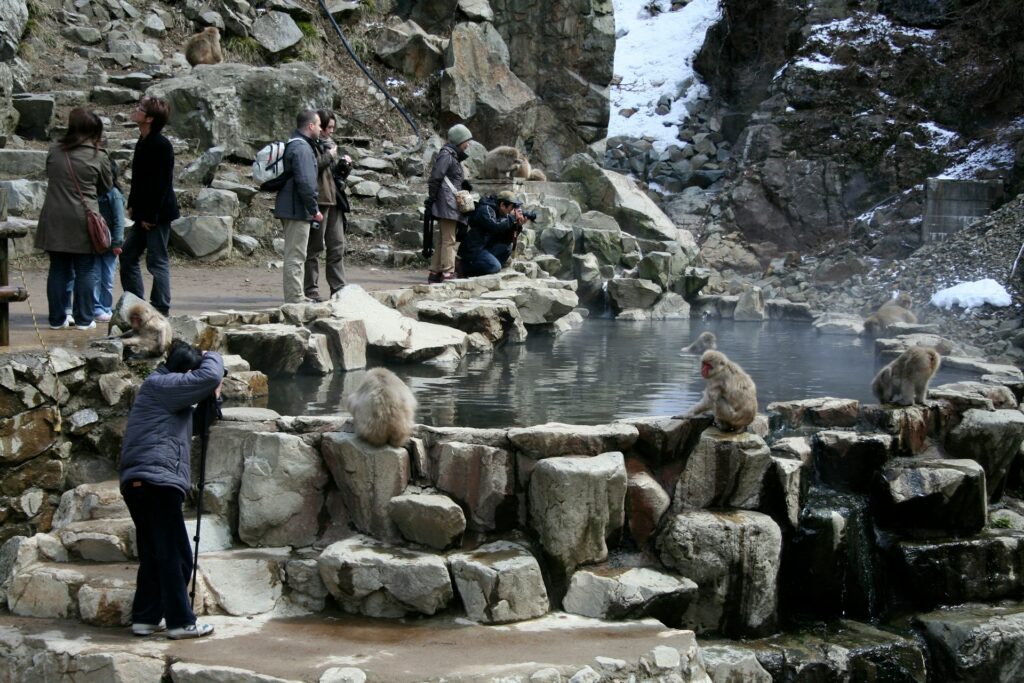
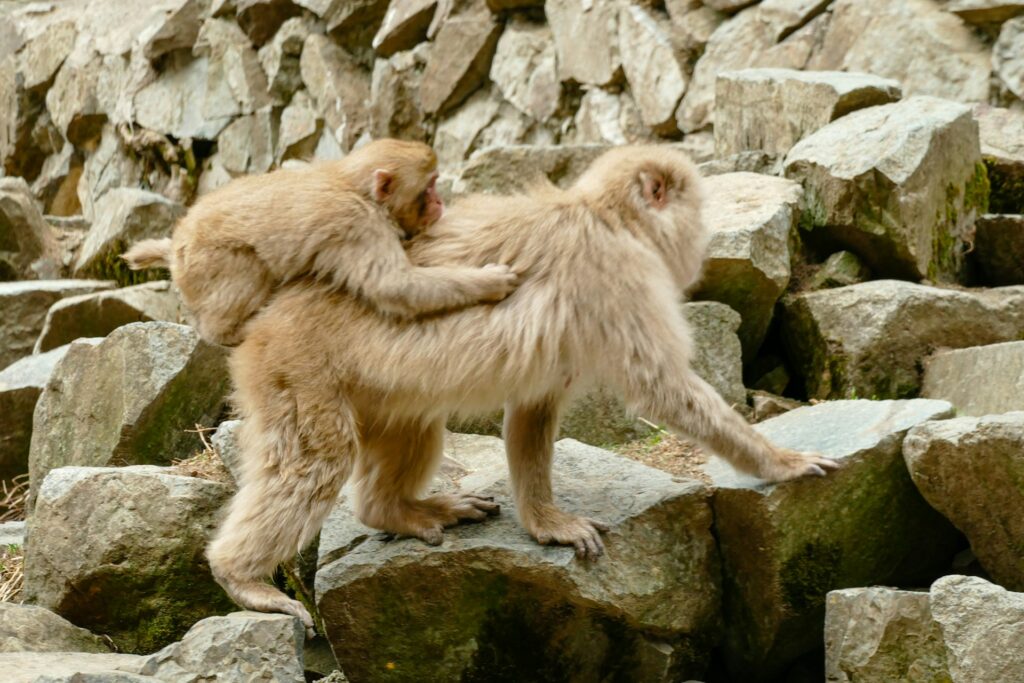
You are visiting a mountain valley where wild Japanese macaques live freely. Park staff manage the area and feed the monkeys to encourage them to stay nearby, but this is not a zoo. There are no cages, and the monkeys do not perform on a schedule.
The “Monkeys in the Onsen” Expectation Trap
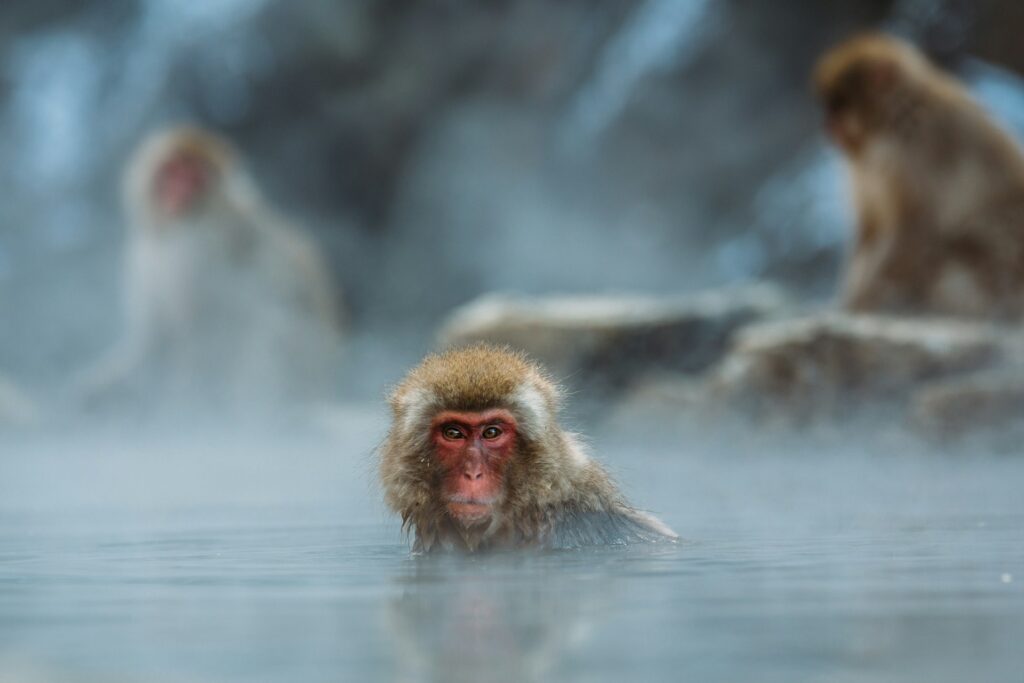
Will the monkeys be in the hot spring? Sometimes, especially on very cold winter days. But it is never guaranteed. Even in peak winter, they may sit on the rocks, groom each other, climb the hillside, or huddle together instead of soaking.
Go with the mindset of observing wild macaques in a beautiful valley, not chasing one exact photo. If they are bathing when you arrive, treat it as a bonus.
Best Time to Visit
Winter, especially December to February, gives you the best chance of snowy scenery and classic hot-spring images. It is also the coldest, busiest, and iciest season, so footwear and timing matter.
Spring can be rewarding for easier walking conditions and baby monkeys. Autumn brings foliage, but monkey appearances and bathing behavior can vary. Summer is usually the weakest season if your main goal is seeing monkeys in the hot spring, because warm weather makes bathing less common.
Park Hours, Admission Fees, Tickets & Payment
| Item | Details |
|---|---|
| Admission | Adults ¥800 / Children ¥400 / Children under 6 generally free |
| Winter Hours | Usually 9:00 AM to 4:00 PM from November to March |
| Summer Hours | Usually 8:30 AM to 5:00 PM from April to October |
| Closed Days | Generally open year-round, but temporary closures or shortened hours can happen |
| Payment | Cards and IC cards may be accepted at the entrance, but carry cash as a backup |
| Accessibility | Not suitable for wheelchairs, strollers, or walkers because of the unpaved forest trail and uneven park area |
Temporary closures, shortened hours, and entry rules can change due to weather, natural conditions, or monkey behavior. Always check the official Jigokudani Yaen-koen website before heading out.
Online Ticket Rules for Winter 2026/27
Same-day gate tickets have traditionally been available, but ticket rules are changing. From the 2026/27 winter season, Jigokudani Yaen-koen is expected to introduce date-specific online tickets to manage winter crowding. If you are visiting during peak winter, check the official website before your trip and confirm whether advance online entry is required or recommended.
Live Camera and Monkey Updates
Before traveling a long distance, check the official live camera and park information if available. This can give you a real-time sense of whether monkeys are near the hot spring area, whether the ground looks snowy or muddy, and how crowded the viewing area appears.
How to Get to Snow Monkey Park
Almost every DIY route to Snow Monkey Park passes through Nagano Station. From Tokyo, take the Hokuriku Shinkansen to Nagano Station. Depending on the service, the ride usually takes around 80 to 100 minutes. From Nagano Station, you then choose between the express bus or the Nagano Dentetsu train plus local bus route.
Option 1: Direct Express Bus from Nagano Station
This is the easiest DIY route for most day-trippers. The Nagaden express bus runs from Nagano Station’s East Exit toward the Snow Monkey Park bus stop.
- Travel time: Usually around 50 minutes to 1 hour, depending on season, traffic, and road conditions.
- Pros: No train-to-bus transfer after leaving Nagano Station.
- Cons: Departures are limited, buses can fill during peak winter, and schedules change by season.
- Best for: Travelers who want the simplest public-transport route from Nagano Station.
Do not rely on old screenshots or fixed bus times from blog posts. Check the current Nagaden Bus timetable before planning your day.
Option 2: Nagano Dentetsu Train + Local Bus
This route uses the Nagano Dentetsu railway from Nagano Station to Yudanaka Station, followed by a local bus toward the Snow Monkey Park area.
- Travel time: Usually around 50 to 70 minutes for the train and bus legs combined, depending on connections.
- Pros: More useful if you want to stop around Obuse, Yudanaka, or Shibu Onsen.
- Cons: More transfers, so you need to watch the schedule carefully.
- Best for: Travelers staying near Yudanaka or Shibu Onsen, or anyone building a slower Nagano itinerary.
Option 3: Day Trip from Tokyo
A Snow Monkey Park day trip from Tokyo is possible, but it is a long day. Take an early Hokuriku Shinkansen to Nagano, then connect to either the express bus or the train/local bus route. The Tokyo to Nagano Shinkansen is covered by the Japan Rail Pass and some regional rail passes, but Nagaden trains and buses are not JR services and are not covered by JR passes.
The best DIY strategy from Tokyo is usually to visit the monkeys first, then return to Nagano City for Zenko-ji Temple if time and energy allow. Zenko-ji is much easier to adjust because it is close to Nagano Station.
Option 4: Day Trip from Hakuba
Public transport from Hakuba to the Snow Monkey Park area can involve multiple transfers and awkward timing, especially in winter. Some seasonal tours may offer Hakuba pickup, which can make the day much easier for skiers and snowboarders. Check your selected tour listing carefully for pickup points, dates, inclusions, and return details.
Snow Monkey Pass Options in 2026
Snow Monkey Pass options have changed from older flat-rate information you may see online. The key thing to understand is that the train/local bus pass and the express bus pass are different products. They cover different routes, and prices can vary by season and sales period.
| Pass Type | What It Usually Covers | Recent Price Logic | Best For |
|---|---|---|---|
| Train + Local Bus Pass | Nagano Dentetsu train, local bus between Yudanaka and the Snow Monkey Park area, and park entry | Listed at ¥4,800 adult / ¥2,400 child during the 2026 green-season sales period | Travelers who want rail flexibility or plan to stop around Obuse, Yudanaka, or Shibu Onsen |
| Express Bus Pass | Round-trip express bus from Nagano Station to the Snow Monkey Park bus stop, plus park entry | Green-season pricing may be around ¥4,800 adult, while winter express-bus pricing has been listed higher | Travelers who want the simplest direct route from Nagano Station |
Important: the train/local bus pass does not cover the direct express bus from Nagano Station. The express bus pass does not cover Nagano Dentetsu trains. Buy the pass that matches the route you actually plan to use.
A pass can be convenient if you want park admission bundled with transport or if you plan to stop along the Nagaden line. If you are doing a simple round trip, individual tickets may be similar in price. Always check the current Nagaden and Nagaden Bus pages before buying.
DIY vs Guided Tour: Which Is Right for You?
Choosing between DIY and a guided tour depends on your starting point, budget, comfort with winter logistics, and how much structure you want.
| Feature | DIY | Guided Day Tour |
|---|---|---|
| Cost from Nagano | Usually cheaper. You pay for local transport, park entry, food, and any extras yourself. | Higher, but may include guide support, local transport, park entry, lunch, Zenko-ji Temple, and sometimes sake tasting. |
| Cost from Tokyo | Add Shinkansen round trip plus local Nagano transport and food. | Most Nagano Station-based tours require you to add the Tokyo to Nagano Shinkansen separately unless the listing clearly says otherwise. |
| Transport Stress | You manage timetables, transfers, payment methods, and return buffers. | Lower stress once the tour begins, because the operator manages the local route and timing. |
| Flexibility | High, within the limits of train and bus schedules. | Lower, because you follow the group itinerary. |
| Best For | Budget-conscious travelers, confident planners, and people already based in Nagano. | First-time visitors, families, winter travelers, Hakuba visitors, and people who prefer convenience. |
Thinking a guided tour might fit your schedule better? If you want local transport, park entry, lunch, Zenko-ji Temple, and guide support bundled into one organized day, check current tour availability, start times, inclusions, and cancellation terms.
The Forest Trail: Walk and Accessibility Reality
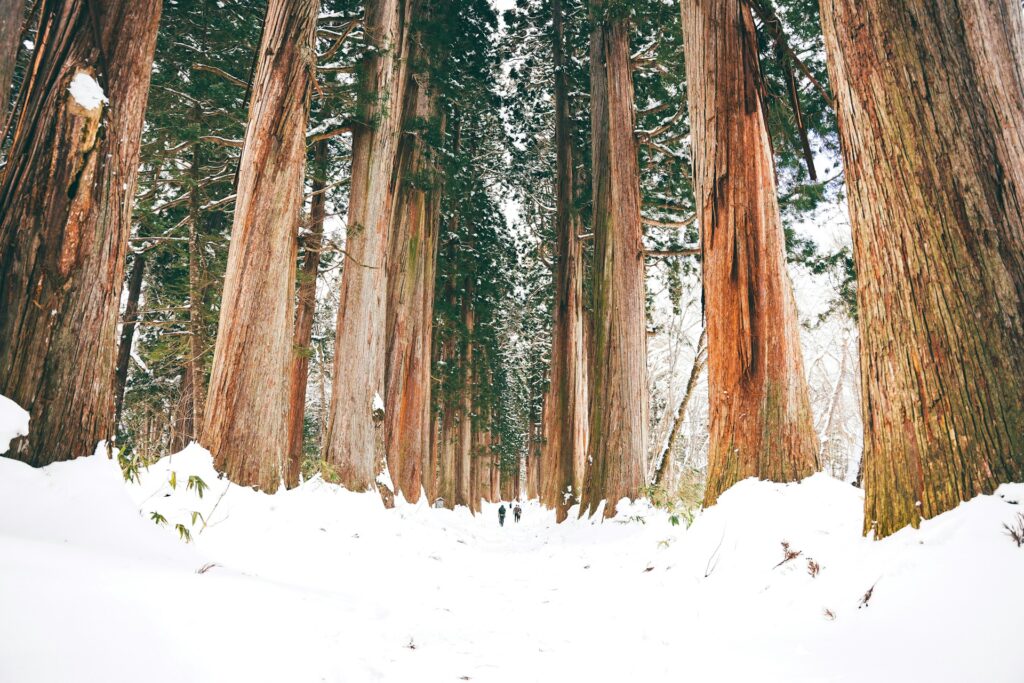
Getting off the bus is not the end of the journey. From the Snow Monkey Park bus stop, the official walking time is about 35 minutes. Depending on your route, pace, weather, and trail conditions, expect around 30 to 40 minutes each way.
- Surface: Unpaved forest trail with uneven ground.
- Winter conditions: Snow, packed ice, mud, and slippery sections are common.
- Other seasons: Easier than winter, but the path can still be muddy or uneven.
- Accessibility: Not suitable for wheelchairs, strollers, walkers, or travelers with serious mobility limitations.
A guide can help with pacing and planning, but no normal tour removes the forest trail. If someone in your group cannot handle the walk, contact your tour operator or the park before finalizing your plans.
What to Wear and Bring in Winter
Jigokudani can feel much colder than central Nagano City, especially when you are standing still watching the monkeys. If you visit from December to March, dress for snow, ice, and long outdoor waits.
- Footwear with serious grip: Waterproof hiking boots or snow boots are strongly recommended. Smooth sneakers are a poor choice on icy trails.
- Warm layers: Wear thermal layers, a warm mid-layer, and a windproof or waterproof outer shell.
- Winter accessories: Bring a beanie, gloves, scarf or neck warmer, and hand warmers.
- Small towel: Useful for wiping snow or condensation off a phone or camera lens.
- Water and snacks: Keep food zipped inside your bag and never feed the monkeys.
- Cash backup: Useful for small purchases, lockers, buses, vending machines, or gear rental if available.
Snow boot rental, traction spikes, and luggage storage may be available near the trailhead, but availability, prices, and sizes can change. Do not rely on rentals as your only safety plan in winter.
Sample Day Trip Itineraries
From Nagano Station: DIY Half-Day Plan
| Part of Day | Plan |
|---|---|
| Morning | Leave Nagano Station by express bus or Nagaden train + local bus |
| Late morning | Arrive near the trailhead and walk to the park entrance |
| At the park | Spend around 45 to 90 minutes observing the monkeys, depending on weather and crowding |
| Return | Walk back to the bus stop or station area and return to Nagano City |
| Optional add-on | Eat lunch near Nagano Station or visit Zenko-ji Temple if timing allows |
From Tokyo: Full-Day Plan
| Part of Day | Plan |
|---|---|
| Early morning | Take a Hokuriku Shinkansen from Tokyo or Ueno to Nagano |
| Morning | Connect to the express bus or Nagaden train + local bus route |
| Late morning to midday | Walk the forest trail and visit the Snow Monkey Park |
| Afternoon | Return to Nagano City; visit Zenko-ji Temple if you still have time and energy |
| Evening | Take the Shinkansen back to Tokyo |
Best practical advice: if you are doing this DIY from Tokyo, visit the monkeys first. Zenko-ji Temple is closer to Nagano Station and easier to adjust if the park visit, trail, or buses take longer than expected.
Monkey Etiquette and Safety Rules
These are wild animals, and the park has rules to keep both visitors and macaques safe. Follow all posted instructions on the day of your visit.
- Do not touch the monkeys: Even if they walk close to you, give them space.
- Do not feed them: Never offer food, wrappers, or empty hands for photos.
- Avoid prolonged direct staring: This can be interpreted as threatening by macaques.
- Secure your belongings: Zip bags and do not leave phones, wallets, or snacks dangling.
- Move calmly: Avoid shouting, running, or sudden movements near the monkeys.
- Do not block narrow paths: The viewing area can get crowded, so be considerate of other visitors.
Tips to Make the Most of Your Visit
Beat the Crowds
The park is often busiest from late morning into early afternoon, especially in winter. Arriving earlier can make the experience calmer, but do not plan around old bus times. Check current train and bus schedules before choosing your departure.
Combine with Zenko-ji Temple
Zenko-ji Temple pairs naturally with a Snow Monkey Park day trip because it is relatively close to Nagano Station. If you are DIY, visit Zenko-ji after returning from the park so you can adjust based on bus timing and trail conditions. If you join a guided tour, Zenko-ji may already be included.
Consider Obuse if You Use the Nagaden Route
If you use the train/local bus route and have extra time, Obuse can be a pleasant stop along the Nagaden line. It is known for chestnut sweets, a historic townscape, and the Hokusai Museum. Do not add it to a tight Tokyo day trip unless you have checked the return schedule carefully.
Warm Up Around Yudanaka or Shibu Onsen
Yudanaka and Shibu Onsen are useful bases if you want to slow down and make the snow monkeys part of an overnight stay. Some facilities may offer day-use bathing, but rules, hours, and availability vary. Check directly before planning around it.
Rainy Day and Bad Weather Plan
Light rain does not automatically ruin the trip, but heavy rain, blizzards, icy trails, or road disruption can make the day unpleasant or unsafe. Check the official park information, live camera, and transport updates in the morning. If the weather looks bad and your schedule is flexible, delaying by a day can be smarter than forcing the trip.
Frequently Asked Questions
How long does a Snow Monkey Park day trip take from Nagano Station?
Expect about 4 to 5 hours round trip, including transport, the forest trail walk, and time at the park itself. It can take longer in winter, during busy periods, or if transport connections are awkward.
Can I do a Snow Monkey Park day trip from Tokyo?
Yes, but it is a long day. Take an early Hokuriku Shinkansen to Nagano, then connect to the express bus or Nagaden train + local bus route. Leave a buffer for winter delays, bus queues, the forest trail, and your return Shinkansen.
Can I rent snow boots at the trailhead?
Snow boot rental and traction gear may be available near the trail entrance in winter, but availability, size range, and prices can change. Wear proper winter footwear if possible instead of relying entirely on rentals.
Are the monkeys guaranteed to be in the hot spring?
No. The monkeys are wild animals. They are more likely to bathe during cold winter conditions, but there is no guarantee. Sometimes they stay on the rocks, in the trees, or higher in the valley.
Can I use my JR Pass for the Snow Monkey Park route?
Partially. The JR Pass can cover the Hokuriku Shinkansen from Tokyo to Nagano if your pass is valid for that route. It does not cover Nagano Dentetsu trains or Nagaden buses to the Snow Monkey Park area.
Is the park open year-round?
Generally yes, but temporary closures or shortened hours can happen due to severe weather, natural conditions, or monkey behavior. Check the official website before you go.
Do I need cash?
Yes, carry cash as a backup. Some entrance and shop payments may accept cards or IC cards, but local transport, lockers, vending machines, gear rental, and small purchases can vary by location.
Is the Snow Monkey Park suitable for young children?
It depends on the child. The trail is not stroller-friendly, especially in winter. School-age children who are used to walking may enjoy it, but snow, mud, cold, and fatigue can make the route difficult for younger children.
Final Verdict: Should You Go?
Go if…
- You love wildlife and are comfortable with a moderate forest walk.
- You are already based in Nagano or planning a Nagano-focused itinerary.
- You are visiting in winter and want the best chance of snowy scenery.
- You are willing to treat monkey bathing as a bonus, not a guarantee.
Skip it or postpone if…
- You have mobility limitations or cannot handle an uneven unpaved trail.
- You are traveling with a stroller or large luggage.
- You are only going for a guaranteed “monkeys in the bath” photo.
- You are visiting in summer and expect the same iconic winter scenes.
For families: The park can be rewarding if your children can handle the trail. A guided tour can reduce transport stress, but it cannot remove the walk.
For solo travelers on a budget: DIY from Nagano is usually the best value if you are confident with transit and weather conditions.
For first-time visitors to Japan: If your schedule is packed, a guided tour can be the easier way to combine the monkeys with Zenko-ji Temple and local food without managing every connection yourself.
Ready to compare the easier option? Check current availability, reviews, latest pricing, inclusions, and cancellation terms for a guided Snow Monkey Park day trip.
For a deeper breakdown of costs and tour-vs-DIY value, read our dedicated guide: Snow Monkey Park Review: Is This Nagano Day Trip Actually Worth It?
Transport schedules, Snow Monkey Pass prices, pass sales periods, online ticket rules, park hours, payment methods, winter trail conditions, rental gear availability, luggage storage, and tour inclusions can change. Always check official Jigokudani Yaen-koen, Nagaden, Nagaden Bus, and your selected tour listing before finalizing your trip.

Hi, I’m Kai. I’m a Tokyo-based travel writer, tourism industry insider, and the author of a published guidebook for international visitors to Japan. With over 10 years of professional experience at a leading Japanese tourism company, my mission is to help you skip the tourist traps and navigate Japan’s best destinations like a local. I believe the perfect day trip is like a traditional kaiseki meal: a beautiful balance of precise planning and unforgettable seasonal discovery. When I’m not out conducting field research, you’ll usually find me drafting new itineraries with one of my favorite fountain pens!