
If you’re searching “snow monkeys from Tokyo”, you’re probably trying to answer one question: Can I really do this in a single day and still enjoy it? The honest answer is yes, but only if you treat it as a long, logistics-heavy day that requires an early start, several transit decisions, and a forest walk at the end.
The famous spot is Jigokudani Yaen-Koen, also known as Jigokudani Monkey Park or Snow Monkey Park. It is located deep in Nagano Prefecture, not Tokyo. It is not a zoo. The monkeys are wild, and while the hot spring bathing moments are real, they are not guaranteed at any specific hour.
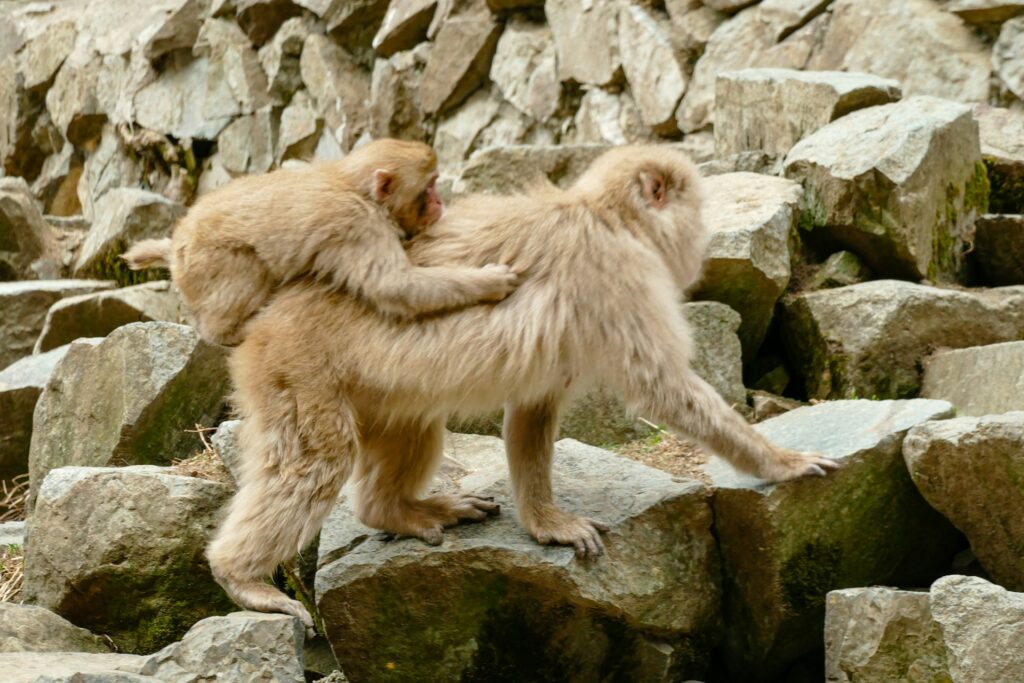
Quick Answer: Is a Tokyo Day Trip Realistic?
A Tokyo day trip to the snow monkeys is entirely possible and worth it if you start early, can comfortably walk on uneven and possibly icy paths, and are happy with seeing wild macaques up close even if they do not soak in the water. Plan for a full 11 to 13-hour day, depending on train timing, bus connections, weather, trail conditions, and how long you spend at the park.
It is less ideal if you prefer a relaxed pace, have mobility limitations, are traveling with a stroller, have only a few days in Tokyo, or would feel disappointed if the monkeys are not bathing when you arrive.
Best overall plan for most independent travelers: take an early Hokuriku Shinkansen from Tokyo to Nagano, use either the express bus or train/local bus route to reach the Snow Monkey Park area, visit the monkeys first, then return to Nagano City for Zenko-ji Temple if time allows.
Best low-stress plan: take the Shinkansen to Nagano Station yourself, then join a guided day trip from Nagano that handles the local transport, park entry, lunch, Zenko-ji, and pacing.
Snow Monkey Park at a Glance
| Detail | Info |
|---|---|
| Official Name | Jigokudani Yaen-Koen / Jigokudani Monkey Park |
| Admission | Adults: ¥800 / Children: ¥400 / Children under 6 are generally free, but check the latest official categories |
| Summer Hours | Usually 8:30 a.m. – 5:00 p.m. from April to October |
| Winter Hours | Usually 9:00 a.m. – 4:00 p.m. from November to March |
| Closed | Generally open year-round, but temporary closures or shortened hours may happen due to weather, natural conditions, or monkey behavior |
| Tickets | Ticket rules can change. From winter 2026/27, date-specific online tickets may apply for crowd management, so check the official park website before visiting. |
| Payment | Payment methods can change. Carry cash as a backup, especially for buses, small shops, and on-site payments. |
| Final Walk | About 35 minutes from the Snow Monkey Park bus stop, or around 30–40 minutes depending on route, pace, and conditions |
| Accessibility | Not suitable for wheelchairs or strollers due to the forest trail, uneven ground, snow, ice, and steps |
Best Time to Visit the Snow Monkeys
- Winter, December–March: The best chance for snow-covered scenery and the classic bathing behavior. January and February usually offer the strongest winter atmosphere, but this is also the busiest and iciest period.
- Spring, April–May: The trail is easier than in winter, and baby monkeys may appear around late spring. Bathing is less frequent because the weather is warmer.
- Summer, June–August: Green, easier for walking, and usually less snowy or icy. However, monkeys rarely enter the hot spring in warm weather.
- Autumn, October–November: Beautiful foliage and cooler air, but monkey appearances and bathing behavior can vary. Check the official live camera before committing your day.
Important expectation: Go for the overall wildlife experience, not for one guaranteed hot-spring photo. The monkeys are wild animals, and bathing is never scheduled.
What to Expect: The “Snow Monkey” Reality
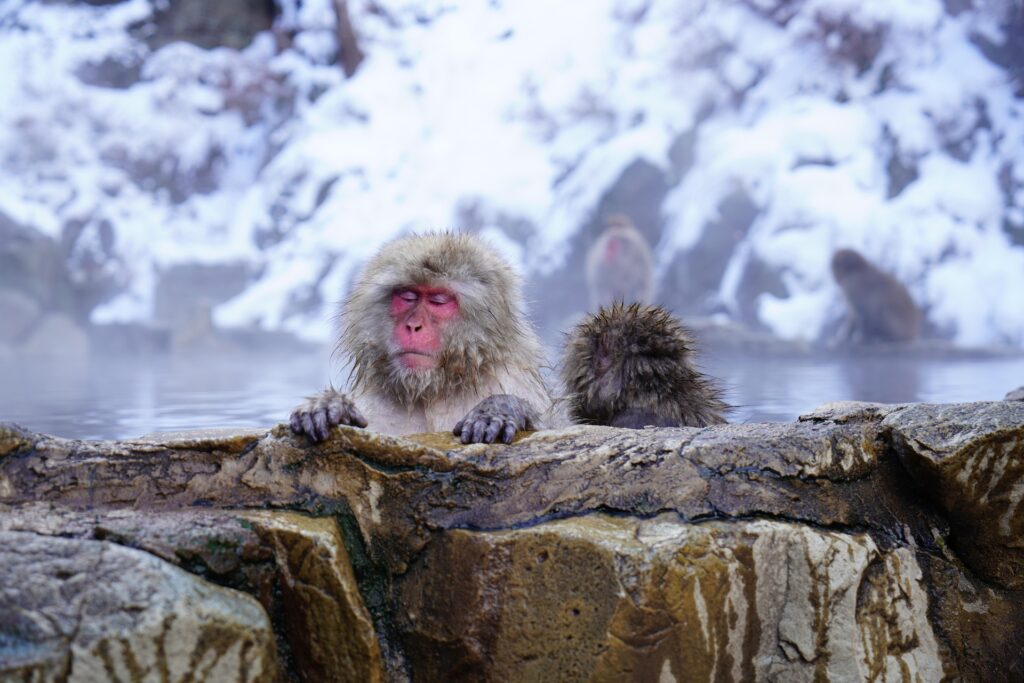
They Are Wild Animals, Not Zoo Performers
The park is designed for viewing wild Japanese macaques in their natural mountain habitat. Because they do not perform on a schedule, sightings can vary. Some days you may see many monkeys near the hot spring area. Other days, there may be fewer, or they may spend more time foraging and grooming outside the bath.
Bathing in the hot spring is mainly a cold-weather behavior. Even in winter, they are not in the water all day. You will often see them walking, grooming, resting, or interacting with each other around the park area.
Check the Official Live Camera
Before you leave Tokyo or Nagano, check the official Jigokudani Yaen-Koen website and live camera if available. It can help you understand current conditions, including whether monkeys are around the hot spring area, whether the ground is snowy or muddy, and how crowded the viewing area looks.
How to Get to Snow Monkey Park from Tokyo
A DIY day trip follows this basic sequence: Tokyo → Nagano Station → Snow Monkey Park bus stop or Yudanaka area → forest trail → park entrance.
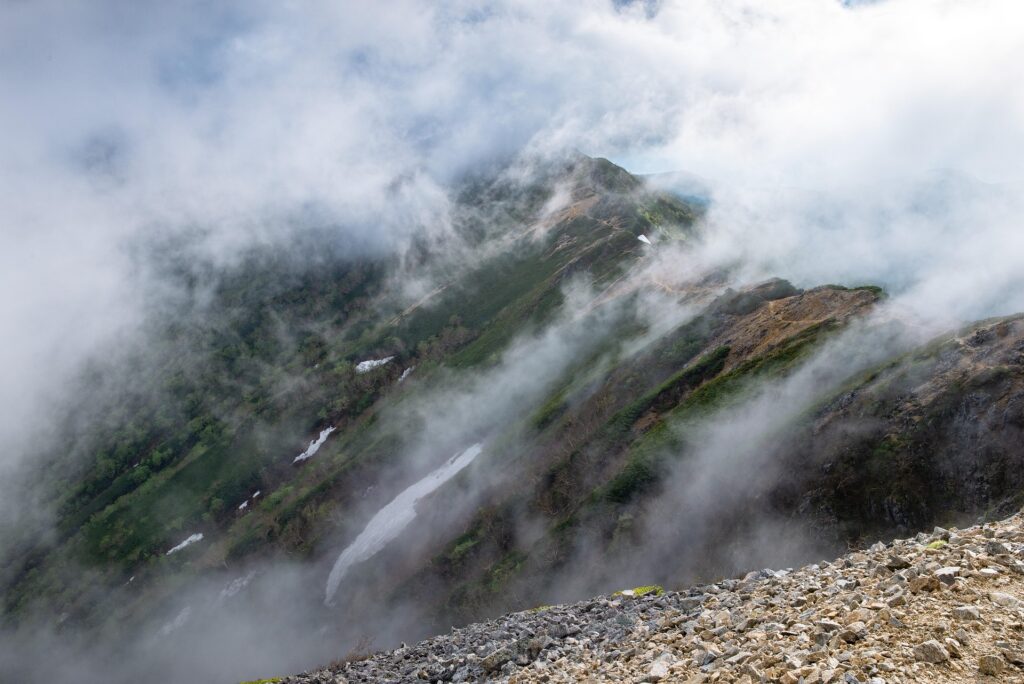
Step 1: Tokyo to Nagano by Shinkansen
Take the Hokuriku Shinkansen from Tokyo Station or Ueno Station to Nagano Station. Depending on the train, the ride usually takes about 80 to 100 minutes.
- Cost: usually around ¥8,000–¥9,000 one way, or around ¥16,000–¥18,000 round trip, depending on seat type, train, booking method, and season.
- Pass Info: the Tokyo to Nagano Shinkansen route is covered by the nationwide Japan Rail Pass and the Hokuriku Arch Pass.
- Important note: JR passes do not cover the Nagaden trains or buses from Nagano to the Snow Monkey Park area.
Step 2: Nagano to the Snow Monkey Park Area
Once you reach Nagano Station, you leave the JR network. You have two main options for reaching the Snow Monkey Park area.
Option A: Express Bus from Nagano Station
This is the simplest option for most day-trippers. Take the Nagaden Express Bus from Nagano Station East Exit toward the Snow Monkey Park area.
- Travel time: usually about 50 minutes to 1 hour to the Snow Monkey Park bus stop, depending on season, traffic, and road conditions.
- Extra walk to trail entrance: the bus stop is down the hill from the trail entrance, so allow another short walk before the main forest trail begins.
- Best for: travelers who want the fewest transfers from Nagano Station.
- Booking: express buses may be first-come, first-served rather than seat-reserved on some services. Check the current timetable and ticketing rules before travel.
Option B: Nagaden Train + Local Bus
Take the Nagano Dentetsu train from Nagano Station to Yudanaka Station, then transfer to a local bus toward the Snow Monkey Park area.
- Best for: travelers who want flexibility, plan to visit Yudanaka or Shibu Onsen, or prefer rail travel.
- Trade-off: more transfers than the express bus, so it requires more schedule awareness.
Step 3: The Forest Trail
From the bus stop or trailhead area, you must walk through a forest trail to reach the actual park entrance. From the Snow Monkey Park bus stop, the official walking time is about 35 minutes. Depending on your route, pace, weather, and trail conditions, expect around 30–40 minutes each way.
The trail is mostly manageable for reasonably fit travelers, but it is unpaved and can become slippery, muddy, icy, or snow-packed depending on the season. This walk is the main reason the trip is not recommended for travelers with mobility issues, wheelchairs, or strollers.
Snow Monkey Pass: What to Know in 2026
Important 2026 pass note: Snow Monkey Pass options vary by route and season. The train/local bus version and express bus version are different products, and prices, sales periods, purchase methods, and validity can change. Always check the current Nagaden or Nagaden Bus information before buying.
| Pass Type | Typical Price Logic | Covers | Best For |
|---|---|---|---|
| Train & Local Bus Pass | Usually sold during listed sales periods, with separate adult and child pricing | Nagano Dentetsu train + local bus from Yudanaka to the Snow Monkey Park area + park admission | Travelers who want rail flexibility or plan to stop at Obuse, Yudanaka, or Shibu Onsen |
| Express Bus Pass | Separate seasonal pricing. The winter version can be higher than the green-season version. | Round-trip direct express bus from Nagano Station to the Snow Monkey Park bus stop + park admission | Travelers who want the simplest direct route from Nagano Station |
Which pass should you choose? If you want the simplest route from Nagano Station, the express bus version is usually easier. If you want to use the Nagaden railway or stop around Yudanaka, Shibu Onsen, or Obuse, the train/local bus version may fit better.
Do not buy a pass just because the name sounds useful. Make sure it matches the transport route you actually plan to use. The wrong pass can leave you paying extra for the route you intended to take.
Not keen on managing tight train-to-bus connections?
If you want to skip the stress of local Nagano transit schedules, take the Shinkansen from Tokyo to Nagano Station and join a guided day trip that handles local transport, park entry, lunch, and pacing.
Check guided tour availability and prices from Nagano or read our in-depth Snow Monkey Park Review: Is This Nagano Day Trip Actually Worth It?
Realistic Day Trip Timeline from Tokyo
This is a realistic model, not a fixed official timetable. Always check the latest Shinkansen, Nagaden Express Bus, local bus, and park information before you go.
| Time Window | Activity |
|---|---|
| Early morning | Take a Hokuriku Shinkansen that gets you to Nagano early enough to make a practical morning transfer toward the park. |
| After arriving in Nagano | Store luggage if needed, check current bus or pass details, and head to the East Exit or Nagaden ticket area depending on your route. |
| Morning | Take the express bus or train + local bus toward the Snow Monkey Park area. |
| Late morning | Walk the forest trail to the park entrance. Allow about 30–40 minutes depending on trail conditions. |
| At the park | Spend about 45–90 minutes observing and photographing the monkeys. |
| Midday to early afternoon | Walk back to the bus stop or trail entrance area and return toward Nagano Station. |
| Afternoon | If time and energy allow, visit Zenko-ji Temple or enjoy Shinshu soba in Nagano City. |
| Late afternoon or evening | Take the Shinkansen back to Tokyo. |
Best practical advice: visit the monkeys first, then do Zenko-ji afterward if time allows. Zenko-ji is much closer to Nagano Station and easier to adjust if your monkey park visit takes longer than expected.
DIY vs Guided Tour: Which Should You Choose?
When planning a snow monkey day trip from Tokyo, the biggest decision is what happens after you get off the Shinkansen in Nagano. Here is a realistic comparison.
| Feature | DIY Trip | Guided Tour from Nagano |
|---|---|---|
| Transport from Nagano | You navigate local trains, express buses, or local buses yourself. | Arranged group transport between stops, depending on the tour listing. |
| Total Cost from Tokyo | Varies by Shinkansen seat, local route, pass choice, lunch, and optional temple areas. Usually cheaper than adding a tour if you manage everything yourself. | Shinkansen round trip + tour price from Nagano. Usually more expensive than DIY, but easier once you arrive. |
| Flexibility | High. You set your own pace and departure time, within the limits of bus and train schedules. | Structured. You follow a set group itinerary. |
| Stress Level | Medium to high. Missing one bus can make the day awkward. | Low. The guide and operator handle most local timing and ticket logistics. |
| Added Value | You can explore Yudanaka, Shibu Onsen, Obuse, or Zenko-ji at your own pace if the schedule works. | Often includes an English-speaking guide, park entry, a local lunch, Zenko-ji Temple, and sometimes sake tasting. |
Choose DIY if you want to save money, enjoy planning transport, and do not mind checking timetables carefully.
Choose a guided tour if you want to maximize a single day in Nagano without the anxiety of missing a rural bus connection, especially in winter. The tour is usually not cheaper from Tokyo, but it can make the local Nagano portion of the day much easier.
Essential Tips for a Smooth Visit
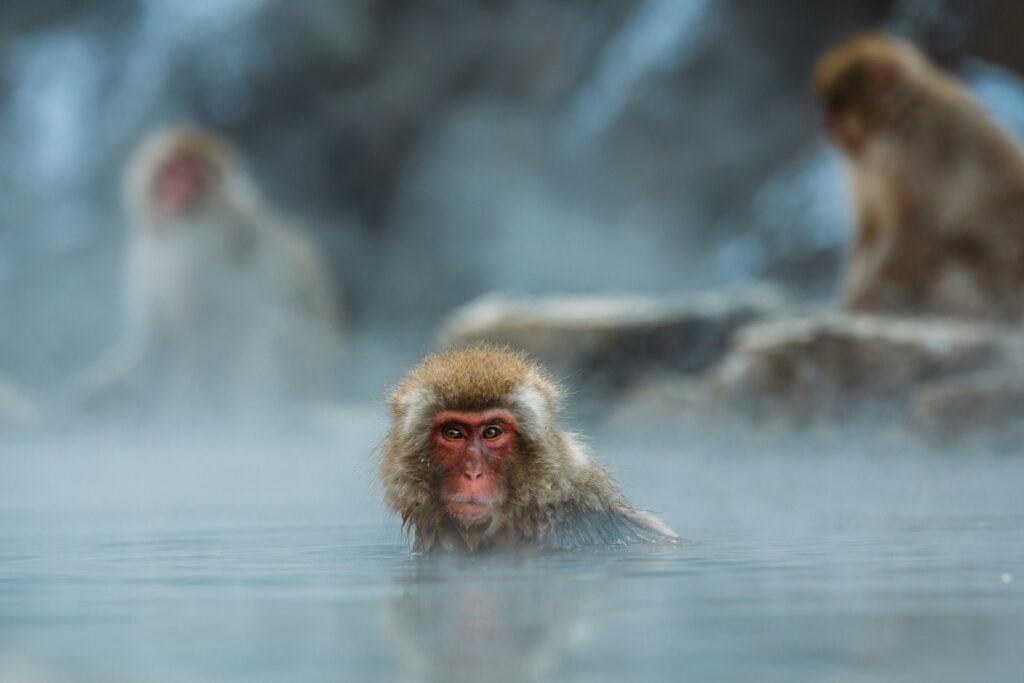
Footwear and Winter Gear
Do not underestimate the forest walk, especially between December and March. The trail is unpaved and can become heavily compacted with ice and snow. Sneakers or heels are a bad idea. Wear sturdy, waterproof shoes or boots with good grip.
The shop near the trail entrance may rent snow boots or sell traction spikes in winter, but availability and prices can change. Do not rely on rental gear as your only plan if winter walking safety matters to you.
Luggage Storage
Rolling a suitcase through mud or snow on the forest trail is miserable. If you are doing this as a day trip before moving to another city, store heavy luggage in coin lockers at Nagano Station or another suitable luggage storage location before heading to the park.
Travel to the park with only a small daypack. If you use lockers, leave enough time to retrieve your luggage before your return Shinkansen.
Crowd Avoidance
The park often gets busiest from late morning into early afternoon, when group tours and later-starting DIY travelers arrive. If you want a quieter experience, aim to reach the park as early as your train and bus schedule realistically allows.
Weekdays are usually calmer than weekends, Japanese public holidays, and peak winter travel periods.
Photography Tips
- Smartphones are fine: the monkeys often come close enough for good phone photos.
- No flash photography: avoid anything that could disturb the monkeys.
- Tripods: even if technically allowed in some areas, they are often impractical on crowded viewing paths.
- Best mindset: shoot natural behavior rather than waiting only for the perfect hot-spring pose.
Traveling with Kids
- The forest trail is not stroller-friendly, especially in winter. Use a baby carrier if traveling with a small child.
- School-age children who are used to walking may enjoy it, but winter ice, mud, cold, and fatigue can make the trail difficult.
- The monkeys are used to humans but are still wild. Keep children close and do not allow them to run toward or chase the monkeys.
- There are limited facilities inside the park area, so bring water and simple snacks for children, but do not feed the monkeys.
Making the Most of Your Nagano Day
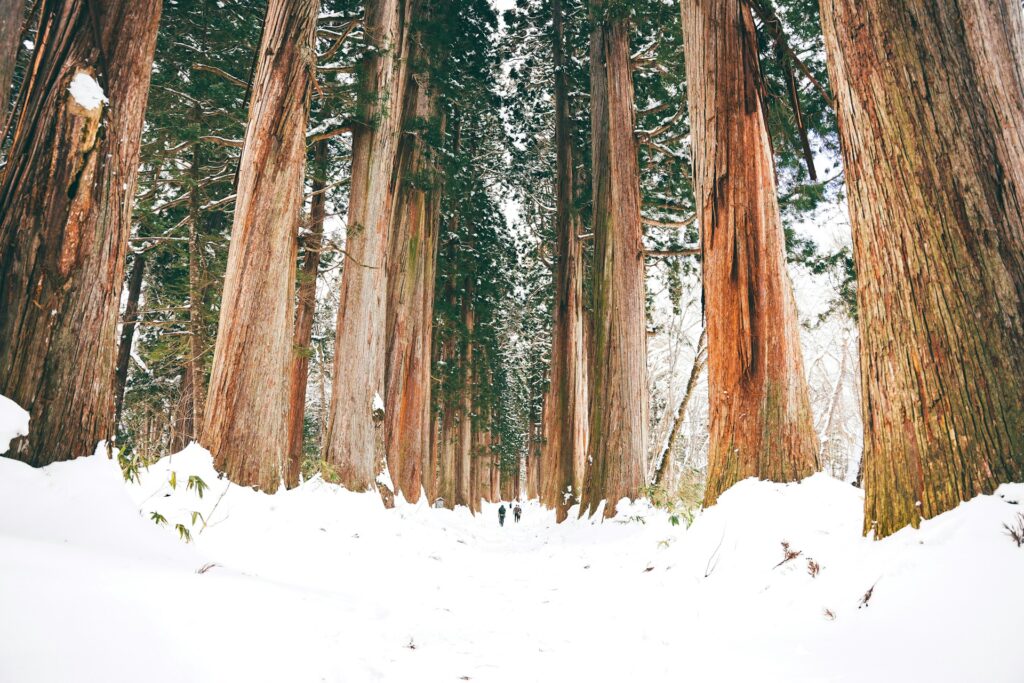
If you travel all the way from Tokyo only to see the monkeys, the day can feel a bit unbalanced. Pairing the park with another Nagano highlight makes the long travel time feel more rewarding.
Zenko-ji Temple
Zenko-ji is one of Japan’s most important and historic Buddhist temples, founded in the 7th century. It is located relatively close to Nagano Station, making it the easiest cultural add-on before or after the monkey park.
The temple grounds are free to enter. Paid areas, such as the inner sanctuary and Okaidan Meguri underground passage, have separate admission and seasonal hours. If you are short on time, focus on the main approach, the outer temple grounds, and a quick look around Nakamise Street.
Local Lunch and Sake
On a cold winter day, a warm meal can be the difference between an exhausting trip and a memorable one. Nagano is known for Shinshu soba, and you can find soba restaurants around Nagano Station and the Zenko-ji approach.
Rather than building your day around one exact restaurant, keep lunch flexible. Bus times and trail conditions matter more than chasing a specific table on a tight day trip.
Nagano also has a strong sake culture. If you join a guided tour, sake tasting may be included. If you go DIY, only add sake tasting if you have enough time and do not need to rush for a return bus or Shinkansen.
Frequently Asked Questions
Does the JR Pass cover the trip to the Snow Monkey Park?
Partially. The JR Pass covers the Hokuriku Shinkansen from Tokyo to Nagano. However, it does not cover the Nagaden train, local buses, or express buses from Nagano to the Snow Monkey Park area. You will need a Snow Monkey Pass or individual tickets for that final leg.
How long is the walk to the snow monkeys?
From the Snow Monkey Park bus stop, the official walking time is about 35 minutes. Depending on your route, pace, and trail conditions, expect about 30 to 40 minutes each way. The path is unpaved and can be very slippery in winter.
Are the monkeys guaranteed to be in the hot spring?
No. They are wild Japanese macaques. While they often bathe in winter to stay warm, their behavior depends on temperature, weather, food availability, and troop movement. In warmer months, they rarely enter the water. Check the official live camera before you go for a sense of current activity.
Is the Snow Monkey Pass worth it?
Often yes, especially if the pass matches the route you plan to take. But there are different pass types for train/local bus and express bus routes, and conditions can change by season. Check which one fits your itinerary before buying.
Do I need to buy Snow Monkey Park tickets online?
For winter 2026/27 and later peak periods, the park may use date-specific online tickets to manage crowding. Ticket rules, sales dates, and entry procedures can change, so check the official Jigokudani Yaen-Koen website before you go. If you are joining a tour or using a transport pass that includes admission, confirm exactly how entry is handled for your date.
What time should I arrive to avoid crowds?
Earlier is better, especially in winter. If you can reach the park before the late-morning and early-afternoon wave of visitors, the experience usually feels calmer. From Tokyo, this means taking an early Shinkansen and keeping your Nagano transfer efficient.
Can I visit Zenko-ji and the snow monkeys in the same day?
Yes. The most practical DIY plan is usually to visit the Snow Monkey Park first, then visit Zenko-ji after returning to Nagano City if time allows. Zenko-ji is easier to adjust because it is close to Nagano Station.
Is this trip suitable for children?
It depends on the child. School-age children who can comfortably walk more than 3 km round trip on uneven paths may enjoy it, but winter ice, mud, cold, and fatigue can make the trail difficult. Toddlers in strollers are a poor fit because the forest trail is not stroller-accessible.
Can I bring luggage to the park?
You should not bring large luggage onto the forest trail. Use lockers or luggage storage at Nagano Station or another suitable location before heading to the park. Bring only a small daypack.
Final Verdict: Is It Worth It?
Seeing the snow monkeys from Tokyo in one day is a completely realistic goal, provided you start early and set the right expectations. Treat it as a long wildlife excursion rather than a quick theme park visit. Dress warmly in winter, wear the right shoes, and use the Shinkansen to make the long distance manageable.
Choose the DIY route if…
- You have a JR Pass and want to maximize its value.
- You enjoy planning your own itinerary and do not mind navigating local buses.
- You want the flexibility to explore Yudanaka Onsen, Shibu Onsen, Obuse, or Zenko-ji at your own pace.
- You are traveling on a budget and want to save money compared with a guided tour.
Choose a guided tour if…
- You only have one day in Nagano and want to see both the monkeys and Zenko-ji Temple without managing every connection yourself.
- You are visiting in winter and do not want to wait at rural bus stops in the cold.
- You prefer having a local expert handle tickets, timing, lunch, and navigation.
- You are a solo traveler or first-time visitor who wants a more structured day.
Ready to finalize your plans?
Whichever option you choose, check official schedules and ticket details before you go, especially during peak winter season when trains, buses, tickets, and tours can be busier than usual.
Check guided tour availability and prices for the Snow Monkey Park day trip
Transport schedules, Snow Monkey Pass prices, pass sales periods, online ticket rules, park hours, payment methods, trail conditions, and tour inclusions can change. Always check official Jigokudani Yaen-Koen, Nagaden, Nagaden Bus, and your selected tour listing before finalizing your trip.

Hi, I’m Kai. I’m a Tokyo-based travel writer, tourism industry insider, and the author of a published guidebook for international visitors to Japan. With over 10 years of professional experience at a leading Japanese tourism company, my mission is to help you skip the tourist traps and navigate Japan’s best destinations like a local. I believe the perfect day trip is like a traditional kaiseki meal: a beautiful balance of precise planning and unforgettable seasonal discovery. When I’m not out conducting field research, you’ll usually find me drafting new itineraries with one of my favorite fountain pens!