
Otaru is worth a half day to a full day for most first-time visitors, but not because the canal takes hours to see. The canal is a 1,140-metre walk lined with 63 gas lamps; if you arrive expecting a headline attraction, you may feel finished in twenty minutes. What makes the town work is the combination — a seafood market one minute from the station, a compact grid of stone warehouses, a 900-metre street of glass workshops and sweet shops, and the canal again at dusk. Five to seven hours covers all of it at a reasonable pace. Three or four hours covers the core. What decides whether the day feels good is rarely the list you pick; it is the order you do it in, because the market and the shops keep hours and the canal does not.
Quick answer:
- 3–4 hours: canal walk, a short Sankaku Market stop, part of Sakaimachi Street.
- 5–7 hours: the realistic first-visit window — market and lunch, canal, the full length of Sakaimachi, canal again at dusk or a cruise.
- Full day: add Tenguyama or the aquarium, and accept a slower pace.
- Best order: market first, Sakaimachi by mid-afternoon, canal last.
There is a case for handing the sequencing to a guide, particularly if you want the warehouse-and-banking history explained in English as you walk. That trade-off is covered further down, after the practical detail.
If you want Otaru’s trading history explained in English and a walking route shaped around your interests, a private licensed-guide tour is worth comparing with a DIY visit. Check the available 4- and 6-hour options, meeting arrangements, and dates for this Otaru private tour before deciding which approach suits your day.
How Long Do You Need in Otaru?
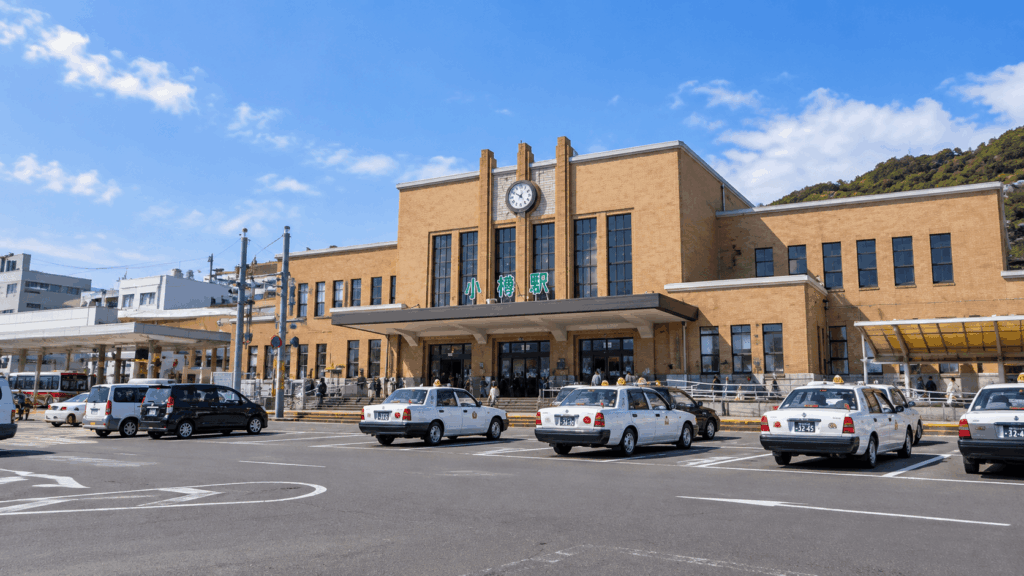
Most visitors underestimate how compact central Otaru is and overestimate how much time the canal absorbs. The walkable core runs from JR Otaru Station in the north to JR Minami-Otaru Station in the south, roughly two kilometres on foot, and everything in this guide sits inside it except Tenguyama and the aquarium.
Three to four hours is enough to see the canal, eat something at or near Sankaku Market, and cover part of Sakaimachi Street before the shops wind down. That is a real visit, not a compromise — but it only works if you accept that you are sampling rather than completing.
Five to seven hours is the window most first-timers should plan for. It allows a proper market stop without standing in a queue for an hour, a full walk down Sakaimachi with time inside two or three shops, and the canal at dusk when the lamps come on. This is also the range where a day trip from Sapporo stops feeling rushed.
A full day only makes sense if you are adding something outside the centre: the Tenguyama ropeway, the aquarium, or a long museum visit at Otaru Art Base. Trying to fit Tenguyama and the aquarium into the same day as the market, Sakaimachi and the canal usually produces a day spent moving rather than looking.
Reviews of Otaru split in a predictable way. Travelers who describe the town as underwhelming almost always describe the canal on its own. Travelers who describe it as a highlight almost always describe a sequence — seafood, then shopping streets, then the canal in the evening. That is not a difference of opinion about the canal; it is a difference in what people did with the rest of the day.
| Available time | What fits comfortably | What to skip | Who it suits |
|---|---|---|---|
| 3–4 hours | Canal walk, short Sankaku Market stop, part of Sakaimachi Street, one coffee or sweet | Tenguyama, aquarium, Otaru Art Base, any long restaurant queue | Travelers combining Otaru with another stop, or arriving after lunch |
| 5–7 hours | Market and a proper meal, canal, the full length of Sakaimachi, Orgel Doh or Kitaichi Glass, canal at dusk or a cruise | Tenguyama and the aquarium on the same day | Most first-time visitors on a day trip from Sapporo |
| Full day | Everything in the 5–7 hour plan plus Tenguyama or the aquarium, Otaru Art Base, and the Former Temiya Line | Nothing — but plan the transport between the centre and the outer sights | Families, photographers, travelers staying overnight |
The order section below is the short version of the day most people should copy. If you prefer a tighter hour-by-hour plan, that is worth building on top of this rather than instead of it.
The Best Things to Do in Otaru
The list below is ordered by first-visit priority rather than by fame. Some entries are things you should do; several are things you should only do if the conditions fit. Use the table to cut the list down to four or five lines, then read only those entries.
| Place or activity | Best for | Time needed | Best time | First-timer priority | Skip if |
|---|---|---|---|---|---|
| Otaru Canal | Photography, first orientation | 30–60 min | Dusk | Essential | You want a large-scale attraction |
| Canal Cruise | Water-level views, context | 40 min plus check-in | Last day or first night departure | High | Budget is tight or you dislike fixed timings |
| Sankaku Market | Breakfast, seafood, browsing | 45–90 min | Before 11:00 | Essential | You want a calm seated meal |
| Sakaimachi Street | Shopping, sweets, glass | 1.5–3 hours | 13:00–16:00 | Essential | Crafts and browsing bore you |
| Otaru Orgel Doh | Music boxes, retro interiors | 20–40 min | Early afternoon | Optional | You are working to a 4-hour clock |
| Kitaichi Glass | Glassware, historic buildings | 30–60 min | Early afternoon | High if crafts interest you | You have no interest in glass |
| LeTAO Main Store | Cheesecake, a sit-down break | 20–40 min | Off-peak hours | Optional | Desserts are not your thing |
| Otaru Art Base | Art, banking history, rainy days | 1.5–2.5 hours | Wet or cold weather | Optional | You came for outdoors and food |
| Former Temiya Railway Line | Railway history, quick photos | 20–30 min | Spare time in the centre | Optional | Your schedule is already full |
| Tenguyama | Panoramic and night views | 2–3 hours round trip | Clear days, late afternoon | Conditional | You only have half a day, or it is overcast |
| Otaru Aquarium | Families with children | 2–3 hours | Family days | Conditional | You are adults on a half-day trip |
| North Canal and warehouses | Quiet walks, architecture | 20–30 min | Late afternoon | Optional | You have had enough of canals |
1. Otaru Canal — See It, but Don’t Build Your Entire Day Around It
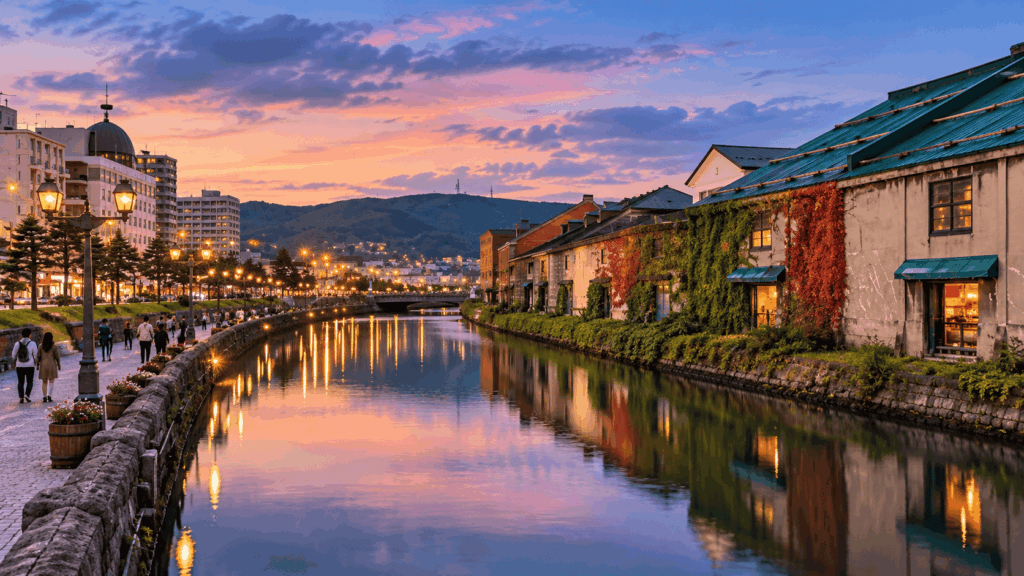
Why go: This is the image you came for, and at the right hour it earns it: stone warehouses on one bank, gas lamps on the other, water in between. The canal runs about 1,140 metres; the central section along the road is roughly 20 metres wide, while the northern stretch — North Canal — kept its original 40-metre width and feels emptier and more industrial.
Best for: photographers, first-timers getting their bearings, anyone who wants a slow evening walk. How long: 20–30 minutes end to end, 45–60 if you stop for photos. Best time: dusk, when the 63 gas lamps come on and stay lit until midnight. Early morning is the other good window if you want the promenade close to empty.
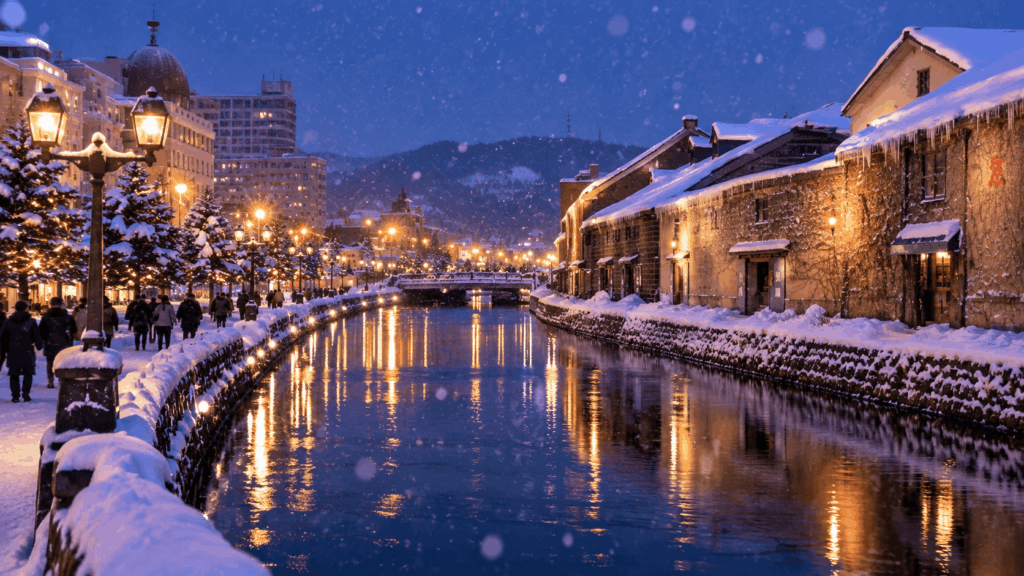
What to know: The canal is free and always accessible. Asakusa Bridge at the southern end is the classic composition; Chuo Bridge is where the cruise ticket office sits. The walkway is flat and paved, and the whole canal path is manageable with a stroller.
Skip if: you are treating it as a destination that fills an afternoon. It is a 20-minute walk with a very good view, not an attraction with an entrance.
What catches people out is the crowding at dusk on weekends — not the canal itself, but the handful of spots on Asakusa Bridge where everyone wants the same frame. On a busy Saturday evening I have spent longer waiting for a clear view than I did walking the canal. If photography matters, arrive 30 minutes before sunset rather than at it.
2. Take a Canal Cruise — Especially Around Dusk
Why go: The boat puts you at water level, looking up at the warehouses instead of across at them, and the audio guide fills in the port history that the buildings alone do not tell. It is also the easiest way to see the canal if walking distance is limited.
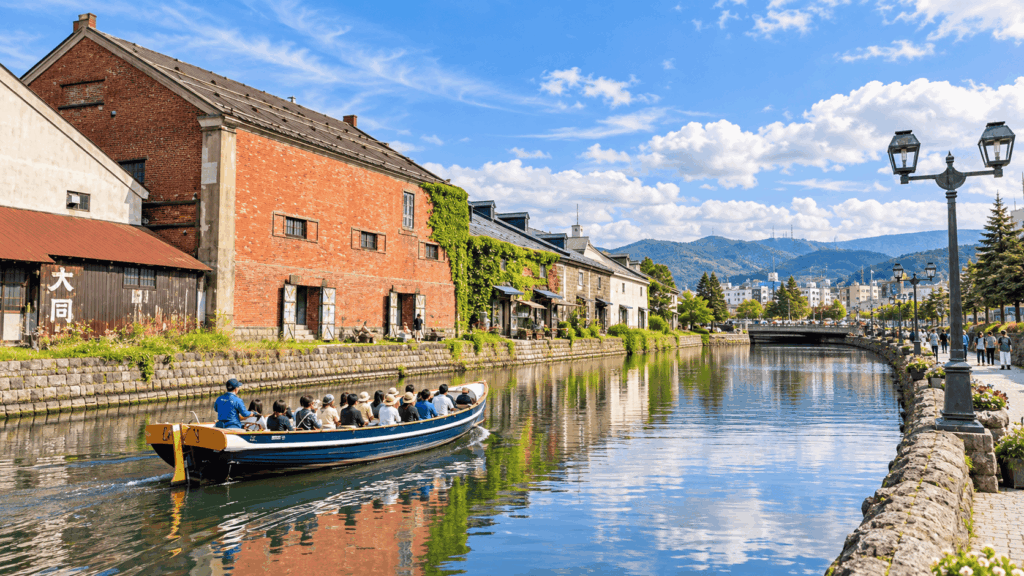
Best for: travelers who want context, couples, anyone visiting in cold or wet weather who still wants to be on the water. How long: about 40 minutes, with boarding 15 minutes before departure. Best time: the departure either side of sunset.
What to know: At the time of writing, adult fares were around ¥1,800 for a day cruise and ¥2,000 for a night cruise, with children around ¥500. Day cruises run through the afternoon in 30-minute intervals and night cruises start in the early evening, but the timetable changes month by month, so check the operator’s monthly schedule rather than planning around a fixed time. Audio guidance is available in English, Chinese and Korean. There is no toilet on board, and boarding involves steps, so it is not wheelchair accessible.
Bookings are recommended for weekends, public holidays and any night departure; online tickets can be bought up to an hour before sailing. The operator’s own guidance notes that the busiest window is the so-called magic hour, which falls around the last day cruise and the first night cruise — the point where the sky still has colour and the lamps have just come on. For a closer look at the timings, see our detailed comparison of day and night cruises.
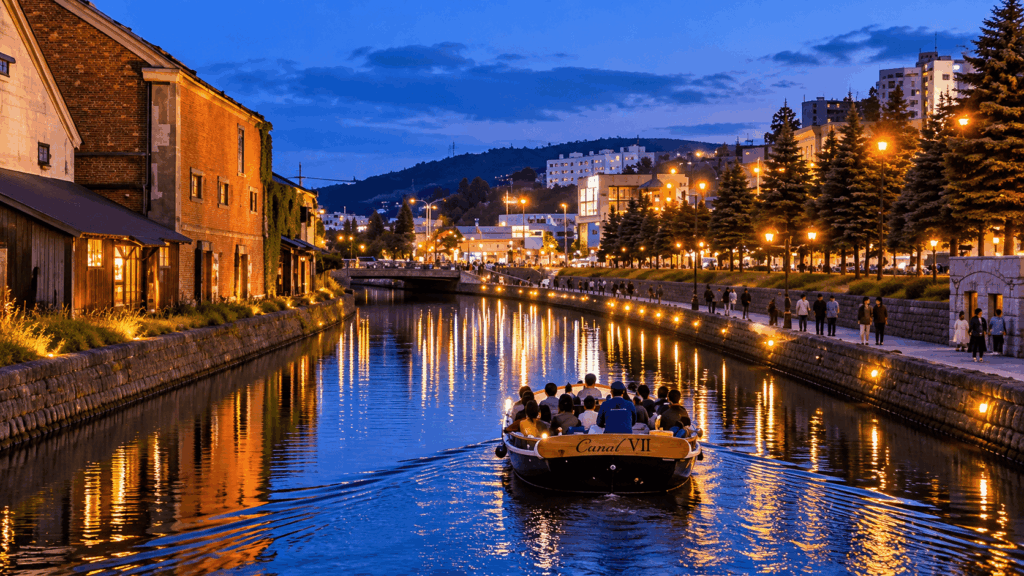
Skip if: your budget is tight, you have already walked the canal and feel satisfied, or you want to stop for photos whenever you like.
The night cruise sells out first, and it is easy to treat that as a failure. It is not. I took the last day cruise instead, and the light went during the 40 minutes on the water — we left in daylight and came back with the gas lamps on. That is not guaranteed at every time of year, because sunset moves, but it is the reason to look at the last day departure before assuming you need the night boat. Be aware that on the water it is colder than on land; in March the wind off the harbour cut through a normal jacket, and a windproof outer layer made the difference.
3. Visit Sankaku Market — but Think Twice About Peak Lunch
Why go: It is the most convenient seafood stop in Hokkaido’s day-trip circuit — one minute on foot from JR Otaru Station, with around 16 shops along a 200-metre lane. Six of them are places to eat, and the rest sell crab, scallops, salmon, dried goods and fruit.
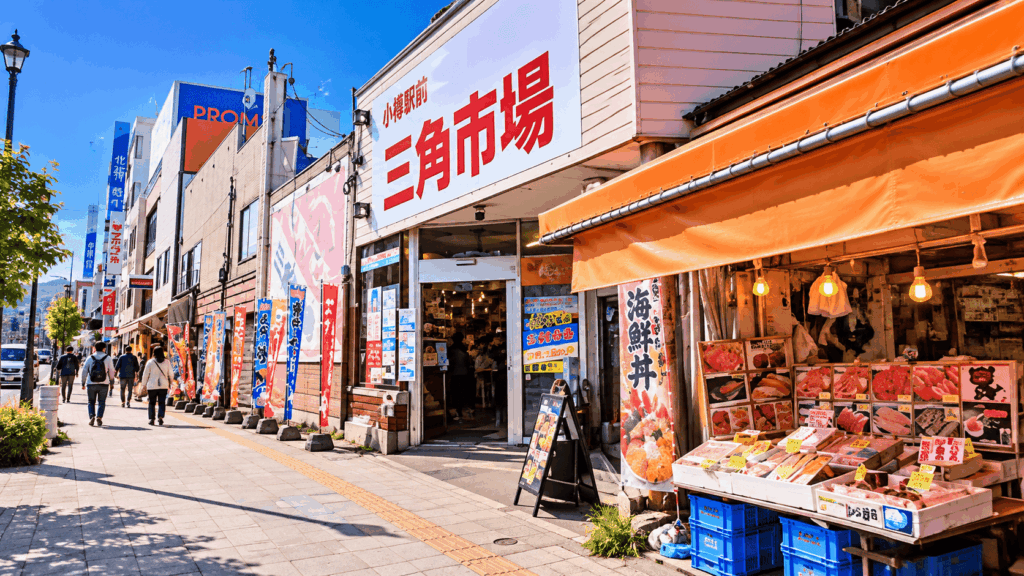
Best for: breakfast, browsing, buying, and anyone who wants to see a working market rather than a restaurant. How long: 45–90 minutes, depending on whether you eat. Best time: from opening until about 11:00. The market runs roughly 6:00–17:00 and the eateries 7:00–17:00, though individual shops differ.
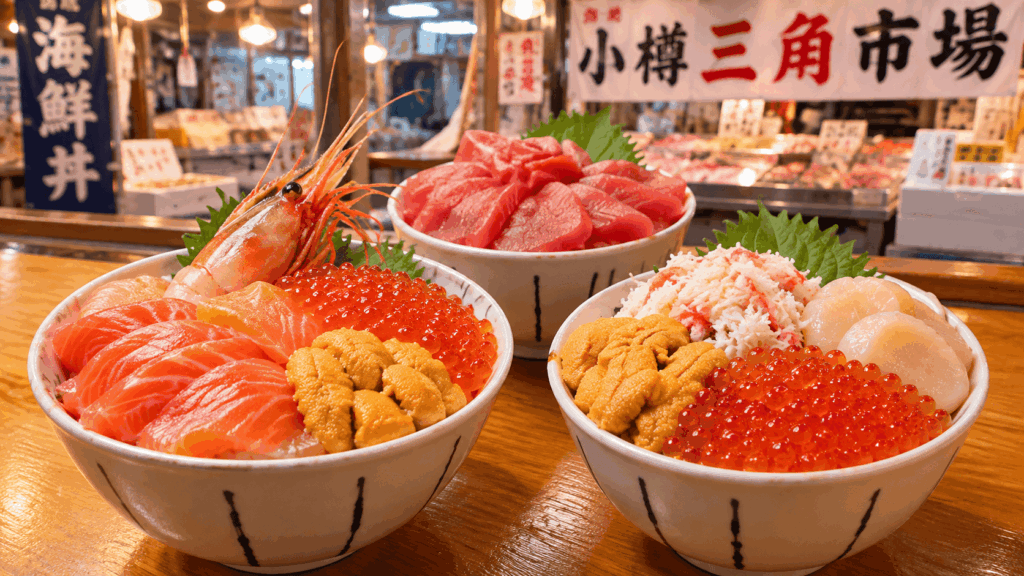
What to know: The lane is about two metres wide and slopes gently uphill from the station entrance. That width is the whole story: it is fine when it is quiet and oppressive when it is not. Prices are tourist-market prices. When I looked, seafood rice bowls started in the ¥3,000 range and one sea urchin bowl was priced around ¥9,500 — treat those as examples from one visit, not as the market’s standard rate. Some shops will cook what you buy; several eateries are run directly by the fish shops.
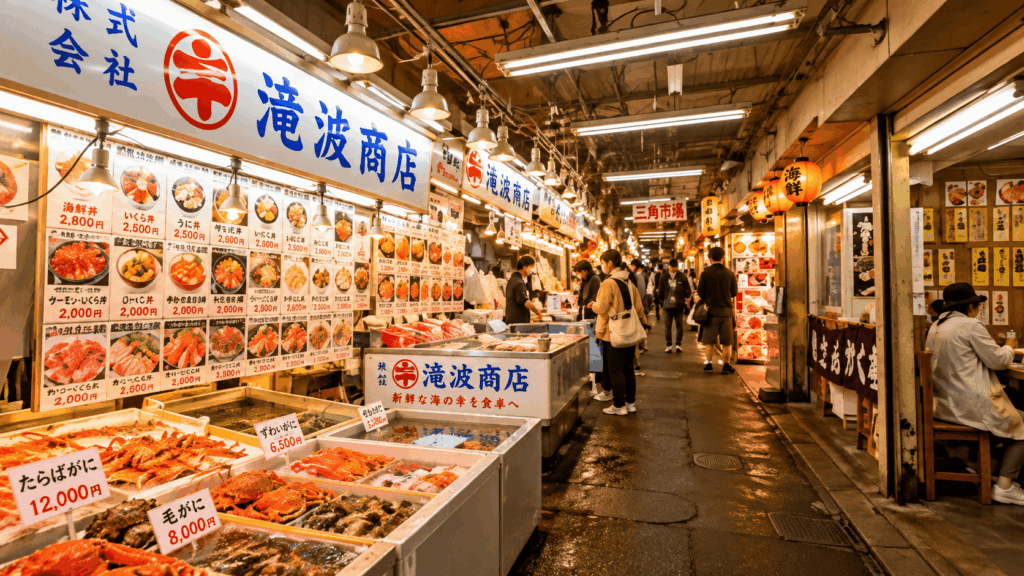
Skip if: you want a relaxed seated meal, you are pushing a stroller at midday, or an hour in a queue would cost you the rest of your plan.
Kai’s tip: The queue is the real decision, not the food. At lunchtime the narrow lane fills up and an hour’s wait is entirely possible; when that happened, I ate a large grilled hokke quickly instead of joining a bowl queue, and spent the saved hour on Sakaimachi. If you only have half a day, ask yourself what else that hour buys you — the answer is usually a shop, a canal walk and a coffee. One thing that surprised me: despite the crowd, the calling-in from the stalls was not aggressive, so browsing without buying is comfortable.
4. Walk Sakaimachi Street Before the Shops Start Closing
Why go: This is where Otaru’s glass, music boxes, sweets and souvenir trade concentrates, along roughly 900 metres of preserved merchant buildings. You do not need to book anything or choose a single shop; walking the street and drifting in and out is the activity.

Best for: shoppers, sweet-toothed travelers, anyone who likes browsing without a plan. How long: 1.5–3 hours. Best time: early to mid-afternoon, ideally arriving by around 15:00.
What to know: The street sits about five minutes on foot from the canal, eight minutes from JR Minami-Otaru Station and 11–15 minutes from JR Otaru Station, so it works as the middle or end of a walking loop. Core hours are broadly 10:00–18:00, but the larger shops tend to close between 17:30 and 18:00, and individual shops vary by season and day. Do not plan on the street as an evening activity.
Skip if: glassware, sweets and souvenirs hold no interest for you — in which case the canal and the market are enough, and you can leave earlier.
Kai’s tip: Aim to be on Sakaimachi by about 15:00, not 17:00. Shops are already shutting when the light gets good, and the street gets awkward before that: tour groups tend to bunch up at the same handful of entrances, and walking at your own pace becomes stop-start. Arriving mid-afternoon gives you the same street with room to move, and leaves the evening free for the canal, which does not close.
5. Step Inside Otaru Orgel Doh
Why go: The main hall is a designated historic building filled with music boxes, from cheap souvenirs to antique pieces, and it sits at the Marchen Crossroads end of Sakaimachi Street. Even if you buy nothing, the interior is the draw — high ceilings, wood, and several thousand music boxes in cases.
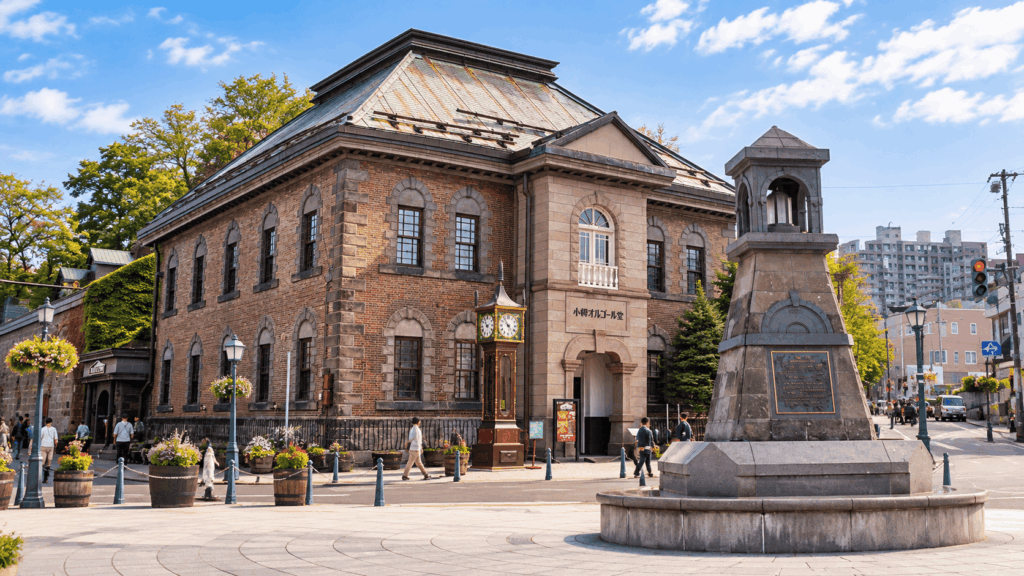
Best for: travelers with even a mild interest in crafts, anyone looking for a distinctive gift, and families who need an indoor pause. How long: 20–40 minutes. Best time: early afternoon, as part of a Sakaimachi walk. What to know: The main hall’s posted hours are around 9:00–18:00, but seasonal changes are common, so confirm on the day.
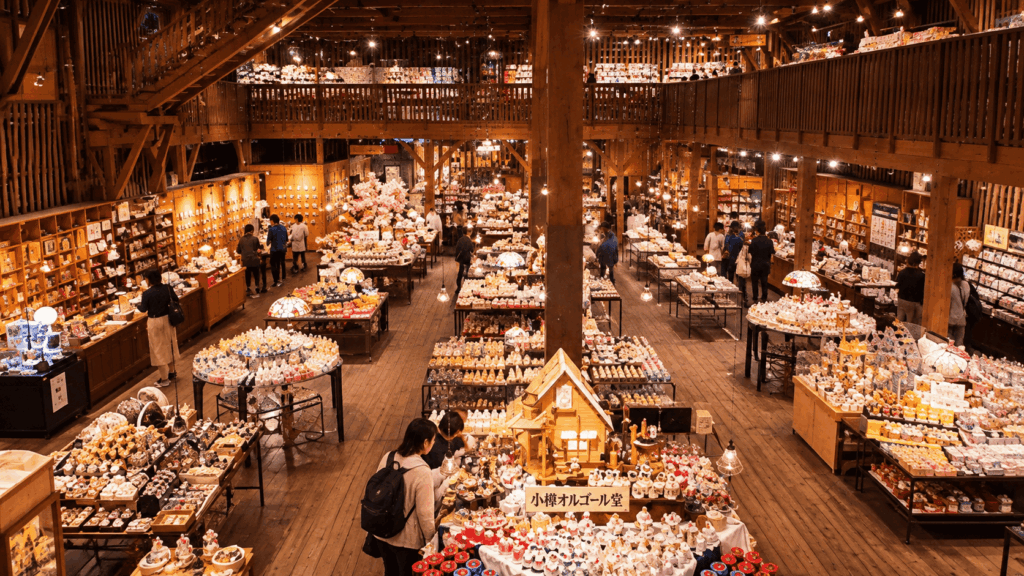
Skip if: you are on a four-hour schedule, or shopping for ornaments is not how you want to spend a holiday.
6. See Otaru’s Glass Culture at Kitaichi Glass
Why go: Otaru’s glass trade grew out of the fishing industry’s need for floats and lamps, and Kitaichi is the most visible surviving example — several buildings along Sakaimachi, including a stone warehouse lit by oil lamps. Building No. 3 is the main shopping stop; Kitaichi Hall is the café inside it.
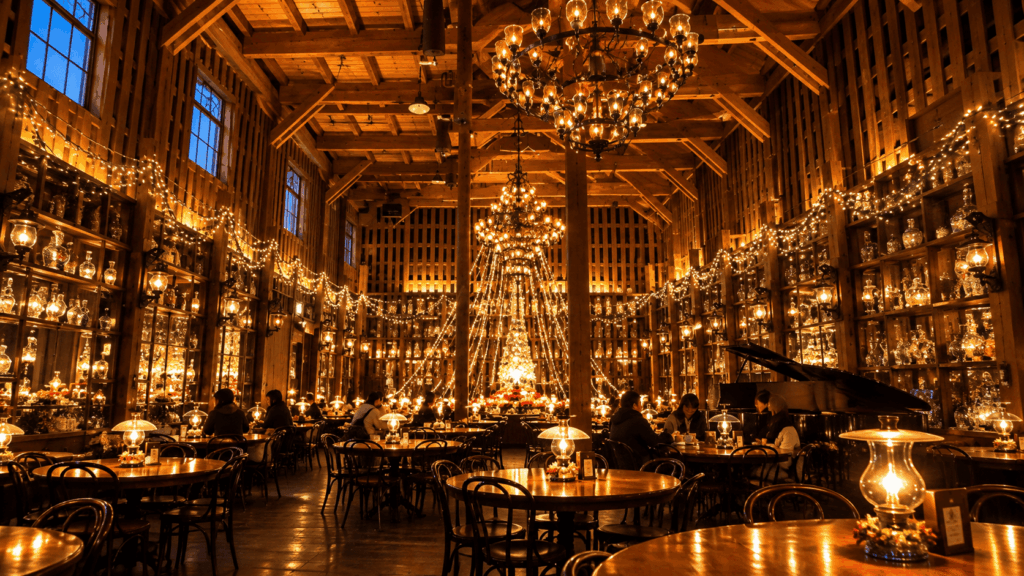
Best for: design-minded travelers, shoppers looking for something better than a fridge magnet, and anyone who wants a sit-down break in an unusual room. How long: 30–60 minutes. Best time: early afternoon, before the closing window.
What to know: Building No. 3 runs roughly 9:00–18:00. Kitaichi Hall keeps shorter hours, around 9:00–17:30 with last orders near 17:00, and the lamps are lit shortly after opening in the morning. Hours shift with the season.
Skip if: glassware leaves you cold, or you are choosing between this and the canal at dusk — the canal wins.
Walking Sakaimachi, the density is what stands out: glass workshop after glass workshop within a few hundred metres, more than any single guidebook entry suggests. Treat Kitaichi as the one you go inside and the rest as storefronts you pass.
7. Stop for Sweets at LeTAO Main Store
Why go: Otaru’s dairy reputation made it a dessert town as much as a seafood one, and LeTAO’s main store at Marchen Crossroads is the most convenient place to test that. The ground floor sells; the upper floor is a café where you can sit with a slice of cheesecake instead of eating it standing up.
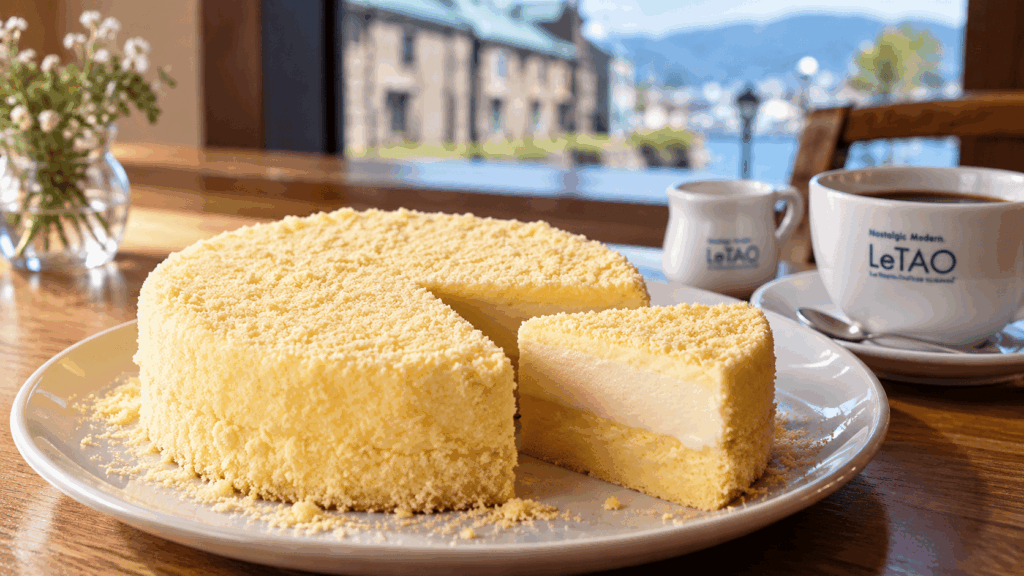
Best for: travelers who plan days around food, couples, anyone who needs a genuine sit-down break rather than another lap of the street. How long: 20 minutes for takeaway, 40–50 for the café. Best time: mid-afternoon on a weekday, or earlier in the day at weekends.
What to know: Posted hours are usually around 9:00–18:00, with seasonal extensions in summer and shorter winter days; the café can close earlier than the shop. Queues form at peak times, mostly for the café rather than the counter.
Skip if: you do not care about dessert, or you are already carrying a bag of sweets from elsewhere on the street — there are several competing shops within a minute’s walk.
8. Explore Otaru Art Base and the City’s Banking History
Why go: Otaru’s wealth came from trade and banking, and the Art Base buildings — including the former Mitsui Bank Otaru Branch — preserve the interiors that the warehouses outside only hint at. Stained glass, painted ceilings and heavy stone detail make this the strongest indoor stop in the city.

Best for: travelers interested in architecture and Meiji–Taisho history, and anyone visiting in rain or snow. How long: 1.5–2.5 hours for the full set of buildings. Best time: bad weather, or the middle of the day when the streets are busiest.
What to know: Hours run roughly 9:30–17:00 from May to October and 10:00–17:00 from November to April, with last entry about 30 minutes before closing. The complex closes on the fourth Wednesday of the month in the warmer months according to current notices, and opening days can shift around exhibition changes, so check before building a day around it. Tickets cover multiple buildings.
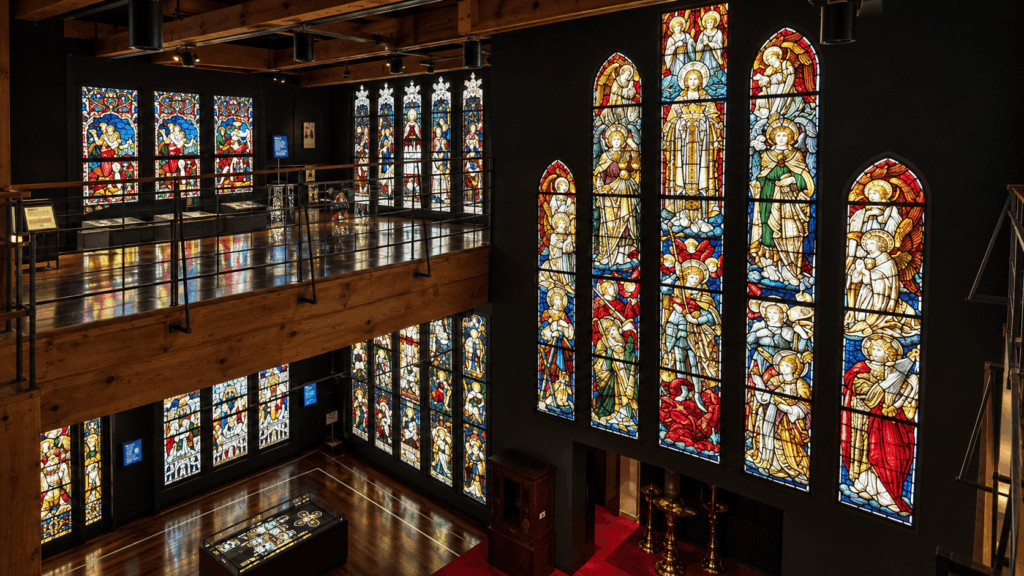
Skip if: you have three or four hours in Otaru and the weather is fine. This is the first thing to cut when the sun is out.
9. Walk Part of the Former Temiya Railway Line
Why go: This is the trace of Hokkaido’s first railway, opened in 1880, preserved as a 1.6-kilometre walking path with rails, sleepers and crossing remains still in place. It is free, five minutes from the canal area and quietly photogenic, especially with autumn colour or snow on the track bed.
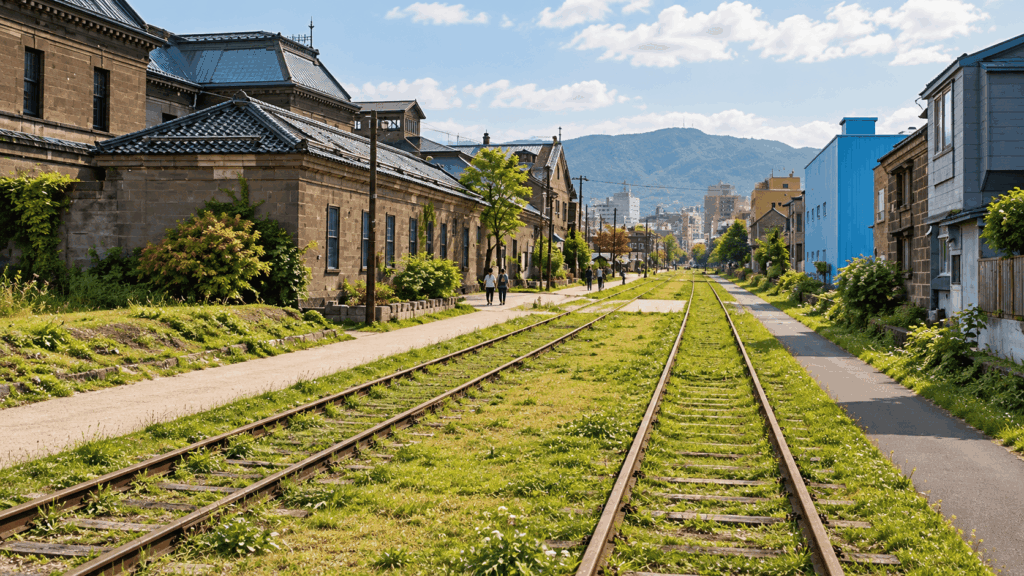
Best for: railway and photography enthusiasts, and anyone with 30 spare minutes in the centre. How long: 20–30 minutes for a section, longer for the full length. Best time: whenever you are passing between the station area and the canal.
What to know: There is no entrance, no ticket and no closing time. Walking on the rails for photographs is accepted. It links the Sushiya-dori area toward the city museum, so it works as a through-route rather than a detour.
Skip if: your schedule is already tight, or industrial heritage does not move you — this is a pleasant extra, not a reason to come to Otaru.
10. Go Up Otaru Tenguyama for a Wider View
Why go: The ropeway climbs to about 532 metres for a view over the city, the harbour and, on clear days, the Sea of Japan. In winter it doubles as a ski hill; in the evening the city lights below are the attraction.
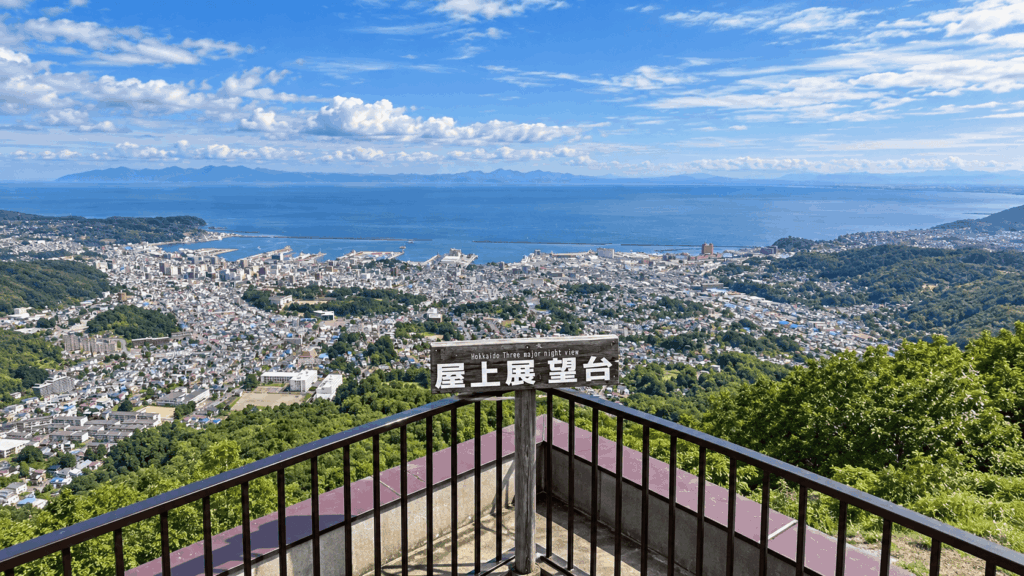
Best for: photographers, travelers staying overnight, anyone who has already seen the centre and wants altitude. How long: 2–3 hours including the bus and the ride. Best time: late afternoon into dusk on a clear day.
What to know: The ropeway operates seasonally with a maintenance gap in between: summer service runs from late April to early November and winter service from late November to late March, with no service in the first weeks of November. Round-trip fares at the time of writing were about ¥1,800 in summer and ¥2,000 in winter for adults. Buses from JR Otaru Station take roughly 17 minutes and run two to three times an hour. The ropeway runs every 12 minutes. Cloud, wind and snow can cancel or obscure the view entirely.
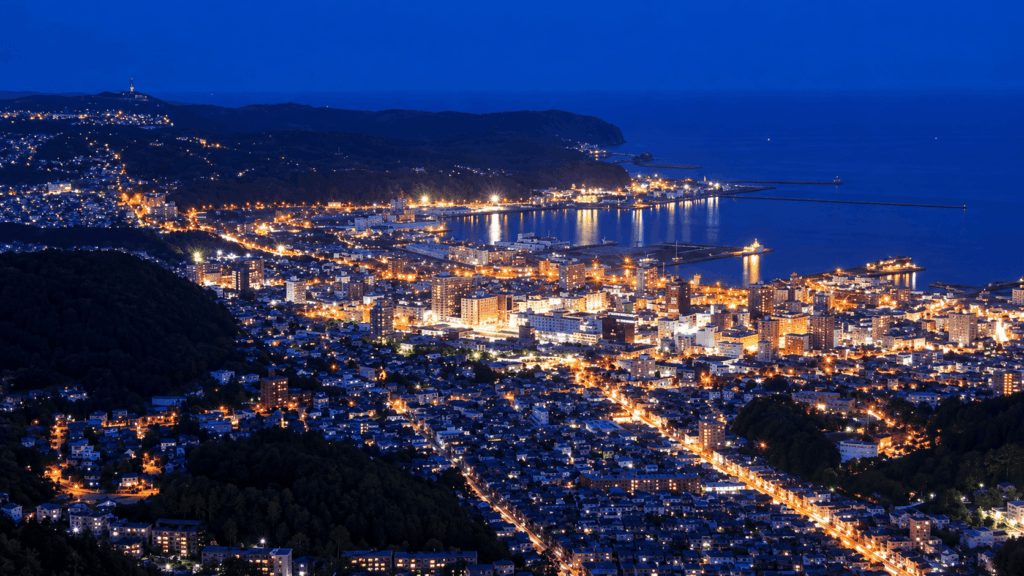
Skip if: you only have half a day, the forecast is overcast, or you are visiting in early November when the ropeway is between seasons.
If Tenguyama fits your full-day plan and the weather looks promising, you can check current ticket options and voucher redemption details for the Mt Tengu Ropeway round-trip ticket on Klook. Confirm the ropeway’s operating status separately before setting off.
11. Visit Otaru Aquarium if You’re Traveling with Kids
Why go: It is Hokkaido’s largest aquarium, set on a hillside above the sea at Shukutsu, with around 250 species and outdoor pools where seals and penguins are the draw. The setting is genuinely different from a city aquarium.

Best for: families with young children, and travelers who have already visited Otaru and want something new. How long: 2–3 hours. Best time: a full-day visit, ideally on a weekday.
What to know: Admission was around ¥1,800 for adults at the time of writing. The aquarium runs a seasonal calendar: roughly 9:00–17:00 from mid-March to mid-October, closing at 16:00 from mid-October to late November, and a shorter winter schedule from December. Buses from JR Otaru Station take about 20–26 minutes and run once or twice an hour, so the round trip eats into your day more than the distance suggests.
Skip if: you are an adult couple on a half-day trip. The transport time alone will cost you Sakaimachi.
12. Wander the North Canal and the Warehouse Backstreets
Why go: North Canal kept its original 40-metre width and has none of the promenade crowd. The stone warehouses here are less restored, the water is wider, and you can walk a stretch of Otaru that feels like a working port rather than a visitor set.
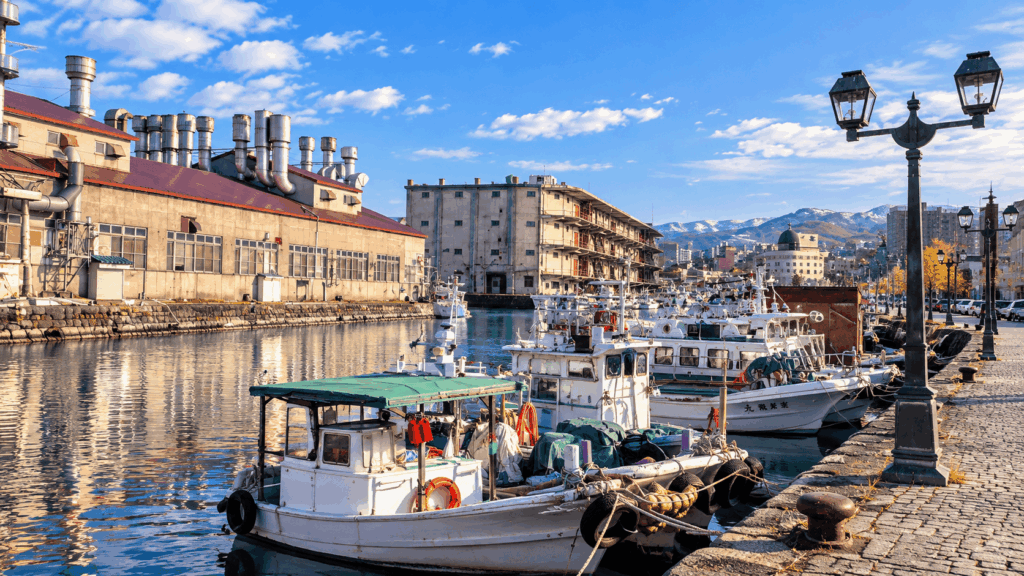
Best for: repeat visitors, photographers avoiding tripods-by-the-bridge, and anyone who wants ten quiet minutes after Sakaimachi. How long: 20–30 minutes. Best time: late afternoon, before the light goes.
What to know: It is free and open, a short walk north from the main canal area. Lighting along the northern promenade is sensor-controlled and comes on around dusk.
Skip if: you are already canal-ed out, or you are chasing the classic postcard view — that is Asakusa Bridge, not here.
What I notice north of Chuo Bridge is how quickly the crowd thins. Two minutes’ walk from the busiest stretch of the canal, you can be alone with the warehouses, which is a better use of twenty minutes than waiting for a gap in the queue at the main bridge.
What Should You Skip if You Only Have Half a Day?
With three to four hours, the workable core is: JR Otaru Station, a short Sankaku Market stop, the canal, and as much of Sakaimachi Street as you can walk before the shops close. That sequence is compact enough to do on foot without a single taxi or bus.
Cut the following without guilt: Tenguyama and the aquarium, because both consume two hours in transport and viewing; Otaru Art Base, because a proper visit needs more time than you have; and any restaurant queue longer than about 20 minutes, because an hour in line is a quarter of your day.
The hardest cut is the market meal. Sankaku Market is worth seeing, but it is not worth seeing at the cost of Sakaimachi. If the lane is jammed and the wait is long, buy something small, eat it standing, and move on. (If you decide to eat elsewhere, see our guide to the best food in Otaru for alternatives). You will remember the street and the canal; you will not remember the extra forty minutes in a queue.
Half-day plans also need one honest concession: you will not see Otaru slowly. If slow is the point of your trip, take the full day or stay overnight instead of compressing.
The Best Order for a First Day in Otaru
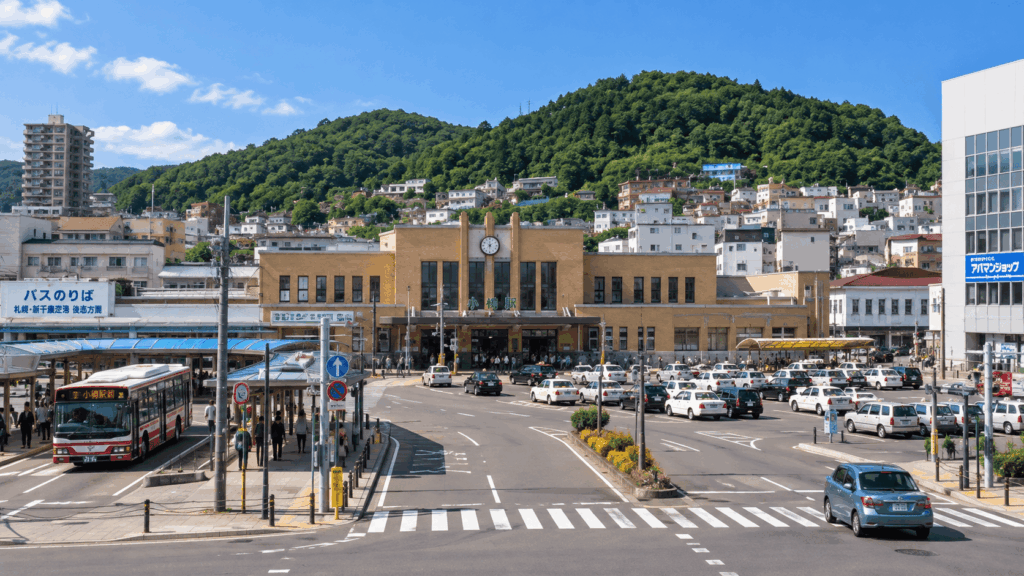
This is the part that decides whether the day works. The logic is simple: shops and markets have closing times, the canal does not. Anything with a door should come before anything without one.
| Time | What to do | Why this slot |
|---|---|---|
| Around 9:30 | Arrive at JR Otaru Station, walk to Sankaku Market | One minute on foot; the market is already open and still quiet |
| 10:00–11:15 | Market: browse, eat breakfast or an early seafood bowl | Before the lunch crowd fills a two-metre-wide lane |
| 11:30–12:45 | Otaru Canal, Asakusa Bridge, the warehouse streets | Daylight for photographs; the area is walkable in any weather |
| 13:00–14:00 | Lunch, either near the canal or back toward Sakaimachi | Peak restaurant hours; better to be seated than queuing at the market |
| 14:00–16:00 | Sakaimachi Street, Orgel Doh, Kitaichi Glass, a sweet stop | Shops are open and you still have two hours of buffer |
| 16:00–16:30 | Optional: Former Temiya Line or North Canal | Fills the gap before sunset without a fixed closing time |
| Sunset onward | Canal again, or the last day cruise | Gas lamps on, crowds at their most photogenic and most dense |
Doing it in reverse is the common mistake. Travelers arrive, walk the canal first because it is the famous thing, then reach Sakaimachi at five in the afternoon to find shutters coming down, then eat a late lunch in a queue. The canal is the one element that improves as the day ends. Everything else deteriorates.
Two adjustments matter. In winter, sunset arrives mid-afternoon, so shift the whole sequence two hours earlier and expect the canal to be at its best around 16:00 (for more details on weather and daylight, see what to expect in Otaru in winter). And if you plan to take a cruise, work backwards from the departure time rather than forwards from the station — the boat is the only fixed appointment in the day.

If you would rather have someone else hold this sequence and explain the warehouse and banking history as you go, that is the one scenario where paying for a guide genuinely changes the day rather than just smoothing it. The comparison is in the next section.
Is a Guided Tour Worth It in Otaru?
Start with the honest answer: central Otaru is easy to walk on your own. The distances are short, the streets are legible, and Google Maps handles the routing. Nobody needs a guide to find the canal.
A guide earns its cost in specific situations:
- You want the trade, warehouse and banking history explained in English as you stand in front of the buildings, rather than read afterwards.
- You have four to six hours and want the sequence handled — including the timing around shop closures and market crowds.
- You are travelling as a family or small group and want the pace set by your group rather than by a fixed group itinerary.
- You would rather not spend the planning time working out which shops close when.
It does not earn its cost if you mainly want to shop at your own speed, stop for coffee whenever you like, or skip the history entirely.

Current options on GetYourGuide include private walking tours with a nationally licensed guide, offered in a four- or six-hour format, with pickup on foot from accommodation in the city and itineraries adjustable to your interests. They are walking tours, not vehicle tours, and food and entrance fees are usually excluded. Free cancellation up to 24 hours before is standard on these products, and pricing varies by date and group size, so compare live listings rather than relying on a figure here.
One thing worth checking before booking: whether the guide meets you at your hotel or at a central point, and whether the route can be adjusted on the day if it rains. Both are usually negotiable in a private format, and both matter more in Otaru than in a larger city, because the indoor fallback options are limited to a handful of buildings.
If the main appeal is understanding Otaru’s trading and banking history while keeping the walking route flexible, the Otaru Customized Private Tour in 1 Day with Licensed Guide is the option worth looking at more closely.
Why I’d book this one
- English historical context: Recent travelers mention knowledgeable guides who help bring Otaru’s history and landmarks to life, rather than simply leading visitors from one photo stop to another.
- A flexible private itinerary: The four- or six-hour format allows the route to be shaped around your group’s interests, whether that means more time around the canal and historic streets or a focus on glass shops and other central sights.
- More flexibility before the trip: The listing offers cancellation and pay-later options, although you should check the exact terms for your date. Food, admission fees, and transport are generally separate.
See live availability, tour durations, meeting details, and recent traveler reviews for the Otaru private walking tour. Compare the current options against your group size and interests before deciding whether a guide adds enough value over exploring independently.
Practical Tips Before You Visit Otaru
- Do the shops before the canal. Sakaimachi’s larger stores close between 17:30 and 18:00, and some earlier in winter. The canal has no closing time, so it should always be last.
- Avoid the market at peak lunch. Arrive before 11:00, or accept that the lane will be slow and the popular eateries will have queues.
- Reserve the cruise if you want a weekend or evening departure. Online sales close an hour before sailing; the ticket counter sells until 15 minutes before, subject to availability.
- Check seasonal operation before leaving Sapporo. The Tenguyama ropeway closes between seasons in early-to-mid November, and the aquarium switches to a shorter winter timetable.
- Wear shoes for walking, not for photographs. The centre is flat but the distances add up to several kilometres, and Sakaimachi’s pavements can be icy in winter.
- Carry cash for small shops. Larger stores and the cruise take cards, but market stalls and smaller eateries are more variable.
- Do not over-plan the return. Trains back to Sapporo run frequently, so leaving the exact departure open costs you nothing and saves you from rushing the canal at dusk.
Kai’s tip: The canal is colder than the street suggests. In March I spent 40 minutes on the water in a normal jacket and regretted it — the wind comes straight off the harbour and there is nothing between you and it. A windproof outer layer is worth carrying even on a mild-looking day, and the same applies to the promenade at dusk in spring and autumn. Summer is a different calculation; the mistake is assuming the season you left Sapporo in is the season on the water.
Is Otaru Worth Visiting From Sapporo?
Sapporo to Otaru is roughly 30–45 minutes on a rapid train, with departures frequent enough that you do not need to plan around a timetable.
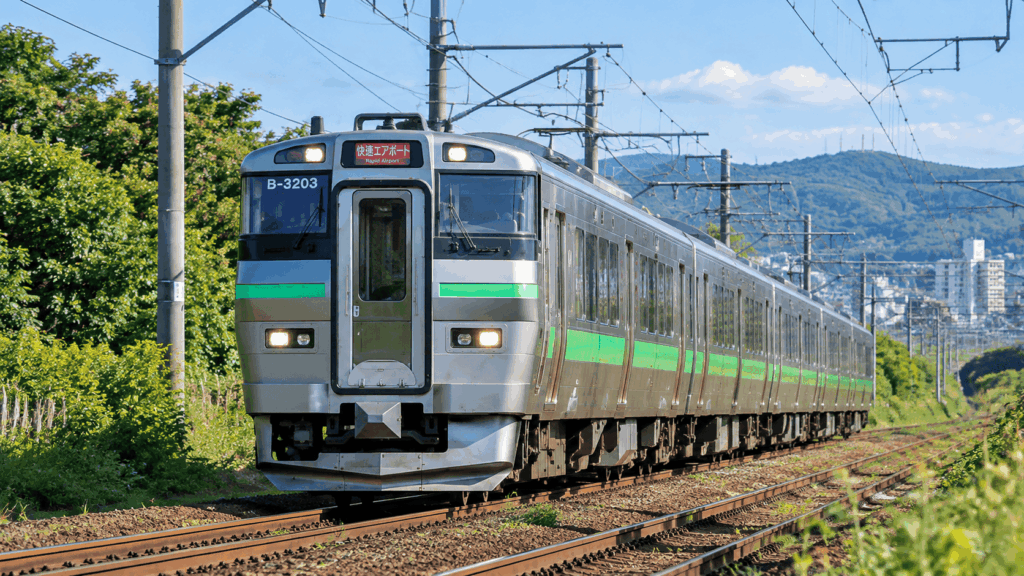
Maybe not, if the canal is your only reason. A traveler who wants one spectacular sight, or who has no interest in food, shopping or 19th-century port architecture, will get more from a Hokkaido day spent in nature — and Otaru will feel like a long trip for a short walk.
The “Otaru is overrated” view is worth taking seriously rather than dismissing. It usually comes from visitors who expected the canal to be a destination and found a promenade, or who arrived in the middle of the day and spent it in queues. Both are planning failures, not failures of the town. The travelers who rate Otaru highly tend to describe the same three things in the same order: seafood in the morning, shops in the afternoon, canal at dusk.
If you are deciding between Otaru and another Sapporo day trip, the honest test is this: does a day of eating, browsing and walking through old commercial streets appeal to you on its own terms? If yes, Otaru delivers. If you need a headline attraction to justify the train, choose somewhere else.
Frequently Asked Questions
What are the must-see attractions in Otaru for first-time visitors?
Three things form the core: Otaru Canal, Sakaimachi Street and Sankaku Market. Those alone justify the trip and fit into five to seven hours. Everything else is an addition based on your interests — Otaru Orgel Doh and Kitaichi Glass if crafts appeal, Otaru Art Base if you want architecture and indoor time, Tenguyama or the aquarium only if you are giving Otaru a full day. Treating all twelve options on a list as “must-see” is how people end up rushing the three that actually matter.
How many hours do you need in Otaru?
Plan on five to seven hours for a first visit. That covers the market without a long queue, the canal, the full length of Sakaimachi Street and the canal again at dusk. Three to four hours is enough for the centre if you move briskly and skip the museums — the canal, a short market stop and part of Sakaimachi. A full day, seven hours or more, is only necessary if you are adding Tenguyama or the aquarium, both of which sit outside the walkable core and involve bus rides.
Is Otaru worth a day trip from Sapporo?
For travelers who enjoy seafood, historic streets, glass and sweets, yes. The train takes roughly 30–45 minutes on a rapid service and runs frequently enough that you can decide your return time on the day. It is a weaker choice if the canal is your only interest, or if you would rather spend a Hokkaido day in nature. The trip is cheap in time but not free in expectation: Otaru rewards people who plan to eat and browse, not people looking for one big sight.
Is the Otaru Canal Cruise worth it?
It is worth it if you want the canal from water level and some explanation of the port’s history, and it is the easiest option for anyone with limited walking ability. It is not necessary if you are content with the promenade, which is free. The 40-minute cruise runs about ¥1,800 by day and ¥2,000 at night for adults at the time of writing. The most popular departures are around sunset, when the lamps come on, so book ahead for weekends and any evening sailing.
What time should I visit Sakaimachi Street?
Aim to arrive by around 15:00, and no later than 16:00. The larger shops generally close between 17:30 and 18:00, with some closing earlier in winter, so an evening visit means shutters rather than browsing. Mid-afternoon also avoids the worst of the tour-group congestion at the main entrances. If shopping is a priority for you, put Sakaimachi before the canal rather than after it — the canal stays open, the shops do not.
Is Otaru walkable, or do I need transport?
Central Otaru is entirely walkable. JR Otaru Station to the canal is about ten minutes on foot, the canal to Sakaimachi about five, and Sakaimachi’s southern end to JR Minami-Otaru Station about eight. You can arrive at one station and leave from the other without doubling back. Transport is only needed for Tenguyama, reached by bus in around 17 minutes, and the aquarium, which takes 20–26 minutes by bus from the station.
Final Verdict: Which Otaru Plan Fits You?
If this is your first visit: take the five-to-seven-hour version and follow the order in this guide — Sankaku Market before 11:00, canal and lunch in the middle of the day, Sakaimachi by mid-afternoon, canal again at dusk. Do not add Tenguyama or the aquarium. The three core stops are enough to fill a day properly, and adding a fourth means rushing the ones you came for.
If you are travelling mainly to eat: the market is your first stop and lunch is your anchor. Arrive early, eat a proper seafood bowl without a queue, then treat Sakaimachi as a dessert and coffee walk. LeTAO and the smaller sweet shops along the street matter more to you than Orgel Doh or Kitaichi Glass, and you can skip both without losing anything.
If you are travelling with children: the aquarium earns its two hours, but it also eats your afternoon. Either commit to a full day — market in the morning, aquarium in the early afternoon, canal at dusk if the children last — or drop the aquarium and keep the day short. Trying to do the market, the aquarium and Sakaimachi in one day with young children produces a day of buses and negotiations.
If you have only three or four hours: skip Tenguyama, the aquarium and Otaru Art Base without hesitation, and skip any restaurant queue longer than 20 minutes. Walk from JR Otaru Station to the market, then the canal, then as far down Sakaimachi as time allows, and leave from JR Minami-Otaru Station. That loop is the most efficient shape Otaru offers, and it does not feel rushed if you stop trying to see everything.
If you have been before: the centre will feel familiar within ten minutes, so build the day around what you missed — North Canal’s wider, quieter water, the Former Temiya Line, a long lunch, or Tenguyama on a clear evening. Repeat visitors get the most from Otaru by removing stops rather than adding them, and by staying overnight so the canal at dusk is not followed by a train.
If architecture and history are the draw: Otaru Art Base is not optional for you, and it should replace one of the shopping stops rather than be squeezed in beside them. Pair it with the Former Temiya Line and the North Canal warehouses, and consider a guide for the banking and trade history — this is the one itinerary where the commentary adds more than the convenience.
Whatever you choose, the single decision that matters most is not which places you pick. It is whether the market and Sakaimachi happen before the canal. Get that right and Otaru is a good day. Get it wrong and you will join the travelers who describe the town as a short walk and a lot of closed shops.

Hi, I’m Kai. I’m a Tokyo-based travel writer, tourism industry insider, and the author of a published guidebook for international visitors to Japan. With over 10 years of professional experience at a leading Japanese tourism company, my mission is to help you skip the tourist traps and navigate Japan’s best destinations like a local. I believe the perfect day trip is like a traditional kaiseki meal: a beautiful balance of precise planning and unforgettable seasonal discovery. When I’m not out conducting field research, you’ll usually find me drafting new itineraries with one of my favorite fountain pens!