
Ishigaki and Miyakojima both sit in Okinawa’s southern islands, and both have water so clear it photographs like a filter. But they are not interchangeable. The honest short version: choose Miyakojima when the beach itself is the reason for the trip, and choose Ishigaki when you want the sea to be one part of a more varied nature-focused trip. For a typical 3–4 night stay, I’d pick one island rather than splitting time between both. The rest of this guide explains how that decision actually plays out on the ground — beaches, activities, driving, boats, buses, and the small practical frictions that photos never show.
Already leaning Ishigaki because you want more than a beach day? A guided day that combines mangroves with Phantom Island snorkeling packages two of Ishigaki’s biggest strengths into one plan. Check current start times, availability, cancellation terms, and traveler reviews for the Ishigaki mangrove and Phantom Island tour.
Ishigaki vs Miyakojima at a Glance
| Factor | Miyakojima | Ishigaki | Better for |
|---|---|---|---|
| Beach experience | Long stretches of fine white sand, shallow turquoise water (e.g. Yonaha Maehama Beach) | Fewer classic swimming beaches; the famous Kabira Bay is scenic but swimming is not allowed | Miyakojima — if classic white-sand beach days are the priority |
| Snorkeling | Beach-entry snorkeling and sea turtle encounters | Boat-based trips to Phantom Island (Hamajima), coral-rich spots, and nearby Iriomote | Depends how you want to do it — see the snorkeling section |
| Things to do beyond the beach | Scenic drives (Irabu Bridge), a handful of viewpoints and caves | Island-hopping (Taketomi, Iriomote), a stalactite cave, night jungle tours, mangrove kayaking | Ishigaki — clearly, if you want variety |
| Getting around | Strongly favors a rental car; beaches and viewpoints are spread out | Still best with a car, but the town is walkable and buses reach the main sights | Ishigaki — if you’re traveling without a car |
| Rainy-day options | Limited — most of the island is outdoor | More indoor and sheltered activities (cave, museum, island-hopping by ferry) | Ishigaki — if weather is a real concern |
| Trip length | Suits a pure 3–4 night beach holiday | Suits 3–4 nights with a mix of beach, boat and nature days | Equal — it’s about what kind of days you want |
Ishigaki vs Miyakojima: The Quick Verdict
When travelers ask me which island they should book, I don’t start with water color or photo spots. I start with one question: what do you actually want to do with the ocean?
- If your answer is “”lie on a long white-sand beach, swim, snorkel from the shore, and do very little else”” — that’s Miyakojima. Yonaha Maehama Beach alone justifies the trip for beach-first travelers. This is the island for the pure version of a beach holiday.
- If your answer is “”the sea plus something else — island-hopping, a cave, a night tour, mangroves”” — that’s Ishigaki. Its beaches are not as consistently stunning as Miyako’s, but it has more ways to spend a day, and the boat-based snorkeling is excellent.
Miyakojima gets called “”boring after two days,”” and there is a kernel of truth in that — if what you wanted was variety. But I’d reframe it: Miyako isn’t lacking things to do; it’s one kind of holiday done at a very high level. Ishigaki isn’t a worse beach island; itichi’s a different trip where the beach shares the itinerary with other things. Match the island to the trip, not the other way around.
Beaches: Miyakojima Wins for Classic White-Sand Beach Days
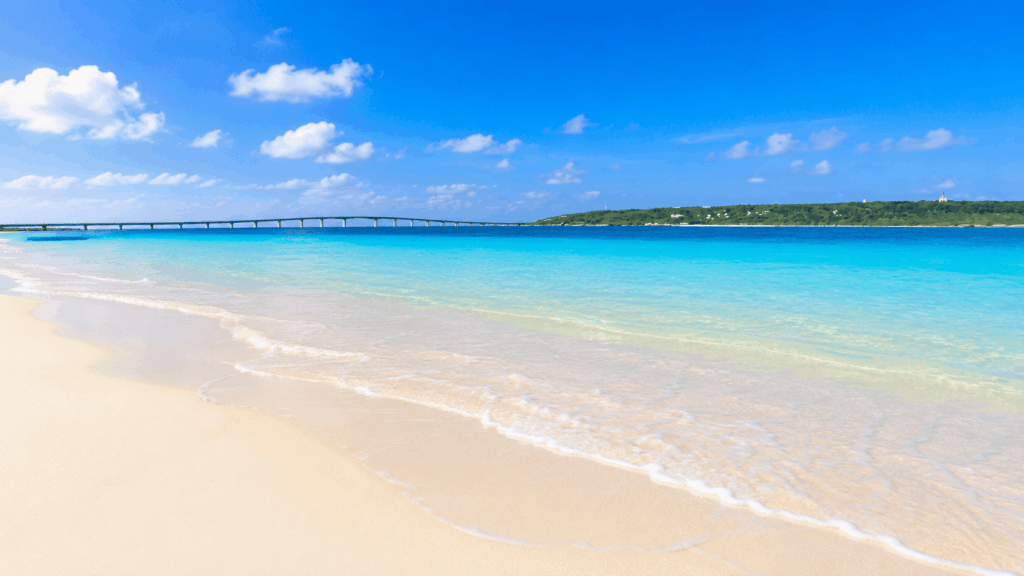
If your main question is “”which island has the better beach,”” the answer is Miyakojima — specifically Yonaha Maehama Beach, a roughly 7-kilometer stretch of fine white sand on the island’s west side, often cited as one of Japan’s most beautiful beaches. The water stays shallow for a long way out, the sand is soft and bright, and on calm days the color gradient from pale turquoise to deep blue is as good as it gets. Swimming season generally runs from April to the end of October, though the beach is worth seeing outside that window too.
Kai’s tip: If you’re driving to Yonaha Maehama on a weekend in peak season, build parking into your plan. The free lots near the beach are not huge, and I’ve watched people circle for a spot at midday in summer when tour buses arrive. Aim to arrive by mid-morning — you’ll get a space easily and the water is at its calmest before the afternoon breeze picks up.
Miyakojima also has other beaches worth one afternoon each — Sunayama Beach, a small cove behind a sand dune with an arched rock formation that is the island’s most photographed landmark, and several quieter coves around the island. None of them need more than an hour or two, which is why Miyako rewards travelers who are happy to settle into one main beach for the day.
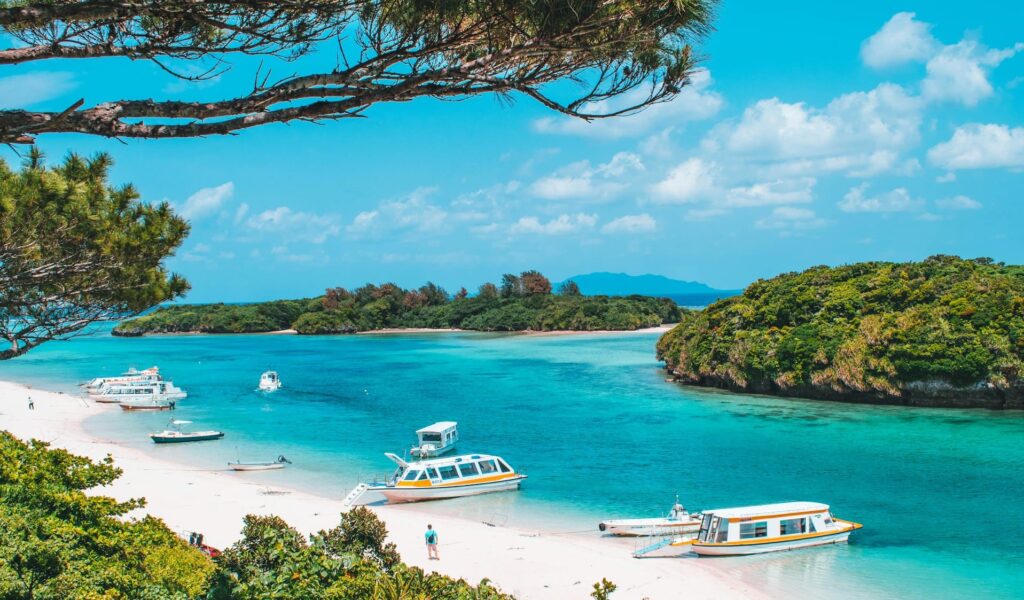
Ishigaki’s side of this comparison needs an important correction: its most famous water view, Kabira Bay, is not a swimming beach. Swimming is prohibited there because the bay is used for black pearl cultivation and has strong currents. You enjoy it from the shore or from a glass-bottom boat — it’s a sight, not a beach day.
Ishigaki does have real swimming and snorkeling beaches — Yonehara Beach and Sukuji Beach are the ones locals point you to — but they’re smaller and more casual than Miyako’s headline stretches. If you’re comparing beach quality alone, Miyakojima wins, and by a clear margin.
Yonaha Maehama Beach vs Kabira Bay Is Not an Apples-to-Apples Comparison
Most comparison articles pit Yonaha Maehama against Kabira Bay, and that framing is exactly where travelers get confused. They’re different kinds of experiences:
- Yonaha Maehama is where you swim, lie out, and spend hours in the water. It’s an active, low-cost beach day.
- Kabira Bay is where you look at water you can’t enter — emerald green, dotted with small islands, and best seen from a glass-bottom boat.
On my visit to Kabira, the glass-bottom boat ride (around 30 minutes, roughly 1,800–2,300 yen for adults depending on the season and operator) showed me giant clams and a sea turtle in the clear water below. It’s genuinely good, but two honest notes: the boat’s glass is often slightly clouded from use, and when a school group’s boats overlap with yours, you’ll wait your turn at the boarding area. Recent visitors mention the same two things — the boat is worth it, but it’s a calm sightseeing ride, not an adrenaline activity.
So when someone asks “”which has better beaches,”” the accurate answer is: Miyakojima, if you want beaches you can actually swim in. Kabira Bay is beautiful, but it doesn’t replace that. If you decide to go, check our guide on how to get to Kabira Bay.
Activities and Nature: Ishigaki Offers More Variety Beyond the Beach
If your ideal Okinawa trip mixes the sea with other experiences, this is where the comparison tips toward Ishigaki. The island has genuine variety within a short radius:
- Island-hopping: Ferries from Ishigaki Port Remote Island Terminal reach Taketomi Island in about 10–15 minutes and Iriomote Island in around 40 minutes — both completely different day trips from a beach day.
- Ishigaki Island Stalactite Cave: A walkable limestone cave with about 660 meters of lit paths, open roughly 9:00–18:30 (adults around 1,200 yen, children around 600 yen — check current rates).
- Night tours: Evening jungle walks where guides look for coconut crabs and other nocturnal wildlife, often under a very clear starry sky.
- Mangrove kayaking and inland rivers: A different kind of nature day that doesn’t exist at all on Miyakojima.
Kai’s tip: Don’t dress for the cave’s official temperature. The average inside is around 23°C, which sounds cool — but the humidity is around 90%, water drips from the formations, and the walkways stay wet. I’ve seen travelers in light sandals leave with soaked feet and slippery footing. Wear shoes with grip (water-resistant sneakers are ideal) and don’t treat the cave as an air-conditioned escape.
Miyakojima is not empty of sights — there are viewpoints, a few caves, and the Irabu Bridge crossing — but its non-beach options are mostly quick stops rather than half-day experiences. That’s fine if that’s the trip you want. It’s only a problem if you expected Miyako to behave like Ishigaki.
What Ishigaki’s “”Adventure”” Actually Feels Like
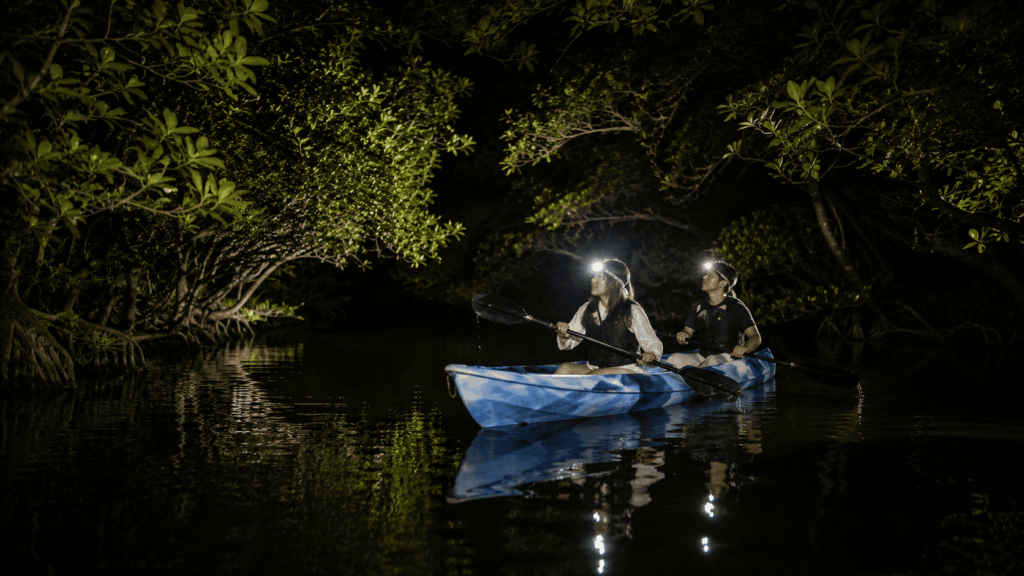
It helps to be concrete about what “”more to do”” means in practice on Ishigaki:
- The cave is a self-guided walk through wet, echoing chambers — atmospheric and easy, fine for kids, and a genuinely good escape from a rainy afternoon.
- Phantom Island (Hamajima) is a sandbar off the coast that appears above water at low tide. Tours run by small boat from the island, and the experience is shallow-water snorkeling and walking on the sandbar. It’s the closest thing Ishigaki has to a “”postcard beach”” moment — reached by boat rather than by car.
- The night tour is a flashlight walk through the jungle looking for coconut crabs, which can grow surprisingly large. Stargazing is often superb because Ishigaki has little light pollution — but both the crabs and the clear sky are weather-and-luck dependent, so go for the walk itself, not for a guaranteed sighting.
None of these are theme-park versions of nature. They’re real, slightly rough experiences — which is exactly why travelers who want a relaxing, polished beach holiday sometimes prefer Miyako, and travelers who want days that feel different from each other prefer Ishigaki.
If you fall into that second camp — you want Ishigaki’s ocean, but you don’t want the whole day to be only snorkeling — a combined tour is the simplest way to turn that variety into one itinerary.
Why I’d book this one
- It combines Phantom Island snorkeling with a mangrove SUP or canoe session, so you get two distinctly Ishigaki experiences without arranging separate activities.
- Recent travelers repeatedly mention helpful guides, clear communication, attention to safety, and having photos taken during the experience.
- Sea conditions can affect the snorkeling location, so it is worth checking the latest activity details and recent reviews before fixing your day around Phantom Island.
Driving and Getting Around: Miyakojima Rewards a Rental Car More
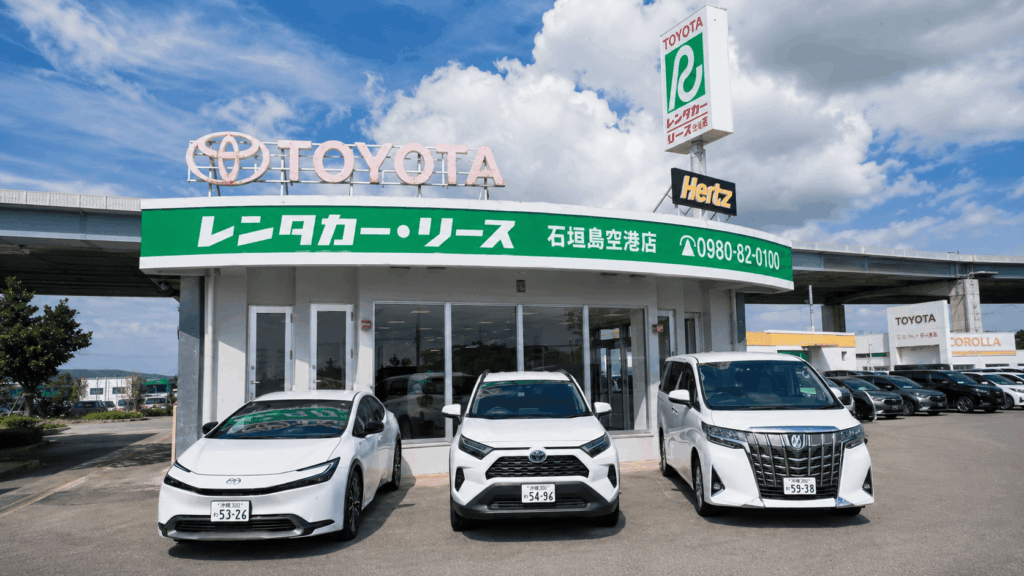
Both islands are best explored with a rental car, but the cost of not having one is very different on each island.
On Miyakojima, everything worth seeing is spread out — the main beaches, the viewpoints, and the Irabu Bridge crossing all sit kilometers apart, and public transport is minimal. A car isn’t just convenient on Miyako; it’s close to essential, especially if you want beach-hopping flexibility.
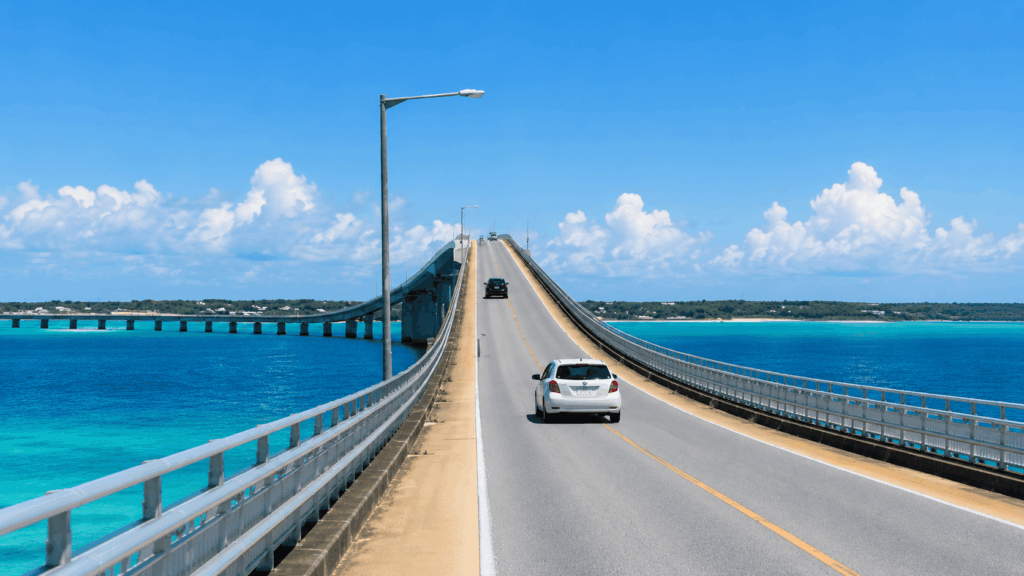
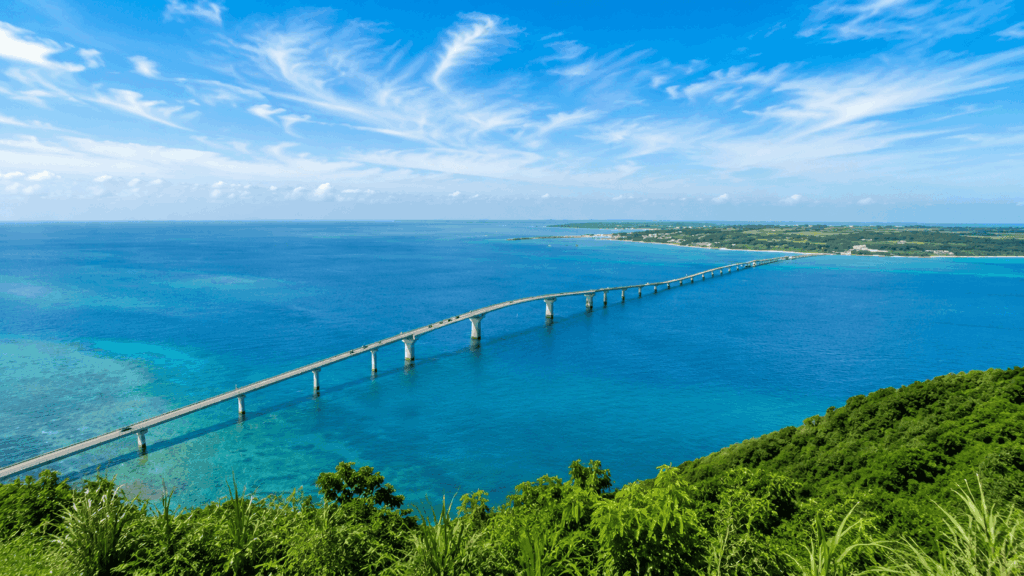
On the driving question, my honest observation is that Miyako rewards drivers more than Ishigaki does. Crossing the Irabu Bridge in a rental car is one of the island’s signature moments — the road arcs over open sea with views of the island chain — and stopping at the parking areas near either end for photos is a standard part of the drive. Note that stopping on the bridge itself is not allowed; use the designated parking spots at each end.
Ishigaki, by contrast, works better without a car because its structure is different: the town and port are compact, buses reach the main sights, and the most memorable experiences (ferries to Taketomi and Iriomote, boat trips to Phantom Island) don’t require you to drive anywhere at all.
The Irabu Bridge Experience Is Part of the Miyakojima Appeal
At 3,540 meters, the Irabu Bridge is Japan’s longest free bridge, connecting Miyakojima to Irabu Island. It opened in 2015, it’s free to cross, and it’s genuinely scenic — the water below is a bright turquoise that shifts with the tide. The bridge adds a whole extra island to your driving loop: Irabu has its own beaches, viewpoints, and a couple of quiet lunch spots, which extends Miyako’s sightseeing day without feeling like filler.
One practical note: the bridge is a real road with traffic, not a pedestrian promenade. The designated photo spots at both ends are the right place to stop — and they’re busy at sunset, so plan for a few minutes of waiting if that’s when you go.
Snorkeling and Diving: Don’t Choose Only by Water Color
Both islands offer excellent snorkeling, but in different formats — and this difference matters more than the color of the water in photos.
- Miyakojima: Snorkeling is mostly beach-entry. You wade in from the sand at spots like Yonaha Maehama and swim out over reef, and sea turtle encounters are a common highlight on guided half-day trips. No boat required, low seasickness risk, and fine for beginners and families.
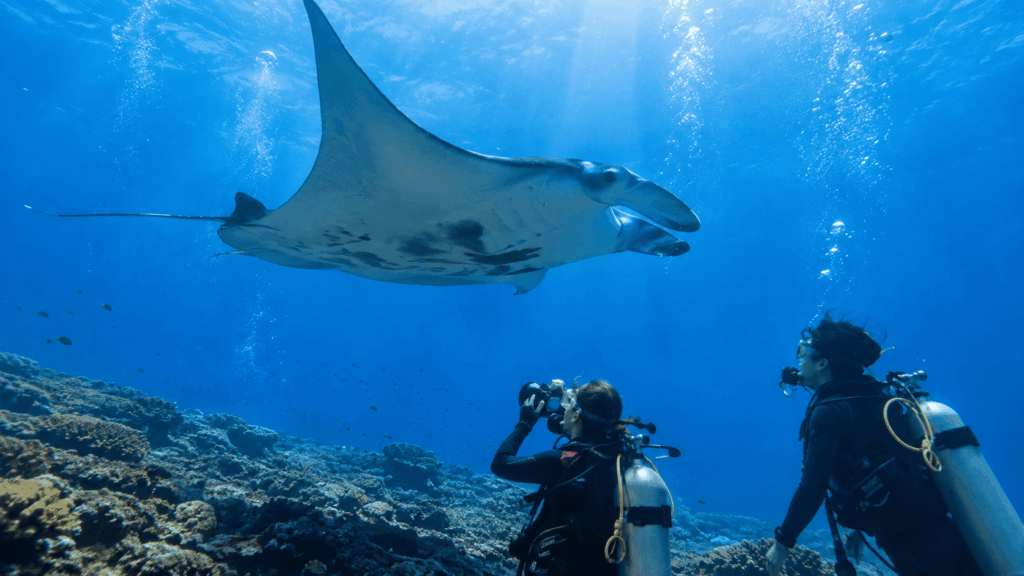
- Ishigaki: The best snorkeling is boat-based, centered on Phantom Island and the coral-rich waters around it. You ride a small boat out, drop anchor near the sandbar, and snorkel in shallow, clear water. Boat tours also reach reef areas where manta rays are occasionally sighted, though nothing is guaranteed.
Kai’s tip: If you’re prone to seasickness or traveling with kids, factor the boat into your decision. The boats to Phantom Island are small, they do move with the swell, and getting off in the shallows means you’ll get wet from the waist down — board in swimwear, not shorts you wanted to keep dry. Recent visitors consistently say the snorkeling itself is worth it, but they also mention the ride and the wet landing, so go prepared for both.
The practical question to ask yourself is simple: do you want to snorkel from the beach (Miyako) or from a boat to a sandbar (Ishigaki)? Choose the format you’re comfortable with, and the water quality question mostly takes care of itself.
If Miyako is winning specifically because you prefer beach-entry snorkeling without the small-boat ride, check current times and activity details for this Miyako sea-turtle snorkeling option before finalising your day.
Which Island Is Better Without a Car?
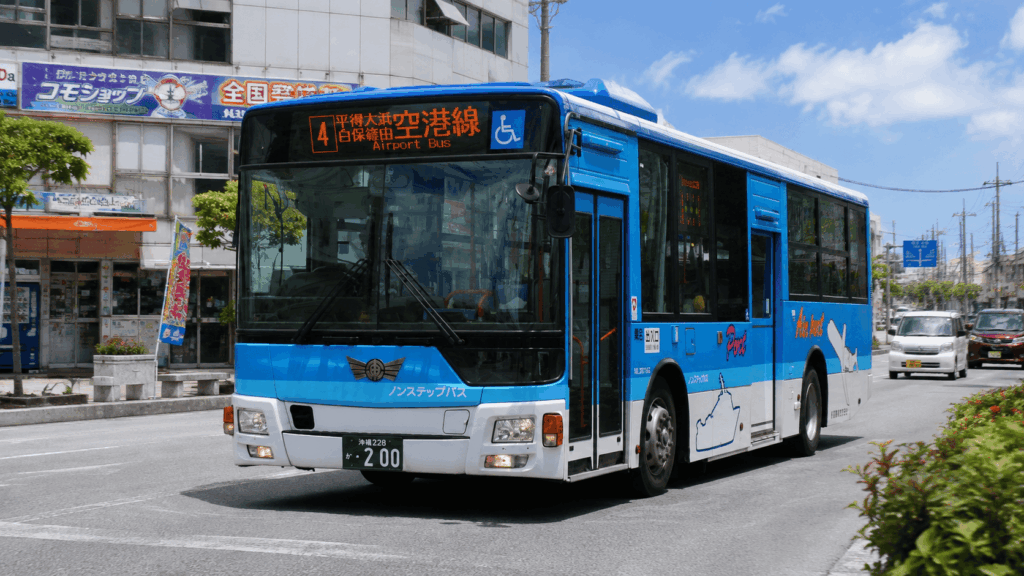
Ishigaki, with caveats. The town center and Ishigaki Port Remote Island Terminal are walkable, and the Azuma Bus network reaches the main sights — Kabira Bay, Yonehara Beach, and the stalactite cave. The catch is frequency: buses to the outlying sights run much less often than the airport line, so you’ll plan your day around the timetable rather than the other way around. (Read more in our guide to getting around Ishigaki without a car).
On my bus-based visit to the cave, the ride itself was easy — the real constraint was the return schedule, and I had to time the cave walk to match a bus that didn’t leave for another hour. It’s workable, but it changes the pace of your day. If you’re comfortable with that, Ishigaki is the better no-car choice by a wide margin.
Miyakojima without a car means taxi-hopping between beaches, which adds up quickly and removes the beach-hopping freedom that makes the island special. If you can’t or won’t drive, Miyako is a harder sell.
Should You Visit Both Ishigaki and Miyakojima on the Same Trip?
Short answer: only if you have the time to actually spend on both. Direct flights between Miyako Airport and Painushima Ishigaki Airport take about 30–35 minutes, so it’s technically easy — but each transfer costs you most of a day once you count airport arrival, security, and transfer to your accommodation.
My recommendation for a typical 3–4 night Okinawa island stay is to pick one island and go deep. Miyako for a pure beach holiday, Ishigaki for a mixed nature trip. With 5+ nights, visiting both becomes more reasonable — but I’d still plan it as two distinct mini-holidays (for example, 3 nights on one island, 3 on the other) rather than a hop-skip schedule, because both islands deserve slow days, and neither rewards rushed sightseeing.
Ishigaki or Miyakojima by Traveler Type
If the sections above still feel close, match your situation directly:
| If this is your priority… | Choose… | Why |
|---|---|---|
| Classic white-sand beach days, swimming and floating | Miyakojima | Yonaha Maehama Beach is the best single beach between the two islands, and beach-entry snorkeling is easy |
| Variety — island-hopping, caves, night tours, mangroves | Ishigaki | Taketomi and Iriomote ferries, the cave, and jungle tours give each day a different shape |
| Scenic driving with photo stops | Miyakojima | The Irabu Bridge crossing and coastal viewpoints make the drive itself the activity |
| Snorkeling from a boat to a sandbar | Ishigaki | Phantom Island tours are the standout boat-based experience |
| Snorkeling from the beach, low seasickness risk | Miyakojima | Beach-entry format, no boat required |
| Traveling without a car | Ishigaki | Walkable town, bus routes to main sights, port-based island-hopping |
| Relaxing couple or honeymoon focused on the sea | Miyakojima | Long empty-feeling beaches and a slower pace |
| Family with kids who tire of sitting still | Ishigaki | Shorter activities (ferry, cave, sandbar) break the day into manageable pieces |
| Rainy-day backup plan matters | Ishigaki | Indoor cave, museum, and ferry options keep a wet day alive |
| First visit to Okinawa’s islands, unsure of style | Depends on your answer to “”what do you want from the ocean?”” | Beach-first → Miyakojima. Anything else → Ishigaki |
FAQ: Ishigaki vs Miyakojima
Is Ishigaki or Miyakojima better for beaches?
Miyakojima, if you mean beaches you can actually swim in. Yonaha Maehama Beach is a long stretch of fine white sand with shallow, clear water, and smaller spots like Sunayama Beach are worth a short visit. Ishigaki’s most famous water view, Kabira Bay, is beautiful but swimming is not allowed there. Ishigaki does have swimming beaches like Yonehara and Sukuji, but they’re smaller and more casual — the beach comparison is not close.
Is Ishigaki or Miyakojima better without a car?
Ishigaki, with caveats. The town and port are walkable, the Azuma Bus reaches the main sights (Kabira Bay, Yonehara Beach, the stalactite cave), and the best day trips are ferry-based anyway. The catch is frequency: buses to outlying sights run far less often than the airport line, so check the return timetable before you commit to a plan. Miyakojima without a car means taxi-hopping between spread-out beaches, which adds up quickly and removes the beach-hopping freedom that makes the island special.
How many days do you need in Ishigaki or Miyakojima?
For a single island, 3–4 nights is a comfortable minimum for either — Miyakojima for a pure beach holiday, Ishigaki for a mixed nature trip. With 5+ nights, visiting both becomes more reasonable, but plan it as two distinct stays of about 3 nights each rather than a rushed hop between them, because each transfer costs you most of a day.
Is Ishigaki or Miyakojima better for snorkeling?
It depends on the format you prefer. Miyakojima offers beach-entry snorkeling — you wade in from the sand, no boat required, and sea turtle encounters are a common highlight on guided half-day trips. Ishigaki’s standout is boat-based snorkeling at Phantom Island (Hamajima), a sandbar reached by small boat: excellent water, but the ride and the wet landing aren’t for everyone. Choose the format you’re comfortable with, and the water-quality question mostly takes care of itself.
Can you visit Ishigaki and Miyakojima on the same trip?
Technically yes — direct flights between Miyako Airport and Painushima Ishigaki Airport take about 30–35 minutes. But each transfer costs most of a day once you count airport arrival, security, and the ride to your accommodation. For a typical 3–4 night trip, pick one island and go deep. With 5+ nights, two separate stays are workable, and each island deserves the slow version rather than the rushed one.
My Final Recommendation: Pick the Island That Matches Your Version of the Sea
What I’d tell a friend visiting Okinawa’s islands for the first time is the same thing I’d ask them at the start of this article: what do you actually want to do with the ocean? Everything else is details.
- Choose Miyakojima if the beach is the destination — you want to spend whole days on long white sand like Yonaha Maehama, snorkel straight from the shore, enjoy the drive across the Irabu Bridge, and you’re comfortable behind the wheel. This is the island for the pure version of a beach holiday, and it’s the better pick for couples and honeymooners who want the sea without a packed itinerary.
- Choose Ishigaki if the sea is one part of a broader nature trip — you want island-hopping to Taketomi and Iriomote, a walk through the stalactite cave, a night tour in the jungle, and boat-based snorkeling at Phantom Island. It’s the better pick for travelers without a car, for families who want shorter activities, and for anyone who wants each day to feel different from the last.
For first-time visitors: don’t overthink it. Beach-first instincts point to Miyakojima; any hint of wanting variety points to Ishigaki. For travelers on a tight schedule: pick one island and protect your beach days — don’t spend a full day of a 3-night trip moving between airports. For repeat visitors: try the other island. If you’ve done Ishigaki’s variety, Miyako’s deep, slow beach days will feel like a different kind of trip — and the reverse is just as true.
Both islands are genuinely good, and you’ll have a strong trip on either one. The difference is the shape of the days — and that’s a decision only you can match to your own version of the sea.

Hi, I’m Kai. I’m a Tokyo-based travel writer, tourism industry insider, and the author of a published guidebook for international visitors to Japan. With over 10 years of professional experience at a leading Japanese tourism company, my mission is to help you skip the tourist traps and navigate Japan’s best destinations like a local. I believe the perfect day trip is like a traditional kaiseki meal: a beautiful balance of precise planning and unforgettable seasonal discovery. When I’m not out conducting field research, you’ll usually find me drafting new itineraries with one of my favorite fountain pens!