
Onomichi is worth a day trip — if you enjoy hillside temples, narrow lanes, a lived-in shopping street and sudden views of the Seto Inland Sea. Six to eight hours is enough to cover the town’s core without rushing, and you do not need to add the Shimanami Kaido to the same day. The efficient way to see it is to go up the Senkoji side first, then walk down through the town toward the water — one direction, no backtracking.
For most visitors that means taking the Senkoji Ropeway one way once it opens at 9:00. If quiet photos matter more than saving your legs, walk up before the ropeway starts. And treat Cat Alley as a steep, atmospheric lane rather than a guaranteed cat encounter — the details are below.
If you would rather not navigate Onomichi’s steep lanes on your own, a private local walking guide can make the day much easier. Check current availability, tour lengths, and recent traveler reviews for this customized private Onomichi tour.
Is Onomichi Worth a Day Trip?
Short answer: yes, for most travelers who are already in the Hiroshima or Setouchi area. Onomichi is not a theme-park town with a checklist of blockbuster sights. Its appeal is the combination of Senkoji Park and Senkoji Temple on the hillside, the narrow stone lanes around Neko no Hosomichi (Cat Alley), the covered Onomichi Hondori Shopping Street, and a working waterfront where ferries still run to the islands.
Onomichi is best for:
- Slow travelers who like old temples, retro streets and small-town atmosphere
- Photographers — the town is built on a slope, so viewpoints come with the walk
- Anyone who wants one relaxed day off the Golden Route between Hiroshima and Okayama
Skip it if:
- You want to avoid hills and stairs entirely
- Shopping and big museums are your main goal
- You are planning a serious Shimanami Kaido cycling day — that deserves its own day
From years of guiding travelers around Onomichi, what decides whether people enjoy the day is rarely the number of spots they see. It is whether they use the slope in the right direction. Walk up once, then let the town pull you down to the sea — that single choice shapes the whole afternoon.
The Best Way to Structure One Day in Onomichi
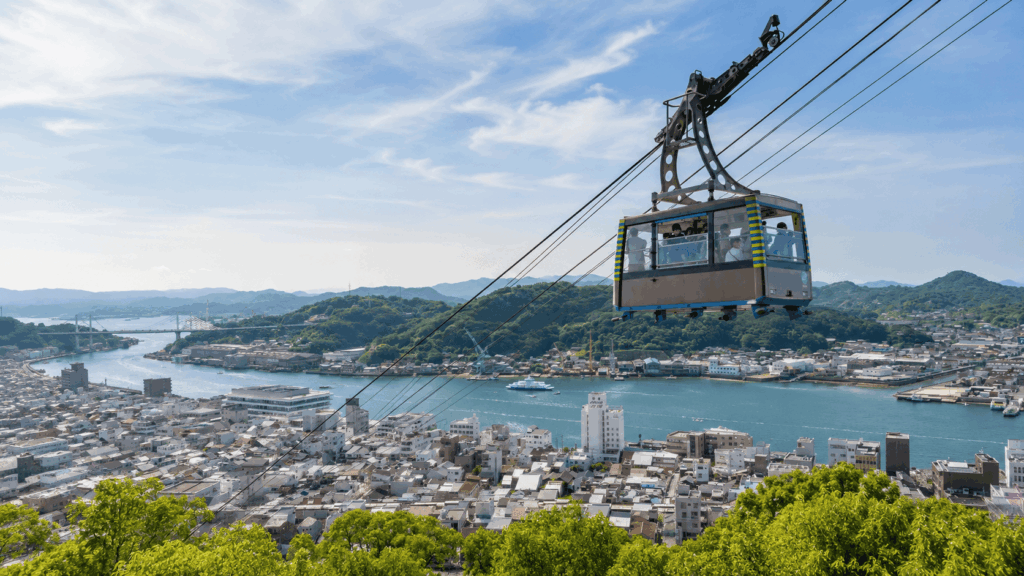
The town climbs from the waterfront to Mt. Senkoji, so the smart route is a one-way loop: up to the Senkoji side first, then downhill through the temple, the lanes and the shopping street back to the harbor. The hard walking happens at the start, when you are fresh, and the afternoon stays flat.
Kai’s tip: I would not buy a round-trip ropeway ticket for this route. If you ride up and then walk down through Senkoji Temple and the town, the return half of a round trip usually goes unused — or it tempts you to climb back up the hill to use it. A one-way ticket matches the natural direction of the day, and that is the ticket I recommend.
Visitors who try to “do both sides” — ropeway up, walk up the other slope, ropeway down again — are the ones who come away saying Onomichi is tiring. The town is not large in distance; the elevation is what wears people out.
Which morning start is right for you comes down to two questions: how much you care about empty viewpoints, and how much you want to save your legs.
| Option | Best for | Start time | How you get uphill | Main advantage | Main drawback |
|---|---|---|---|---|---|
| Early-morning walking version | Quiet photos, railway fans, anyone who wants the viewpoint before the crowds arrive | Before 9:00 | Walk up through Senkoji Park paths to PEAK | Empty viewpoints, easier photography, train views from the east side | You climb stairs before the ropeway runs; the PEAK elevator does not start until 9:00 |
| 9:00 ropeway version | Most first-time visitors, families, anyone saving energy for the downhill half | From 9:00 | One-way Senkoji Ropeway ride (about 3 minutes) | No uphill walking; simple and predictable | Viewpoints get busier as the morning goes on |
Option A — Start Early and Walk Up
If you want the summit before the ropeway starts carrying people up, you walk. The paths through Senkoji Park are manageable in normal sneakers, but they are a steady climb with stone steps, so give yourself about 20–30 minutes from the base of the slope.
PEAK, the observatory above the ropeway’s summit station, is open 24 hours and free. Early morning is when I have found it easiest to take photos without other people in the frame — the view takes in the town, the harbor and the islands of the Seto Inland Sea in one sweep.
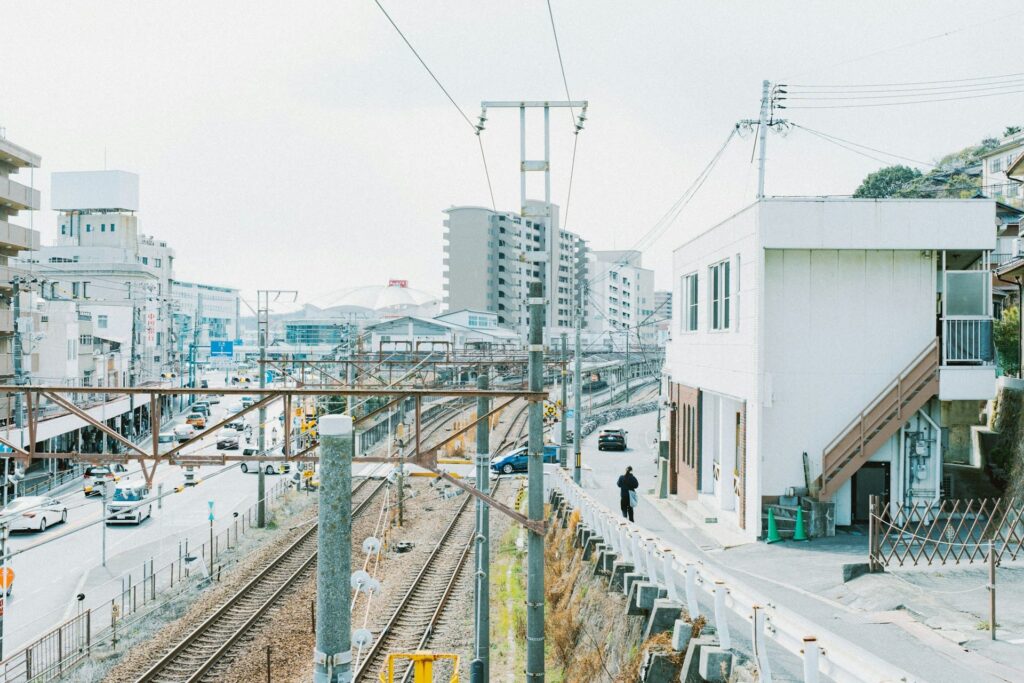
One extra detail for railway fans: from the east side of PEAK you look down on the Sanyo Main Line as trains curve along the coast below the mountain. I have brought train enthusiasts up here more than once, and it is usually the part of the day they talk about most.
Two practical notes if you walk up early: the PEAK elevator only runs 9:00–17:15, and the ropeway does not start until 9:00 either. The natural way down is on foot through Senkoji Temple — which is the route most visitors take anyway.
Option B — Take the Ropeway After 9:00
For most first-time visitors this is the simpler plan: take the Senkoji Ropeway from Mt. Senkoji Ropeway Sanroku Station (the base station) up to the summit, then walk down. The ride takes about 3 minutes.
Operating hours are roughly 9:00–17:15 with departures about every 15 minutes, and extra cars run when the cabins fill up. As of August 2026, an adult one-way ticket is ¥500 and a round trip ¥700 (children about half price). Fares and hours can change, so check the official site before your visit.
Buy a one-way ticket. The natural route after the summit is downhill through Senkoji Temple and the town, so the return half of a round trip usually goes unused — and walking down is part of the experience, not a compromise.
Step-by-Step Onomichi Day Trip Itinerary
This route assumes the 9:00 ropeway start, which suits most day-trippers. If you prefer the early walking version, do steps 3–5 first and shift breakfast later. The timetable below is a realistic guide rather than a minute-by-minute schedule — Onomichi rewards a wandering pace, and the point of this order is direction, not precision.
| Approx. time | Stop | What to do | Practical note |
|---|---|---|---|
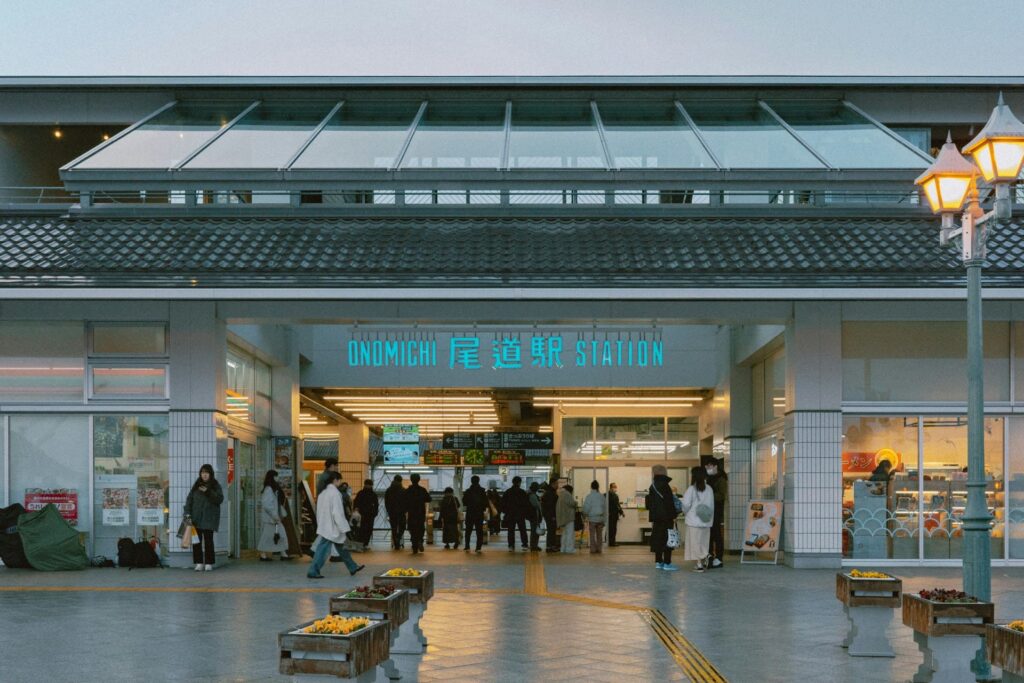
| 9:00–9:15 | Onomichi Station | Arrive, use the South Exit, store luggage if needed | Keep your map app open; Onomichi and Shin-Onomichi are different stations |
| 9:15–9:35 | Onomichi Hondori Shopping Street | Walk through the covered arcade toward the ropeway base | A good spot for coffee or a morning snack before the climb |
| 9:35–9:50 | Mt. Senkoji Ropeway Sanroku Station | Buy a one-way ticket and ride up | One-way ¥500 (as of August 2026); about 3 minutes up |
| 9:50–10:30 | PEAK and Senkoji Park | Take in the view over the town and the Seto Inland Sea | PEAK is free and open 24 hours; elevator runs 9:00–17:15 |
| 10:30–11:15 | Senkoji Temple | Walk down from the park to the temple and its grounds | Temple viewing hours are roughly 9:00–17:00 |
| 11:15–11:45 | Neko no Hosomichi (Cat Alley) — optional | Follow the narrow stone lanes down toward Ushitora Shrine | Skip it on wet days or if you have mobility concerns |
| 11:45–12:30 | Breakfast or lunch in town | Early arrivals can buy bread and eat by the sea; otherwise eat near Hondori | Pan-ya Koro, about 5 minutes from the station, opens around 7:00 |
| 12:30–13:30 | Onomichi waterfront | Walk back toward the station along the harbor | Add ONOMICHI U2 (café, bakery, bike shop) if you have energy left |
The walking itself takes about 4 hours at a relaxed pace. Add breakfast, a long lunch, waterfront time and a stop at ONOMICHI U2, and you land in the 6–8 hour range — enough for a comfortable day trip without rushing.
1. Arrive at Onomichi Station and Use the South Exit
If you are heading toward Hondori and the ropeway — which you are, on this itinerary — use the South Exit of JR Onomichi Station. It is the main exit and the one that points you toward the shopping street and the waterfront. The North Exit faces the other side of the tracks, so it only adds a detour for this route.
Kai’s tip: I usually recommend the South Exit to visitors heading for Hondori and the ropeway, and I have watched plenty of people stop to check their phones within the first minute outside the station. Onomichi’s streets are narrow and the signage is not always obvious, so open your map app as soon as you arrive and keep it open through the morning.
One common mix-up worth flagging: Onomichi Station is the JR Sanyo Line station in the middle of town, while Shin-Onomichi Station is the Shinkansen stop a few kilometers away. They are different stations — if you arrive by Shinkansen, you still need a local train or taxi to reach the town center. Mixing up the two is a mistake that shows up again and again in traveler reviews, so double-check which station your ticket says, or see our guide on how to get to Onomichi for station details.
2. Walk Through Hondori to the Ropeway
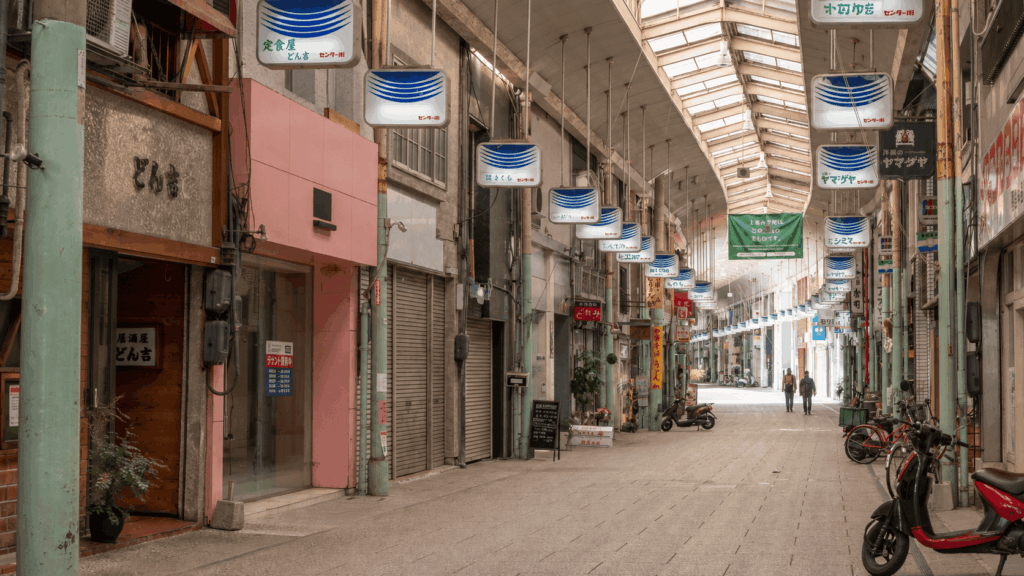
From Onomichi Station, the official walking time to Mt. Senkoji Ropeway Sanroku Station is about 15 minutes. In practice, first-time visitors should budget closer to 20 — the covered Onomichi Hondori Shopping Street is worth a slow walk, and you will stop to check directions at least once.
I have found the signage between the station and the ropeway thinner than visitors expect, and it is common to see people with their phones out along this stretch. Follow Hondori toward the mountain and keep the map app open; the base station is easy to spot once you are close, set back from the end of the arcade.
Don’t estimate this leg by straight-line distance on the map. The arcade is covered, the streets bend, and the last approach to the ropeway climbs slightly — the extra few minutes are worth planning for.
3. Go Up to PEAK and Senkoji Park
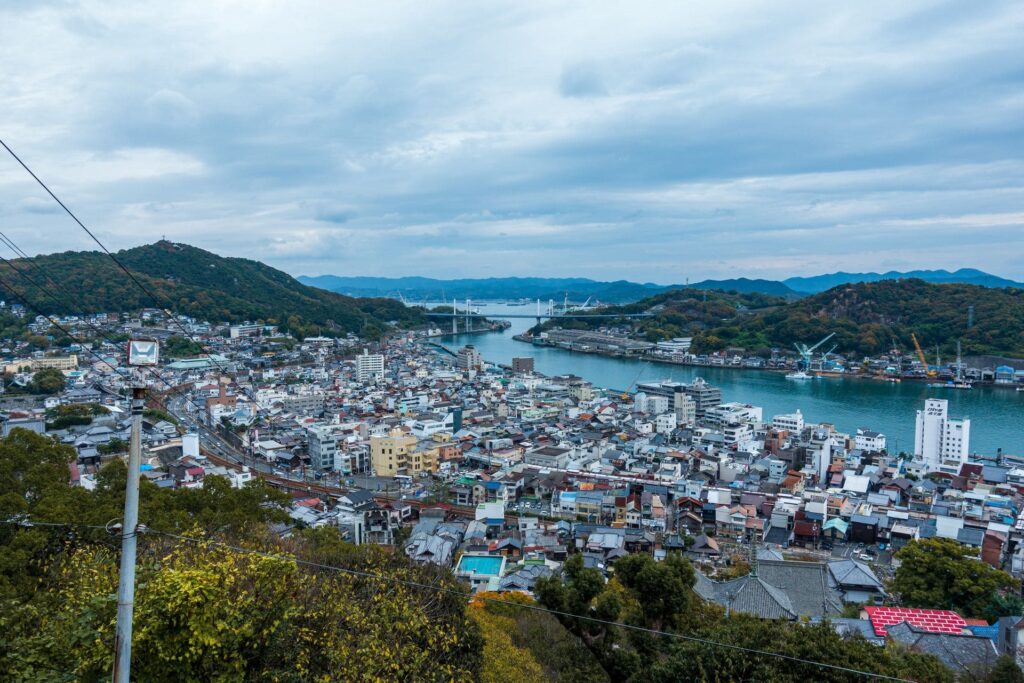
Ride the ropeway to the summit station, then walk the short path up to PEAK, the observatory at the top of Senkoji Park. The view takes in the whole town below, the harbor, and across the Seto Inland Sea — on clear days the islands stretch out in layers.
See the view first, then the temple: after PEAK, walk down through Senkoji Park toward Senkoji Temple rather than climbing back up anything. For railway fans, the east side of PEAK looks down on the Sanyo Main Line as it curves along the coast — a small extra stop that tends to delight anyone who likes watching trains.
PEAK itself is free and open 24 hours. The elevator inside runs 9:00–17:15, so if you walk up early you will use the ramp and stairs until it starts.
4. Walk Down to Senkoji Temple
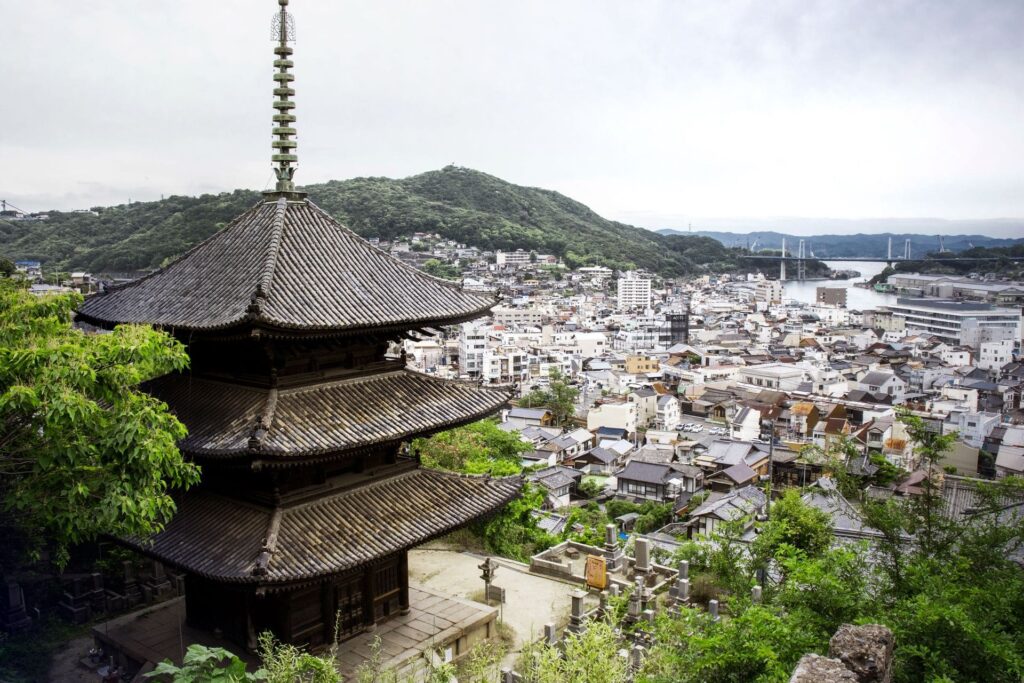
Senkoji Temple is not at the summit — it sits on the slope below Senkoji Park, which is exactly why this route works. From PEAK you walk downhill to the temple instead of climbing back up, and the temple grounds have their own views over the town and harbor. Viewing hours are roughly 9:00–17:00, with the temple itself closed around the New Year holidays.
This is the moment where the one-way ropeway logic pays off. If you had bought a round trip, you would now face a choice: walk all the way down through the town and leave the return half of your ticket unused, or climb back up the hill to ride down. Neither is a good use of the morning. The Path of Literature, a short trail lined with stone monuments and poems, runs through the park area if you want a little more walking before the descent — but it is optional, and the main event is simply heading down through the temple grounds into the lanes below.
5. Decide Whether Cat Alley Is Right for You
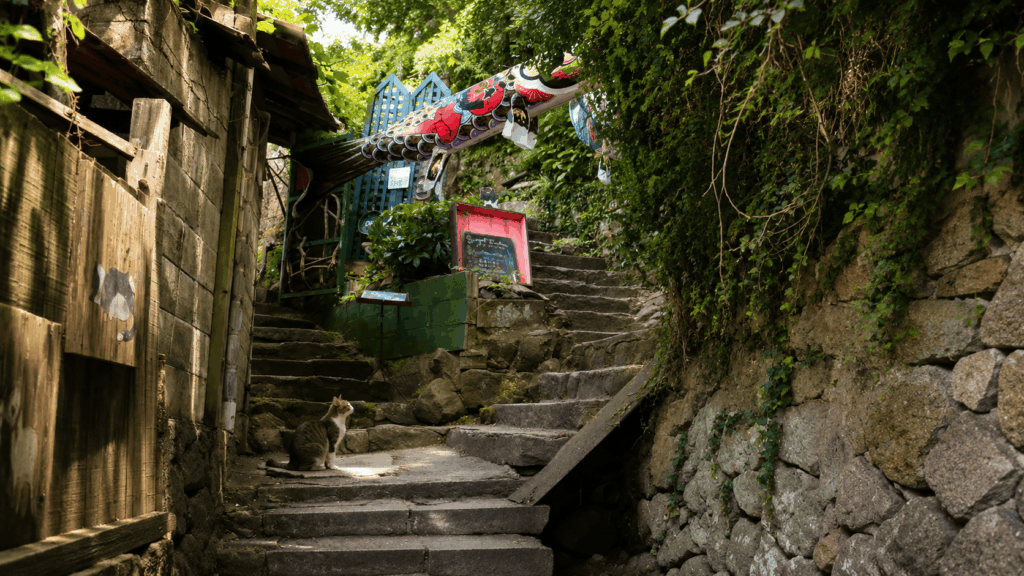
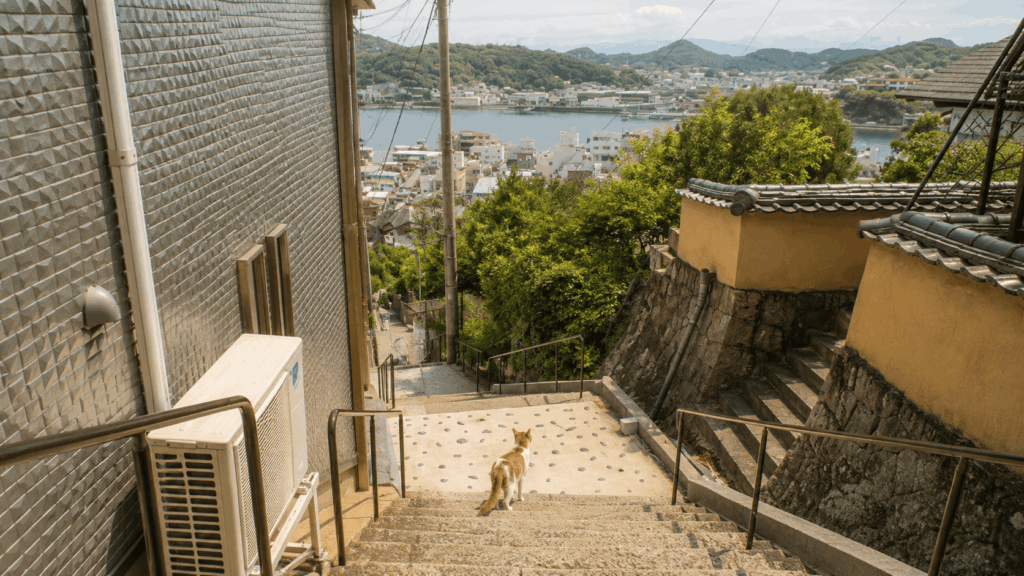
Cat Alley — Neko no Hosomichi — is the narrow lane that drops from the temple area toward Ushitora Shrine, lined with hand-painted cat figures, small shrines and old houses. It is the most photographed backstreet in Onomichi, but it is worth being honest about what it is: a steep, atmospheric alley, not a guaranteed cat encounter.
Kai’s tip: Cat Alley is a narrow lane with a steady run of stone steps, and I would not treat it as a cat attraction. The cats are real but shy, and they are not always around — if you go expecting to meet several, you may be disappointed. What the alley reliably delivers is the atmosphere: tight lanes, old tiled roofs, and the feeling of a hillside neighborhood that has not changed much. On a dry day with decent shoes, it is one of my favorite short walks in Onomichi. On a rainy day, I would skip it — the steps get slick, and some stretches stay dark even in the middle of the day.
Choose Cat Alley if:
- The weather is dry and you have grippy shoes
- You enjoy narrow lanes, old houses and the feeling of a lived-in hillside
- You are happy to treat any cat sighting as a bonus
Skip it if:
- It is raining or the steps look wet
- You have mobility concerns, a stroller or a large bag
- Cats are the only reason you are going — reviews consistently note that sightings are hit-or-miss
If you skip Cat Alley, the easy alternative is to continue down the main path toward Hondori and pick up the itinerary at the shopping street. You lose a little atmosphere, but you save your knees and your schedule.
6. Stop for Breakfast or Lunch in Town
By mid-morning you are back at street level, which is a good moment to eat. If you started early, the classic Onomichi move is to buy bread and eat by the sea: a few bakeries near the station and the waterfront open early, including Pan-ya Koro, about five minutes’ walk from Onomichi Station, which opens around 7:00. Morning light on the harbor is one of the nicer parts of the day, and it costs nothing extra to sit on a seawall bench with breakfast.
If you took the 9:00 ropeway start, aim for lunch instead around Hondori or the waterfront. Onomichi’s food scene leans local — small restaurants, izakaya, and the regional style of ramen — and the shopping street has enough choice to avoid planning ahead (though if you want specific recommendations, check our Onomichi food guide). The point here is to eat at street level, not to turn the day into a restaurant crawl; the itinerary stays loose so lunch can happen when you are hungry.
7. Finish Along the Waterfront
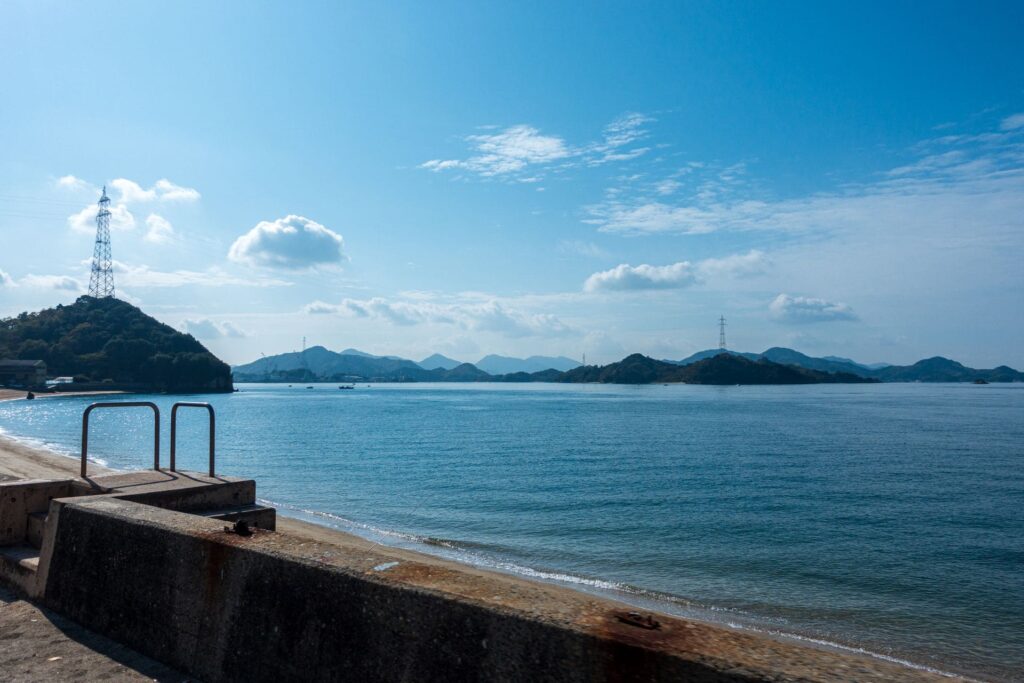
The last stretch of the day is flat, which is exactly how the route should end. Walk from Hondori back toward the harbor and follow the waterfront toward the station. Ferries still run from here to the islands, and the quiet rhythm of the harbor is a pleasant way to close out the afternoon.
If you have energy left, ONOMICHI U2 is worth a stop: a converted portside warehouse complex with a café, a bakery, a bike shop and a hotel (Hotel Cycle), which is a natural place to sit down before the train. If you are tired, skip it — the waterfront walk to the station takes about 10 minutes, and you lose nothing by heading straight for the platform.
How Much Time Do You Need in Onomichi?
The honest answer is that most day-trippers feel comfortable with 6–8 hours, and the town works with less if you are selective.
| Option | Who it suits | What you cover | Trade-off |
|---|---|---|---|
| 4 hours | Travelers squeezing Onomichi between Hiroshima and another stop | PEAK, Senkoji Temple, a quick pass through Hondori | Doable, but feels rushed; skip Cat Alley and the waterfront loop |
| 6–8 hours | Most day-trippers | The full loop: ropeway up, temple, Cat Alley (optional), Hondori, waterfront, U2 | The sweet spot for pace and coverage |
| Overnight | Photographers, slow travelers, anyone adding Shimanami cycling | Everything above plus evening light and a quiet morning before the day-trippers arrive | Adds a hotel night; worth it if you want the town at its emptiest |
One thing I tell visitors is to budget by elevation, not by distance. Onomichi is compact on the map, but the climb from the station to Senkoji is real, and moving between the temple, the lanes and the arcade takes longer than the straight-line distances suggest. Plan the order (up first, down later) and the timing mostly takes care of itself.
Should You Add the Shimanami Kaido to the Same Day?
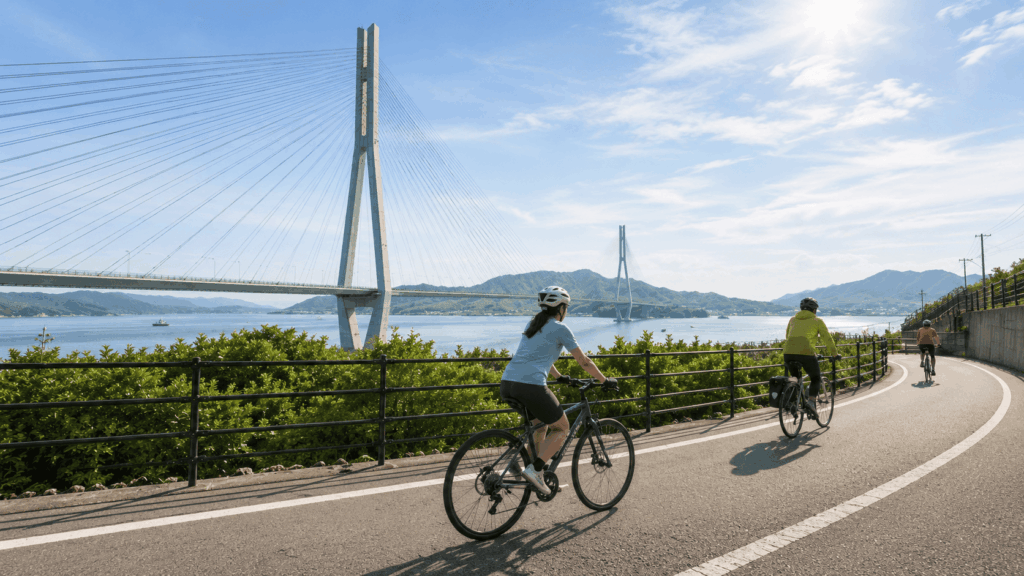
It is tempting — Onomichi is the western starting point of the Shimanami Kaido, the 70-kilometer cycling route across the islands to Imabari. But if Onomichi itself is your goal, keep the two separate.
A full Shimanami ride takes most of a day, and even the short “taste” versions (ride a few islands and come back) eat up the afternoon you would otherwise spend on the slopes and the waterfront. The traveler reviews that describe Onomichi as tiring or rushed almost always involve someone trying to combine the town with cycling on the same day.
My suggestion: pick one. If cycling is the priority, start early from Onomichi and treat the town as a post-ride walk. If the town is the priority, do the walking itinerary above and save the Shimanami Kaido for a separate day — ideally with an overnight, so you can ride fresh in the morning.
Practical Tips Before Your Onomichi Day Trip
A few small decisions before you arrive will make more difference than any sightseeing shortcut.
Wear Proper Shoes
Bring grippy sneakers or trail shoes, not fashion shoes or sandals. The stone steps around Senkoji and Cat Alley are the most demanding surfaces in town, and the slopes get genuinely slick in the rain — I have felt the difference myself walking down wet stone steps, and I would not want to do it in smooth soles. On a dry day, normal walking shoes are fine; on a wet day, reconsider both the route and the footwear.
Travel Light
A rolling suitcase on the Senkoji slopes or in Cat Alley is a mistake you will regret within ten minutes. If you are coming with luggage, store it first: Onomichi Station has coin lockers, and there are locker options near the station too (see our guide to Onomichi luggage storage options if the station is full). Carry a small daypack with water, a map or phone, and layers — that is all this itinerary needs.
Check the Ropeway Before You Go
The Senkoji Ropeway runs roughly 9:00–17:15 with departures about every 15 minutes, but it does close for annual maintenance. The current scheduled maintenance period is December 7–25, 2026 — if your visit falls in that window, the ropeway will not be running and the walking version of this itinerary becomes your plan by default. Fares, hours and maintenance dates can change, so check the official ropeway site the day before you go.
If the ropeway is closed, the early-walking route (Option A) works for everyone: start a little earlier, take the park paths up to PEAK, and continue the loop downhill exactly as written.
Self-Guided or Guided Tour?
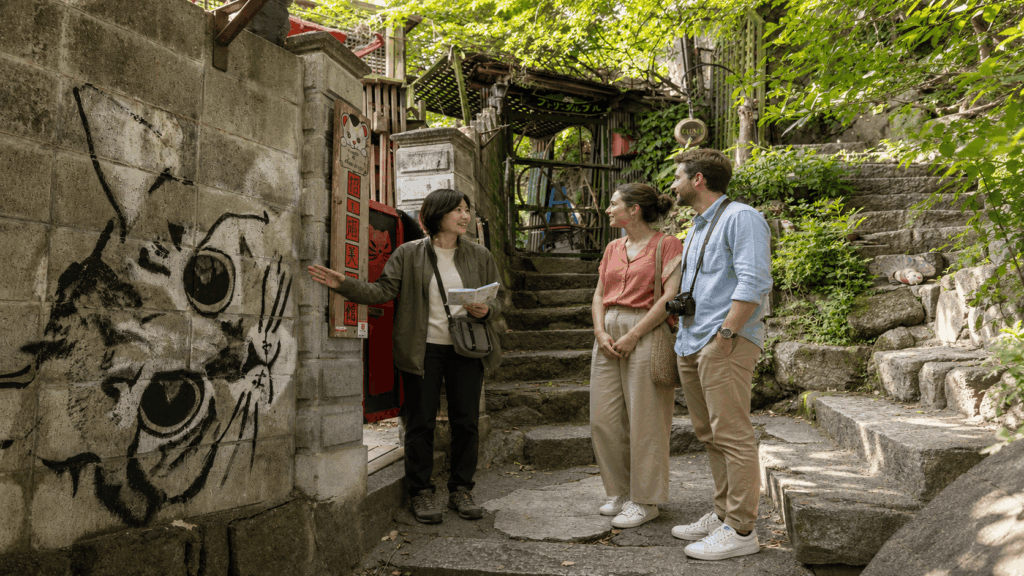
Onomichi is very walkable, and the itinerary above is designed so you can do it entirely on your own. If you are comfortable following a map, you do not need a guide.
That said, a private walking tour with a local guide is a reasonable choice if:
- You do not want to spend the morning figuring out steep lanes and temple routes
- You have limited time and want the route planned for you
- You want background on the temples, the town’s history and the lanes in English
- You are traveling with family or a group and would rather let someone else handle the navigation
If you fall into that camp — you want the hillside atmosphere but would rather not spend the morning navigating steep lanes or working out which temple paths connect — this is the guided option worth comparing with the DIY route.
Why I’d book this one
- It is a private, customizable tour, so the route can focus on the parts of Onomichi that matter most to your group.
- Recent travelers consistently mention knowledgeable guides, useful local context, and itineraries adapted to their interests.
- The listing includes flexible booking terms, so you can check the current cancellation policy and payment options before committing.
Either way, the route logic stays the same: go up first, walk down through the temple and the lanes, and finish at the water.
FAQ: Onomichi Day Trip Questions
Is Onomichi worth visiting for just one day?
Yes, for most travelers in the Hiroshima or Setouchi area. Onomichi is not a checklist town — its appeal is the combination of Senkoji Park and Senkoji Temple on the hillside, the lanes around Neko no Hosomichi (Cat Alley), the covered Hondori shopping street, and the working waterfront. Six to eight hours is enough to cover all of it at a relaxed pace, including the ropeway, a meal and a walk along the harbor.
How many hours do you need in Onomichi?
Plan for 6–8 hours if you want the full loop without rushing: ropeway up to PEAK, Senkoji Temple, Cat Alley (optional), Hondori, and the waterfront. A compressed 4-hour version works if you only want the viewpoint and the temple, but you will skip the lanes and the harbor. Overnight is worth it only if you want the town at its quietest in the evening and early morning.
Should I buy a one-way or round-trip Senkoji Ropeway ticket?
Buy a one-way ticket. The natural route is to ride up once, then walk down through Senkoji Temple and the town — so the return half of a round trip usually goes unused, or it tempts you to climb back up the hill to use it. As of August 2026, one-way is ¥500 for adults and round trip ¥700, with children roughly half price.
Can you visit Onomichi and cycle the Shimanami Kaido in the same day?
Not comfortably. The full Shimanami Kaido ride across the islands takes most of a day, and even a short out-and-back version eats up the afternoon you would spend on the slopes and the waterfront. If cycling is your priority, start early and treat the town as a post-ride walk. If the town is your priority, keep the two separate and give the Shimanami Kaido its own day.
Is Cat Alley worth visiting if you do not see any cats?
Yes, if you enjoy narrow lanes and old hillside houses — but go for the atmosphere, not the cats. The cats are real but shy and not always around, so treat any sighting as a bonus. On a dry day with grippy shoes, the alley is one of the most atmospheric short walks in Onomichi. On a rainy day, or if you have mobility concerns, skip it and continue down the main path instead.
Final Verdict: Which Onomichi Day Trip Is Right for You?
For first-time visitors, take the 9:00 ropeway version: ride up once from Mt. Senkoji Ropeway Sanroku Station, see PEAK first, then walk down through Senkoji Temple, decide on Cat Alley when you see the weather, and finish along the waterfront. It is the easiest introduction to the town and the one I recommend to most people.
For families with children, the ropeway version is the sensible choice — it removes the steepest climbing, and the PEAK viewpoint plus the ropeway ride itself are the parts kids remember. Skip Cat Alley if the steps look wet or if you are managing a stroller, and finish at the flat waterfront or ONOMICHI U2 for a relaxed end to the day.
For travelers on a tight schedule, take the early-walking version and start before 9:00: the viewpoint is quieter for photos, and walking up the park paths means you are not waiting for the ropeway. A 4-hour compressed version is possible — PEAK, Senkoji Temple, a quick pass through Hondori — but you will need to skip Cat Alley and the full waterfront loop.
For railway fans, the east side of PEAK is the stop to prioritize: you look down on the Sanyo Main Line as trains curve along the coast below the mountain. Pair it with an early start for empty viewpoints, and you have the most distinctive morning in Onomichi.
For repeat visitors, the overnight version changes the town completely: evening light on the harbor, a quiet morning on the slopes before the day-trippers arrive, and time to add the Shimanami Kaido from Onomichi on a separate day if you have not done it yet.
Whichever version you choose, the route logic stays the same: go up the Senkoji side first, then let the town pull you down to the sea. Onomichi is a small town on the map, but it is a hillside town in practice — use the slope in one direction and the day takes care of itself.

Hi, I’m Kai. I’m a Tokyo-based travel writer, tourism industry insider, and the author of a published guidebook for international visitors to Japan. With over 10 years of professional experience at a leading Japanese tourism company, my mission is to help you skip the tourist traps and navigate Japan’s best destinations like a local. I believe the perfect day trip is like a traditional kaiseki meal: a beautiful balance of precise planning and unforgettable seasonal discovery. When I’m not out conducting field research, you’ll usually find me drafting new itineraries with one of my favorite fountain pens!