
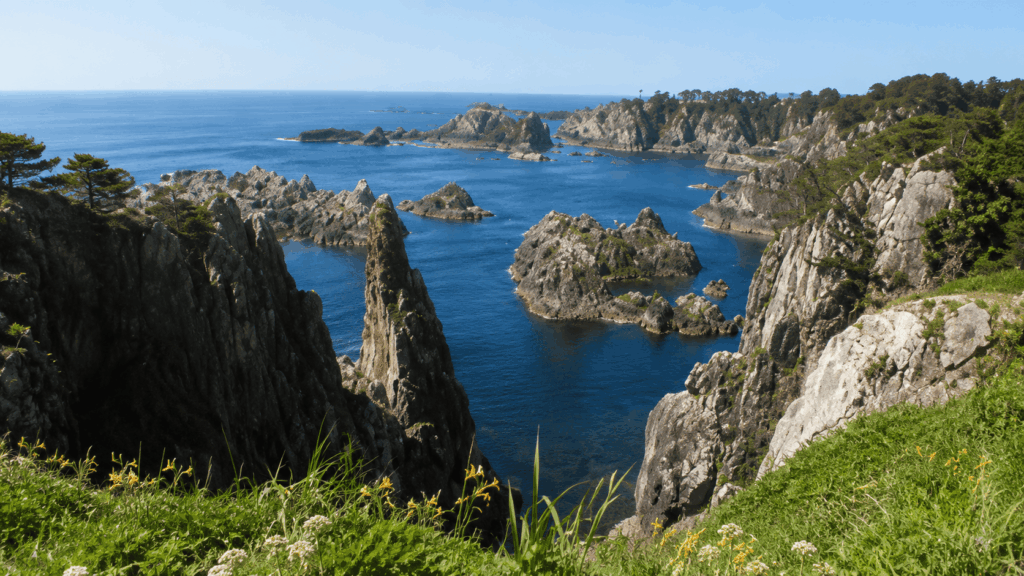
Getting to Sado Island always sounds harder than it is—until you are standing at a ferry terminal wondering whether you picked the right boat. The good news is that there is one route that works for almost everyone, and it involves just a shinkansen, a short hop across Niigata, and one ferry crossing.
Over years of arranging Sado trips for first-time visitors, I have noticed that the confusion is rarely about the ferry itself. It is almost always about the connections around it: the last few kilometers from Niigata Station, the early-morning timetable, and what happens after you dock at Ryotsu Port. This guide covers the full chain, so you can plan the ferry—and everything before and after it—in one go.
Want fewer moving parts? If you would rather make Sado one coordinated day from Niigata instead of matching ferry times, port transfers, and island transport yourself, check live availability, inclusions, and current booking terms for the 13-hour private Sado tour from Niigata.
The Easiest Way to Get to Sado Island from Tokyo
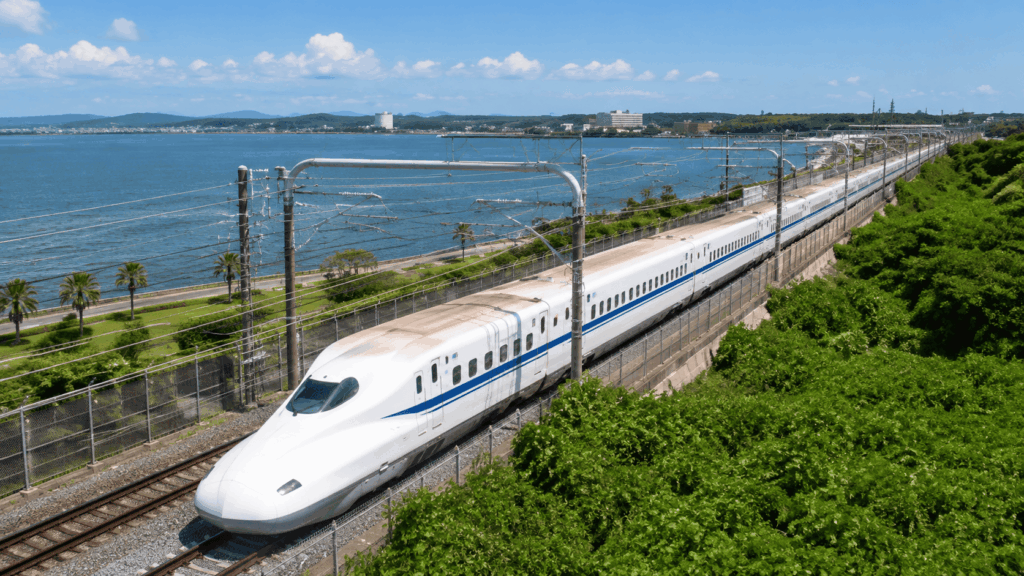
For a first visit, the clearest route is:
Tokyo Station → Joetsu Shinkansen to Niigata Station → bus or taxi to Niigata Port → Sado Kisen ferry to Ryotsu Port
- Tokyo to Niigata Station: Joetsu Shinkansen (Toki), roughly 1.5–2.5 hours depending on the train.
- Niigata Station to Niigata Port: local bus, about 15 minutes (260 yen), or taxi, about 10 minutes (around 1,500 yen).
- Niigata Port to Ryotsu Port: Sado Kisen car ferry in about 2 hours 30 minutes, or jetfoil in about 67 minutes.
In practice, you can leave Tokyo in the morning and be on Sado before lunch if you take the jetfoil, or by early afternoon if you take the car ferry. If you would rather have the ferry tickets and island transfers arranged for you, private day tours from Niigata are available—I compare the DIY route against them later in this guide.
Step by Step: Tokyo to Ryotsu Port
Here is the full journey as a single chain, with the details for each leg below.
| Stage | Route | Transport | Approx. time | Key tip |
|---|---|---|---|---|
| 1 | Tokyo Station → Niigata Station | Joetsu Shinkansen (Toki) | 1.5–2.5 hrs | Reserve your seat online if you can; the train is busy on weekends. |
| 2 | Niigata Station → Niigata Port | Local bus (Niigata Kotsu) or taxi | 15 min by bus / 10 min by taxi | Follow signs to the Bandaiguchi exit for the ferry bus stop. |
| 3 | Niigata Port → Ryotsu Port | Sado Kisen car ferry or jetfoil | 2 hrs 30 min / 67 min | Book ahead in summer and on weekends—the jetfoil is all-reserved seating. |
Step 1: Tokyo to Niigata by Joetsu Shinkansen
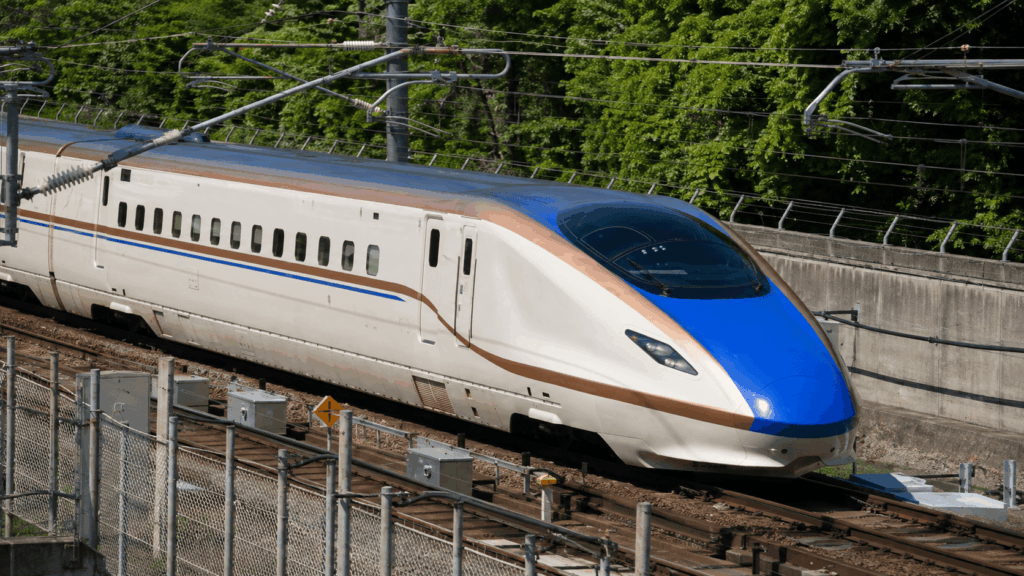
The Joetsu Shinkansen runs direct from Tokyo Station to Niigata Station roughly twice an hour. Journey times vary by train—some Toki services make more stops than others—so check the timetable rather than assuming a single fixed time. A reserved seat on the one-way trip costs roughly 10,000 yen depending on the season; fares can be cheaper for non-reserved seats on some services. Confirm the current fare and timetable on the JR East website before you travel.
If you hold a Japan Rail Pass, the Joetsu Shinkansen is covered, though you may need to reserve a seat at a ticket office or online. Niigata Station is the end of the line, so there is no risk of missing your stop—everyone gets off there.
Step 2: Niigata Station to Niigata Port
Niigata Port (also called the Sado Kisen terminal) is not inside Niigata Station. You need to cover the last few kilometers to the Bandaijima waterfront, and this is where first-time visitors lose time. The station is large, and the ferry bus stop sits at the Bandaiguchi (east) exit, not the main west exit where most people come out.
| Local bus (Niigata Kotsu) | Taxi | |
|---|---|---|
| Cost | 260 yen | Around 1,500 yen |
| Time | About 15 minutes | About 10 minutes |
| Drop-off | Right at the Sado Kisen terminal | Right at the terminal entrance |
| Best for | Budget travelers; anyone with light luggage | Heavy luggage, tight transfers, and early departures |
The bus fare is paid on alighting—cash or IC card (Suica, Pasmo, or the local Ryuto IC) works. A taxi from the station rank takes about 10 minutes and is worth the money if you are carrying bags across a tight connection or heading to the terminal before the first buses run. Note that the bus stops at Niigata Station changed in 2024 due to station renovation work, so follow the current station signage rather than an older map.
Step 3: Niigata Port to Ryotsu Port by Sado Kisen
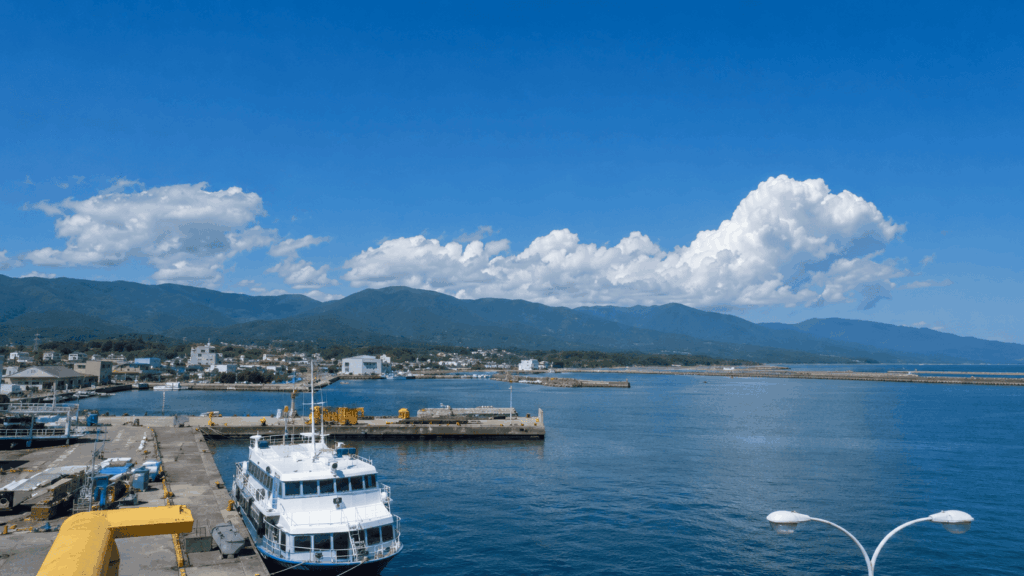
Sado Kisen runs two types of service between Niigata Port and Ryotsu Port on Sado’s east coast:
- Car ferry: about 2 hours 30 minutes, with open seating, outdoor decks, and space to move around. This is the budget option and the only one that carries vehicles.
- Jetfoil: about 67 minutes, all seats reserved, plane-style cabin with seatbelts. Faster, pricier, and no vehicle service.
Both arrive at Ryotsu Port, which is the main gateway to the island and where most rental cars, buses, and tours start from.
Car Ferry or Jetfoil: Which Should You Take?
This is the decision most travelers get stuck on, and the answer depends on how you value time versus money—plus how much you care about the crossing itself. Here is the honest comparison.
| Car ferry | Jetfoil | |
|---|---|---|
| Crossing time | About 2 hrs 30 min | About 67 min |
| Typical one-way fare (adult) | From around 3,500 yen (2nd class) | Around 8,000 yen (all seats reserved) |
| Seating | Open, carpeted lounges (2nd class); reserved seats available (1st class and up) | All seats reserved, plane-style |
| Can you lie down? | Often yes on the carpeted 2nd-class floor—but it is first come, first served | No—seats recline only slightly |
| Outdoor deck | Yes, with views of the coastline and gulls following the wake | No |
| Food & drink on board | Limited—the onboard cafeteria closed in early 2026; bring your own | None—bring anything you need before boarding |
| Best for | Budget travelers, families, anyone who enjoys the journey itself or carries a lot of luggage | Day trippers, travelers on a tight schedule, anyone prone to seasickness |
| Main downside | Slow; 2nd class can be crowded on summer weekends | Costs more than double the 2nd-class ferry fare |
Fares change—Sado Kisen revises its fuel adjustment charge every three months—so treat the numbers above as a planning range and check the current fare table on the Sado Kisen website before booking.
Choose the Car Ferry If You Want the Cheaper, More Relaxed Crossing
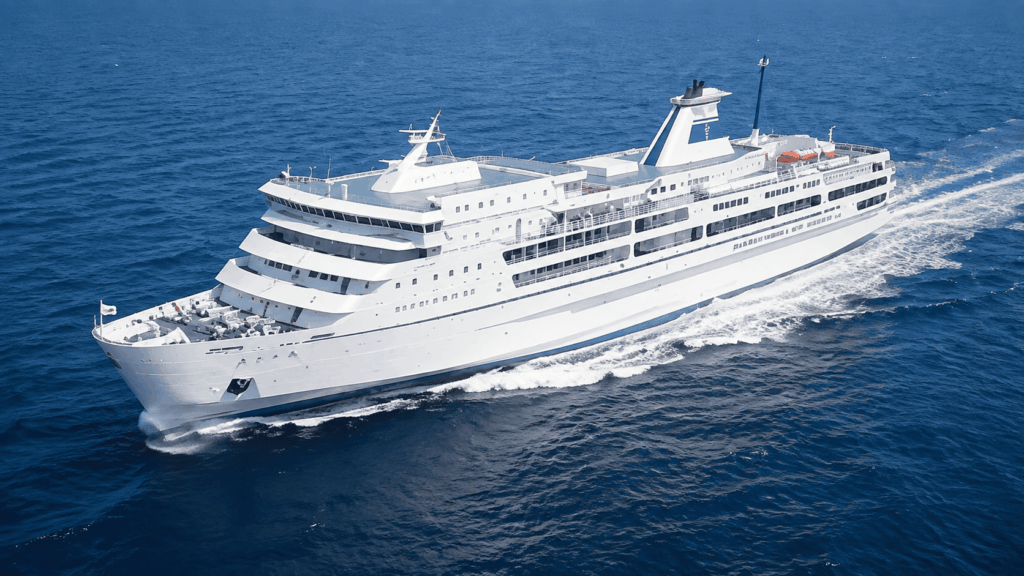
The car ferry is the workhorse of the Niigata–Ryotsu route, and for most first-time visitors it is the sensible choice. You get two and a half hours of open space, a carpeted lounge where you can stretch out, and the option of standing on the deck watching the coastline recede—which, honestly, is part of the Sado experience. The 2nd-class fare comes in at roughly half the jetfoil price, and you can upgrade to a reserved 1st-class reclining seat for a modest supplement if you want a guaranteed spot.
Best for: travelers watching their budget, families with children, cyclists or anyone carrying large luggage, and people who treat the crossing as part of the trip rather than dead time.
Choose the Jetfoil If Your Time on Sado Matters More
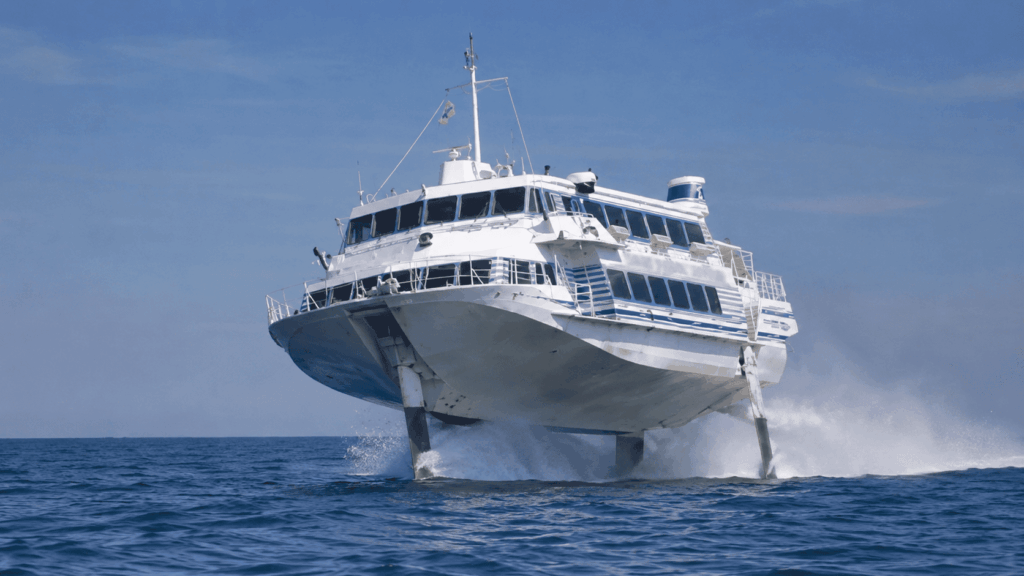
The jetfoil saves you over an hour and a half each way—enough to turn a rushed day trip into a comfortable one. It runs on hydrofoils at high speed, which means a plane-like cabin with assigned seats and seatbelts. It does not eliminate motion entirely, but travelers who worry about seasickness generally find it more comfortable than a slower boat in rough conditions; the trade-off is a cabin where you stay seated for the whole crossing.
Best for: day trippers, travelers squeezing Sado into a Japan itinerary, anyone who prefers a fixed seat, and visitors prone to seasickness. Bring your own water and snacks—there is no food or drink service on board, and the jetfoil terminal is minimal.
Taking the 6:00 a.m. Ferry: What Most Guides Don’t Tell You
The 6:00 a.m. Sado Kisen car ferry from Niigata Port to Ryotsu Port is a popular choice for travelers who want to maximize their first day on the island—and it is the one that causes the most confusion, because the connections around it are not obvious from a timetable.
Here is the part that surprises people: the first local bus from Niigata Station to the port departs around 7:10 a.m. on the current timetable. The 6:00 a.m. ferry leaves roughly an hour before the first bus arrives. You cannot casually roll off a train, catch a bus, and make that sailing unless the timing works out precisely—and in practice, it rarely does for a visitor arriving from Tokyo.
Kai’s tip: If you want the 6:00 ferry, plan for Niigata the night before and take a taxi from your hotel to the terminal in the morning. The taxi ride takes about 10 minutes, so leaving the hotel by 5:30 a.m. is comfortable. Trying to make the same sailing from Tokyo on the same morning means either a very early shinkansen or a taxi from Niigata Station, and you are paying for the stress either way. Staying in Niigata also means you can collect your ferry tickets or pass the evening before, which helps when the exchange counters do not open until 9:00 a.m.
Buy Breakfast Before You Board
The terminal’s shops—the Tokimeki-kan souvenir shop and the Shiosai cafeteria—open around 7:00 a.m., which is too late for a 6:00 departure. The onboard cafeteria on the car ferry closed in early 2026, so the crossing no longer has a reliable place to buy a hot meal.
The practical approach is to buy breakfast and drinks the night before at a convenience store near your Niigata hotel, and bring your own food onto the ferry. This is normal on this route—passengers regularly board with konbini bags and coffee—and it costs a fraction of what you would pay for a rushed terminal breakfast.
How to Book and Board the Sado Ferry
Booking through the Sado Kisen website is straightforward and available in English. You select your route (Niigata–Ryotsu), your sailing, and your class, then pay by credit card. The confirmation comes as a digital ticket you show at the terminal gate, which is the smoothest option if you are traveling with just a phone.
You can also buy tickets at the counter at Niigata Port on the day, but this carries risk: the jetfoil is all-reserved seating, and on summer weekends and holidays the car ferry’s 2nd class can fill up too. In my experience arranging trips for visitors, the jetfoil in particular sells out ahead of time far more often than people expect—if you are set on a specific sailing, book it as early as you can.
Boarding is a straightforward walk-on process. Follow signs for Niigata Port or Sado Kisen at the terminal, show your ticket at the gate, and walk down the gangway. The car ferry gates open well before departure, so you have time to find your spot.
Why 2nd Class Is Not a Guaranteed Place to Sleep
2nd class on the car ferry is an open, carpeted lounge with pillows and blankets—the kind of space where travelers stretch out for the crossing. It is also unreserved, first come, first served, which is where expectations go wrong.
Kai’s tip: On a full sailing, the best carpeted spots near the windows are taken quickly, and late boarders end up on the floor closer to the aisles or near the doors, where it is noisier and harder to sleep. If a good lie-down matters to you—after an early start, for example—the small upgrade to a reserved 1st-class reclining seat is worth it, because it guarantees your spot for the whole crossing. If you are happy to sit up, 2nd class is fine; just do not count on a prime corner of the carpet.
What the Car Ferry Ride Is Actually Like
The Niigata–Ryotsu crossing is an open-water run, and two and a half hours on the car ferry is more pleasant than people expect. The lounges are spacious, the outdoor deck gives you the classic Sado sight—gulls and shearwaters following the wake, the coastline of the mainland slowly falling away—and there is enough room to walk around, which matters on a longer crossing.
Seasickness is the question travelers ask most about. The ferry is a large vessel, which helps, but the Sea of Japan is not a lake—rough days happen, especially if you are visiting Sado Island in winter. If you are prone to motion sickness, the jetfoil is generally reported as more comfortable, and over-the-counter motion sickness tablets are available at any Japanese pharmacy; take one before boarding rather than waiting to see how you feel. In the ferry’s 2nd-class lounge, a spot near the center of the ship, away from the windows, tends to feel steadier.
One thing I tell visitors: treat the crossing as part of the day, not as lost time. On the car ferry you can rest, look at the sea, and arrive at Ryotsu Port ready for the island—which matters, because Sado is bigger than most people assume.
What to Do After You Arrive at Ryotsu Port
Ryotsu Port is the main gateway to Sado, and most of the island’s transport options start from here: rental car offices just outside the terminal, local buses for the main towns and sights, and taxis at the rank. A tourist information desk operates near the arrival area, where you can pick up bus timetables and maps.
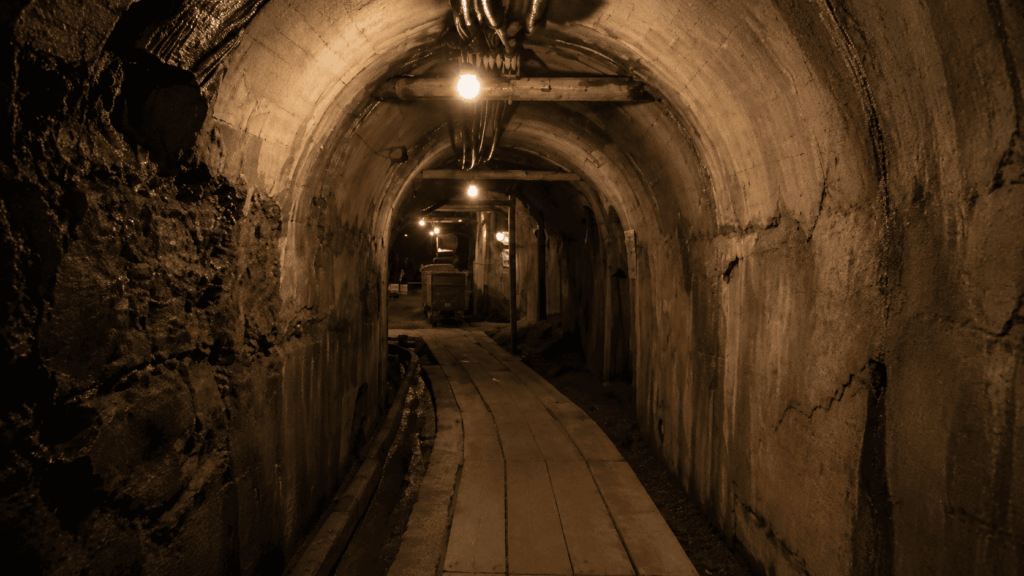
Recent visitors consistently say the same thing about Sado: it is much larger than it looks on a map, and the distances between sights eat up more time than expected. If you are staying near Ryotsu or taking a tour that includes transport, you can relax—but if you plan to explore on your own, decide before you dock how you will get around the island, because buses on Sado are infrequent outside the main routes. The one sight most travelers have on their list, the Sado Gold Mine, sits about 40 minutes by car from Ryotsu Port—a reminder that the island rewards a little advance planning, especially when building a 2- or 3-day itinerary.
Getting Back to Niigata: Why I Often Take the Jetfoil
Most guides treat the outbound journey and stop there, but the return leg deserves its own decision. On many of my trips with visitors, the pattern that works best is the car ferry out in the morning and the jetfoil back in the afternoon or evening—you get the relaxed, scenic crossing when you are fresh, and the fast connection when you are tired and simply need to be back on the mainland.
Taking the jetfoil back also protects your onward travel. A 67-minute crossing lands you at Niigata Port with the whole evening ahead, which is a comfortable margin before a night bus or a last train out of the city. From the terminal, the same options run in reverse—bus or taxi to Niigata Station—with buses timed to meet the ferry arrivals.
Kai’s tip: The return jetfoil arrives at Niigata Port just as several ferry passengers are funneling toward the same bus stop, and the queue for the station bus can be long on summer evenings. If you have a tight connection after docking, it is worth taking the taxi—around 10 minutes and roughly 1,500 yen—rather than waiting through one or two full buses. Alternatively, sit near the exit of the jetfoil cabin so you are among the first off and near the front of the queue.
Is the SADO NIIGATA PASS Worth It for This Route?
The SADO NIIGATA PASS covers a round-trip car ferry crossing (2nd class) between Niigata and Ryotsu, plus the Niigata City loop bus and three days of unlimited local bus travel on Sado. At around 10,000 yen for adults, it pays for itself if you are using the island’s buses rather than renting a car—the ferry round trip alone accounts for roughly 7,000 yen of the value.
Two practical notes:
- The pass is exchanged in person at the Niigata City Tourist Information Center, which opens around 9:00 a.m.—so if you are taking the 6:00 a.m. ferry, collect it the evening before.
- The pass covers the car ferry, not the jetfoil. If you plan to take the jetfoil for speed, the pass may not be the right fit; calculate the jetfoil fares separately before deciding.
If you are renting a car on Sado, the bus portion of the pass is wasted and the math changes—in that case, a plain round-trip ferry ticket is usually the better deal.
DIY or Take a Tour from Niigata?
Arranging the ferry yourself is not difficult—the route is well signposted and the Sado Kisen website handles bookings in English—so do not feel you need a tour just to cross the water. The DIY option gives you full control over your schedule and works out cheaper for confident travelers.
Where a tour earns its keep is in the details: someone else manages the ferry booking, the port transfers, and—most importantly—getting you around the island once you dock, where public transport is infrequent. Private tours from Niigata, such as the 13-hour full-day Sado Island tour listed on GetYourGuide, typically include hotel pickup, the ferry crossing, a private vehicle on Sado with a guide, and return transfers. That is a different product from a ticket, and it suits travelers who want to see the island’s key sights without watching a bus timetable all day.
| DIY by public transport | Private tour from Niigata | |
|---|---|---|
| Cost | Lowest—shinkansen plus ferry fares | Highest—a premium for guide, vehicle, and transfers |
| Freedom | Complete control over stops and pace | Fixed itinerary, but flexible within the day |
| Planning effort | You book trains, ferry, and island transport | One booking covers the day |
| Ferry & port logistics | You manage timing and transfers | Included in the tour |
| Best for | Budget travelers, repeat visitors, anyone comfortable with Japanese timetables | First-timers on a tight schedule, families, travelers who want the day to run smoothly |
If the ferry itself is not the problem but coordinating everything around it is, this is the strongest alternative to the DIY route.
Why I’d book this one
- The tour bundles the ferry crossing, Niigata-side transfers, and private transport on Sado, removing the connections that create most of the planning friction.
- An English-speaking guide and a structured island itinerary make it easier to cover key sights without building the day around infrequent local buses.
- Because this is a newer listing, check the latest traveler reviews, cancellation terms, and exact inclusions on the booking page before deciding.
Final Tips Before You Travel to Sado
Before you commit to dates and book the ferry, run through this short checklist:
- Check the timetable, not just the fare. The 6:00 a.m. ferry runs on many days but not every day of the year—confirm the current Sado Kisen timetable for your specific date.
- Decide outbound and return separately. Car ferry out, jetfoil back is a popular and practical combination; there is no rule that says both legs must match.
- Check the service status before travel. Ferries can be canceled in rough sea conditions, especially in winter. Sado Kisen publishes current service status on its website—check it the night before and again on the morning of departure.
- Plan your transport on Sado before you dock. Decide between rental car, local buses, or a tour, because the distances on the island are larger than they look.
- Bring cash and an IC card. The terminal bus accepts cash and IC (Suica, Pasmo, Ryuto IC); smaller shops on Sado may be cash-only.
- Give yourself a buffer in Niigata. If you are connecting to a night bus or train after returning, a jetfoil arrival in the evening leaves a comfortable margin—the ferry, not the train, is the leg most likely to be delayed by weather.
FAQ
How long does it take to get from Tokyo to Sado Island?
Plan for roughly 4.5 to 5.5 hours by public transport. The Joetsu Shinkansen from Tokyo Station to Niigata Station takes about 1.5–2.5 hours depending on the train, then the ferry from Niigata Port to Ryotsu Port takes about 67 minutes by jetfoil or around 2 hours 30 minutes by car ferry. Add 20–30 minutes for the transfer between Niigata Station and the port, and you have a realistic picture of the day. You can leave Tokyo in the morning and be on Sado before lunch with the jetfoil, or by early afternoon with the car ferry.
Can I do a day trip from Tokyo to Sado Island?
Yes, but it is a long day. The jetfoil makes it feasible: Tokyo to Niigata in about 2 hours, the crossing in about 67 minutes, and you can be on the island by late morning. You then have several hours on Sado before the return (see our realistic day trip plan from Niigata for how to structure them). With the car ferry both ways, the day becomes mostly travel, and you would have very little time on the island. If you want to see more than one or two sights, an overnight stay on Sado is the more comfortable option—and private day tours from Niigata exist specifically for travelers who want the sightseeing handled on a tight schedule.
Do I need to book the Sado ferry in advance?
It depends on the season and the boat. The jetfoil has all-reserved seating and sells out ahead of time on summer weekends and holidays—book that one early. The car ferry’s 2nd class is unreserved and rarely fully sold out except at peak times, though 1st-class reserved seats can fill up. The safest approach for a specific date is to book online through the Sado Kisen website, which is available in English; you can also buy at the counter at Niigata Port, but you take your chances on availability.
What is the cheapest way to get to Sado Island?
The car ferry’s 2nd class is the cheapest crossing, with one-way adult fares from around 3,500 yen including the current fuel adjustment. For the whole journey from Tokyo, the Joetsu Shinkansen adds roughly 10,000 yen one way, and a Japan Rail Pass can cover that leg if you have one. The SADO NIIGATA PASS (around 10,000 yen for adults) covers a round-trip car ferry plus three days of Sado bus travel and the Niigata City loop bus—worth considering if you are using island buses instead of a rental car.
Is the jetfoil or the car ferry better for seasickness?
Most travelers report the jetfoil as the more comfortable option in rough conditions, because it rides on hydrofoils above the waves and has assigned seats. The car ferry is a larger, slower vessel—generally steady, but the Sea of Japan can get rough, especially in winter. On either boat, sit near the center of the vessel, take motion-sickness tablets before boarding, and check the service status on the Sado Kisen website before you travel; ferries can be canceled in heavy weather.
Can I take a rental car onto the Sado ferry?
Yes—the car ferry carries vehicles, and you reserve vehicle space when you book your ticket through Sado Kisen. You drive your car on at Niigata Port and off at Ryotsu Port. Note that the jetfoil carries no vehicles, and rental cars on the mainland are not usually allowed on the ferry without advance vehicle booking, so check the vehicle reservation terms before you plan this option.
Final Verdict
If you take one thing from this guide, let it be this: the ferry is the easy part. The connections around it—the last few kilometers from Niigata Station, the early-morning timetable, and how you will move around the island once you dock—are what decide whether the day goes smoothly. Plan those, and the crossing itself takes care of you.
Choose the car ferry if you are watching your budget, traveling with family or heavy luggage, or simply want the scenic, relaxed crossing as part of the Sado experience. The 2nd-class lounge is fine if you are happy to sit up; pay the small supplement for a reserved 1st-class reclining seat if a guaranteed place to rest matters to you.
Choose the jetfoil if your time on the island matters more than the money, you are on a day trip, or you prefer a fixed seat in a cabin. Book it early—it is all-reserved and sells out on busy dates—and bring your own snacks and water, because there is nothing on board.
For first-time visitors, the most forgiving plan is to stay in Niigata the night before, take the 6:00 a.m. car ferry out, and return by jetfoil in the afternoon or evening. You get the full crossing experience when you are fresh, a fast ride back when you are tired, and you sidestep the early-morning bus problem entirely.
For families, the car ferry is the natural fit—space to move, decks to explore, and no assigned seats to police. Bring food and drinks from a convenience store the night before, since the onboard cafeteria closed in early 2026.
For travelers on a tight schedule, the jetfoil both ways is the honest recommendation: about 67 minutes each way, all seats reserved, and a comfortable margin for your onward connections at Niigata Port—just book ahead and sit near the exit for a quick getaway at the station bus stop.
For repeat visitors, skip the standard route entirely and consider the Naoetsu–Ogi car ferry from the mainland’s Joetsu region, which runs seasonally (roughly late March to late November) and lands you on the island’s quieter west side near Ogi’s preserved cove district—a different arrival for a different trip. And if the thought of coordinating the ferry, the port transfers, and the island transport is the reason you have not booked yet, a private tour from Niigata puts all of it in one booking—check current options on GetYourGuide to see whether that fits your trip better than the DIY route.

Hi, I’m Kai. I’m a Tokyo-based travel writer, tourism industry insider, and the author of a published guidebook for international visitors to Japan. With over 10 years of professional experience at a leading Japanese tourism company, my mission is to help you skip the tourist traps and navigate Japan’s best destinations like a local. I believe the perfect day trip is like a traditional kaiseki meal: a beautiful balance of precise planning and unforgettable seasonal discovery. When I’m not out conducting field research, you’ll usually find me drafting new itineraries with one of my favorite fountain pens!