
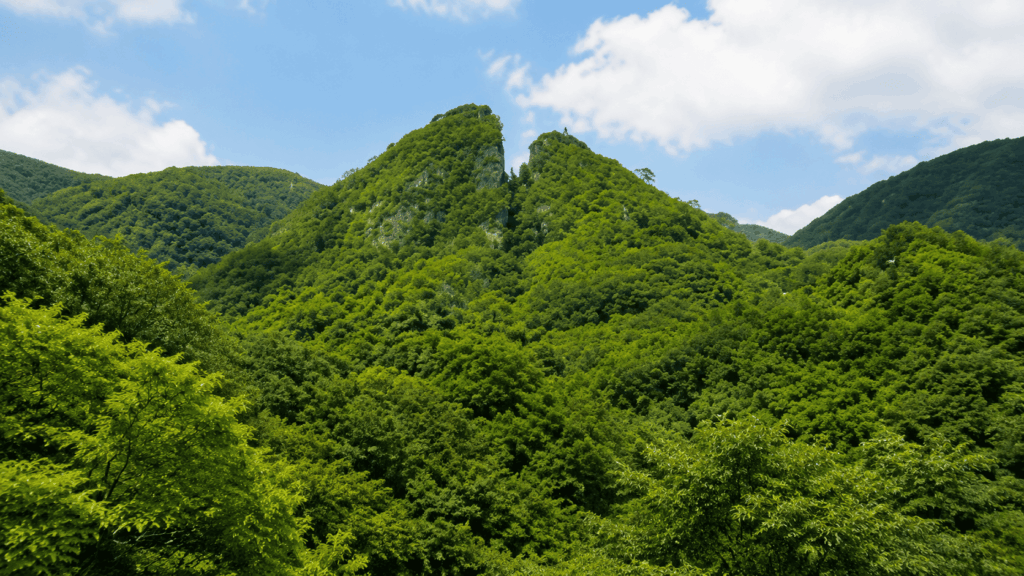
Sado Island is bigger than most first-time visitors expect — and that is where most itineraries fall apart. The port of Ryotsu is roughly a 50-minute drive from the Sado Gold Mine at Aikawa, and the southern village of Shukunegi is a separate hour from the ferry. Plan for three days and two nights if you can: it is the version the official Visit Sado guide recommends, and it is the only one that lets you see the gold mine, the north coast and the Ogi Peninsula without feeling like you are commuting between stops.
If you only have two days, you can still make it work — but only if you decide on your transport first (rental car, public bus, or a private tour) and cut one region. This guide is built to answer that decision, then give you a day-by-day plan that actually fits the ferry times and bus schedules.
If you have only one day or do not want to drive, it is worth comparing the DIY plan with a private option before you lock in your ferry times. Check the current itinerary, availability and booking conditions for the 13-hour private Sado Island tour from Niigata.
How Many Days Do You Need on Sado Island?
The short answer: three days and two nights is the sweet spot for a first visit. Two days and one night is realistic if you drive or are comfortable cutting the south, and a day trip is only worth it if you accept seeing one area — or join a tour that handles the logistics for you.
What surprises most first-time visitors is how the island splits into three distinct areas: the gold-mine town of Aikawa in the west, the north coast around Onogame, and the Ogi Peninsula in the south. Each sits roughly an hour from Ryotsu Port, and you cannot meaningfully combine two of them in a half-day. (For a full overview of these sights, check out the best things to do in Sado Island.) That geography — not the ferry — is what sets your minimum stay.
| Option | What you can realistically cover | Who it suits | Verdict |
|---|---|---|---|
| Day trip from Niigata | One area only — usually the Aikawa gold-mine area or Ogi | Travelers with no spare days who are happy to see one region | Only with a private tour or a very tight rental-car plan |
| 2 days / 1 night | Aikawa and the gold mine, plus one other area if you drive | Travelers with a rental car, or those willing to skip the south | Works, but feels packed |
| 3 days / 2 nights | All three areas: Aikawa, the north coast, and Ogi / Shukunegi | Most first-time visitors | Best balance — and Visit Sado’s official recommendation |
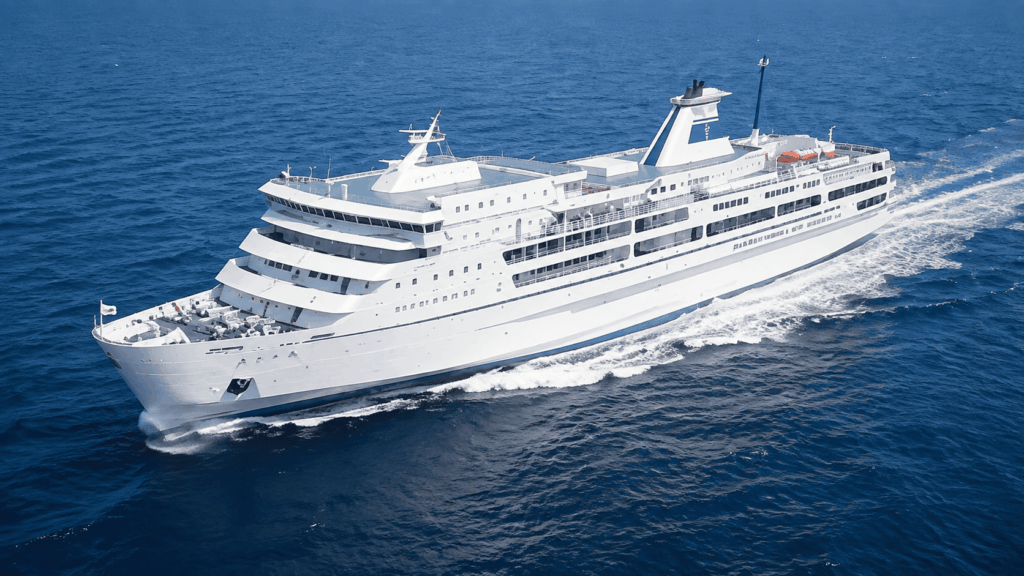
Your ferry choice also shapes the first and last days. A jetfoil from Niigata Port reaches Ryotsu in about 67 minutes, while the car ferry takes around 2.5 hours — the difference between arriving on the island at mid-morning and at lunchtime. (If you are traveling from the capital, our guide on how to get to Sado Island from Tokyo breaks down the best routes.) Check the seasonal timetable when you book, because the jetfoil’s early departures are what make a two-day plan workable.
The mistake I see first-time visitors make is trying to fit Sado Gold Mine and the Ogi Peninsula into the same day. On paper the drive is only about an hour, but the gold mine itself deserves a solid two hours and the tarai-bune ride area needs another afternoon. Split them across two days and the trip stops feeling like a race.
Choose Your Transport Before You Build Your Itinerary
On Sado, transport is not a detail — it is the decision that determines how many days you need. The island’s fixed-route buses (run by Niigata Kotsu Sado) do cover the main lines — Honsen, Minami and Ogi — but they are not frequent, and the regular sightseeing bus that older blogs describe is currently suspended. Your three realistic options are a rental car, the public bus, or a private tour from Niigata.
| Rental car | Public bus (Niigata Kotsu Sado) | Private tour from Niigata | |
|---|---|---|---|
| Best for | Confident drivers who want flexibility | Budget travelers and non-drivers who can plan around timetables | Short visits, non-drivers, families, anyone who dislikes logistics |
| Rough cost | Daily rental rate plus the car’s own ferry fare if you bring one | From around ¥260 per ride; passes ¥2,000 (1-day) / ¥3,000 (2-day) / ¥3,500 (3-day) | From around $2,000+ per group (up to 6 people), door-to-door |
| The catch | Japanese roads and parking; you pay to get the car across the strait | Infrequent buses; you plan your day around departures | Most expensive; confirm exactly what is included before booking |
| Who it suits | Couples or small groups splitting costs | Solo travelers and budget trips | One-day visitors, non-drivers, families with children |
Rental Car

Car rental desks operate right at the Ryotsu and Ogi ferry terminals, which makes a rental car the most flexible option. Official drive times from Ryotsu Port are around 50 minutes to Aikawa (Sado Gold Mine), around 60 minutes to Ogi, and around 60 minutes to Onogame on the north coast. With a car, a two-day, one-night plan becomes genuinely comfortable — you can reach the gold mine in the morning and still make the south by late afternoon.
Two costs catch people out. First, bringing your own car on the ferry adds a significant surcharge on top of passenger fares. Second, renting on the island is the cheaper route if you fly or take the train to Niigata — you skip the ferry surcharge entirely. Either way, check current rates with Sado Kisen or the rental desk before you commit, because they change by season.
Public Bus
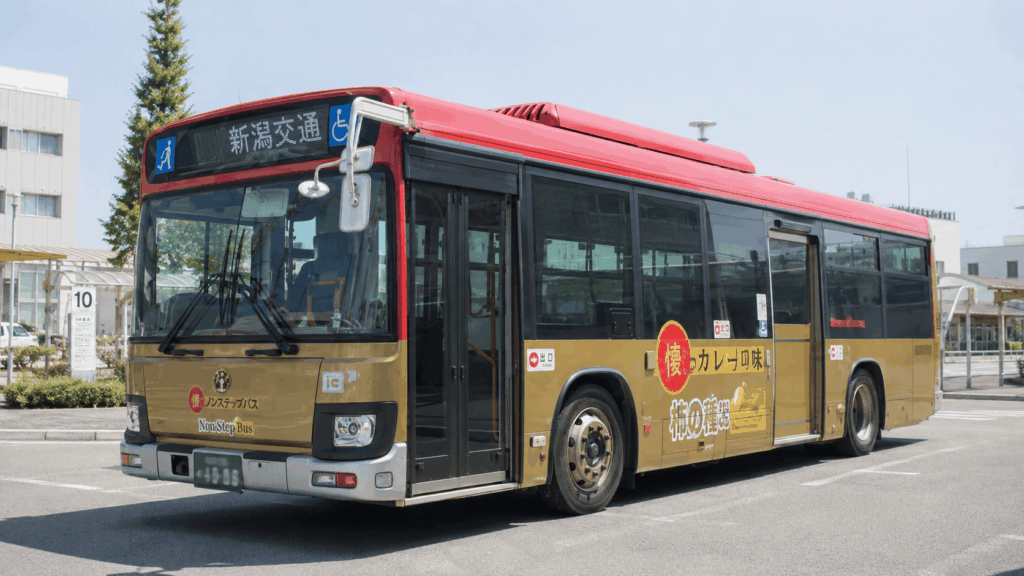
Travelling by bus on Sado is possible and much cheaper — fares start around ¥260, and the 3-day bus pass at ¥3,500 is good value if you make several trips a day. The Honsen Line covers the main east-west route through Ryotsu, Aikawa and Sawata, while the Minami and Ogi lines reach the south. You can reach the Sado Gold Mine area by bus from Ryotsu, and the Ogi Line drops you a minute’s walk from Shukunegi village.
The trade-off is frequency. On many routes buses run hourly or less, so your itinerary starts to look like a train timetable: you build the day around departures rather than around sights. For a two-day trip this is the difference between “see the gold mine and the south” and “see the gold mine or the south”.
Kai’s tip: If you travel by bus, treat the timetable as a contract and your phone as a copilot. On my first trip across the island, the driver’s announcements were quick and in Japanese, so I kept the current timetable PDF open and followed the map on GPS, pressing the stop button before my stop like on any Japanese city bus. Give yourself at least one connection buffer — if you miss a bus on the Ogi Line, the next one can be an hour or more away, and that is an hour you do not get back before the last ferry.
Private Tour from Niigata
If you have only one day, do not want to drive, or simply do not want to gamble on ferry and bus connections, a private tour from Niigata bundles the ferry, island transport and an English-speaking guide into a single full-day package. It is the most expensive option — from around $2,000 per group of up to six people — but it removes the two biggest risks on Sado: ferry timing and bus gaps. A good operator will also cover the gold mine and the Ogi Peninsula in one day in a way that would be exhausting on public transport.
Before you book, confirm what the price includes — ferry tickets and lunch are sometimes separate — and check the cancellation policy, since weather can change plans on both the strait and the tarai-bune. This option makes the most sense for one-day visitors and for travelers who value their time over their budget.
If you fall into that camp — you have one day, do not want to drive, and want both the gold mine and the Ogi side without building the day around bus connections — this is the one tour worth comparing with the DIY option.
Why I’d book this one
- The ferry, private transport on Sado and an English-speaking guide are bundled into one itinerary, which removes most of the moving parts from a day trip.
- The planned route combines Sado Gold Mine, Shukunegi and a tarai-bune experience — the combination that is hardest to reproduce independently in one day.
- You can check the current inclusions, cancellation terms and available dates before deciding whether the convenience is worth the premium.
With transport decided, the itinerary below assumes you have settled on either a car or bus for the 3-day version. If you chose a private tour, your guide will run a similar route — the day-by-day plan still tells you what matters most.
The Best 3-Day Sado Island Itinerary for First-Timers
This plan assumes you arrive by ferry at Ryotsu Port. It is deliberately built around the island’s three areas — the Aikawa gold-mine region in the west, the north coast, and the Ogi Peninsula in the south — so you are never crossing the island twice. Each day works with a rental car or the public bus, with notes on timing for both.
Day 1 — Arrive at Ryotsu and Head Toward Aikawa
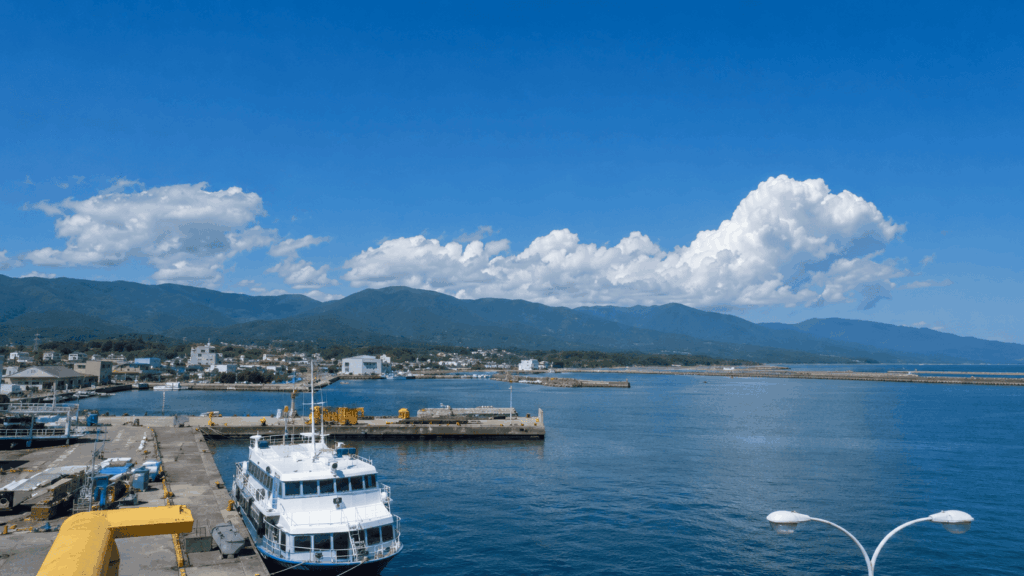
Take the earliest ferry you can manage. A jetfoil from Niigata Port reaches Ryotsu in about 67 minutes, so a morning departure puts you on the island before lunch. The car ferry takes around 2.5 hours — fine for a 3-day trip, but it eats into your first afternoon.
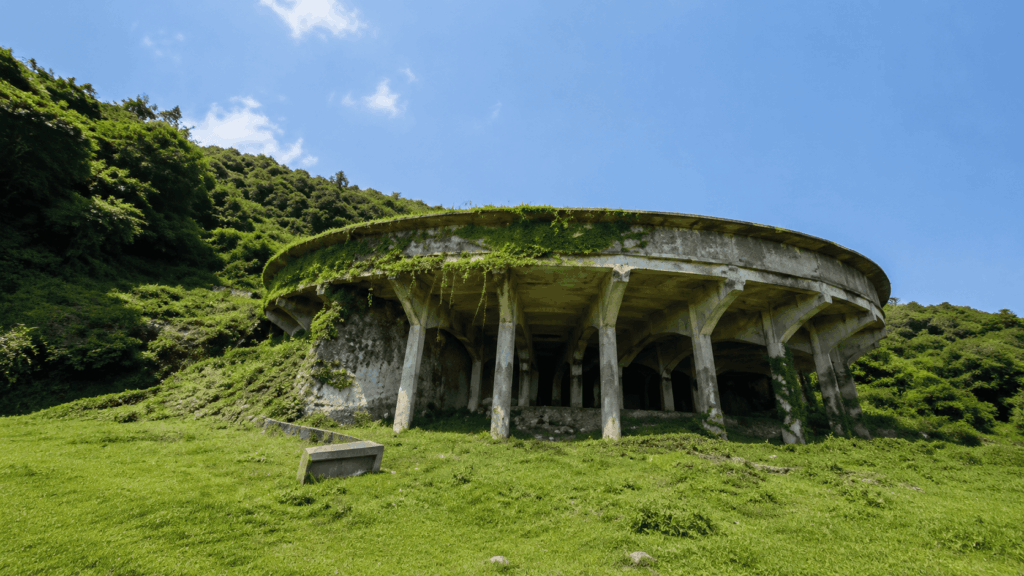
Morning / midday: From Ryotsu, head toward the west and the town of Aikawa. The drive takes roughly 50 minutes by car; by bus, follow the Honsen Line toward Aikawa and expect the same journey at bus pace. If you arrive early enough, start at the free Kitazawa Flotation Plant — the atmospheric ruin of a 19th-century ore-processing plant that sits beside the coast on the way into Aikawa. It is an outdoor site, so save it for a clear afternoon rather than making it a must-see.
Late afternoon: Check in and walk the old town of Aikawa, the former gold-mining settlement. It is a compact area with preserved wooden buildings and small museums, and it gives useful context for the following morning. On a late-arrival day — or if your ferry was delayed — skip the flotation plant and treat Day 1 as a travel day plus a stroll. Never push Sado Gold Mine into Day 1: if anything runs late, you lose your most important sight, not a secondary one.
Day 2 — Kirarium Sado and Sado Gold Mine
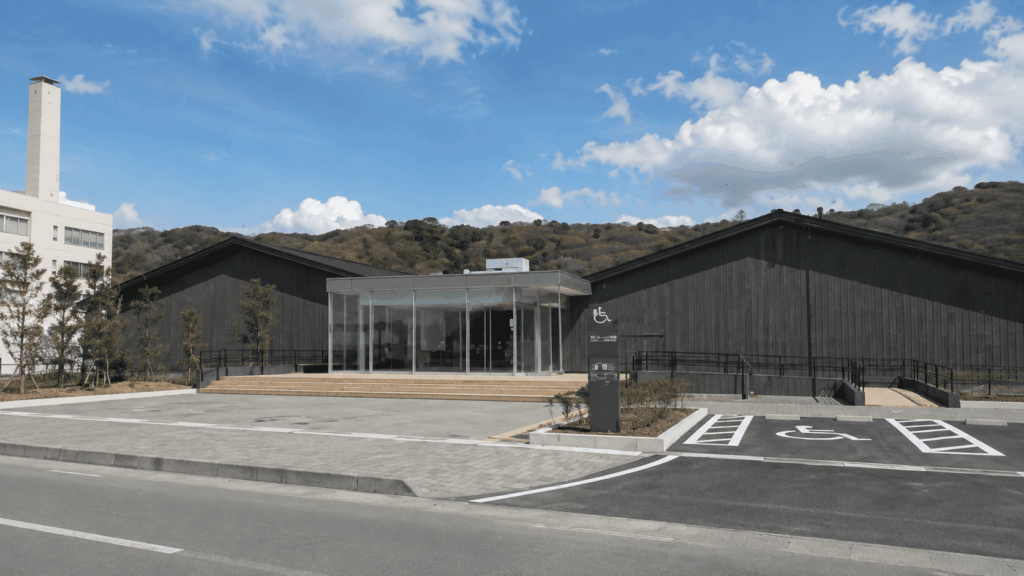
This is the day most visitors come for, and it deserves a full morning. The Sado Gold Mine site pairs two separate tunnels: Sodayu Mine, the Edo-period workings, and Doyu Mine, the Meiji-era section — together they take about 60 to 90 minutes. In the same area, Kirarium Sado is the museum complex that explains the history before you go underground.
The order matters. Visit Kirarium Sado first, then the mine. The museum’s exhibits and restored scenes make the tunnels far more legible — without it, the Edo-era tunnels are impressive but harder to read. Kirarium’s main exhibition takes around 40 minutes, and entry to the building itself is free (the exhibition hall is a small fee).
Inside the mine it stays cool all year round — around 10°C even in summer — so bring a light layer even on a hot July day. The Sodayu tunnel includes a staircase of 190 steps with handrails, and the Doyu section adds a shorter stairwell near the end. Wear shoes you can manage stairs in; this is not a wheelchair-friendly section, though staff can advise on alternatives.
Afternoon: If you are driving, you can spend the second half of the day on the north coast. Onogame, a 167-meter monolith on the sea, is about an hour from Ryotsu — a longer drive, but the coastline around it is one of the island’s most memorable sights. Futatsugame, the twin-rock formation, is a few minutes further along the same road. On the public bus, the north coast is harder to reach efficiently; if you are not driving, spend the extra afternoon back in Aikawa or in Ryotsu instead of gambling on a long bus connection.
Kai’s tip: Budget two hours for the gold mine even if you think you are a fast museum person. The two tunnels plus the connecting path add up quickly, and the last part of Doyu Mine has its own staircase, so you will move slower than you expect. What catches first-time visitors out is arriving at midday, rushing the second tunnel, and missing the atmospheric sections near the end. A thin layer and water bottle make a real difference — the tunnels are cool and the walking is continuous.
Day 3 — Ogi, Shukunegi and a Tarai-Bune Ride
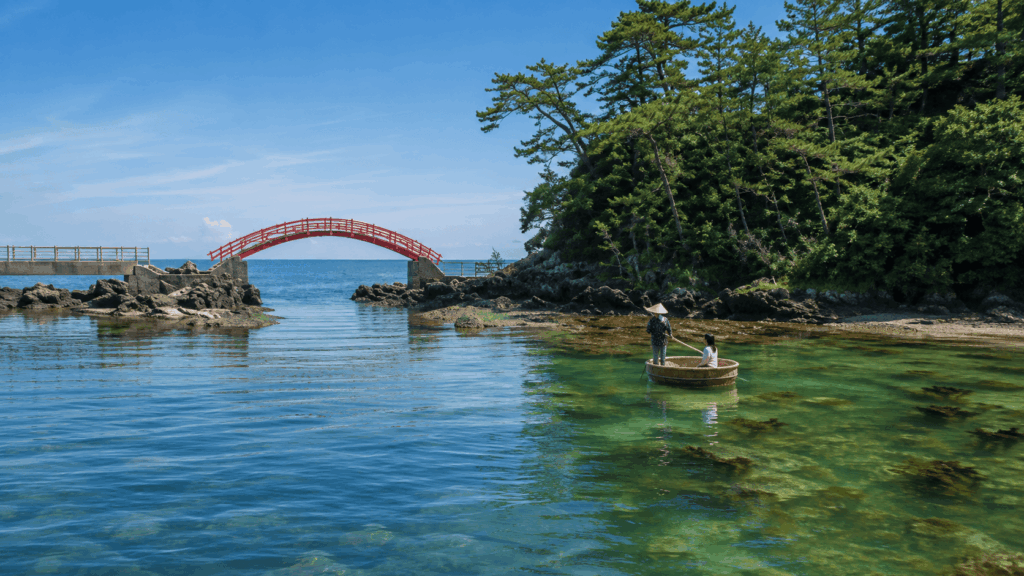
Save the south for your final day. The Ogi Peninsula is around an hour from Ryotsu by car (the Ogi Line bus also connects it), and its two headline stops — the fishing village of Shukunegi and the tarai-bune boats at Ogi — sit close together, which makes it an efficient half-day before your ferry.
Morning: Start at Shukunegi, a preserved cove village of narrow lanes and dense wooden houses once built for sailing families. From the Ogi bus stop, the village is a short walk, and it is small enough to wander in about an hour. Then take a tarai-bune ride at the Ogi waterfront — the round tub boats are the island’s famous photo moment. The experience itself is short, around 10 minutes, and costs roughly ¥500–600 per person; the boats are paddled by local operators and life jackets are provided.
Longer option: If you want a deeper version of the same coast, Shukunegi Hangiri operates boat cruises from Shukunegi village itself — distinct from the short tub-boat rides. Courses run from about 15 minutes (¥1,300 for adults) up to around 35 minutes (¥3,000) and take you out toward the open sea, where the water is livelier. The 35-minute course I took is the one I would recommend if you have the time: it gets you past the harbor and into the stretch where the coast opens up, and the local boatman narrates in the regional dialect — worth it for the atmosphere even if you catch only part of the story. On the longer course you may get a chance to try steering the boat yourself; it is harder than it looks, and the boat barely moves if you are not in rhythm with the water.
Note that Shukunegi Hangiri closes for winter, roughly late November to mid-March, and courses can be shortened or cancelled when the sea is rough — check the day before, and keep the morning flexible. In warmer months, the rocky shoreline around the village can bring out small biting insects in the late afternoon, so long sleeves or repellent are a reasonable precaution if you are sensitive.
Afternoon: From Ogi, the return bus or drive to Ryotsu takes about an hour. Aim to be back at the port with at least 30–45 minutes of buffer before your ferry departure — jetfoil boarding is straightforward, but the car ferry can be busy on weekends.
How to Turn This Into a 2-Day Sado Island Itinerary
Two days and one night is the version you should attempt only with a rental car — or with a clear willingness to drop one region. With a car, Day 1 can cover the Aikawa area (including the gold mine) and Day 2 the Ogi Peninsula, with the north coast cut. That is the most common successful 2-day pattern: west and south, skip the north.
If you are on the public bus, a 2-day trip realistically means picking one region and doing it properly — the gold-mine area plus Aikawa, or Ogi and Shukunegi — rather than bouncing between both. The bus pass (2-day, ¥3,000) still pays for itself, but the geography does not compress.
What to cut first on a 2-day plan:
- Cut the north coast (Onogame / Futatsugame). It is the longest drive from Ryotsu and the least essential for a first visit.
- Cut Kitazawa Flotation Plant. It is atmospheric, but it is an outdoor stop you can absorb in 20 minutes — not worth sacrificing a half-day of the south for.
- Keep the gold mine. For most visitors this is the single reason the island is on the itinerary. It is non-negotiable in a 2-day plan.
- Keep one southern experience. Either a tarai-bune ride at Ogi or a Shukunegi Hangiri cruise — not both, unless you have the 35-minute course and a relaxed schedule.
Can You Visit Sado Island as a Day Trip?
Yes — but only if you accept what you are giving up. The ferry alone eats 67 minutes each way by jetfoil, and the island’s attractions sit an hour’s drive from the port. A self-planned day trip realistically means seeing one area: the gold-mine region, or Ogi and Shukunegi, not both. For a detailed breakdown of how to make this work, see our Sado Island day trip from Niigata guide.
If you have exactly one day, the gold-mine area is the better pick for most first-timers — it is the island’s headline sight, and the Aikawa town stroll adds depth without extra driving. A day trip on public transport is possible but tight: with bus frequencies as they are, you will spend much of the day waiting for connections, and missing one bus can put your return ferry at risk.
This is the situation where a private tour from Niigata earns its price. A full-day tour bundles the jetfoil or ferry crossing, island transport, an English-speaking guide, and a route that covers both the gold mine and the Ogi Peninsula in a single day — something that is not realistic by public bus and stressful even by rental car. If you are weighing the cost, think of it as buying the ferry, the car, and the route-planning in one payment, with a guide who keeps the day on schedule. For a one-day visitor who does not want to drive, it is the most reliable way to actually see Sado — check what is included before you book, since lunch and some entry fees are not always covered.
Where Should You Stay on Sado Island?
For a 3-day itinerary, base yourself in Aikawa for the first night — it is a 50-minute drive from Ryotsu and puts the gold mine at your doorstep for Day 2 — and spend the second night in the Ryotsu or Sawata area so the return to the ferry is short. This avoids backtracking and keeps each morning’s driving minimal.
For a 2-day plan, staying in Aikawa or Ryotsu both work; Aikawa gives you a head start on the gold mine, Ryotsu keeps you close to the ferry for an early departure. Ogi has a handful of inns and is the natural choice if you want to wake up beside the tarai-bune, but it is the longest commute back to the port, so only pick it if you have a late ferry.
Ryotsu has the widest range of hotels and the best bus connections; Aikawa offers the most atmospheric stay; Sawata is a practical middle ground. Traditional inns (ryokan) often include dinner and breakfast, which simplifies evening plans — worth considering if you are tired of logistics by Day 2.
Practical Tips That Will Keep Your Sado Itinerary on Track
Book the ferry with a weather buffer. Sado Kisen’s jetfoils and car ferries run frequently in summer but can be suspended or delayed in rough seas. If your schedule is tight, take an earlier crossing than you think you need — a missed connection on the island is recoverable; a missed ferry back to Niigata is not.
Cash is your friend. Shukunegi Hangiri does not accept credit cards, and many small shops, bus stops and rural restaurants on the island are cash-only. Bring enough yen for the day; ATMs are plentiful in Ryotsu and Aikawa but scarce around Ogi and Shukunegi.
Check the winter closure before planning the south. Shukunegi Hangiri is closed from roughly late November to mid-March, and in winter the island’s bus frequencies drop sharply. If you are visiting Sado Island in winter between December and March, build your itinerary around the gold-mine area and Aikawa, and confirm the Ogi Line schedule before committing to the south.
Keep the last day loose. The return ferry, the drive back to Ryotsu, and the final bus connection are the three places itineraries break. Plan your last sight for the morning, not the afternoon, and treat the hours before departure as buffer, not sightseeing time.
Kai’s tip: On any Sado itinerary, protect the weather buffer twice — once for the strait crossing and once for the south. The tub boats and Hangiri cruises are weather-dependent, so if your only full day is forecast for rough seas, swap Day 3’s morning to the gold mine and save Ogi for the calmer slot. What I have seen catch travelers out is treating the itinerary as fixed when the island’s whole rhythm is weather-driven; the people who enjoy Sado are the ones who keep one movable morning in their plan.
FAQ
How many days do you need on Sado Island?
For a first visit, three days and two nights is the sweet spot — it is also what the official Visit Sado guide recommends. It gives you one full day for the Sado Gold Mine and Aikawa, a second for the Ogi Peninsula and Shukunegi, and room for the north coast if you drive. Two days and one night works with a rental car, or if you are willing to choose between the west and the south. A day trip is possible but means seeing one area only.
Can you visit Sado Island as a day trip from Niigata?
Yes, but you need to accept the limits. The jetfoil takes about 67 minutes each way, and the island’s main sights sit roughly an hour from the port. On public transport, a self-planned day trip realistically covers one area — usually the gold-mine region. To see both the gold mine and the Ogi Peninsula in a single day, a private tour from Niigata is the practical option, since it handles the ferry, island transport and routing for you.
Do you need a car on Sado Island?
No, but a car changes what a two-day trip can cover. The fixed-route buses (Niigata Kotsu Sado) reach the main areas — Aikawa, Sawata, Ogi and Shukunegi — and the 3-day bus pass (¥3,500) is reasonable value. The trade-off is frequency: on many routes buses run hourly or less, so you plan your day around departures. With a rental car you can comfortably combine the gold mine and the south in two days; on the bus, that becomes a stretch.
Can you visit Sado Gold Mine and the tarai-bune in the same day?
Not realistically on public transport, and even by car it is a rushed day. The gold mine deserves a solid two hours (the two tunnels take about 60–90 minutes alone), and the drive from Aikawa to Ogi is roughly an hour each way. Most first-timers are happier splitting them: Day 2 for the gold mine and Aikawa, Day 3 for Ogi, Shukunegi and the tarai-bune.
What is the best time of year to visit Sado Island?
Late spring and autumn are the most comfortable for outdoor sights like Kitazawa Flotation Plant and the north coast. Summer is the busiest season with the fullest ferry and bus schedules, but the mine stays around 10°C inside regardless. From roughly late November to mid-March, Shukunegi Hangiri closes and bus frequencies drop, so winter trips should focus on the gold-mine area and Aikawa.
Where should I stay on Sado Island?
For the 3-day itinerary, spend the first night in Aikawa (close to the gold mine) and the second in Ryotsu or Sawata for an easy ferry exit. For a 2-day plan, Aikawa or Ryotsu both work. Ryotsu has the widest choice of hotels and the best bus connections; Ogi is charming but leaves you with the longest drive back to the port on your final morning.
Final Verdict — My Recommended Sado Island Itinerary
If you are planning a first visit, here is how I would commit to a decision:
Choose three days and two nights if you can. It is the only version where Sado Gold Mine, the Aikawa old town, and Ogi with Shukunegi all get proper time — and it is what Visit Sado recommends. Stay the first night in Aikawa, the second in Ryotsu or Sawata, and split the days exactly as above: arrival and Aikawa, the gold mine, then the south.
Choose two days and one night only if you drive or accept a cut. With a rental car, day one covers the gold-mine area and day two the Ogi Peninsula — and you drop the north coast without regret. On the public bus, two days realistically means one region done well, not two done badly.
For first-time visitors with a camera and a full schedule: make Sado Gold Mine the anchor of Day 2, start at Kirarium Sado before the tunnels, and take the 35-minute Shukunegi Hangiri course on Day 3 if the sea is calm. That combination gives you the island’s two most distinctive experiences with no back-tracking.
For families: a rental car or a private tour removes the bus-waiting that drains energy from a day out. If you are not driving, the private tour from Niigata is the least stressful route — the ferry and island transport are handled, and the guide paces the day. Confirm what is included before booking, since lunch and some entry fees may be separate.
For travelers on a tight schedule with one day: take the earliest jetfoil, pick the gold-mine area as your one region, and be back at Ryotsu with buffer to spare. If you want both the gold mine and Ogi in a day, this is the one situation where the private tour genuinely makes sense — it is expensive, but it buys you the ferry timing and routing that a day trip cannot manage alone.
For repeat visitors or anyone who has already done the gold mine: skip the Aikawa day and point the car at the north coast — Onogame and Futatsugame are an hour from Ryotsu and are the island’s most dramatic coastline. Stay in Ogi if you want to be steps from the tarai-bune, and treat Shukunegi village as the relaxed half-day it deserves.
Whichever plan you choose, hold onto one flexible morning. Sado’s ferries, buses and boats all answer to the weather, and the travelers who enjoy the island most are the ones who leave room for the sea to change their plans.

Hi, I’m Kai. I’m a Tokyo-based travel writer, tourism industry insider, and the author of a published guidebook for international visitors to Japan. With over 10 years of professional experience at a leading Japanese tourism company, my mission is to help you skip the tourist traps and navigate Japan’s best destinations like a local. I believe the perfect day trip is like a traditional kaiseki meal: a beautiful balance of precise planning and unforgettable seasonal discovery. When I’m not out conducting field research, you’ll usually find me drafting new itineraries with one of my favorite fountain pens!