
If you’re deciding whether Sado Island belongs in a winter trip to Japan, here’s the short version first: yes, it can be worth the crossing — but for three specific reasons, not as a “winter wonderland.” The Sado Gold Mine, the crested ibis at Toki no Mori Park, and kan-buri (winter yellowtail) are the pillars that make a winter visit work. Everything else is planning: the ferry, the closures, and where you’ll eat.
After years of helping travelers plan trips around Japan, I’ve watched winter visitors to Sado run into the same few problems over and over — and they’re rarely about the cold. They’re the ferry schedule shifting on a rough sea day, a restaurant closed for the season, or an attraction shut until spring. This guide is built around those realities: what’s reliably open, what’s not, and how to plan a realistic one- or two-day winter visit.
If you only have one day and would rather not piece together the ferry, winter driving, and island transport yourself, there is also a private guided day trip from Niigata that bundles the crossing, a vehicle on Sado, an English-speaking guide, and the Gold Mine. Check the current itinerary, available dates, and cancellation terms for the Sado private tour before deciding whether DIY still makes more sense for your trip.
Quick Answer: Is Sado Island Worth Visiting in Winter?
Winter Sado is worth visiting if your reasons are the Gold Mine, the ibis, and winter yellowtail — and if you can accept a slower, quieter island where some things are simply closed. It is not the place for a packed sightseeing itinerary, and it demands a flexible attitude toward the ferry. Crossings run daily in winter, but rough seas in the Sea of Japan can delay or cancel sailings, so a realistic plan treats the ferry as a variable, not a given.
The table below is the short version of everything this guide covers. Use it to see at a glance what you can plan around easily and what needs a backup.
| What | Winter status | What this means for your plan |
|---|---|---|
| Historic Site Sado Gold Mine (Sado Kinzan) | Open year-round | Indoor tunnels stay around 10°C — the most weather-proof sight on the island |
| Toki no Mori Park (crested ibis) | Open year-round | Closed on Mondays and over the New Year period; check the official calendar |
| Sado Kisen ferry (Niigata Port–Ryotsu Port) | Runs daily, fewer winter sailings | Rough seas can delay or cancel crossings — always check before leaving Niigata |
| Kan-buri (winter yellowtail) | In season roughly December to January | Availability depends on the daily catch — confirm with the restaurant, not just the season |
| Taraibune at Ogi (Rikiya Kankokisen) | Open daily in winter | Winter hours around 9:00–16:00; may suspend in rough weather |
| Taraibune at Yajima (Yajima Taiken Koryukan) | Closed November to March | Choose the Ogi operator instead, or save taraibune for a warmer season |
| Osado Skyline & Hakuundai | Closed in winter | The scenic mountain road is off-limits from roughly mid-November |
Who winter Sado works best for
- History and industry travelers who want the Sado Gold Mine with almost no crowds
- Wildlife watchers who want to see crested ibis up close at Toki no Mori Park
- Food travelers who want kan-buri at its seasonal best (roughly December to January)
- Travelers who enjoy quiet, local-feeling winters — empty roads, warm ryokan meals, a hotel onsen
- Anyone who can keep the itinerary flexible around ferry weather
Who should pick another season instead
- Travelers whose main goal is the taraibune ride at Yajima — that operator closes from November to March
- Anyone set on the Osado Skyline mountain views — the road is closed in winter
- Travelers on a fixed schedule who can’t absorb a ferry delay or cancellation
- First-time visitors who want the “full” Sado experience in one trip — warmer months simply open more of the island (see our guide to the best time to visit Sado Island to compare seasons)
- Anyone with severe seasickness who isn’t willing to build the plan around the ferry
What Winter on Sado Actually Feels Like
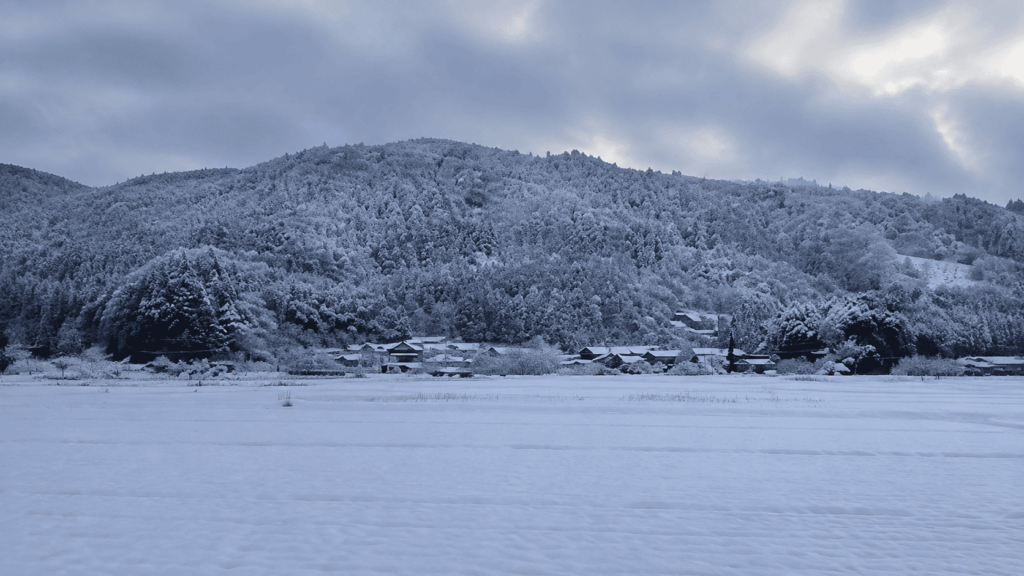
First, the expectation check: Sado in winter is cold and windy, but it is not a deep-snow island in the way many travelers imagine. Using long-term climate data from the Japan Meteorological Agency station at Aikawa, January on Sado averages about 4°C — a daily high near 6.5°C and a low near 1.3°C. Total January snowfall is roughly 28 cm, and the deepest snow cover reaches around 11 cm. Niigata City on the mainland averages about 2.5°C in January, so the Tsushima Current keeps Sado noticeably milder — and official Sado tourism material notes the island gets less snow than the mainland.
What you actually feel, though, is wind. January averages around 8 m/s from the northwest, and strong wind over damp air makes the temperature feel far colder than the numbers suggest. Rain and sleet are common; deep snow is not. Pack for damp, windy cold rather than Hokkaido-style powder:
- A windproof outer layer — this matters more than a heavy coat
- A warm mid-layer, hat, and gloves if you plan to walk the Gold Mine site
- Non-slip, ideally waterproof shoes; stone paths and harbor areas get slick
- A small daypack for a change layer, since indoor spots (the mine, museums, the ferry) are warm
- An umbrella or a packable rain shell — sleet happens
Getting There: The Sado Kisen Ferry in Winter
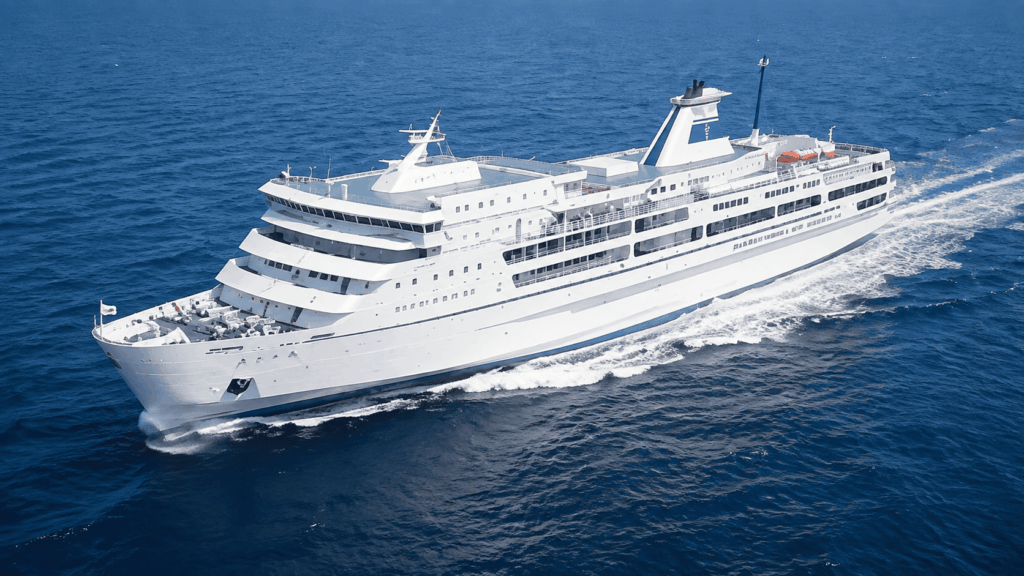
All winter traffic to Sado goes through Sado Kisen, which runs two types of vessels between Niigata Port and Ryotsu Port on the island’s east coast: the jetfoil, the fastest option at roughly 67 minutes, and the car ferry at around 2 hours 30 minutes. (For a broader overview of the route, including access from the capital, see our complete guide on how to get to Sado Island.) Both operate year-round, but winter changes the picture in three ways.
Fewer sailings, higher stakes
Winter timetables have fewer daily departures than summer, which means a missed or canceled crossing costs more of your day. Rough winter seas can delay or cancel sailings, and the jetfoil is more likely to be affected than the larger car ferry. Before you leave Niigata, check the official Sado Kisen service status page and the multi-day sailing forecast on their English site — both exist for exactly this purpose, and both are the only reliable way to know what the sea is actually doing.
Booking and boarding
Jetfoil seats are reserved, so booking ahead is the practical move in winter when there are fewer sailings to choose from. The car ferry has unreserved deck space and is the more flexible — and calmer — option. If you’re bringing a rental car, the car ferry is the only choice, and vehicle space needs to be reserved in advance.
Build slack into your plan
Here’s the part most guides skip: a winter Sado plan should treat the ferry as a variable, not a given. If a crossing is delayed or canceled, the rest of the day changes. That’s the main reason this guide recommends two days over a day trip, and why the itineraries below all include a backup note for ferry weather.
Kai’s tip: When I help winter travelers who worry about seasickness, the practical advice that comes up most is to treat the crossing as a rest, not a photo stop: pick a seat over the center of the vessel, keep your eyes on the horizon instead of a screen, and take motion-sickness medication before boarding if you normally need it. The jetfoil is fast, which is great — until a rough winter day turns that hour into a very bouncy one. If you know you’re prone to seasickness, the larger car ferry is the calmer option, even though it costs you more time.
What’s Open in Winter: The Reliable Pillars
Winter Sado works when you build the trip around what’s genuinely dependable in the cold months. Three things clear that bar: the Gold Mine, the ibis, and kan-buri. Everything else — taraibune, mountain roads, most outdoor sightseeing — is seasonal or weather-dependent, which the next sections cover in detail.
Historic Site Sado Gold Mine (Sado Kinzan)
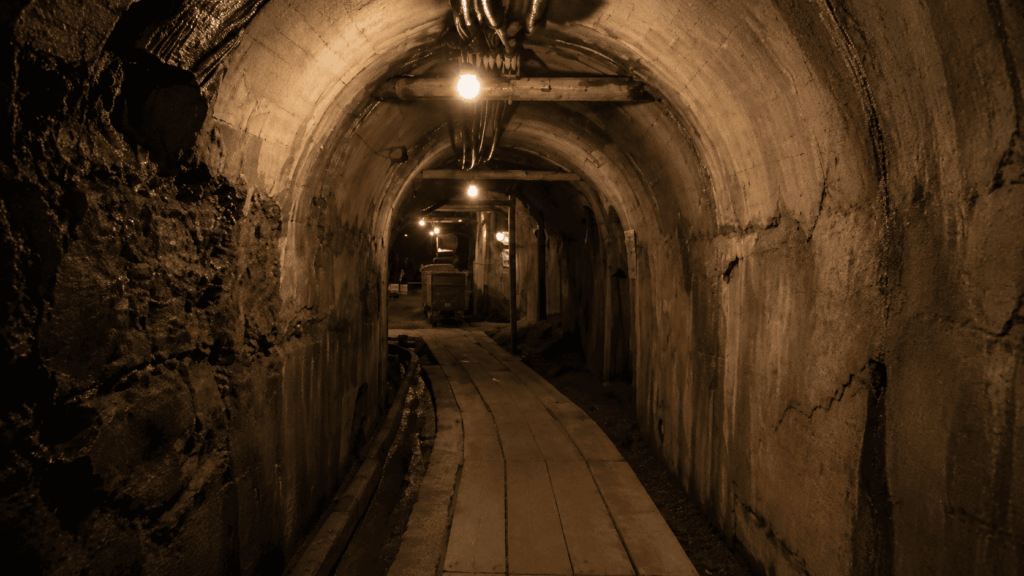
This is the anchor of any winter visit, and one of the most weather-proof sights on the island. The Sado Kinzan Gold Mine in Aikawa is open year-round, and the tunnels hold a steady temperature of around 10°C no matter what is happening outside — which makes a cold, wet winter day the perfect time to go underground.
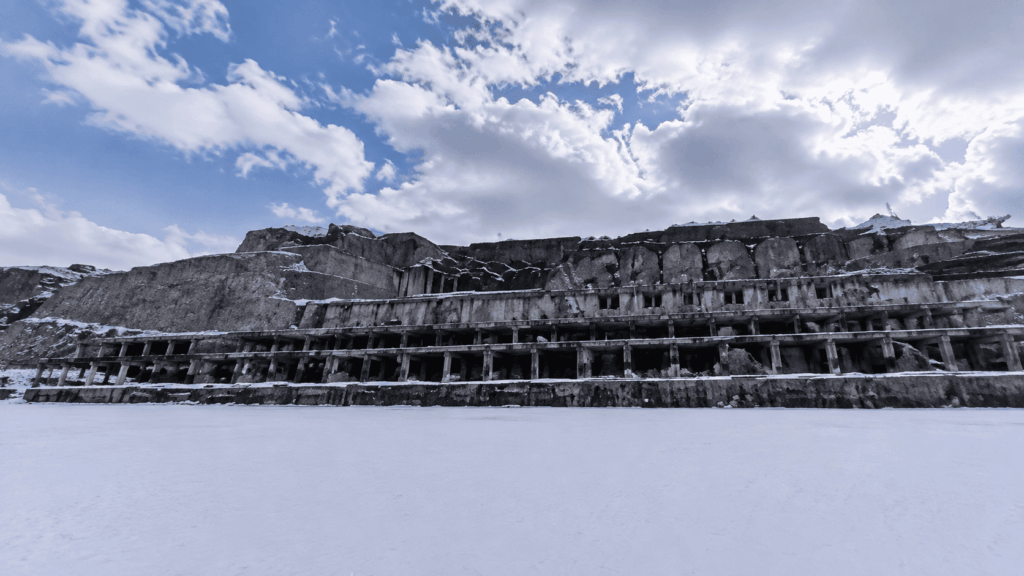
The site’s two main tunnel courses show different eras of the mine. The Sodayu Tunnel is an Edo-period hand-dug tunnel and a national historic site — the part to take slowly, because the pick marks and cramped ceiling tell you more about the miners’ work than any display case can. The Doyu Mine is the Meiji-era course, where you walk past mining carts and the machinery of a much bigger industrial operation. Each course runs roughly 30–40 minutes, so budget about 90 minutes for the core site, more if you linger. The striking ruins of the Kitazawa Flotation Plant, a 1930s ore-processing facility, are nearby in the Aikawa area if you have time for the surrounding town.
The mistake I see travelers make here in winter is rushing through the tunnels because they’re cold, then realizing afterward they walked straight past the details that make the site worth the trip. The mine itself stays around 10°C year-round — that’s not what gets you. It’s the wind and damp outside that makes the walk between buildings feel long. Dress for a cold outdoor day, and slow down underground.
Winter opening hours run roughly 8:30–17:00 from November to March, with adult admission around ¥1,500 for the main courses; exact hours and prices change, so confirm on the official Sado Kinzan site before you go. The mine is on the island’s west side: about a 50-minute drive from Ryotsu Port, or around 70 minutes by direct bus from the port (the “Aikawa” bus plus a transfer takes about the same time). With winter’s reduced bus frequencies, a rental car or a pre-arranged driver makes the Aikawa leg considerably easier.
Toki no Mori Park (Crested Ibis)
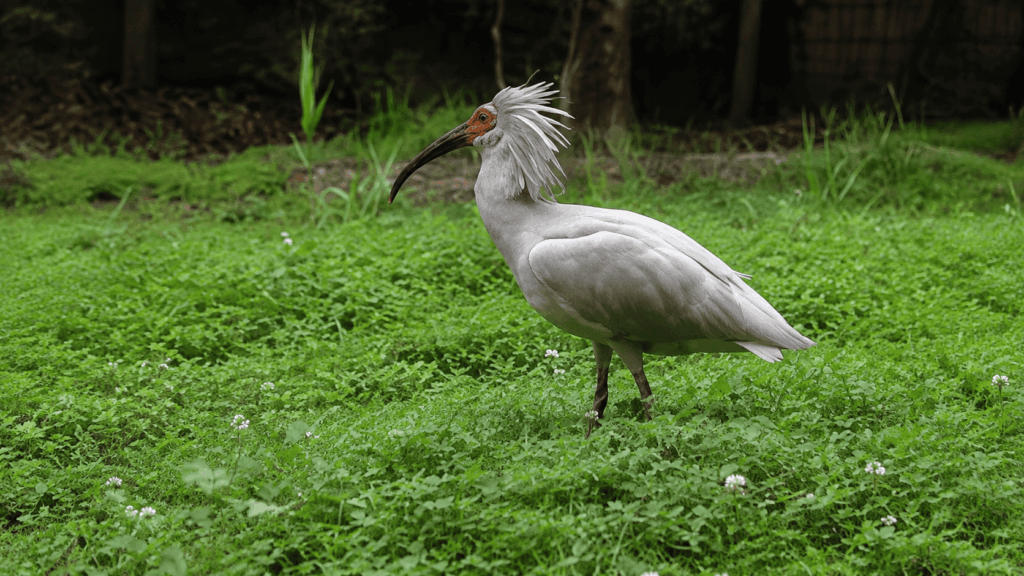
The second reliable winter pillar is Toki no Mori Park, the conservation facility built around the crested ibis (toki) — a bird that was extinct in the wild in Japan until captive-bred birds were released on Sado starting in 2008. The park is open year-round, which makes it a dependable winter stop even when outdoor sightseeing is off the table.
Inside, the Toki Fureai Plaza keeps a group of ibis in a large netted enclosure, where you can watch them at close range without glass between you and the birds. This is the practical difference between the park and seeing ibis in the wild: the fureai plaza gives you a real, unhurried look at the birds, while wild sightings are a matter of luck and binoculars. Winter adds something a naturalist will notice — as the breeding season approaches, the ibis begin smearing a dark substance from their heads onto their neck and back feathers, gradually turning them gray-black. It’s the visible start of courtship, and staff at the facility explain the behavior if you ask.
The park is open roughly 8:30–17:00 with last entry at 16:30. Note the weekly closure: the park is closed on Mondays, and over the New Year period — check the official calendar for the exact dates of the year you’re visiting, since winter schedules can shift. It sits near Sado Kisen’s port area in the town of Sado, about 15 minutes by car from Ryotsu Port, and it’s a practical pairing with the Gold Mine because both hold up on a wet or windy day.
Kan-buri (Winter Yellowtail) — The Winter Food Reason
The third pillar is the one you eat. Kan-buri, the winter yellowtail caught off Sado’s coast between roughly December and January, is the island’s signature cold-weather flavor — served as sashimi, shabu-shabu, or in the local specialty of buri shabu, where thin slices are dipped briefly in hot broth. The brand name to look for is Sado Ichiban Kan-buri, the top-grade fish of over 10 kg, and the fishing hub is the port of Washizaki on the island’s northeast coast, which also hosts the winter kan-buri festival in early December.
Here is the honest part that most food guides skip: a winter visit does not guarantee kan-buri on your plate. Restaurants serve what the day’s catch provides, and there are seasons when the catch is poor or the sea keeps the boats in port. A restaurant being open does not automatically mean the fish is on the menu that day. In practice this means two things: plan your dinner around a place that features kan-buri, and confirm with the restaurant rather than assuming the season alone is enough.
Kai’s tip: The problem I most often see winter visitors to Sado run into isn’t dinner — it’s lunch. Many restaurants across the island close for the season or shorten their winter hours, so the traveler who assumes they can “just find something” near the Gold Mine or on the way back to the port often ends up eating a convenience-store snack at 2 p.m. Before you set out in the morning, pick two lunch candidates that sit along your route (not off it), check that they’re open — and keep the backup in your pocket. On Sado in winter, a small lunch plan is what turns a good day into a comfortable one.
What to skip or de-prioritize in winter
To keep the trip realistic, it helps to name what winter removes from the menu. The Osado Skyline, the roughly 30 km mountain road linking Aikawa and Kanai, closes for the season from around mid-November — so the famous mountaintop views of Hakuundai are off the table until spring. Most outdoor sightseeing on the island’s north coast is weather-dependent, and the summer-style activities (beaches, cycling, sea kayaking) simply don’t exist in the cold months. This is not a loss if you come for the Gold Mine, the ibis, and the food — but it is the difference between planning a winter trip and planning a summer one.
What’s Closed or Unreliable in Winter (Plan Around These)
Now the part that decides whether your winter Sado plan survives contact with reality: closures. The key detail here is that “closed in winter” is not one answer — it depends on the specific operator, and assuming the wrong one can cost you most of a day.
Taraibune (Tub-Boat) Rides — It Depends on the Operator
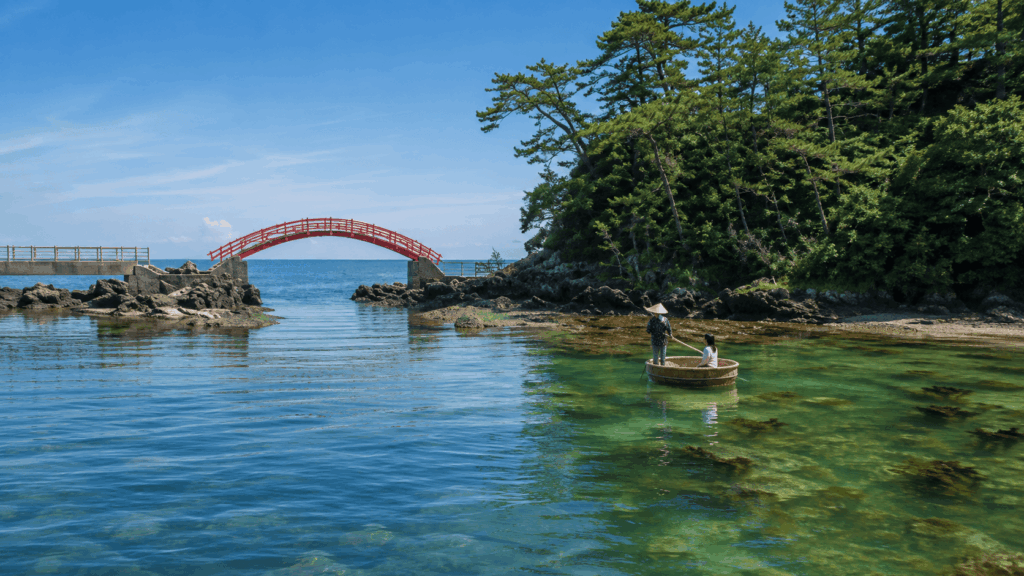
The taraibune, the round wooden tub-boat ride that Sado is famous for, is the most common source of winter confusion. One of the two main operators closes for the season; the other runs daily through winter.
- Yajima (Yajima Taiken Koryukan) — closed from November to March. If your plan is built around this location, winter will not work.
- Rikiya Kankokisen (力屋観光汽船), at Ogi Port on the south coast — open daily in winter, with hours around 9:00–16:00 from late November through February, and generally year-round operation. Rough weather can still suspend rides, so check with them on the day.
| Yajima Taiken Koryukan | Rikiya Kankokisen (Ogi) | |
|---|---|---|
| Winter operation | Closed November–March | Open daily (winter hours around 9:00–16:00) |
| Location | Yajima-kyojima area | Ogi Port, south coast |
| Typical ride cost | Around ¥600 (adult) | Around ¥450–700 depending on route |
| Getting there | Direct buses from Ryotsu are limited | Bus from Ryotsu requires a transfer; roughly 2 hours one way |
| Best for | Warm-season visitors already in the area | Winter visitors committed to doing taraibune |
Kai’s tip: When I help travelers plan around seasonal closures, the advice I give most often is: don’t trust the year you found on a blog. Winter opening hours on Sado change — the toki park’s Monday closures, the taraibune operators’ seasonal hours, the Gold Mine’s winter timetable — and the information you’re reading may be from a previous winter. If an attraction is important enough to be the reason you’re crossing the sea, find the operator’s official page, and if the dates genuinely matter to your plan, a quick phone call settles it in minutes. The Sado tourism association’s site links to each facility’s current winter information.
Osado Skyline & Hakuundai
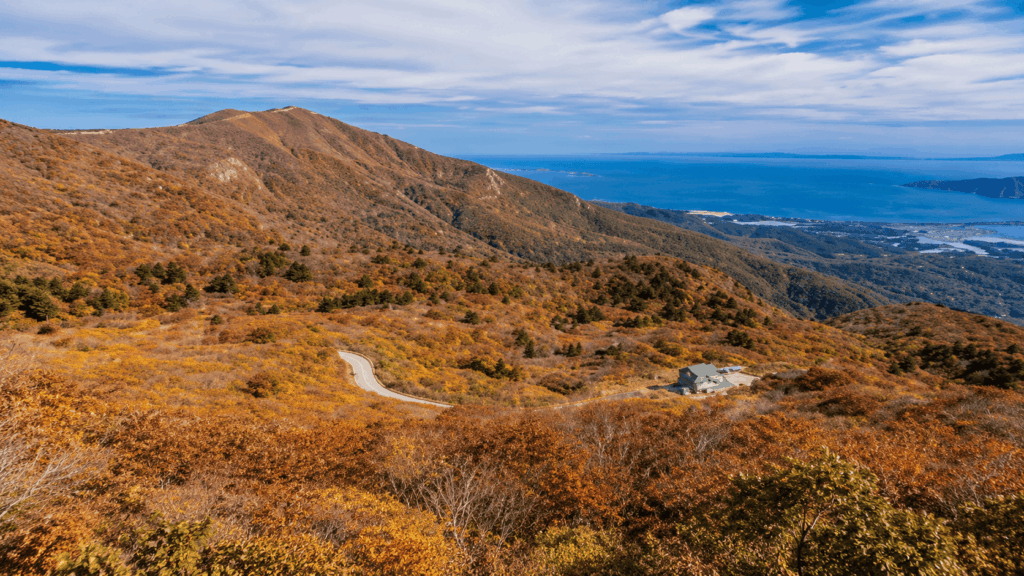
As noted above, the Osado Skyline closes from around mid-November each year (the exact date moves with the first snow). The Hakuundai lookout at its highest point — a classic Sado photo — is unreachable until the road reopens in spring. Don’t build this into a winter itinerary; if you want the mountaintop view, Sado is a spring-to-autumn destination for that specific goal.
Other seasonal closures to plan around
- Restaurants and cafes: many close for the season or shorten winter hours — hence the lunch plan above
- Bus frequency: routes thin out in winter, and the two-hour crossing from Ryotsu to the south coast (Ogi) requires a transfer
- Rental cars: some agencies keep winter hours; snow tires are standard, but confirm when booking
- Facility closures: Monday and New Year closures at the toki park; check each official calendar
Getting Around Sado in Winter
Transportation is where winter Sado separates from the summer experience, and it’s worth being honest about the trade-offs before you choose.
Rental car
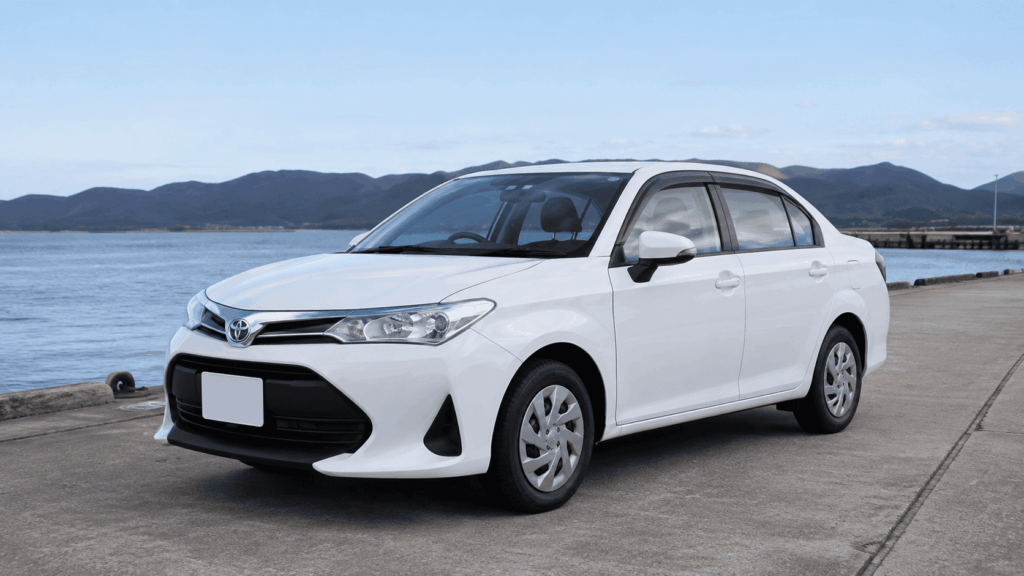
A car is the most flexible way to cover the island’s spread-out sights — the Gold Mine is on the west side, the port on the east, Ogi on the south — and it solves the winter bus problem in one move. Expect winter tires as standard, and drive carefully: Sado’s low snowfall means roads are rarely deep in snow, but cold mornings can leave black ice on shaded stretches, and the mountain sections near Aikawa are winding. If you’re not confident driving on icy roads in a foreign country, this is the option to skip.
Public bus
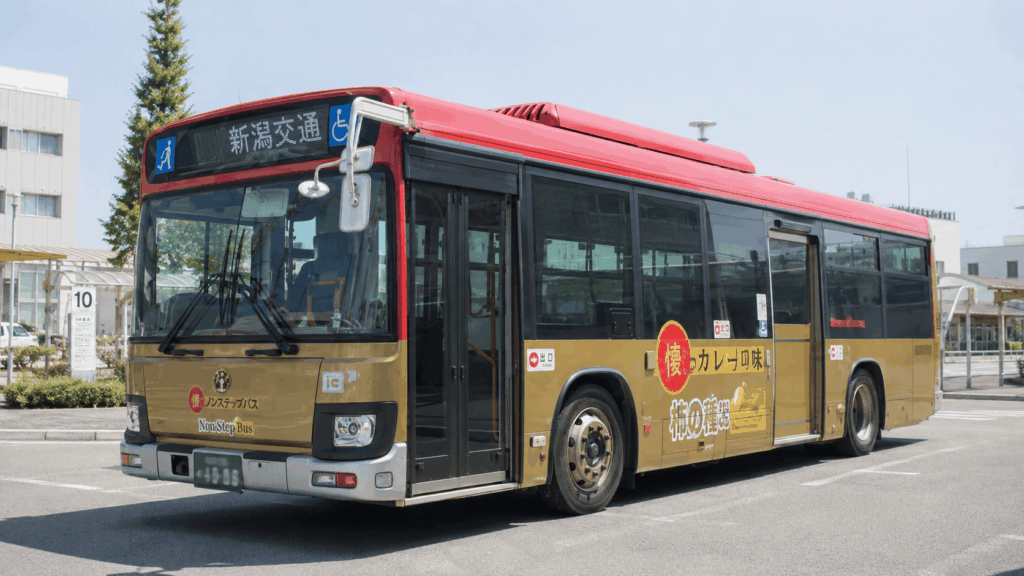
Sado’s bus network can reach the main sights, but winter makes it a planning exercise: the direct bus from Ryotsu Port to the Gold Mine takes around 70 minutes, routes thin out in winter, and reaching Ogi from Ryotsu takes roughly two hours with a transfer. A bus-based winter plan works for a two-day itinerary built around the Gold Mine and the toki park; it gets fragile once you add the south coast.
Taxi or private driver
Taxis exist at the port and around Aikawa but don’t roam the island, so flagging one down between sights isn’t realistic. A pre-arranged private guide or driver, on the other hand, solves the winter transport problem completely — which is why it’s the practical choice for travelers who want the Gold Mine and the toki park in one day without renting a car in winter.
| Rental car | Public bus | Private guide / driver | |
|---|---|---|---|
| Cost | From around ¥6,000–9,000/day plus fuel | Low (individual fares; day passes exist) | Highest — typically per-group pricing |
| Flexibility | Full control | Tied to winter timetables | Custom route, but fixed booking |
| Winter risk | Your driving on icy roads | Missed bus = lost hours | Depends on tour’s cancellation terms vs. ferry weather |
| Who it’s best for | Confident winter drivers | Budget travelers with a slow, flexible two-day plan | Travelers who want one efficient day without driving |
One honest caution about the guided option in winter: a private tour removes the transport puzzle, but it does not remove the ferry. If rough seas cancel or delay your crossing, your tour’s cancellation policy determines what happens — so check the terms against your ferry plan before you book, and keep the tour operator’s contact details handy for the same reason you’d keep the ferry’s.
If you fall into the “one efficient day, no winter driving” camp, this is the guided option worth comparing against DIY.
Why I’d book this one
- It bundles the Niigata transfer, ferry crossing, and private transport on Sado — the awkward moving parts that make a winter day trip difficult to organize independently.
- The itinerary includes the Sado Gold Mine and an English-speaking guide, so you’re paying for context and coordination rather than transport alone.
- The booking page lets you check the current cancellation and payment terms before committing, which matters more when your day depends on winter ferry conditions.
Sample 1-Day and 2-Day Winter Itineraries
Option 1: One-day (day trip) winter plan — workable, but tight
- Morning: early jetfoil from Niigata Port to Ryotsu (~67 min)
- Mid-morning: direct bus or car to the Sado Gold Mine (~70 min by bus / ~50 min by car)
- Midday: Gold Mine tunnels (Sodayu and Doyu courses) — about 90 minutes
- Lunch: your pre-checked candidate near Aikawa
- Afternoon: drive/bus to Toki no Mori Park — check Monday closures before you commit
- Late afternoon: return to Ryotsu for the last ferry
This works only if the ferry holds, the buses align, and you accept that one delay ends the day. That’s why I’d only recommend the day trip to travelers with an unusually tolerant schedule (if you are visiting in warmer months, see our guide to a realistic Sado Island day trip) — and even then, book the last ferry knowing it may not be the one you catch.
Option 2: Two-day winter plan — the realistic recommendation
- Day 1: morning ferry to Ryotsu; drive or bus to the Sado Gold Mine for the tunnels; walk the Aikawa area and the Kitazawa Flotation Plant ruins if time allows; evening in Aikawa or near the port with a kan-buri dinner (buri shabu) at a restaurant you’ve confirmed in advance; overnight in a ryokan or hotel with onsen.
- Day 2: morning at Toki no Mori Park (arrive when it opens, before the Monday closure question becomes an issue — and check it in advance); then, if the weather is calm, the drive south to Ogi for the taraibune ride at Rikiya Kankokisen (winter hours around 9:00–16:00); afternoon ferry back to Niigata from Ryotsu.
The two-day plan exists because it absorbs the winter variables (for a standard, year-round approach, see our realistic 2- or 3-day Sado Island itinerary for first-timers): a delayed ferry costs you hours, not the whole trip; a closed restaurant stops being a crisis when you have the evening to adjust; and the toki park’s Monday closure is simply a scheduling question instead of a trip-ender. A private guide can compress Day 1’s driving into a more efficient route if you’d rather not handle the winter roads yourself.
If the ferry is canceled
Before you travel, know what your fallback looks like: Niigata City itself has enough for a day or two (the waterfront, the old town of Furumachi, and excellent seafood restaurants), and the ferry forecast page will usually tell you the day before whether the next day’s crossings look viable. Sado hotels and ryokan are used to weather-related changes and will typically work with you on short notice, but that’s exactly why the two-day plan is the safer structure — one day of ferry trouble is absorbed; a day trip is not.
Practical Winter Checklist
- Check the Sado Kisen service status and 1-week sailing forecast the day before — and again the morning of
- Book the jetfoil (reserved seats) or car ferry vehicle space in advance
- Confirm the Gold Mine’s winter hours and the toki park’s Monday/New Year closures
- Pick two lunch candidates on your route and confirm they’re open in winter
- Reserve kan-buri dinner at a restaurant that features it, and confirm the fish is available
- If renting a car, confirm winter tires and winter office hours
- Pack windproof layers, non-slip shoes, hat and gloves — damp, windy cold is the real climate
- Bring cash as backup; some smaller restaurants and ryokan on the island are cash-first
- Keep your accommodation’s contact details and the ferry’s English status page saved on your phone
FAQ
Can you ride a taraibune (tub boat) in winter on Sado?
Yes — but only at one of the two main operators. The Yajima Taiken Koryukan closes from November to March, so if your plan is built around Yajima, winter won’t work. The Rikiya Kankokisen at Ogi Port, on the south coast, operates daily through winter with hours around 9:00–16:00 from late November through February. Rough weather can still suspend rides, so confirm with them on the day.
How much snow does Sado get in winter?
Less than many travelers expect. Long-term data from the JMA station at Aikawa shows January averaging about 4°C, with total snowfall around 28 cm and maximum snow depth near 11 cm. Sado is cold and windy rather than deep-snow: expect rain, sleet, and strong northwest winds, with the temperature feeling colder than the numbers suggest. Pack for damp, windy cold — windproof layers and non-slip shoes matter more than a heavy parka.
Is a day trip from Niigata to Sado realistic in winter?
Technically possible but tight, and I’d only recommend it to travelers with an unusually flexible schedule. The jetfoil takes about 67 minutes each way, and the Gold Mine alone needs roughly 90 minutes on site plus travel time from the port. One ferry delay or a missed bus ends the day. A two-day plan absorbs the winter variables — a delayed crossing costs hours instead of the whole trip — which is why it’s the realistic recommendation for winter.
Can you get around Sado in winter without a car?
Yes, if you build the plan around it. The direct bus from Ryotsu Port to the Sado Gold Mine takes around 70 minutes, and routes thin out in winter. Reaching Ogi on the south coast takes roughly two hours with a transfer, so a bus-based trip works best as a two-day plan centered on the Gold Mine and Toki no Mori Park. A pre-arranged private driver or guide is the alternative that removes the winter transport puzzle entirely.
What happens if the ferry is canceled?
First, you’ll usually see it coming: Sado Kisen publishes a service status page and a multi-day sailing forecast on its English site, so check the day before and again the morning of your crossing. If a sailing is canceled, Niigata City itself has enough for a day or two — the waterfront, the Furumachi old town, and excellent seafood restaurants. A two-day Sado plan absorbs one bad ferry day; a day trip does not. Hotels and ryokan on the island are used to weather changes and will typically work with you on short notice.
Where can you reliably eat kan-buri in winter?
Kan-buri season runs roughly December to January, and the brand to look for is Sado Ichiban Kan-buri, the top-grade fish of over 10 kg landed mainly at Washizaki Port. The reliable move is to reserve a dinner at a restaurant that features it — buri shabu (thin slices dipped in hot broth) is the local specialty — and confirm the fish is available, because the catch varies day to day and rough weather can keep the boats in port. A restaurant being open does not guarantee kan-buri on the menu that day.
Is the Sado Gold Mine open in winter?
Yes — it’s the most weather-proof sight on the island. The Historic Site Sado Gold Mine in Aikawa is open year-round, and the tunnels stay around 10°C no matter the weather outside. Winter opening hours run roughly 8:30–17:00 from November to March with adult admission around ¥1,500; exact hours and prices change, so check the official site before you go.
Is Toki no Mori Park open in winter?
Yes, year-round, with two catches: it’s closed on Mondays, and over the New Year period. Winter hours are roughly 8:30–17:00 with last entry at 16:30. Since winter schedules can shift, confirm the exact closure dates for the year you’re visiting on the official calendar before planning your day around it.
Final Verdict
Winter Sado is not a consolation-prize version of the island — it’s a different island. The Gold Mine empties out, the ibis are doing something you can’t see in summer, and kan-buri is at its seasonal best. In exchange, you accept a slower pace, seasonal closures, and a ferry that demands respect. If that trade sounds good, this is one of the most rewarding winter trips in Japan; if it sounds like a risk you don’t need, the island will still be there in April.
Choose Sado in winter if you want the Gold Mine with almost no crowds, a close-up look at crested ibis, and kan-buri at its seasonal peak — and you’re comfortable keeping two days flexible around ferry weather.
Choose another season if the taraibune at Yajima, the Osado Skyline views, or a packed sightseeing itinerary is the point of your trip. Winter simply removes those from the menu, and Sado in spring or autumn delivers them without the ferry anxiety.
For first-time visitors: make it a two-day trip centered on the Gold Mine and Toki no Mori Park, with a kan-buri dinner — and accept that you’re seeing the winter version of the island, not the complete one. That framing is what makes the trip succeed.
For families: the Gold Mine’s steady 10°C tunnels and the ibis enclosure are both kid-friendly and weather-proof, which makes winter a surprisingly practical family season — just pack for the outdoor stretches and keep the ferry plan loose.
For travelers on a tight schedule: if you only have one day, choose the Gold Mine as your single anchor and skip everything else — it’s the one sight that justifies the crossing on its own. Better yet, take the two-day plan and let the ferry decide your pace, not the other way around.
For repeat visitors: winter is the season that shows you a side of Sado the summer crowds never see — the quiet Aikawa streets, the ibis in breeding plumage, the harbor at Washizaki when the yellowtail boats come in. If you’ve done the island in the warm months, this is the return trip worth planning.

Hi, I’m Kai. I’m a Tokyo-based travel writer, tourism industry insider, and the author of a published guidebook for international visitors to Japan. With over 10 years of professional experience at a leading Japanese tourism company, my mission is to help you skip the tourist traps and navigate Japan’s best destinations like a local. I believe the perfect day trip is like a traditional kaiseki meal: a beautiful balance of precise planning and unforgettable seasonal discovery. When I’m not out conducting field research, you’ll usually find me drafting new itineraries with one of my favorite fountain pens!