
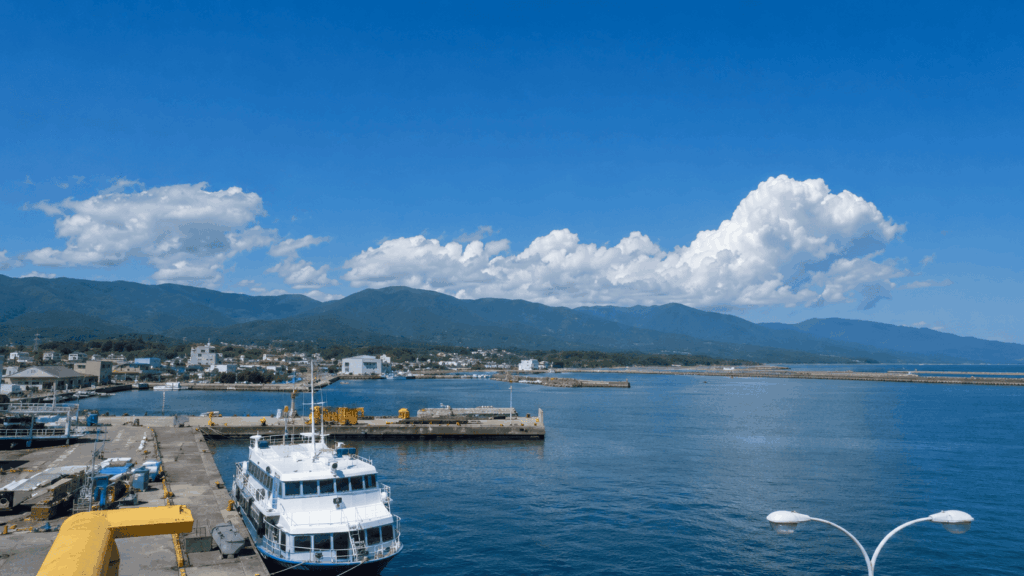
If you’ve started planning a trip to Sado Island, you’ve probably noticed two things: there is a lot to do here, and the island is much bigger than it looks on a map. At roughly 855 km² with about 280 km of coastline, Sado is Japan’s sixth-largest island — and circling the whole thing takes around seven to eight hours by car without stopping. The mistake I see first-time visitors make is trying to see all of it in one go. The better approach is to pick a few strong experiences and build your day around them.
The short version: for a first visit, anchor your trip around the Sado Gold Mine (now part of a UNESCO World Heritage listing) and a taraibune tub-boat ride in the south. Add Shukunegi village, Toki Forest Park and Kitazawa Flotation Plant if you have two to three days. The wild north coast around Onogame is beautiful but costs most of a day in driving. Renting a car gives you the most freedom; if you only have one day or don’t want to drive, a guided tour from Niigata is a reasonable way to see the island’s highlights without the logistics.
Below are the experiences that actually earn their place in a first-timer’s itinerary, each with a note on who should prioritize it — and who can skip it.
If you only have one day and do not want to drive: the most relevant guided option is a full-day private trip from Niigata that bundles the ferry, island transport, an English-speaking guide and several of Sado’s headline stops. Check the current itinerary, available dates and booking conditions for the Sado Island private tour before deciding whether the convenience is worth the premium.
The best things to do in Sado Island at a glance
Use this table to decide what belongs in your plan before you read the details. “Must-do” means it anchors a first visit. “Strong choice” pairs naturally with a must-do. “Add if interested” rewards a specific interest. “Best with extra time” is worth the travel only if you have two to three days.
| Experience | Best for | First-trip priority | Area & drive from Ryotsu Port | Time needed | Watch out |
|---|---|---|---|---|---|
| Sado Gold Mine | History, UNESCO-linked heritage | Must-do | Aikawa – about 50 min | 1.5–2.5 h | 190 steps in Sodayu Mine; tunnels stay cool and damp |
| Taraibune at Yajima | Photos, calm cove scenery | Must-do (south day) | Ogi – about 75 min | About 1 h | Closed November–March; reception pauses 11:30–13:30 |
| Shukunegi village | Old shipbuilding town, atmosphere | Strong choice | Ogi – about 75 min | 1–1.5 h | Quiet and small; pair it with Yajima |
| Toki Forest Park | Crested ibis, families | Add if interested | Near Ryotsu – about 15 min | 1–1.5 h | Cooperation fee ¥500; Mondays closed in winter |
| Kitazawa Flotation Plant | Industrial ruins, photography | Add if interested | Aikawa – about 50 min | 30–45 min | Outdoor ruins; night light-up runs April–January |
| Tatakokan taiko centre | Hands-on drumming, families | Add if interested | Ogi area | 1–2 h | Experience must be booked days in advance |
| Onogame & Futatsugame | Wild north-coast scenery | Best with extra time | North – 90 min or more | Half a day | Long drive; flowers peak late May–June |
| Senkakuwan | Sea cliffs, glass-bottom boat | Best with extra time | West coast | 1–1.5 h | Glass-bottom cruises stop December–February |
| Nishimikawa Gold Park | Gold panning, kids | Best with extra time | South – about 20 min from Ogi | 1–1.5 h | ¥1,200 including panning; cash only |
If you only have one day, you are essentially choosing between the west (Gold Mine and Kitazawa) or the south (taraibune and Shukunegi) — not both. The rest of this guide helps you make that call.
1. Explore the Sado Gold Mine
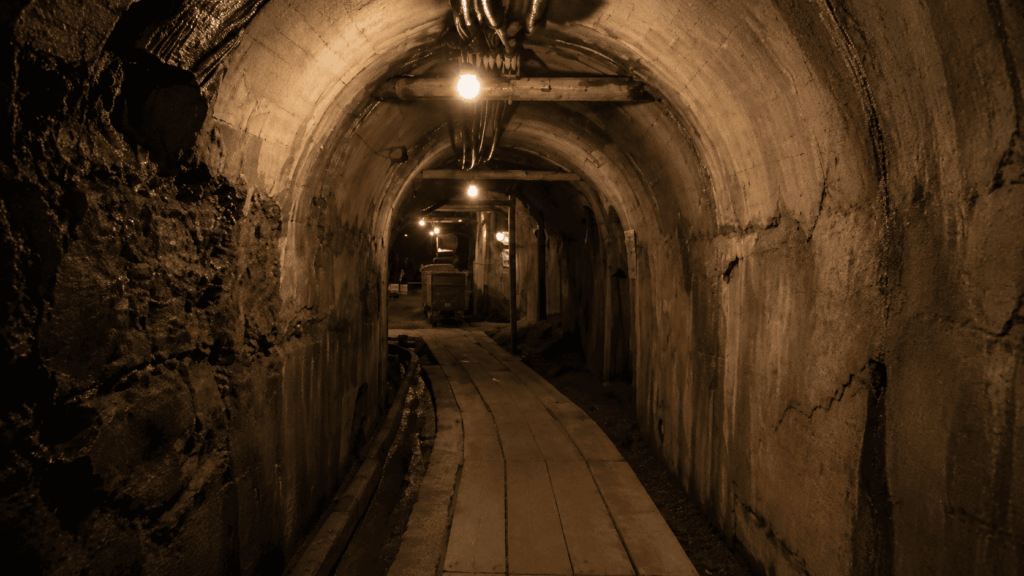
The Sado Gold Mine (Historic Site Sado Kinzan) was Japan’s largest gold and silver mine, worked for nearly 400 years from the early 1600s until closure in 1989. In July 2024, the wider “Sado Island Gold Mines” complex was inscribed on the UNESCO World Heritage List — the listing covers the island’s mining heritage as a whole, not just the two sightseeing tunnels open to visitors.
The standard Sado Gold Mine Course takes you through two tunnels in about 60–90 minutes, self-guided and without a reservation:
- Sodayu Mine — a hand-dug Edo-period tunnel (a national historic site), where full-size figures and animatronics re-enact mining work from around 400 years ago.
- Doyu Mine — a Meiji-era machine-cut tunnel (a national important cultural property and historic site), showing the industrialization of the mine.
- Doyu no Warito — the V-shaped gash in the mountainside left by open-pit digging, around 30 m wide and 74 m deep. You see it from close range at the end of the course.
What the mine actually feels like
The tunnels are not a polished museum — they are dark, narrow and damp, and they stay around 10°C all year. Even on a July afternoon you will feel the chill the moment you step inside, and the humidity sits on your skin. What catches people out is the animatronic figures: they are more realistic than most expect, with faces lit from below as they “work.” Some visitors find the effect fascinating; others, including younger children, find it unsettling. It is worth knowing before you go, because it shapes whether the mine feels like a highlight or a slightly strange detour.
For me, the single strongest moment is Doyu no Warito. Standing at the base of that split in the mountain — the reason the whole operation existed — gives you a physical sense of the scale that no photo conveys. If you only have time for one tunnel, Doyu Mine is the easier walk and the less theatrical of the two; Sodayu Mine is the one with the figures and the steeper steps.
Planning notes: price, hours and getting there
- Hours: 8:00–17:30 from April to October, 8:30–17:00 from November to March. Last admission is 90 minutes before closing. Open year-round.
- Admission: the combined course is around ¥1,500 for adults and ¥750 for elementary-school children. No reservation needed for the standard course (guided “yamashi” tours are separate and require booking).
- Getting there: about 50 minutes by car from Ryotsu Port; the “Sado Kinzanmae” bus stop sits at the entrance on the main line and Nanaura coastal line. Parking is ample.
Kai’s tip: Keep a light long-sleeve layer in the car even in midsummer — the tunnel sits at roughly 10°C with real humidity, and the walk from the entrance to the exit takes you through both tunnels plus the outdoor Warito viewpoint. You will want it on the way in and again at the end. There is no need to rent anything; your own thin layer is enough.
Who should skip or shorten the mine
Sodayu Mine involves about 190 steps (handrails provided) and is not wheelchair accessible; the tunnel is also dark and narrow. If you have limited mobility or a strong dislike of enclosed dark spaces, either skip the mine or visit Doyu Mine and the Warito viewpoint only. If you are short on time but want the UNESCO-linked experience, the outdoor Warito viewpoint alone is worth a 20-minute stop — just don’t expect the full picture without going inside.
2. Ride a taraibune at Yajima-Kyojima
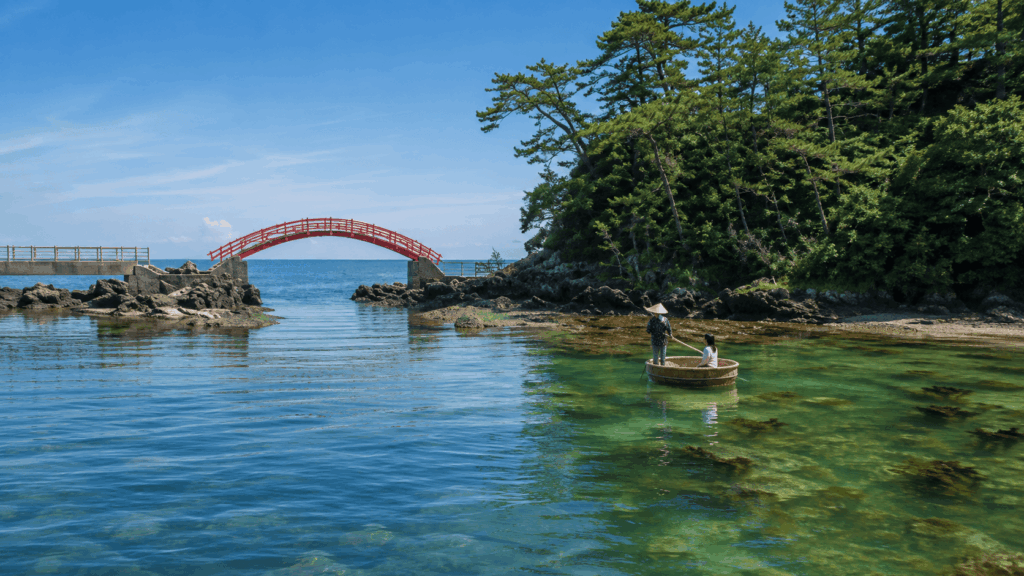
The taraibune is Sado’s most iconic image: a round wooden tub boat, once a working fishing vessel, now a tourist ride. The most photographed setting is Yajima Taiken Koryukan (Yajima Experience & Exchange Centre), in a calm cove on the south coast near Ogi, where a red arched bridge connects the two islets of Yajima and Kyojima. The ride lasts around ten minutes and costs about ¥600 for adults (¥400 for children).
The practical details matter here. Reception runs from 8:00 to 16:30, but it pauses between 11:30 and 13:30 — if you arrive at noon you will wait. The centre is open 9:00–16:00 on weekdays and 9:00–17:00 on weekends and holidays, and it closes for winter from November through March (plus 21 October for a local festival). It is about a five-minute drive from Ogi Port, or a seven-minute walk from the “Yajima Iriguchi” bus stop. Payment is cash only, and there is no English signage on site.
What surprises most first-time riders is how the boat actually handles. The round hull turns with almost every stroke of the paddle, and the tub feels more tippy than a kayak — nobody is going to glide across the cove in a straight line on their first try. That wobble is part of the charm, but it means this is a ride to enjoy slowly, not a thrilling boat trip. The cove itself is usually calm, though when a larger vessel passes on the open water outside, you’ll feel a gentle swell roll in.
For photography, Yajima is the setting most people picture when they imagine Sado: the red bridge, the two islets, and the tub boat in the foreground. The composition is hard to beat, and on a clear morning the light on the water is genuinely lovely — though water clarity and swell change day to day, so treat the postcard versions as the best case, not the guarantee.
Kai’s tip: If your priority is the photograph, come early — reception opens at 8:00, which puts you ahead of the tour groups and gives you the bridge-and-islets framing almost to yourself. And plan around the lunch break: the counter stops taking riders between 11:30 and 13:30, so either arrive before it or use the gap for lunch in Ogi, which is only minutes away.
Yajima vs Shukunegi vs Rikiya: choosing your taraibune
There are three main places to ride a tub boat in the Ogi area, and they are not interchangeable. Here is how they differ.
| Yajima Taiken Koryukan | Shukunegi Hangiri | Rikiya Kanko Kisen | |
|---|---|---|---|
| Location | Yajima cove, about 5 min drive from Ogi Port | Shukunegi, the old shipbuilding village | 4–5 min walk from Ogi Port |
| Best for | The red bridge and islets photo | History lovers combining a village walk | A quick, convenient ride straight from the port |
| Adult price | Around ¥600 | Around ¥1,300 (Course A, 15 min) | Around ¥700 |
| Seasonal notes | Closed Nov–Mar; reception pauses 11:30–13:30 | Closed late Nov–mid Mar | Operates year-round, weather permitting |
| Character | Round tub boat in a scenic cove; workshops at the centre | Square hangiri-style boat tied to the village’s boatbuilding past | Classic round tub near the port; you can also try paddling yourself and earn a “tub-boat navigator” card |
If you are building a south-coast day, the natural combination is Yajima for the ride and photos, then Shukunegi for the village walk — they sit close enough to share a morning. Rikiya is the fallback if you arrive at Ogi with limited time, since it is steps from the port.
3. Walk through the historic village of Shukunegi
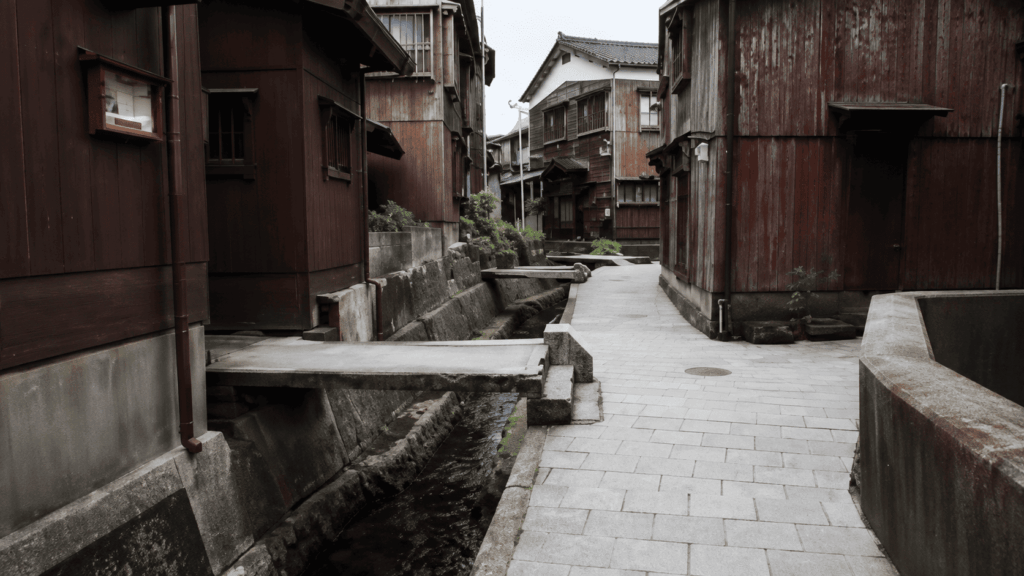
A short drive from Yajima, Shukunegi is a preserved shipbuilding town that grew wealthy building the kitamaebune cargo ships of the Edo period. Its narrow lanes are lined with board-walled houses, many built by ship carpenters, and the whole village still feels shaped by the sea — boats pulled up on the beach, wood that has weathered decades of salt air.
Shukunegi is small and quiet; you can walk the main lanes in about an hour. There is no shopping street and no attempt to “perform” for visitors, which is exactly why it works. The village pairs naturally with a taraibune ride at Yajima — they are close enough to share a morning — and the square hangiri boat at Shukunegi’s own dock is a nice tie-in to the town’s boatbuilding past.
Who should prioritize it: travelers interested in architecture, craft, or Japanese coastal history, and anyone who likes towns that feel authentic rather than restored. Who can skip it: if you are short on time and old wooden towns do not move you, spend the hour at Yajima instead — Shukunegi rewards a slow eye, not a quick drive-by.
4. See a crested ibis at Toki Forest Park
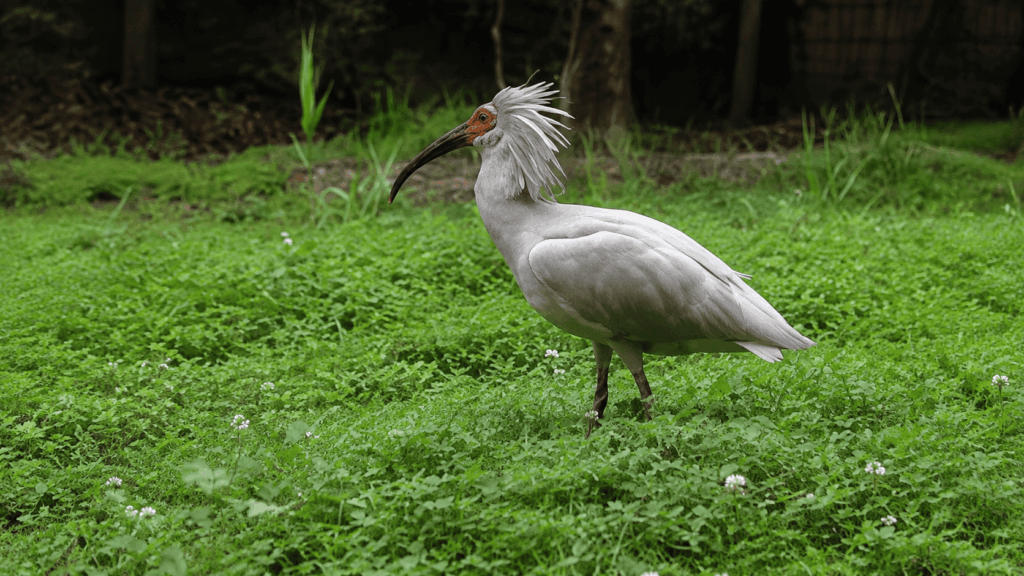
The toki (Japanese crested ibis) is Sado’s living symbol — a bird that went extinct in the wild in Japan in 2003 and has been slowly brought back through breeding programs that began with birds from China. Toki Forest Park, a short drive from Ryotsu, is the most reliable place to see them at close range. The observation building (Toki Fureai Plaza) lets you watch the birds through one-way glass as they feed and preen just a few metres away, which is far closer than you will ever get in the wild.
The park is easy to visit before or after your ferry: about 15 minutes by car from Ryotsu Port, with a bus stop in front. It opens 8:30–17:00 (last entry 16:30), asks a cooperation fee of ¥500 for adults (¥200 for children, high school and above counts as adult), and closes on Mondays from December through February plus the year-end holidays. Payment is cash only, and the site’s information is in Japanese — worth knowing if you are relying on English signage.
One thing that catches people out here is the approach. The park is well signposted from the main road, but the last stretch winds through countryside where navigation apps occasionally hesitate, and the entrance can be easy to second-guess. Give yourself a few extra minutes on arrival and you will avoid the mild panic of wondering whether you are actually heading somewhere official.
Inside, the experience is a calm one: you watch birds, you do not chase them. The exhibit area and shop are on the ground floor, and the observation room is straightforward — I have guided visitors with limited mobility through the main loop comfortably, though a companion is still useful for the uneven paths outside. And yes, the famous edamame soft-serve at the park shop is worth the stop: savoury-sweet and genuinely Sado.
Who should prioritize it: wildlife and conservation enthusiasts, families with children, and anyone who wants a gentle, weatherproof hour near Ryotsu. Who can skip it: travelers whose priority is scenery — the park is a conservation facility, not a landscape highlight — and anyone already stretched for time, since the fee and the fixed hours add up fast.
5. Stop at Kitazawa Flotation Plant
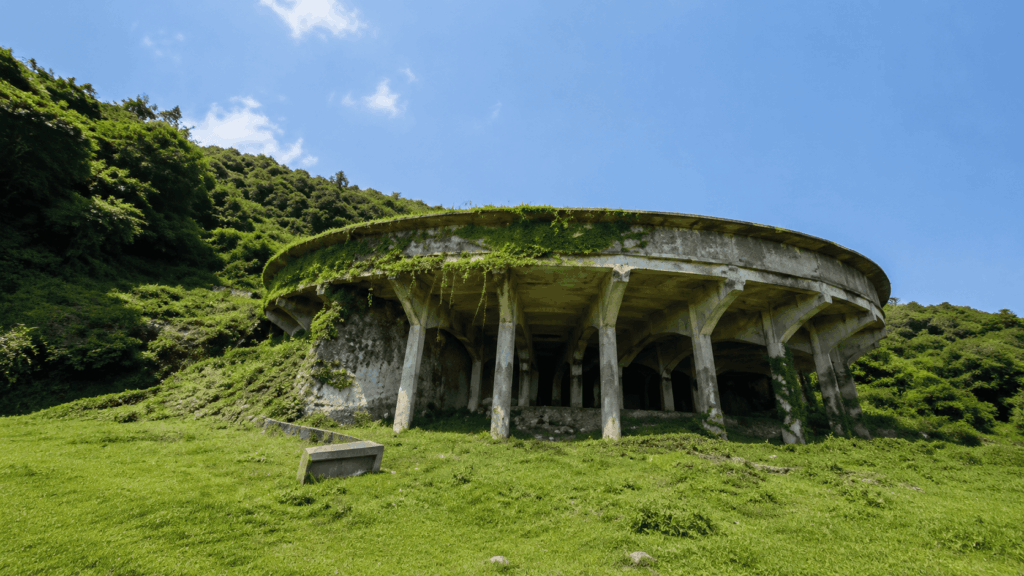
Just outside Aikawa, the Kitazawa Flotation Plant is the ruins of Japan’s first large-scale flotation ore-dressing facility, built in the 1920s to process gold and silver ore. What remains is a spectacular skeleton of concrete: terraced walls, engine halls and hoppers climbing the hillside, now half-dressed in vines. It is free, outdoors, and takes 30–45 minutes to wander — which makes it the single most efficient add-on to a Gold Mine morning, since it sits in the same corner of the island.
From mid-April 2026 to early January 2027, the ruins are illuminated roughly 19:00–22:00 (the start time shifts with the season), turning the concrete into an almost cathedral-like sight after dark. If you are in Aikawa late in the day, it is a strong reason to linger.
Who should prioritize it: photographers, industrial-heritage fans, and anyone combining it with the Gold Mine. Who can skip it: if ruins and concrete textures do nothing for you, this is the easiest item to cut from a full day.
6. Try taiko at Sado Island Taiko Centre (Tatakokan)
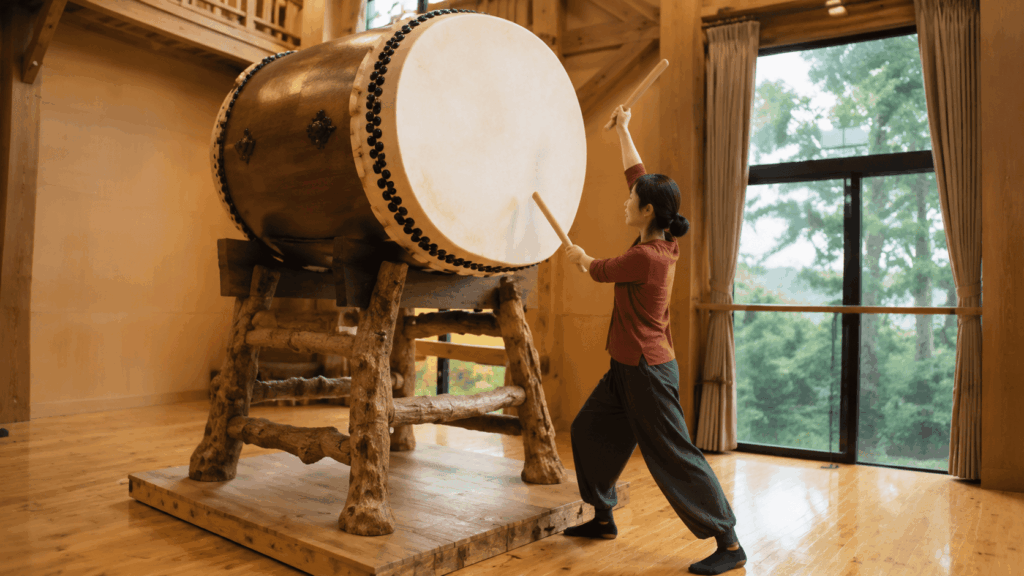
Sado is the home of Kodo, the world-famous taiko drumming group, and the Sado Island Taiko Centre (Tatakokan) in the Ogi area is the place to experience the instrument yourself. The centre is run by the Kodo Cultural Foundation and features a giant drum made from a single zelkova tree, but the real draw is the hands-on session: you sit at a drum and actually hit it, guided by staff who can work with English speakers.
The catch is planning. Drumming experiences require a reservation made a couple of days in advance — walk-ins rarely work — and the fee is around ¥2,000 for adults. For families and anyone who likes doing rather than viewing, this can be the most memorable two hours of a Sado trip; for travelers who just want to look, the building itself and the Kodo connection are a modest stop.
Who should prioritize it: music lovers, families with older children, and anyone who wants a physical, indoor activity for a rainy day. Who can skip it: travelers who are not interested in hands-on activities and are already short on reservation flexibility.
7. Drive to Onogame and Futatsugame for Sado’s wildest coastal scenery
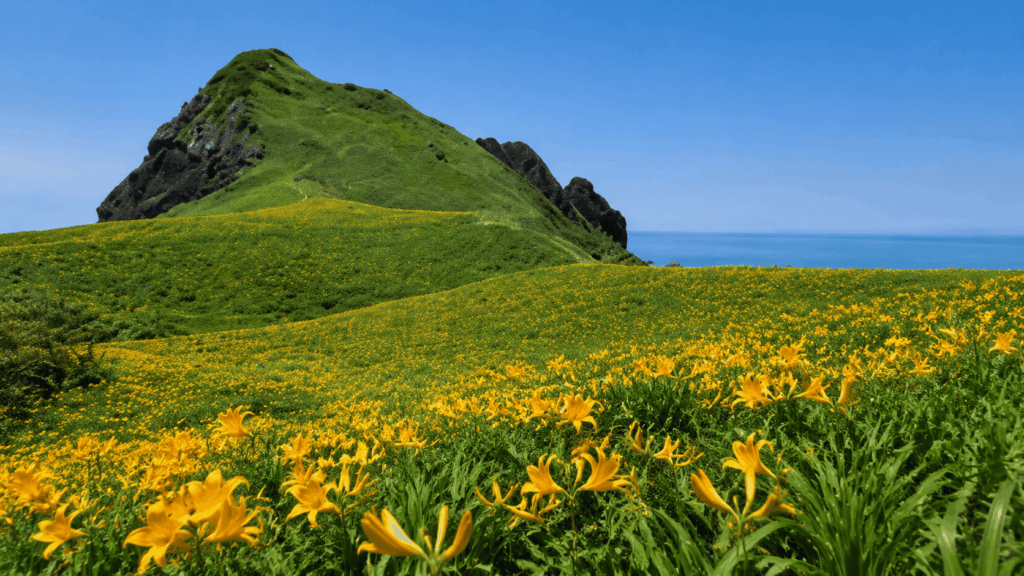
If you have time for the north coast, the reward is the island’s most dramatic landscape. Onogame is a single enormous rock rising about 167 m straight out of the sea — the kind of monolith that makes you stop the car just to stare — and Futatsugame, a few minutes further on, is a pair of turtle-shaped islets with a sea cave you can view from the shore. In late May to early June, Amur daylilies bloom across the slopes here, turning the headland yellow.
The cost is distance. From Ryotsu, this corner of the island is a 90-minute drive or more each way, the coast is exposed to wind and weather, and the scenery depends heavily on the day. It is a half-day commitment, which is why it belongs in a two- or three-day plan rather than a rushed first visit.
Who should prioritize it: travelers who came for Sado’s nature and don’t mind driving, photographers, and anyone with three days. Who can skip it: first-timers with one or two days who would rather fit in the south’s combination of culture and coast — you will still see beautiful shoreline on the way to Ogi.
8. Take in the cliffs and sea at Senkakuwan
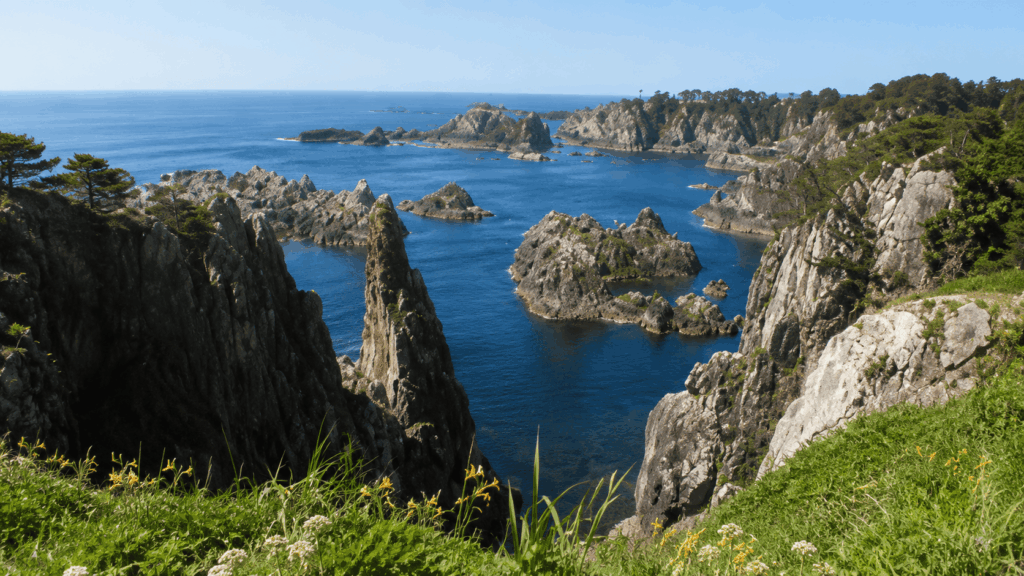
On the west coast near Aikawa, Senkakuwan (Ageshima Yuen) is a series of sheer sea cliffs carved into fantastic shapes, viewed best from a glass-bottom boat that runs along the base of the rock walls. It is a straightforward, weather-dependent boat trip — pleasant and photogenic, but not essential for a first visit unless you already have the time.
The practical note is seasonal: the glass-bottom cruises operate from around mid-March to late November and stop entirely from December through February, and opening hours shift with the season. If you are travelling in winter, plan around it or skip it.
Who should prioritize it: boat lovers, photographers, and travelers based in the Aikawa area. Who can skip it: anyone prone to seasickness, winter visitors, and travelers choosing between this and the south coast.
9. Experience gold panning at Nishimikawa Gold Park
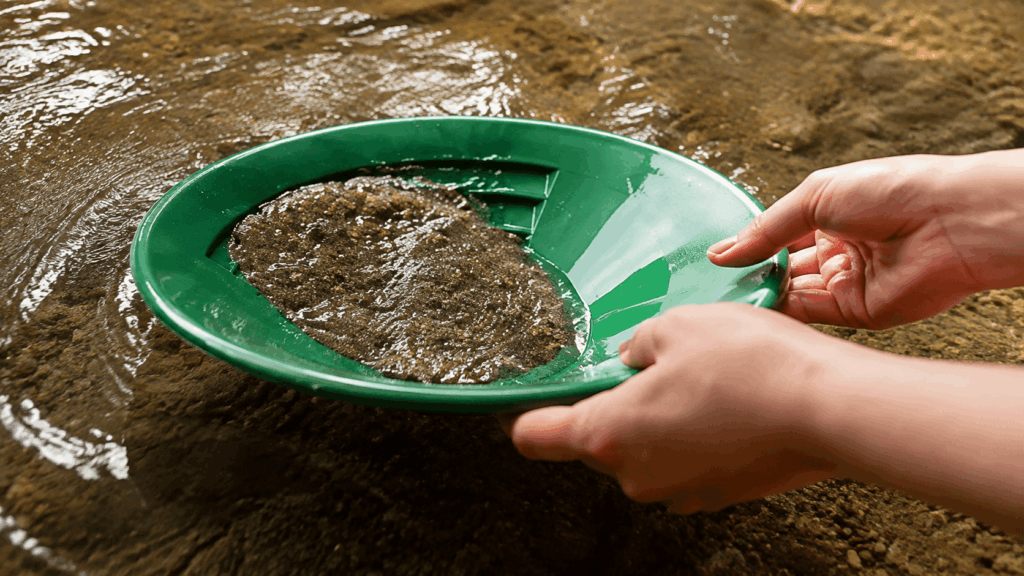
About 20 minutes from Ogi, Nishimikawa Gold Park sits on a placer gold site with more than a thousand years of history — the same kind of gold that made Sado famous, but found by washing river gravel instead of digging tunnels. The park’s main draw is panning: for around ¥1,200 for adults (¥1,000 for children), you get entry and a panning session, and yes, people do find flakes.
It is open year-round (roughly 8:30–17:00 in the warmer months, 9:00–16:30 in December–February), cash only, with no English on site. It is a hands-on, child-friendly alternative to the formal Gold Mine: less history, more dirt under the fingernails. Best for families and anyone who enjoys an activity; skip it if your interest is the serious mining heritage, in which case the Sado Gold Mine is the one to prioritise.
10. Explore Ogi and the southern coast slowly
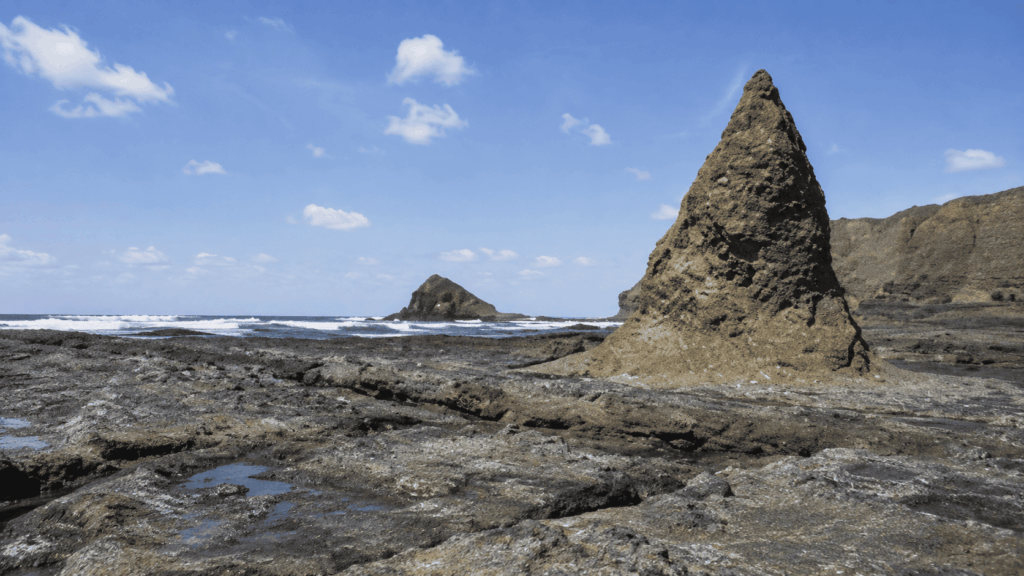
The south is where Sado’s most photogenic half-day lives. Ogi Port is the hub, and within a few minutes’ drive (or a short walk) you can string together Yajima’s taraibune, Shukunegi’s lanes, Rikiya’s dockside rides, and the Taiko Centre. This is the densest cluster of experiences on the island, which is why the standard first-timer advice is: if you have one day, spend it here or in Aikawa, not spread across both.
With a car, the loop is relaxed. On the bus it is doable but timetable-bound: services to Ogi exist, but the gaps between Yajima, Shukunegi and the port mean you will chase schedules rather than wander — a situation where a car, or a guided day that handles the movement, changes the whole feel of the afternoon.
Who should prioritize the south: first-timers, photographers, and anyone who wants Sado’s culture and coast in one compact area. Who can skip a dedicated southern day: repeat visitors or travelers whose only interest is the mining heritage around Aikawa.
11. Eat and drink something uniquely Sado
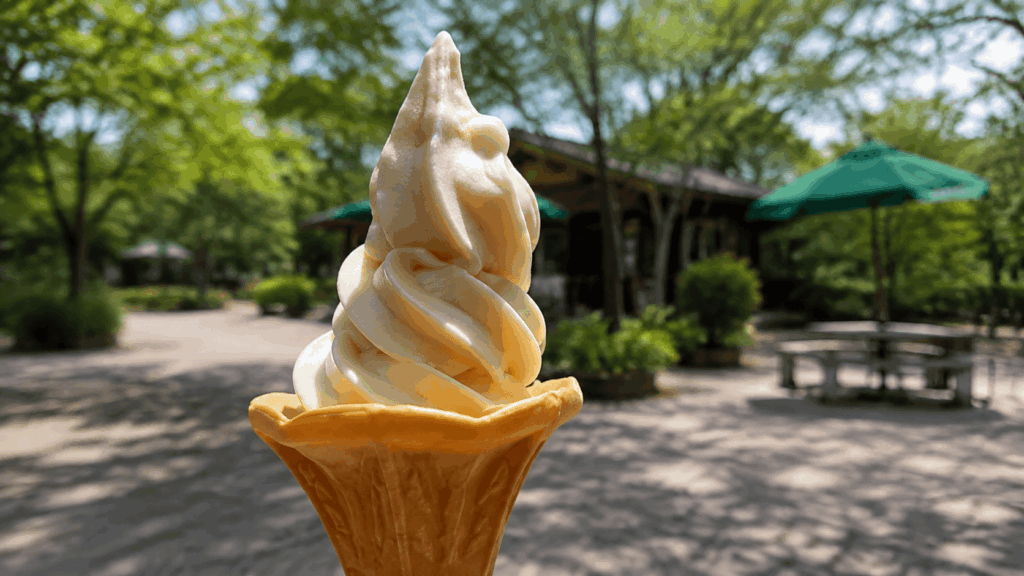
Food is not the reason most people cross to Sado, but it is a reason they come back happy. The easy highlight is the edamame soft-serve at Toki Forest Park’s shop — an odd-sounding combination that works: sweet cream with a savoury green-soybean edge, and it is genuinely popular enough that the queue moves slowly in season. If you are visiting the park, factor in ten minutes for it.
Beyond that, keep it local and flexible: Sado’s sake brewers are well regarded, the island’s seafood shows up at its best right at the fishing ports (Ogi and the small harbour towns), and soba in the Aikawa area is a solid lunch between mine sites. Prices are typical for regional Japan — a light meal runs around ¥1,000–1,500 per person — and cash is the safest assumption in smaller shops. Restaurant details change, so follow what looks busy rather than chasing a specific name.
12. Slow down instead of trying to circle the whole island
Here is the honest version of this guide: Sado is about 855 km² with roughly 280 km of coastline, and driving the full loop takes about seven to eight hours without stops. You can technically see a lot of it in two days. The travelers I see end a Sado trip frustrated are the ones who tried to — the ones who spent their days watching the road instead of the island.
The better move is to choose a region and let it breathe. One day in the south (Yajima, Shukunegi, Ogi) is a complete, satisfying Sado experience on its own. One day around Aikawa (Gold Mine, Kitazawa, the Warito viewpoint) is another. Add the north coast or Toki Forest Park as a third ingredient only when your days allow it. You will leave with fewer checklist items and far better memories — which, for an island this size, is the whole point.
How many days do you need in Sado Island?
| Days | What realistically fits | Who it suits |
|---|---|---|
| 1 day | One area only: Aikawa (Gold Mine + Kitazawa) or the south (Yajima + Shukunegi) | Day-trippers from Niigata who accept a rushed pace; the jetfoil is about 65–70 minutes each way, so plan tightly |
| 2 days | One day in Aikawa, one day in the south; add Toki Forest Park near Ryotsu at the start or end | Most first-time visitors — the realistic sweet spot for a first trip |
| 3 days | Everything above plus the north coast (Onogame, Futatsugame) or a slow, unhurried southern day | Travelers who want the wild coastline, or who hate rushing; this matches the official two-night, 3-day recommendation |
One honest warning whatever your day count: resist the urge to “just drive up the coast to see it” on the final afternoon. The last ferry out of Ryotsu waits for no one, and I’ve watched more than one group calculate the north-coast detour into a missed sailing. If the north is on your list, give it a full morning — never a squeezed evening.
Do you need a car in Sado Island?
Sado is a driving island. Almost every worthwhile stop assumes you can reach it, and the distances between regions are real. But whether you need a car depends on how many days you have and how much planning you enjoy.
- Rental car: the most flexible option and the one most visitors end up with. Parking at the major sights is easy, roads are quiet by Japanese standards, and it turns the island into a relaxed set of day loops. Rentals at Ryotsu Port exist but book out in season — reserve ahead.
- Bus + pass: possible and cheaper, but timetable-bound. Fares are distance-based (roughly ¥210–840 per ride), with passes around ¥1,500 for one day, ¥2,500 for two, and ¥3,000 for three. The main lines cover Ryotsu, Aikawa and Ogi, but the north coast and some sights are hard to reach without long waits. This works for a relaxed two- or three-day trip, not a tight one-day plan.
- Private tour: the sensible answer when you have one day, don’t want to drive, or want an English-speaking guide. A full-day private tour from Niigata can cover the jetfoil crossing, the Gold Mine, taiko and the south in a single 13-hour package — expensive, but it removes every logistics decision and is the only realistic way to see meaningful parts of Sado without a car in one day.
| Rental car | Bus + pass | Private tour (from Niigata) | |
|---|---|---|---|
| Freedom | Highest — stop anywhere, any time | Low — fixed routes and timetables | Low — fixed itinerary |
| Time efficiency | High | Medium — depends on connections | High — no logistics on your side |
| Planning burden | Low (book car, then go) | High — schedules, transfers, last buses | None — one booking |
| Cost | Rental plus fuel; varies by season | From around ¥210 per ride; passes ¥1,500–3,000 | Premium — priced per group, not per person |
| Best suited to | Most visitors with 2+ days and a licence | Budget travelers, non-drivers with flexible plans | 1-day visitors, non-drivers, English-guide needs |
If you fall into the one-day, non-driving camp — you want to see meaningful parts of Sado without spending the day solving ferry and bus connections — this is the guided option that matches the problem described above most closely.
Why I’d book this one
- It combines the Niigata–Sado crossing with private ground transport, so the day’s hardest logistics sit inside one booking.
- The itinerary brings together several of the experiences prioritized in this guide, including Sado Gold Mine, taiko, a tarai-bune ride and Shukunegi.
- The listing includes an English-speaking guide and flexible booking conditions, which matters for a long ferry-dependent day.
Kai’s tip: If you do drive, trust the navigation but not the roadside signage. On the approach to places like Toki Forest Park, the last few kilometres wind through countryside where signs are small, sporadic, and occasionally easy to miss — the app will get you there, but it will briefly look like you’re heading into a field. Add ten minutes of buffer to any drive where you’re not 100% sure of the route, and you’ll arrive calm instead of doubting yourself.
FAQ: Sado Island first-timer questions
How many days do you need in Sado Island?
Most first-time visitors are satisfied with two days: one around Aikawa (Sado Gold Mine plus Kitazawa Flotation Plant) and one in the south (Yajima taraibune and Shukunegi). One day works if you accept a single region — it is a long day, with the jetfoil crossing from Niigata taking about 65–70 minutes each way. Three days lets you add the north coast around Onogame and Futatsugame, which matches the official two-night, three-day recommendation from Visit Sado.
Is Sado Island worth visiting for just one day?
Yes, if you choose one region and commit to it. From Niigata, a day trip is realistic: the morning jetfoil, a focused three-to-four-hour block on the island, and an evening return. The version I’d steer a day-tripper toward is the south — Yajima, Shukunegi and Ogi pack the island’s most iconic scenery into a compact area. What does not work is trying to see both Aikawa and the south in one day; you will spend most of it in the car. If you have one day and no car, a private tour from Niigata is the way to see the highlights without logistics.
Do you need a car in Sado Island?
Not strictly, but it makes a huge difference. With two or three days, the bus network plus a pass (around ¥1,500 for one day, ¥2,500 for two, ¥3,000 for three) is workable if you enjoy timetable planning. With one day, a rental car or a private tour is close to essential, because the ferry times and bus gaps will otherwise eat your afternoon. Parking at the major sights is easy and roads are quiet, so driving here is low-stress by Japanese standards.
Which taraibune ride should I choose — Yajima, Shukunegi or Rikiya?
Choose Yajima Taiken Koryukan for the photograph: the red arched bridge and the two islets are the image most people picture when they think of Sado, and the ride costs around ¥600. Choose Shukunegi Hangiri (around ¥1,300 for the 15-minute Course A) if you want to combine the ride with the village walk, since the square hangiri-style boat ties into the town’s shipbuilding history. Choose Rikiya Kanko Kisen if you are short on time, because it is a four-to-five-minute walk from Ogi Port and costs around ¥700. All three are cash-only and weather-dependent.
Is the Sado Gold Mine worth it — and what should I wear?
For most first-time visitors, yes — it is the island’s defining historical experience, and the outdoor Doyu no Warito viewpoint alone is worth the drive. But it is not a polished museum: the tunnels are dark, damp and around 10°C all year, and the animatronic figures in Sodayu Mine are more realistic than most people expect. Wear a light long-sleeve layer even in summer, and note that Sodayu Mine involves about 190 steps and is not wheelchair accessible — if mobility is a concern, the Doyu Mine and the Warito viewpoint still give you the essence.
Is Toki Forest Park worth visiting?
Yes, if you care about wildlife or conservation — seeing a crested ibis a few metres away through one-way glass is a genuinely rare experience, and the park is only about 15 minutes from Ryotsu Port. It costs ¥500 for adults, is cash-only, and closes on Mondays from December through February. If your priority is scenery rather than animals, it is the easiest item to cut from a tight plan.
Is Sado worth visiting in winter?
Sado is quieter and cheaper in winter, but several headline experiences shut down: Yajima’s taraibune closes from November through March, Shukunegi’s hangiri boat closes from late November to mid-March, and the glass-bottom cruises at Senkakuwan stop from December through February. The Sado Gold Mine runs year-round, and Kitazawa Flotation Plant is illuminated until early January, so a winter visit is best built around Aikawa rather than the south coast.
Final Verdict: what to do on Sado Island, by traveler type
For first-time visitors: build your trip around two anchors — the Sado Gold Mine and a taraibune ride at Yajima — and let everything else be optional. With two days, give Aikawa its own morning (Gold Mine plus Kitazawa Flotation Plant) and the south its own day (Yajima, Shukunegi, Ogi). With one day, pick one of those two regions; trying to see both is the single most common way to end a Sado day frustrated.
For families: Toki Forest Park, gold panning at Nishimikawa Gold Park and the taiko session at Tatakokan (book it a couple of days ahead) give children real things to do. The taraibune wobble is usually a hit — but consider skipping the Sodayu Mine if young kids are easily unsettled by the dark tunnels and the realistic animatronic figures; the outdoor Warito viewpoint is the safer highlight for them.
For travelers on a tight schedule (one day): choose the south over Aikawa if you want the island’s iconic scenery in a compact area, or Aikawa if the UNESCO-linked mining heritage matters more. If you are not driving, a full-day private tour from Niigata is the only realistic way to see meaningful ground in a single day — it is expensive, but it converts a rushed, logistics-heavy day into a guided one.
For repeat visitors and nature lovers: this is your trip for the north coast — Onogame’s 167-metre monolith, Futatsugame’s twin islets, and the Amur daylilies if you come in late May or early June. Add Senkakuwan’s cliffs and the Kitazawa light-up after dark. With three days, Sado finally feels as big as it is, and the wild coastline is the reward for not rushing.
For non-drivers: with two or three relaxed days, the bus network plus a pass works, especially around Ryotsu, Aikawa and Ogi — just accept that you will plan around timetables. With one day, do not attempt it by public transport; book a tour or reconsider the day trip. The one piece of advice I’d give every visitor, driver or not: choose fewer places than feels right, and let the island’s pace do the rest.
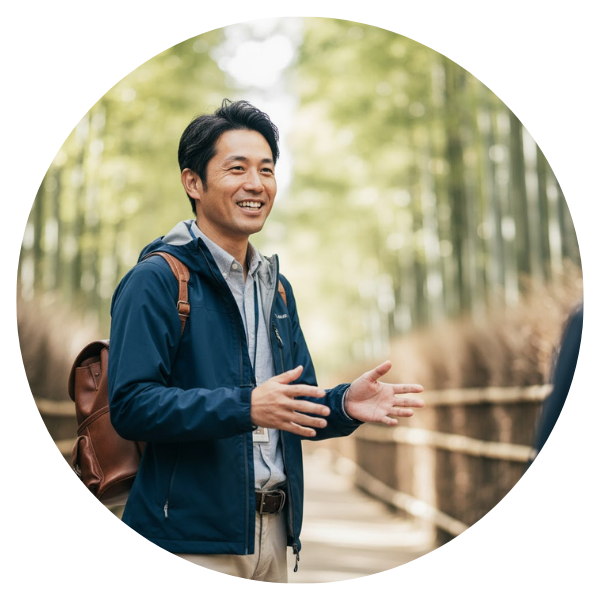
Hi, I’m Kai. I’m a Tokyo-based travel writer, tourism industry insider, and the author of a published guidebook for international visitors to Japan. With over 10 years of professional experience at a leading Japanese tourism company, my mission is to help you skip the tourist traps and navigate Japan’s best destinations like a local. I believe the perfect day trip is like a traditional kaiseki meal: a beautiful balance of precise planning and unforgettable seasonal discovery. When I’m not out conducting field research, you’ll usually find me drafting new itineraries with one of my favorite fountain pens!