
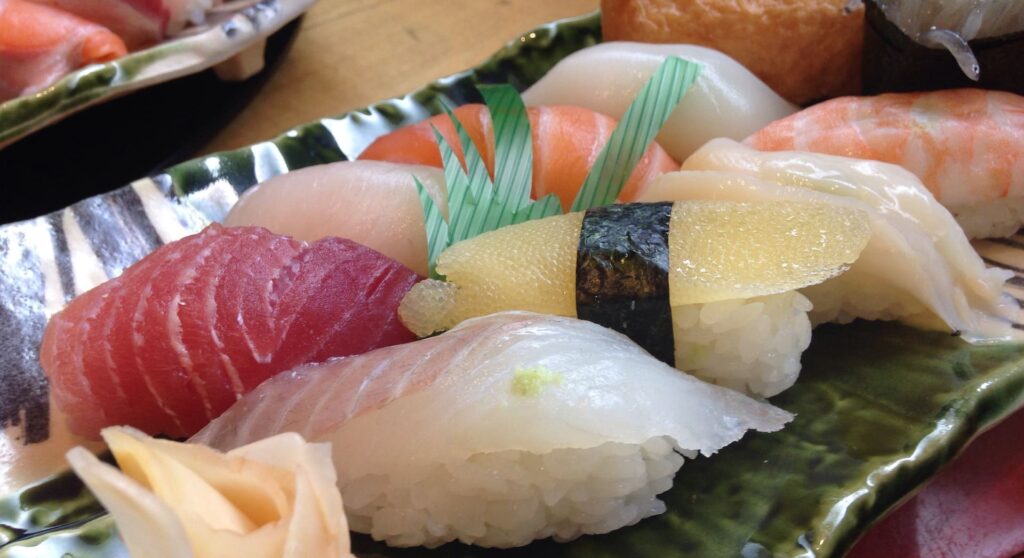
As you plan your Osaka itinerary and map out your food stops, you might be wondering: is sushi worth one of your limited meal slots in a city famous for takoyaki and okonomiyaki?
This guide cuts through the noise. It organizes Osaka’s sushi scene into three clear price tiers — from ¥1,000 market sets to omakase — so you can pick what fits your budget, schedule, and comfort level. Every shop listed here is real, confirmed, and chosen because it serves a specific type of traveler.
Not sure you want to spend a meal slot testing random sushi counters? A low-stress middle ground is a small-group Dotonbori sushi class where you make nigiri, Osaka-style oshizushi, and rolls in English before eating what you made. Check live availability, start times, and recent traveler reviews for the Osaka sushi class in Dotonbori.
Is Osaka Sushi Worth It? A Quick Honest Answer
Short answer: yes — but only if you eat the right thing in the right place.
Here’s what surprises most first-time visitors: Osaka’s sushi culture isn’t trying to compete with Tokyo’s. It’s a completely different game. Tokyo excels at high-end Edomae nigiri served in hushed counter seats. Osaka’s strength is the opposite — cheap, generous, no-fuss sushi served in markets and shopping arcades, plus a unique pressed-sushi tradition (oshizushi / hako-zushi) that you simply cannot get the same way anywhere else.
Kai’s tip: If you’re doing a Tokyo–Kyoto–Osaka trip and planning to splurge on omakase once, save it for Tokyo. Osaka’s real value is in eating well two or three times for the same budget — market sushi for breakfast, oshizushi for lunch, and maybe a mid-range conveyor-belt spot for dinner. You’ll leave fuller and more impressed than chasing one high-end meal here.
One more thing Osaka gave the world: conveyor-belt sushi (kaiten-zushi). The very first kaiten-zushi restaurant opened in Higashi-Osaka in 1958, invented by a sushi chef inspired by beer bottles moving along a conveyor at a brewery. So when you sit down at a kaiten joint in Osaka, you’re experiencing a piece of food history.
Osaka Sushi at a Glance: Three Price Tiers
Here’s a quick overview of what each tier looks like. Use this as your first filter — your budget and how much effort you want to put in will narrow things down fast.
| Tier | Price per person | Reservation needed? | English menu / service | Best for |
|---|---|---|---|---|
| Tier 1: Market & Budget | ¥1,000–3,000 | No (walk-in only, queues common) | Basic English menu available at most | Early birds, budget travelers, anyone who wants big portions for little money |
| Tier 2: Mid-Range & Chains | ¥3,000–6,000 | Optional (recommended for dinner) | Multilingual tablets or English menu at major chains | Families, groups, travelers who want reliability and no surprises |
| Tier 3: Omakase Splurge | ¥15,000+ | Required (book in advance) | English-friendly at select shops only | Special occasions, sushi connoisseurs, those with a higher budget |
Tier 1: Market Sushi & Budget Eateries (¥1,000–3,000)
This is where Osaka shines brightest. These are no-frills, cash-only-or-close, queue-out-the-door places where the fish is fresh, the rice is generous, and nobody cares about Instagram plating. They’re perfect for breakfast or a casual lunch.
Endo Sushi (中央市場 ゑんどう) — Central Market & Kyobashi
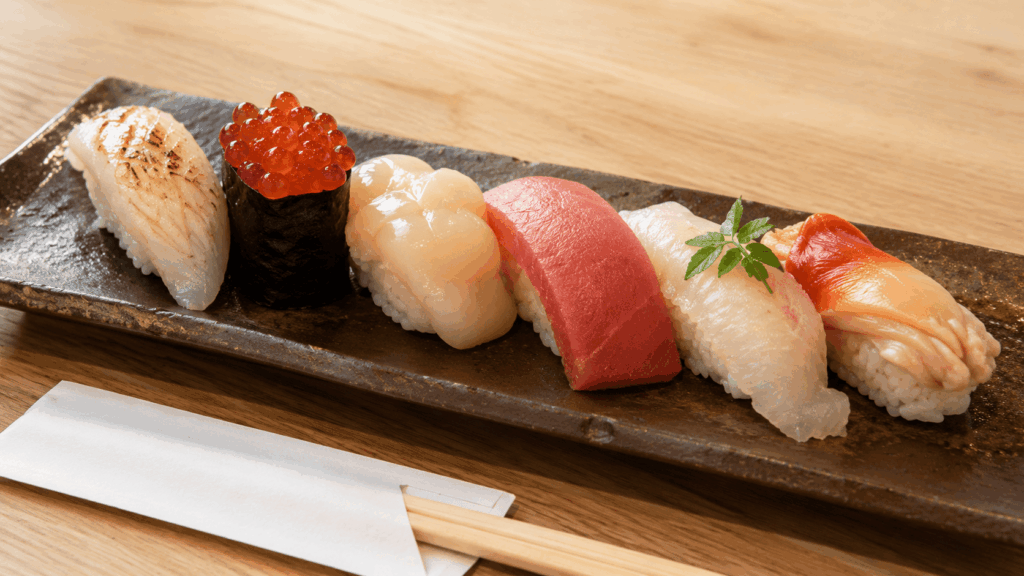
Endo Sushi is arguably Osaka’s most famous sushi shop among international visitors — and for good reason. Founded in 1907, now run by the fourth generation, this place serves what’s called tsukami-zushi: hand-pressed warm rice topped with fresh seafood from the adjacent Central Wholesale Market.
Their signature “Maze” set (5 seasonal nigiri pieces) costs around ¥1,000–1,600. Don’t skip the akadashi (clam miso soup), which regulars swear by.
The catch? There are two locations, and choosing the right one makes all the difference to your itinerary.
Central Market shop (本店): Inside Osaka Central Wholesale Market near Tamagawa Station. Opens at 6:15 AM, closes around 2:00 PM (or earlier if they sell out). Closed Sundays and public holidays. Expect a 30–60 minute queue if you arrive after 8 AM.
Kyobashi shop (京橋店): On the 5th floor of Keihan Mall, directly connected to Kyobashi Station. Open 11:00 AM–10:00 PM (last order 9:30 PM). Open every day. English menu available. Significantly quieter than the market location.
Kai’s tip: The mistake I see travelers make is heading straight to the Central Market shop at 10 AM and burning 45 minutes in line. If you’re not an early riser — or if you’re coming from Kyoto via the Keihan Line — use the Kyobashi shop instead. Same family, same quality, no queue, and you can eat sushi for dinner rather than breakfast. It also means you free up your morning for other Osaka exploring.
Planning your Kansai base? Check out our guide on whether to stay in Osaka or Kyoto to see how this fits into your larger itinerary.
Harukoma Sushi (春駒) — Tenjinbashisuji Shopping Arcade
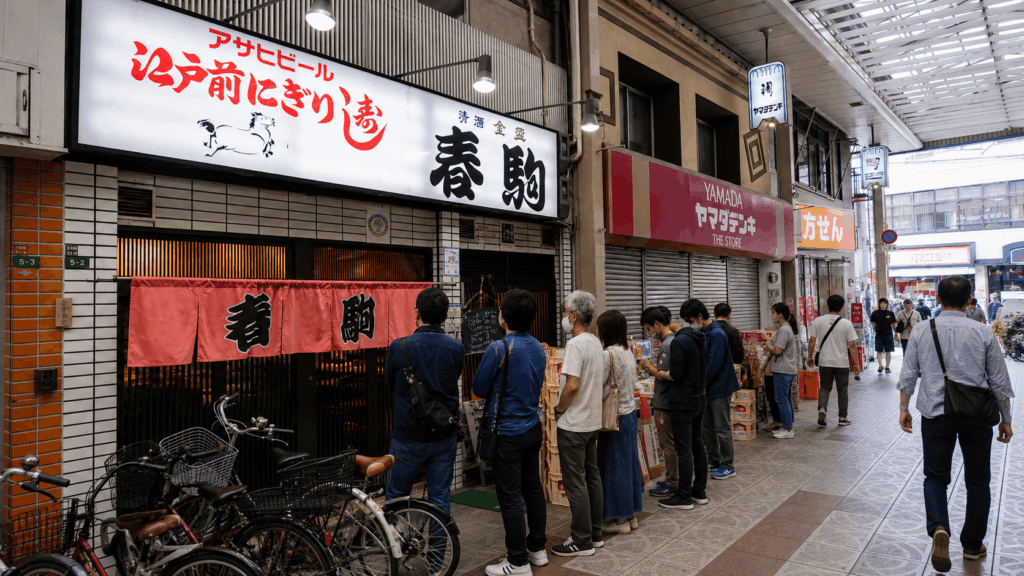
Harukoma is a local institution in Osaka’s longest shopping street. People queue before it opens for lunch — and once you see the size of the fish slices, you’ll understand why. The tuna belly (toro) is a standout: thick, fatty, and melts on contact. Negitoro-maki (chopped tuna and scallion roll) is another crowd-pleaser.
Expect to pay around ¥1,000–4,000 depending on how much you order. It’s cash-only, no reservations, and they close when the fish runs out — so arrive early. Closed Tuesdays. English service is warm and functional, though the menu isn’t fully translated.
📍 3-minute walk from Tenjinbashisuji-Rokuchome Station (Subway Sakaisuji/Tanimachi Lines). Also a short walk from JR Temma Station.
Echizen Sushi (越前寿司) — Shinsaibashi
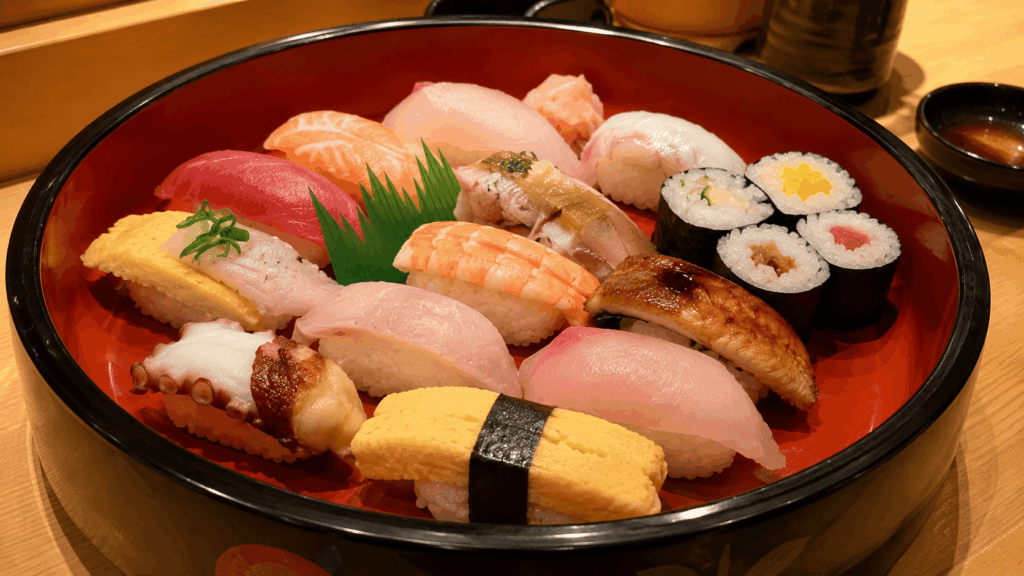
A solid budget option in the heart of Shinsaibashi. Their lunch sets — sushi paired with a hot udon noodle bowl — are a fantastic deal at around ¥1,000–3,000. It’s the kind of place where you’ll see office workers and tourists side by side. Open for lunch (11:30 AM–1:30 PM) and dinner (5:00 PM–11:00 PM). Closed Sundays. Note that dinner prices climb significantly (¥10,000+ for course menus), so come for lunch to keep it budget-friendly.
Daiko Sushi (大幸寿司) — Shinsekai
If you find yourself exploring the retro Shinsekai district (home of Tsutenkaku Tower and kushikatsu), Daiko Sushi is a handy stop.
Tier 2: Mid-Range & Reliable Chains (¥3,000–6,000)
This tier is perfect when you want a guaranteed good meal without the queue anxiety or language gamble. These are established places with English-friendly systems, reservations welcome, and consistent quality. They won’t blow your mind like a market find might — but they won’t disappoint you either.
Ganko Sushi (がんこ寿司) — Multiple Locations
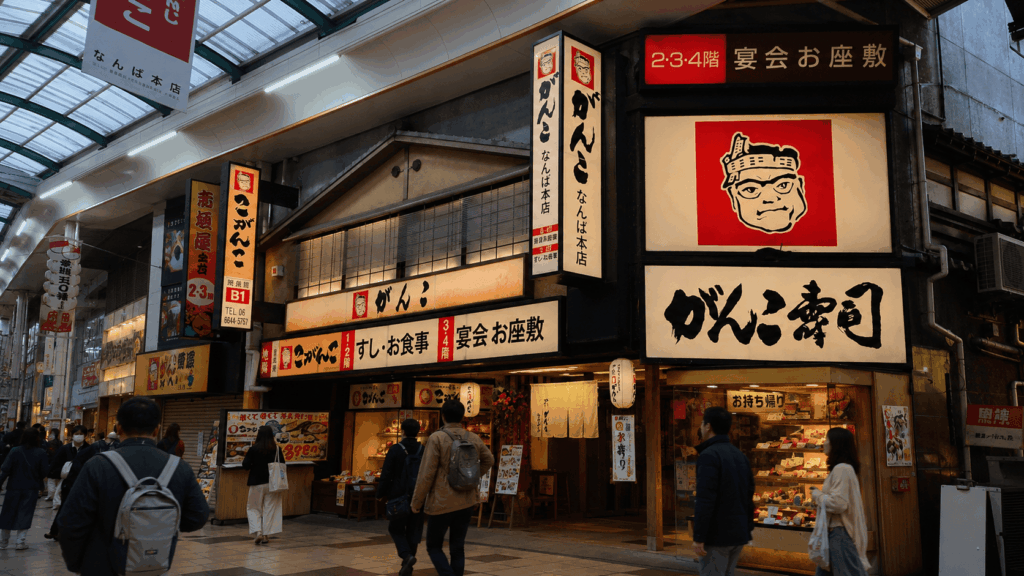
Ganko is a dependable Osaka-based chain with a solid reputation. Don’t confuse it with fast-food kaiten — the quality is a clear step up. The menu offers both conveyor-belt nigiri (from ¥120 per plate) and set meals (¥2,000–3,000 for a well-rounded lunch).
What makes Ganko worth mentioning here is that several locations serve bo-zushi (棒寿司) — a long pressed mackerel sushi that’s another Osaka specialty. It’s not as rarefied as the offerings at Yoshino or Abaraya (see the oshizushi section below), but it’s a reliable introduction to pressed-sushi if you’re not seeking out a specialist shop.
English menus are available at all major locations. Reservations are accepted (recommended for dinner). Easy to find across the city: Umeda, Namba, Dotonbori, Shinsaibashi, and Shin-Osaka all have branches.
Nigiri Chojiro (にぎり長次郎) — Hozenji Flagship
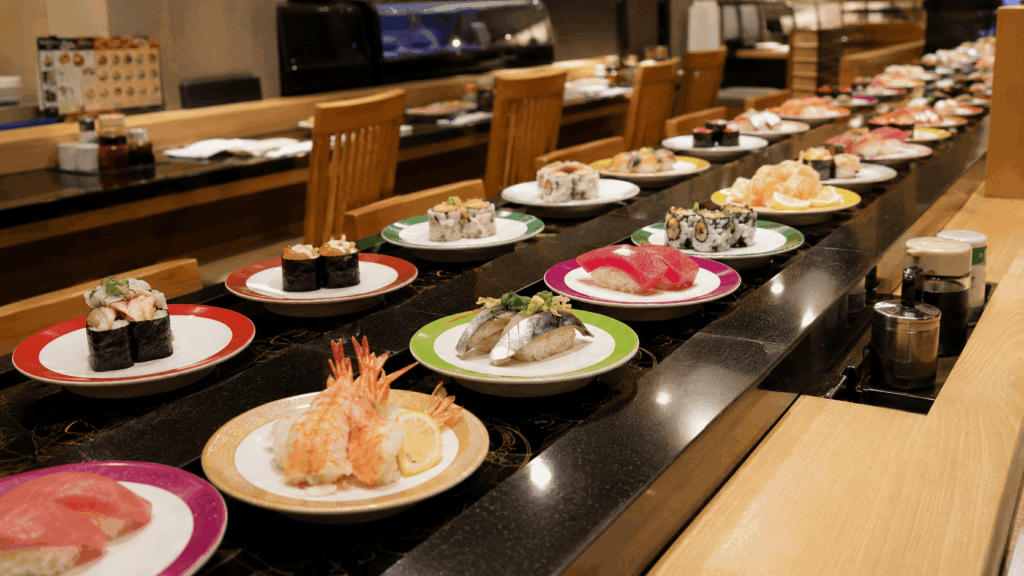
If you want to try kaiten-zushi in its birthplace but at a quality level above the average, Nigiri Chojiro is the sweet spot. The Hozenji flagship near Dotonbori is particularly popular, with counter seats overlooking the chefs and plates starting at ¥180. Top out around ¥620 for premium items.
The ordering system runs on tablets with English, Chinese, and Korean support — zero language stress. You can reserve a seat online in advance, which is unusual for a kaiten shop and a big time-saver in this area.
📍 1-minute walk from Namba Station (Subway Midosuji Line). Open 11:00 AM–10:00 PM daily.
Tier 3: Splurge Omakase (¥15,000+) — Yes, Osaka Has It Too
Osaka does have high-end omakase counters — but with caveats. Most require reservations weeks in advance, have limited English service, and can feel intimidating for first-time visitors. If you have the budget and time to plan ahead, they’re excellent. If you’re looking for a spontaneous high-end meal, you’ll hit walls.
Ginza Kyubey (銀座久兵衛) — Imperial Hotel Osaka
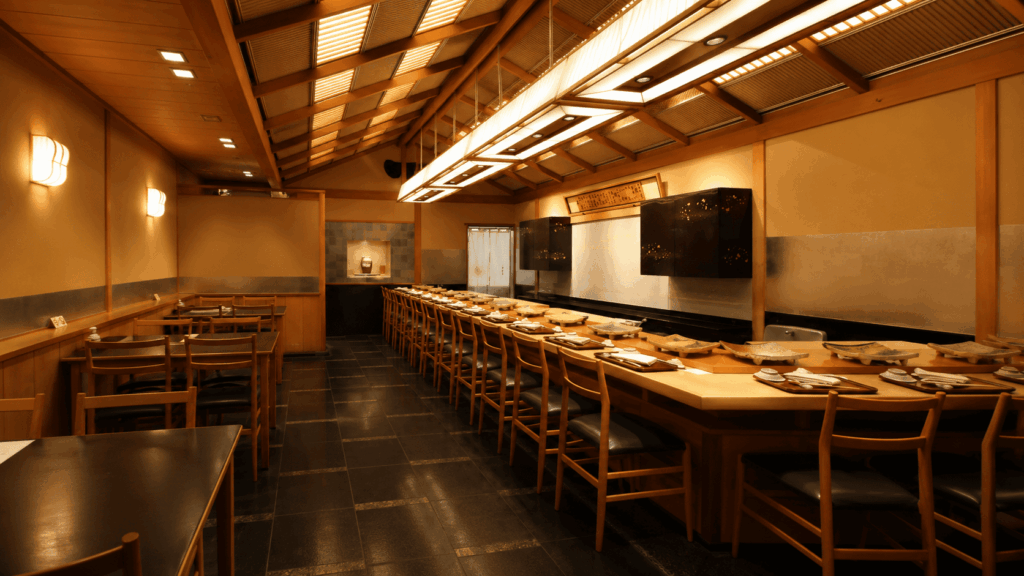
The most accessible high-end option in Osaka. Kyubey is a Tokyo heavyweight (founded in 1935 in Ginza) with a quiet, elegant outpost on the 24th floor of the Imperial Hotel in Tenmabashi. The atmosphere is formal but not stiff — the chefs are accustomed to international guests, and English service is smooth.
Lunch courses start from around ¥8,250 (a relative bargain for this level), while dinner omakase runs ¥16,500–30,800+. The view over the Okawa River is an added bonus.
Reservations are required and can be made online. It’s a 5-minute walk from Temmabashi Station. If you’re celebrating something or have one splurge meal budget, this is the safest choice in Osaka for English-speaking travelers.
Other notable high-end shops in Osaka (Sushidokoro Kurosugi, Sushi Harasho) exist but have stricter reservation policies and less English support. If you’re set on omakase, book Kyubey or prepare to navigate Japanese-language booking systems.
Osaka’s Unique Sushi: Oshizushi, Battera & Box Sushi — Eat This, Not That
Here’s the most important thing to understand about Osaka sushi: the local specialty isn’t nigiri — it’s oshizushi (pressed sushi).
Unlike Tokyo’s Edomae nigiri (hand-formed with toppings), oshizushi is made by layering toppings and sushi rice into a wooden mold (hako — the box) and pressing it into a firm block. It’s then cut into neat rectangles. The most famous variety is battera — pressed mackerel sushi with a strip of kombu (kelp) on top. There’s also bo-zushi (stick sushi, a variant with whole mackerel pressed into a cylinder) and chakin-zushi (toppings wrapped in thin egg crepe).
Why does this matter? Because this is sushi you cannot eat the same way in Tokyo. If you only have one sushi meal in Osaka, make it oshizushi — it’s the one dish that gives you a genuine “only here” experience.
Kai’s tip: If you only have one sushi slot in Osaka, skip the nigiri (you’ll find excellent nigiri in Tokyo) and go for oshizushi instead. Yoshino Sushi (1841, the granddaddy of box sushi) or Abaraya (night-only, mackerel oshizuki specialist) will give you something you genuinely cannot get elsewhere. It’s not about which is “better” — it’s about eating what belongs to this city.
Yoshino Sushi (吉野寿司) — Awajimachi & Shin-Osaka Station
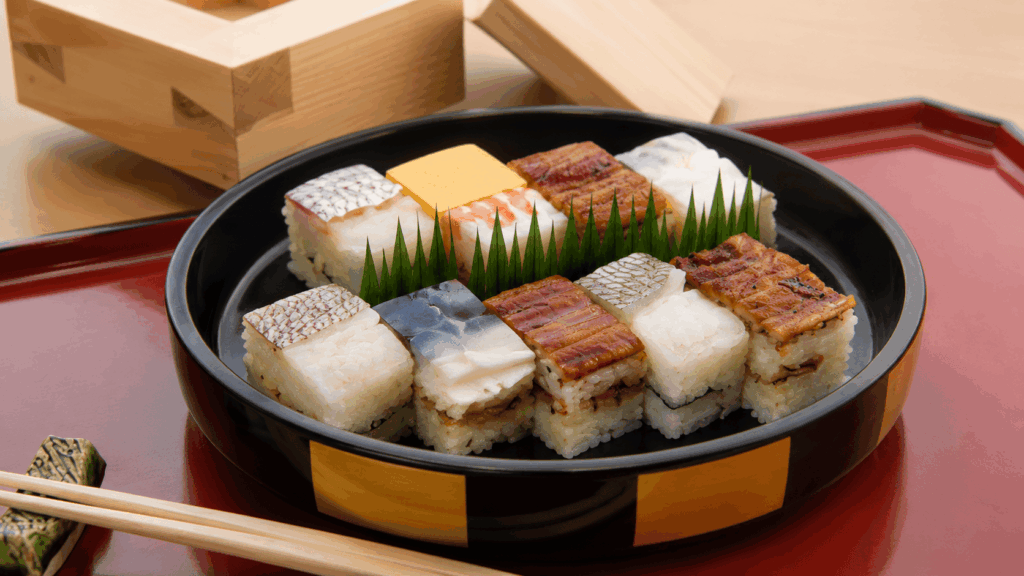
Yoshino Sushi has been making hako-zushi since 1841 — seven generations of the same family. This is the place to try box sushi in its most traditional form. The standard hako-zushi box (¥1,760) includes mackerel, shrimp, conger eel, and tamago (egg) pressed into shape. Premium boxes run ¥3,000–4,000.
Here’s the critical thing to know: Yoshino is only open weekdays from around 9:30 AM to 2:00 PM. Closed weekends and public holidays. It’s a lunch-only operation, and a business-district one at that. Plan accordingly.
If you can’t make it to the Awajimachi shop, Yoshino has a takeout counter inside Shin-Osaka Station (the Alce tile, near the Shinkansen gates). You can grab a box sushi set to eat on the Shinkansen to Tokyo or Kyoto — an excellent way to turn transit time into a meal.
📍 Awajimachi: 10-min walk from Yodoyabashi or Kitahama Station (Subway Midosuji/Sakaisuji Lines).
Abaraya (あばらや) — Namba
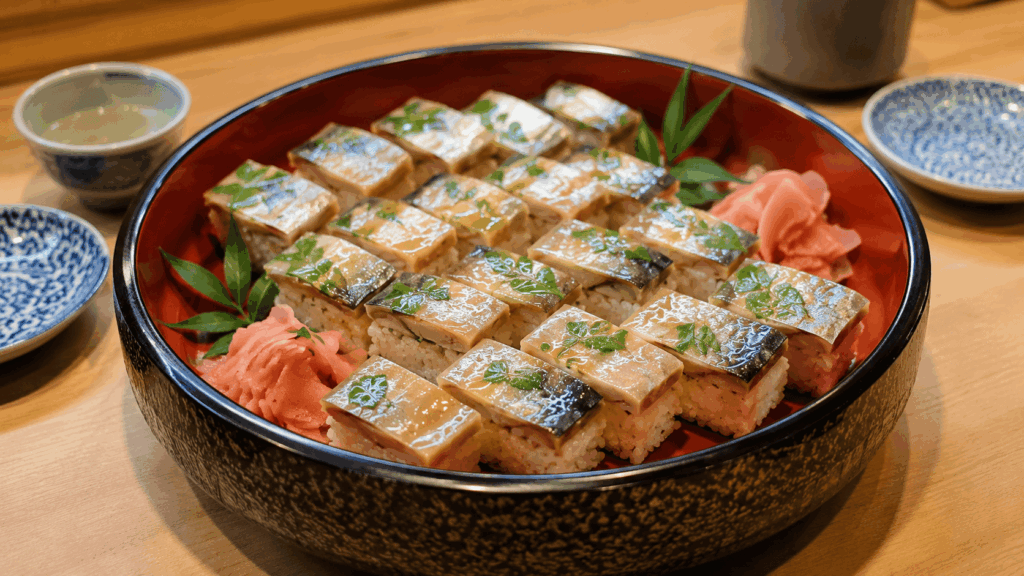
If Yoshino represents the daytime, formal face of oshizushi, Abaraya is its smoky, after-hours counterpart. This tiny Namba shop specializes in saba battera (mackerel pressed sushi) and little else. The mackerel is cured in vinegar and salt, pressed with warm rice, and served in thick slabs. It costs around ¥4,000–5,000 per person (you’ll likely share a whole pressed block between two people).
Open Monday to Saturday from 4:00 PM to 11:00 PM. Closed Sundays. Reservations are available through AutoReserve. This is a locals’ spot — no English menu, limited seating, and a focused, no-nonsense atmosphere.
📍 Near Namba Station (Subway Midosuji/Yotsubashi/Sennichimae Lines).
Prefer learning Osaka-style sushi without chasing weekday lunch hours or Japanese-only counters? If you want the oshizushi context from this section but do not want to gamble on timing, language, or a tiny local counter, this is the one booking to compare against doing it yourself.
Why I’d book this one
- It focuses on three styles in one session: nigiri, Osaka-style oshizushi, and rolls, so it connects directly with the local-sushi point above.
- Recent travelers consistently mention clear English instruction, patient staff, and enough food at the end to feel like a real meal rather than a quick demo.
- It is in the Dotonbori/Namba area, which makes it easier to fit into the same evening as the restaurants and neighborhoods discussed in this guide.
See live availability, start times, and recent traveler reviews for the Dotonbori sushi-making class that includes oshizushi.
Quick Comparison: Which Sushi Experience Fits You?
Use this table to match your situation to the best option.
| Your situation | Best pick | Why |
|---|---|---|
| Early riser (before 8 AM) | Endo Sushi (Central Market shop) | Queue is short or nonexistent at opening (6:15 AM). Freshest fish of the day. |
| Only free at lunch, want oshizushi | Yoshino Sushi | Only works for weekday lunch, but it’s the definitive hako-zushi experience. |
| Dinner only, want oshizushi | Abaraya | Night operation (4 PM–11 PM), closed Sundays. Mackerel battera specialist. |
| Need English menu / no language stress | Nigiri Chojiro or Ganko Sushi | Tablet ordering + English menus. Reservations possible at both. |
| Traveling from Kyoto (Keihan Line) | Endo Sushi (Kyobashi shop) | Connected to Kyobashi Station (Keihan Line direct from Kyoto). Open all day. |
| Traveling from Kyoto (Shinkansen) | Yoshino Sushi (Shin-Osaka takeout) | Grab a box sushi set before boarding. Perfect for Shinkansen ride to Tokyo. |
| Budget big lunch, want quantity | Harukoma Sushi | Generous slices, cash-only, queue but worth it. Close when fish runs out. |
| Special occasion / celebration | Ginza Kyubey | English-friendly high-end omakase. Reservations required. River view. |
| Exploring Shinsekai / Tsutenkaku | Daiko Sushi | ¥150/plate starting price. Brush-on-soy-sauce style. Closed Thursdays. |
Practical Tips for Eating Sushi in Osaka
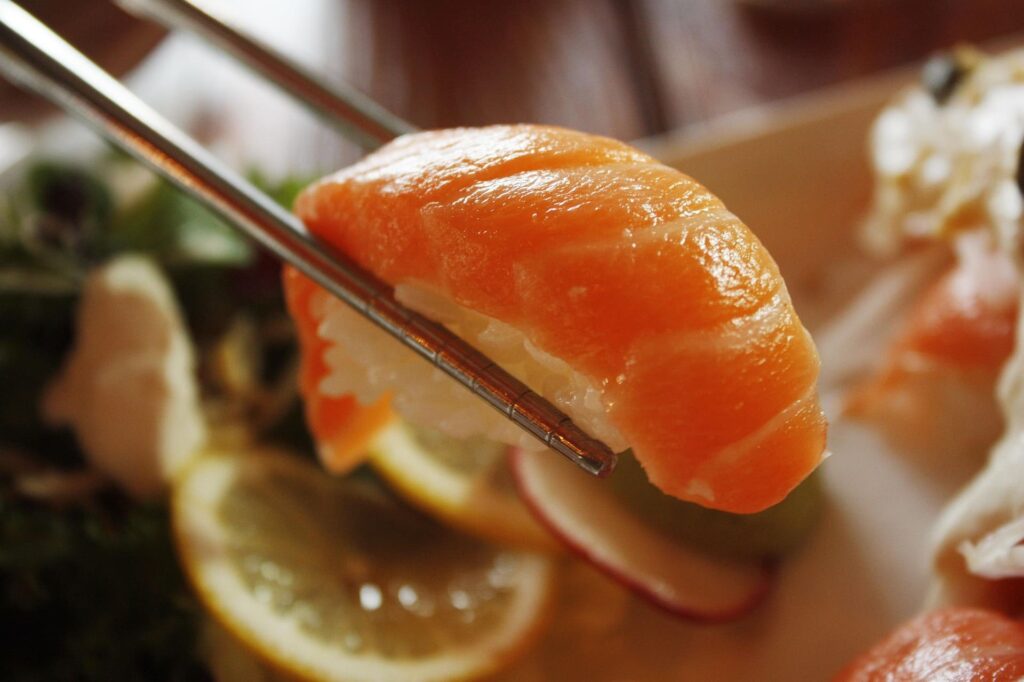
Sunday closures will affect your plans
Many of the best sushi shops in Osaka are closed on Sundays — and some close on additional weekdays too. Here’s a weekday-by-weekday summary:
- Sunday: Endo (Central Market), Yoshino, Abaraya, Echizen — all closed. Go to Nigiri Chojiro, Ganko, or Daiko instead.
- Tuesday: Harukoma closed.
- Thursday: Daiko closed.
- Saturday: Yoshino closed (weekdays only).
If your Osaka visit falls on a Sunday, your best bets are Nigiri Chojiro (open daily), Ganko Sushi (open daily, multiple locations), or Endo Sushi Kyobashi shop (open daily).
English menus & ordering
- Full English support: Nigiri Chojiro (tablet), Ganko Sushi (menu), Endo Kyobashi (menu), Daiko (menu), Ginza Kyubey (English-speaking staff)
- Limited English but manageable: Endo Central Market (basic English menu, pointing works), Harukoma (basic English menu)
- No English / Japanese only: Abaraya (come with a translation app or a friend who reads Japanese), Yoshino (basic Japanese only)
Reservation tips
- No reservation possible: Endo (both shops), Harukoma, Daiko, Echizen (lunch)
- Reservation recommended: Nigiri Chojiro (online via their website), Ganko (phone or in-person at larger branches)
- Reservation required: Ginza Kyubey (online reservation system), Abaraya (AutoReserve)
Area guide: where to eat based on where you are
- Namba / Dotonbori / Hozenji: Nigiri Chojiro (flagship), Abaraya, Ganko Namba
- Umeda / Kita: Ganko Umeda, Yoshino (10-min walk south)
- Fukushima / Central Market: Endo Central Market shop (morning only)
- Kyobashi (Keihan Line / Kyoto connection): Endo Kyobashi shop
- Shin-Osaka (Shinkansen): Yoshino takeout, Ganko Shin-Osaka
- Shinsaibashi: Echizen (lunch), Ganko Shinsaibashi
- Shinsekai / Tennoji: Daiko Sushi
- Tenjinbashisuji / Temma: Harukoma Sushi
Cash vs card
Most budget-tier shops (Endo, Harukoma) are cash-only. Mid-range chains (Ganko, Nigiri Chojiro) accept cards. Ginza Kyubey accepts cards and major credit. Keep ¥5,000–10,000 in cash if you’re planning a market-sushi morning.
Frequently Asked Questions
Is Osaka sushi as good as Tokyo sushi?
It’s different — not better or worse. Tokyo excels at high-end Edomae nigiri (aged, seasoned fish served in precise counter-seat settings). Osaka’s strength is market-fresh, generously portioned budget sushi and its unique pressed-sushi tradition (oshizushi / hako-zushi) that you won’t find done the same way in Tokyo. If you chase omakase, Tokyo wins. If you want variety, value, and something unique to the region, Osaka is excellent in its own right.
Do I need to make reservations for sushi in Osaka?
It depends on your tier. Budget-market shops (Endo, Harukoma, Daiko) are walk-in only — no reservations accepted, just show up and queue. Mid-range chains (Ganko, Nigiri Chojiro) accept reservations and it’s a good idea for dinner. High-end omakase (Ginza Kyubey) requires advance booking. If you’re visiting on a Sunday or a holiday, note that many of the best independent shops are closed, so check hours ahead of time.
What is the best sushi experience near Dotonbori?
For the Dotonbori / Namba area, your best options are Nigiri Chojiro (flagship near Hozenji Yokocho — high-quality kaiten with tablet ordering, open daily) and Abaraya (mackerel oshizushi specialist, evening only, closed Sundays). Both are within a few minutes’ walk of the Dotonbori canal. If you want something quick and reliable, Ganko Sushi also has a branch in Namba.
What is oshizushi / hako-zushi / battera?
These are all forms of pressed sushi — Osaka’s traditional sushi style. Unlike Tokyo-style nigiri (toppings on hand-formed rice), oshizushi uses a wooden box (hako) to press toppings and rice into firm rectangular blocks, then cuts them into pieces. Battera is the most famous variety: mackerel pressed with a strip of kombu (kelp) on top. Bo-zushi is a cylindrical pressed mackerel sushi. You’ll find these at Yoshino Sushi (daytime, weekday only) and Abaraya (evenings).
Do sushi restaurants in Osaka have English menus?
Most budget-tier shops have basic English menus (Endo, Harukoma, Daiko). Mid-range chains like Ganko and Nigiri Chojiro have full English menus or tablet ordering with English support. Ginza Kyubey has English-speaking staff. The main exception is Abaraya — a small local oshizushi specialist with no English menu (come with a translation app). Yoshino Sushi has limited English support.
Can I eat sushi in Osaka on a Sunday?
Yes, but your options narrow because many independent shops (Endo Central Market, Yoshino, Abaraya, Echizen) are closed on Sundays. Your best Sunday choices are: Endo Sushi Kyobashi shop (open daily), Nigiri Chojiro (open daily), Ganko Sushi (all locations), or Daiko Sushi (closed Thursdays, open Sundays). Sunday is the day to lean on the chain and mid-range options.
Final Verdict: Which Sushi Experience Should You Choose?
For first-time visitors to Osaka: Start with Endo Sushi (ideally the Kyobashi shop if you’re not an early riser) for market-fresh nigiri at lunch, and Yoshino Sushi or Abaraya for oshizushi at another meal. This combination gives you both sides of Osaka’s sushi identity — the generous market side and the unique pressed-sushi tradition.
For families or anyone who wants zero language stress: Stick with Nigiri Chojiro (tablet ordering, reliable quality, Dotonbori area) or Ganko Sushi (multiple locations, English menus, reservations accepted). Both are safe, consistent, and won’t surprise you with long queues or communication issues.
For travelers on a tight schedule (1–2 days in Osaka): Don’t waste time figuring out Osaka’s complex train system when you’re hungry. Hit Endo Sushi Kyobashi (open all day, connected to Keihan line, no queue) for your standard sushi fix, and grab a Yoshino Sushi box from Shin-Osaka Station as you leave town. That’s two Osaka-specific sushi experiences with zero extra detours.
For budget travelers or students: Harukoma Sushi and Daiko Sushi will fill you up without draining your wallet. Harukoma’s tuna slices are famously generous for the price, and Daiko’s ¥150/plate starting point makes it easy to eat cheaply. Both have English menus.
For special occasions or omakase seekers: Book Ginza Kyubey at the Imperial Hotel — it’s the most English-friendly high-end option in Osaka, with lunch courses starting around ¥8,250 and dinner omakase from ¥16,500. Make your reservation at least a week in advance.
Choose another option if: You’re only interested in Tokyo-style high-end nigiri omakase. In that case, save your budget for Tokyo — Osaka’s sushi magic is in its markets, its pressed-sushi tradition, and its no-fuss, generous portions. That’s where the city truly delivers something you won’t find anywhere else.
Hi, I’m Kai. I’m a Tokyo-based travel writer, tourism industry insider, and the author of a published guidebook for international visitors to Japan. With over 10 years of professional experience at a leading Japanese tourism company, my mission is to help you skip the tourist traps and navigate Japan’s best destinations like a local. I believe the perfect day trip is like a traditional kaiseki meal: a beautiful balance of precise planning and unforgettable seasonal discovery. When I’m not out conducting field research, you’ll usually find me drafting new itineraries with one of my favorite fountain pens!