
If you are planning a trip to Japan, Osaka Castle is likely on your itinerary. As one of Japan’s most famous landmarks, it looks like the ultimate samurai fortress from the outside. However, many first-time visitors who explore the castle on their own leave slightly disappointed because what is inside often does not match the traditional castle image they had in mind.
If you want to dive deep into the world of shoguns, samurai, and epic power struggles, simply buying a ticket and walking inside may not be enough. And with the updated admission fee and the Toyotomi Stone Wall Museum now part of the paid visit, the decision between going DIY and booking a guided tour matters more than older Osaka Castle articles might suggest.
Quick Answer: Is a Guided Osaka Castle Tour Worth It?
Yes, a guided walking tour of Osaka Castle is worth it if you are interested in Japanese history and want to understand what really happened here. If you only want a photo of the castle exterior, DIY is perfectly fine.
Here is the short version of what you need to know before you go:
- The inside is modern: The current main tower is a 1931 steel-reinforced concrete reconstruction with elevator access, not an original wooden castle. The atmosphere many visitors imagine is not inside the building.
- The real history is outside: The true historical value lies in the massive stone walls, deep moats, defensive gates, and layered Toyotomi-to-Tokugawa history spread across the park.
- The ticket changed: As checked in June 2026, admission is 1,200 JPY for adults, with a reduced student rate and free entry for junior high school age and younger with valid proof. The ticket also gives access to the Toyotomi Stone Wall Museum.
- A guide saves time and context: Osaka Castle Park covers about 105.6 hectares, and finding the key historical spots without a planned route can eat into your day.
If history is the main reason you are visiting Osaka Castle, check the latest availability, meeting point, reviews, and tour inclusions before finalising your Osaka itinerary.
If you only want a quick exterior photo, exploring on your own is completely fine. There are many great photo spots around the park, and you do not need a guide just to enjoy the classic castle view.
What Changed Recently? Updated Ticket Price and Toyotomi Stone Wall Museum
If you have read older Osaka Castle articles, some details may now be outdated. The biggest change is that the castle tower ticket costs more than it used to, but it also includes access to the Toyotomi Stone Wall Museum.
| Item | Current Information |
|---|---|
| Adult admission | 1,200 JPY |
| University / high school students | 600 JPY with valid student ID |
| Junior high school age and younger | Free with proof of age |
| Included facilities | Osaka Castle Museum main tower and Toyotomi Stone Wall Museum |
| Usual hours | 9:00 AM – 6:00 PM, last admission 5:30 PM |
| Usual closure | December 28 – January 1 |
These details were checked against official information in June 2026. The fee and hours changed from April 1, 2025, but special openings, temporary closures, student conditions, and entry rules can change. Confirm the latest information on the official Osaka Castle Museum website before you go.
The higher ticket price may sound disappointing at first, but the Toyotomi Stone Wall Museum is a meaningful addition. It reveals stone walls from the Toyotomi-era Osaka Castle, which were buried after the Tokugawa victory and later discovered through excavation work in 1984. If you are interested in the real history of the site, this exhibit makes the updated ticket stronger than the old main-tower-only experience.
DIY: What to Expect Inside Osaka Castle
Before deciding how to visit, it is important to set your expectations. The biggest mistake tourists make is assuming Osaka Castle is an untouched relic from the 16th century.
It Is a Modern Museum, Not an Original Wooden Castle
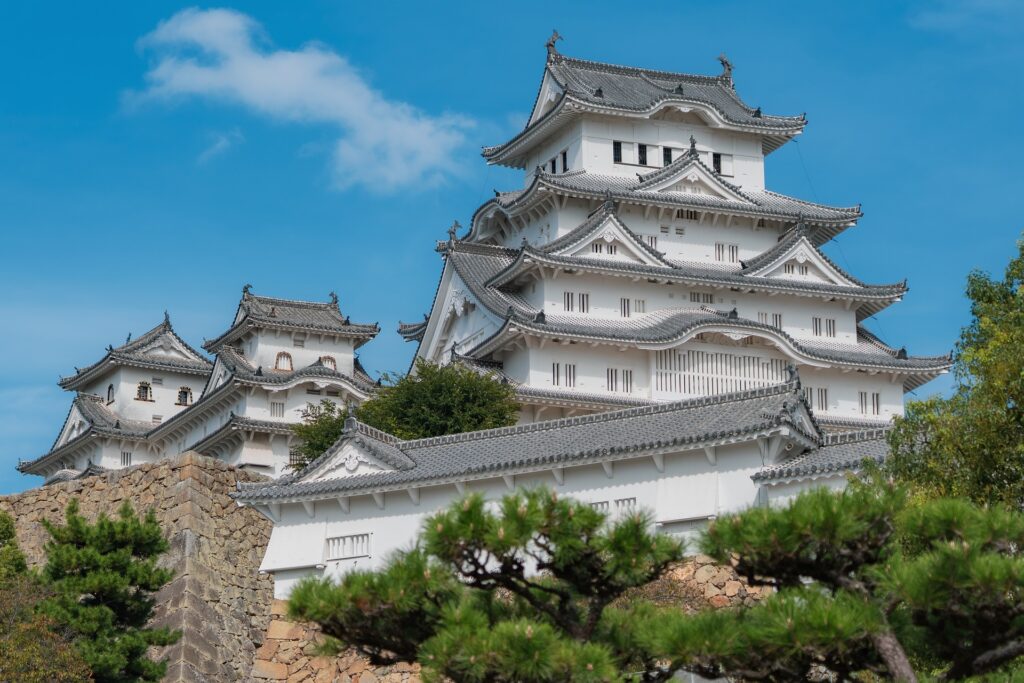
Unlike Himeji Castle, which has original wooden castle architecture, the current main tower of Osaka Castle was rebuilt in 1931 using steel-reinforced concrete. The exterior is a striking reconstruction, but the inside is a modern, multi-floor history museum.
You will find museum displays, historical materials, armor-related exhibits, and an observation deck. The exhibits are useful, but travelers looking for creaky wooden floors, tatami rooms, and an original feudal atmosphere may be disappointed by the modern construction and elevator access.
The Toyotomi Stone Wall Museum: Do Not Skip This
The Toyotomi Stone Wall Museum is now one of the most important parts of an Osaka Castle visit. It is located near the main tower and displays Toyotomi-era stone walls that were buried beneath the later Tokugawa reconstruction.
This is where the site becomes more than just a modern castle museum. Instead of only reading about Osaka Castle’s layered history, you can see physical remains from the earlier Toyotomi castle. If you are visiting on your own, allow extra time for this exhibit rather than rushing only through the main tower.
Because the exhibit depends on the condition of the stone walls, temporary changes or closures are possible. Check the official Toyotomi Stone Wall Museum information before planning your day around it.
The Park Is Free, Massive, and Easy to Underestimate
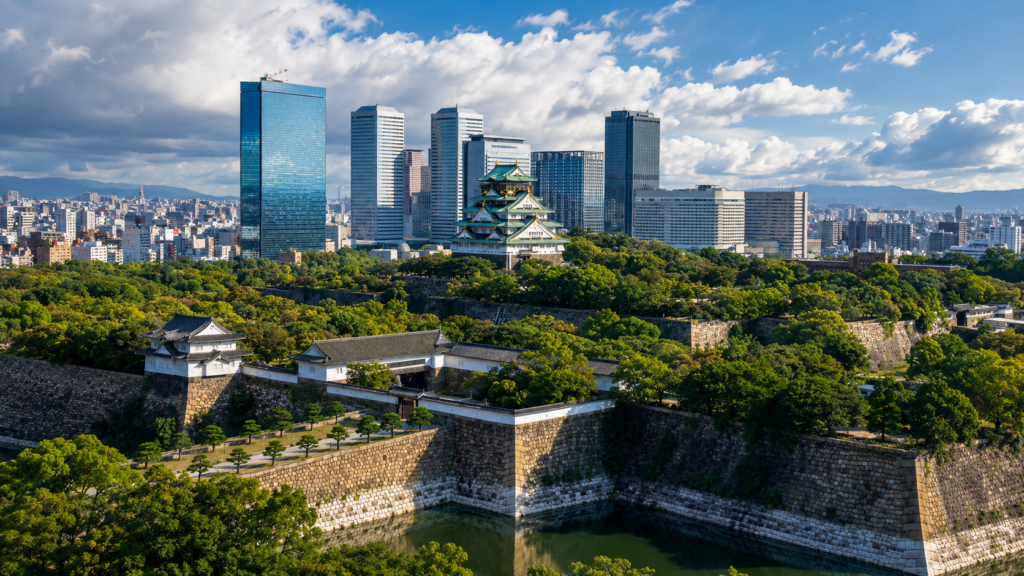
Osaka Castle Park covers about 105.6 hectares. Just walking from nearby stations such as Tanimachi 4-chome or Morinomiya to the main castle tower usually takes about 15 to 20 minutes on foot.
A typical self-guided visit takes around 1.5 to 2.5 hours, depending on how much of the park, main tower, and Toyotomi Stone Wall Museum you want to see. Without a planned route, it is easy to spend your energy crossing the grounds before you reach the most interesting historical points.
If you plan to visit on your own, wear comfortable shoes, bring water in summer, and consider arriving early in the day. Weekends, public holidays, and cherry blossom season can be especially busy.
Why a Guided Tour Changes Your Experience
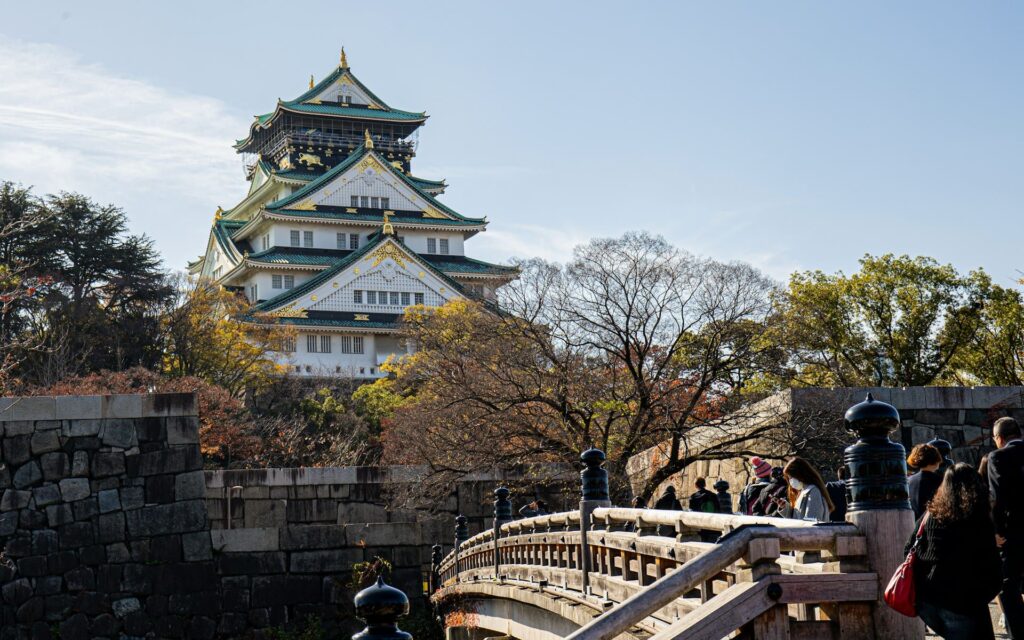
If the inside is a modern museum, where is the real history? Much of it is hidden in plain sight outside the castle tower. This is exactly where an English-speaking guide can make a major difference.
The Stone Walls Tell a Story a Guide Can Read
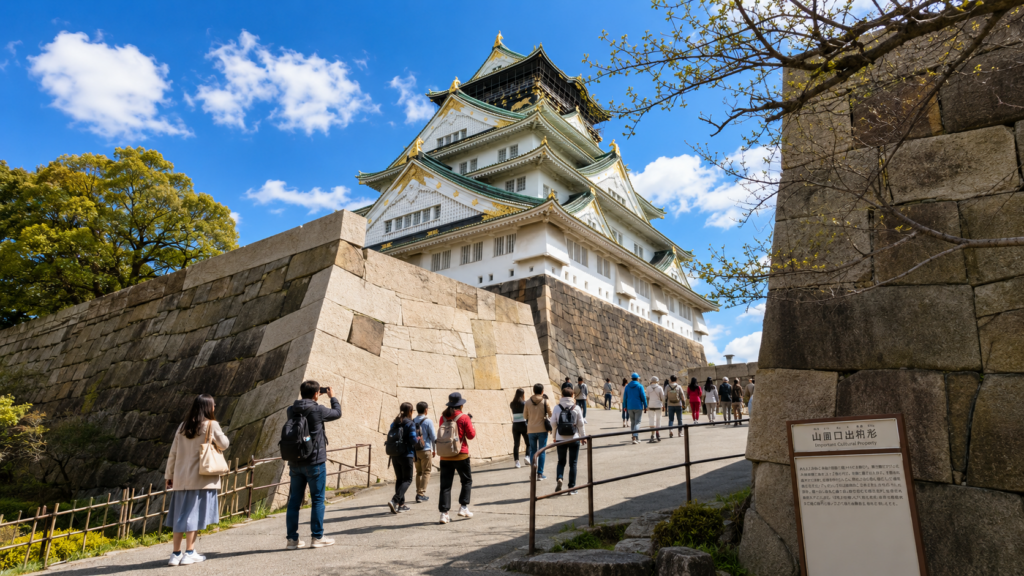
The most impressive architectural features of Osaka Castle are its defensive walls. Some of the stones used in the walls are enormous, including the famous Tako-ishi, or Octopus Stone, which is often described as weighing more than 100 tons.
On your own, the walls may simply look impressive. With a guide, they become evidence of power, politics, construction skill, and feudal loyalty. A knowledgeable guide can point out stone markings, explain why different daimyo were involved in construction, and help you understand how the castle functioned as a military and political symbol.
The Siege of Osaka Makes More Sense With Context
Osaka Castle was the stage for one of the defining conflicts in Japanese history: the struggle between the Toyotomi clan and the Tokugawa shogunate in the early 1600s.
When you walk the grounds alone, the moats and gates may feel like scenic backdrops. A guide can explain how the defenses worked, why the Toyotomi position mattered, and how the Siege of Osaka changed the direction of Japanese history. A guided walking tour turns a simple stroll in the park into a much clearer story of ambition, warfare, betrayal, and political consolidation.
For an even deeper cultural day, you can combine your castle visit with a traditional tea ceremony experience nearby.
Efficient Routing Saves Time and Energy
Local guides know which gates to use, where to pause for the best historical explanations, and how to avoid unnecessary backtracking. On a hot Osaka summer day, this can make the difference between an enjoyable visit and an exhausting one.
A guide does not make Osaka Castle smaller, and you should still expect a fair amount of walking. But a well-planned route helps you spend your time on the most meaningful areas instead of wandering through the park without context.
DIY vs Guided Tour: Quick Comparison
To help you decide how to approach your visit, here is a direct comparison between exploring on your own and joining a guided walking tour.
| Feature | DIY Self-Guided Visit | Guided Walking Tour |
|---|---|---|
| Cost | 1,200 JPY for adult castle admission, unless covered by a pass | Usually several thousand yen per person, plus any separate entry fee if not included |
| Historical insight | Basic, based on museum panels and your own reading | Deeper context on samurai history, stone walls, moats, gates, and the Siege of Osaka |
| Navigation | You choose your own route, but the large park can be tiring | Guide leads an efficient route to the most important historical points |
| Flexibility | Best if you want to move at your own pace or focus on photos | Best if you want stories, structure, and historical explanation |
| Best for | Budget travelers, photographers, repeat visitors, and quick photo stops | History lovers, first-time visitors, solo travelers, and people who want context |
If you just want a picture with a beautiful Japanese castle in the background, DIY is perfectly fine. But if you want to understand the samurai culture, Toyotomi-Tokugawa conflict, and defensive design behind the site, a guided tour is the better choice.
After comparing DIY and guided options, first-time visitors who want the stories behind the walls and moats should compare the latest local guide tour details, duration, meeting point, and inclusions before choosing a date.
What Types of Osaka Castle Tours Should You Compare?
If a guided tour sounds right for you, compare options carefully. Tour prices, review counts, meeting points, entry-ticket policies, language availability, group sizes, and cancellation rules change regularly, so always check the latest booking page before deciding.
1. Osaka Castle History Walking Tour
This type of tour is best for first-time visitors who want a clear explanation of the castle grounds without spending the whole day at the site. Many walking tours focus on the exterior history: stone walls, moats, gates, and the Siege of Osaka.
Check whether the tour includes entry to the main tower and Toyotomi Stone Wall Museum. Some guides focus entirely on the outdoor grounds and leave you to enter the museum on your own afterward.
2. Earlier Start or Quieter-Route Tours
Osaka Castle can get crowded, especially on weekends, holidays, and during cherry blossom season. Some tours may offer earlier start times or routes designed to avoid the busiest parts of the day, depending on the season and operator.
This type of option is useful for travelers who want better photos, cooler walking conditions in summer, and a more relaxed atmosphere around the gates and moats. Before booking, check the current start time, meeting point, group size, and whether the tour actually enters the paid museum area.
3. Private or Small-Group Osaka Castle Tours
A private or small-group guide can be worth the premium if you have specific questions about samurai history, castle architecture, Toyotomi Hideyoshi, or the Tokugawa takeover. It can also give you more flexibility with pace, photos, and nearby add-ons such as Osaka Museum of History.
This is not necessary for every traveler. But if Osaka Castle is one of your main reasons for visiting the city, a private or small-group guide can make the experience more memorable.
For a more tailored experience, compare private and small-group Osaka Castle tour options, pricing, inclusions, and availability on Klook before deciding.
What to Check Before Booking an Osaka Castle Guided Tour
Before you book any guided tour of Osaka Castle, check these practical points to avoid surprises on the day.
Does It Include the Castle Tower Ticket?
Many walking tours focus on the exterior: the gardens, gates, stone walls, and moats. If a tour does not include the 1,200 JPY adult admission fee, confirm whether you need to buy the ticket separately and whether the guide will help you at the ticket counter.
Does It Include the Toyotomi Stone Wall Museum?
The Toyotomi Stone Wall Museum is included with the Osaka Castle Museum admission ticket, but not every walking tour enters the paid area. If this exhibit is important to you, check whether the tour includes time for it or whether you should visit independently before or after the guided walk.
Where Is the Meeting Point?
Osaka Castle Park is large, and meeting points can be confusing if you arrive late. Many tours meet near a station, park entrance, or recognizable gate. Check the exact meeting point, nearest station exit, and arrival instructions before booking.
What Is the Cancellation Policy?
Weather in Osaka can change quickly, especially during summer typhoon season and rainy periods. Outdoor tours are less enjoyable in heavy rain. Check the cancellation window and weather policy on your selected booking page before confirming.
What Should You Bring?
- Comfortable walking shoes: You will be on your feet for a long time, even with a guide.
- Water: Especially from June to September, when Osaka is hot and humid.
- Hat, sunscreen, or umbrella: Much of the route is outdoors and exposed.
- Cash as a backup: Major payment methods are listed by the museum, but carrying some cash is still useful in Japan for small vendors, lockers, or backup situations.
- Proof of age or student status: Bring a passport, student ID, or other valid proof if you plan to use a reduced or free admission category.
Tips for Visiting Osaka Castle on Your Own
Even if you skip a guided tour, a little planning will make your visit much smoother.
Best Time to Visit
Early morning is usually the most comfortable time to visit. The park itself is open before the museum, so photographers may want to arrive before the castle tower opens and then enter the paid area later.
Weekdays are generally easier than weekends. Cherry blossom season is beautiful but very crowded, especially around popular photo spots and Nishinomaru Garden. During busy periods, ticket lines and walking routes can take longer than expected.
How Long to Spend
For a simple photo stop outside the tower, you may only need 45 to 60 minutes, depending on your station and route. For the main tower, Toyotomi Stone Wall Museum, and a relaxed walk through the grounds, plan around 2 to 3 hours.
History lovers who also join a walking tour should allow 3 to 4 hours if they want to do the exterior tour, main tower museum, and Toyotomi Stone Wall Museum without rushing.
Luggage and Storage
If you visit Osaka Castle on your arrival or departure day, avoid bringing large luggage into the park if possible. Coin lockers may be available at nearby stations and some facilities, but large suitcase availability is not guaranteed. For oversized luggage, luggage forwarding from your hotel is usually more comfortable.
Osaka Amazing Pass Holders
As checked in June 2026, the Osaka Amazing Pass official attraction list includes same-day admission to Osaka Castle Museum and the Toyotomi Stone Wall Museum. However, pass prices, validity rules, participating facilities, and special conditions can change, so confirm the latest pass details before your visit.
For pass holders, the question changes from “Should I pay to enter?” to “Should I also pay for a guide?” If you only want access to the building and museum, DIY can be good value. If you want the full historical picture, you can still add a guided walking tour separately.
Rainy Day Plan
The outdoor parts of an Osaka Castle tour, including the stone walls, moats, and gates, are exposed to the weather. If heavy rain is forecast, consider whether an exterior-focused guided tour still makes sense for you.
The main tower museum and Toyotomi Stone Wall Museum are better rainy-day options because they are indoors or sheltered. A rainy day can still work for Osaka Castle, but it is less ideal for photography and long outdoor explanations.
Frequently Asked Questions
How much time do you need for Osaka Castle?
For a standard visit, expect to spend about 1.5 to 2.5 hours. This includes walking from the station, exploring part of the park, and going inside the main tower. Add more time if you want to visit the Toyotomi Stone Wall Museum carefully or join a guided walking tour.
Is it worth going inside Osaka Castle tower?
Yes, if you enjoy modern history museums and observation decks. The main tower is not an original wooden castle, but it does provide historical exhibits and city views. The ticket is more worthwhile now that it also includes the Toyotomi Stone Wall Museum.
Is the 1,200 JPY ticket worth it?
For the main tower alone, 1,200 JPY may feel like moderate value rather than a bargain. However, with the Toyotomi Stone Wall Museum included, the ticket is stronger for visitors interested in Japanese history, archaeology, and the Toyotomi period.
Can you visit Osaka Castle without a tour?
Yes. Individual visitors can visit Osaka Castle without joining a guided tour. During busy seasons, lines, entry conditions, and ticket options can change, so check current official information before you go.
Can you see Osaka Castle for free?
You can walk around much of Osaka Castle Park for free and take exterior photos without entering the paid museum. You only need a ticket if you want to enter the main tower and Toyotomi Stone Wall Museum.
Osaka Castle vs Himeji Castle: Which is better?
It depends on what you are looking for. Himeji Castle is a UNESCO World Heritage site with original wooden castle architecture, making it the better choice if you want a more authentic surviving castle interior. Osaka Castle is a modern reconstruction inside, but it is extremely important for understanding Toyotomi Hideyoshi, the Tokugawa rise, and the political history of early modern Japan.
If you want original architecture, go to Himeji, one of the best day trip destinations from Osaka. If you want dramatic samurai history in a convenient urban location, Osaka Castle with a guide is a strong choice.
Are there good photo spots around Osaka Castle?
Yes. Some of the best views are from outside the paid area, including angles across the moat, approaches near major gates, and open lawn areas around the park. For more ideas, see our guide to the best Osaka photo spots.
Final Verdict: Which Type of Traveler Should Book a Tour?
Choose a guided tour if:
- You are interested in Japanese samurai history and want stories, not just display cases.
- This is your first visit to Osaka Castle and you want to understand why it matters.
- You prefer having a clear route through the large park.
- You want someone to explain the stone walls, moats, gates, and Siege of Osaka in plain English.
- You are visiting during a busy season and want a more structured experience.
Skip the tour and go DIY if:
- You only want a photo with the castle in the background.
- You are on a tight budget and prefer to spend money on food or other activities.
- You already have a pass that covers the museum and only want to enter the building.
- You are visiting on a rainy day and plan to focus mainly on indoor exhibits.
- You prefer photography and flexible wandering over guided explanations.
For families: A guided tour can be useful for older children who enjoy history, stories, and castles. Younger children may find a 1.5 to 2-hour walking tour tiring, especially in summer. In that case, a shorter DIY visit focused on the museum, a few photo spots, and a relaxed walk may be more comfortable.
For history lovers: A guided tour is the best option. The combination of an exterior history walk, the Toyotomi Stone Wall Museum, and the main tower museum gives you the fullest picture of Osaka Castle’s layered story.
For photographers: DIY is usually better. You can arrive early, choose your own angles, and spend as much time as you want at each location without being tied to a group schedule.
Ready to plan your visit? Compare the latest guided tour options, start times, meeting points, and availability before deciding which approach suits your travel style.
Prices, opening hours, transport schedules, pass conditions, tour inclusions, payment methods, seasonal operations, and temporary closures can change. Always check official sources and your selected booking page before finalizing your trip.

Hi, I’m Kai. I’m a Tokyo-based travel writer, tourism industry insider, and the author of a published guidebook for international visitors to Japan. With over 10 years of professional experience at a leading Japanese tourism company, my mission is to help you skip the tourist traps and navigate Japan’s best destinations like a local. I believe the perfect day trip is like a traditional kaiseki meal: a beautiful balance of precise planning and unforgettable seasonal discovery. When I’m not out conducting field research, you’ll usually find me drafting new itineraries with one of my favorite fountain pens!