
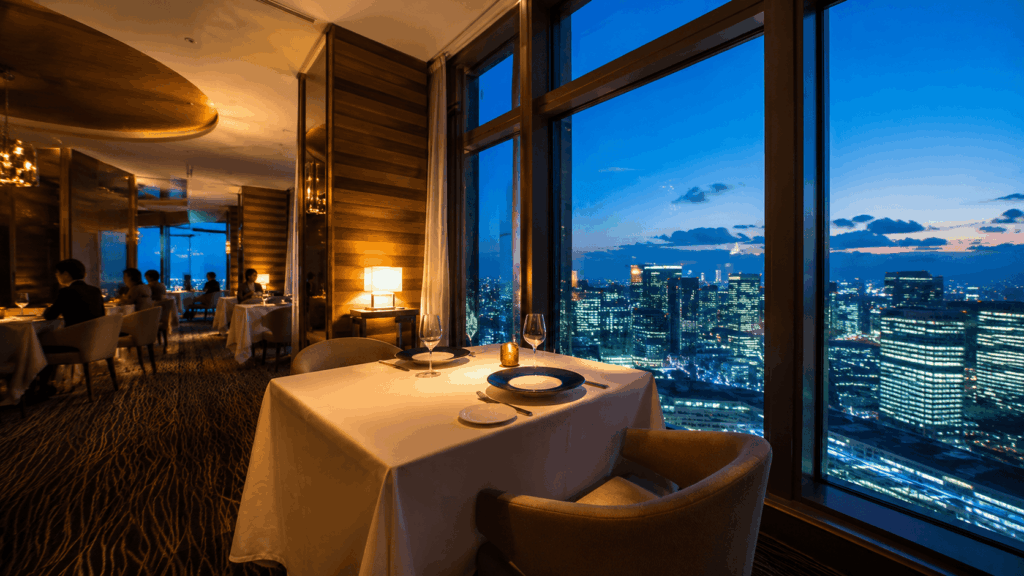
If you are planning a trip to Japan, you may have seen social media posts claiming that every good restaurant in Tokyo must be booked months in advance. That is where the Tokyo restaurant reservation stress starts: refreshing booking platforms, comparing Tabelog vs TableAll, worrying about omakase cancellation rules, and wondering whether walk-in restaurants still exist.
Take a breath. You do not need to reserve every meal in Tokyo to eat well.
Do You Really Need Restaurant Reservations in Tokyo?
No, you do not need reservations for every meal in Tokyo. For casual sushi, ramen, izakaya, curry, soba, tonkatsu, department store dining floors, and many neighborhood restaurants, walk-ins are still realistic. The key is knowing which meals need planning and which meals are better left flexible.
The restaurants that usually require serious advance booking are a small slice of Tokyo dining: famous sushi counters, high-end omakase, kaiseki restaurants, Michelin-starred restaurants, and tiny chef-led restaurants with only a few seats.
For most travelers, the best strategy is not to book everything. It is to book only the meals you truly care about, then leave space for spontaneous walk-ins.
| Meal Type | Reservation Need | Best Strategy |
|---|---|---|
| Ramen, casual sushi, curry, soba, udon | Usually not needed | Walk in before or after peak meal times |
| Izakaya, yakitori, local neighborhood restaurants | Helpful but not always essential | Use Tabelog or Google Maps to shortlist, then try early |
| Popular mid-range restaurants | Recommended | Check TableCheck, the restaurant website, or ask your hotel |
| High-end sushi, kaiseki, omakase counters | Often essential | Book only when your schedule is fixed and you accept the cancellation policy |
| Arrival-night dinner | Risky for expensive bookings | Keep it flexible in case of flight delays, jet lag, or train disruption |
Avoid booking an expensive omakase on your arrival night or after a long day trip. Even if the delay is not your fault, some restaurants and booking platforms may still apply strict cancellation or late-arrival rules.
Which Tokyo Restaurant Booking Tool Should You Use?
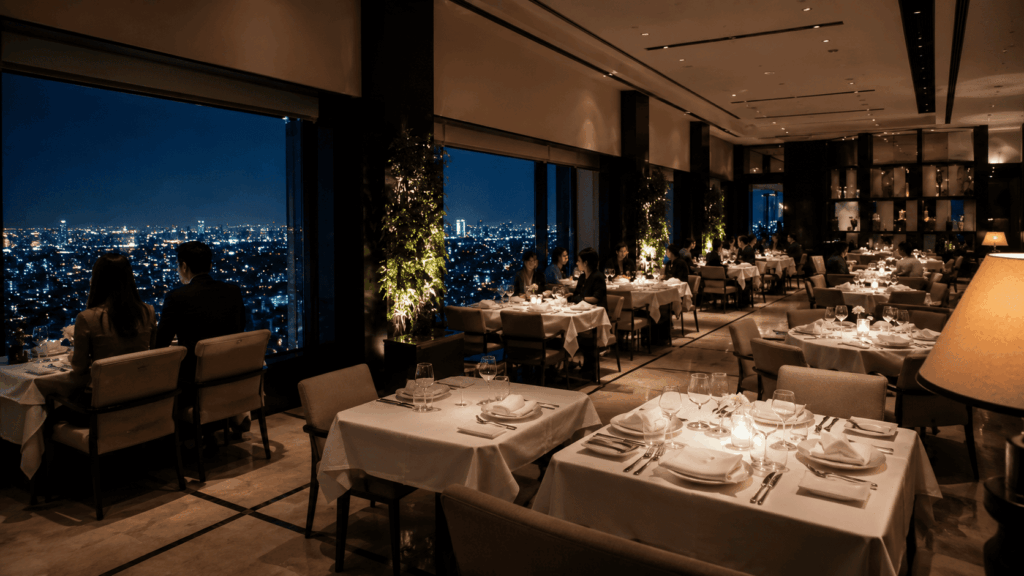
The biggest mistake is treating every restaurant platform as if it serves the same purpose. Tabelog, TableCheck, TableAll, and OMAKASE solve different problems.
| Tool | Best For | Walk-In Usefulness | Extra Fee | Cancellation Risk | Best Traveler Type |
|---|---|---|---|---|---|
| Tabelog | Finding local restaurants, hidden gems, and realistic walk-in options | High | Free for basic use | Low unless you book through a linked reservation page | Travelers who want flexibility and local choices |
| TableCheck | Booking restaurants directly online, from casual dining to fine dining | Medium | Usually no separate concierge-style booking fee | Depends on the restaurant policy shown at booking | Travelers who want a confirmed booking without using a premium concierge |
| TableAll | Hard-to-book, high-end restaurants and famous counters | Low | Non-refundable booking fee of ¥8,000 per seat as of May 2026, plus the meal cost | High if your schedule changes | Food-focused travelers with a fixed schedule and larger budget |
| OMAKASE | High-end restaurants with restaurant-specific booking rules | Low | Varies by restaurant and booking conditions | Can be high, especially close to the reservation date | Travelers booking a specific restaurant they do not want to miss |
| Hotel Concierge | Phone-only restaurants, language support, and special requests | Medium | Usually included for hotel guests, though the meal cost is separate | Depends on the restaurant policy | Travelers staying at a hotel with concierge support |
If you only remember one thing, make it this: Tabelog is mainly for discovery, TableCheck is useful for direct online bookings, and TableAll or OMAKASE should be reserved for restaurants you are truly committed to attending.
How Should You Use Tabelog for Walk-In Restaurants?
Tabelog is one of the most useful tools for reducing Tokyo dining stress because it helps you find good restaurants without turning every meal into a formal reservation.
Foreign visitors often misunderstand Tabelog scores because they compare them with Google Reviews or Yelp. On many Western review platforms, anything below 4.0 can look risky. Tabelog works differently. A restaurant in the low 3s can still be a very good local meal, especially for casual dining.
- Around 3.0: Often a normal, reliable local restaurant. Not automatically bad.
- 3.2 to 3.4: Often a promising range for casual meals, neighborhood favorites, and realistic walk-ins.
- 3.5 and above: Usually a strong score on Tabelog and often worth making an effort for.
- 3.8 and above: Often much harder to book, especially if the restaurant is small or famous.
Do not treat the score as an absolute ranking. Use it as one signal along with location, recent reviews, opening hours, photos, price range, and whether the restaurant looks comfortable for non-Japanese speakers.
How to Shortlist Walk-In Restaurants on Tabelog
For a low-stress dinner, search near the area where you will already be. Then look for restaurants that match these signs:
- The score is roughly between 3.2 and 3.6.
- The restaurant has many recent reviews and food photos.
- The price range fits your budget.
- The seating style is not limited to a tiny counter.
- The restaurant is open at the time you plan to arrive.
- The location is not inside a confusing private building with no clear entrance.
For walk-ins, timing matters. Try arriving before 6:00 p.m. for dinner, after 8:30 p.m., or right at opening for lunch. Showing up at 7:00 p.m. on a Friday night in Shibuya, Ginza, or Shinjuku is much harder.
Where Can You Eat Without a Reservation in Tokyo?
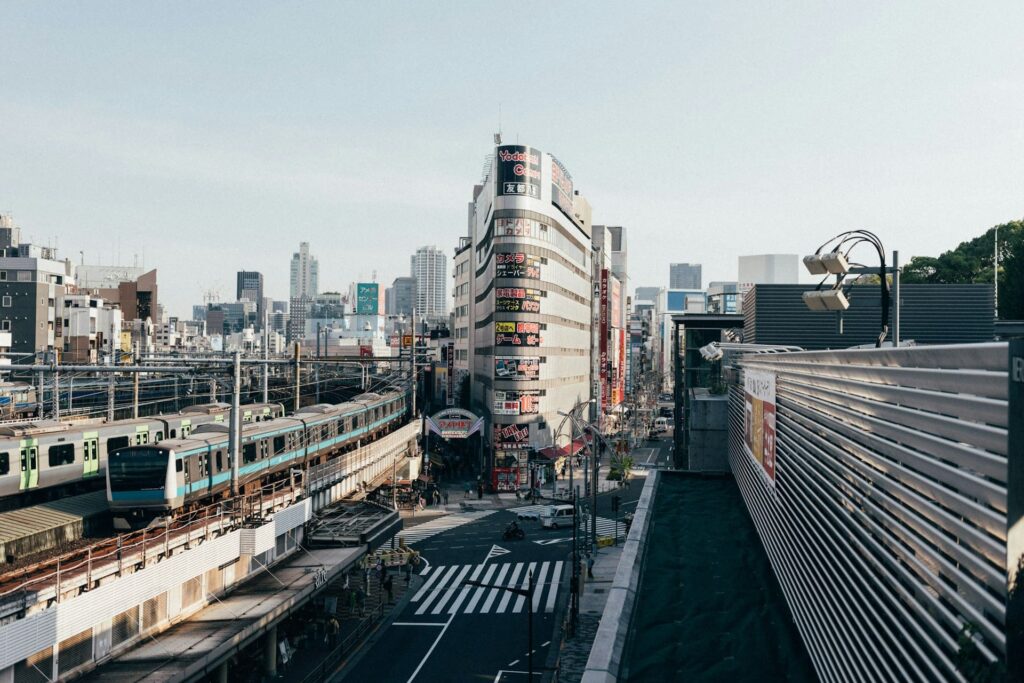
Tokyo has well over 100,000 places to eat, depending on how you count them. The most famous restaurants may be impossible to enter casually, but that does not represent the city as a whole.
If you want good food without fighting for reservations, focus on areas and restaurant types that naturally support walk-ins.
Shimbashi
Shimbashi is one of the best areas for izakaya, yakitori, grilled seafood, and after-work dining. It is busy, lively, and full of small restaurants serving office workers. If you are new to this style of dining, brushing up on essential izakaya ordering rules will make your night much smoother. Some places are crowded, but the density of restaurants gives you backup options.
Yurakucho
Yurakucho is useful because it sits near Ginza but feels more relaxed and local in parts. The restaurant arches and side streets around the station are good for casual izakaya, yakitori, and beer-friendly food.
Ueno
Ueno has a wide mix of casual sushi, izakaya, ramen, Chinese food, and street-style eating around Ameyoko. It is a practical area for visitors who want energy, variety, and more flexibility than a formal fine-dining district.
Department Store Restaurant Floors
Department store dining floors are underrated for travelers. They are clean, easy to navigate, often have menu displays or photos, and usually offer multiple restaurant choices in one building. They are especially helpful for families, rainy days, and groups with different food preferences.
Station Buildings and Food Halls
Large stations such as Tokyo, Shinjuku, Shibuya, Ikebukuro, and Ueno have extensive dining floors. These are not always quiet or hidden, but they are practical when you are tired, hungry, or short on time.
Ramen, Soba, Udon, and Casual Sushi
These categories are often easier for walk-ins—and excellent for solo dining in Tokyo—because many shops are designed for quick turnover. You may still wait in line, but you usually do not need to plan weeks ahead.
When Is TableAll Worth the Fee?
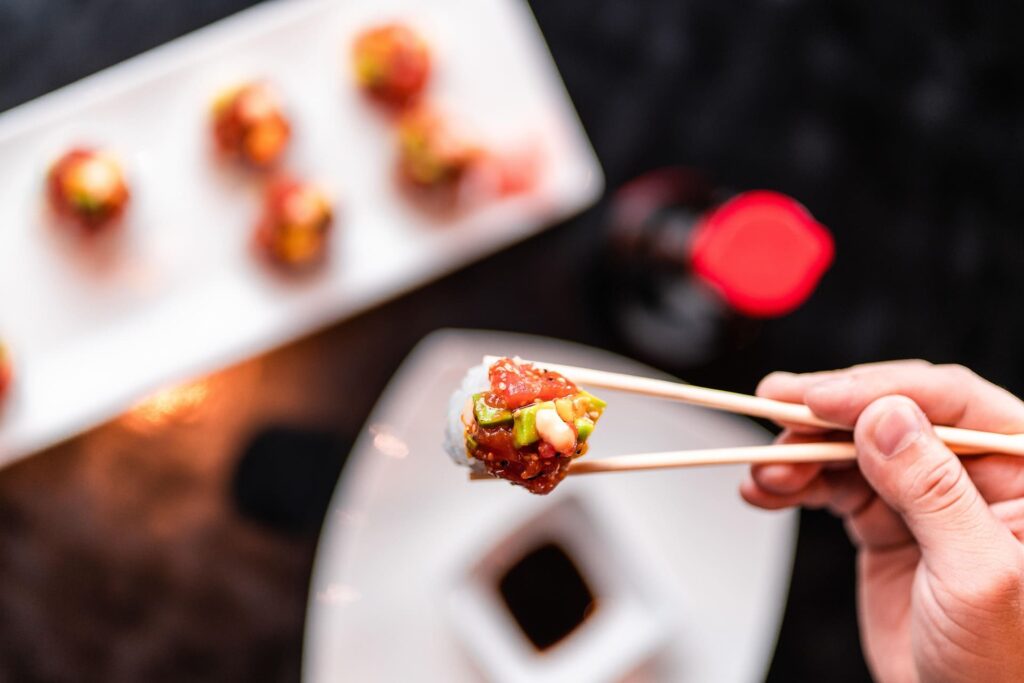
TableAll can be useful, but it is not the tool most travelers need for everyday dining in Tokyo. It is best understood as a premium option for restaurants that are difficult to book through normal channels.
Use TableAll when all of the following are true:
- You have one specific restaurant you strongly want to visit.
- Your travel schedule is fixed.
- You are comfortable paying a non-refundable booking fee.
- You have read the cancellation policy carefully.
- You are not booking multiple restaurants for the same meal slot.
Do not use TableAll just because you are anxious. For most meals, Tabelog, TableCheck, your hotel concierge, or a simple walk-in plan will be enough.
The healthiest way to plan Tokyo dining is to choose one or two special meals, then leave the rest of your schedule open. Tokyo is not a city where every good meal must be fought over months in advance.
What Should You Know Before Booking Omakase?
Omakase can be one of the most memorable meals in Tokyo, but it is also the type of dining where reservation mistakes matter most. A small sushi counter may have only a few seats, and the chef may prepare ingredients based on the exact number of guests booked for that seating.
Before booking, read the cancellation policy carefully. Rules vary by restaurant and platform, but high-end restaurants may charge strict cancellation fees if you cancel close to the reservation date, arrive late, reduce the number of guests, or do not show up.
How Can You Avoid Omakase Cancellation Problems?
- Do not book omakase on your arrival night in Japan.
- Do not book it after a long day trip or tight transfer.
- Do not reserve multiple restaurants for the same meal slot.
- Check the exact date, time, number of guests, and cancellation deadline before confirming.
- Arrive early enough to find the building, elevator, or hidden entrance.
- Tell the restaurant about allergies or dietary restrictions before the visit, not at the counter.
A no-show is not just a small mistake. For tiny restaurants, it can mean wasted ingredients, an empty seat that cannot be resold, and a direct financial loss. If you make a high-end reservation, treat it like a firm appointment.
How Can You Reduce Tokyo Dining Stress Without Overbooking?
The easiest way to enjoy Tokyo food is to combine a few planning methods instead of relying on one extreme approach. You do not need to choose between booking every meal and wandering aimlessly.
| Situation | Best Option | Why It Works |
|---|---|---|
| You want one special sushi or kaiseki meal | Book in advance through the restaurant, hotel concierge, OMAKASE, TableCheck, or TableAll | You protect the meal that matters most |
| You want great casual food | Use Tabelog to shortlist and walk in early or late | You keep flexibility without eating randomly |
| You are traveling with children or older family members | Use department store dining floors, hotel dining floors, or station buildings | You get cleaner access, more seating, and backup options |
| You are nervous about language barriers | Ask your hotel concierge or choose restaurants with online booking | You reduce confusion before arriving |
| You have limited time in Tokyo | Plan restaurants by neighborhood instead of crossing the city for every meal | You avoid wasting vacation time in transit |
How Should You Handle Self-Guided Walk-Ins vs. Local Help?
Self-guided walk-ins are best if you enjoy exploring, have a flexible schedule, and are comfortable using maps, translation apps, and basic Japanese phrases. This approach is budget-friendly and often leads to the kind of spontaneous meals people remember most.
However, Tokyo can be tiring. Restaurants may be hidden upstairs, underground, inside stations, or down narrow side streets. Some small places may not have English menus, and some may turn away foreigners even if they look quiet from outside.
If you are traveling with family, visiting with older companions, carrying luggage, or trying to fit sightseeing and dining into one limited day, local transport help can make the day easier. A private car tour should not be treated as a guaranteed restaurant reservation service, but it can reduce the stress of moving between neighborhoods and finding your next stop.
FAQ About Tokyo Restaurant Reservations
Do I need to reserve every restaurant in Tokyo?
No. You only need to reserve restaurants that are famous, tiny, high-end, or important to your trip. For casual meals, Tokyo still has many realistic walk-in options.
Does a 3.2 on Tabelog mean the restaurant is bad?
No. Tabelog scores are often lower than visitors expect if they are used to Google Reviews. A restaurant in the low 3s can still be a good local meal, especially for casual dining.
Is Tabelog better than TableAll?
They are not direct replacements. Tabelog is better for discovering restaurants and planning flexible meals. TableAll is better for trying to secure difficult, high-end reservations when you already know the restaurant you want.
Should I use TableCheck in Tokyo?
Yes, it is worth checking when you want a confirmed online reservation without using a premium concierge-style service. Many restaurants use TableCheck for direct bookings, but the cancellation policy still depends on the restaurant.
Can I cancel an omakase reservation if my itinerary changes?
You should not assume you can cancel without penalty. Omakase cancellation rules vary by restaurant, but high-end bookings can carry strict fees close to the reservation date. Only book when your schedule is firm.
Is it rude to book two restaurants and decide later?
Yes. Double-booking is poor etiquette, especially at small restaurants. If you reserve a seat, the restaurant may prepare ingredients and hold that space specifically for you.
Do I need to tip at Tokyo restaurants?
No. Tipping is not expected in Japan and may confuse the staff. Good service is already part of the dining experience.
Are walk-in restaurants kid-friendly?
Some are, but not all. Tiny sushi counters, smoky yakitori bars, and late-night izakaya may not be comfortable for young children. Department store restaurant floors, larger casual restaurants, hotel dining floors, and family restaurants are usually easier choices.
If transport, language barriers, or moving between neighborhoods feels like the most stressful part of your dining day, you can use a private car tour as a comfort option rather than a restaurant-booking shortcut.
Book a customizable private car tour to make your Tokyo dining day easier to navigate
Verdict: How Can You Eat Well in Tokyo Without Overbooking?
You do not need to win a reservation war to eat well in Tokyo. Book the one or two meals that truly matter, especially if they are high-end sushi, kaiseki, or omakase. For the rest of your trip, use Tabelog to find strong local options, check TableCheck when you want a simple online booking, and keep flexible meals open for walk-ins.
Use TableAll or OMAKASE only when you are committed to a specific restaurant and comfortable with the fees and cancellation rules. Avoid expensive bookings on arrival night, never double-book, and always read the cancellation policy before confirming.
The best Tokyo food plan is not a fully packed reservation calendar. It is a balanced plan: a few carefully chosen bookings, several flexible walk-in meals, and enough room for the unexpected places that make Tokyo dining so memorable.
Book your customizable private car tour and enjoy an easier dining day in Tokyo

Hi, I’m Kai. I’m a Tokyo-based travel writer, tourism industry insider, and the author of a published guidebook for international visitors to Japan. With over 10 years of professional experience at a leading Japanese tourism company, my mission is to help you skip the tourist traps and navigate Japan’s best destinations like a local. I believe the perfect day trip is like a traditional kaiseki meal: a beautiful balance of precise planning and unforgettable seasonal discovery. When I’m not out conducting field research, you’ll usually find me drafting new itineraries with one of my favorite fountain pens!