
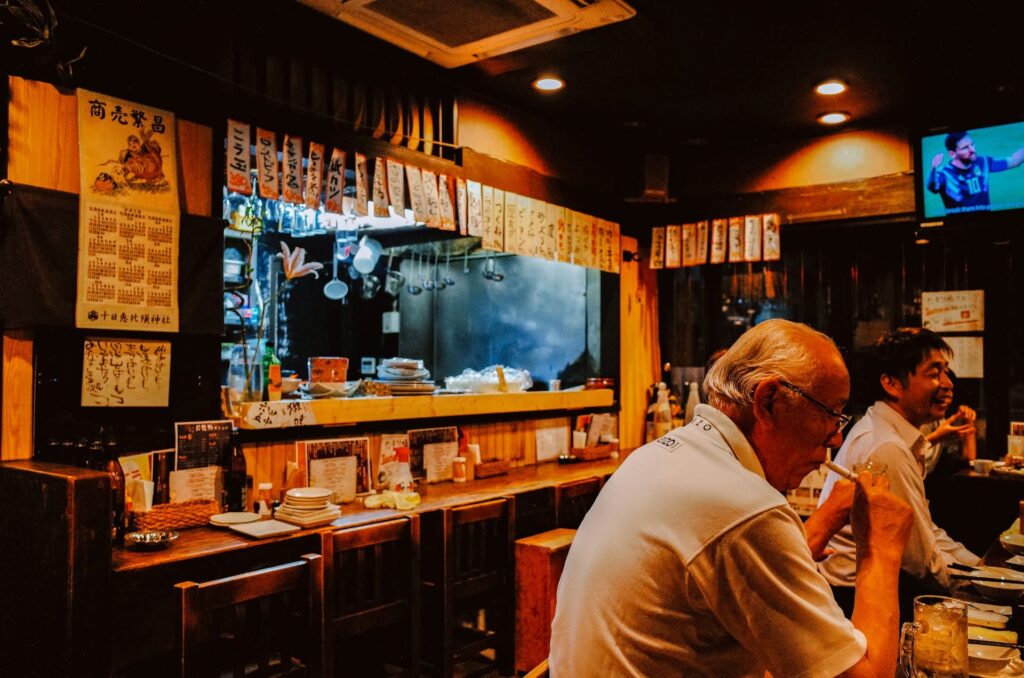
Did I Get Scammed by an Izakaya Hidden Fee?
If you were charged for a small appetizer you did not order at an izakaya in Tokyo, you probably were not scammed. In many Japanese izakayas, this charge is called otoshi (お通し), and it works like a small table charge.
As of 2026, a normal otoshi at a casual izakaya is usually around ¥300–¥700 per person. If a small dish arrived soon after you sat down, and the charge was in that range, it is most likely a standard part of izakaya culture rather than a Tokyo scam.
However, not every hidden fee is harmless. If you followed a street tout into a bar, never received a small dish, or saw unexplained charges of several thousand yen per person, treat that as a warning sign. Real Tokyo bar scams do happen, especially in nightlife districts such as Kabukicho, Roppongi, Shibuya, and Ikebukuro.
Quick verdict: otoshi is usually normal. A large, unclear bill after being led into a bar by someone on the street is not.
What Is Otoshi in Japan?
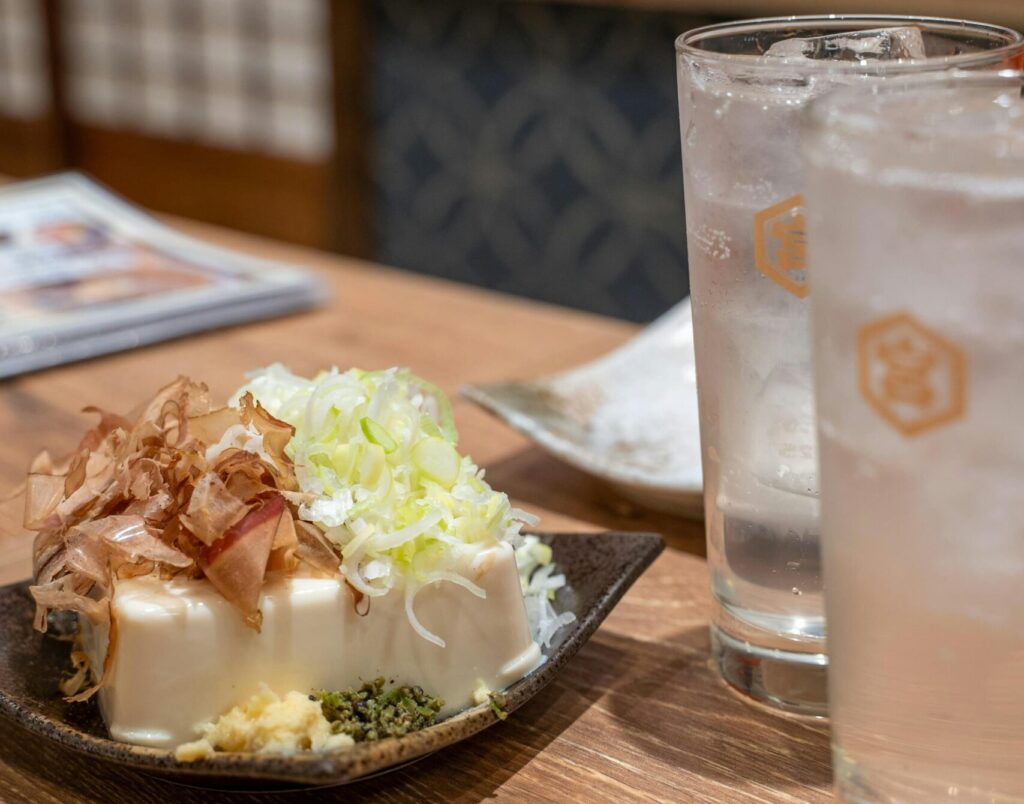
Otoshi is a small dish served at many izakayas shortly after you sit down. It may be edamame, pickled vegetables, potato salad, simmered meat, tofu, fish, or another small appetizer chosen by the restaurant.
The confusing part for travelers is that you usually do not order it. The staff brings it automatically, and the charge appears on your bill later. In English, it is easiest to understand otoshi as a table charge in Japan.
Otoshi is most common at izakayas, local pubs, drinking restaurants, and bars. You usually will not see it at ramen shops, fast-food restaurants, casual cafes, convenience stores, or most family restaurants.
Why Do They Serve Food I Did Not Order?
At an izakaya, customers often order drinks first and food later. Otoshi gives you something small to eat while your first drink and main order are being prepared.
Today, otoshi also functions as a seating charge. Because of that, it is usually not something you can refuse after eating it or after staying at the table. If you have allergies, religious dietary restrictions, or foods you cannot eat, tell the staff as soon as the dish arrives.
A useful phrase is:
“I have an allergy. Can I change this?”
If you want to ask about the charge before ordering, use:
“Is there an otoshi or table charge?”
How Much Is a Normal Table Charge in Japan?
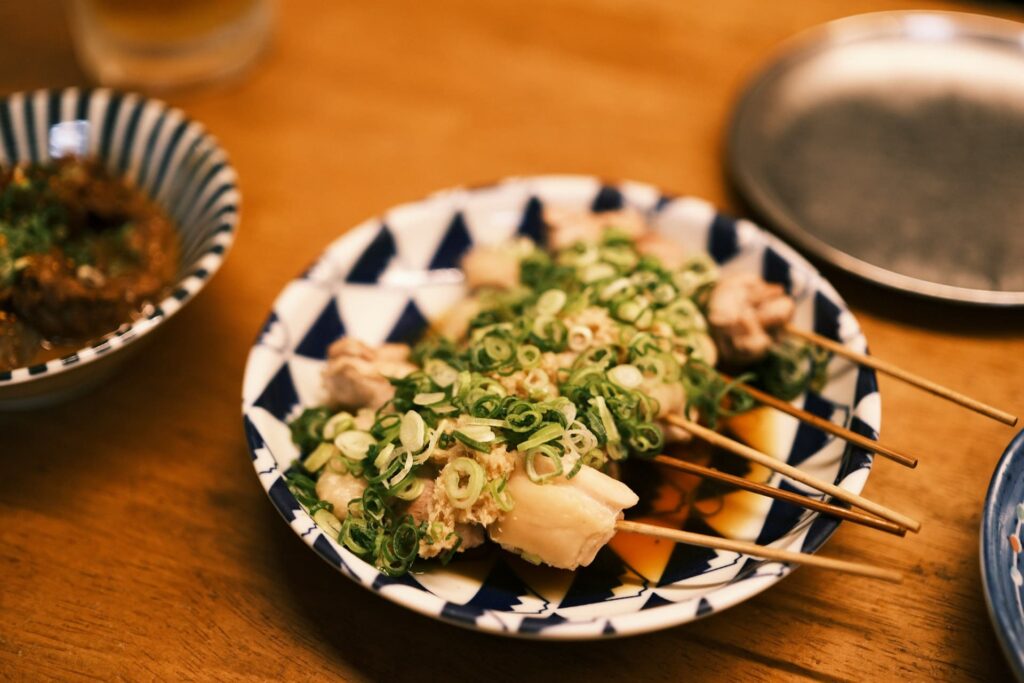
At a casual izakaya, a normal otoshi charge is commonly around ¥300–¥700 per person. Some more upscale restaurants or bars may charge more, but the amount should still make sense for the venue and should not suddenly become a major part of your bill.
On a receipt, otoshi or a table charge may appear as:
- お通し
- Otoshi
- Table charge
- Seat charge
- Service charge
A small charge in this range is normal. A vague fee of ¥3,000, ¥5,000, or more per person with no clear explanation is a red flag, especially if you were brought in by a street tout.
What Should I Do If I Am Looking at the Bill Right Now?
First, check whether you received a small dish at the beginning of the meal. If you did, and the charge is around ¥300–¥700 per person, it is likely otoshi.
Second, check whether the bill includes other charges you do not recognize. One normal otoshi charge is different from a bill filled with vague items such as “weekend fee,” “late-night fee,” “ice charge,” “companion drink,” or “translation fee.”
Third, ask calmly before paying if something looks wrong:
“Could you explain this charge?”
If the bill is very high, the staff will not explain it clearly, or you feel threatened, avoid escalating the argument while alone. Consider contacting your hotel, your credit card company, or local authorities for help.
When Is an Izakaya Charge a Real Tokyo Bar Scam?
The biggest warning sign is not otoshi itself. It is how you entered the venue.
If someone approaches you on the street and invites you into a bar, club, hostess bar, or “cheap drinks” venue, do not follow them. These street touts are often called kyaku-hiki. Legitimate izakayas usually do not need someone to pull tourists in from the street.
Be especially careful with offers such as:
- “No cover charge.”
- “All-you-can-drink for ¥2,000.”
- “Just come inside and look.”
- “Special price for foreigners.”
- “Girls bar, cheap drinks.”
The risk is that the final bill may include charges that were not clearly explained before you entered. In more serious cases, travelers may also face drink tampering, memory loss, or credit card problems in nightlife districts.
What Is the Difference Between Otoshi and a Tokyo Bar Scam?
| Check This | Normal Otoshi | Possible Tokyo Bar Scam |
|---|---|---|
| Typical cost | Usually around ¥300–¥700 per person at a casual izakaya. | Several thousand yen or more in unclear charges. |
| What you received | A small appetizer dish arrived soon after you sat down. | No dish, or charges that do not match anything you received. |
| Receipt wording | Otoshi, お通し, table charge, seat charge, or service charge. | Vague items such as weekend fee, ice fee, translation fee, or unexplained service charges. |
| How you entered | You chose the izakaya yourself, made a reservation, or found it through a trusted map or review site. | You followed someone who approached you on the street. |
| Price visibility | Prices are on the menu, or staff can explain the charge clearly. | Prices were not shown, or the explanation changes after you sit down. |
| Best action | Pay it as a normal part of izakaya culture. | Ask for an explanation, avoid signing anything you do not understand, and contact your hotel, card company, or local authorities if needed. |
How Can I Avoid Tokyo Bar Scams?
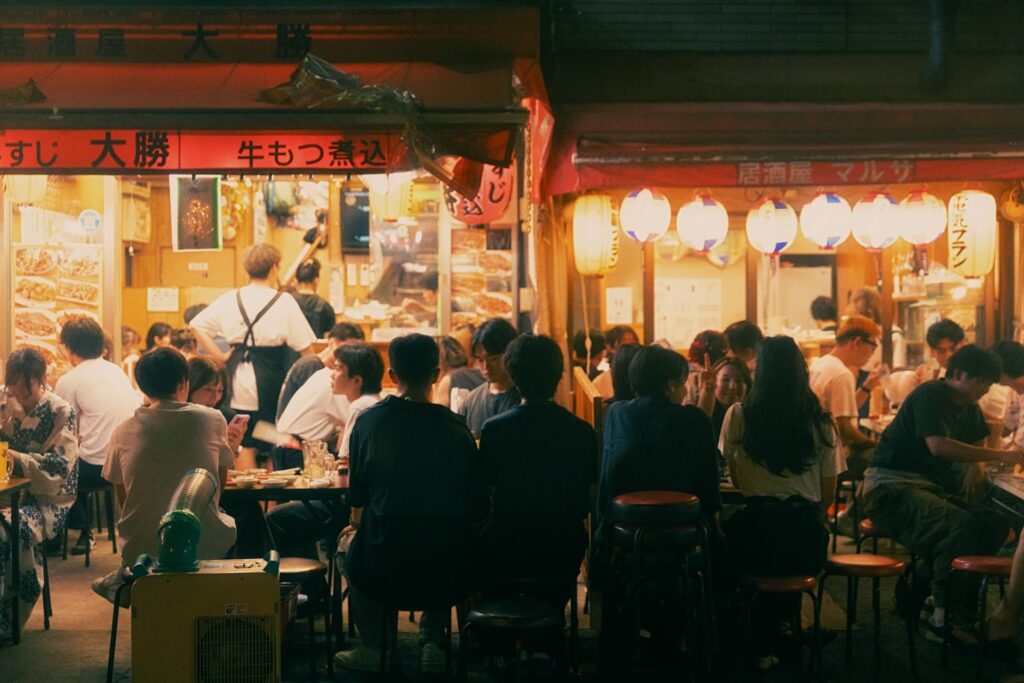
The safest rule is simple: do not follow street touts into bars or clubs. This matters more than whether a place looks stylish, friendly, or foreigner-friendly from the outside. Instead, rely on trusted platforms and learn how to navigate Tokyo restaurant reservations and walk-ins on your own.
Before entering a bar or izakaya, check these points:
- Is there a menu with prices?
- Is there a clear cover charge, seat charge, or table charge?
- Did you choose the place yourself?
- Does the venue have normal reviews on Google Maps or another trusted platform?
- Are you keeping track of what you order?
If you are nervous about navigating Shinjuku nightlife alone, a local guided izakaya tour can be a lower-stress option. A guide can help you understand what is included, avoid street touts, and ask questions before ordering.
Compare Shinjuku local bar and izakaya crawl tours here
Can I Refuse Otoshi in Japan?
In most izakayas, you should assume that otoshi is part of the seating system and cannot be refused after you have sat down and accepted the dish.
A few modern chain izakayas may allow you to decline it if you ask immediately, but this is not guaranteed. If you want to check before ordering, ask politely:
“Is otoshi required?”
If the answer is yes, the simplest choice is to accept it or choose another restaurant before ordering anything. Arguing about a normal ¥300–¥700 otoshi charge after eating and drinking is usually not worth the stress.
Do All Restaurants in Japan Have a Table Charge?
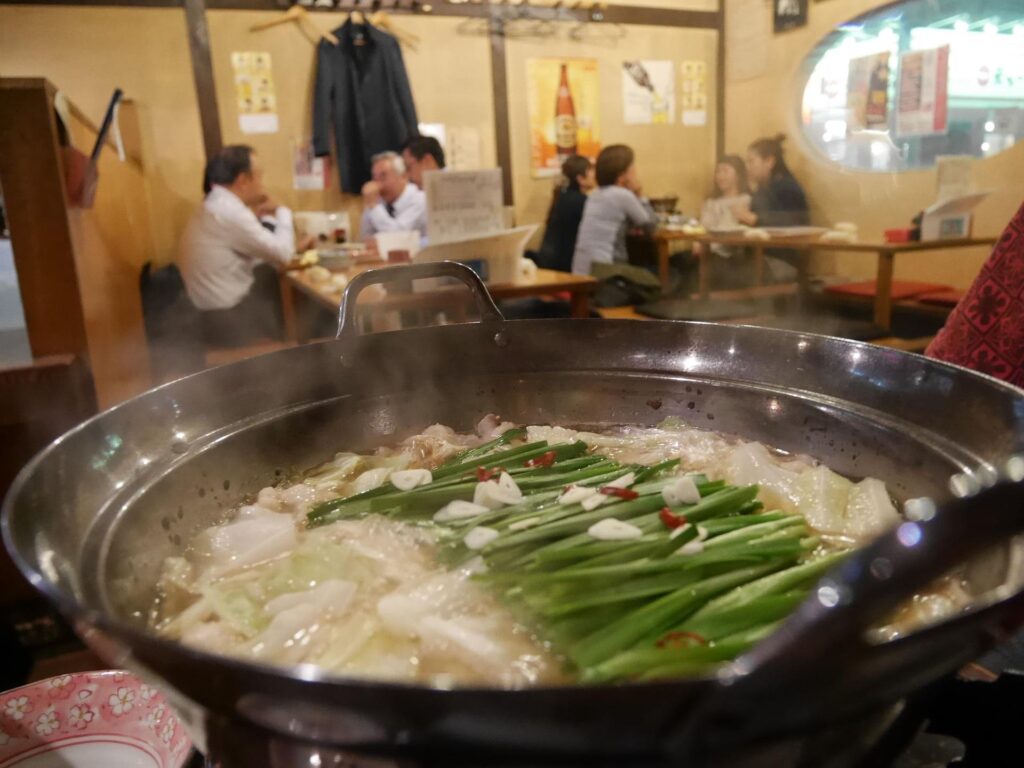
No. Otoshi is mainly associated with places where alcohol is a central part of the experience, especially izakayas, local pubs, small bars, and some traditional restaurants.
You usually should not expect otoshi at:
- Ramen shops
- Sushi conveyor belt restaurants
- Fast-food restaurants
- Convenience stores
- Family restaurants
- Casual cafes
- Food courts
Some bars, especially small nightlife venues, may have a separate seat charge or cover charge instead of otoshi. This is not automatically a scam, but the price should be clear before you commit to staying.
Is Kabukicho or Golden Gai Safe for Tourists?
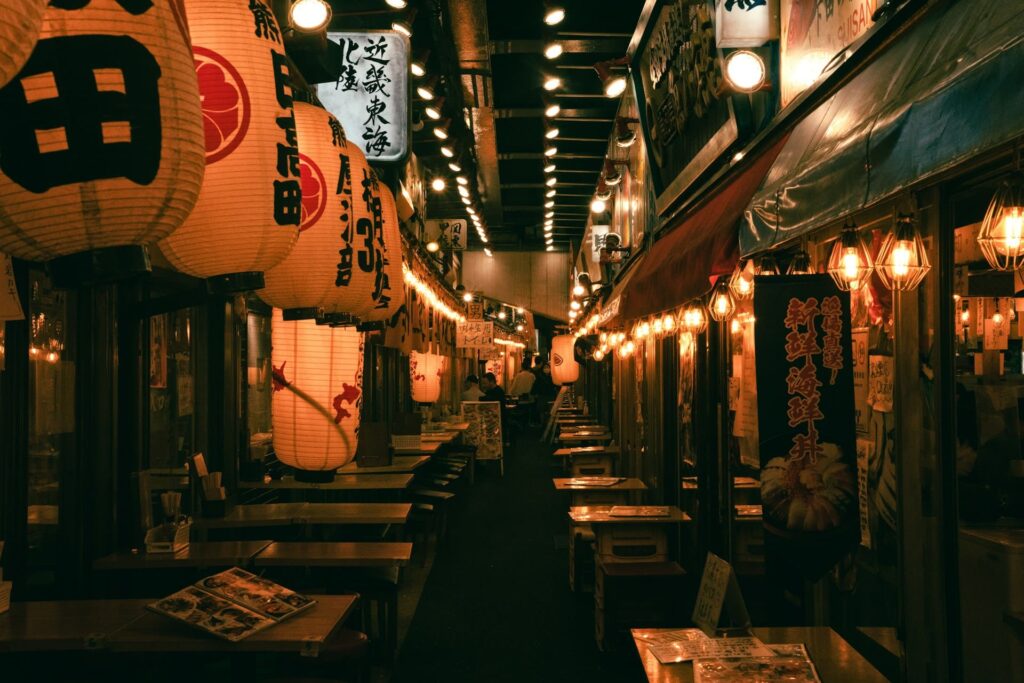
Kabukicho, Golden Gai, Omoide Yokocho, Roppongi, Shibuya, and Ikebukuro all have many legitimate restaurants and bars. Most travelers who choose their own venue, check prices, and avoid street touts have a normal night out. It also helps to understand why some places in Golden Gai turn foreigners away to avoid any surprises.
The risk increases when you follow someone who approaches you on the street, enter a venue without checking prices, lose track of your drinks, or stay out late when you are tired, drunk, or separated from your group.
If you want to explore these areas independently, choose venues yourself through maps, reviews, hotel recommendations, or official booking pages. Do not let a stranger on the street choose the bar for you.
What Should I Ask Before Sitting Down?
If you are worried about hidden fees, ask one or two simple questions before ordering. You do not need perfect Japanese.
- “Is there an otoshi or table charge?”
- “How much is the table charge per person?”
- “Is there a cover charge?”
- “Can I see the menu with prices?”
If the staff gives a clear answer, that is a good sign. If the answer is vague, the menu has no prices, or someone pressures you to sit down first and ask later, choose another place.
What Should I Do If My Bill Looks Suspicious?
Stay calm and ask the staff to explain each unclear charge. A normal otoshi should be easy to explain. A suspicious bill often becomes confusing because it includes vague fees that were not mentioned before you ordered.
Do not sign a credit card slip or payment screen if the amount is much higher than expected and you do not understand why. Ask for an itemized receipt if possible.
If you feel unsafe, leave the confrontation to someone who can help. Contact your hotel, your credit card company, or local authorities. If your card was charged incorrectly, keep the receipt, note the venue name and location, and contact your card issuer as soon as possible.
What Are the Most Common Questions About Izakaya Charges in Japan?
What is the average price for otoshi?
At a casual izakaya, otoshi is usually around ¥300–¥700 per person. More upscale restaurants or small bars may charge more, but it should still be reasonable and explainable.
Is otoshi the same as tipping?
No. Japan does not have a normal tipping culture. Otoshi is closer to a small table charge that comes with a small appetizer. You do not need to add a tip on top of your bill.
Can I send otoshi back if I do not want it?
Usually no, especially after you have accepted the dish and stayed at the table. If you have allergies, dietary restrictions, or religious food concerns, tell the staff immediately when the dish arrives.
Is a service charge always a scam in Japan?
No. Some restaurants and bars have a legitimate service charge, seat charge, or cover charge. The issue is whether the charge is clear, reasonable, and explained before or during your visit.
Are Tokyo izakayas safe for first-time visitors?
Yes, most Tokyo izakayas are safe and honest. The main rule is to choose the place yourself, check prices, and avoid street touts. Chain izakayas, well-reviewed local places, and hotel-recommended restaurants are usually easier for first-time visitors.
What Is the Final Verdict on Izakaya Hidden Fees?
An izakaya hidden fee is usually not a scam if it is a normal otoshi charge. If you received a small appetizer and paid around ¥300–¥700 per person, that is a common part of dining at many izakayas in Japan. To feel fully prepared, brush up on general izakaya ordering rules and etiquette before your first night out.
The real problem is not otoshi. The real problem is unclear pricing, street touts, pressure tactics, and large unexplained charges in nightlife venues. Avoid anyone who tries to pull you into a bar from the street, check prices before ordering, and ask about table charges if you are unsure.
If you prefer to experience Tokyo nightlife with help from a local guide, compare what is included before booking and choose a tour that clearly explains the route, food, drinks, and any extra costs.
Check Shinjuku local bar and izakaya crawl tour details here

Hi, I’m Kai. I’m a Tokyo-based travel writer, tourism industry insider, and the author of a published guidebook for international visitors to Japan. With over 10 years of professional experience at a leading Japanese tourism company, my mission is to help you skip the tourist traps and navigate Japan’s best destinations like a local. I believe the perfect day trip is like a traditional kaiseki meal: a beautiful balance of precise planning and unforgettable seasonal discovery. When I’m not out conducting field research, you’ll usually find me drafting new itineraries with one of my favorite fountain pens!