
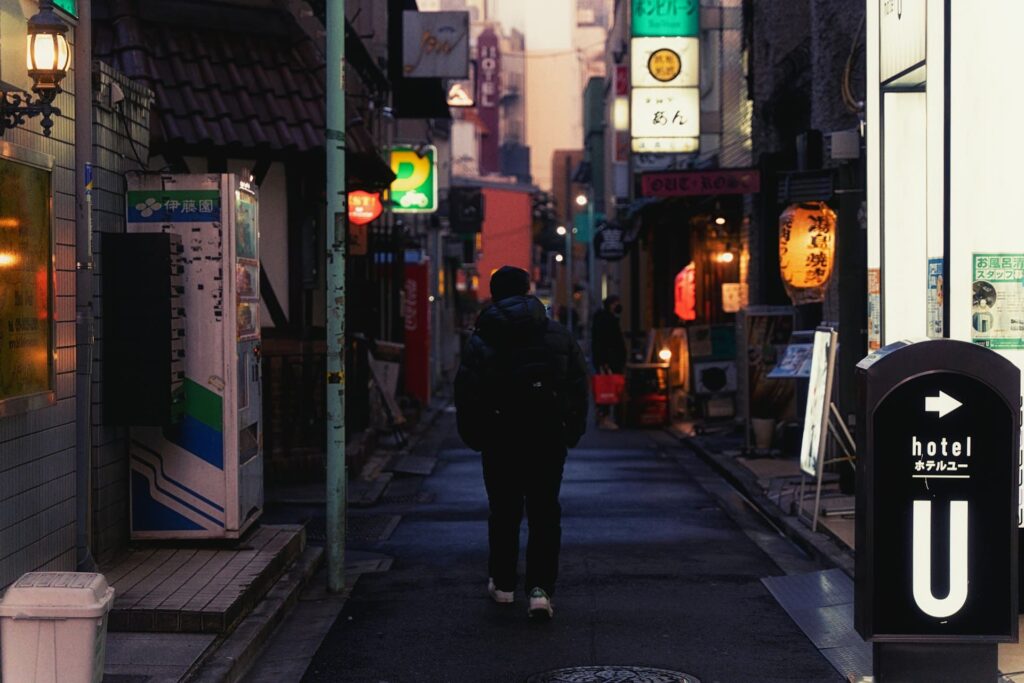
Quick Answer: Is Shinjuku Too Loud?
Shinjuku is not too loud for everyone, but it can be a stressful hotel base if you are a light sleeper, traveling with children or senior family members, or trying to avoid crowds at the end of each day. The loudest and busiest hotel areas are usually around Kabukicho, the East Exit, and major roads near the station.
If nightlife and late-night food are your priorities, Shinjuku is still one of the most convenient places to stay. But if sleep quality, simple station access, and a calmer local atmosphere matter more, the best quiet neighborhood to stay in Tokyo may be Oji, with Ueno as the easier middle-ground choice for first-time visitors.
In simple terms: choose Shinjuku for nightlife, Ueno for balance, and Oji for quiet nights and a more local Tokyo base.
Is Shinjuku Too Loud for Your Tokyo Trip?
Shinjuku is exciting, convenient, and full of hotels, restaurants, bars, department stores, and train connections. That is exactly why many travelers choose it for their first Tokyo trip.
The problem is that convenience in Shinjuku often comes with noise, crowds, and station stress. If your hotel is near Kabukicho, the East Exit, or a busy main road, you may hear late-night crowds, sirens, traffic, or general street noise well after dark. Even when your room itself is quiet, getting back through Shinjuku Station after a long sightseeing day can feel overwhelming.
That does not mean every Shinjuku hotel is a bad idea. Nishi-Shinjuku and some higher-floor business hotels can feel much calmer than the nightlife-heavy areas. But if you are specifically searching for a quiet neighborhood, Shinjuku is not the safest default choice.
Should You Stay in Oji, Ueno, or Shinjuku?
For most travelers comparing quiet Tokyo hotel areas, the real decision is not simply “Oji vs Shinjuku hotels.” Ueno also deserves a place in the comparison because it offers a useful middle ground: calmer than Shinjuku, easier for many first-timers than Oji, and still very well connected.
| Hotel Decision Factor | Shinjuku | Ueno | Oji |
|---|---|---|---|
| Best For | Nightlife, shopping, first-time convenience, late arrivals | First-timers who want convenience without Shinjuku-level intensity | Light sleepers, families, couples, repeat visitors, and travelers who want local calm |
| Sleep Risk | Higher near Kabukicho, East Exit, main roads, and nightlife streets | Medium near Ameyoko and the station; lower near Ueno Park or quieter side streets | Generally lower, though rooms facing rail tracks or major roads still need caution |
| Station Stress With Luggage | High: large station, many exits, long underground walks | Medium: busy but more manageable than Shinjuku | Low to medium: smaller and easier to understand |
| Access to Tokyo Station and Ueno | Good, but may require transfers depending on route | Very strong, especially for Ueno Park, museums, and northern/eastern Tokyo | Strong: roughly 15–20 minutes to Tokyo Station by direct JR Keihin-Tohoku Line service, depending on the train and time of day |
| Access to Shibuya, Harajuku, and West Tokyo | Excellent | Good, but usually not as direct as Shinjuku | Less convenient; often around 35–40 minutes to western Tokyo areas with a transfer |
| Late-Night Food and Drinks | Excellent | Good around the station and Ameyoko area | Limited compared with Shinjuku and Ueno |
| Main Trade-Off | Maximum convenience, but more noise and crowd stress | Good balance, but still busy near the station | Quiet local atmosphere, but fewer hotels and less nightlife |
Who Should Stay in Shinjuku?
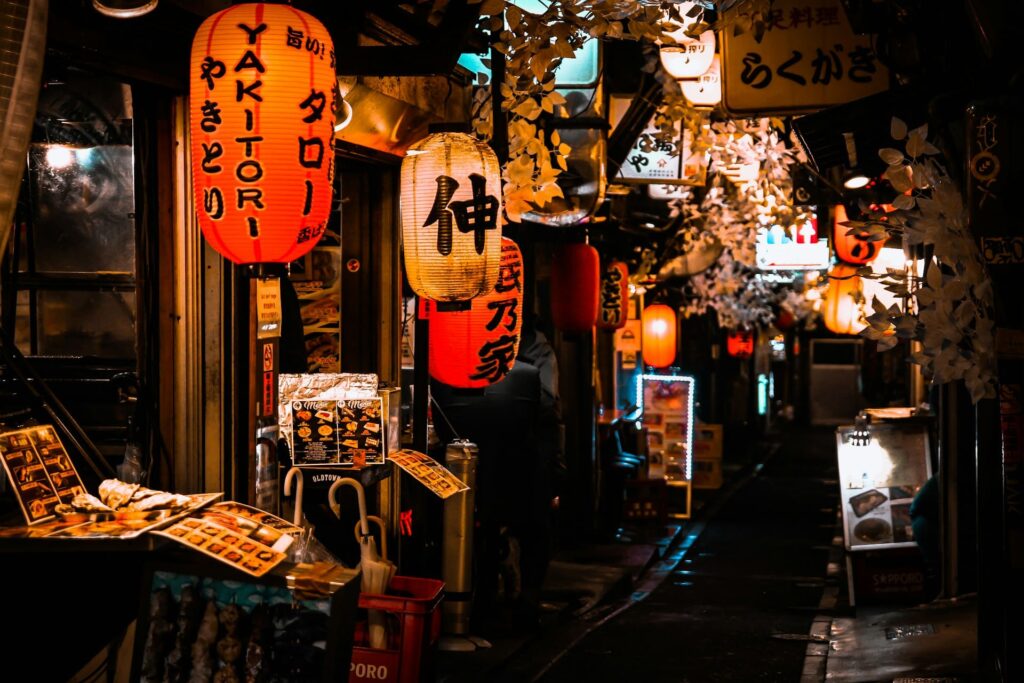
You should stay in Shinjuku if you want Tokyo to feel intense, bright, convenient, and active from morning until late at night. It is one of the best areas for nightlife, food, shopping, and easy access to western Tokyo neighborhoods such as Shibuya, Harajuku, Nakano, and Kichijoji.
Best for Nightlife and First-Time Convenience
Shinjuku works best if you plan to be out late, want many restaurants near your hotel, and do not mind crowds. It is also practical if your itinerary focuses heavily on western Tokyo or day trips that depart from Shinjuku Station.
If you choose Shinjuku but still want a quieter stay, check the hotel location carefully. A hotel in Nishi-Shinjuku, on a higher floor, or away from Kabukicho may be a better fit than a hotel right beside the busiest nightlife streets.
When Shinjuku Becomes Stressful
Shinjuku becomes less ideal when your top priority is rest. The station is large and complex, the surrounding streets can be crowded, and some hotel areas stay active late into the night. With children, senior travelers, large suitcases, or a packed itinerary, that daily friction can become tiring.
For light sleepers, the issue is not only sound inside the room. It is the full experience of returning to a crowded hub after a long day, navigating the Shinjuku station maze to find the correct exit, walking through busy streets, and then trying to switch off.
Who Should Stay in Ueno?
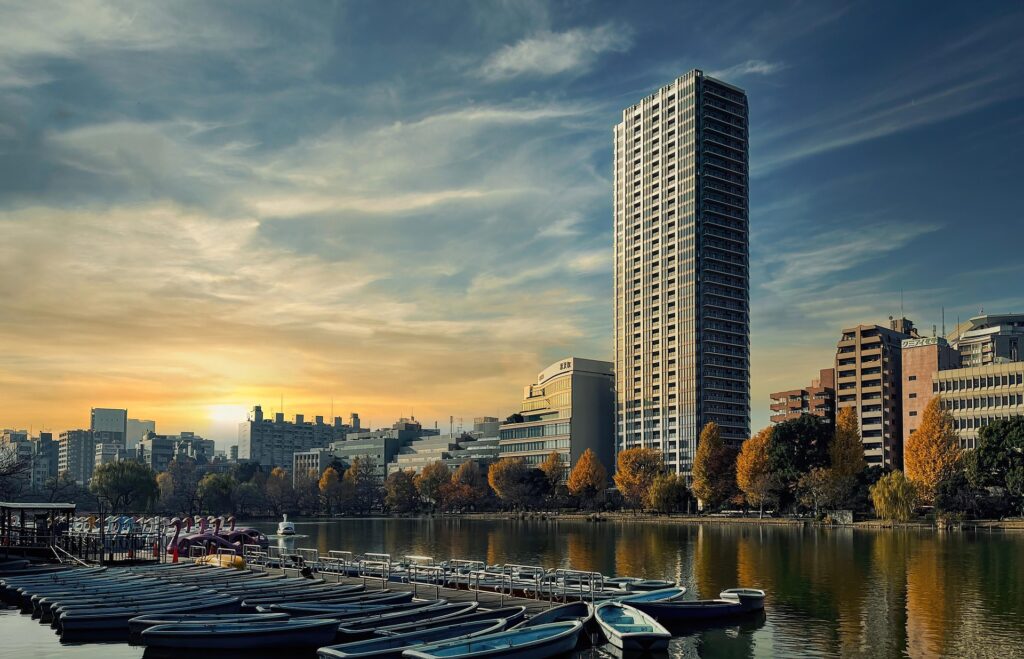
Ueno is often the safest compromise for travelers who want a calmer base without feeling too far from major sights. It has strong train access, plenty of hotel choices, easy access to Ueno Park and museums, and direct airport convenience via the Keisei Skyliner from nearby Keisei Ueno Station.
The Balanced Choice for First-Timers
Ueno is easier to recommend broadly than Oji because it has more hotels, more restaurants, and a stronger tourism infrastructure. It is also useful for travelers planning to visit Asakusa, Akihabara, Yanaka, Tokyo Station, or northern Japan by train.
Compared with Shinjuku, Ueno usually feels more breathable. Ueno Park, the museum district, and the Yanaka side provide calmer places to walk, especially during the day.
Where to Book for a Quieter Stay
Ueno is not silent. The area around Ameyoko and the main station can be busy and lively, especially in the evening. If quiet matters, look for hotels a few blocks away from the busiest market streets, closer to Ueno Park, or toward the Yanaka side.
Ueno is a good choice if Oji feels too residential or has limited hotel availability, but Shinjuku feels too intense.
Who Should Stay in Oji?
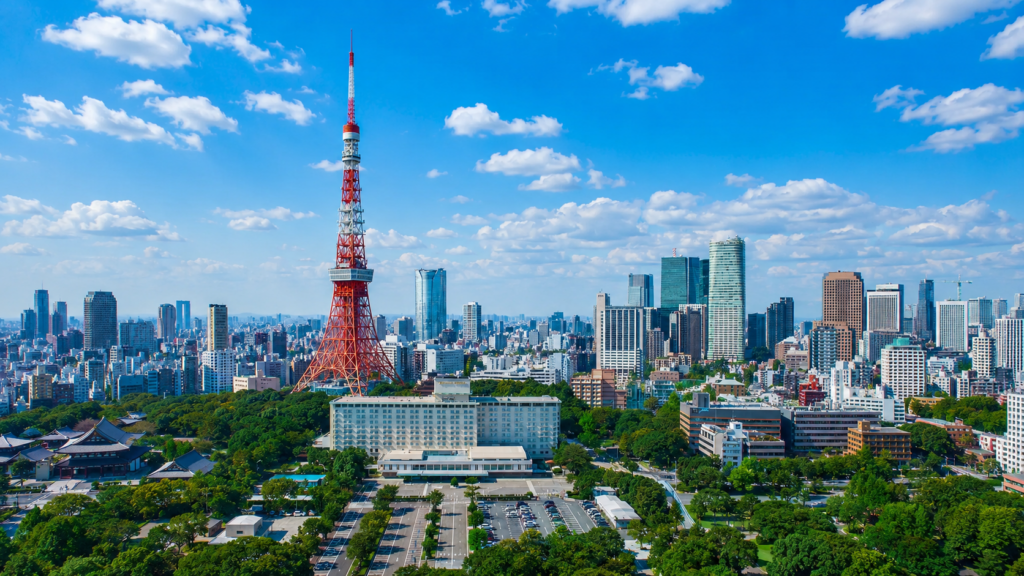
Oji is a quieter, more local alternative north of Ueno. It is not a flashy sightseeing district, and that is part of the appeal. The area gives you a calmer place to return to after busy days in Shibuya, Shinjuku, Asakusa, or Ginza.
The Quiet Local Alternative
Oji is useful for travelers who care more about sleep, simplicity, and local atmosphere than late-night entertainment. It has access to the JR Keihin-Tohoku Line, the Tokyo Metro Namboku Line, and the Tokyo Sakura Tram, making it more connected than many visitors expect.
Nearby Asukayama Park, local restaurants, and residential streets make Oji feel very different from Shinjuku. Based on station layout, transit access, and neighborhood density, it can be a practical base for travelers who want a quieter Tokyo stay without being completely disconnected from the city.
The Trade-Offs of Staying in Oji
Oji is not the best choice for everyone. Hotel options are more limited than in Shinjuku or Ueno, and you should check availability early if you are traveling during cherry blossom season, autumn foliage season, school holidays, or major event periods.
You should also think about your itinerary. If you plan to spend every night in Shibuya, Harajuku, Roppongi, or Shinjuku, Oji may feel less convenient. It is better for travelers who want a quiet hotel base and do not mind using trains, taxis, or occasional private transport to reach busier areas.
How Can You Stay Somewhere Quiet and Still See Tokyo Easily?
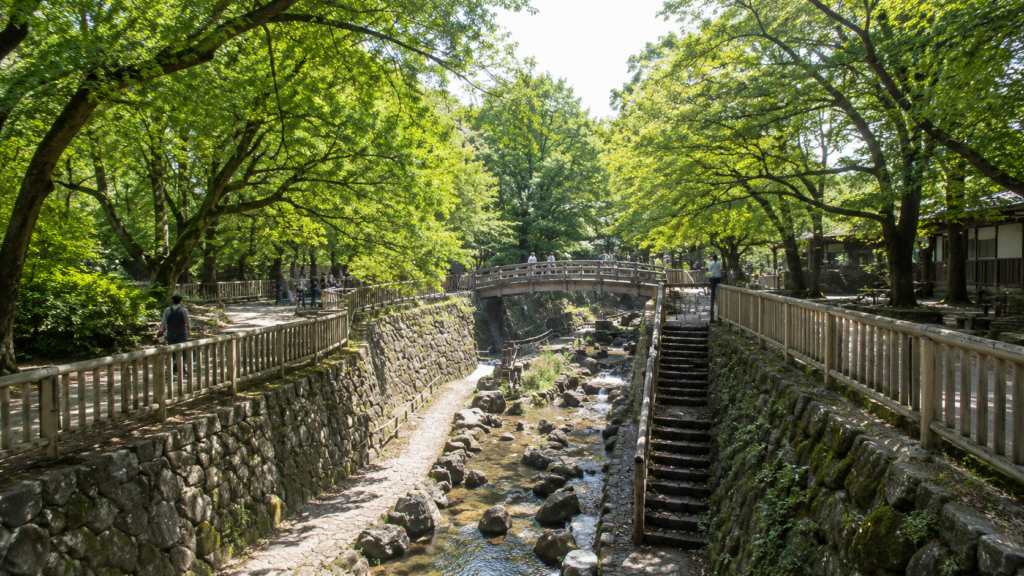
Staying in a quiet area does not mean you have to miss Tokyo’s busiest neighborhoods. It simply means you need to plan your sightseeing days more carefully.
If you stay in Oji or Ueno, use trains for simple point-to-point trips (a Suica card is usually easiest), taxis for short hops when you are tired, and private transport only when it genuinely saves time or stress. This is especially useful if you are traveling with children, senior family members, heavy luggage, or a group.
For example, a traveler staying in Oji could use the JR Keihin-Tohoku Line for Tokyo Station, Ueno, and Akihabara, then plan Shibuya, Harajuku, and Shinjuku together on the same day instead of crossing the city back and forth repeatedly.
What Should You Check Before Booking a Quiet Tokyo Hotel?
Even in a calm neighborhood, hotel location matters. A quiet district can still have noisy rooms if the hotel faces a major road, train line, or nightlife street.
- Check the exact hotel location: Look beyond the neighborhood name and see whether the hotel is beside a station, main road, rail track, or nightlife area.
- Read recent noise reviews: Search reviews for words like “quiet,” “traffic,” “sirens,” “thin walls,” “street noise,” and “train noise.”
- Consider station complexity: A hotel that is technically close to Shinjuku Station may still involve long underground walks and confusing exits.
- Think about rainy days: With luggage, children, or senior travelers, a simpler station can matter almost as much as train time.
- Request a quieter room: A higher floor or a room away from the street can help, although it is never guaranteed.
- Check late-night food needs: Shinjuku and Ueno are much stronger for late-night dining than Oji.
What Other Quiet Tokyo Neighborhoods Should You Compare?
Oji is a strong option if you want a quiet local base, but it is not the only calm area worth considering. If hotel availability is limited or the location does not fit your itinerary, compare a few alternatives before booking.
- Yanaka or Nezu: Good for a traditional, slower Tokyo atmosphere near Ueno, with a quieter residential feel.
- Otsuka: A smaller, more relaxed Yamanote Line area that can work well if you still want simple rail access.
- Akasaka: More central and polished, with good dining and transport while often feeling calmer than Shinjuku or Shibuya.
- Marunouchi or Tokyo Station: Excellent for transport and a calmer business-district feel, though hotels are often more expensive.
- Kuramae or Asakusa: Useful for eastern Tokyo sightseeing, with many hotels and a more traditional atmosphere in some side streets.
The best choice depends on what you want to avoid. If you want to avoid nightlife noise, Oji, Yanaka, Nezu, Otsuka, and parts of Ueno can work well. If you want to avoid complicated station transfers, Tokyo Station, Ueno, or Akasaka may be easier than a more residential area.
Verdict: Is Oji Better Than Shinjuku for a Quiet Tokyo Stay?
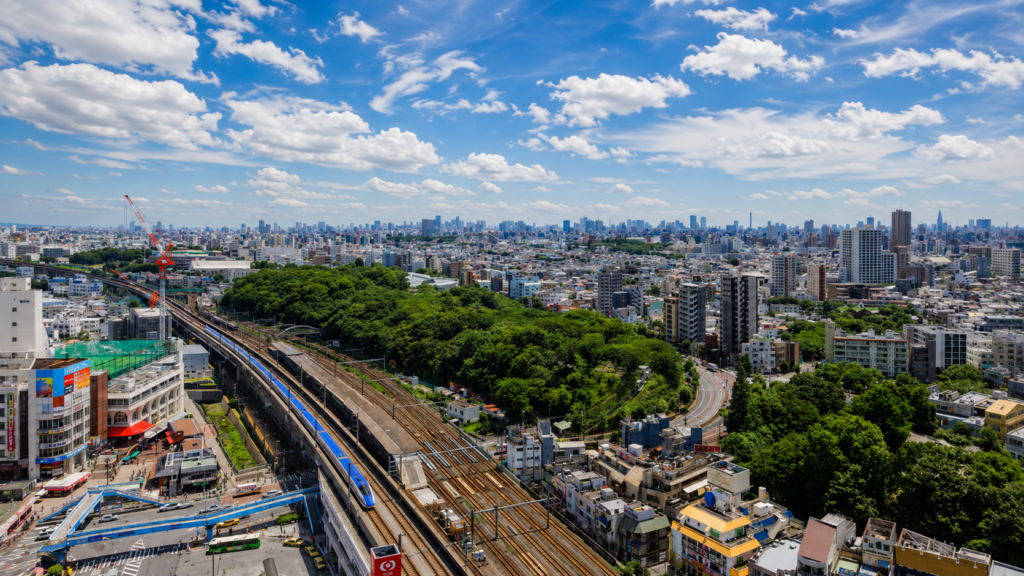
Oji is better than Shinjuku if your main priorities are quiet nights, simple station navigation, local atmosphere, and a calmer place to recover after sightseeing. It is especially appealing for light sleepers, couples, families, senior travelers, and repeat visitors who do not need to be in the middle of Tokyo nightlife.
Shinjuku is better if you want nightlife, late-night food, shopping, and the easiest access to western Tokyo. It is not automatically a bad place to stay, but you should choose your hotel location carefully if noise or crowds bother you.
Ueno sits between the two. It is usually the easiest recommendation for first-time visitors who want convenience, airport access, sightseeing options, and a less intense atmosphere than Shinjuku.
In short: choose Shinjuku if you want energy, choose Ueno if you want balance, and choose Oji if you want the quietest local base among these three.
If you choose a quieter base like Oji or Ueno but still want to cover Shibuya, Shinjuku, Asakusa, and Harajuku efficiently, a private customizable tour can reduce station stress and help you avoid crossing the city by train multiple times in one day.
Check availability for a Tokyo Private Customizable City Tour with Chauffeur
Frequently Asked Questions
- Is Shinjuku really that loud at night?
- Parts of Shinjuku can be loud at night, especially around Kabukicho, the East Exit, nightlife streets, and major roads. Other areas, such as parts of Nishi-Shinjuku or higher-floor business hotels, may feel calmer. If you are a light sleeper, check recent hotel reviews carefully and avoid rooms facing busy streets.
- Which part of Shinjuku is quieter for hotels?
- Nishi-Shinjuku is often a better place to start if you want to stay in Shinjuku but avoid the busiest nightlife atmosphere. You should still check the exact hotel location, room reviews, and whether the property is near a main road, rail line, or entertainment street.
- Is Oji a good place to stay in Tokyo?
- Oji can be a good place to stay if you want a quieter, more local Tokyo base with access to the JR Keihin-Tohoku Line, Tokyo Metro Namboku Line, and Tokyo Sakura Tram. It is best for travelers who value sleep and calm over nightlife. It is less ideal if you want to spend most nights in Shibuya, Harajuku, Roppongi, or Shinjuku.
- Is Oji too far from Shinjuku and Shibuya?
- Oji is not remote, but it is less convenient for western Tokyo than Shinjuku. Trips to Shinjuku, Shibuya, or Harajuku often take around 35–40 minutes and may require a transfer, depending on the route and time of day. If your itinerary is mostly on the west side of Tokyo, Shinjuku or another western area may be more efficient.
- Is Ueno quieter than Shinjuku?
- Ueno is generally calmer than Shinjuku, but it is still a major transport and dining area. The station and Ameyoko side can be busy, while hotels closer to Ueno Park, quieter side streets, or the Yanaka side may feel more relaxed.
- Should first-time visitors stay in Oji, Ueno, or Shinjuku?
- First-time visitors who want nightlife and maximum convenience may prefer Shinjuku. First-time visitors who want a strong balance of convenience and calm may prefer Ueno. First-time visitors who are light sleepers, traveling with family, or comfortable with a more local base may enjoy Oji.
- Is Oji better than Shinjuku for families?
- Oji may be better for families who want quieter nights, simpler station navigation, and a less overwhelming base. Shinjuku may still be better for families who want many restaurants nearby, shorter travel times to western Tokyo, and more hotel options.
- What is the best quiet neighborhood to stay in Tokyo?
- There is no single best quiet neighborhood for every traveler. Oji is a strong choice for quiet local atmosphere, Ueno is a good balance of calm and convenience, and Yanaka, Nezu, Otsuka, Akasaka, Kuramae, Asakusa, and Marunouchi can also work depending on your budget and itinerary.
If you decide to stay outside Shinjuku but want an easier sightseeing day across Tokyo’s busiest areas, consider using private transport for one packed itinerary day rather than relying on crowded station transfers all day.
Book your Private Customizable City Tour and explore Tokyo stress-free

Hi, I’m Kai. I’m a Tokyo-based travel writer, tourism industry insider, and the author of a published guidebook for international visitors to Japan. With over 10 years of professional experience at a leading Japanese tourism company, my mission is to help you skip the tourist traps and navigate Japan’s best destinations like a local. I believe the perfect day trip is like a traditional kaiseki meal: a beautiful balance of precise planning and unforgettable seasonal discovery. When I’m not out conducting field research, you’ll usually find me drafting new itineraries with one of my favorite fountain pens!