
Worried that Mt Fuji crowds will ruin your trip? The short answer is no — but only if you plan for the right kind of Mt Fuji visit.
Crowds are worst during the summer climbing season, at the Fuji Subaru Line 5th Station, and at famous photo spots like Chureito Pagoda and Lake Kawaguchiko from late morning onward. Hakone can also feel slow on sunny weekends because visitors move through the same ropeway, boat, and bus routes.
The good news is simple: Mt Fuji crowds are predictable. If you visit on a weekday, start early, avoid the most famous viewpoints at the worst times, and treat climbing and sightseeing as two completely different experiences, Mt Fuji is still very manageable in 2026.
Quick answer: For most first-time visitors, the easiest crowd strategy is not climbing the summit. It is choosing either a focused Kawaguchiko sightseeing day or a guided Mt Fuji and Hakone day tour where the long Tokyo transfer, Hakone Ropeway timing, and Lake Ashi routing are handled for you. If you want both Mt Fuji views and Hakone in one day, the main decision is not which viewpoint is prettiest — it is whether you want to manage rural transfers yourself.
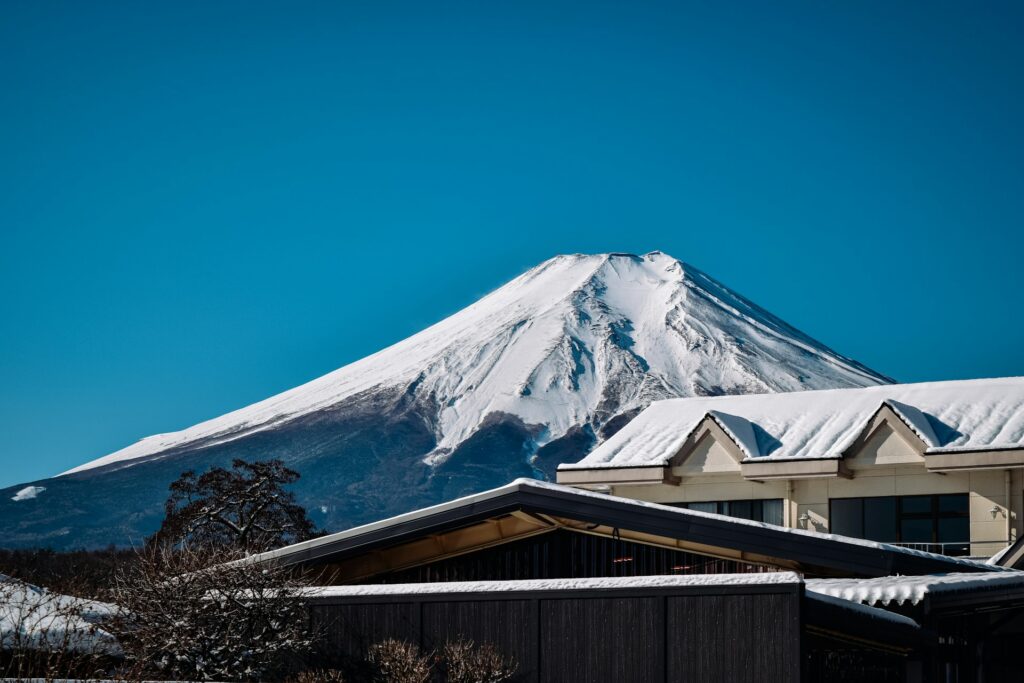
Mt Fuji Crowds in 2026: How Bad Is It Really?
Mt Fuji is not equally crowded all day, all year, or across every part of the region. The biggest mistake is treating all Mt Fuji trips as the same. In reality, there are several very different experiences, and each has its own crowd pattern.
- Summit climbing: The most crowded option, especially on summer weekends, public holidays, Obon, and overnight sunrise pushes.
- Fuji Subaru Line 5th Station: Busy even for non-climbers, especially during the climbing season and private-car restriction periods.
- Kawaguchiko and classic viewpoints: Crowded in cherry blossom season, autumn foliage season, summer holidays, and on clear late mornings.
- Hakone sightseeing: Busy year-round on popular weather days, with queues forming around the ropeway, Owakudani, and Lake Ashi cruise.
- Guided day tours: Easier logistically, but popular stops can still be crowded if the itinerary reaches them during peak hours.
If you only want good views of Mt Fuji, you do not need to climb. For most travelers, the easiest way to avoid the worst crowds is to focus on sightseeing instead of the summit, go early, and avoid weekends whenever possible.
| Experience | Best For | Worst Crowd Window | Best Time for Fewer Crowds | Main Hassle | Reservation Essential? |
|---|---|---|---|---|---|
| Summit climb | Bucket-list hikers | Weekends, holidays, Obon, overnight summit push | Weekdays in early July or early September | Trail bottlenecks, cold waits, strict rules | Yes |
| 5th Station visit | Casual visitors who want alpine views | Summer daytime | Early morning on a weekday | Shuttle lines and coach traffic | Recommended in peak season |
| Kawaguchiko viewpoints | Photos, cafes, lakeside views | Cherry blossom season, foliage season, summer holidays, late morning | Weekday mornings in winter | Traffic, full buses, crowded photo decks | No |
| Hakone loop | Scenery, hot springs, transport variety | Sunny weekends from late morning to mid-afternoon | Weekday mornings | Queues for the ropeway and boats | No, but passes help |
| Guided sightseeing tour | Travelers short on time | Popular stops can still be busy | Clear weekdays and early-departure tours | Less flexible than DIY | Yes |
Bottom line: Mt Fuji is crowded when you hit the same places at the same times as everyone else. It is much less stressful when you choose one base area, start early, and avoid combining too many moving parts into one DIY day.
When Is Mt Fuji Most Crowded?
Peak periods to avoid if you can
Crowds at Mt Fuji follow a fairly predictable rhythm. The exact dates change each year, but these are the periods that usually cause the biggest pressure on trails, buses, roads, and photo spots.
| Period | Crowd Level | Why It Gets Crowded | Better Alternative |
|---|---|---|---|
| Mid-August around Obon | Extreme for climbing | Holiday travel, mountain hut demand, and overnight sunrise climbers concentrate in a short window. | Early July or early September weekdays |
| Summer weekends during climbing season | Very high | Climbers, 5th Station sightseers, and coach tours overlap. | Weekday mornings |
| Cherry blossom season around mid to late April | Very high at photo spots | Chureito Pagoda and northern Lake Kawaguchiko become major photo destinations. | Sunrise visits or less famous viewpoints |
| Autumn foliage season in November | High | Roads and lakeside viewpoints around Kawaguchiko get busy, especially on weekends. | Weekday mornings or winter visits |
| Golden Week | High for sightseeing | Domestic travel peaks even though the summit trails are closed. | Visit before or after the holiday period |
| Sunny weekends year-round | Moderate to high | Clear weather draws day-trippers to Kawaguchiko, Hakone, and observation points. | Start before 9:00 AM |
Climbing season
The official climbing season is short, so demand gets compressed into a small summer window. That is why summit climbing feels dramatically more crowded than many first-time visitors expect.
Expect the heaviest congestion during:
- Weekends and Japanese public holidays
- Mid-August around Obon
- The overnight push for sunrise, when upper sections of the trail slow to a near standstill
- Morning descents after sunrise, when many climbers head down at the same time
For 2026, the Yoshida Trail remains the most tightly managed and the most in-demand route. Climbers should expect a ¥4,000 hiking fee, a 2:00 PM to 3:00 AM gate closure for those without a mountain hut booking, and a daily cap of 4,000 climbers on the Yoshida Trail. These rules are meant to improve safety, but they do not make peak dates feel empty. Always confirm the latest rules before your trip because trail dates, fees, entry systems, and weather-related notices can change.
Important nuance: The 4,000-person cap exists, but the route can still feel crowded even when the cap is not reached. The real bottleneck is often timing: too many climbers aiming for the same sunrise window.
Sightseeing seasons
If you are not climbing and only want views, crowds follow different patterns. In that case, the issue is less about mountain regulations and more about buses, roads, weather, and photo spots.
- Mid to late April: Cherry blossoms bring heavy traffic to Chureito Pagoda and northern Lake Kawaguchiko viewpoints.
- July and August: Summer vacation and climbing season increase traffic around the 5th Station and major Fuji routes, though visibility can be poor because of humidity and clouds.
- November: Autumn foliage season creates some of the worst road congestion around the Fuji Five Lakes.
- Sunny weekends: Hakone gets noticeably busier from late morning onward, especially around Owakudani and Lake Ashi.
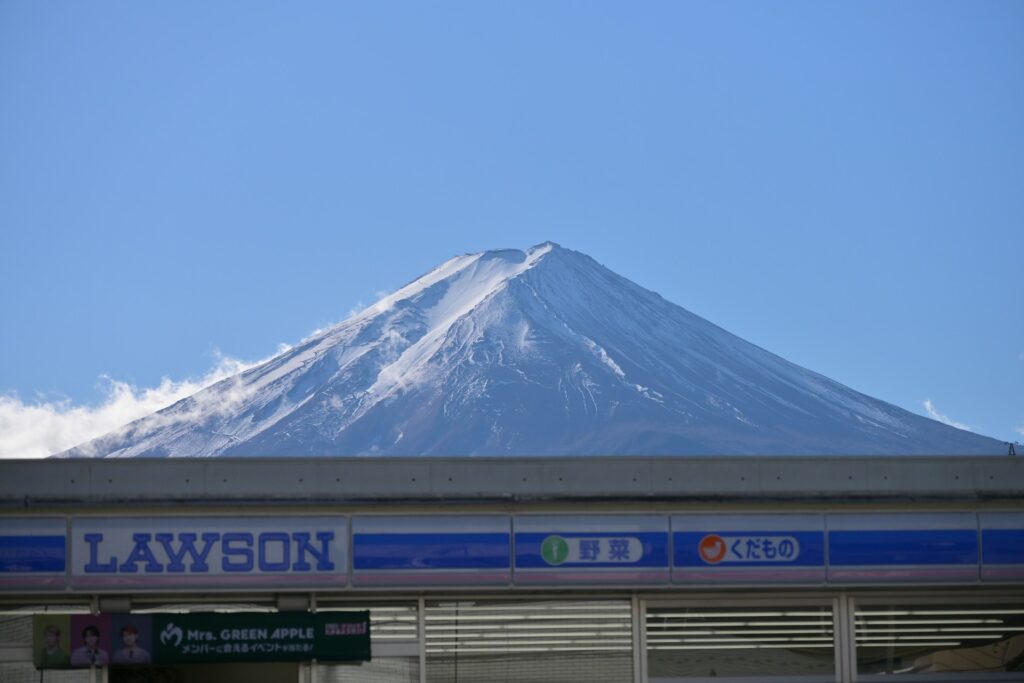
Kai’s tip: The mistake I see travelers make is planning Mt Fuji around distance instead of timing. Tokyo looks close on a map, but a late start can put you into the worst part of the day: full buses, road traffic, and a mountain already hidden by cloud. If the view matters, protect the morning first and build everything else around that.
Low-crowd windows
If your goal is a clear Mt Fuji view with fewer people, these are usually your best bets:
- Winter weekdays: The clearest skies of the year, with fewer tour buses and fewer sightseeing crowds.
- Early mornings: The single best crowd-avoidance move for Chureito, Kawaguchiko, and Hakone.
- Late afternoon: Often calmer after day-trippers head back toward Tokyo.
- Early July or early September: Better options for climbers than peak mid-summer weekends.
- Less famous lakes: Lake Shoji, Lake Motosu, and Lake Tanuki can feel much calmer than the main Kawaguchiko photo zones.
A simple rule works surprisingly well: if you arrive at a classic viewpoint before 9:00 AM, your experience is usually much calmer than if you arrive around lunch.
If you do not want a pre-dawn departure from Tokyo, staying near Lake Kawaguchi the night before can make an early viewpoint visit much easier. Before choosing a same-day route, you can check current prices and reviews for Kawaguchiko Hotel on Klook.
Where Are the Worst Bottlenecks?
Yoshida Trail summit push
The upper Yoshida Trail is where Mt Fuji feels least peaceful. On peak nights, the final ascent becomes a slow-moving line of hikers trying to reach the summit in time for sunrise. If your idea of a mountain experience is quiet space and steady pacing, this is usually the least enjoyable part of a peak-season climb.
How to reduce the stress: Stay at a mountain hut and time your ascent carefully, or consider watching sunrise from slightly below the summit and heading up after the rush. The summit itself is not the only place to experience sunrise on Mt Fuji.
Yoshida Trail 5th Station gate
The 5th Station is not just for hikers. It is also a sightseeing stop, a bus transfer point, and a staging area for summit attempts. That combination creates crowding even among people who never plan to leave the paved area.
In 2026, entry rules also matter. If you do not have a mountain hut booking, you should not assume you can simply pass through the gate late in the day. Plan your timing around the official entry rules, not old blog posts.
Kai’s tip: I always tell readers to decide whether they are doing a climb or a sightseeing visit before they touch the timetable. A 5th Station visit can be casual, but passing beyond the gate is not casual in 2026. Treat those as two different trips, with different rules, gear, and consequences.
Morning descent after sunrise
After sunrise, many climbers descend at the same time. The descent route can feel like a slow-moving line, especially where loose volcanic gravel forces people to move carefully. If your schedule allows, avoid joining the first mass descent immediately after sunrise.
Chureito Pagoda and Lake Kawaguchiko
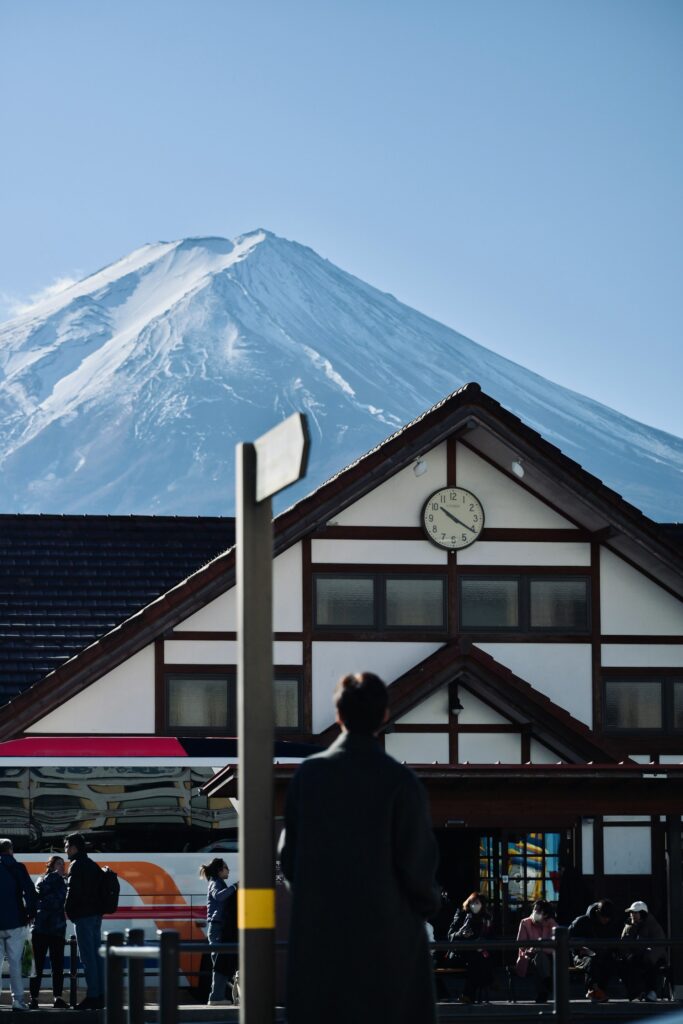
These are the most iconic Mt Fuji viewpoints, which is exactly why they get busy. Chureito has a limited viewing area, and Kawaguchiko’s best lakeside photo zones can feel packed once coaches and late-morning visitors arrive.
If you care about photography, timing matters more here than almost anywhere else in the region. For a breakdown of top locations, check out our guide to the best Mt Fuji photo spots.
If you want to see Chureito, Lake Kawaguchiko, and the 5th Station without juggling local buses, it may be worth comparing a Kawaguchiko-focused option before committing to the DIY route. You can check the Mount Fuji Classic Route Day Tour on Klook to compare the route, timings, and recent reviews.
Hakone Ropeway and Lake Ashi
Hakone crowding is different from Kawaguchiko crowding. The problem is not one single photo deck — it is the transport chain. Visitors move through the same sequence of stations, ropeway platforms, and boat piers, so queues form naturally around Owakudani and the Lake Ashi cruise.
On top of that, ropeway and cruise operations can be disrupted by weather or maintenance, so even a well-planned day can become slower than expected.
Kai’s tip: What catches people out in Hakone is not one huge queue; it is three smaller delays stacked together. A ropeway wait, a late boat, and a bus connection can turn a relaxed loop into a rushed afternoon. I would rather skip one stop than spend the whole day protecting an itinerary that is already slipping.
What Changed for Mt Fuji Climbers in 2026?
Yoshida Trail rules
As of 2026, climbing Mt Fuji requires more planning than it did a few years ago. On the Yoshida Trail, the key points are straightforward:
- Hiking fee: ¥4,000 per person, per trip
- Gate closure: 2:00 PM to 3:00 AM unless you have a mountain hut booking
- Daily limit: 4,000 climbers on the Yoshida Trail
- Advance booking: Strongly recommended, especially if your Japan dates are fixed
- Official information: Check the Yoshida Trail notice on the official Mt Fuji climbing website before your trip.
These rules are designed to reduce dangerous overnight rushes and make the trail safer, but they also mean summit climbing is now less spontaneous than many older blog posts suggest.
Shizuoka-side route rules
The Shizuoka-side trails also now require more preparation. As of 2026, climbers on those routes are expected to complete pre-registration, use the official entry system, and pay the same ¥4,000 hiking fee. If you plan to enter between 2:00 PM and 3:00 AM, you should also expect to show proof of a mountain hut reservation. Shizuoka Prefecture has not set the same daily climber cap as the Yoshida Trail, but registration and payment still matter.
That matters for crowd planning because switching away from Yoshida does not mean you can simply show up with no preparation. A different trail may feel less congested, but it still requires advance planning.
Before choosing a route, check the official Shizuoka-side notice for the latest registration and entry rules.
What this means for visitors
If you are climbing, 2026 is the year to treat Mt Fuji like a regulated mountain, not a casual walk-up attraction. If you are sightseeing only, these climbing rules matter less — but they still affect 5th Station traffic, bus demand, and how busy the area feels in summer.
If reaching the summit is still your priority, comparing a guided 2-day Mt. Fuji climbing tour can help you decide whether the hut logistics, timing rules, and overnight pace are worth it.
Should You Climb Mt Fuji or Just Enjoy the View?
Choose climbing if…
- You are physically fit and comfortable with long uphill hiking at altitude.
- You have proper gear, including hiking shoes, rain protection, warm layers, and a headlamp.
- You want the sunrise summit experience enough to accept crowds, cold, and strict timing rules.
- You can book mountain hut accommodation well in advance if needed.
- You understand that the climb can involve long waits, narrow trail sections, and a tiring descent.
Choose sightseeing if…
- You only have one or two days in the Fuji area.
- You are traveling with young children, older relatives, or anyone with mobility concerns.
- You want iconic photos without the physical toll and overnight logistics.
- You prefer flexibility, hot springs, cafes, ropeways, or lakeside views.
- You mainly want to see Mt Fuji, not necessarily stand on top of it.
Why sightseeing is better for most travelers
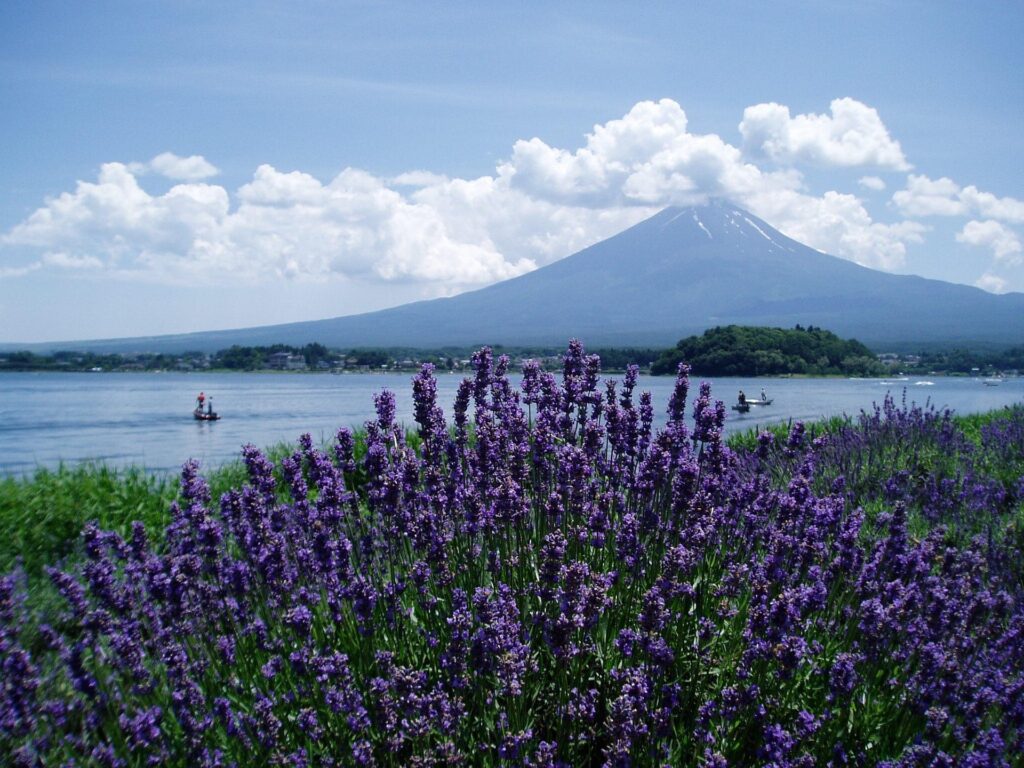
For many visitors, the best Mt Fuji experience is not from the top — it is from below. Lakeside viewpoints, hot springs, cafes, ropeways, and classic photo spots give you the iconic mountain scenery people actually come for. You also get more flexibility, more comfort, and a much lower risk of turning your day into a transport-and-queue marathon.
That is especially true if your trip to Japan is short and you want the best chance of seeing Mt Fuji clearly without building your whole day around a summit attempt.
Which Base Is Better for Crowds: Kawaguchiko or Hakone?
Kawaguchiko
Kawaguchiko is the better choice if your priority is the classic Mt Fuji view. It is ideal for postcard-style scenery, lakeside walks, and famous photo spots like Chureito Pagoda. The trade-off is that the best-known viewpoints attract the biggest crowds, especially in cherry blossom season, autumn foliage season, summer holidays, and on clear late mornings.
Choose Kawaguchiko if you want the most recognizable Mt Fuji scenery and do not mind starting early to beat the crowds.
Hakone
Hakone is the better choice if you want a broader sightseeing day rather than a Mt Fuji-only day. It offers hot springs, volcanic landscapes, ropeways, sightseeing boats, and a wider variety of attractions. The downside is that transport bottlenecks can make the area feel slow on busy days, and weather-related suspensions can affect the ropeway and lake cruise.
Popular spots also get backed up; for instance, knowing how to capture the iconic Hakone Shrine floating torii without the crowds will save you from standing in long lines.
If you are visiting Hakone independently, the Hakone Free Pass is worth comparing because it covers many of the trains, buses, ropeway, and Lake Ashi cruise routes that make up the classic loop.
Choose Hakone if you want a fuller day of sightseeing and are happy with Mt Fuji as one highlight rather than the only goal.
Which one is better for most first-time visitors?
If your main goal is to actually see Mt Fuji and come home with the iconic photos, Kawaguchiko is usually the better base. If your priority is a varied day out with more activities, Hakone is often the better fit.
Trying to do both independently in one day can work on paper, but in practice it often becomes a long chain of transfers, queues, and rushed stops. If your schedule is tight, read our breakdown on whether a Hakone half day trip is a realistic plan before you go.
| Factor | Kawaguchiko | Hakone |
|---|---|---|
| Crowd pattern | Famous viewpoints and roads get congested. | Queues build through the transport chain. |
| Mt Fuji view | Closer, larger, more iconic. | More distant, often a backdrop. |
| Best quiet strategy | Arrive before 9:00 AM or stay overnight. | Start the loop early and avoid sunny weekend afternoons. |
| Best for | Photos, lakeside views, classic Fuji scenery. | Onsen, ropeway, lake cruise, varied sightseeing. |
DIY Day Trip vs. Guided Tour: Which Works Better?
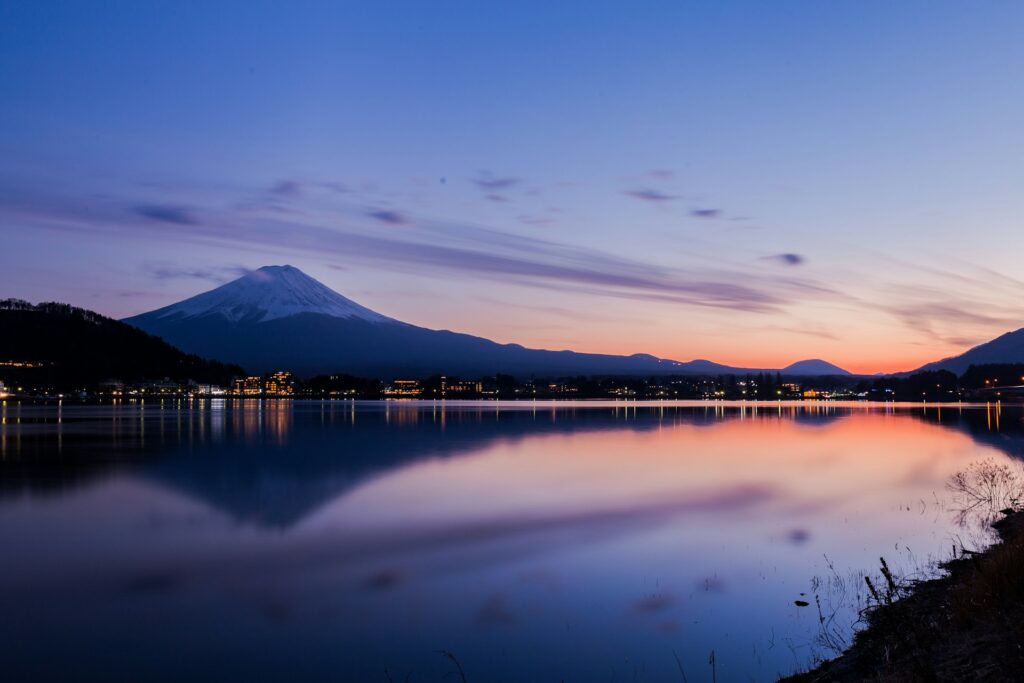
DIY day trip
A DIY trip gives you the most flexibility. You can linger at a quiet cafe, skip a crowded stop, or change plans if clouds block the mountain. That freedom is a real advantage if you already know the area well or only want to focus on one base, such as Kawaguchiko or Hakone.
The problem is that flexibility disappears once crowd pressure builds. Local buses fill up, transport connections start dictating your pace, and one delay can throw off the rest of your day. This matters most if you are trying to combine multiple regions or are visiting during spring, summer, or autumn peaks.
Guided day tour
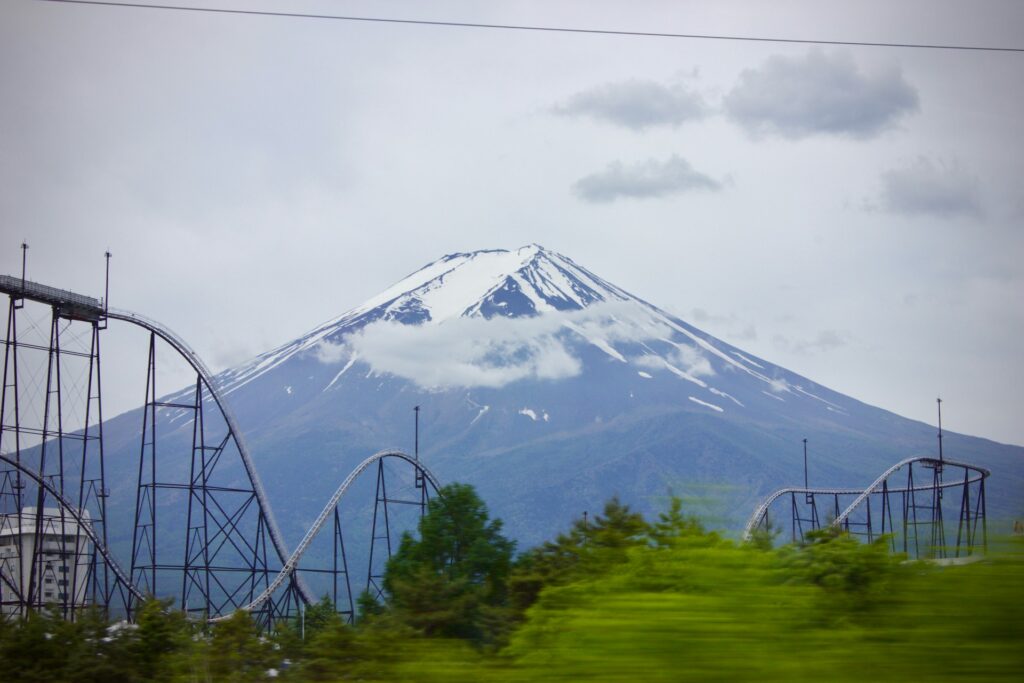
A guided day tour does not make popular places empty, but it does remove the most frustrating parts of a busy Mt Fuji day: transport planning, transfer stress, and the risk of wasting hours on the wrong connection. That is why guided tours are often the easiest option for travelers who want to see both the Mt Fuji area and Hakone in one day.
This is where a tour helps most:
- You want to cover more than one area in a single day
- You do not want to navigate rural bus and train connections
- You want a guaranteed seat for the long Tokyo transfer
- You prefer a fixed plan over day-of decision fatigue
A tour does not eliminate weather risk. If the ropeway or cruise is suspended because of strong wind, volcanic gas restrictions, or maintenance, that can still affect the day. What a guided tour does eliminate is most of the navigation stress that makes DIY trips feel harder when Mt Fuji areas are crowded.
Before booking any tour, I would scan the recent reviews for practical details rather than generic praise: whether meeting-point instructions are clear, how the guide handles weather changes, whether the pace feels rushed, and whether the return to Tokyo is smooth on busy days. Those are the review signals that matter most for a crowd-avoidance trip.
For a deeper breakdown of what this kind of trip includes, see our full guide here: Is This Mt. Fuji & Hakone Day Tour from Tokyo Really Worth It?
| Plan | Best For | Main Advantage | Main Trade-Off |
|---|---|---|---|
| DIY Kawaguchiko | Photographers and flexible travelers | Best control over timing and viewpoints | Local buses and weather decisions are on you |
| DIY Hakone | Onsen and transport pass users | Easy to build a slower sightseeing day | Ropeway and boat queues can still slow you down |
| Guided sightseeing tour | First-timers and short-stay travelers | Transport is handled | Less control over timing and photo stops |
| Guided climbing tour | First-time climbers | Hut logistics and timing are easier | More expensive and still physically demanding |
Recommended option if you want Mt Fuji and Hakone in one day
If you are a first-time visitor, have limited time in Japan, and want both Mt Fuji scenery and the Hakone Ropeway or Lake Ashi experience, this is the point where I would seriously compare a guided day tour against the DIY route. The tour will not control the weather or erase every queue, but it can remove the hardest part of the day: linking multiple rural transport systems under crowd pressure.
Why I’d book this one
- It solves the transfer problem: The most stressful part of combining Fuji and Hakone is not sightseeing — it is the long chain of trains, buses, ropeway timing, boat timing, and the return to Tokyo.
- It fits the real crowd pattern: Hakone crowds build through the transport chain, so having the major movement handled is a practical advantage on sunny weekends and peak sightseeing seasons.
- It gives you more than one chance at a good day: Mt Fuji visibility can change quickly. A route that includes multiple stops around Fuji and Hakone is usually less fragile than betting everything on one photo deck.
| Option | Best For | What to Confirm Before Booking |
|---|---|---|
| Mt Fuji, Hakone Ropeway & Lake Ashi Day Tour | Most first-time visitors who want Fuji and Hakone in one day | Current itinerary, meeting point, included transport, ropeway/cruise conditions, cancellation terms, and recent reviews |
| Guided 2-day Mt Fuji climbing tour | Travelers whose main goal is standing on the summit | Mountain hut arrangements, gear requirements, route rules, weather policy, physical difficulty, and current price |
Are There Quieter Alternatives if You Hate Crowds?
Yes. If you want Mt Fuji views without spending your whole day in the most famous photo queues, consider looking beyond the headline spots. Kawaguchiko is the easiest and most popular base, but it is not the only one.
Quieter Fuji Five Lakes viewpoints
- Lake Shoji: Smaller, calmer, and far less crowded than Kawaguchiko. It is a good choice if you want a more peaceful lake-and-Fuji view.
- Lake Motosu: Famous for the view used on the Japanese 1,000-yen bill, but still much quieter than the most central Kawaguchiko spots.
- Lake Saiko and Iyashi no Sato: A good option if you want traditional thatched-roof scenery with Mt Fuji views and fewer crowds than Chureito Pagoda.
- Oishi Park early in the morning: Not unknown, but far more pleasant before tour buses arrive.
Quieter options for hikers
- Mount Hoei: A side crater on the southeast slope of Mt Fuji. It can be a strong alternative if you want dramatic mountain scenery without committing to the summit.
- Mount Mitsutoge: A separate hike near Kawaguchiko with excellent Mt Fuji views. It is better for hikers who want scenery and exercise without joining the summit crowd.
Quieter Hakone options
- Onshi Hakone Park: A good place for Lake Ashi views and a calmer atmosphere than the busiest ropeway and cruise areas.
- Ancient Cedar Avenue: Better for atmosphere than direct Fuji views, but useful when the main lakefront areas are crowded.
- Early Lake Ashi cruise: Usually calmer than late morning or afternoon departures on sunny weekends.
If avoiding crowds matters more than collecting the single most iconic photo, choosing a less obvious viewpoint can improve your day more than almost any other strategy.
Go Earlier, Stay Later, Simplify the Plan
The best crowd-avoidance strategy is not a secret viewpoint. It is a simpler itinerary. Pick one base, start early, and build your day around fewer transport changes.
Many disappointing Mt Fuji day trips happen because people try to fit in too much after arriving late.
Kai’s tip: If I had one day, I would rather do one area well than collect three rushed checkmarks. In the Fuji region, every extra transfer adds a new failure point: a full bus, a late connection, a weather closure, or a viewpoint that takes longer than expected. A simpler plan usually feels more premium than an overloaded one.
If you hate queues, these three rules make the biggest difference:
- Go on a weekday whenever possible
- Arrive before 9:00 AM at major viewpoints
- Avoid combining Kawaguchiko and Hakone independently in one rushed day
What Should Most Travelers Do?
Best choice by travel style
Climb Mt Fuji if: reaching the summit is a true priority, you are physically prepared, you are comfortable with strict rules and alpine conditions, and you can plan around weekday dates in the official climbing season.
Skip the climb and sightsee instead if: you want the best views, easier logistics, better comfort, and a more relaxed day with family or limited time.
Choose Kawaguchiko if: your priority is classic Mt Fuji scenery, photos, lake views, and the best chance of seeing the mountain clearly.
Choose Hakone if: you want hot springs, ropeways, shrines, boats, and a broader day out, with Mt Fuji as a possible highlight rather than the only goal.
Book a guided day tour if: you want to cover the highlights efficiently, avoid public-transport stress, and reduce the risk of wasting time on crowded transfers.
Verdict
For most travelers, the best way to handle Mt Fuji crowds in 2026 is simple: do not chase everything in one day, do not arrive late, and do not assume climbing is the only meaningful Mt Fuji experience.
If your real goal is scenic views rather than a summit achievement, a well-timed sightseeing day is usually far more enjoyable than a peak-season climb.
If you want the easiest way to see both the Mt Fuji area and Hakone without dealing with the public-transport headache yourself, a guided bus tour is the most practical option.
My practical recommendation
If your Japan itinerary is short and you are choosing between DIY Fuji-Hakone and a guided tour, I would use the tour as the default unless you are already comfortable with rural Japan transport. The extra value is not just the stops themselves — it is having the long-distance movement, timing, and return logistics handled on a day when crowds can quickly make small mistakes expensive.
Why I’d book this one
- It matches the article’s core strategy: simplify the plan, reduce transfers, and avoid turning Mt Fuji into a transport puzzle.
- It is better for short-stay travelers: If you only have one day for Fuji and Hakone, losing two hours to a missed connection is a big cost.
- It lets you check the details before committing: Use the booking page to confirm the current route, included experiences, meeting point, cancellation policy, and recent traveler feedback.
Check availability and recent reviews for the Mt. Fuji, Hakone Ropeway & Lake Ashi Tour
Frequently Asked Questions
Can you visit Mt Fuji without climbing it?
Absolutely. Most visitors do not climb Mt Fuji. They visit viewing areas such as Kawaguchiko, the 5th Station, or Hakone instead. For many travelers, those sightseeing experiences are actually more enjoyable than a crowded summer summit attempt.
What is the least crowded time to visit Mt Fuji?
Winter weekdays are usually the calmest time for sightseeing, especially if you arrive early in the morning. For climbers, weekdays in early July or early September are generally better than weekends and Obon-period dates.
When are Mt Fuji photo spots most crowded?
The most famous photo spots are usually busiest during cherry blossom season, autumn foliage season, summer holidays, and clear late mornings. Chureito Pagoda and the northern shore of Lake Kawaguchiko are especially crowded once day-trippers and tour buses arrive.
Is Kawaguchiko or Hakone less crowded?
They get crowded in different ways. Kawaguchiko is more about congested viewpoints and road traffic around famous Mt Fuji photo spots. Hakone is more about queues building through the transport chain, especially around the ropeway, Owakudani, and Lake Ashi. Kawaguchiko is usually better for classic Fuji views, while Hakone is better for a broader sightseeing day.
Can you do Kawaguchiko and Hakone in one day by yourself?
It is possible, but it is rarely the most enjoyable option. Doing both independently often means spending too much time on buses, transfers, and queue management. If you want to combine both areas in a single day, a guided tour is usually the smoother choice.
Do Mt Fuji tours sell out in advance?
Yes, especially during cherry blossom season, the summer climbing season, autumn foliage weeks, and long holiday periods. If your Japan dates are fixed, booking early gives you more choice and less last-minute stress. Always confirm current availability on the booking page.
What are the main Mt Fuji climbing rules in 2026?
Climbers should expect a mandatory hiking fee, entry restrictions between 2:00 PM and 3:00 AM for those without mountain hut bookings, and official registration or reservation procedures. The Yoshida Trail also has a daily cap of 4,000 climbers. Always check the official Mt Fuji climbing website before your trip because rules can change.
Does the 4,000-person cap mean the Yoshida Trail is always full?
No. The cap exists to manage safety and overcrowding, but the route can still feel crowded even when the cap is not reached. The most uncomfortable congestion usually happens when many climbers aim for the same sunrise window near the summit.
Where can I check official Mt Fuji climbing updates?
Use the official Mt Fuji climbing website for trail rules, fees, weather-related notices, and route-specific information. If you are only sightseeing, also check local transport, ropeway, and cruise operation pages before traveling.
Want the easiest way to visit Mt Fuji and Hakone without dealing with crowded transport connections yourself?
Information in this article is based on official 2026 Mt Fuji climbing rules and current travel conditions available as of June 2026. Fees, entry rules, trail dates, transport operations, daily caps, tour itineraries, and availability may be updated by the relevant authorities or suppliers. Always check the official website and booking page before your trip.
Hi, I’m Kai. I’m a Tokyo-based travel writer, tourism industry insider, and the author of a published guidebook for international visitors to Japan. With over 10 years of professional experience at a leading Japanese tourism company, my mission is to help you skip the tourist traps and navigate Japan’s best destinations like a local. I believe the perfect day trip is like a traditional kaiseki meal: a beautiful balance of precise planning and unforgettable seasonal discovery. When I’m not out conducting field research, you’ll usually find me drafting new itineraries with one of my favorite fountain pens!