
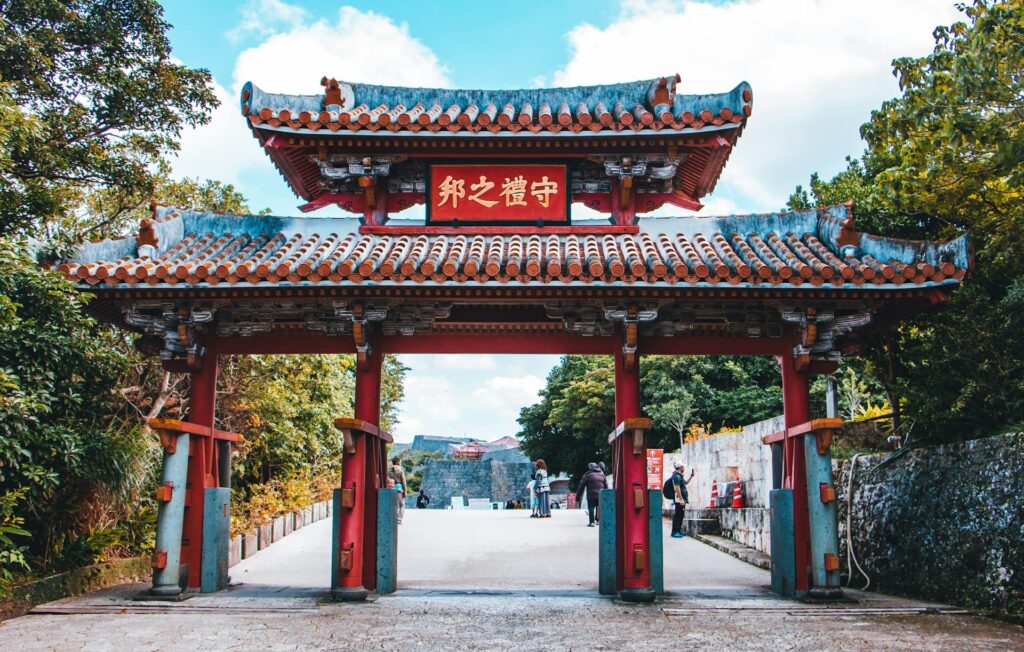
Adding Okinawa to a Tokyo, Osaka, or Kyoto itinerary can be a brilliant way to see a completely different side of Japan: beaches, subtropical islands, Ryukyu culture, and a slower pace than the mainland. But the logistics are very different from taking the bullet train to Kyoto.
This guide covers Okinawa Main Island only — Naha Airport, Churaumi Aquarium, Kouri Island, Cape Manzamo, American Village, and the main island routes most travelers actually use. Ishigaki and Miyako are separate destinations with different flight routes and transport needs.
Quick Answer: Getting to Okinawa from Tokyo
| Question | Answer |
|---|---|
| Fastest way? | Fly from Haneda Airport (HND) to Naha Airport (OKA). The flight itself is usually about 2.5 to 3 hours. |
| Cheapest way? | Fly from Narita Airport (NRT) with an LCC such as Peach or Jetstar, then compare the final price after baggage and seat fees. |
| Can I use the JR Pass? | No. The JR Pass does not cover flights to Okinawa, and there is no Shinkansen or JR line connecting the mainland to the island. |
| Can I take a ferry? | Not directly from Tokyo. A ferry from Kagoshima to Naha exists, but it is too slow and complicated for most Japan itineraries. |
| Minimum stay? | At least 3 nights on Okinawa Main Island. Two nights usually feels rushed once you include airport time. |
| Best no-car option after arrival? | Base yourself in Naha and use one guided or private day tour for Churaumi Aquarium, Kouri Island, Cape Manzamo, and central/northern Okinawa. |
| Who should add Okinawa? | Travelers with 14+ days in Japan who want a tropical break from the Golden Route. |
| Who should skip it? | First-time visitors with fewer than 11 days, or anyone who wants a tight, efficient mainland-only itinerary. |
How Do You Get to Okinawa from Tokyo?
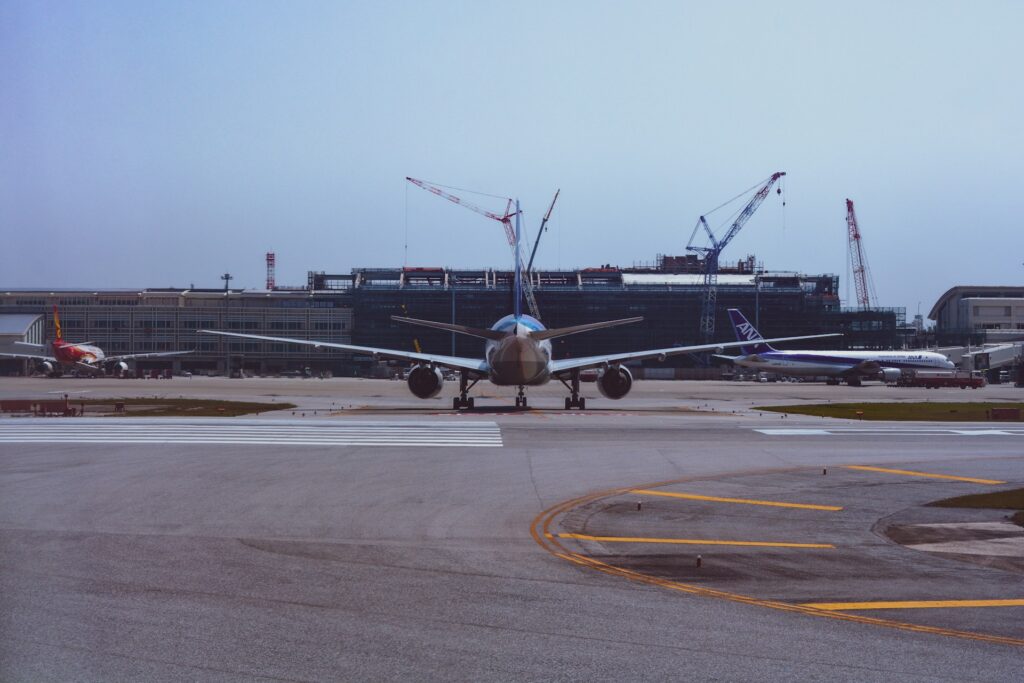
The realistic way to travel from Tokyo to Okinawa is by direct domestic flight to Naha Airport (OKA). There is no Shinkansen route, no JR Pass coverage, and no practical passenger ferry from Tokyo for normal tourism.
- Best overall option: Fly from Haneda Airport to Naha. Haneda is usually easier from central Tokyo and has frequent domestic departures.
- Best budget option: Fly from Narita Airport to Naha. Narita can be cheaper, but the transfer is longer and LCC baggage fees matter.
- JR Pass reality: The Japan Rail Pass does not get you to Okinawa and does not cover local transport on the island.
- Minimum stay: Plan at least 3 nights. Okinawa is not a quick side trip like Hakone or Nikko.
- Weather caution: Typhoons can affect Okinawa from early summer through autumn. Avoid tight same-day connections with international flights during this window.
Okinawa works best when you treat it as a separate island stay, not an add-on you squeeze between Tokyo and Kyoto. The flight is simple; the real planning challenge is what you do after you land.
Haneda vs Narita: Which Tokyo Airport Should You Choose?
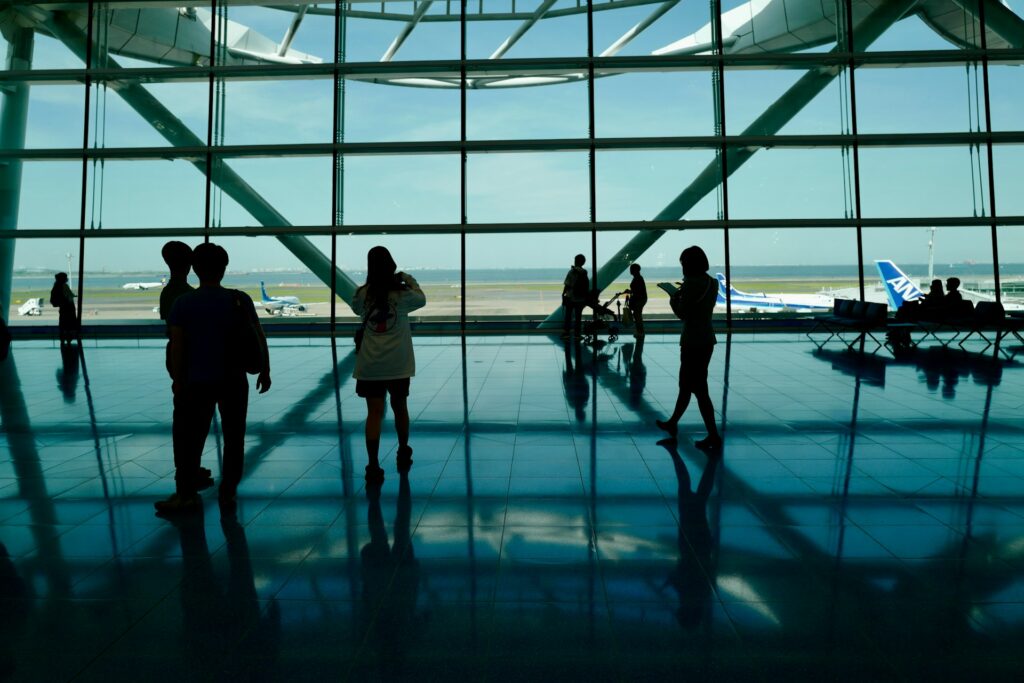
For most travelers, the biggest decision is not whether to fly — it is which Tokyo airport to use.
| Route | Best For | Typical Flight Time | Airport Access from Central Tokyo | Watch Out For |
|---|---|---|---|---|
| Haneda (HND) → Naha | Convenience, families, short itineraries, travelers with larger luggage | About 2.5 to 3 hours | Often around 30 minutes from central Tokyo areas via Tokyo Monorail or Keikyu Line, depending on where you stay | Fares are often higher than LCC routes from Narita |
| Narita (NRT) → Naha | Budget travelers, backpackers, light packers | About 3 hours | Often 60 to 90 minutes from central Tokyo via Narita Express, Keisei Skyliner, or airport bus | Baggage add-ons, seat fees, and the longer transfer can reduce the savings |
Verdict: Choose Haneda if you value time, convenience, and a smoother travel day. Choose Narita only if the fare difference remains meaningful after adding airport transfer costs, baggage fees, and your extra travel time.
Kai’s tip: The mistake I see travelers make is comparing only the flight price, not the whole door-to-door cost. If you are staying in Shinjuku, Shibuya, Ginza, or Tokyo Station with checked luggage, a slightly more expensive Haneda flight can still be the better-value choice. Narita makes the most sense when the fare gap is large and you are traveling light.
How Much Do Flights to Okinawa Cost? (2026 Planning Guide)
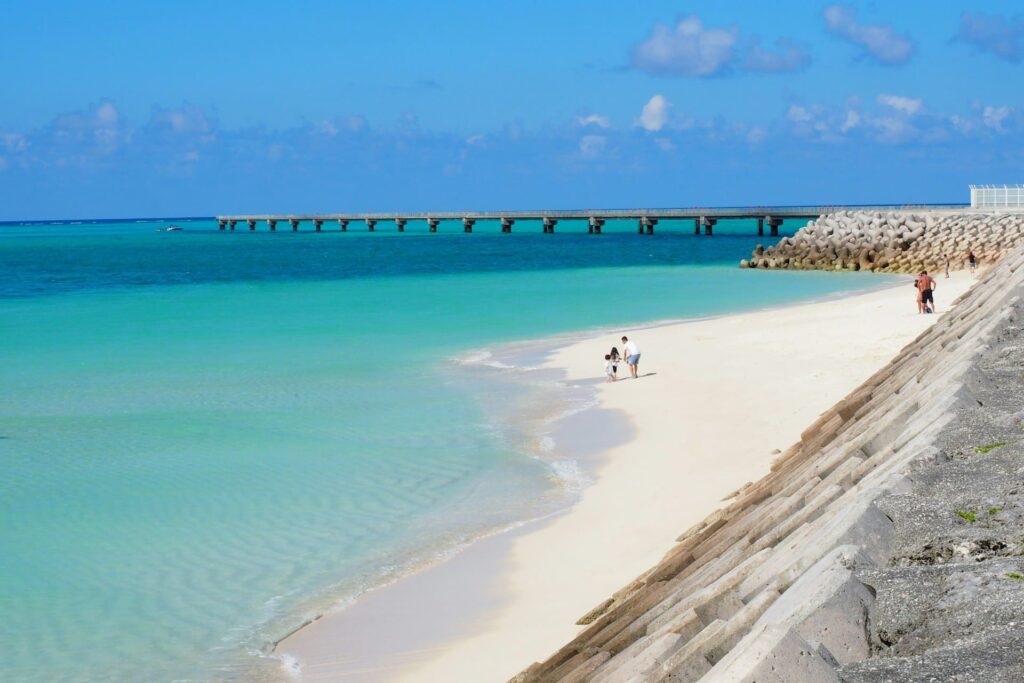
Domestic flight prices change by season, booking timing, airline, baggage, and how far in advance you reserve. As a planning guide, one-way flights from Tokyo to Naha often fall into these broad ranges, but always confirm the live price on your booking page before making decisions.
| Airline Type | Common Airlines | Typical One-Way Fare Range | Checked Baggage | Best For |
|---|---|---|---|---|
| Full-Service | JAL, ANA | Often higher than LCCs; can rise sharply during peak periods | Usually included, but confirm your fare rules | Travelers with luggage, families, and anyone departing from Haneda |
| Mid-Range | Skymark, Solaseed Air | Often between full-service and LCC pricing | Varies by fare type; check before paying | Budget-conscious travelers who still want Haneda convenience |
| Low-Cost Carriers | Peach, Jetstar Japan | Can be the cheapest base fare, especially from Narita | Usually extra | Travelers who can pack light and handle stricter rules |
When to book for the best price: The cheapest periods are usually outside Japan’s major holidays and school vacation peaks. Be especially careful around Golden Week, Obon, New Year’s, and summer beach season. For peak periods, compare prices early and avoid assuming last-minute domestic flights will stay cheap.
⚠️ LCC warning: A cheap base fare can become much less impressive once you add a checked bag, seat selection, payment fees, and the longer transfer to Narita. Always compare the final checkout price — not just the advertised fare.
Kai’s tip: I always tell readers to open two tabs before booking: one for the airline fare and one for the airport transfer. Add the bag you actually need, not the bag you wish you could travel with. That final number is the real Tokyo-to-Okinawa cost.
Can You Use the JR Pass to Get to Okinawa?

No. You cannot use the Japan Rail Pass to travel from Tokyo to Okinawa.
Okinawa is an island prefecture far south of mainland Japan. There is no bridge, tunnel, Shinkansen line, or JR-operated railway connecting Tokyo, Osaka, or Kyoto to Okinawa Main Island. The distance is too large and the route crosses open ocean.
The Japan Rail Pass can be useful for mainland routes such as Tokyo to Kyoto, Osaka, Hiroshima, or Kyushu. It does not solve the Okinawa leg of your trip. Okinawa also has no JR trains within the prefecture.
The only rail-style system on Okinawa Main Island is the Yui Rail, a monorail serving Naha and nearby areas. It is useful for getting from Naha Airport to central Naha, Kokusai Street, and Shuri Castle — but it is not operated by JR and does not reach northern attractions such as Churaumi Aquarium, Kouri Island, or Cape Manzamo.
Note for 2026 travelers: The Japan Rail Pass has a scheduled price change from October 1, 2026 for some overseas sales channels. If your mainland itinerary includes Okinawa, calculate whether the pass is worth it for your mainland travel before adding the Okinawa flight — because the pass will not cover that flight.
Can You Take a Ferry from Tokyo to Okinawa?

For a standard Japan itinerary, no — flying is the only practical option.
There is no convenient direct passenger ferry from Tokyo, Osaka, or Kyoto to Okinawa. Technically, ferries from Kagoshima in southern Kyushu to Naha do operate, but the crossing is long and you first need to reach Kagoshima from Tokyo. For most international visitors, that turns a simple domestic flight into a multi-day detour.
The ferry route makes sense only if:
- You have a strong aversion to flying.
- You are already planning to visit Kagoshima, Yakushima, or southern Kyushu.
- You have extra days to spare and see the ferry journey as part of the experience.
Otherwise, stick with the domestic flight. It is faster, simpler, and usually much easier to fit into a Japan itinerary.
How Do You Get to Okinawa from Osaka or Kyoto?
If you are traveling from Osaka or Kyoto, you will still fly to Naha Airport (OKA). The main difference is which mainland airport you use.
| Starting Point | Best Airport | Typical Flight Time to Naha | Main Benefit | Main Caution |
|---|---|---|---|---|
| Osaka | Kansai International Airport (KIX) or Itami Airport (ITM) | About 2 to 2.5 hours | KIX has more LCC options; Itami is convenient for many domestic full-service flights | Check which airport your flight uses before booking hotels or airport transfers |
| Kyoto | Kansai International Airport (KIX) via Osaka | About 2 to 2.5 hours after reaching the airport | Airport trains and buses connect Kyoto Station with KIX | Kyoto has no airport. Add enough time for the airport transfer, check-in, and possible delays |
If you are heading to Okinawa from Kyoto, plan the airport transfer carefully. The JR Haruka Express and airport limousine buses connect Kyoto Station with Kansai International Airport, but early morning flights may require a very early start or an overnight stay near KIX.
If you already have a valid Japan Rail Pass or an eligible JR-West regional pass, it may help with the mainland transfer to Kansai International Airport. It still will not cover your flight to Okinawa or local transport after you arrive.
Getting Around Okinawa Without a Rental Car
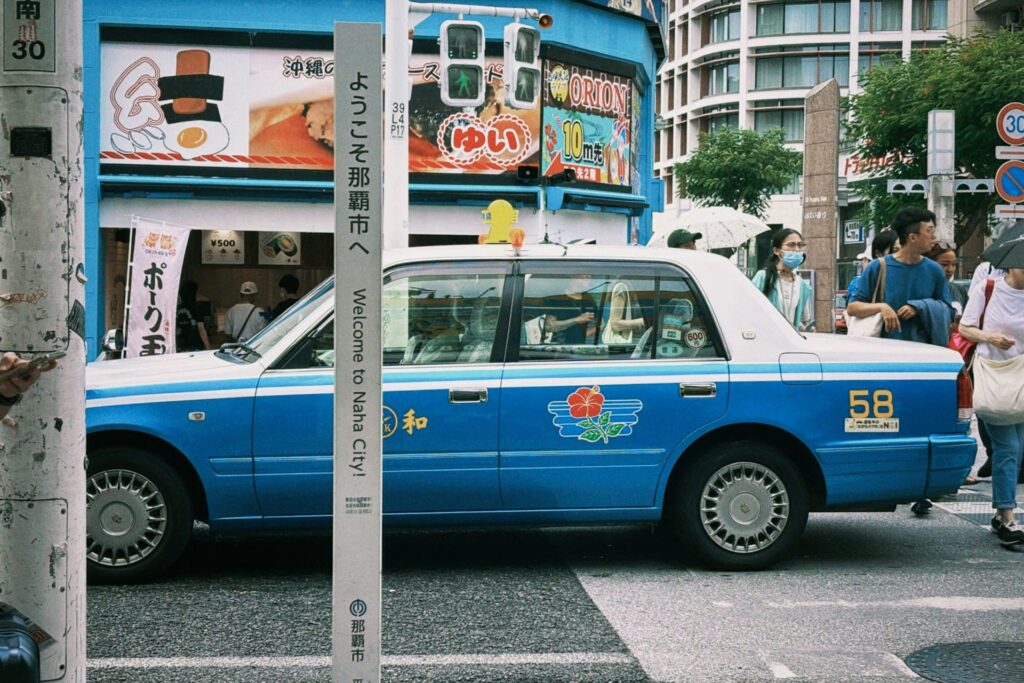
After you land at Naha Airport, Okinawa feels very different from Tokyo, Osaka, or Kyoto. Naha is manageable without a car, but Okinawa Main Island as a whole is much more car-dependent than Japan’s major mainland cities.
The Yui Rail monorail is useful for simple city travel in Naha. It connects Naha Airport with areas such as Kokusai Street and Shuri Castle. Fares and passes can change, so check the current Yui Rail price before you rely on it for budgeting.
The challenge starts when you want to visit northern and central Okinawa. Popular places such as Churaumi Aquarium, Kouri Island, Cape Manzamo, and many beach resorts are spread far apart. Churaumi Aquarium, for example, is far enough from Naha that it should be treated as a full-day outing, not a casual city stop.
Kai’s tip: What catches people out is that Okinawa looks compact on a map, but the useful sights are not lined up like stations on the Tokyo subway. If you are not driving, decide your northern route before you book your hotel. For many visitors, Naha plus one organized northern day is much more realistic than trying to bus-hop across the island.
| Transport Option | Best For | Main Advantage | Main Drawback |
|---|---|---|---|
| Yui Rail | Naha city stays only | Easy for airport access, Kokusai Street, and Shuri Castle | Does not reach northern or central Okinawa |
| Local and Express Buses | Travelers with time and patience | Can reach some major areas without driving | Slow, schedule-dependent, and harder with luggage |
| Rental Car | Flexible island trips | Best freedom for beaches, viewpoints, and remote stops | Requires an International Driving Permit and confidence driving on the left |
| Guided Day Tour | Car-free visitors who want to see several highlights in one day | Removes the stress of driving and bus transfers; hotel pickup is often available | Less flexible than driving yourself, unless you choose a private tour |
If you do not have an International Driving Permit or do not want to drive in Japan, base yourself in Naha and use a guided day trip for the northern highlights. This keeps the trip realistic without spending most of your day checking bus schedules.
My Pick for Car-Free Travelers: A Private Okinawa Day Tour
If you have already paid to fly from Tokyo to Okinawa, the worst outcome is spending your only full day fighting bus schedules. For travelers without a rental car, I would make one full-day northern route the anchor of the trip: Churaumi Aquarium, Kouri Island, Cape Manzamo, and one or two culture or coastal stops depending on your priorities.
Why I’d book this one:
- It solves the real Okinawa problem: The hard part is not reaching Naha; it is connecting spread-out sights without wasting the day in transit.
- It is private and flexible: The listed tour uses a private car and driver-guide, which matters if you want to adjust the route for beaches, castles, family pacing, or weather.
- Traveler reviews point to the same pain points: Reviewers consistently mention hotel pickup, helpful guiding, flexible routing, and access to harder-to-reach northern areas as the reasons the tour worked for them.
| Option | Best For | Flexibility | Cost Note |
|---|---|---|---|
| Private guided day tour | Couples, families, groups, first-time Okinawa visitors without a car | Highest | Check the live price; usually best value when the route and pickup convenience matter |
| Large sightseeing bus | Solo travelers and strict budgets | Low to medium | Usually cheaper, but the schedule and stops are fixed |
| Rental car | Confident drivers with an International Driving Permit | Highest | Compare rental, insurance, parking, fuel, and IDP requirements |
If your travel dates are already fixed, check the latest private tour price, pickup zones, route options, start times, and cancellation policy before you decide whether to rent a car or rely on buses.
Is Okinawa from Tokyo Worth It?
Okinawa from Tokyo is worth it if you can give it enough time. The island offers a strong contrast to mainland Japan: subtropical beaches, Ryukyu history, ocean views, and a slower travel rhythm. But it is not a quick side trip like Kyoto, Hakone, or Nikko.
| Japan Trip Length | Should You Add Okinawa? | Why |
|---|---|---|
| 7 to 10 days | Usually skip it | You will lose too much time to airport transfers, flights, and hotel changes |
| 11 to 13 days | Only if Okinawa is a top priority | It can work, but you may need to cut another destination |
| 14 days or more | Worth considering | You have enough time for Tokyo, Kyoto or Osaka, and a separate island stay |
As a practical rule, plan at least 3 nights on Okinawa Main Island. Two nights can feel rushed because your first and last days are affected by airport travel. Three nights gives you enough time for Naha, one full-day northern route, and some beach or cultural sightseeing.
Typhoon & Travel Risks (2026 Update)
The main risk is not the flight time itself — it is schedule disruption, especially during the warmer months. Okinawa is more exposed to typhoon disruption than most mainland Japan itineraries, so build your flights with more caution than you would for a normal Tokyo-to-Osaka rail day.
- Peak typhoon risk: Late summer into early autumn is the period to watch most carefully, though storms can occur outside that window.
- International connections: Avoid flying back from Okinawa to Tokyo on the same day as a long-haul international departure.
- Activity bookings: Do not place your most important ocean activity on the arrival day. Give yourself a backup day where possible.
- Booking flexibility: During typhoon season, consider fares and hotels with change or cancellation options. The cheapest LCC tickets are often the least flexible.
- Airport choice: A cheap Narita fare may not be worth it if you are staying near central Tokyo and have heavy luggage — the transfer time and baggage fees can eat up the savings.
Kai’s tip: If Okinawa sits near the end of your Japan trip, I prefer returning to Tokyo at least one day before an international flight. That extra night on the mainland is not exciting, but it protects the most expensive connection of your trip. During typhoon season, tight same-day Okinawa-to-Tokyo-to-home plans are the first thing I try to avoid.
Check the best time to visit Okinawa based on weather before booking your flights.
Frequently Asked Questions
Can I take a ferry from Tokyo to Okinawa?
No, there is no convenient direct passenger ferry from Tokyo to Okinawa for normal tourism. Ferries from Kagoshima to Naha exist, but you must first reach Kagoshima from Tokyo and then take a long overnight sea route. For most international travelers, flying is the only practical option.
Can I take the Shinkansen to Okinawa?
No. The Shinkansen does not go to Okinawa. Japan’s bullet train network is on the mainland, while Okinawa Main Island is separated by open ocean. You need to fly to Naha Airport for a realistic travel plan.
Can I use the JR Pass in Okinawa?
No. The Japan Rail Pass does not cover flights to Okinawa and does not cover the Yui Rail monorail in Naha. The pass may still be useful for mainland travel before or after Okinawa, such as Tokyo to Kyoto or Kyoto to Kansai International Airport, depending on your pass type and route.
How many nights do I need in Okinawa?
Plan at least 3 nights on Okinawa Main Island. This gives you one arrival day, one full day for northern or central sightseeing, and one additional day for Naha, beaches, culture, or slower travel. Two nights is possible but often feels rushed.
Is this guide for Ishigaki or Miyako?
No. This guide is for Okinawa Main Island, using Naha Airport as the arrival point. Ishigaki and Miyako are separate island destinations with different airports, flight routes, transport needs, and trip planning considerations.
How do I travel to Okinawa from Kyoto?
Kyoto does not have its own airport, so you first need to travel to an Osaka-area airport, usually Kansai International Airport (KIX). From there, take a direct domestic flight to Naha Airport. Add enough time for the Kyoto-to-airport transfer, especially if you book an early morning flight.
Is Okinawa easy without a car?
Naha is easy enough without a car, especially around the airport, Kokusai Street, and Shuri Castle. The rest of Okinawa Main Island is more difficult. For Churaumi Aquarium, Kouri Island, Cape Manzamo, and other spread-out attractions, a rental car or organized day tour is usually much more efficient than relying only on buses.
Are there direct package tours from Tokyo to Okinawa?
Yes, many Japanese travel agencies and online platforms offer flight + hotel packages from Tokyo to Okinawa. These can sometimes be cheaper than booking separately, especially during off-peak periods. Compare the package price against booking the flight and hotel independently before committing.
Final Verdict
| Traveler Type | Should You Add Okinawa from Tokyo? |
|---|---|
| First-time visitors with 7–10 days | Skip it. Use that time for the Golden Route: Tokyo, Kyoto, and Osaka. Okinawa will feel rushed and logistically heavy. |
| Return visitors or slow travelers with 14+ days | Add it. Okinawa gives you a completely different side of Japan. Stay at least 3 nights on the main island. |
| Beach and nature lovers | Yes, if you have time. Okinawa’s snorkeling, marine life, and island scenery are a major contrast to mainland Japan — but it requires a proper stay, not a drop-in. |
| Travelers without a rental car or IDP | Still possible. Base yourself in Naha and book one guided or private day tour for the northern highlights. You will see the main sights without the stress of long-distance bus transfers. |
| Travelers on a tight budget | Compare carefully. LCC flights from Narita can be cheap, but the total cost — baggage, airport transfers, island transport — adds up. If Okinawa stretches your budget, save it for a future trip. |
| Families with children | Worth it with enough time. Churaumi Aquarium, beach time, and the slower pace suit families well. Fly from Haneda for convenience and book family-friendly accommodation near the coast. |
Bottom line: Okinawa from Tokyo is a brilliant addition to a long Japan itinerary, but a poor choice for a short one. If your schedule allows 3+ nights and you want beaches, tropical scenery, and a slower rhythm, book the flight. If you are squeezing Japan into a single week, stay on the mainland and come back for Okinawa another time.
The Decision Point: What I Would Do Without a Rental Car
For car-free travelers, I would not try to stitch together Churaumi Aquarium, Kouri Island, Cape Manzamo, and American Village by local buses in one ambitious day. I would either simplify the itinerary to Naha only, or use one structured day tour to make the northern route work.
The private option is especially useful for families, couples, small groups, and travelers who want hotel pickup, an English-speaking driver-guide, and some flexibility in the route. Compare the latest tour price, route options, pickup areas, availability, and cancellation rules here before you go.

Hi, I’m Kai. I’m a Tokyo-based travel writer, tourism industry insider, and the author of a published guidebook for international visitors to Japan. With over 10 years of professional experience at a leading Japanese tourism company, my mission is to help you skip the tourist traps and navigate Japan’s best destinations like a local. I believe the perfect day trip is like a traditional kaiseki meal: a beautiful balance of precise planning and unforgettable seasonal discovery. When I’m not out conducting field research, you’ll usually find me drafting new itineraries with one of my favorite fountain pens!