
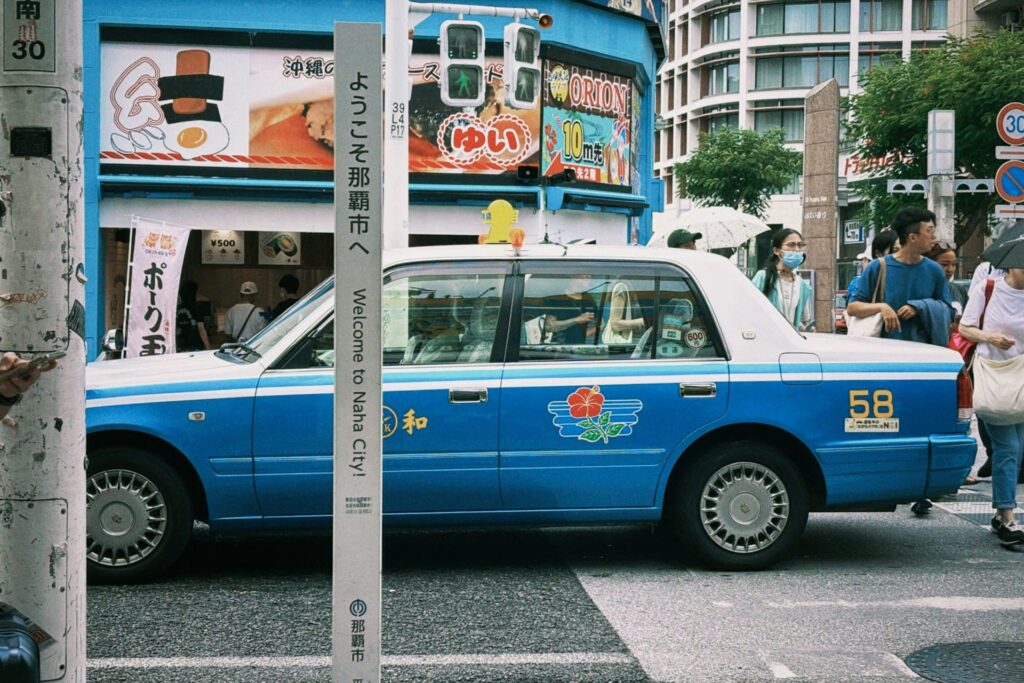
If you are planning a trip to Japan’s southern islands but do not have an international driving permit, or simply do not want to drive on the left side of the road, you are probably wondering: Is Okinawa without a car actually realistic?
The answer is yes, but only with the right route. Okinawa is not like Tokyo, Kyoto, or Osaka, where trains can take you almost everywhere. On Okinawa’s main island, public transport works well in Naha, becomes manageable for a few major day trips, and becomes much harder if you want remote beaches, hidden cafes, or spontaneous stops along the coast.
Quick answer: Okinawa without a car is worth it for a 3-day trip if you stay in Naha, use the Yui Rail and walking for city sightseeing, take a ferry to the Kerama Islands for beaches, and choose either an express bus or a private tour for northern Okinawa. It is not the best choice if your dream trip is a flexible coastal road trip with remote beaches and cafe-hopping.
This guide shows a realistic way to enjoy Okinawa without renting a car, including where to stay, how to use buses and ferries, and how to plan a 3-day itinerary around Naha, the Kerama Islands, and Churaumi Aquarium. For a more compact route, you can also compare this with my Okinawa 3-day no-car itinerary.
Can You Visit Okinawa Without a Car?
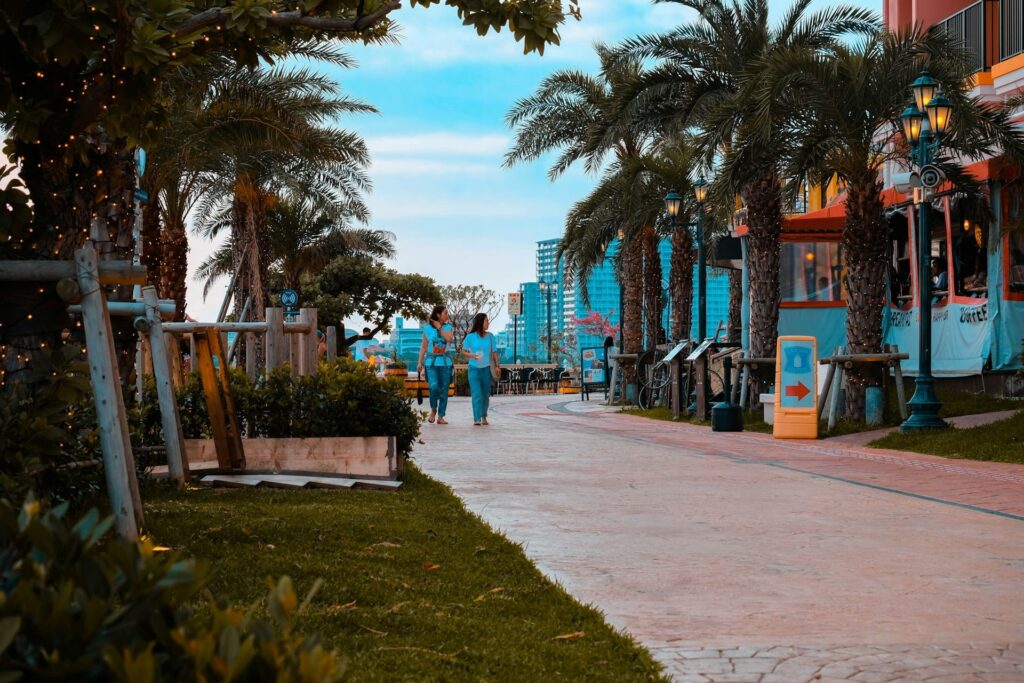
Yes, you can visit Okinawa without a car if you base yourself in Naha and choose your day trips carefully. The easiest no-car plan is to use the Yui Rail for Naha, take a ferry to the Kerama Islands for beaches, and use an express bus, taxi, or private guided tour for northern Okinawa.
The important part is expectation-setting. Okinawa without a car does not feel like Tokyo without a car. You can still have a rewarding trip, but you need to design each day around one clear area instead of trying to string together distant stops by slow local buses.
| Good Fit Without a Car | Not Ideal Without a Car |
|---|---|
| First-time visitors staying 3 to 5 days | Travelers who want hidden beaches and remote cafes |
| Travelers staying in Naha or Chatan | Families carrying a lot of luggage between resorts |
| People who want Naha, Kerama Islands, and Churaumi Aquarium | Travelers who want a flexible northern Okinawa road trip |
| Visitors comfortable with buses, ferries, taxis, and tours | Anyone who dislikes fixed schedules or long transfers |
Important weather warning: the Kerama Islands are one of the best beach options from Naha without a car, but ferries can be canceled due to strong wind or high waves. Avoid putting your Kerama day on your final day in Okinawa, and check the ferry status on the morning of travel.
Where Should You Stay in Okinawa Without a Car?
Your hotel location will make or break a no-car Okinawa trip. Without a rental car, do not book a remote coastal resort in the north unless you plan to stay mainly at the resort. For most travelers, the best areas to stay in Okinawa without a car are Naha and Chatan.
Naha: The Best Base for First-Time Visitors
Naha is the best overall base if you are visiting Okinawa without a car. Staying near Asahibashi Station, Naha Bus Terminal, Kokusai Dori, or Tomari Port gives you access to the airport, Yui Rail, local buses, express buses, tour meeting points, and ferries to the Kerama Islands.
This is the most efficient choice if your itinerary includes Shuri Castle Park, Kokusai Dori, Tsuboya Yachimun Street, Makishi Public Market, the Kerama Islands, and a northern Okinawa day trip.
Kai’s tip: The mistake I see travelers make is choosing a Naha hotel only by the nearest monorail station. For a no-car Okinawa trip, I would also check the walking route to Naha Bus Terminal and Tomari Port. A hotel that saves you 10 minutes on a ferry morning can matter more than a hotel that is one stop closer to Kokusai Dori.
Chatan: The Better Base for a Resort Feel
Chatan is a good alternative if you want a more relaxed resort atmosphere. American Village, Sunset Beach, ocean-view cafes, and many restaurants are walkable once you arrive.
The trade-off is that Chatan is less convenient than Naha for ferries, some northern tours, and public transport connections. It can work well if you want a slower trip, but Naha is usually easier for a first no-car visit.
| Base | Best For | Main Drawback |
|---|---|---|
| Naha | Transport access, ferries, city sightseeing, first-time visitors | Less of a resort atmosphere |
| Chatan | Sunset Beach, American Village, cafes, relaxed evenings | Less convenient for ferries and some day trips |
| Northern resorts | Beachfront stays and resort time | Difficult to explore without a car |
How Does Public Transport Work in Okinawa?
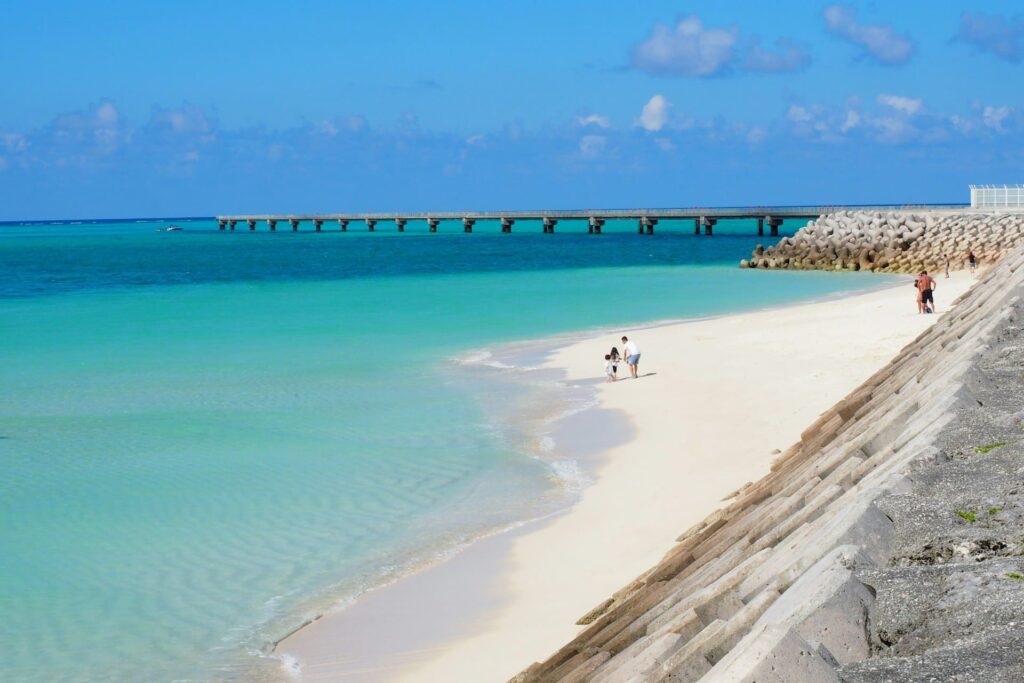
Okinawa’s public transport is useful, but it requires more planning than mainland Japan. The key is to understand the difference between the Yui Rail, local route buses, express buses, ferries, taxis, and private tours.
How Useful Is the Yui Rail?
The Yui Rail is the easiest transport system for visitors. It connects Naha Airport with central Naha and continues toward Shuri. It is clean, reliable, and avoids Okinawa’s traffic jams.
You can use major mainland IC cards such as Suica and Pasmo on the Yui Rail, which makes it the simplest way to move around Naha. It is especially useful for the airport, Asahibashi, Kokusai Dori access, and Shuri Castle Park.
Can You Use Suica or Pasmo on Okinawa Buses?
Do not assume Suica or Pasmo will work on every Okinawa bus. On Okinawa’s main island, the safest visitor habit is still to carry cash and check each operator’s payment rules before travel. The local OKICA card is widely used for the Yui Rail and many local buses, while some express buses, shuttles, or specific routes may accept other cashless methods.
For local buses, carry small cash even if you normally travel cashless in Japan. A good rule is to keep several 1,000 yen bills and 100 yen coins with you. Some bus change machines may not accept larger notes, new bills, or certain coins, so preparing small change before boarding can save stress.
On many local buses, you take a numbered ticket when boarding and pay the fare shown on the front fare board when getting off. Some flat-fare city routes work differently, so watch what local passengers do and check signs near the driver.
Kai’s tip: Okinawa is where “cashless Japan” can suddenly feel less cashless. I always tell readers to prepare bus money before the travel day, not while standing at the fare box with people behind them. Even if your route accepts a card, having small cash removes one of the easiest no-car stress points.
When Should You Use Express Buses or Airport Shuttles?
Express buses and airport shuttles are useful for longer routes, especially between Naha, Chatan, Nago, Motobu, and Churaumi Aquarium. They are more practical than slow local buses for long-distance trips, but they still require careful schedule planning.
If you are going all the way from Naha to Churaumi Aquarium by bus, expect a long travel day. The trip can take roughly 2.5 to 3 hours each way depending on the route, traffic, and departure point, so check the current timetable before locking in your plan.
Are Taxis and Ride-Hailing Apps Useful?
Taxis are useful for short distances in Naha, Chatan, and resort areas. Apps such as Uber, DiDi, and GO can help you call a taxi, but in Okinawa these usually dispatch standard local taxis rather than private rideshare cars.
Taxis are not a good main solution for long-distance sightseeing. A taxi from Naha to northern Okinawa can become very expensive, so it is better to use taxis for short hops and save express buses, ferries, or tours for longer routes.
How Should You Spend 3 Days in Okinawa Without Driving?
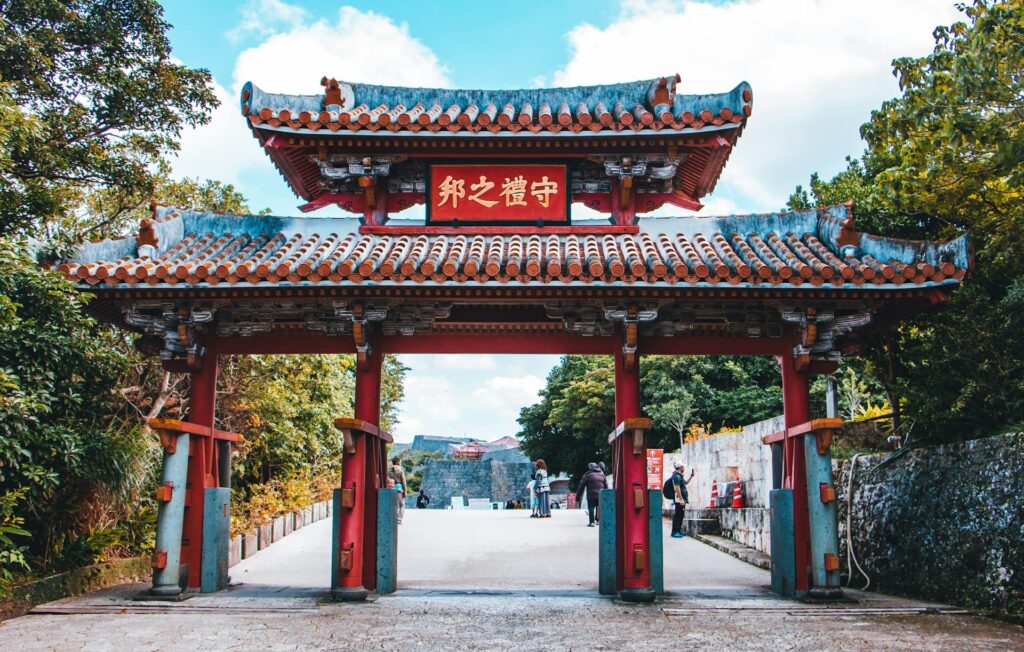
This 3-day Okinawa without a car itinerary is designed for travelers based in Naha. It keeps transfers realistic and avoids building the trip around slow local buses.
Day 1: How Should You Explore Naha?
Spend your first day in Naha using the Yui Rail and walking. This is the easiest day of the trip and does not require a bus.
- Morning: Take the Yui Rail toward Shuri and visit Shuri Castle Park.
- Afternoon: Explore Tsuboya Yachimun Street for Okinawan pottery and small shops.
- Evening: Walk along Kokusai Dori and eat around Makishi Public Market or the surrounding side streets.
This day is intentionally light. It gives you time to settle in, buy any ferry or bus essentials, and adjust to Okinawa’s slower transport pace.
Day 2: How Can You Visit Okinawa’s Beaches Without a Car?
The best no-car beach day from Naha is usually the Kerama Islands. Instead of spending hours trying to reach a beach on Okinawa’s main island by bus, take a ferry from Tomari Port to Tokashiki, Zamami, or Aka.
- Book your ferry in advance when possible, especially in summer, on weekends, and during Japanese holidays.
- Choose a Tokashiki Island day trip for an easier first Kerama experience, or Zamami/Aka if the ferry times match your plan.
- Leave your schedule flexible in case ferries are canceled due to waves or wind.
- Return to Naha in the afternoon rather than relying on the very last possible connection.
For beaches, this is often more rewarding than trying to reach scattered mainland beaches by public bus. The main risk is weather, not road access.
Kai’s tip: With the Kerama Islands, I would decide the return boat before deciding how much beach time I want. The last boat may look tempting on paper, but a no-car trip works better when you leave yourself a small buffer. Treat the beach as the reward, and the ferry schedule as the frame around it.
Day 3: How Can You Visit Churaumi Aquarium and Northern Okinawa?
Day 3 is where most no-car Okinawa itineraries become difficult. Churaumi Aquarium, Kouri Island, Cape Manzamo, Bise Fukugi Tree Road, and other northern highlights are spread out, and public transport does not connect them as conveniently as a rental car would.
If your only goal is Churaumi Aquarium and you want maximum time there, an express bus from Naha can work. If you want to see several northern highlights in one day, a private guided tour is usually the more practical option.
How Can You Visit Churaumi Aquarium Without a Car?
There are two realistic ways to visit Churaumi Aquarium from Naha without renting a car: take an express bus independently, or book a private guided day tour that includes the aquarium and other northern stops.
| Decision Point | DIY Express Bus | Private Guided Tour |
|---|---|---|
| Best for | Travelers who mainly want Churaumi Aquarium | First-timers who want several northern highlights |
| Time from Naha | Roughly 2.5 to 3 hours each way, depending on route and traffic | Full-day fixed or semi-flexible route with transport handled |
| Aquarium ticket | Usually separate unless you buy a package ticket | Check the tour details before booking |
| Kouri Island | Difficult to combine smoothly on the same day | Much easier to include if the route allows |
| Cape Manzamo | Awkward by public transport in the same itinerary | Easier to combine with northern sightseeing |
| Flexibility | More time at the aquarium if schedules work | Less DIY freedom, but more route flexibility than a large bus tour |
| Missed-bus risk | Higher, especially on the return journey | Lower, because transport is organized for you |
Should You Choose the DIY Bus or a Guided Tour?
Choose the DIY express bus if you are comfortable reading schedules, you mainly want to visit Churaumi Aquarium, and you do not mind spending a large part of the day in transit.
Choose a private guided tour if you want to make the most of one day in northern Okinawa without managing bus transfers. For many first-time visitors without a car, this is the easiest way to combine Churaumi Aquarium with places such as Kouri Island, Cape Manzamo, and other scenic stops.
My Recommendation for Northern Okinawa Without a Car
If you have only one northern Okinawa day and you are not renting a car, this is the point where I would stop trying to over-optimize the bus schedule. The DIY bus can be cheaper, but it does not solve the real problem: northern Okinawa’s best stops are spread out.
Why I’d book this one:
- It solves the transfer problem. A private vehicle removes the hardest part of a no-car northern route: linking Churaumi Aquarium, Kouri Island, Cape Manzamo, and other stops without losing hours to connections.
- It is more flexible than a large bus tour. The route and timing can be easier to shape around your interests, hotel location, weather, and energy level. Always confirm the exact pickup area, included stops, and current conditions on the booking page.
- Traveler reviews support the main value proposition. Recent reviewers consistently mention helpful English communication, route adjustments, local context, and flexibility when weather changes. I would treat that as the reason to pay more than the DIY bus, not as a generic sightseeing upgrade.
👉 Check dates, pickup details, and current price for the private Okinawa north tour
| Option | Best For | Cost | Main Trade-Off |
|---|---|---|---|
| DIY express bus | Travelers focused mainly on Churaumi Aquarium | Check current bus fare and aquarium ticket separately | Long travel time and limited ability to add other stops |
| Private guided tour | Travelers who want Churaumi Aquarium plus northern scenery in one day | Check current tour price, inclusions, and pickup area | Costs more, but reduces planning and transfer risk |
Should You Rent a Car for One Day?
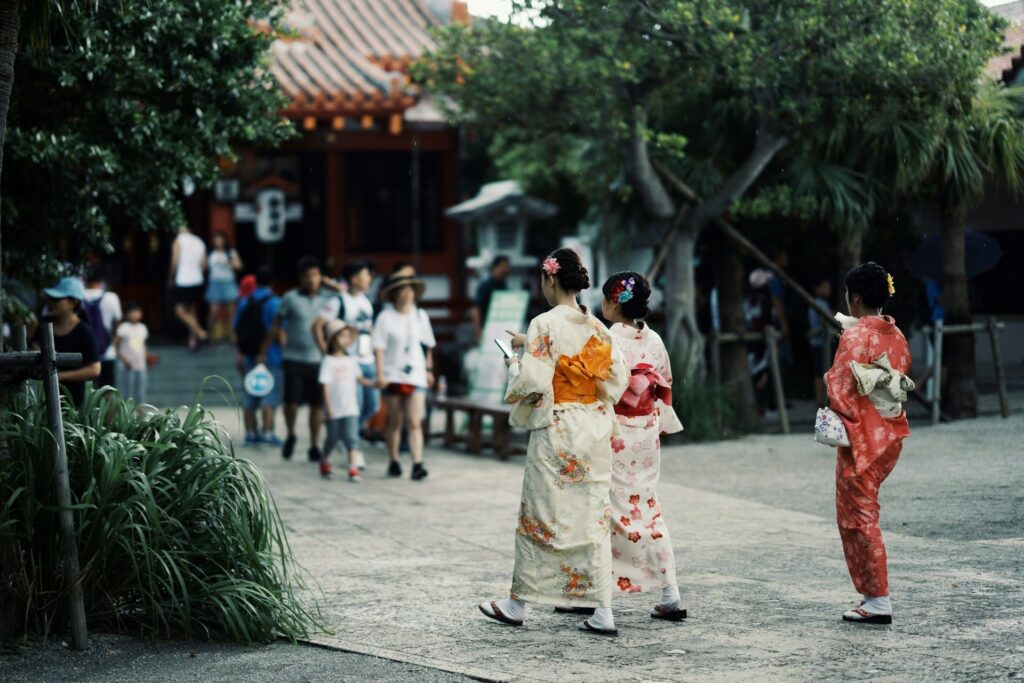
Even if you are planning Okinawa without a car, renting a car for just one day can still be worth considering. This is not necessary for every trip, but it can make sense if your main goal is to explore northern Okinawa at your own pace.
A one-day rental is most useful if you want to stop at multiple beaches, cafes, viewpoints, and small towns without following a fixed tour schedule. It is less useful if you are nervous about driving, do not have an international driving permit, or only want to visit Churaumi Aquarium and a few famous stops.
| Choose No Car | Consider Renting for One Day |
|---|---|
| You are staying in Naha for 3 days | You want a flexible northern road trip |
| You mainly want Naha, Kerama, and Churaumi Aquarium | You want remote beaches or small coastal cafes |
| You prefer ferries, buses, taxis, and tours | You are comfortable driving on the left |
| You want to avoid parking and navigation stress | You have an international driving permit and a confident driver |
For most first-time visitors, the best compromise is simple: stay car-free in Naha, use ferries and public transport for the easy parts, and either book a northern private tour or rent a car for one carefully planned day.
What Are the Biggest Mistakes to Avoid Without a Car?
Okinawa without a car is much easier when you avoid a few common planning mistakes. The island is not impossible without driving, but it is unforgiving if you plan it like a train-based mainland Japan trip.
Should You Stay at a Remote Resort?
A remote resort can be beautiful, but it can also leave you isolated without a car. Before booking, check how you will get from the airport to the hotel, how you will reach restaurants, and whether the hotel has shuttle buses or nearby bus stops.
If your hotel is far from Naha, Chatan, or a major bus route, assume that taxis will become part of your budget.
Should You Trust Google Maps Completely?
Google Maps is useful, but do not rely on it blindly for Okinawa buses. Schedules can be limited, routes may involve long waits, and traffic can affect arrival times.
For important transfers, especially ferries, airport buses, and Churaumi Aquarium access, check the operator’s official timetable as well as your map app.
Should You Put Kerama Islands on Your Final Day?
Avoid scheduling the Kerama Islands on your final full day if possible. Ferries can easily be canceled due to high waves or strong wind, and you never want a weather delay to interfere with your departure flight.
The safer plan is to put Kerama in the middle of your itinerary. That way, you have room to swap days if the sea conditions are poor.
Should You Try to See Too Much in One Day?
The easiest way to ruin an Okinawa without a car itinerary is to pack it with too many distant stops. Naha, Chatan, the Kerama Islands, and northern Okinawa are not all conveniently connected in one smooth public-transport loop.
Choose one main theme per day: Naha city, Kerama beaches, or northern sightseeing. This keeps the trip enjoyable instead of turning it into a bus schedule exercise.
Kai’s tip: If I had one day, I would not mix Naha, Kerama, and northern Okinawa into the same schedule. Each one deserves its own transport logic: walking and monorail for Naha, ferry-first planning for Kerama, and either a tour or express-bus plan for the north. The trip feels much better when each day has one job.
Okinawa Without a Car FAQ
Is Okinawa worth visiting without a car?
Yes, Okinawa is worth visiting without a car if you plan around the places that work well without driving. Naha, Shuri Castle Park, Kokusai Dori, Tsuboya Yachimun Street, Makishi Public Market, the Kerama Islands, and Churaumi Aquarium can all fit into a realistic no-car trip.
It is less ideal if your dream trip involves remote beaches, hidden cafes, and spontaneous stops across northern Okinawa.
Where is the best place to stay in Okinawa without a car?
Naha is the best place to stay for most travelers visiting Okinawa without a car. The most convenient areas are around Asahibashi Station, Naha Bus Terminal, Kokusai Dori, and Tomari Port.
Chatan is a good alternative if you want a resort atmosphere, walkable restaurants, and American Village, but it is less convenient for ferries and some day trips.
Can you use Suica or Pasmo in Okinawa?
You can use Suica, Pasmo, and other major IC cards on the Yui Rail in Naha. For local buses on Okinawa’s main island, do not assume the same card will work on every route. Cash and OKICA are the safer fallback options for local route buses, while some express buses and shuttle services may have their own cashless payment rules.
Carry cash as a backup, especially 1,000 yen bills and coins. Check the latest operator information before relying on any single payment method.
How do you get to Churaumi Aquarium without a car?
You can get to Churaumi Aquarium from Naha by express bus or by joining a private guided day tour. The express bus is best if you mainly want to visit the aquarium and do not mind a long travel day.
A private guided tour is usually easier if you want to combine Churaumi Aquarium with other northern highlights such as Kouri Island, Cape Manzamo, or scenic coastal stops.
Is the bus from Naha to Churaumi Aquarium difficult?
It is not impossible, but it is long. From Naha, the journey can take roughly 2.5 to 3 hours each way depending on the route, departure point, and traffic. The nearest bus stops also vary by service, so check your exact route before travel.
The DIY bus option works best for patient travelers who are comfortable with fixed schedules and long transfers.
Can you visit Kouri Island without a car?
Visiting Kouri Island without a car is possible, but it is not smooth for most short trips. Public transport connections are limited, and combining Kouri Island with Churaumi Aquarium and Cape Manzamo in one day is difficult independently.
If Kouri Island is a priority and you do not drive, a northern Okinawa private tour is usually the simplest option.
Can you go to Okinawa beaches without a car?
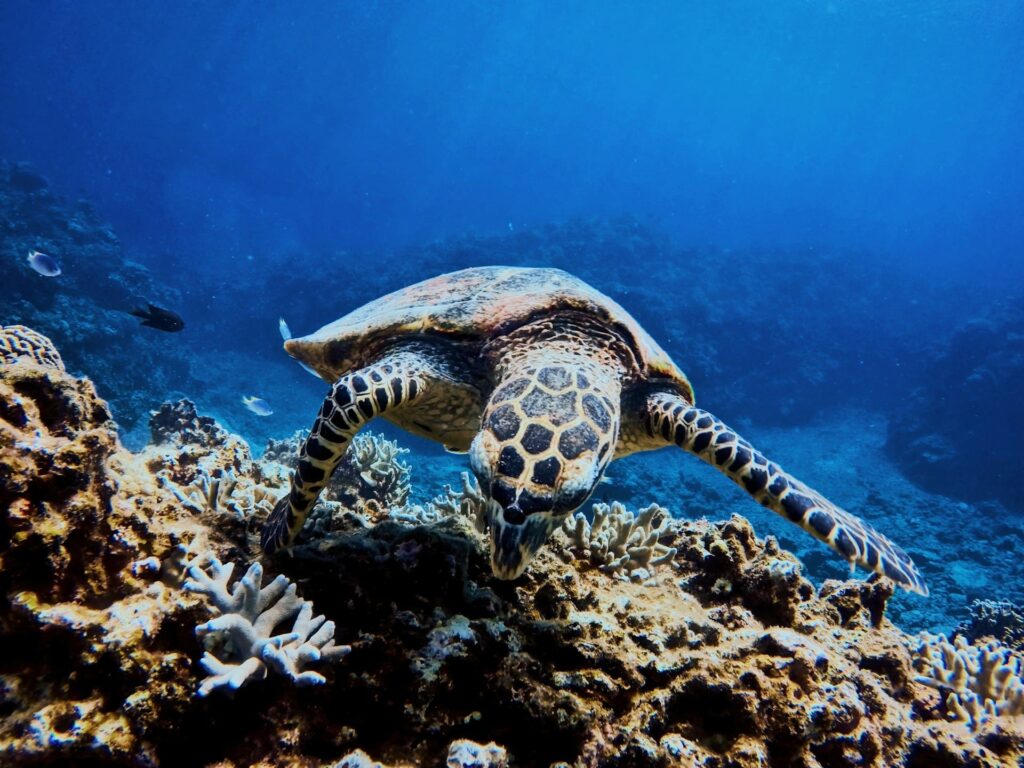
Yes. The easiest high-quality beach option without a car is usually the Kerama Islands by ferry from Naha’s Tomari Port. Tokashiki, Zamami, and Aka are popular choices for clear water, snorkeling, and day trips.
Some beaches on Okinawa’s main island can be reached by bus or taxi, but the Kerama Islands often offer a better no-car beach day from Naha.
Do you need to book Kerama ferries in advance?
Advance booking is strongly recommended, especially in summer, on weekends, and during Japanese holidays. Ferries can sell out, and sailings can also be canceled due to sea conditions.
Check the ferry status on the morning of travel and keep your schedule flexible.
Are taxis expensive in Okinawa?
Taxis are useful for short trips in Naha, Chatan, and resort areas. They are not a good replacement for a rental car if you want to explore the whole island.
Use taxis for short hops, late evenings, or awkward final connections. For long-distance sightseeing, express buses, ferries, guided tours, or a one-day rental car are usually more practical.
Is a guided tour worth it for northern Okinawa?
A guided tour is worth it if you want to visit several northern highlights in one day without driving. It is especially useful for first-time visitors who want Churaumi Aquarium, Kouri Island, Cape Manzamo, and other scenic stops in one organized route.
For this specific route, I would favor a private tour over a large group bus if your budget allows. Reviewers consistently mention flexibility, English communication, route planning, and guide knowledge as the strengths, which are exactly the areas where a no-car Okinawa trip can otherwise become stressful.
For an easier northern Okinawa day without renting a car:
👉 Check availability for the private Okinawa north tour before choosing the DIY bus
Final Verdict: Is Okinawa Without a Car Worth It?
Okinawa without a car is worth it if you build the trip around the island’s realistic no-car strengths: Naha, the Yui Rail, walkable city neighborhoods, ferries to the Kerama Islands, and organized access to northern highlights.
It is not the best choice for travelers who want total freedom, remote beaches, or a classic Okinawa road trip. In that case, renting a car for one day, or for the northern part of the trip, may be the better decision.
For a first visit, a 3-day no-car itinerary can work very well: spend one day in Naha, one day in the Kerama Islands, and one day visiting Churaumi Aquarium and northern Okinawa by express bus or private tour. The key is not to see less of Okinawa, but to choose the parts of Okinawa that work best without driving.
If your third day is the north and you do not want to drive, my recommendation is simple: use the express bus only if Churaumi Aquarium is your main target. If you want Churaumi Aquarium plus Kouri Island, Cape Manzamo, and a more relaxed route, book the private northern tour and let someone else handle the roads, parking, and timing.
👉 Check current availability, pickup details, and pricing for the private Okinawa north tour

Hi, I’m Kai. I’m a Tokyo-based travel writer, tourism industry insider, and the author of a published guidebook for international visitors to Japan. With over 10 years of professional experience at a leading Japanese tourism company, my mission is to help you skip the tourist traps and navigate Japan’s best destinations like a local. I believe the perfect day trip is like a traditional kaiseki meal: a beautiful balance of precise planning and unforgettable seasonal discovery. When I’m not out conducting field research, you’ll usually find me drafting new itineraries with one of my favorite fountain pens!