
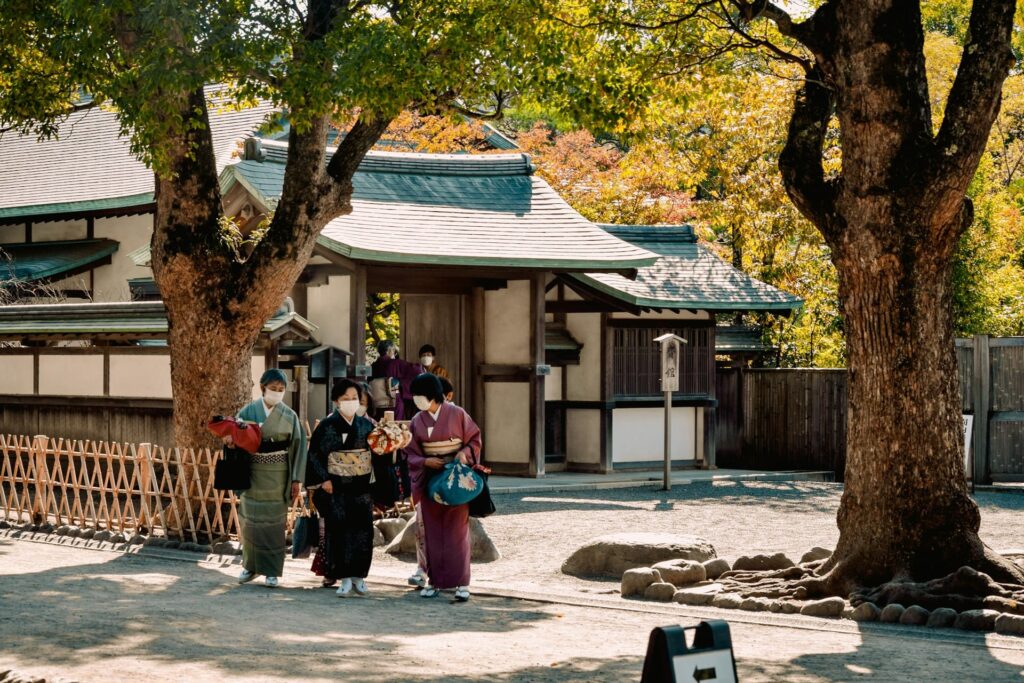
If you only have one afternoon, a Kamakura half day trip is still worth it. The key is not to chase every famous spot. Do the temples first, keep the Hase area as your core route, then finish by the coast for sunset.
With 4 to 5 hours, you can realistically see the Great Buddha at Kotoku-in, visit Hasedera Temple, and end the day with an ocean view before dinner. What you should not do is start with shopping, a slow lunch, or an ambitious Enoshima plan before the temples are done.
Quick Answer: Is a Kamakura Half Day Trip Worth It?
Yes. A Kamakura half day trip works well if you focus on the Hase area and one sunset stop. With about 4 to 5 hours, you can see Kamakura’s most iconic sight, visit one of its most beautiful temples, and end the day by the sea.
The biggest mistake is treating Kamakura like a late-night city break. It is not. Temples close in the late afternoon, and many shops and casual food spots wind down before dinner. For an afternoon visit, the winning formula is simple: temples first, coast later.
A DIY trip is completely possible if you are comfortable moving quickly, checking train routes, and watching closing times. But if you are arriving after lunch, traveling on a weekend, or want someone to adjust the route around temple hours and Enoden crowds, it is worth comparing a private half-day option before deciding.
At a Glance
| Detail | What to Know |
|---|---|
| Time needed | 4 to 5 hours |
| Best for | First-time visitors who want the Great Buddha, one temple, and a sunset view |
| Ideal arrival | Around 1:00 PM at Kamakura Station |
| Latest practical timing | Try to reach the Hase area by about 3:30 PM |
| Main stops | Kotoku-in, Hasedera, Shichirigahama or Enoshima |
| Works best if | You skip shopping and long meals until after the temples |
| Not ideal if | You want to cover Hokokuji, multiple temple districts, Komachi Street, and Enoshima in depth |
How to Get to Kamakura from Tokyo for a Half Day Trip
Kamakura is close enough to Tokyo for a half-day trip, especially if you leave soon after lunch and avoid unnecessary detours. The easiest route for most visitors is by JR train to Kamakura Station, then the Enoden to Hase.
By JR Train
From Tokyo Station, take the JR Yokosuka Line toward Kamakura. The ride often takes around one hour, but you should check your route app on the day because departure times and connections vary. From Shinjuku or Shibuya, the JR Shonan-Shinjuku Line is often the simplest option if a direct train is available.
You can usually use a Suica or PASMO IC card to tap in and out, so there is no need to buy a separate paper ticket for a standard JR route. Fares and departure intervals can change, so check your route app or JR East before you travel.
From Shinjuku via Odakyu and the Enoden
If you are starting from Shinjuku and want a more scenic, pass-based route, the Odakyu Enoshima-Kamakura Freepass may be worth checking. It covers an Odakyu round trip from Shinjuku toward the Enoshima area and unlimited rides in the local Enoshima-Kamakura area for one day.
As of June 2026, the official adult price from Shinjuku is listed as 1,640 yen. This route can be good value if you want to combine Enoshima and Kamakura, but it is usually slower than taking JR directly to Kamakura. Always check the latest pass conditions before buying.
Kai’s tip: The mistake I see travelers make is choosing the pass route just because it looks cheaper on paper. For a half-day trip, the best route is usually the one that gets you to Hase with the least friction from your hotel. Check the arrival time at Hase, not only the fare from Tokyo.
Should You Buy an Enoden Day Pass?
For a simple half-day itinerary, paying as you go with an IC card is usually easiest. The Enoden ride from Kamakura Station to Hase Station is short, and for this route you may only ride it a few times.
If you plan to ride the Enoden several times, consider the Enoden 1-Day Pass “Noriorikun”. As of June 2026, the official price is 800 yen for adults and 400 yen for children. For this itinerary, it is optional rather than essential.
What You Can Realistically See in Half a Day
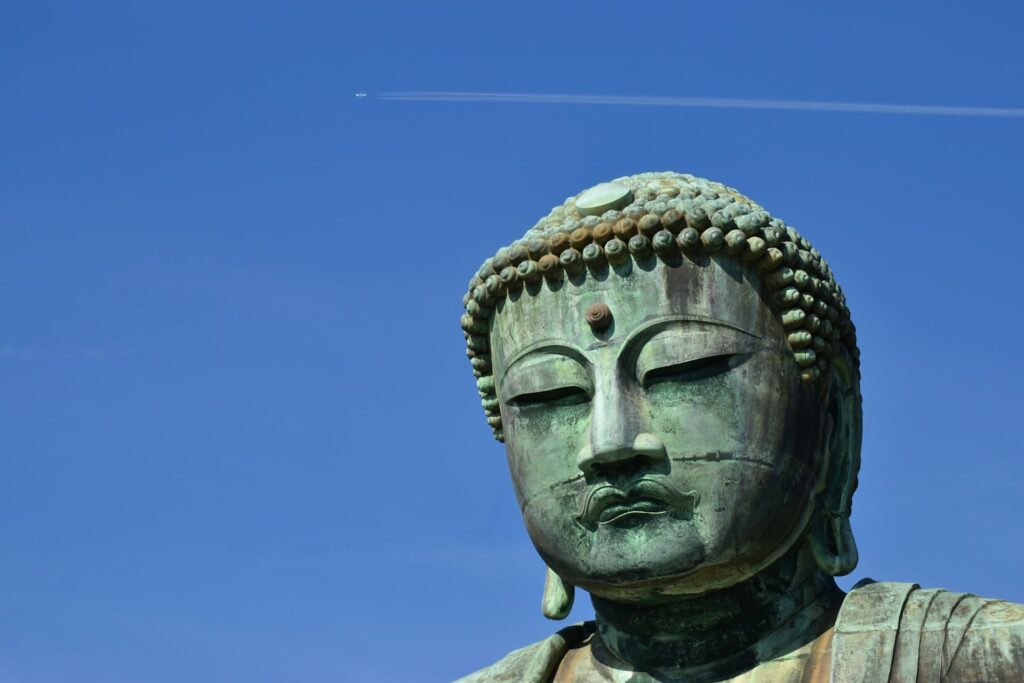
A half day in Kamakura is enough for a focused itinerary, not a complete highlights tour. This plan is realistic if you want to see the Great Buddha, visit Hasedera, and finish with a sunset stop along the coast.
It is not the right plan if you want to add eastern Kamakura spots like Hokokuji, spend a long time on Komachi Street, and explore Enoshima in detail all in the same afternoon. If your time is limited, keep your route compact and stay centered on the Hase side of town.
My recommendation if your afternoon is tight: If you are choosing between DIY and paying for help, the private guided option makes the most sense when your time window is only 4 to 5 hours and you still want the Great Buddha, Hasedera, and a sensible coastal finish.
Why I’d book this one
- It solves the main half-day problem: temple hours, crowded Enoden trains, and small route mistakes matter more when you only have one afternoon.
- It is customizable: instead of following a rigid bus-tour route, you can prioritize the sights that matter most to you and skip what does not fit.
- Reviewers consistently mention practical local help: recent travelers praise route adjustment, detailed answers, local food and shop suggestions, and advice for continuing toward Enoshima.
| Option | Best For | Cost Check |
|---|---|---|
| DIY half-day trip | Independent travelers who are comfortable moving quickly and checking train routes | Check current JR, Enoden, temple, and pass costs |
| Private guided half-day tour | First-time visitors, families, weekend travelers, and anyone with a strict afternoon window | Check the booking page for current pricing, inclusions, and start times |
Check Availability: Kamakura Private & Customized Half-Day Tour with Local Guide — compare current availability, start times, inclusions, and recent reviews before you lock in your afternoon.
Essential Things to Know Before You Go
1. Temple Closing Times Matter More Than Most Visitors Expect
If you arrive in Kamakura in the afternoon, historical sites should be your first priority. Do not start with shopping, snacks, or a slow lunch if your goal is to see the main sights.
The following are standard official hours and fees listed at the time of writing, but temporary closures, special events, and seasonal operations can change. Always check the official temple pages before you travel.
| Temple | Opening Hours | Last Entry | Admission |
|---|---|---|---|
| Kotoku-in (Great Buddha) | 8:00–17:00 (Oct–Mar) 8:00–17:30 (Apr–Sep) |
15 minutes before closing Great Buddha interior: 10 minutes before 16:30 |
300 yen (general admission) +50 yen to enter the interior |
| Hasedera Temple | 8:00–17:00 (Jul–Mar) 8:00–17:30 (Apr–Jun) |
16:30 (Jul–Mar) 17:00 (Apr–Jun) |
400 yen (adults) 200 yen (children 6–11) |
The interior of the Great Buddha closes at 4:30 PM year-round, so if you want to step inside, arrive well before then. Rule of thumb: aim to be in the Hase area by around 3:30 PM at the latest to comfortably visit both temples.
Kai’s tip: I always tell readers to treat the latest temple entry time as the real deadline, not the time your train reaches Kamakura Station. You still need to transfer to the Enoden, reach Hase, walk to the temple, and buy tickets. If your route app shows a late arrival, cut Komachi Street first.
2. The Enoden Is Convenient, but It Can Be Crowded
The easiest way to connect Kamakura Station, Hase, and the coast is the Enoden, officially the Enoshima Electric Railway. It is scenic and simple, but it can be very crowded on weekends, holidays, and peak seasonal days. Build in extra waiting time if you are traveling on a busy day.
If you only have half a day, do not waste your best sightseeing window standing in long lines after unnecessary detours. Go directly to Hase first, then slow down after the temple visits are done.
3. Cash Is Still Useful
IC cards and credit cards are widely useful in Japan, but small temples, coin lockers, older shops, and casual food spots may not always match your preferred payment method. Carry some cash as a backup, especially small bills and coins.
Sample Kamakura Half Day Timeline
| Time | Plan | Why It Works |
|---|---|---|
| 1:00 PM | Arrive at Kamakura Station and head to Hase | You protect the limited temple hours first |
| 1:30 PM | Visit Kotoku-in, home of the Great Buddha | This is Kamakura’s signature landmark and easy to fit early |
| 2:30 PM | Visit Hasedera Temple | You can still enter comfortably before closing |
| 4:30 PM | Ride west for a sunset stop | This is the best time to shift from temples to the coast |
| After sunset | Dinner in Kamakura or return to Yokohama or Tokyo | You avoid relying on early-closing tourist streets for dinner |
The Perfect Kamakura Half Day Trip Itinerary
This itinerary assumes you arrive at JR Kamakura Station around 1:00 PM. If you arrive later, keep moving and skip anything non-essential until after the temple visits.
1:00 PM: Go Straight to Hase, Not Komachi Street
Many first-time visitors lose valuable time by starting at Komachi Street near the station. For a half-day visit, that is the wrong order. Save shopping and casual browsing for later if you still have time.
Instead, transfer to the Enoden and ride toward Hase Station. If you are arriving with luggage, use Kamakura luggage storage near the station so you can move quickly and catch the next train. From Hase, most of your afternoon plan is walkable.
1:30 PM: Visit the Great Buddha at Kotoku-in
From Hase Station, it is about a 10-minute walk to Kotoku-in, home to Kamakura’s famous Great Buddha, also called Daibutsu. This is the one stop most travelers do not want to miss, so it makes sense to place it first while you still have a full afternoon ahead.
The bronze statue stands over 11 meters tall and has been a symbol of Kamakura since the 13th century. The entrance fee is listed as 300 yen for general admission. For an additional 50 yen, you can step inside the statue, but remember that the interior closes at 4:30 PM year-round.
The temple grounds are relatively easy to visit compared with many hillside temples, though surfaces can be uneven in places. Allow about 30 to 45 minutes for a relaxed visit including photos.
2:30 PM: Walk to Hasedera Temple
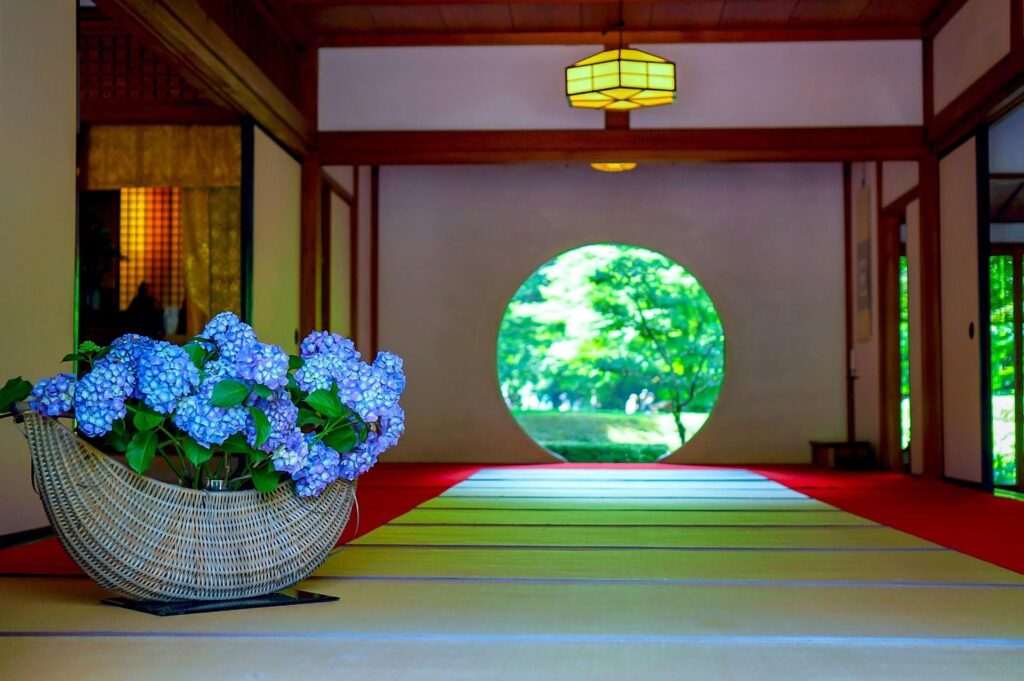
Next, continue to Hasedera Temple, one of the best temple stops for a short Kamakura visit. It gives you more variety than simply seeing another historic building: you get a hillside layout, gardens, seasonal flowers, small cave areas, and a broad coastal view.
Hasedera is known for its eleven-headed Kannon statue, peaceful grounds, and elevated viewpoint over the town. If you only have time for one temple in addition to the Great Buddha, this is one of the strongest choices because it feels visually different and still fits well into a short route.
Try not to cut this visit too close. The temple has seasonal closing times, and late arrivals can feel rushed. Allow about 45 minutes to 1 hour if you want to explore the grounds at a comfortable pace.
4:30 PM: Head for the Coast and Catch the Sunset
Once the temple portion of the day is done, shift west along the Enoden line for the coastal part of your trip. This is the right moment to slow down, because the must-see cultural sites are already behind you.
Depending on the season, sunset can be as early as late afternoon in winter or much later in summer. Check the sunset time for your travel date so you can adjust the temple portion accordingly. In summer, you can usually spend more time at Hasedera and still catch golden hour by the coast.
Best Sunset Stop: Shichirigahama or Enoshima?
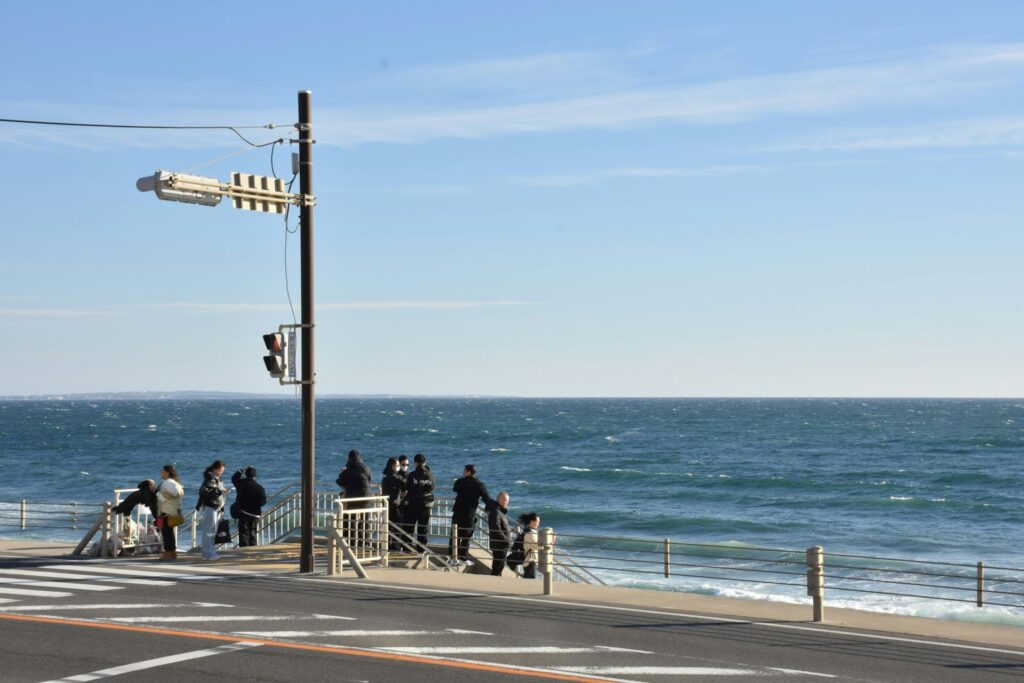
Both are good choices, but they serve slightly different travel styles.
| Sunset Stop | Best For | Why Choose It |
|---|---|---|
| Shichirigahama | Travelers who want the easiest, most efficient sunset stop | It is simple, scenic, and on clear days you may get views of Enoshima and Mt. Fuji in the distance |
| Enoshima | Travelers who want more of an evening add-on after Kamakura | You can continue toward the island and enjoy a broader seaside atmosphere with more food options |
Shichirigahama Station is the easier option for most half-day visitors. The beach views are wide, photogenic, and easy to access without adding too much extra movement at the end of the day. Spend about 20 to 40 minutes walking along the shoreline and taking photos.
Kai’s tip: When I send friends here for only one afternoon, I treat Enoshima as a bonus, not the core plan. Shichirigahama gives you the ocean-view payoff with fewer moving parts. Continue to Enoshima only if sunset timing, weather, and energy are still on your side.
Enoshima Station makes sense if you still have energy and want to extend the outing a little further. From there, you can walk toward the island and enjoy a more developed evening setting. Check our Enoshima guide for the best route across.
After Dark: What Kamakura Is Really Like at Night
Kamakura becomes much quieter after sunset. That can feel charming if you want a calm seaside evening, but it also means you should not expect the same late-night energy you would find in Tokyo or central Yokohama.
For most visitors, the best way to think about a Kamakura night is simple: enjoy the sunset, have dinner if you have a confirmed place in mind, and then head back. If you want nightlife, bars, or lots of spontaneous dinner options, Kamakura is usually not the strongest place to stay late.
Dinner Warning: Do Not Rely on Komachi Street
A common mistake is assuming Komachi Street will still be lively for dinner after sightseeing. In reality, many food stalls, cafes, and tourist-oriented shops start closing around 5:00 PM to 6:00 PM. It is great during the day, but not the safest plan for a late meal.
If you want dinner in Kamakura, look instead around the West Exit of Kamakura Station or in quieter local areas such as Onarimachi and parts of Yuigahama. You can check our list of Kamakura restaurants for a few reliable spots that stay open later than the average tourist shop.
Best strategy: if dinner matters to you, either make a reservation in advance or plan to return to Yokohama or Tokyo after sunset, where late dining is much easier.
When It Makes Sense to Stay for Dinner
- Stay in Kamakura for dinner if you want a slower, quieter evening and already know where you want to eat.
- Head back after sunset if you want more food choices, a later meal, or a less restrictive evening schedule.
DIY vs. Guided Half-Day Tour: Which Is Better?
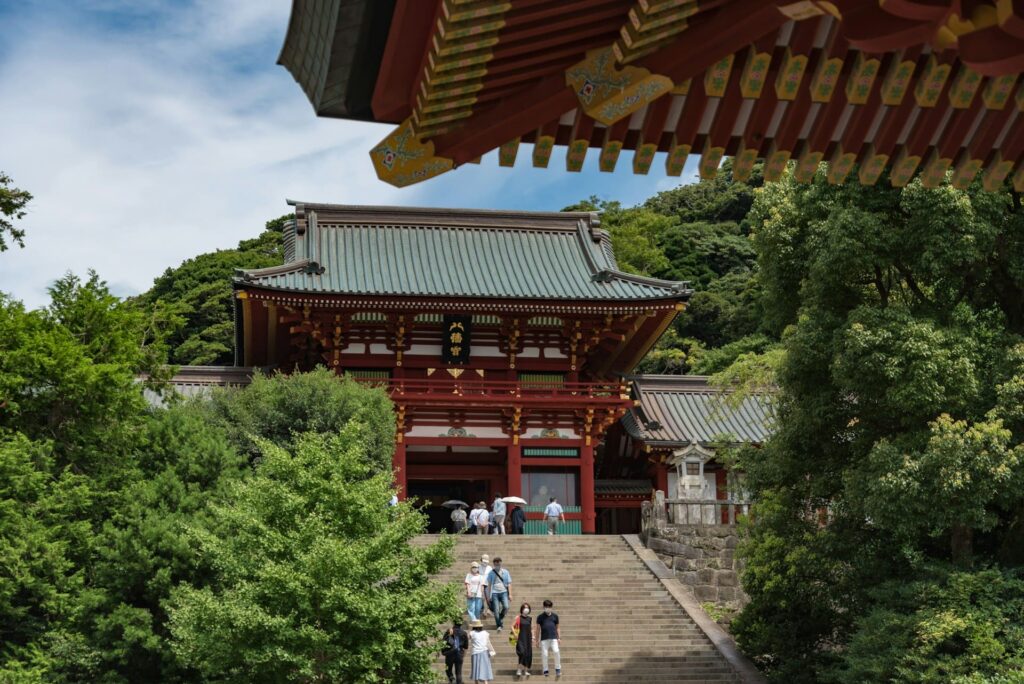
A Kamakura half day trip can work well on your own, but the schedule is tighter than it first appears. Temple closing times, crowded trains, and small timing mistakes can have a bigger impact when you only have one afternoon.
| Feature | DIY Self-Guided Trip | Private Guided Tour |
|---|---|---|
| Time management | You need to watch the clock closely and keep your route efficient. | Your route can be paced around temple hours and your priorities. |
| Transport stress | Can be tiring on crowded Enoden trains, especially on weekends and holidays. | Lower stress, especially for first-time visitors and busy travel days. |
| Flexibility | You can stop wherever you want, but you also need to decide what to cut if time runs short. | You still get flexibility, but within a more structured time-saving plan. |
| Local context | You will need to research temple background, dinner areas, and transport details yourself. | A guide can explain what you are seeing and help adjust the route based on your interests. |
| Best for | Independent travelers, repeat visitors, and people comfortable navigating quickly. | First-time visitors, families, older travelers, and anyone with a strict afternoon schedule. |
| Best style of trip | Works well if you mainly want the Great Buddha, one temple, and a simple sunset stop. | Works well if you want a smoother experience with less risk of wasting time. |
Who should seriously consider booking the guided option: travelers arriving in Kamakura later than planned, visitors worried about crowded trains, families who do not want to make every micro-decision on the move, and anyone who wants the main Hase highlights without constantly checking the time.
Why I’d book this one
- It matches the real problem of this itinerary: you are not paying just for directions; you are paying to protect a short afternoon from timing mistakes.
- It is better than a rigid checklist: the tour is positioned as private and customized, which matters in Kamakura because weather, crowds, closing times, and energy levels affect the best route.
- The review pattern is practical, not vague: recent travelers repeatedly point to tailored routing, local knowledge, food or shop recommendations, and helpful answers to cultural questions.
Compare Pricing & Inclusions: Kamakura Private & Customized Half-Day Tour with Local Guide — check current availability, start times, inclusions, cancellation terms, and recent reviews before you choose DIY.
FAQ
Is half a day enough for Kamakura?
Yes, if you keep your plan focused. Half a day is enough for the Great Buddha, Hasedera, and one coastal stop, but not for every major area of Kamakura.
How do I get from Tokyo to Kamakura for a half day trip?
For most visitors, the JR Yokosuka Line from Tokyo Station or the JR Shonan-Shinjuku Line from Shinjuku or Shibuya is the simplest route. The trip often takes around one hour from central Tokyo, but fares and departure times can change, so check a route app before you leave.
Can you do Kamakura and Enoshima in one afternoon?
Yes, but only in a light version. You can visit the main Hase sights first and then add a sunset stop near Enoshima, but you will not have enough time to explore both places deeply.
Which is better for a half-day stop: Shichirigahama or Enoshima?
Shichirigahama is usually the better choice if you want the simplest and most efficient sunset stop. Enoshima is better if you want to stretch your evening a little longer.
What time do temples close in Kamakura?
Many temples close in the late afternoon, often around 5:00 PM or 5:30 PM depending on the temple and season. Kotoku-in and Hasedera both have seasonal closing times, so afternoon visitors should always do the temple area first and check official hours before traveling.
Is the Enoden wheelchair or stroller friendly?
Accessibility varies by station and route. Main stations may have accessibility features, but some areas around Kamakura and Hase include steps, slopes, narrow paths, or uneven surfaces. Kotoku-in is relatively manageable compared with hillside temples, while Hasedera has steeper sections in the upper grounds.
Is the Enoden worth using for a short trip?
Yes. It is still the most convenient way to connect Kamakura Station, Hase, and the coast. Just be prepared for crowding on weekends, holidays, and popular seasonal travel days.
Should you eat dinner in Kamakura or go back to Tokyo?
If you already have a restaurant in mind, dinner in Kamakura can be a pleasant way to end the day. If you want more choice and a later meal, returning to Yokohama or Tokyo is usually easier.
Final Verdict
A Kamakura half day trip is absolutely worth doing if you treat it as a focused afternoon plan rather than a full sightseeing day. The most realistic version is simple: Great Buddha first, Hasedera next, coast last.
Choose this itinerary if: you are a first-time visitor on a tight schedule who wants to see the two biggest Hase-area highlights and a sunset view without rushing yourself too much.
Choose a guided tour instead if: you are arriving later than planned, traveling on a weekend when the Enoden is crowded, visiting with family, or prefer not to manage the logistics yourself.
Choose a full day if: you want to explore Komachi Street properly, add eastern Kamakura sights such as Hokokuji or Kencho-ji, and spend several hours on Enoshima island.
If you get the order right, even 4 to 5 hours is enough to see some of Kamakura’s best-known sights and finish with one of the most memorable sunset views near Tokyo. My honest advice is to DIY it if you enjoy quick navigation and flexible planning, but book help if this is your only Kamakura window and you want the afternoon to feel smooth rather than tactical.
Prices, opening hours, transport schedules, pass conditions, tour inclusions, payment methods, and seasonal operations can change. Always check official sources and your selected booking page before finalizing your trip.
Hi, I’m Kai. I’m a Tokyo-based travel writer, tourism industry insider, and the author of a published guidebook for international visitors to Japan. With over 10 years of professional experience at a leading Japanese tourism company, my mission is to help you skip the tourist traps and navigate Japan’s best destinations like a local. I believe the perfect day trip is like a traditional kaiseki meal: a beautiful balance of precise planning and unforgettable seasonal discovery. When I’m not out conducting field research, you’ll usually find me drafting new itineraries with one of my favorite fountain pens!