
At a Glance: Finding Halal Food in Tokyo
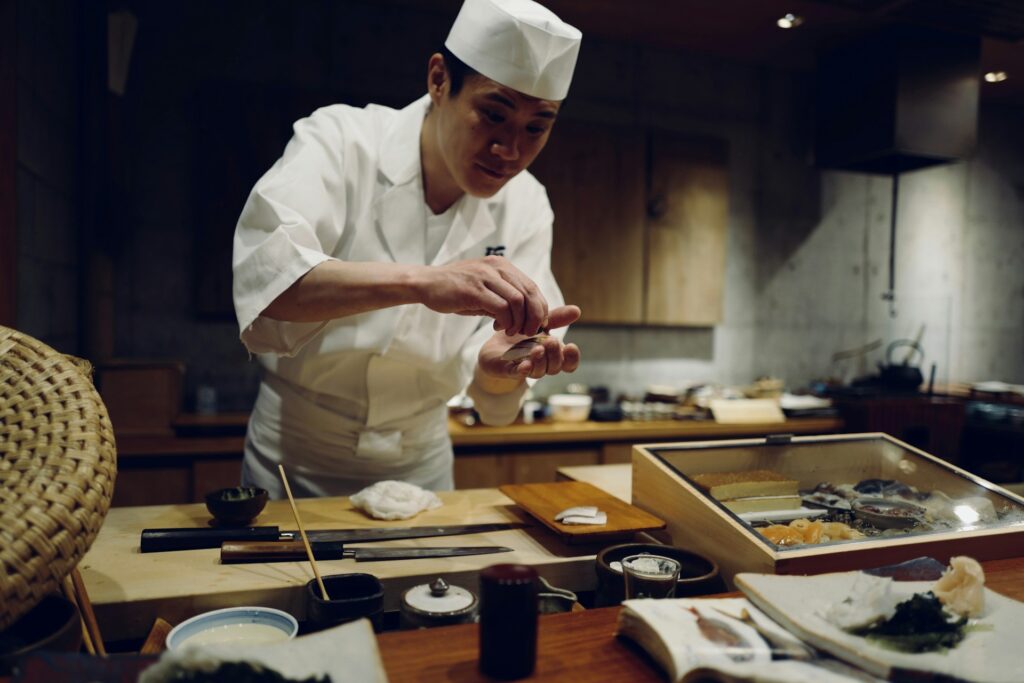
Visiting Tokyo as a Muslim traveler used to mean packing a suitcase full of instant noodles. Today, the city is embracing Halal culture faster than ever. From rich, savory ramen broth to melt-in-your-mouth Wagyu beef and authentic sushi, experiencing Japan’s world-famous cuisine is now completely possible without compromising your faith.
Here is what you need to know before you start your food hunt:
- High Demand, Limited Seats: Popular Halal spots in central areas often have long lines, especially during peak travel seasons.
- The Terminology: You will frequently see both “Halal-Certified” (strict, official certification) and “Muslim-Friendly” (pork-free, alcohol-free, but may operate in a mixed kitchen).
- Strategic Planning is Key: Because restaurants are spread out, it is best to align your meals with your sightseeing areas. The top hubs for Tokyo halal food are Asakusa, Shinjuku, and Shibuya.
Best Halal Food in Asakusa (Traditional Vibes & Wagyu)
Asakusa is not just home to the famous Senso-ji Temple; it is arguably the best neighborhood in Tokyo for Muslim travelers. The area has a high concentration of Halal eateries, making it incredibly easy to find a great meal after a morning of sightseeing. If you are mapping out your morning, checking out a perfect Asakusa half-day itinerary is highly recommended before grabbing lunch.
Top DIY Restaurants in Asakusa
- Asakusa Sushiken: Known as Japan’s first Halal-certified sushi restaurant. They use Halal vinegar for their rice and offer everything from fresh sashimi bowls to beautifully crafted sushi sets. Expect to pay around $$ for a fulfilling lunch.
- Naritaya Halal Ramen: A favorite for those craving a hot bowl of noodles. Their chicken-based broth is rich and completely Halal-certified. They even have a prayer room on the second floor. Expect a casual, fast-paced dining environment ($).
The Ultimate Stress-Free Wagyu Experience: Guided Food Tour
While exploring on your own is fun, tracking down top-tier Halal Wagyu, navigating Japanese menus, and double-checking ingredients with staff who might not speak English can be exhausting. If you want to guarantee a premium culinary experience without the hassle of planning, joining a specialized local tour is a smart investment.
For travelers who want zero language barriers, guaranteed authentic Halal Wagyu, and a taste of local sweets while exploring Asakusa’s hidden streets with an English-speaking guide, this highly-rated walking tour is the perfect solution.
Perfect for: First-time visitors, families, and travelers who want to maximize their time and enjoy premium beef without the stress of reservations or getting lost.
Check Availability for the Tokyo Halal Muslim’s Friendly Food Tour
Best Halal Food in Shinjuku (Ramen & City Lights)
Finding Shinjuku halal food can be slightly more challenging due to the overwhelming number of izakayas and bars in the area. However, it is home to one of the most famous Halal ramen shops in the country.
- Shinjuku Gyoen Ramen Ouka: Located near the beautiful Shinjuku Gyoen National Garden, this Halal-certified restaurant serves a unique, deeply flavorful ramen accompanied by grilled chicken and a bowl of rice to soak up the leftover soup. They also offer excellent vegan options, making it a reliable choice if you are also looking for vegan restaurants in Tokyo. Note: This spot is incredibly popular with international tourists, so expect a wait during peak lunch and dinner hours ($$).
Best Halal Food in Shibuya (Bustling Crossroads & BBQ)
Whether you just crossed the famous Shibuya Scramble or finished a scenic Harajuku to Shibuya walking route, you will likely work up an appetite. Shibuya halal food options are growing, but one establishment stands out for those craving Japanese barbecue (Yakiniku).
- Gyumon: Tucked away in the busy streets of Shibuya, Gyumon offers an authentic Yakiniku experience. They provide specific Halal menus featuring different cuts of high-quality beef that you grill yourself at the table. Because it is one of the few places offering Halal BBQ in such a central location, making a reservation in advance is highly recommended ($$$).
DIY Exploring vs. Guided Halal Tours: Which is Right for You?
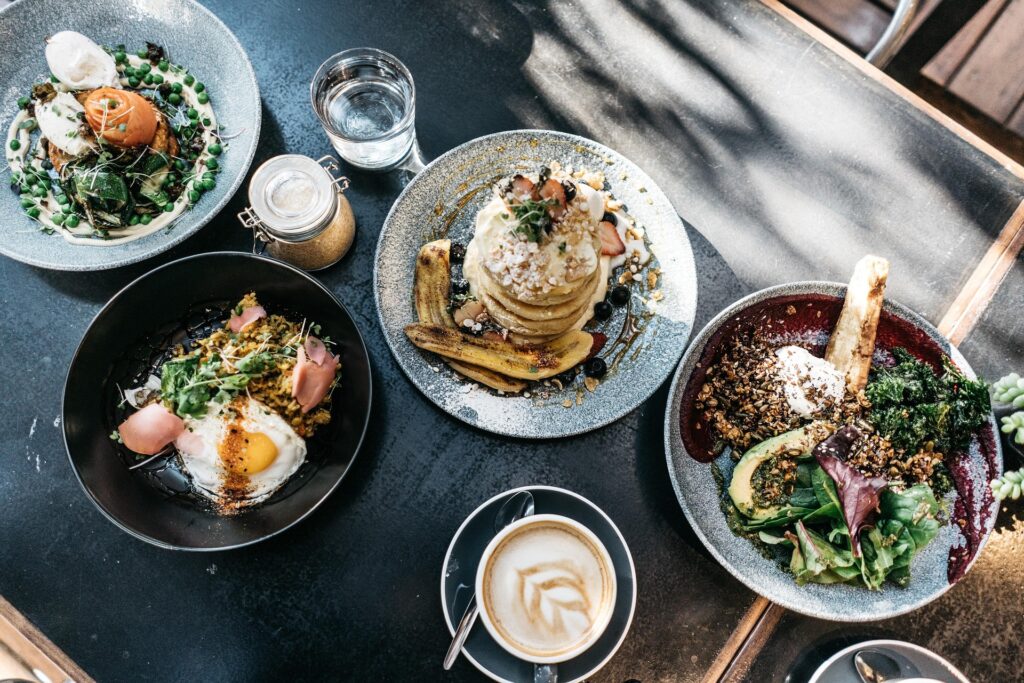
When planning your trip to Tokyo, you might wonder if it is better to hunt for restaurants on your own or book a guided food tour. Both options have their merits, but depending on your travel style, one might save you a significant amount of time and stress.
| Feature | DIY Exploring | Guided Halal Food Tour |
|---|---|---|
| Halal Assurance | Requires double-checking ingredients and communicating in basic Japanese or using translation apps. | 100% guaranteed. Guides vet the locations beforehand so you can eat with total peace of mind. |
| Language Barrier | High. Many local restaurant staff speak limited English. | None. An English-speaking guide handles all communication and ordering. |
| Time Efficiency | Can be time-consuming due to getting lost, waiting in long lines, or finding out a place is closed. | Highly efficient. You walk straight to the best spots and maximize your sightseeing time. |
| Best For | Budget travelers with flexible schedules who enjoy the thrill of the hunt. | First-timers, families, and foodies wanting a premium, stress-free Wagyu experience. |
If you want to skip the frustration of navigating Tokyo’s confusing backstreets and focus purely on enjoying top-tier Japanese beef, investing in a guided experience is highly recommended. The Tokyo Halal Muslim’s Friendly Food Tour takes place in Asakusa and includes authentic Wagyu, local sweets, and deep cultural insights from a local guide.
Book the Tokyo Halal Muslim’s Friendly Food Tour Here
“Halal-Certified” vs. “Muslim-Friendly” in Japan
As you search for Tokyo halal food, you will frequently encounter two different labels. Understanding the distinction is crucial for making dining choices that align with your personal comfort level.
- Halal-Certified: These restaurants have received official certification from a recognized Islamic body in Japan. They adhere to strict guidelines, meaning no pork or alcohol is on the premises, and all meat is sourced from Halal suppliers.
- Muslim-Friendly: Because Muslims make up a small percentage of Japan’s population, obtaining official certification can be difficult and expensive for small family-run restaurants. “Muslim-friendly” typically means the restaurant offers specific Halal menus (using Halal meat and alcohol-free seasonings), but they may still serve alcohol to other patrons or use the same kitchen (though usually with separate cookware).
Always feel free to ask the staff politely about their preparation methods if you are unsure. Most Japanese hospitality workers are highly respectful and will do their best to accommodate your needs.
Frequently Asked Questions (FAQ)
Is it easy to find Halal food in Tokyo?
Yes, it is much easier now than it was a decade ago. Major tourist hubs like Asakusa, Shinjuku, and Shibuya have a growing number of Halal and Muslim-friendly options. However, because these restaurants are heavily sought after by international tourists, they can get crowded quickly. Planning your meals around your sightseeing itinerary is essential.
Do I need to book Halal restaurants in Tokyo in advance?
For casual dining like ramen (such as Naritaya or Shinjuku Gyoen Ramen Ouka), reservations are generally not accepted, so you should expect to wait in line. For higher-end experiences, especially Yakiniku (like Gyumon in Shibuya) or specialized Wagyu restaurants, booking at least a few days in advance is highly recommended to secure a table.
Are there prayer rooms near these food areas?
Yes. Tokyo is becoming increasingly accommodating. In Asakusa, there is a prayer room inside the Naritaya ramen shop, and nearby tourist information centers often provide prayer spaces. In Shinjuku, large department stores like Takashimaya have dedicated prayer rooms for shoppers. It is always a good idea to download a Muslim travel app to locate the nearest prayer facilities while you are on the go.

Hi, I’m Kai. I’m a Tokyo-based travel writer, tourism industry insider, and the author of a published guidebook for international visitors to Japan. With over 10 years of professional experience at a leading Japanese tourism company, my mission is to help you skip the tourist traps and navigate Japan’s best destinations like a local. I believe the perfect day trip is like a traditional kaiseki meal: a beautiful balance of precise planning and unforgettable seasonal discovery. When I’m not out conducting field research, you’ll usually find me drafting new itineraries with one of my favorite fountain pens!