
Yes, you can ski in Hokkaido in December — and one good snowfall can make the first week of the month feel like midwinter. But early-season skiing here is less predictable than in January or February. Resorts publish opening dates months in advance; what actually opens on those dates is decided by snow depth, wind and staffing, often only days before.
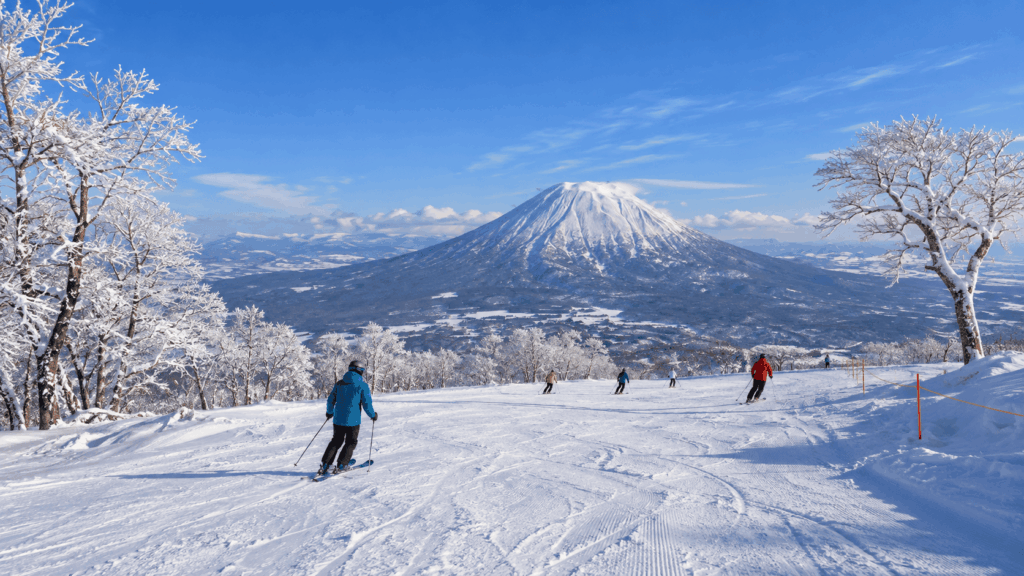
Best for: travelers with some flexibility, beginners who can work with whatever beginner terrain is open, and skiers who treat a December trip as a holiday with skiing in it rather than a powder guarantee.
Think twice if: deep powder is the whole point of the trip, you need one specific run or a fully connected ski area, or you have a single ski day in the first week of December.
Early December (roughly December 1–11): possible, higher risk.
Mid-December (12–23): the more practical compromise.
Late December (24–31): a more established season, but busier and more expensive.
If you are skiing for the first time, it is worth comparing English-speaking private lesson options in Niseko before you fix your dates, because lesson availability and meeting points follow the terrain that is actually open.
Planning your first Niseko ski lesson? For beginners staying around Hirafu, a private instructor is worth comparing before you commit to a December ski day. Check available lesson dates, meeting-point requirements and current prices for this Niseko private ski lesson. Confirm where the lesson starts and which beginner runs are operating before booking.
Is December a Good Time to Ski in Hokkaido?
December is a genuine ski month in Hokkaido, not a fringe season. For 2026–27, all four Niseko United areas — Niseko Annupuri, Niseko Village, Niseko Tokyu Grand HIRAFU and Niseko Hanazono — are scheduled to open on November 28, 2026. Rusutsu Resort and Furano Ski Resort carry the same planned date, Kiroro Snow World plans to open on November 28, and Sapporo Kokusai aims to open earlier still, on November 20.
The catch is what “open” means. A resort can be running two lifts on a handful of runs and still call itself open. In the first half of December you are often skiing a fraction of the mountain, on thin early-season snow cover, with the rest of the trail map greyed out. That can be perfectly enjoyable — quiet lifts, cheap early-season passes, fresh snow on whatever is open — but it is a different product from the January mountain in the photographs.
What I would tell a friend booking their first December trip is to stop asking whether Hokkaido has snow in December and start asking which runs will be open on their dates. Those are different questions, and only the second one affects their holiday.
Who Should Ski in Hokkaido in December?
- Travelers with movable dates. If you can shift your ski days by two or three, an early-December trip carries much less risk.
- Skiers who are happy with part of a mountain. Two good groomers and no queue can be a better day than a full trail map in a whiteout.
- Beginners who can confirm a beginner area is open. A gentle run and a working conveyor lift matter more than the resort’s total terrain.
- People who will actually check the live status pages. The information exists; the travelers who get burned are usually the ones who booked in June and stopped looking.
Who Should Consider January or February Instead?
- Powder-first skiers. Base depth builds through December; late January and February are when the mountain is at its most complete.
- Anyone who needs a specific run. If a particular course is the reason for the trip, December is the wrong month to promise it to yourself.
- Skiers planning to link all four Niseko areas. The connecting runs between areas have their own opening schedule.
- Travelers with one ski day only, in the first week. One day plus early December is the least forgiving combination on this page.
January and February are not a guarantee either. Wind can close upper lifts in any month, and a warm spell can soften lower slopes in January just as easily as in December. The difference is the depth of the base underneath you, and how much of the mountain is likely to be in play. (For a deeper breakdown of midwinter conditions, see our guide to the best month to ski in Hokkaido).
Early vs Mid vs Late December: What Changes?
The three weeks of December behave like three different seasons. What changes is not only snowfall but lift count, open terrain, ticket price and how many other people had the same idea.
| Period | What to expect | Main risk | Best suited for |
|---|---|---|---|
| December 1–11 | Partial operations at most resorts. A few lifts, limited runs, early-season ticket pricing. A heavy snowfall can transform conditions within a day. | Delayed or reduced opening; beginner terrain not yet running; thin cover off the groomed line. | Flexible travelers, confident intermediates, anyone who values empty slopes over mileage. |
| December 12–23 | More lifts and runs typically coming online, night skiing starting at Niseko, regular-season pricing from December 12. | Inter-area connections may still be closed; snow quality varies year to year. | Travelers who want a normal ski holiday but can accept a partly open mountain. |
| December 24–31 | The most complete December conditions, holiday atmosphere, peak-season prices and the busiest week of the month. | Cost, crowds, accommodation and lesson slots selling out. | Families and groups tied to school holidays who book early. |
The date bands above follow Niseko United’s 2026–27 season pricing periods (early season to December 11, regular season from December 12, peak season from December 24). Other Hokkaido resorts set their own calendars, so treat the bands as a guide to how the month behaves rather than a rule that applies everywhere.
December 1–11: Possible Powder, Higher Risk
This is the window where the gap between the calendar and the mountain is widest. In 2025–26, Niseko Hanazono had been scheduled to open on November 29 and instead opened partially on December 5, with more slopes added as snow arrived; Grand HIRAFU opened on December 4. That is not a prediction for 2026–27, but it is a fair picture of how early December behaves: the planned date is an intention, and the snow decides.
What makes the first ten days interesting is speed. A single storm can turn a thin, scratched surface into proper winter overnight, and the resorts that are open are quiet. If your dates land here, the sensible approach is to hold a spare day and to check the lift and trail status the night before, not the week before.
December 12–23: A More Practical Compromise
Mid-December usually brings a wider lift network, more groomed terrain and the start of night skiing at Niseko (scheduled from December 12, 2026). Prices move up to the regular-season band on the same date. It is the period where a ski trip starts to feel like a ski trip rather than an experiment, while still sitting below the Christmas premium.
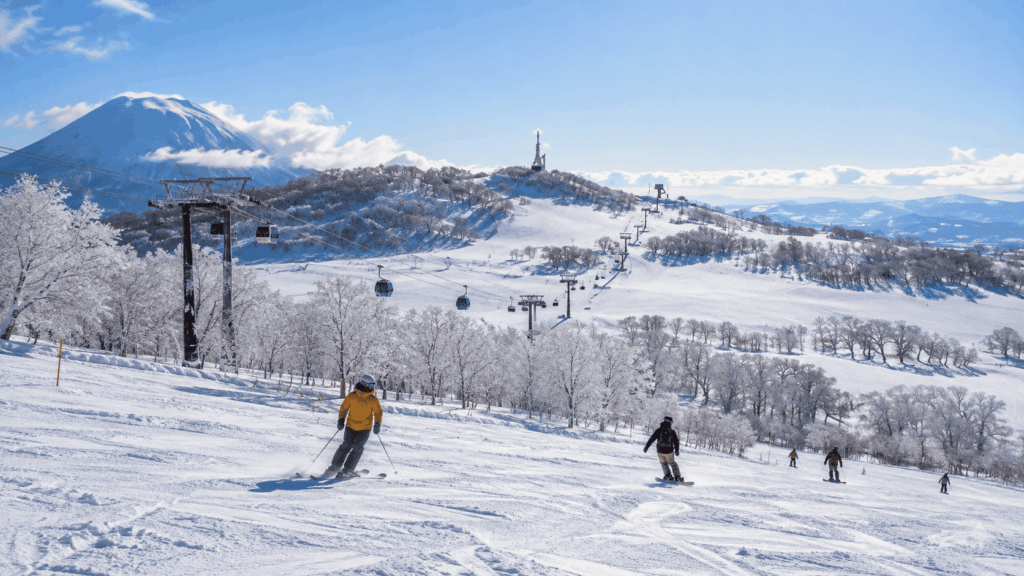
The thing to watch is connection, not coverage. Runs within a single area often open before the linking runs between areas, which matters if you bought a pass expecting to roam.
December 24–31: More Established, but Busier
By the last week the base is usually deeper and more of the mountain is in play, and the holiday atmosphere in Niseko and Rusutsu is part of the appeal for families. The trade-off is straightforward: peak-season lift prices, full lodges, and lesson slots that disappear first. If Christmas week is your only option, book accommodation and lessons early and accept that the lifts will have queues.
Which Hokkaido Ski Resorts Open in December?
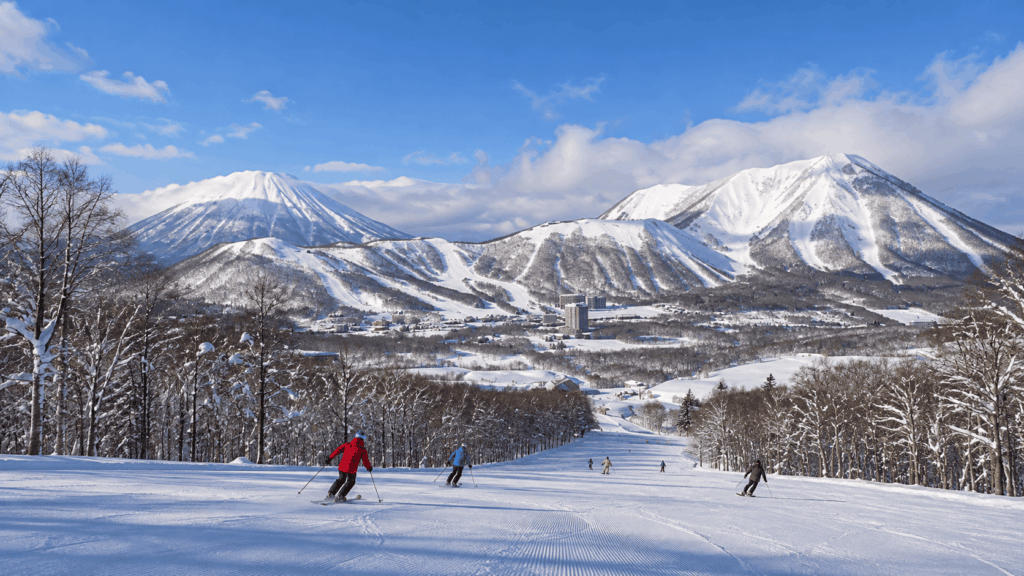
Most major Hokkaido resorts aim to open in the second half of November, which means they are nominally open for the whole of December. The list below is the 2026–27 planned opening picture as published in October 2026. Every one of these dates can move.
- Niseko Annupuri, Niseko Village, Niseko Tokyu Grand HIRAFU, Niseko Hanazono: November 28, 2026 (scheduled).
- Rusutsu Resort: November 28, 2026 (scheduled), with the season running to late March 2027.
- Furano Ski Resort: November 28, 2026 (scheduled).
- Kiroro Snow World: November 28, 2026 (scheduled); confirm the actual opening and operating runs on the resort’s own calendar.
- Sapporo Kokusai: November 20, 2026 (scheduled) — usually the first in Hokkaido.
- Sapporo Teine: around November 21, 2026 (scheduled).
Kai’s tip: On an early-December visit to Mt. Isola at Rusutsu, shortly after the resort opened, I could still see patches of soil and grass beside some of the runs we were skiing. The lifts were running and the skiing was real — but “open” clearly did not mean the whole slope was covered. Look at the edges of the run, not the middle, when you judge how much base is actually there.
Scheduled Opening Dates vs Actual Skiable Terrain
These five things are not the same, and most trip-planning mistakes come from treating them as one:
- Scheduled opening: the date the resort intends to start the season. Published months ahead; moved by snow and weather.
- Lift operating: which lifts are actually turning on the day. Published daily.
- Runs open: which courses those lifts serve, and whether they are groomed or ungroomed.
- Beginner terrain available: whether the gentle slope and the conveyor lift a first-timer needs are among the open runs.
- Inter-resort connections open: whether the linking runs between Niseko’s four areas are skiable, or whether you need a shuttle.
How to Check Live Lift and Trail Status
Do this in the same order every time, and do it the evening before you ski:
- Opening announcement. The resort’s news or blog page confirms whether the season has started and whether it opened partially.
- Live lift status. Niseko United publishes a mountain-wide lift status page; Niseko Hanazono publishes its own lift and resort status page with each course listed as open or closed.
- Open trail map. Compare the open list against the trail map, and check whether the runs you want are groomed.
- Webcams. A camera at the base tells you more about cover and queueing than any forecast.
- Weather and transport advisories. Wind holds close upper lifts; snow closes roads and delays buses.
Best Hokkaido Ski Resorts to Consider in December
There is no single best December resort, because the right choice depends on who is skiing, how long you are staying and whether you want a resort village or a base town. The four below cover most trips. I have skied Rusutsu and Niseko Hanazono myself; for Kiroro and Furano this comparison is based on published resort information rather than personal visits, and I have written them that way. For a broader look at the peak season, see our guide comparing the best skiing in Hokkaido.
| Resort | Planned 2026–27 opening | Who it may suit | December caution |
|---|---|---|---|
| Niseko United (four areas) | November 28, 2026 | Mixed-ability groups, English-speaking travelers, anyone who wants lessons, restaurants and accommodation in one place. | Widest range of terrain, but connections between areas may lag; the busiest and most expensive option. |
| Rusutsu Resort | November 28, 2026 | Intermediates who want long, wide cruisers and a self-contained resort hotel. | Early-season ticket menu is narrower than in regular season; some terrain opens later. |
| Kiroro Snow World | November 28, 2026 (scheduled) | Travelers based in Sapporo or Otaru, or anyone prioritizing snowfall reputation over nightlife. | Confirm the actual opening and which courses are running; reputation for snow is not a same-day guarantee. |
| Furano Ski Resort | November 28, 2026 | Skiers who want a different base, a town stay and fewer international crowds. | Terrain opens area by area; check conditions locally rather than assuming Niseko’s snow. |
| Sapporo Kokusai | November 20, 2026 | Short trips from Sapporo, early-season skiing before a flight. | Smallest of the group; bus access is the practical constraint. |
Niseko United — Best for Variety and Resort Facilities
Four connected areas — Annupuri, Niseko Village, Grand HIRAFU and Hanazono — covering everything from wide beginner slopes to steep tree skiing, with the deepest bench of English-speaking lessons, rentals and restaurants in Hokkaido. The planned closing dates differ: Niseko Village is scheduled to close on April 4, 2027, Hanazono on April 11, and Annupuri and Grand Hirafu on May 5. That matters if you are planning a late-season return.
For a December trip, the practical point is that you do not need to move between areas to have a good day. A beginner can spend a whole morning in one base area and never notice that the connections are closed.
Rusutsu Resort — A Strong Option for Intermediate Skiers
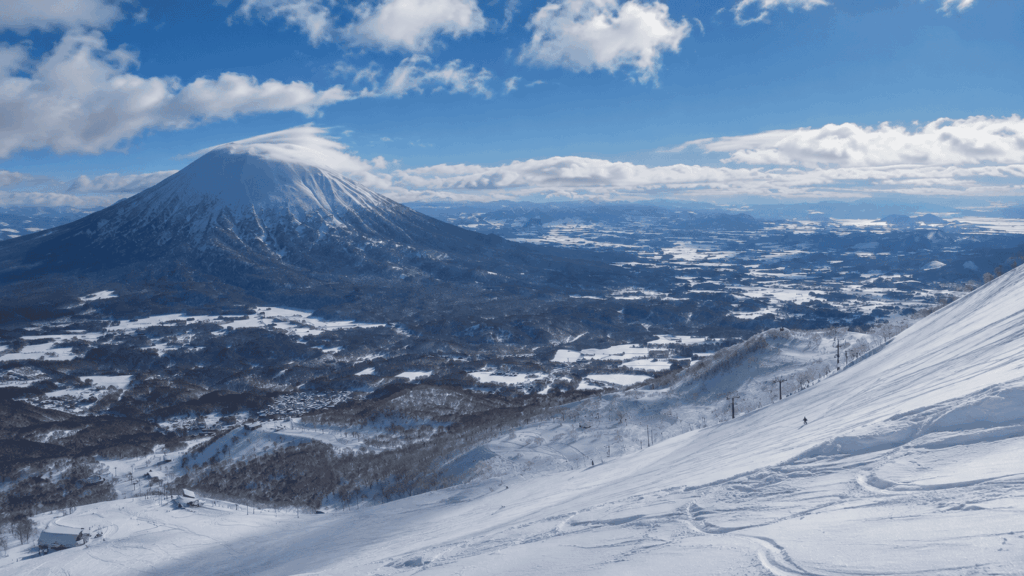
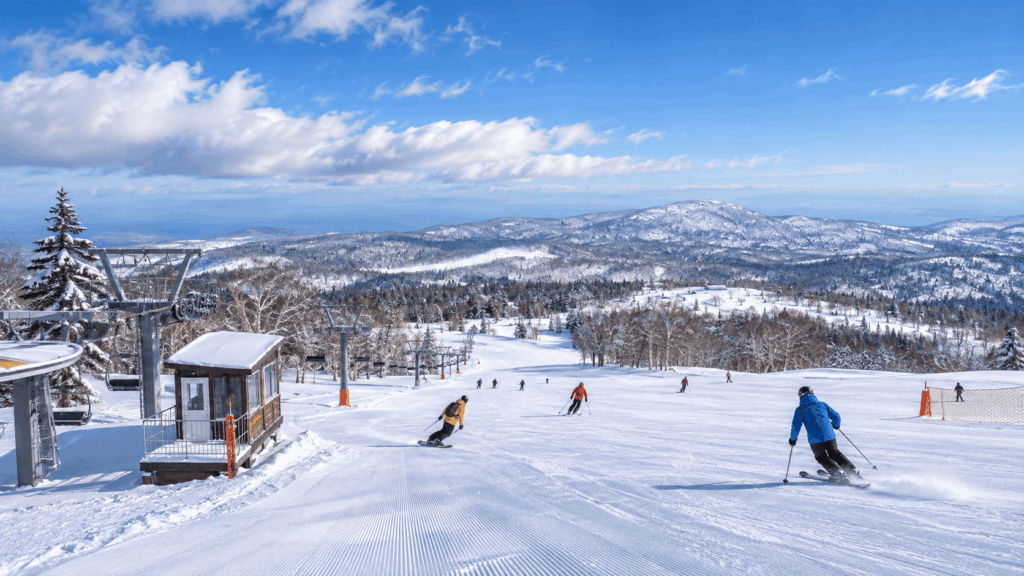
Three peaks — West Mt., East Mt. and Mt. Isola — with long, forgiving groomers and a resort hotel at the base that makes logistics simple. It suits intermediates and families who want to ski a lot of vertical without navigating a village. Mt. Isola also has the views: on a clear day you get Mount Yotei on one side and Lake Toya on the other.
In December, expect part of the mountain rather than all of it, and check which ticket types are actually on sale for your dates — the early-season line-up is not the same as the regular-season one.
Kiroro Snow World — Worth Checking, With Caveats
Kiroro has a strong reputation for snowfall and works well as a day trip from Sapporo or Otaru, or as a quieter stay. What it does not have is a guarantee that the snow that built the reputation is falling on your dates.
Because I have not skied Kiroro, I will not describe its December conditions from experience. Check the resort’s own opening announcement and course status before building a trip around it, and treat “lots of snow” as a seasonal average rather than a booking certainty.
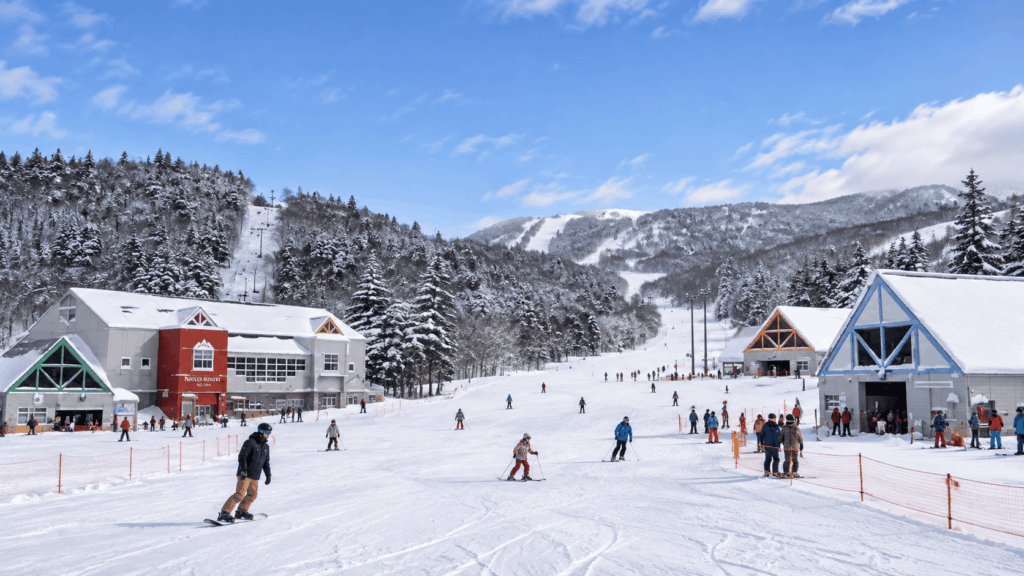
Furano Ski Resort — A Different Base, Different Trip
Furano trades Niseko’s international village for a Japanese town base, two connected zones and a long season. It is a good fit for skiers who want a quieter trip and are happy to organize their own transport and dinners.
The resort opens terrain zone by zone, so December conditions need checking rather than assuming. Furano’s snow is not Niseko’s snow, and the two should not be planned as interchangeable.
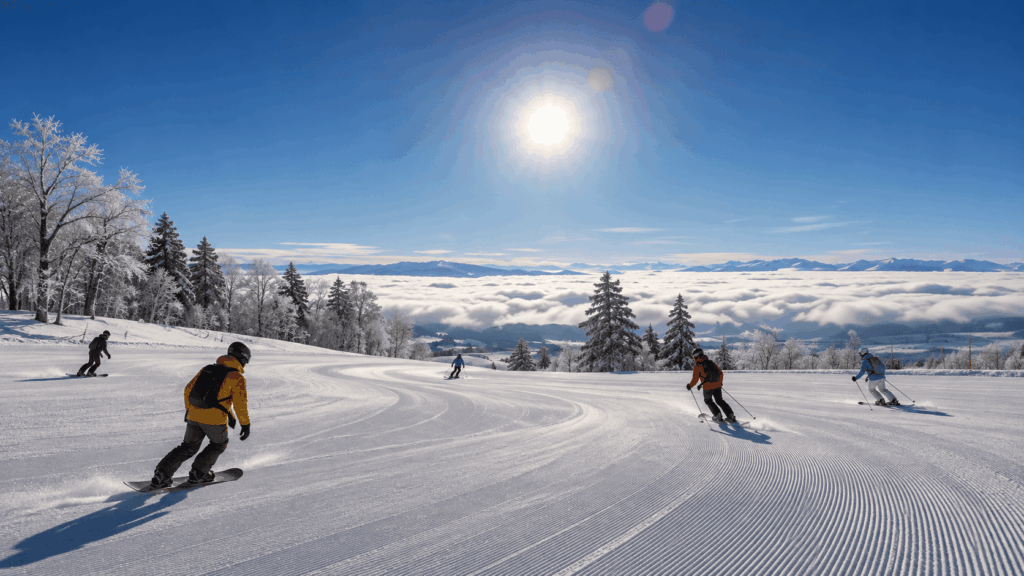
Sapporo Kokusai is the other option worth knowing about: it usually opens first in Hokkaido, which makes it useful for a short Sapporo-based trip or a ski day at the start of a longer itinerary. Its terrain is smaller than the four above, so treat it as a convenience rather than a destination.
What Is the Snow Really Like in Early December?
Hokkaido’s snow reputation is built on January and February, not on the first ten days of December. In an average year, Kutchan — the town below Niseko — records around 253 cm of snowfall across December, with the deepest snowpack of the month averaging roughly 99 cm, against about 155 cm in January. Those are town observations from Japan Meteorological Agency normals, not measurements taken on the ski slopes, and they describe an average year rather than the one you are booking.
The practical translation is this: December is when the base is being built, not when it is already there. Snowfall and snow depth are different numbers, and neither one tells you whether a particular run is open, groomed, or covered deeply enough to ski without hitting something underneath.
A Powder Transformation Overnight at Rusutsu
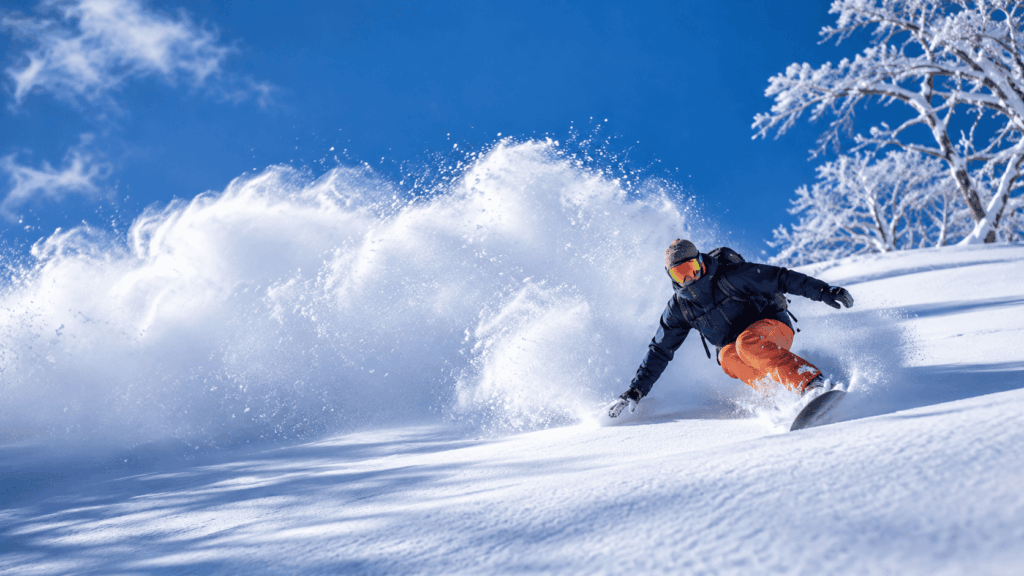
On an early-December visit to Mt. Isola at Rusutsu, guiding guests, I could still see patches of soil and grass beside some of the runs shortly after the resort opened. The skiing was fine on the groomed line, but the mountain was clearly still filling in. That evening it snowed heavily, and by the next morning the same area was transformed — powder deep enough to come up below my knees, on terrain that had looked marginal less than a day earlier.
That is the honest appeal of early December: not reliability, but volatility in your favour. Nothing about that night was unusual for Hokkaido, and nothing about it was promised in advance either. On clear days the setting does the rest — from Mt. Isola you can pick out Mount Yotei on one side and Lake Toya on the other.
Why One Good Snowfall Does Not Guarantee a Full Season
- A storm builds cover, it does not open terrain. Patrol and grooming teams decide what opens, and that decision comes after the snow, not with it.
- Snow depth and new snow are different measurements. A metre of fresh snow on a thin base still leaves obstacles underneath.
- Resorts open at different speeds. Two mountains an hour apart can be in completely different conditions on the same morning.
- More snow is not automatically safer. Deep, unconsolidated early-season snow hides rocks and bamboo; the groomed runs are the conservative choice.
How Many Ski Days Should You Plan?
If you are travelling in the first half of December, one ski day is a gamble and three is a strategy. Two or three days give the weather a chance to do something, and give you the option of writing off the worst day without losing the trip. If your itinerary only allows a single day, put it later in the month, or pick the resort with the most reliable early cover and accept a smaller mountain.
It also helps to have something else you actually want to do. A town day, an onsen, a snowshoe walk or a drive to the coast turns a closed lift day from a disaster into a swap.
Is Niseko Beginner-Friendly in December?
Niseko is one of the easier places in Japan to learn to ski, for reasons that have little to do with snowfall: English is widely spoken, rental gear is available at every base, and lessons can be booked in advance. The December caveat is that the beginner area is the part most likely to be affected by a slow start — a resort can be open for strong skiers while the gentlest slope is still closed. For alternative options, see our guide to the best ski resorts in Hokkaido for beginners.
Why HANAZONO Can Be Comfortable for First-Timers
Hanazono is one of the more straightforward Niseko bases for beginners and families, though it is not necessarily quieter than the other areas. The resort centre, HANAZONO 308, handles lift tickets, rentals and lesson check-in in one building, which matters more than it sounds when you are carrying a child’s gear in the cold.
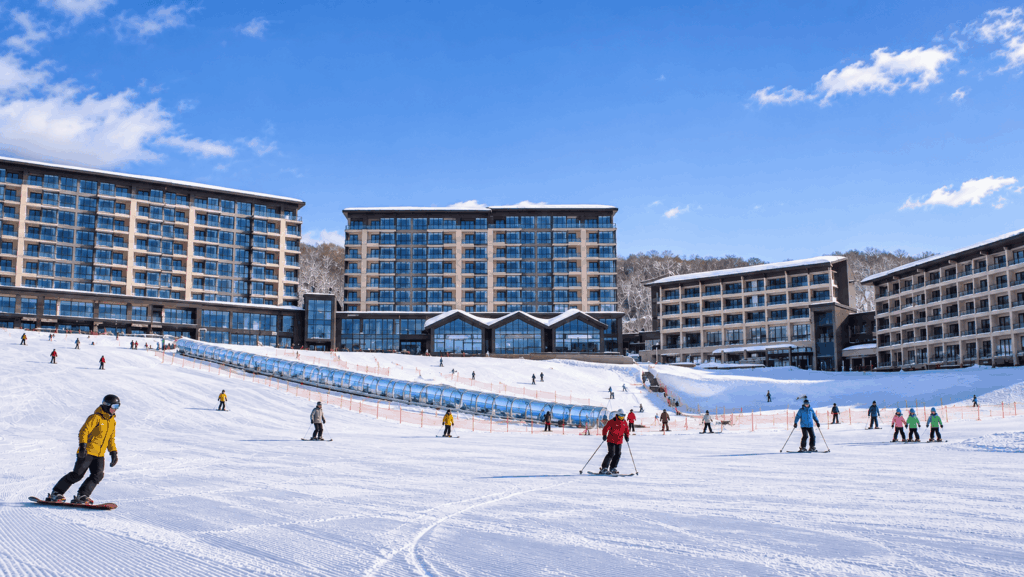
- Magic Carpet: a free conveyor-style lift for beginners — when it is operating. Check that it is running before you plan a first-timer’s morning around it.
- Hanazono 1 Lift: a six-seat chair with heated leather seats, footrests and a bubble hood. On a cold December morning this is the difference between a nervous beginner riding twice and riding ten times.
- Gentle groomed terrain: Mango Salad is the wide, mild access run at the base; Silver Dream is a long intermediate cruise that gives newer skiers somewhere to progress to once the base is deep enough.
Note that the hooded, heated chair is Hanazono 1 Lift, not every lift on the mountain. And Hanazono’s beginner area being open is a daily question, not a seasonal one.
Parking and Getting Around Niseko
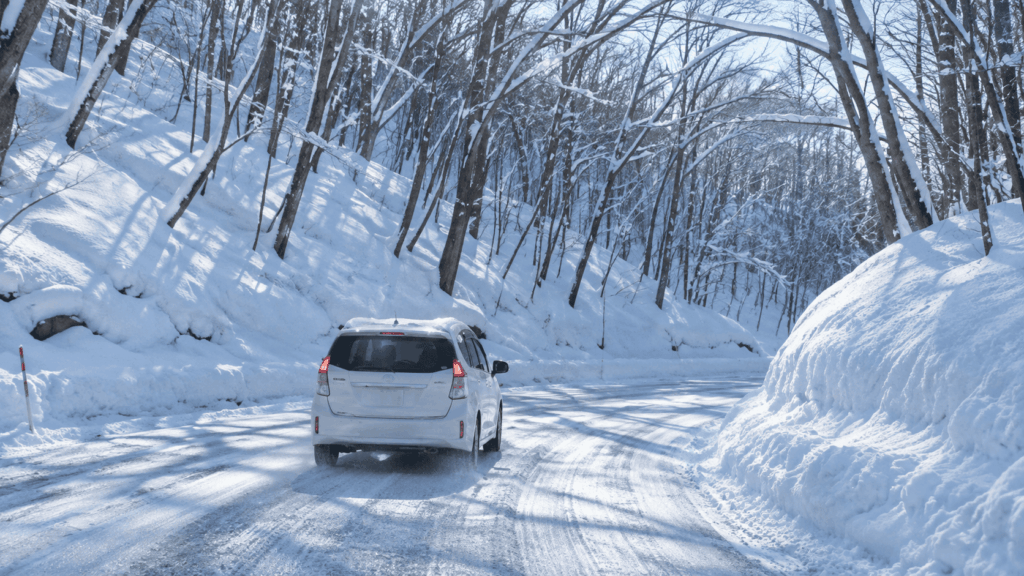
Kai’s tip: When I have driven guests in December, I have usually parked on the Hanazono side rather than hunting for a space near Grand HIRAFU in the morning. The trade-off is a smaller base area, but you start skiing sooner and the heated chair takes the edge off the first ride. If you are staying in Hirafu without a car, the free shuttle between HANAZONO 308 and the Hirafu Welcome Center runs roughly every 20 minutes in winter — check the current timetable, because it changes by season.
Driving in Hokkaido in December means winter tyres and patience; if you are not used to snow driving, the shuttle and ski buses are the lower-stress option. Parking and shuttle arrangements also change with snow conditions and holidays, so treat any single morning’s experience as exactly that.
Should Beginners Book a Ski Lesson?
For a first-timer, an instructor buys two things that are hard to get otherwise: someone who knows which terrain is actually suitable that day, and an explanation in your own language. Self-teaching on a beginner slope works for some people, but in early season the margin for error is smaller and a lesson usually shortens the flailing phase considerably.
Before booking, check three things: which resort the lesson actually runs at, whether lift tickets and rental are included, and what the cancellation terms are if the beginner terrain does not open. In Niseko, both resort-run schools and independent operators sell private lessons, and they are not interchangeable.
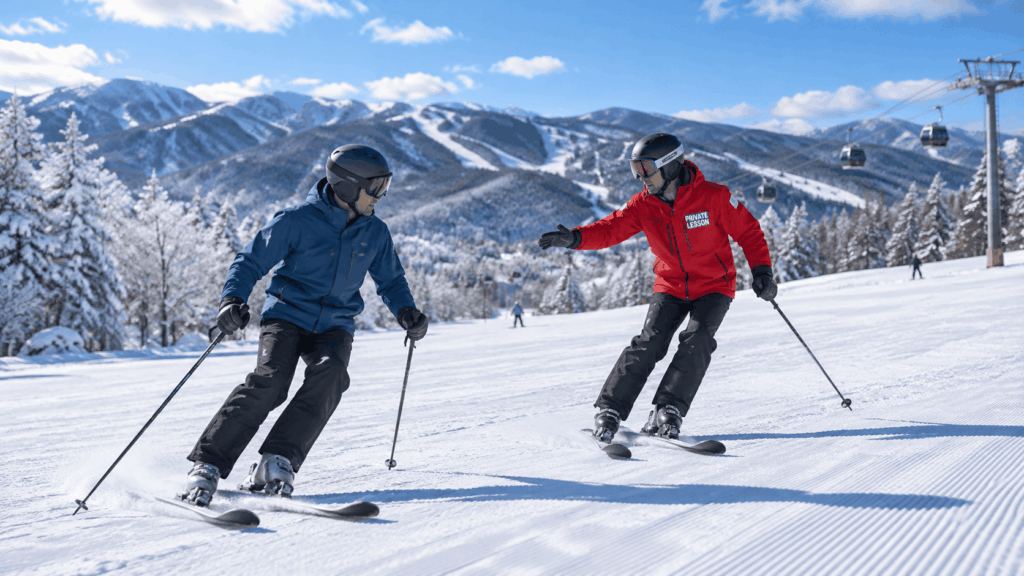
One option worth comparing is a private English- or Chinese-speaking instructor through Klook, which offers 3-hour and 6-hour private lessons with flexible meeting points around the Niseko area — Hirafu and Annupuri bases among them. Read the booking page carefully before you commit: December dates can run at a different location from the one you assumed, Niseko Moiwa is a separate resort and not part of the Niseko United lift pass, and the meeting point is confirmed with the operator rather than at the resort school desk.
If you would rather book directly with the resort, NISS Private Lessons at Hanazono are the on-mountain option — small groups of up to six, priority lift access within Hanazono, multilingual instructors, and 2026–27 dates tentatively from November 28 to April 11. Lesson dates follow the terrain that is open, so confirm at the time of booking.
For beginners or small groups who prefer individual instruction and are planning to start from Hirafu rather than Hanazono, another option to compare is a private lesson with a certified instructor. This is particularly relevant if you want guidance matched to your ability instead of relying on whichever beginner run happens to be open.
Why I’d book this one
- Instruction tailored to your level: A private lesson gives the instructor room to adjust the pace, technique and terrain to the people in your group, rather than following a fixed group-class progression.
- Instructor feedback worth checking: The limited traveler reviews available include positive comments about the instructor’s guidance. The review sample is still small, so read the latest feedback before deciding.
- A clearer booking decision: The listing lets you examine current lesson dates, duration, group arrangements and cancellation conditions before committing. These details matter when early-December terrain is uncertain.
Check the starting location carefully: This lesson normally starts in Hirafu, with Annupuri potentially available by prior arrangement. It does not start from Hanazono or Niseko Village. Lift tickets and equipment rental are separate, so factor those into the total cost and confirm the lesson location before paying.
Do You Need a Niseko All-Mountain Lift Pass in December?
The All Mountain Pass is the obvious purchase for a Niseko trip, and for a lot of December visitors it is the wrong one. It buys access to all four areas — but only to the lifts and runs that are open, and only across connections that may still be closed.
For 2026–27, the adult one-day All Mountain rate is ¥8,800 in early season (November 28–December 11), ¥12,600 in regular season (December 12–23) and ¥13,500 in peak season (December 24 onward). Early-season passes are not sold online, so you may need to buy at a ticket counter on arrival.
| Ticket option | Access | Best for | What to check |
|---|---|---|---|
| Niseko United All Mountain Pass | All four areas, subject to which lifts and connecting runs are open | Intermediate and advanced skiers staying three or more days, groups splitting across areas | Whether the connections are open; whether the date falls in early, regular or peak pricing |
| More limited-area ticket (for example, the Hanazono–Grand Hirafu pass) | The lift-served areas covered by that ticket (Hanazono and Grand Hirafu for the combined pass) | Beginners, families, short trips, anyone staying put for the day | Whether it is sold on your dates; what it includes for children |
| 12-point pass | Pay per lift ride across the mountain | Half-days, cautious first-timers, mixed groups where not everyone skis all day | How points are deducted per lift; whether it suits your riding pattern |
All-Mountain Pass vs Area-Specific Tickets
The honest test is how many lifts you will actually ride. A beginner spending the morning on one gentle slope gets little value from an All Mountain Pass, and a more limited-area ticket or a point pass may cost less. At Hanazono, the regular limited-area ticket also covers Grand Hirafu, not just Hanazono. The pass earns its price when you are covering distance: multiple areas, multiple days, and a mountain that is properly open.
In early December there is an extra consideration. If you pay peak-season money for a pass and half the terrain is closed, the arithmetic does not work — which is one reason the early-season rate is lower in the first place.
Are All Four Niseko Resorts Connected in Early December?
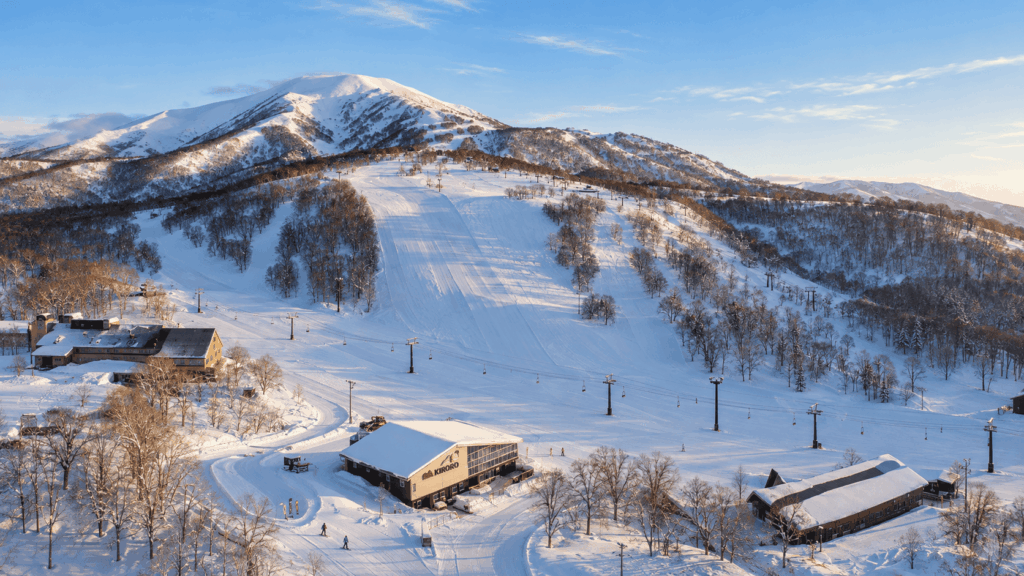
The areas are connected by linking runs — Renraku and Setsuzoku among them on the Hanazono side — and those runs open on their own schedule, usually after the terrain within each area. In 2025–26, Hanazono’s connecting terrain came online progressively through mid-December. Whether 2026–27 follows the same pattern is unknown until the season starts.
If the connections are shut, the areas are still reachable by shuttle or by road, but you are no longer skiing between them. Check the course status list the morning you plan to traverse, not the trail map on the wall.
The Hidden Effort of Moving Between Areas
Kai’s tip: Moving from Hanazono towards Grand Hirafu, part of the link includes a gentle uphill section, and I have had guests who skied competently but could not skate at all. They ended up taking their skis off and walking. It is not a long walk and it is not dangerous, but it is tiring, and it is the kind of thing that decides whether an All Mountain Pass is a good purchase for you. If skating on the flat is not your strength, plan to use the shuttle for at least one of the legs.
Not every connecting route has this character — some links are straightforward downhill traverses — so treat it as a reason to check the specific route rather than a reason to avoid moving at all.
How to Plan a December Ski Trip Without Surprises
You cannot remove the risk from early-season skiing, but you can shrink it. Most of the work happens before you leave: refundable accommodation, a couple of spare days, and a habit of checking the mountain the night before rather than the month before.
Check These Five Things Before Your Ski Day
- Actual lift operations. The live status page, not the season dates page.
- Open beginner and intermediate runs. Match them to the people you are skiing with, not to the resort’s total terrain.
- Weather and wind forecast. Upper lifts close first when it blows.
- Road and shuttle conditions. Snow can close the route even when the mountain is open.
- Lesson and rental availability. Holiday weeks sell out; early December often does not.
Getting to the Resorts in December
Many international visitors arrive at New Chitose Airport and continue by direct ski bus to a Niseko-area stop, or travel by train towards Kutchan and then take local transport to their accommodation. The detail that catches people out is timing: a resort’s opening date and the start of its airport bus service are two different dates, and in early December the bus timetable can be thinner than in January.
Winter driving in Hokkaido is a genuine skill, not a formality. If you are not confident on snow and ice, book the bus and use the free village shuttles. Journey times vary with weather, so build in slack on arrival day rather than planning to ski the afternoon you land.
If you’re arranging your own Niseko trip without a car, compare Niseko shuttle routes, pickup points and December departure dates on Klook. Check that the service is operating on your arrival date and that its drop-off point works for your accommodation.
What If There Is Not Enough Snow?
Work through this in order rather than jumping to the worst case:
- Re-check the same resort. A partial opening often expands within days, and conditions can change faster than your booking window.
- Confirm beginner terrain specifically. If the whole group is new, a closed gentle slope is a bigger problem than a closed expert run.
- Compare nearby resorts. Sapporo Kokusai, Kiroro and Rusutsu sit in different weather and can be having a different week.
- Move your ski days. If your itinerary allows, shifting by two days is often enough.
- Check the refund and cancellation terms, then use the time. Lessons and packages have their own conditions; knowing them in advance turns a bad day into a decision instead of an argument.
What I would not do is drive four hours on the strength of a snow forecast. The resorts publish what is open; a forecast tells you what might fall.
Frequently Asked Questions About Hokkaido Skiing in December
Can you ski in Hokkaido in early December?
Yes. Most major resorts are scheduled to open in late November, so lifts are usually turning by the first week of December. What varies is how much of the mountain is open: expect a limited number of lifts and runs, and check that the terrain you want — especially a beginner slope — is actually operating before you commit.
Is December too early to ski in Niseko?
Not necessarily. All four Niseko United areas are scheduled to open on November 28, 2026, but early December usually means partial operations, and the linking runs between areas may not open until later in the month. It is a good time for flexible travelers and confident intermediates, and a risky time for anyone who needs a full mountain.
Is December or January better for skiing in Hokkaido?
January is the more established month, with a deeper base and more terrain open across the resorts. December can deliver excellent snow — sometimes better than January — but with more variability and a higher chance of limited operations. If your dates are fixed and powder is the priority, January and February are the safer choice.
Which Hokkaido ski resort is best for beginners in December?
Choose by what is open, not by reputation. Hanazono is a strong option when its beginner area, free Magic Carpet and Hanazono 1 Lift are running, and Niseko has the deepest pool of English-speaking lessons. Sapporo Kokusai and Rusutsu are worth checking for shorter trips. Confirm beginner terrain the day before you ski.
Are Hokkaido ski resorts fully open by Christmas?
Not guaranteed. Late December usually brings a deeper base and more open terrain than early December, and resorts work towards broader operations over the holidays. Snow and wind still decide what runs, and upper lifts can close on any given day. Book early for Christmas week, but keep checking the live status pages.
The Verdict: Which December Trip Are You Actually Planning?
December in Hokkaido is not one decision. It is three, and the right answer depends on how much uncertainty you can absorb.
Choose early December (December 1–11) if your dates can move by a few days, you are happy skiing part of a mountain, and you would rather have empty lifts than a full trail map. Pair it with Rusutsu or Niseko, stay two or three days, and treat the first morning as a conditions check rather than the main event.
Choose mid-December (12–23) if you want a normal ski holiday with a reasonable chance of most lifts running, night skiing at Niseko from December 12, and prices below the Christmas peak. This is the compromise I would suggest to most people asking me to plan a first December trip.
Choose late December (24–31) if school holidays decide your dates anyway. The mountain is usually at its most complete, but you will pay peak rates — ¥13,500 for an adult one-day All Mountain pass in 2026–27 — and you should book accommodation and lessons months ahead.
For first-time skiers: base yourself at Hanazono if the beginner area and Magic Carpet are running, book a lesson before you arrive, and buy an area ticket rather than an All Mountain Pass. A heated chair and a wide groomed slope will do more for your week than access to four areas you will not use.
For families with young children: Hanazono’s single resort centre at HANAZONO 308, the free shuttle from the Hirafu Welcome Center and the hooded Hanazono 1 Lift remove most of the friction. Check that the Magic Carpet is operating, and keep one non-ski day in reserve. For more options across the island, check our guide to family-friendly ski resorts in Hokkaido.
For travelers on a tight schedule: if you have one ski day in early December, do not build the trip around it. Sapporo Kokusai opens earliest and suits a Sapporo-based itinerary; otherwise put your single day later in the month.
For powder-focused skiers: come in January. December can produce a knee-deep morning, as it did for me at Mt. Isola, but it cannot promise one, and the terrain you can reach may be a fraction of the mountain.
For repeat visitors who have done Niseko in February: early December is a genuinely different experience — quieter, cheaper, less predictable, and better for watching a season start. Rusutsu’s Mt. Isola and a Kiroro day trip from Otaru make a good short itinerary, provided you go in expecting partial operations.
Resort opening dates, lift operations, and lesson availability can change with snowfall and weather. Official resort information was checked on October 28, 2026.

Hi, I’m Kai. I’m a Tokyo-based travel writer, tourism industry insider, and the author of a published guidebook for international visitors to Japan. With over 10 years of professional experience at a leading Japanese tourism company, my mission is to help you skip the tourist traps and navigate Japan’s best destinations like a local. I believe the perfect day trip is like a traditional kaiseki meal: a beautiful balance of precise planning and unforgettable seasonal discovery. When I’m not out conducting field research, you’ll usually find me drafting new itineraries with one of my favorite fountain pens!