
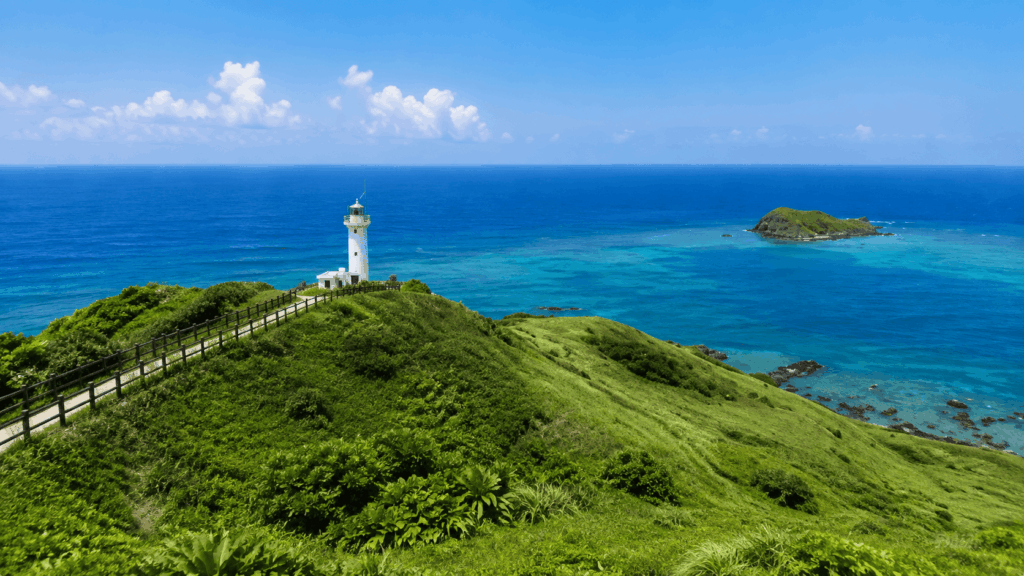
Yes, Ishigaki Island is worth visiting — but not for everyone, and not in every situation. If your idea of a great day is clear turquoise water, a sandbar that only appears at low tide, and swapping the city for a slower subtropical pace, the extra flight pays off. If you are on a short first trip to Japan, don’t enjoy boats or getting wet, or want every day to go exactly as planned, Ishigaki is better saved for a later trip.
Short on planning time? If Phantom Island and Miyara River are the two experiences drawing you to Ishigaki, check live dates, start times, and recent traveler reviews for the combined mangrove and Phantom Island tour before you lock in the rest of your stay.
Is Ishigaki Worth Visiting? My Short Answer
Ishigaki is the largest island in the Yaeyama chain, the southernmost inhabited part of Japan. It is not a resort island in the Okinawa-main-island sense, and it is not one of those islands you “”see”” in a day. Its appeal is quieter: a sea so clear it looks artificial, a national monument mangrove forest you paddle through, and a ferry terminal that puts Taketomi, Iriomote and Kohama within easy reach. Whether that adds up to “”worth it”” depends almost entirely on what kind of traveler you are.
| Traveler type | Verdict | Why |
|---|---|---|
| First-time visitors on a tight main-island trip | Skip this trip | The extra flight and transfer time usually serve you better spent on city and culture — unless the sea is your main reason for coming to Japan. |
| Beach, snorkeling and island-nature lovers | Worth it | Some of the clearest water in Japan, a sandbar you can only reach by boat, and easy ferry day trips to Taketomi and Iriomote. |
| Travelers prone to seasickness or who dislike getting wet | Worth it with backups | Mangrove paddling and land options still deliver. You just need a Plan B and the right clothing. |
| Island-hoppers heading to Taketomi, Iriomote or Kohama | Especially worth it | Ishigaki is the transport hub of the Yaeyama Islands, with fast ferries leaving from the port terminal throughout the day. |
| Travelers on a fixed schedule who strongly dislike changes | Worth it only with flexibility | Sea-condition changes are common enough that you should expect them rather than be surprised by them. |
| Families with young children | Depends | Many boat tours set age minimums (commonly 5+). Mangrove paddling is the easier family option. |
If Phantom Island and the mangrove river are the two experiences drawing you here, a single combined tour can cover both in one day — which makes planning simpler and is worth factoring into your schedule before you book anything else.
What Makes Ishigaki Worth the Extra Flight?
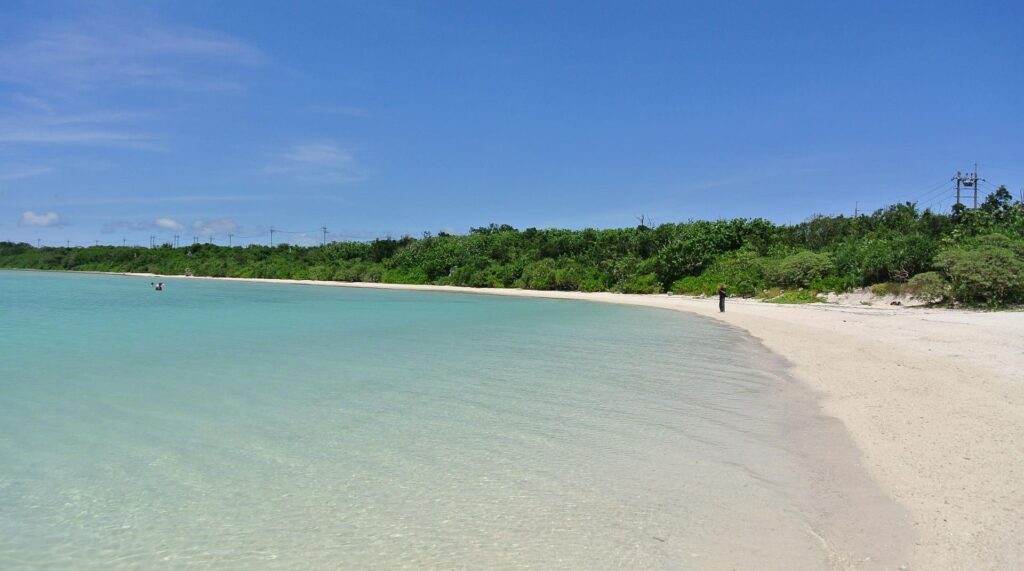
Most travelers who love Ishigaki don’t name one single sight. They name a combination you rarely find in one place: a genuinely clear tropical sea, a national monument you paddle through instead of photograph from a bus, and a working ferry hub that turns the rest of the Yaeyama Islands into day trips. That combination is what the extra flight buys you.
- Phantom Island (Hamajima) — a sandbar off Ishigaki’s west coast that appears and shifts with the tide. You reach it by small boat, walk onto the sand, and snorkel in the shallow water around it. It is the island’s most photographed spot, and the one most affected by sea conditions.
- Kabira Bay — the famous bay with emerald water and pearl farms. Swimming is restricted here, so most visitors take a 30-minute glass-bottom boat instead; boats run through the day and you can board without a reservation.
- Miyara River — Ishigaki’s largest river, lined by a mangrove forest designated as a national natural monument in 1972. The standard way to see it is by SUP or canoe, which makes it the island’s best “”calm water”” activity.
- Taketomi and Iriomote — Taketomi (traditional village, water-buffalo carts) is a 10–15 minute ferry ride; Iriomote (jungle, rivers, trekking) is about 40 minutes. Both are day-trip distance from Ishigaki’s port terminal.
The mistake I see travelers make is treating Ishigaki as a one-photo destination: land, snap the sandbar, leave. The island rewards a slightly slower pace — a morning on the water, an afternoon on the river, a day trip or two — which is also why the “”how many days”” question matters more here than on most islands.
The Part Most Ishigaki Reviews Skip: Sea Days Can Be Rough
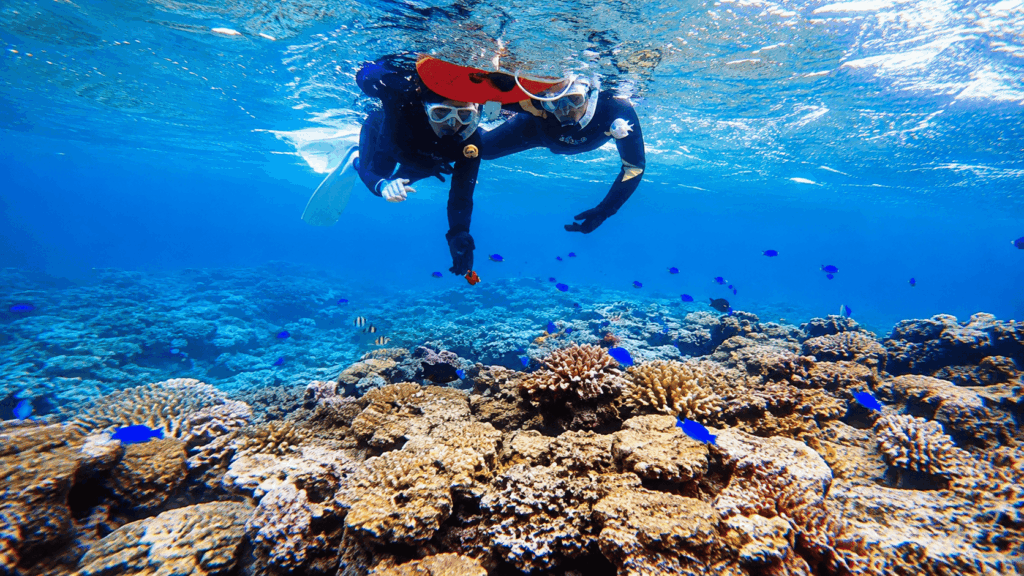
Every Ishigaki review shows the sandbar at its best. Almost none of them tell you that the boat ride there is a genuine small-boat crossing, that you will likely land in water, and that the whole plan can change the night before because of wind and tide. None of this is a reason to skip Ishigaki — but it is exactly the information that separates a great trip from a frustrating one.
Recent visitors split on the boat ride: some report seasickness on the crossing, others specifically note that their driver kept the ride smooth. Both experiences are real, and the difference is mostly wind, swell and how sensitive you are. Expect some motion, take precautions if you know you are prone, and treat a calm crossing as a bonus rather than the baseline.
What I Tell Guests Before a Phantom Island Tour
On the trips I’ve been involved with, the guests who enjoy Phantom Island most are the ones who arrive prepared for a wet, bouncy outing — not a cruise. The boat is small, it picks up speed across open water, and landing on the sandbar usually means stepping out into ankle-to-waist-deep water. The good news is that all of it is manageable if you plan for it.
- Take seasickness medicine if you are prone — take it before boarding, not once you feel unwell. Check with your doctor or pharmacist about what suits you; this is general advice, not medical guidance.
- Wear your swimsuit under quick-dry clothing — you will get wet, so make peace with it at the dock, not halfway to the sandbar.
- Bring a towel and a change of clothes — tours usually include a break back at the port terminal before the afternoon activity, which is your window to dry off.
- Leave valuables and cotton at the hotel — there is no dry storage on a sandbar, and wet cotton is miserable on the ride back.
Kai’s tip: The travelers I’ve seen struggle are rarely the ones who get soaked — they’re the ones who tried not to. Show up in your swimsuit with a light cover-up and a dry bag, and the landing stops being a problem and starts being part of the fun. The people who stay fully dressed end up wet, cold and annoyed on the ride back.
What Happens if Sea Conditions Change?
This is the point most reviews gloss over: tour operators in Ishigaki change plans. Operator pages state it plainly — departures, the order of activities, and even the snorkeling location can change due to weather, tides or strait conditions. On rougher days, a Phantom Island trip may be swapped for snorkeling at a calmer beach, or the mangrove portion may be moved earlier.
Reviews reflect both reactions: some travelers were disappointed the sandbar was swapped, while others describe the alternative spot as just as enjoyable once they adjusted. The pattern is clear — satisfaction tracks less with what you booked and more with how you treat the change. If a swapped location feels like a ruined day, Ishigaki’s sea activities will frustrate you. If it feels like a sensible safety call, you’ll probably end up glad the operator made it.
Bad Weather Doesn’t Automatically Ruin Ishigaki
The biggest worry I hear from travelers considering Ishigaki is simple: “”What if the sea is rough or it rains?”” The honest answer is that some days are indeed lost for snorkeling — but Ishigaki is not a one-activity island. If you build a Plan B and Plan C before you arrive, a cloudy or windy day turns from a wasted day into a different kind of day.
| Condition | Best option | Main limitation |
|---|---|---|
| Strong wind, rough open sea | Miyara River SUP or canoe through the mangroves | Route and timing can shift with the tide |
| Heavy or steady rain | Ishigaki Stalactite Cave | Warm and humid inside; you still get wet from condensation |
| Choppy but sailable sea | Snorkeling may move to a calmer beach instead of Phantom Island | The sandbar visit can be swapped at short notice |
| Full-blown typhoon approach | Ferries and tours suspend; stay flexible with hotel dates | Nothing runs — plan a buffer day or travel insurance |
Typhoon season runs roughly June to October, with the strongest risk in late summer. That doesn’t mean you should avoid Ishigaki in those months — it means you should treat the forecast like a working document and expect at least one plan change if you stay several days.
Miyara River Is a Useful Backup When the Sea Is Rough
When the open water around Phantom Island turns choppy, Miyara River is where conditions stay noticeably calmer. The river is protected by its mangrove-lined banks, and the standard way to see it is on a stand-up paddleboard or in a canoe, gliding through a forest of tall mangrove trees that was designated a national natural monument back in 1972. On days when the sea is out, this is the activity I’d point travelers to first.
Kai’s tip: On the trips I’ve been involved with, the groups that had the best backup days were the ones who treated the river as a real option, not a consolation prize. The paddle is gentler than it looks, the water is calm compared to open sea, and the forest feels completely different from the beach. One thing to know: tide levels can change the route on the day, so go in expecting the tour to adapt — the mangrove scenery holds up regardless of the exact course.
Because the sea and the river are so different in character, a single combined tour can give you both in one day — morning on the water at Phantom Island, afternoon paddling the mangroves — which is one of the most efficient ways to see Ishigaki if you’re short on days.
If you want Ishigaki’s two signature water-and-mangrove experiences without stitching together separate bookings — and you’re comfortable with the itinerary adapting to sea conditions — this is the one tour worth checking first.
Why I’d book this one
- It combines Phantom Island snorkeling with Miyara River SUP or canoe in one booking, matching the sea-and-river plan described above.
- Recent travelers mention helpful guides, clear organization and attention to safety; some also describe weather-related changes being handled with an alternative snorkeling stop.
- The booking page lets you compare live availability, start times, current cancellation terms and recent traveler feedback before fixing the rest of your itinerary.
A Small Detail That Can Make a Wet Day Better
If your tour includes a meal, there’s a good chance it’s Yaeyama soba: a warm noodle soup with pork, green onion and fish cake that is the local comfort food of the Yaeyama Islands. I’ve seen a rough morning at sea turn around over a bowl of it. It’s a small thing, but it’s worth knowing the name — it’s also the dish to look for if you want a cheap, filling meal in the city area on a rainy evening.
If It Really Rains, Ishigaki Stalactite Cave Is a Practical Escape
When the rain is heavy enough that even the river loses its appeal, Ishigaki Stalactite Cave is the island’s most reliable Plan C. It’s a large limestone cave about an eight-minute drive from the city area, open year-round from around 9:00 to 18:30, with adult entry around 1,200 yen and children around 600 yen (as of 2026 — check the official site before you go).
One thing to adjust before you go: “”cave”” doesn’t mean “”cool and dry.”” The interior sits at around 22–23°C with humidity close to 90%, so you’ll be warm and slightly damp the whole time, and water drips from the ceiling in places. The floor can be slippery and the paths are uneven, so wear shoes with grip rather than sandals, and bring a small towel if you’re coming straight from an outdoor activity.
Kai’s tip: If you’re visiting the cave without a car, check the return bus time before you commit to the trip — the buses to this area run much less often than the city routes, and the gap between services can be long. I’ve seen travelers plan the ride out and forget the ride back. Either confirm the return timetable the day before, or budget for a taxi back to town; it’s the difference between a pleasant hour underground and a long wait at a quiet bus stop.
Do You Need a Car in Ishigaki?
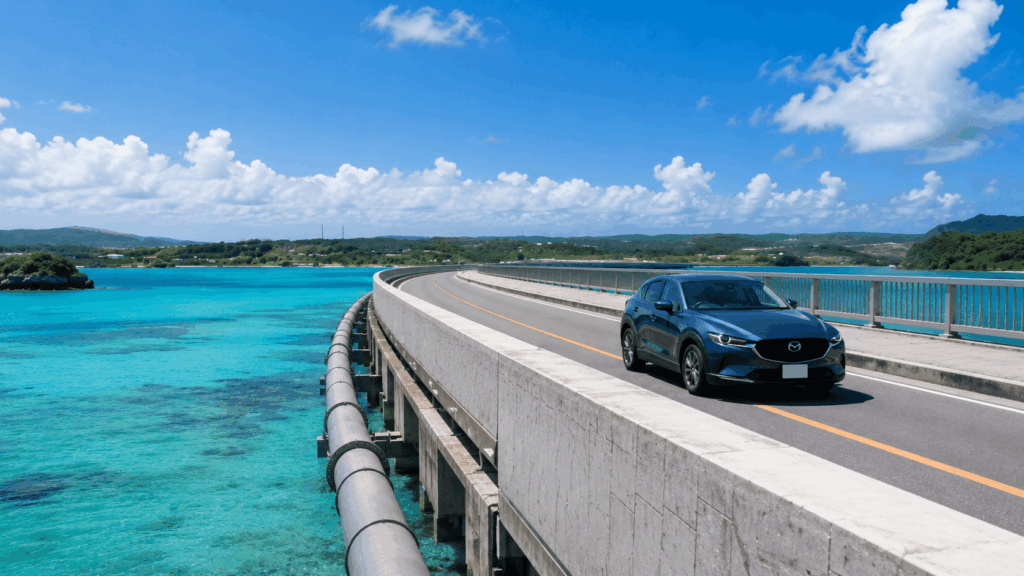
Short answer: no — if you plan around it. Ishigaki is perfectly workable without a car when you stay in the city area, use the ferry terminal, and take tours that include pickup. The car becomes genuinely useful the moment you want to explore the outlying areas, chase viewpoints on your own schedule, or make a snap decision when the weather shifts.
| Option | Best for | Main drawback |
|---|---|---|
| Rental car | Flexible travelers exploring the whole island | Cost, parking, driving on unfamiliar roads in rain |
| Taxi | Point-to-point trips from the city (e.g., the cave) | Adds up quickly for multiple trips per day |
| Public bus (Azuma Bus) | Budget travelers on the main city routes | Limited frequency outside the city, especially for return trips |
| Tour with pickup | Travelers doing water and river activities | You move on the tour’s schedule, not yours |
Recent visitor feedback repeats the same pattern: travelers who stayed central and used pickup tours found Ishigaki easy without a car, while those who wanted to roam the whole island found a rental car much more comfortable. The airport-to-city bus takes around 40 minutes, so even the arrival leg works without a rental. The question isn’t “”can I do it without a car”” — it’s “”how much of the island do I want to cover on my own.””
Ishigaki vs Okinawa Main Island vs Miyakojima
If you’re deciding between the three most common Okinawa destinations, the honest framing is not “”which is best”” but “”which fits your trip.”” Each offers clear water; they differ in what surrounds it.
| Okinawa Main Island | Ishigaki Island | Miyakojima | |
|---|---|---|---|
| Best for | First-timers mixing beaches with city, castles, aquarium and food | Island hopping, mangrove paddling, small-boat sandbar trips | Driving between long white beaches and flat coastal roads |
| Main strength | Most variety and easiest infrastructure | Gateway to Taketomi, Iriomote and Kohama | Effortless beach-hopping with a car |
| Main drawback | Water is less clear than the outer islands; more crowded | Extra flight; sea activities depend on conditions | Fewer non-beach activities; thin on rainy days |
| Choose it if… | You want beaches plus culture in one trip | The Yaeyama island world is your main draw | Your priority is pure beach time, nothing else |
A common traveler observation is that Okinawa Main Island works well as a first taste, while Ishigaki and Miyakojima reward travelers who already know they want the outer-island experience. If the mangroves, the sandbar and day trips to Taketomi or Iriomote are what excite you, Ishigaki has no direct equivalent. If your dream day is simply beach after beach from a rental car, Miyakojima tends to be the simpler fit. Note that Miyakojima has fewer rain-day alternatives than Ishigaki — something worth weighing if you travel in typhoon season.
How Many Days Should You Give Ishigaki?
One to two nights is doable but risky: a single rough-weather day can eat your whole sea itinerary. Around three nights is the sweet spot for most travelers — it gives you a sea day, a river or land day, and one day of slack for conditions to cooperate. With four nights or more, you can add Taketomi or Iriomote as day trips and still have buffer for weather changes.
A Better Way to Plan: Build Options, Not a Rigid Schedule
Instead of locking every day to a specific plan before you arrive, build a short menu and let the forecast decide:
- Day A (sea) — Phantom Island snorkeling, or a combined sea-and-river tour if conditions allow both.
- Day B (island or land) — ferry to Taketomi, or Kabira Bay glass-bottom boat plus a beach stop.
- Weather backup — Miyara River paddling when the sea is rough, the stalactite cave when the rain is heavy.
This is a planning framework rather than a fixed itinerary. Swap Day A and Day B based on the forecast, use the backup when you need it, and you’ll almost never feel like Ishigaki wasted a day of your trip.
Who Should Skip Ishigaki?
To keep this review honest, here are the travelers who should probably not add Ishigaki to this trip:
- Short first-time visitors to Japan — if you have a week or less and cities are your priority, the extra flight and transfer time usually serve you better spent elsewhere. Come back when the islands themselves are the reason for the trip.
- Travelers who hate changing plans — sea-condition adjustments are common enough that a rigid “”we must see the sandbar at 10am”” mindset will create frustration.
- People who strongly dislike boats and getting wet — you can still enjoy the mangroves and the cave, but Ishigaki’s signature experiences are watery by nature.
- Drivers who want to roam every corner — possible without a car, but noticeably easier with one; if you refuse to drive and hate taxis, you’ll feel limited.
- Nightlife and city-energy seekers — evenings here are quiet, early and dark. That’s part of the charm for some and a dealbreaker for others.
FAQ
Is Ishigaki worth visiting for first-time visitors to Japan?
Only if the ocean and islands are your main reason for coming to Japan. The extra flight and transfer time cost you at least a day, and on a short first trip that day is usually better spent in the cities. If you’re set on seeing Japan’s clearest water and the Yaeyama island world, Ishigaki is worth it — but plan at least three nights so one rough-weather day doesn’t erase your whole sea itinerary.
How many days do you need in Ishigaki?
Around three nights is the sweet spot for most travelers: a sea day, a river or land day, and a day of slack for weather. One to two nights is doable but risky — a single rough-weather day can wipe out your only sea plans. With four nights or more you can add Taketomi or Iriomote as day trips and still have buffer for condition changes.
Do you need a car in Ishigaki?
No, if you plan around it. Staying in the city area, using the ferry terminal, and taking tours with pickup works well without a car, and the airport-to-city bus covers the arrival leg. A rental car becomes genuinely useful if you want to roam the whole island on your own schedule or make snap decisions when the weather shifts. The bus network is fine in town but thin in the outlying areas, so check return times carefully.
Is Ishigaki worth visiting when it rains?
Yes, with a backup plan. Snorkeling may be cancelled or moved to a calmer beach, but Miyara River paddling stays a solid option on rough or windy days, and the stalactite cave handles heavy rain. Expect the cave to be warm and humid rather than cool and dry, and treat the forecast as a working document rather than a fixed plan.
Is Ishigaki better than Miyakojima?
It depends on what you want. Ishigaki offers more variety — mangroves, a sandbar reachable only by boat, and ferry day trips to Taketomi and Iriomote — plus more rainy-day alternatives. Miyakojima is the simpler fit if your dream day is beach after beach from a rental car. For most travelers who want the full outer-island experience, Ishigaki has no direct equivalent.
Final Verdict: Is Ishigaki Worth It?
Ishigaki is not at its best when you try to control every day. It’s at its best when you arrive with a few strong options and let the conditions decide. The sea will sometimes say no to the sandbar. The wind will sometimes push you toward the mangroves. If that flexibility sounds like part of the trip rather than a flaw, Ishigaki is one of the most rewarding places in Japan.
Choose Ishigaki if you want clear tropical water, a boat-only sandbar, mangrove paddling, and easy day trips to Taketomi or Iriomote — and you’re willing to swap plans when the weather asks.
Choose another option if you’re on a short first trip to Japan with city priorities, you strongly dislike boats and getting wet, or a changed plan would feel like a ruined day. Okinawa Main Island is an easier first taste; Miyakojima is simpler for pure beach time.
For first-time visitors: make Ishigaki the reason for a dedicated trip, not a rushed add-on. Give it at least three nights and book your sea day early in the stay so a weather change still leaves you a second window.
For families: mangrove paddling is the easiest water activity for younger children, since many boat tours set minimum ages around 5+. If the kids are old enough, the combined sea-and-river day is the most efficient way to see the island’s two signature experiences.
For travelers on a tight schedule: one combined tour — Phantom Island and the mangroves in a single day — beats trying to stack separate bookings, because it builds the sea-and-river backup into one plan.
For repeat visitors: come back for what the first trip couldn’t deliver — Iriomote’s rivers and jungle, a Taketomi stay, or a calm-weather window when the sandbar actually appears.
The one-line verdict: Ishigaki is worth it when you plan for flexibility, not perfect weather.

Hi, I’m Kai. I’m a Tokyo-based travel writer, tourism industry insider, and the author of a published guidebook for international visitors to Japan. With over 10 years of professional experience at a leading Japanese tourism company, my mission is to help you skip the tourist traps and navigate Japan’s best destinations like a local. I believe the perfect day trip is like a traditional kaiseki meal: a beautiful balance of precise planning and unforgettable seasonal discovery. When I’m not out conducting field research, you’ll usually find me drafting new itineraries with one of my favorite fountain pens!