
There is no single best ski resort in Japan, and any list that claims otherwise is selling you someone else’s holiday. For a first multi-day trip, Niseko United is the easiest all-round choice: reliable dry snow, four base areas on one pass, and the broadest English-language support of any resort area in the country. If terrain matters to you more than convenience, Hakuba Valley is the stronger pick — Happo-One alone drops 1,071 vertical meters, and ten separate resorts share a single ticket.
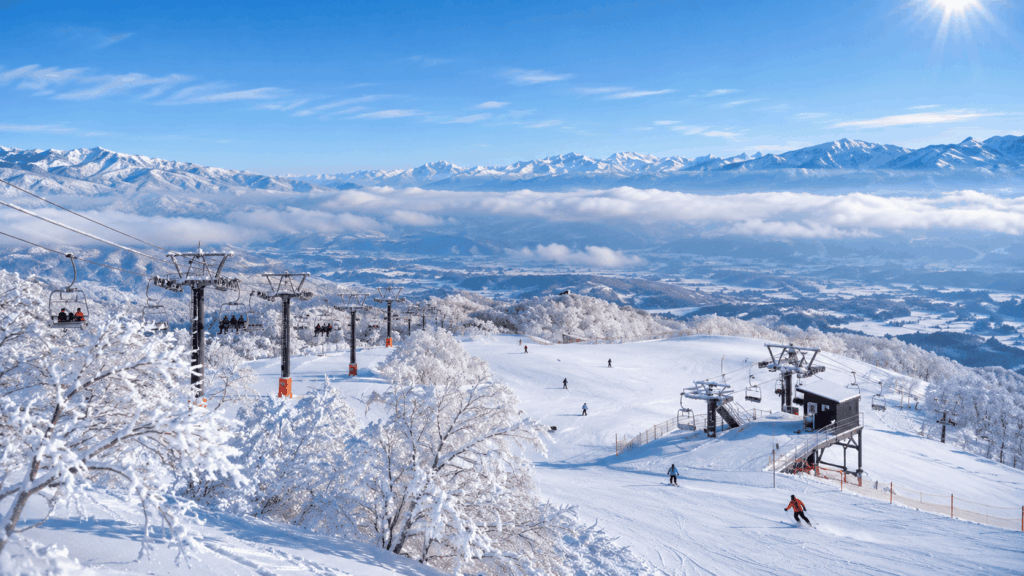
Neither is right for everyone. Nozawa Onsen pairs skiing with a working hot-spring village. GALA Yuzawa is one of the easiest ski day trips from Tokyo thanks to its dedicated shinkansen station, though Karuizawa Prince and other Yuzawa-area resorts are also possible. Rusutsu and Furano make sense if you want a different Hokkaido ski experience from Niseko, although Rusutsu’s window lift ticket is more expensive than Niseko’s. This comparison draws on firsthand observations from guiding visitors at Grand Hirafu and Happo-One; the other eight resorts are assessed from official resort information and recurring patterns in traveler reviews, not from personal visits.
If you only have one ski day while staying in Sapporo, an organized Sapporo Teine experience can save you from arranging transfers, equipment and lessons separately. Check Sapporo Teine ski-day dates, package options and what’s included before deciding whether to go independently.
Best Ski Resorts in Japan at a Glance
Start with what you actually want from the trip. The four answers below cover most travelers, and the table underneath shows where each resort wins and where it costs you something.
- Best for powder-focused visitors: Niseko United
- Best for varied mountain terrain: Hakuba Valley
- Best for onsen-town atmosphere: Nozawa Onsen
- Best for a day trip from Tokyo: GALA Yuzawa
Worth saying plainly: these are ten ski resorts and resort areas, not ten identical facilities. Niseko United, Hakuba Valley and Myoko Kogen are collections of separate mountains under one regional name.
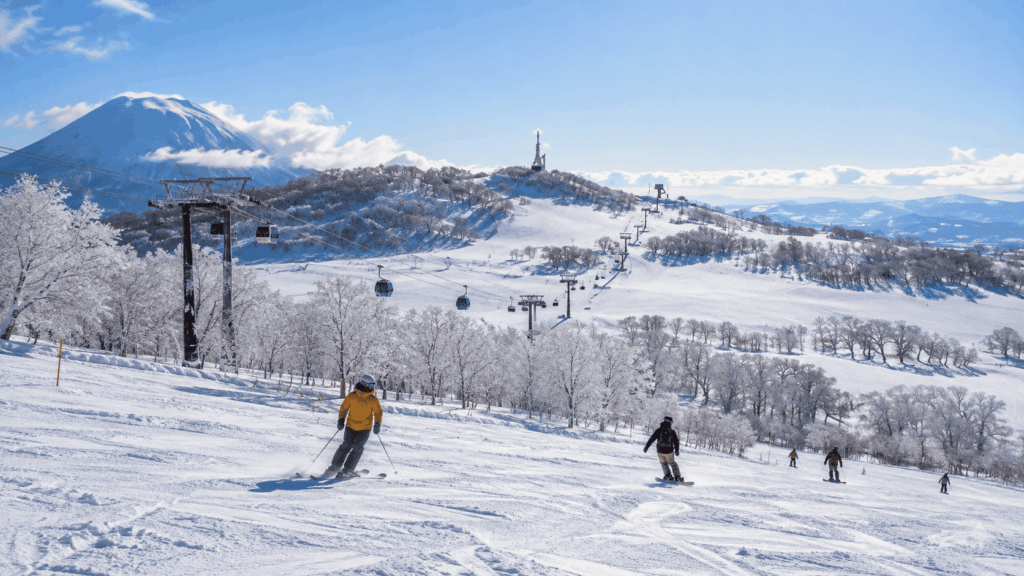
Only have a single ski day out of Sapporo? The practical route is a Sapporo Teine day package that bundles transfers and rental rather than assembling each piece yourself — check what each plan actually includes, because lesson time and lift access vary between them.
| Resort | Region | Best for | Main advantage | Main drawback |
|---|---|---|---|---|
| Niseko United | Hokkaido | First multi-day trip, powder, English-friendly service | Four base areas on one pass; the most consistent dry-snow reputation in Japan | Peak-season lift lines and lunch-hour congestion around Grand Hirafu; premium prices |
| Hakuba Valley | Nagano | Intermediate and advanced skiers wanting scale and variety | Ten resorts, 1,071m of vertical at Happo-One, long top-to-bottom runs | Most resorts are not linked by lifts (Hakuba Goryu and Hakuba47 are an exception); you generally depend on shuttle buses, and snow can change at low elevation |
| Nozawa Onsen | Nagano | Skiing plus a traditional village and onsen | Compact walkable village with public bathhouses and a real food scene | Narrow, sloping lanes under snow; one main mountain, so advanced skiers run out of new terrain |
| Rusutsu | Hokkaido | Tree skiing and resort-style convenience | Three connected mountains with generous ungroomed tree terrain | The adult window day pass (¥16,700) is higher than Niseko’s all-mountain pass |
| Furano | Hokkaido | Quiet inland Hokkaido, groomers, cold snow | Two zones joined at the summit; noticeably calmer than Niseko | Slopes and town are separate; less going on off the hill in the evening |
| Shiga Kogen | Nagano | Long cruises and covering ground | 18 areas and 45 lifts on one common pass (¥9,500) | Very spread out; you still use shuttles, and nightlife is limited |
| Myoko Kogen | Niigata | Heavy snowfall and small onsen towns | Some of the deepest snow in Honshu, based around Akakura | Areas are separately ticketed and strung along the valley; connections are awkward without a car |
| Zao Onsen | Yamagata | Snow monsters, onsen, winter atmosphere | Juhyo (snow monsters) and a strong hot-spring village | Views depend entirely on weather; older lifts and frequent cold, low-visibility days |
| GALA Yuzawa | Niigata | A single ski day from Tokyo | Shinkansen station at the base; rental and lifts in one building | South Area closed for the whole 2026–27 season, so terrain is reduced; limited for advanced skiers |
| Sapporo Teine | Hokkaido | A ski day while staying in Sapporo | Roughly 40–60 minutes from the city center, with night skiing | Small next to destination resorts; you still transfer by bus from Teine Station |
How We Chose These Ski Resorts
These are not ranked. A single score would hide the trade-offs that decide whether you enjoy the week, so six factors were weighed against each other instead:
- Snow: reputation, elevation and how much the quality varies through the season
- Terrain: vertical, pitch, long runs and whether beginner slopes sit somewhere sensible
- Access: how many transfers stand between the airport or station and the lifts
- Cost: pass prices compared at equal coverage, not headline numbers
- Off-slope experience: village, onsen, food, and what happens after 5pm
- Practical friction: queues, shuttle capacity, lunch logistics, lift layout
The last one is where most “best resort” lists go quiet. Recent visitors to Niseko repeatedly mention lift queues and restaurant waits at peak periods; Hakuba travelers regularly mention shuttle crowding and the time lost moving between resorts. Those complaints are conditions, not verdicts — but they belong in a decision about where to spend five days.
Niseko vs Hakuba: Which Is Better for You?
This is the comparison most travelers are actually making. The short version: Niseko is easier and snowier by reputation; Hakuba is bigger and more demanding. The table below breaks that into the differences you will feel on the mountain.
| Factor | Niseko United | Hakuba Valley | Practical verdict |
|---|---|---|---|
| Powder consistency | Strong reputation for light, dry snow; still weather-dependent | Excellent on cold days, but lower slopes soften during warm spells | Niseko has the better odds; Hakuba rewards reading the forecast |
| Terrain character | Four areas with moderate vertical; tree skiing and open powder fields | Bigger vertical at Happo-One (1,071m) and steeper, longer runs | Hakuba for challenge and scale; Niseko for accessible powder |
| Beginner suitability | Gentle lower slopes at the Hirafu and Hanazono bases | Better beginner terrain sits at Tsugaike, Goryu and Iwatake, not Happo | Beginners should not default to Happo-One just because it is famous |
| English-speaking services | The widest English support in Japan — lessons, rentals, dining | Good in the main villages, thinner at smaller resorts | Niseko if you want zero language friction |
| Crowds | Peak-season lift lines and a lunch rush at Grand Hirafu | Weekend gondola queues at Happo; shuttle pressure between resorts | Different crowds: Niseko queues at lifts, Hakuba queues at buses |
| Food and dining convenience | Huge choice, but the popular rooms fill at 12:00 | Spread across villages; good local food, less clustered at the base | Both need a lunch plan; Niseko needs it more |
| Getting around | Four base areas, connected by shuttle and upper-mountain links | Ten resorts along a valley; almost everything needs a bus | Hakuba costs more time in transit |
| Traditional Japanese atmosphere | Limited; the resort feels international | Present in the villages, though Happo is international too | Choose Nozawa Onsen if this is the priority |
| Ease of access from Tokyo | Flight to New Chitose, then a 2.5–3.5 hour transfer | About three hours by shinkansen and bus | Hakuba is simpler; Niseko is a longer travel day |
| Lift pass structure | All-Mountain ¥13,500; Grand Hirafu & HANAZONO ¥12,500 for about 60% of the terrain | All-Mountain ¥11,100 for ten resorts, with free shuttle on ski days | Hakuba’s pass buys more coverage per yen |
| Best suited travelers | First-timers, powder chasers, groups who want English support | Confident intermediates and advanced skiers who accept shuttles | Pick by tolerance for logistics, not by snow photos |
Niseko: Excellent Powder, but Expect an International Resort Atmosphere
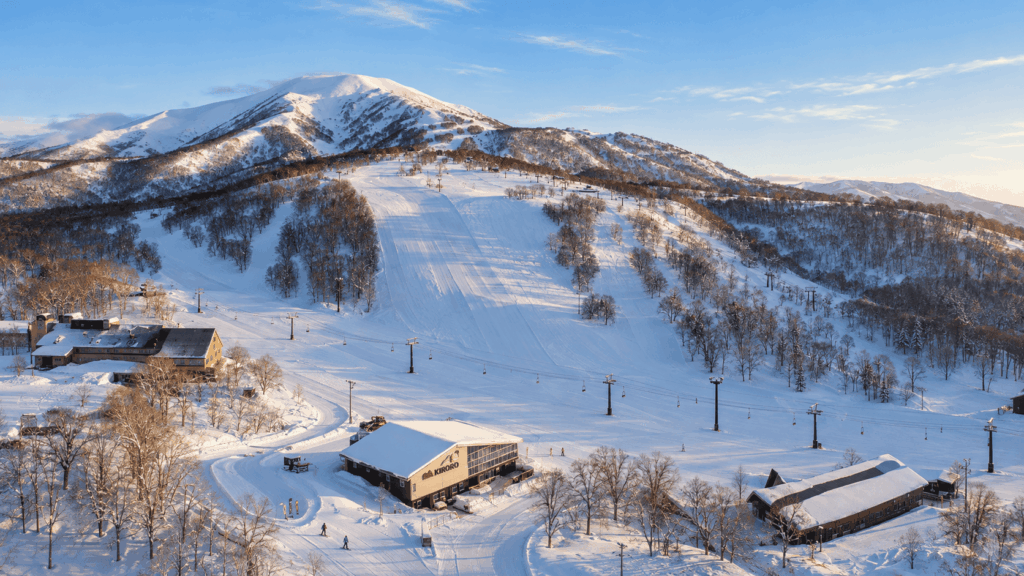
Grand Hirafu is the busiest of the four Niseko base areas, and on a good snow morning that is exactly what you want: the lifts run over genuinely light snow, and the terrain between the groomed runs holds up for days after a storm. What struck me most on the lift line was not the snow but the crowd — English, Australian accents, families in rented gear, a queue that felt like a resort in Colorado or Whistler rather than a Japanese mountain village.
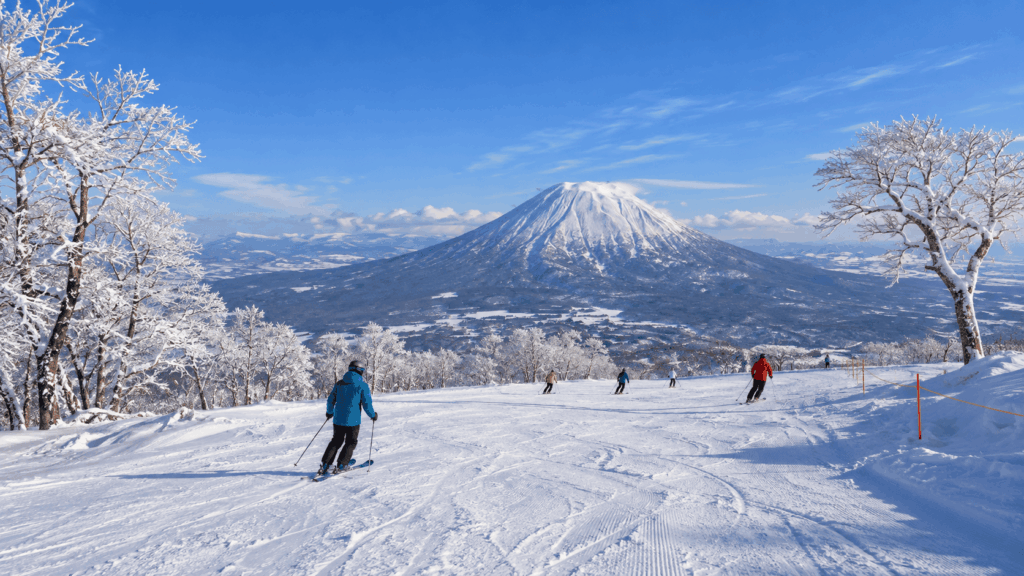
That is a feature if you want lessons, rental advice and a menu you can read without guessing. It is a drawback if you came for a quiet onsen town. Mt. Yotei fills the view from the upper slopes either way, and the mountain itself has not been internationalized — only the base area has.
Kai’s tip: Lunch is where a good powder day quietly loses an hour. Around midday the sit-down restaurants at the Grand Hirafu base fill up and stay full, so I suggest eating at 11:00 or after 13:30, or carrying something small for the lift. Check current opening hours and each restaurant’s policy on outside food before you count on it.
One more practical point: the All-Mountain pass and the Grand Hirafu & HANAZONO pass are only about ¥1,000 apart at peak season. If you plan to spend most of your days on Hirafu and Hanazono, the cheaper pass is fine. If you want to see Annupuri and Niseko Village, the difference is small enough that the all-mountain version usually makes more sense.
Hakuba: Bigger Mountain Terrain, but Snow Conditions Can Vary
Happo-One is the reason Hakuba has the reputation it does. The resort runs from 760m at the village to 1,831m at the top, with 1,071m of vertical and a longest run of roughly 8km — the kind of scale that makes a lift map feel optimistic until you ride it. The Riesen Slalom Course and the upper terrain around Usagidaira are the parts that make strong skiers want to stay another day.
What catches people out is the bottom of the mountain. On a warm day — and these happen in February, not just in March — the lower slopes around Riesen soften into heavy, slushy snow while the upper mountain is still cold and fast. On those days I have steered people toward the higher lifts and away from the base, because the same resort can feel like two different ski areas on the same afternoon. That is a decision about the day, not a claim that Happo’s snow is unreliable.
The Adam Gondola from the Shirakaba base is a major way up, and the queue there is the one that builds at weekends. If you are staying in Happo village and skiing on a Saturday, being at the gondola before opening is worth more than a second coffee.
Niseko or Hakuba? The Practical Verdict
Choose Niseko if powder and English-language ease are the point of the trip, and you can accept busy restaurants and premium prices as part of the deal. Choose Hakuba if you want steep, long terrain and the freedom of ten resorts on one pass, and you are willing to lose time on shuttles and check the snow line each morning.
If neither feels quite right, the answer is usually a different resort rather than a different week: Nozawa Onsen for village life, GALA Yuzawa if Tokyo is your base, Rusutsu for trees, Furano for quiet. The next section covers those properly, including what each one costs you.
The Best Alternatives to Niseko and Hakuba
Choosing an alternative is not settling for second best. In several cases it is the more sensible trip: cheaper, quieter, or simply a better match for how you actually ski. What follows is based on official resort information and consistent themes in traveler reviews, not on personal visits.
Rusutsu and Furano: Hokkaido Beyond Niseko
Rusutsu is a resort in the old sense: three mountains — Mount Isola, West Mountain and East Mountain — wrapped around hotels, with enough ungroomed tree terrain that strong skiers spend the day in the trees rather than on the pistes. It suits people who want Hokkaido snow and resort-style convenience in the same place. The catch is cost. The adult window price for a one-day pass is around ¥16,700, which is more than Niseko’s all-mountain pass, so the assumption that leaving Niseko saves money does not hold here. Book online and the price drops to roughly ¥13,200, which changes the arithmetic considerably.
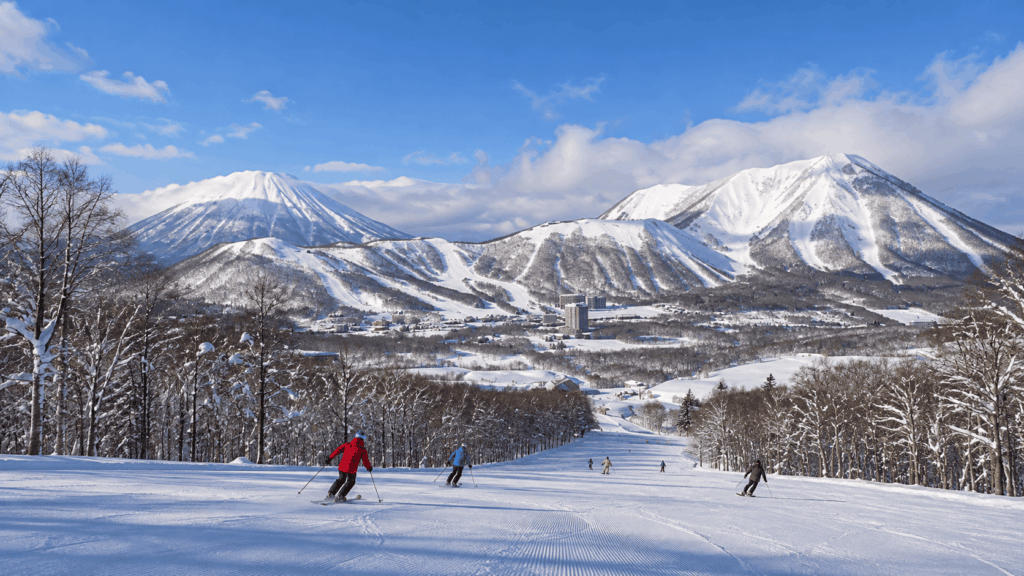
Furano is the opposite proposition. The resort is split into the Furano Zone and the Kitanomine Zone, joined at the top of the mountain, with a 1,074m summit and 839m of vertical. It is cold, inland and quiet, and the groomed runs are long enough to build a rhythm on. Travelers who have skied both often describe Furano as calmer than Niseko — treat that as a tendency rather than a guarantee, especially in the January peak. Day passes are generally cheaper than Niseko’s, but Prince Resorts reprices each season, so check the current rate card. The real drawback is that the town and the slopes are separate, and the evening is quiet.
Nozawa Onsen and Shiga Kogen: Traditional Japan or Long Ski Days
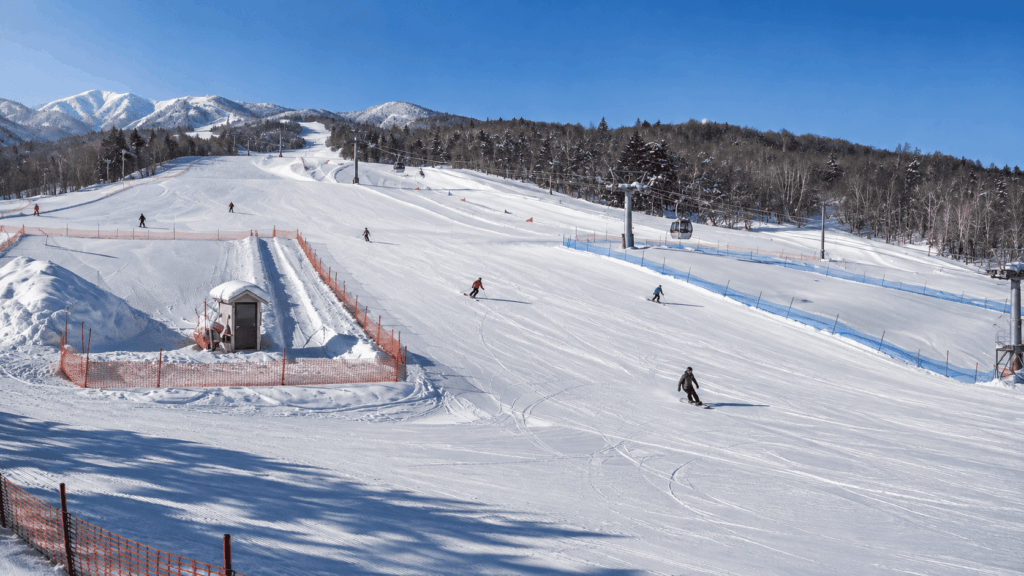
Nozawa Onsen is the answer for anyone who wants the village to be as memorable as the skiing. The resort rises straight out of a working onsen town of narrow lanes, public bathhouses and small restaurants, and you can walk from your lodging to the lifts. A one-day adult pass is ¥7,800 for the main season. Be realistic about the village itself: the lanes are steep, narrow and often packed with snow, and dragging a suitcase through them at night is the least enjoyable part of the trip. Advanced skiers may also find one mountain limiting after three days.
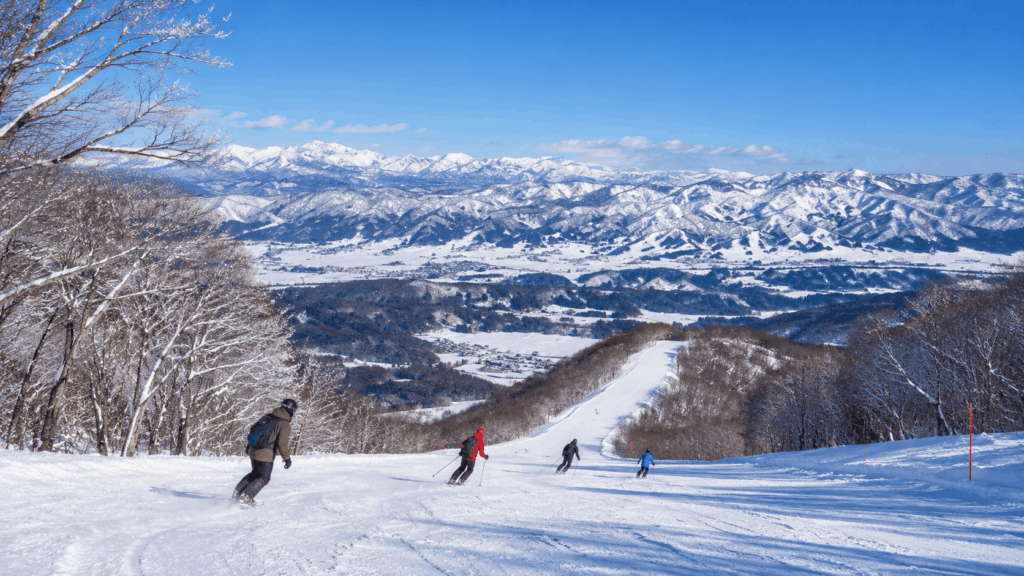
Shiga Kogen solves the opposite problem. Eighteen ski areas and 45 lifts sit under one common pass at ¥9,500, which makes it the best value in Japan if your idea of a good day is covering distance rather than repeating one face. Yakebitaiyama and Ichinose are the names you will see most often on signs. The trade-off is sprawl: the areas are strung along a high valley, you still rely on shuttles, and the evenings are quiet. It is reached by bus from Nagano Station, roughly 70–90 minutes depending on where you stay.
Myoko and Zao Onsen: Deep Snow or a Unique Winter Atmosphere
Myoko Kogen is for snow snobs. The valley around Akakura picks up some of the heaviest snowfall in Honshu, and the towns are small, traditional onsen settlements rather than resort villages. Akakura Onsen and Akakura Kanko are the two main bases, with a one-day adult pass at Akakura Kanko around ¥7,000 and joint tickets covering several areas. The friction is structural: the ski areas are separate, priced separately and spread along the valley, so without a car you will spend time waiting for buses.
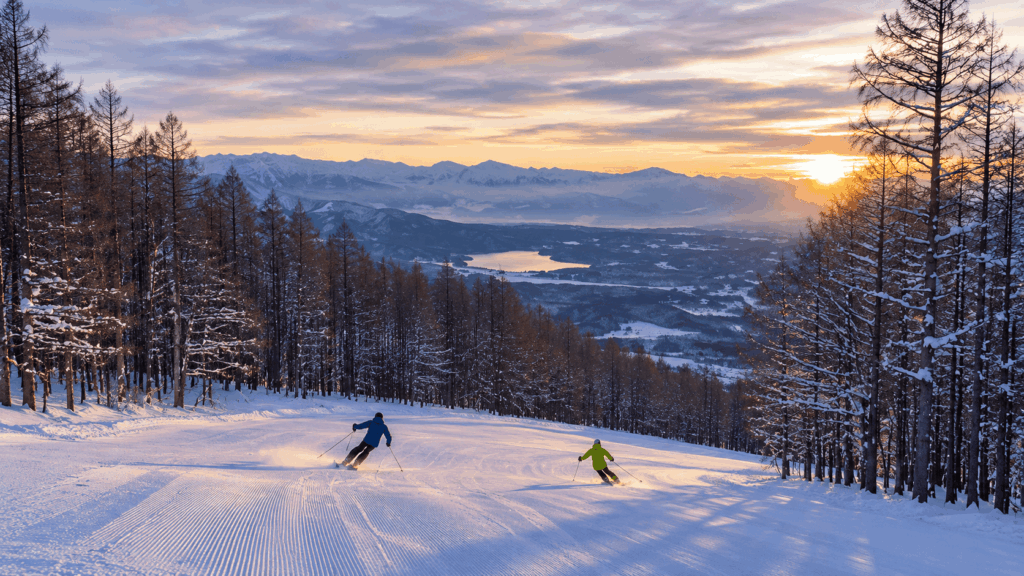
Zao Onsen is worth the trip for the Juhyo — snow-covered trees that form the “snow monsters” the region is known for — plus a genuine hot-spring street at the base. A day pass typically sits in the ¥7,500–8,500 range depending on the period. Understand what you are buying: the famous views depend on weather, and Zao has plenty of cold, windy, low-visibility days. If you go specifically for the ice trees, build in a spare day rather than pinning the trip on one afternoon.
GALA Yuzawa and Sapporo Teine: Best for Short Ski Trips
GALA Yuzawa has its own shinkansen station directly connected to the resort base building. From Tokyo Station it is about 71–77 minutes on the Joetsu Shinkansen, and you walk out of the station into the rental and ticket hall. An adult one-day gondola-and-lift ticket is ¥8,000 at the window, or ¥7,500 online. Two things matter for 2026–27: the South Area is closed for the entire season, and the connecting ropeway to Yuzawa Kogen is also out, with a shuttle bus covering the link. That leaves the Central and North areas, which is fine for a first day on snow and thin for experienced skiers.
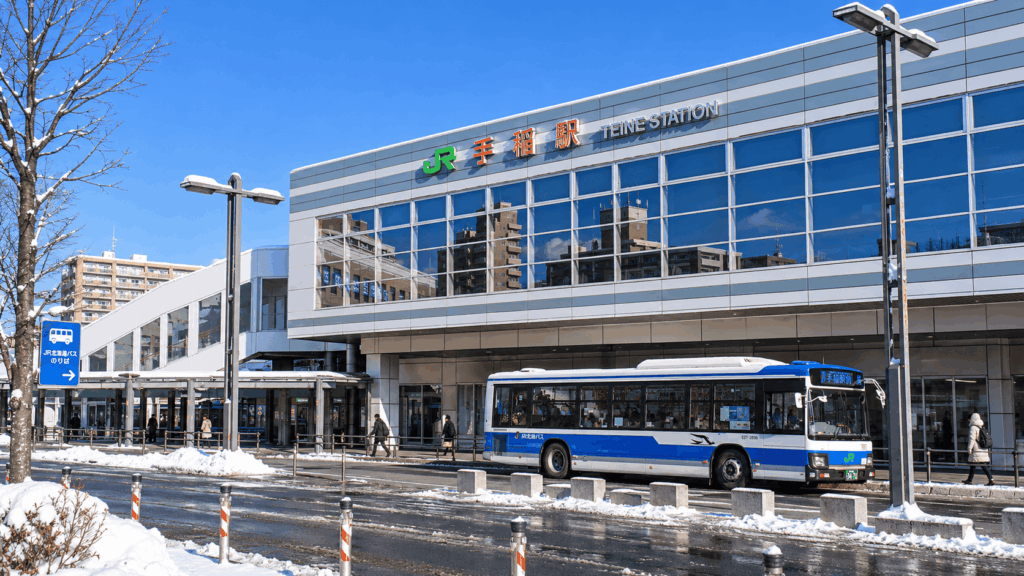
Sapporo Teine is the Sapporo equivalent: a 1972 Olympic venue about 40–60 minutes from the city center, split between the Highland Zone at the top and the Olympia Zone lower down, with night skiing. A one-day adult pass is ¥9,800 at the window or ¥8,800 online. The transfer is the part people underestimate — you take a train to Teine Station and then a bus up the mountain, and the bus runs less often outside peak periods.
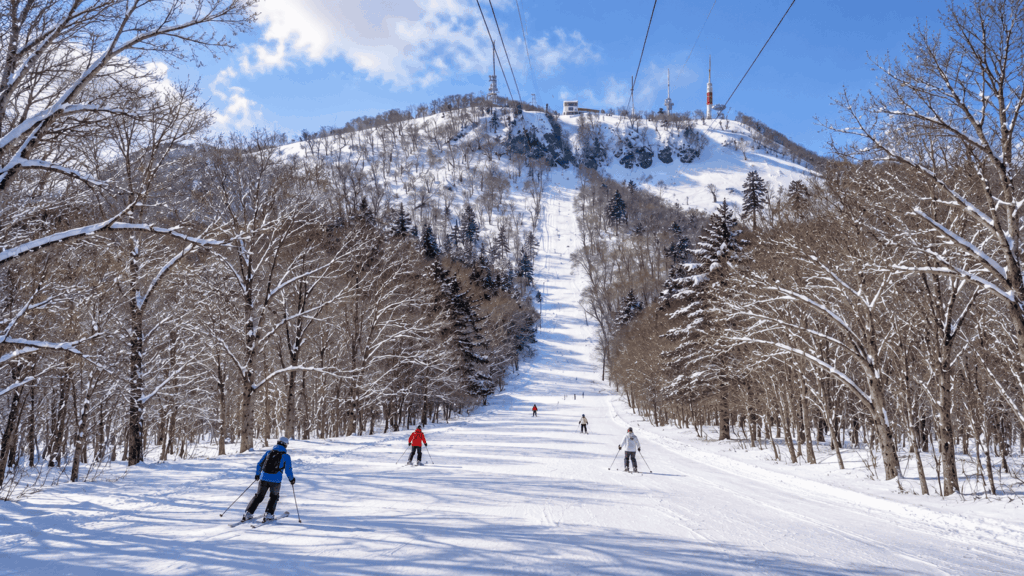
If you are based in Sapporo and want the day arranged rather than assembled, the Sapporo Teine day packages are the ones to compare: transfers, rental and lift access in a single booking, with English-speaking support on site. Read the inclusions line by line, because plans differ — some include instruction and some do not, lift access is time-limited on certain options, and hotel pickup only covers part of the city. If your accommodation falls outside that zone, you will still need to reach the meeting point yourself.

If you are staying in Sapporo and want a proper day on the slopes without coordinating every detail, this is the guided ski experience worth comparing with a DIY trip.
Why I’d book this one
- Beginner-friendly instruction: Recent travelers mention patient teaching and helpful guidance, including support for participants with different experience levels.
- Fewer arrangements to manage: Traveler feedback highlights straightforward equipment preparation and organized support, which can make a short ski day easier to manage.
- Flexible package choices: Options differ in lesson duration, lift access and pickup arrangements, so you can check which version fits your experience level and schedule rather than paying for services you do not need.
See live availability, package inclusions, start times and recent traveler reviews for the Sapporo Teine ski experience before choosing your date.
Which Japanese Ski Resort Fits Your Skill Level?
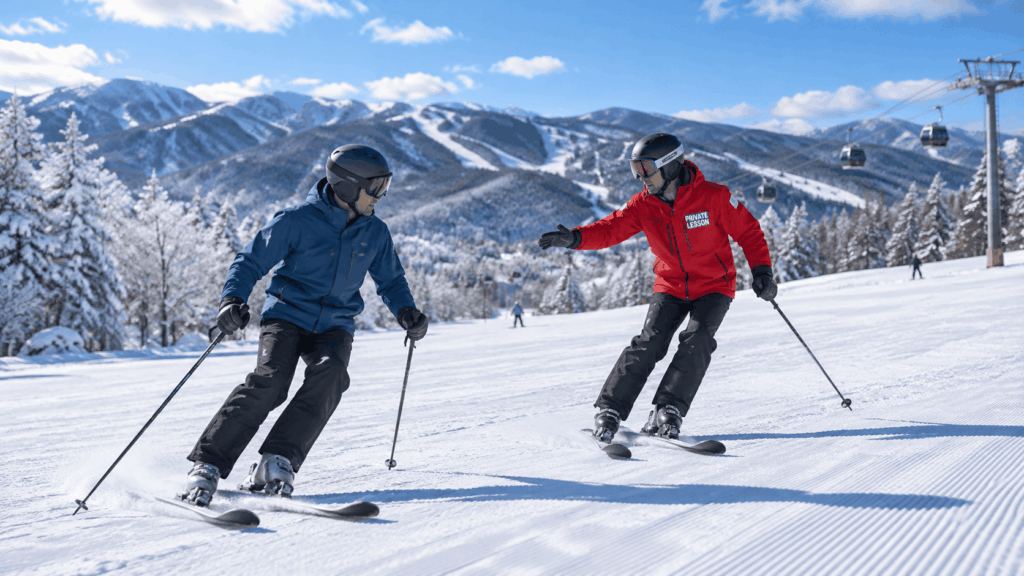
Fame is a poor guide to suitability. Happo-One is the most famous resort in Hakuba and one of the least forgiving places to learn; Niseko is the most popular powder destination in Japan and still has gentle terrain at the right bases. Use the table, then read the notes underneath.
| Skill / Group | Recommended resorts | Why | Watch out for |
|---|---|---|---|
| Complete beginner, first week on snow | Niseko (Hirafu and Hanazono bases), Tsugaike, GALA Yuzawa, Sapporo Teine | Accessible gentle slopes near the base, rental and lessons in the same place | Do not buy an all-mountain pass on day one; you will use a fraction of it |
| Mixed group with different abilities | Rusutsu, Niseko, Hakuba (Goryu or the Happo base), Shiga Kogen | Separate areas let strong and weak skiers ride the same mountain and meet for lunch | Agree a meeting point in advance; base areas are bigger than they look |
| Intermediate who wants mileage | Shiga Kogen, Furano, Happo-One, Nozawa Onsen | Long groomed runs and enough terrain to avoid repeating the same line | Flat light on cloudy days makes groomed runs hard to read |
| Advanced, steep terrain and powder | Happo-One, Niseko, Rusutsu | Real pitch, sustained vertical and lift-accessed ungroomed terrain | Respect gate and backcountry rules; carry the equipment the resort requires |
| Families with young children | Rusutsu, Hanazono, Hakuba Goryu, Sapporo Teine | Childcare, dedicated kids areas and short distances between lodging and snow | Book lessons and childcare before you arrive; peak weeks fill up |
Best Ski Resorts in Japan for Beginners
The resorts that work for beginners are the ones where the easy terrain sits at the base, next to the rental desk and the lesson meeting point, rather than halfway up a mountain. Tsugaike and Hakuba Goryu in Hakuba, the Hirafu and Hanazono bases in Niseko, GALA Yuzawa and Sapporo Teine all fit that description. At Happo-One, beginners are better served by staying low and using the Nakiyama and Sakka side rather than riding to the top because the ticket allows it.
One habit worth adopting: decide which lifts you will actually use before you buy. A beginner who spends the week on two lower lifts has not failed to get value from a big resort — they have simply bought the wrong ticket, which the next section addresses directly.
Best Resorts for Intermediate and Advanced Skiers
Intermediates get the most out of Shiga Kogen, Furano and the mid-mountain of Happo-One, where long groomed runs let you build speed and rhythm without hunting for the next lift. Advanced skiers should look at Happo-One for pitch and vertical, Niseko for lift-accessed powder and tree lines, and Rusutsu for sustained tree skiing.
Difficulty ratings on a trail map tell you less than you expect. A black run in one resort can feel like a red in another, and snow conditions change the number entirely — a steep groomer in cold dry snow is easier than a blue slope in heavy wet snow. Treat any difficulty comparison, including this one, as a starting point rather than a measurement.
Best Resorts for Families and Mixed-Ability Groups
For families, the deciding factor is rarely terrain quality. It is whether a parent can ski a real run and still make the 12:30 lunch, and whether a child who tires early has somewhere warm to wait. Rusutsu, Hanazono and Hakuba Goryu handle that well; Sapporo Teine is a reasonable option if you are already staying in the city and want a low-commitment day.
Mixed-ability groups should also consider splitting tickets. There is no rule that everyone in a group needs the same pass, and buying an all-mountain pass for someone who will spend three days on the beginner slope is the most common way to waste money on a Japanese ski trip.
When Is the Best Time to Ski in Japan?
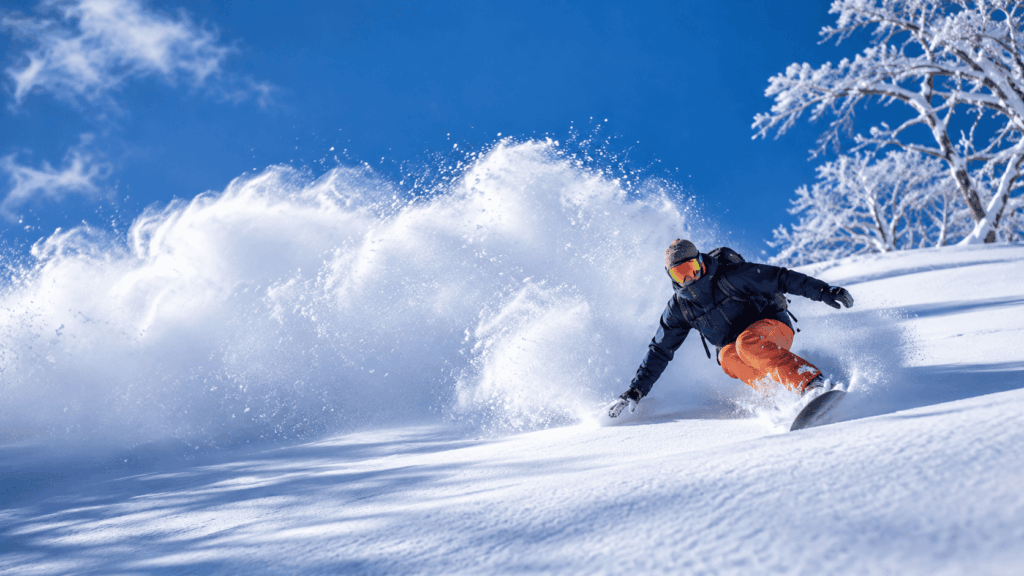
January and February give you the best odds of cold, dry snow across Hokkaido and the higher resorts of Nagano and Niigata. They are odds, not a promise. Warm spells, rain at low elevation and strong winds happen in every month of the season, and the resort that looked perfect in a photograph was photographed on one specific morning.
January and February: Best Odds for Powder, Not a Guarantee
Mid-January to late February is the safest window for a first trip: base depths are established, most terrain is open, and the snowpack is cold enough to stay dry at altitude. It is also the busiest and most expensive window, with the Lunar New Year period and school holidays pushing up accommodation and lift queues. Early December is cheaper and quieter, but you are gambling on coverage; March often brings sun, softer snow and lower prices, with the trade-off of slush at low elevation.
Where you are matters as much as when. Hokkaido’s inland resorts hold cold snow more consistently than Honshu resorts closer to the coast, and within a single resort the difference between 760m and 1,831m can decide your afternoon. Booking the first week of February and assuming every day will be a powder day is the most common planning error I see.
What to Do When the Lower Slopes Turn Slushy
On a warm day, the bottom of a big resort turns first. Lower slopes face more sun, sit closer to valley temperatures, and hold moisture that the upper mountain does not. At Happo-One this shows up around the lower part of the Riesen Slalom Course, where the snow can go from fast to heavy in the space of a few hours.
Kai’s tip: When the base turns soft, the fix is usually altitude rather than technique — ride the upper mountain and come down at the end of the day rather than fighting the slush all afternoon. I have redirected guests upward on days exactly like this. But it only works if the upper lifts are running and visibility is reasonable; on windy or cloudy days the top can be closed or lost in cloud, and then the softer lower slope is the better of two imperfect options. Check the resort’s live lift status before committing.
How Much Does Skiing in Japan Cost in 2026–27?
Lift tickets are the number everyone quotes and the number most often compared incorrectly, because a cheap pass that covers one base area is not the same product as an all-mountain pass. The table below compares six passes at peak season for an adult one-day ticket.
| Pass | Adult 1-day price | Coverage | Best suited for | Limitation |
|---|---|---|---|---|
| Niseko United All-Mountain | ¥13,500 window / ¥12,800 online | Annupuri, Niseko Village, Grand Hirafu, Hanazono | Anyone staying four or more days or wanting the full area | Peak pricing runs 24 Dec 2026 – 28 Feb 2027 |
| Grand Hirafu & HANAZONO | ¥12,500 window / about ¥11,800 online | Two areas, roughly 60% of the terrain | Shorter stays and groups based at Hirafu | No access to Niseko Village or Annupuri |
| Hakuba Valley All-Mountain | ¥11,100 | All ten Hakuba Valley resorts, plus free shuttle on ski days | Travelers who want to move between resorts | Most of the resorts are not lift-linked, so transfers still take time; Hakuba Goryu and Hakuba47 are a connected exception |
| Hakuba Happo-One Standard | ¥9,800 | Happo-One only, full mountain | Skiers staying in Happo village for the whole trip | No access to the other nine valley resorts |
| Happo Debut | ¥4,900 | Seven beginner lifts at Nakiyama, Shirakaba, Sakka and Kitaone | First-timers and anyone staying on the lower slopes | Adam Gondola and the upper mountain are not included |
| GALA Yuzawa Standard | ¥8,000 window / ¥7,500 online | Central and North areas | A day trip from Tokyo | South Area closed for 2026–27; limited terrain for advanced skiers |
Lift Ticket Prices: All-Mountain vs Single-Resort Passes
Look at the coverage column before the price column. At Hakuba, the valley pass costs ¥11,100 while a Happo-One-only pass costs ¥9,800 — ¥1,300 more gives you access to the other nine resorts on that day, plus free shuttle travel when using the pass for skiing. If you plan to ski more than one Hakuba Valley resort on the same day, or want the flexibility to switch mountains, the valley pass can justify its extra ¥1,300; if you intend to spend a full day at just one other resort, compare that resort’s own ticket first. If you are in Happo for four days and never leave, the single-resort pass is cheaper and simpler.
Niseko works the other way around. The all-mountain pass and the Hirafu-Hanazono pass are close in price, so the question is not cost but intent: if you will genuinely ride Annupuri and Niseko Village, take the full pass; if you are based at Hirafu and skiing three days, the two-area pass is enough. Prices have climbed noticeably in recent seasons — that is an impression shared by most returning visitors, not a measured increase — so budget from the current season’s rate card rather than from an old blog post.
The Happo Debut Ticket: A Practical Money-Saving Example
Happo-One’s Debut pass is the clearest example of paying for what you use. At ¥4,900 for a peak-season adult day, it costs exactly half the standard pass, and it covers seven named lifts: Nakiyama No. 2 Pair, Nakiyama No. 3 Triple, Shirakaba No. 1 and No. 2 Pair, Sakka No. 2 Pair, Sakka No. 3 Triple and the Kitaone Quad.
Kai’s tip: I have handed beginners the Debut ticket more than once, and the conversation is always the same — where will you actually ski tomorrow? If the answer is the Nakiyama or Sakka slopes, the Debut pass covers it and the standard pass is money left on the mountain. What it does not cover is the Adam Gondola or anything above the lower mountain, so the moment you want to ride to the top, you need to upgrade. Decide the area first, then buy the ticket.
Budget Beyond the Lift Pass
The pass is rarely the largest line in a Japanese ski budget. Accommodation, the transfer from the airport or station, rental, lessons and food usually add up to more, and the balance shifts depending on where you go. Niseko commands the highest accommodation rates of the resorts here; Nozawa Onsen and Myoko offer more modest lodging but fewer rooms, which pushes prices up in peak weeks.
There is also a time cost that never appears on a receipt. A resort where lunch takes ninety minutes because every table is full is more expensive than its pass price suggests, and a valley where each transfer eats forty minutes is effectively a shorter ski day. When comparing Niseko and Hakuba on cost, put those hours in the same column as the yen.
Getting There and Choosing Where to Stay
Your starting point decides more than your ability level. Travelers already in Tokyo should look hard at Honshu; travelers flying into Hokkaido should not spend the first day of a short trip crossing the island. The mistake I see most often is a five-day itinerary split between Tokyo, Niseko and Kyoto — technically possible, and a waste of two of the five days.
Best Ski Resorts Near Tokyo
For a single day, GALA Yuzawa is one of the simplest choices: a shinkansen from Tokyo Station reaches the resort’s dedicated station in about 71–77 minutes, with rental and lift facilities in the connected building. Karuizawa Prince and some other Yuzawa-area resorts are also practical Tokyo day trips. For two or three days, Hakuba is the stronger choice — roughly three hours from Tokyo by shinkansen to Nagano and then a bus — with Nozawa Onsen about two and a half hours door to door and Shiga Kogen reached by bus from Nagano Station. Each of those transfers is straightforward on its own; the difficulty is luggage, which multiplies with every change.
Getting to Hokkaido’s Resorts
Niseko is 2.5–3.5 hours from New Chitose Airport by winter bus, depending on the service and the weather. Rusutsu has its own ski buses from the airport, and Furano sits further inland again, which is why it rarely appears in a short Hokkaido itinerary. None of these times are guarantees: a winter storm can close a highway, and the bus that left on time can arrive two hours late.
Build the transfer into the trip rather than treating it as dead time. An afternoon flight into New Chitose followed by a bus to Niseko often means arriving after dark with no dinner arranged; a morning flight costs one night’s accommodation but gives you a full first day on snow.
Staying Near the Lifts vs Moving Between Resorts
In Hakuba, the valley shuttle is free on ski days if you hold the all-mountain pass, which makes moving between resorts affordable but not necessarily quick. Buses fill at peak times, and the last useful services in the afternoon are the ones most likely to be crowded. Staying within walking distance of Happo’s gondola or the Goryu base removes that uncertainty at the cost of a higher room rate.
In Niseko, the four base areas are distinct places to stay. Hirafu has the most restaurants, bars and rental shops, and the busiest lifts; Hanazono is quieter and more family-oriented; Niseko Village and Annupuri are calmer still. Choose the base by what you want at 6pm, not just by what is on the trail map.
How Many Days Do You Need?
Two days is enough to learn to ski and enjoy it. Three to five days is where a Japanese ski trip starts to feel like a holiday rather than an excursion. Beyond a week, the question becomes whether you want to move between resorts or settle in one place and learn its mountain properly.
One-Day Ski Trip: Choose Convenience
With one day, convenience beats terrain every time. From Tokyo, that means GALA Yuzawa. From Sapporo, it means Sapporo Teine — close enough that a late start still leaves four hours on snow, and far enough from the international resort circuit that you are skiing with locals on a weekday.
A day trip only works if the logistics are settled in advance: rental sizes, lift ticket collection, and how you get from the station to the base. If you are staying in Sapporo and would rather not solve each of those separately, the packaged Sapporo Teine options bundle transfers, equipment and lift access — check the plan details, since lesson inclusion and lift hours differ between them.
If you already have your own ski equipment and do not need instruction, compare the Sapporo Teine round-trip bus and lift-ticket package on Klook instead. Equipment rental and lessons are separate.
Three to Five Days: Prioritize One Main Base
With three to five days, pick one base and stay there. Chasing a different resort every morning is the fastest way to spend a ski holiday in a bus. In Niseko, that means choosing Hirafu, Hanazono, Niseko Village or Annupuri and accepting that you will not ski all four properly. In Hakuba, it means deciding whether you are a Happo skier or a valley skier, and buying the matching pass.
It also means buying tickets day by day if your plans are uncertain. A five-day all-mountain pass is only good value if you actually ski five days on it; a rest day, a storm day and a travel day can turn it into an expensive souvenir.
FAQ
What is the best ski resort in Japan for beginners?
There is no single answer, because the best beginner resort is the one where the easy terrain sits next to the rental desk and the lesson meeting point. Tsugaike and Hakuba Goryu in Hakuba, the Hirafu and Hanazono bases in Niseko, GALA Yuzawa for a day trip from Tokyo and Sapporo Teine for a day out of Sapporo all fit that description. The more useful question is which ticket to buy: at Happo-One, the Debut pass at ¥4,900 covers seven lower-mountain lifts and costs half the standard day pass, so a famous resort can still work for a beginner if the pass matches the terrain they will actually use.
Is Niseko or Hakuba better for skiing?
Niseko is the better choice if powder and English-language convenience are your priorities — four base areas on one pass, the widest English support in Japan, and a strong reputation for dry snow. Hakuba is better if you want bigger terrain and more variety: Happo-One alone has 1,071m of vertical and a longest run of roughly 8km, and ten resorts share one ¥11,100 pass. The trade-offs run in opposite directions. Niseko concentrates its friction at lifts and lunch tables during peak weeks; Hakuba spreads it across shuttle buses between resorts, and its lower slopes can soften badly on warm days even in February.
Which month has the best snow for skiing in Japan?
Mid-January to late February gives you the best odds, especially in Hokkaido and at the higher resorts of Nagano and Niigata. That is a probability, not a guarantee: warm spells, rain at low elevation and wind closures happen in every month. December is cheaper and quieter but relies on early-season coverage, and March usually brings milder weather, softer snow and lower prices, with slush at the base. If powder is the whole point of the trip, book late January or early February and keep one flexible day in the itinerary for weather.
Is skiing in Japan expensive?
It depends far more on where you stay than on the lift ticket. Day passes at the resorts in this guide range from about ¥7,800 at Nozawa Onsen to around ¥16,700 at Rusutsu’s window rate, with Niseko’s all-mountain pass at ¥13,500 and Hakuba Valley at ¥11,100. Accommodation, airport transfers, rental and lessons usually cost more than the pass itself, and Niseko carries the highest lodging rates of the group. Hakuba is often better value because the valley pass includes ten resorts and free shuttle travel on ski days. Compare total trip cost, not the headline lift price.
Can you ski in Japan without renting a car?
Yes, at most of the resorts here. GALA Yuzawa has a shinkansen station at the base, Hakuba runs a valley shuttle that is free with the all-mountain pass on ski days, Nozawa Onsen is walkable from lodging to lifts, and Niseko and Sapporo Teine are served by buses. The caveats matter: shuttle buses fill at peak times, afternoon services are the ones most likely to be crowded, and winter weather can delay road transport. Check the last usable bus before you book accommodation, and treat a car as a convenience rather than a requirement.
Final Verdict: Which Japanese Ski Resort Should You Choose?
If you take one thing from this guide, take the order of the decision: match the resort to your tolerance for logistics first, then to your ability, and only then to the snow photographs. The resort with the best reputation is not automatically the one you will enjoy for five days.
- Choose Niseko United if this is your first multi-day ski trip in Japan, you want dry snow and English-language ease, and you can accept busy restaurants and premium prices. The all-mountain pass at ¥13,500 makes sense if you will use Annupuri and Niseko Village; otherwise the Grand Hirafu & HANAZONO pass saves about ¥1,000.
- Choose Hakuba Valley if you are a confident intermediate or advanced skier who wants steep, long terrain and variety, and you do not mind shuttle transfers. Buy the ¥11,100 valley pass rather than the ¥9,800 Happo-only pass if you intend to ski even one other resort.
- Choose Nozawa Onsen if the village and the onsen are as important as the skiing, and you are happy with one mountain for three days. Be prepared for steep, narrow lanes with luggage.
- Choose Rusutsu if tree skiing and resort-style convenience are the priority, and budget for the fact that its window day pass costs more than Niseko’s all-mountain pass.
- Choose Furano if you want cold inland snow, long groomers and a quiet evening, and you do not need a village at the base.
- Choose Shiga Kogen if you measure a good day in distance covered; 18 areas and 45 lifts on a ¥9,500 pass is the best value here.
- Choose GALA Yuzawa if you have one day and you are starting from Tokyo. Accept the reduced terrain — the South Area is closed for 2026–27.
- Choose Sapporo Teine if you are already staying in Sapporo and want a real ski day without a long transfer.
By Traveler Type
For first-time visitors to Japan: Niseko removes almost every language and logistics problem, and that is worth paying for on a first trip. If the budget is tight, Hakuba with the valley pass gives you more mountain per yen and a shorter journey from Tokyo.
For families: Rusutsu and Hanazono keep distances short and put childcare, rentals and gentle slopes in the same place. Hakuba Goryu works if you want a Japanese village base with easy lower terrain, and Sapporo Teine is a good low-commitment day if the children are already tired from sightseeing.
For travelers on a tight schedule: do not cross the country for two days of skiing. From Tokyo, that means GALA Yuzawa for one day or Hakuba for two or three. From Sapporo, it means Teine. A five-day trip split between Tokyo, Niseko and Kyoto spends two of those days in transit.
For repeat visitors: skip Niseko and Hakuba and go where the queues are shorter — Myoko Kogen for snow volume, Nozawa Onsen for the village, Furano for quiet groomers, or Shiga Kogen if you want to spend a week covering ground.
For powder chasers willing to gamble: late January in Niseko or Rusutsu gives the best odds, with Myoko as the underrated Honshu option. Keep a spare day and watch the forecast rather than committing to a fixed plan.
And if the trip turns out to be a single ski day out of Sapporo rather than a full ski holiday, compare the Sapporo Teine day options on inclusions rather than price alone — transfers, rental, lift hours and lesson content are not identical across plans.
Hi, I’m Kai. I’m a Tokyo-based travel writer, tourism industry insider, and the author of a published guidebook for international visitors to Japan. With over 10 years of professional experience at a leading Japanese tourism company, my mission is to help you skip the tourist traps and navigate Japan’s best destinations like a local. I believe the perfect day trip is like a traditional kaiseki meal: a beautiful balance of precise planning and unforgettable seasonal discovery. When I’m not out conducting field research, you’ll usually find me drafting new itineraries with one of my favorite fountain pens!